

Buenos Aires – often called the Paris of South America
Tuesday 10 March
And here we are – back in Argentina, for the third time on this trip! Buenos Aires, the capital and most populous city, with a population of 3.1 million, is one of 24 districts that make up the country and with its European influence on its architecture, is known worldwide as the Paris of America. With its passionate tango culture and vibrant nightlife, it is a major cultural and financial hub. I have previously visited here twice before so have seen all the main sights, Geoff too, but we have booked ourselves on two tours today so we can reconnect with as much as possible in the short time we will be here.
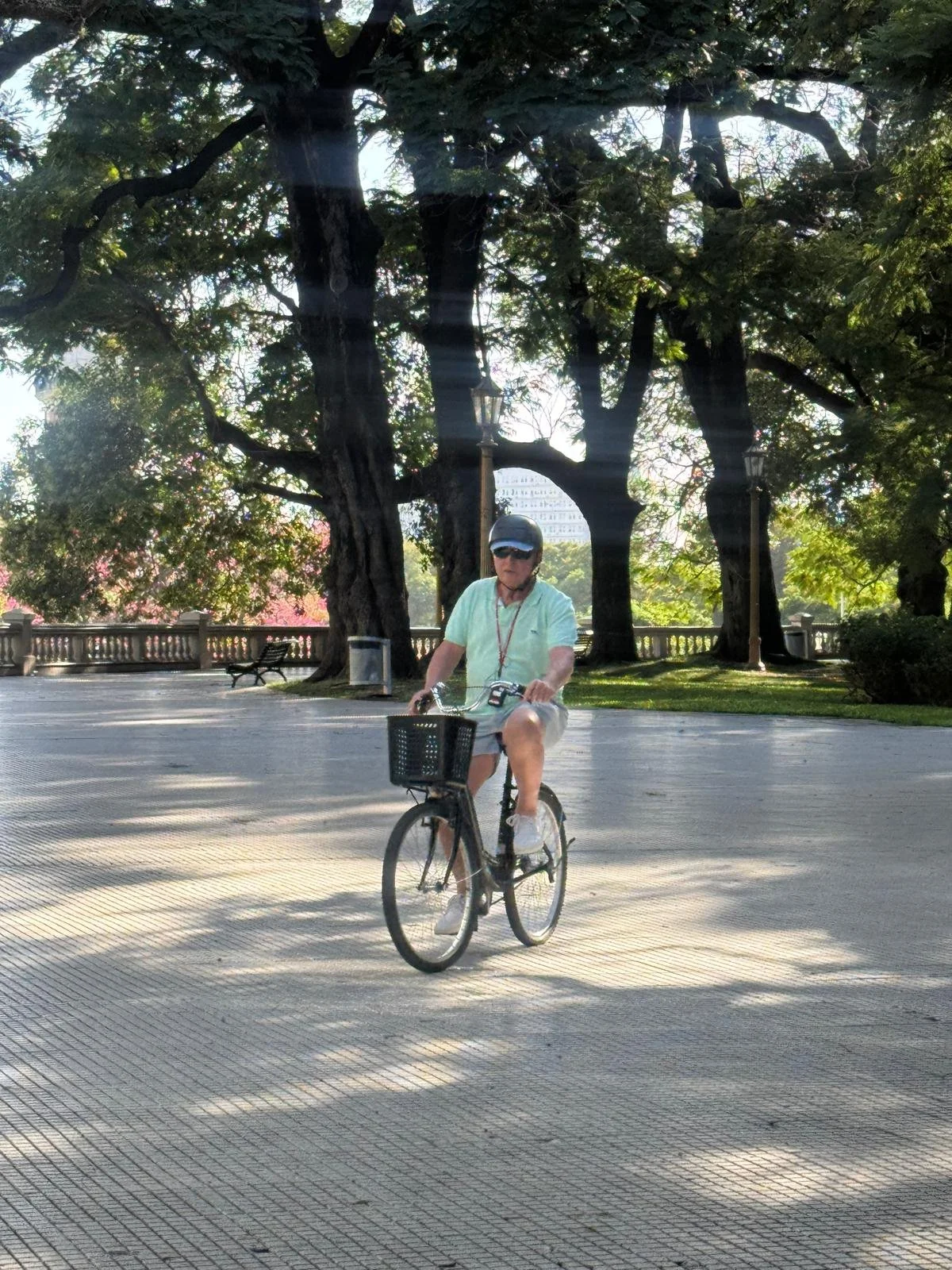
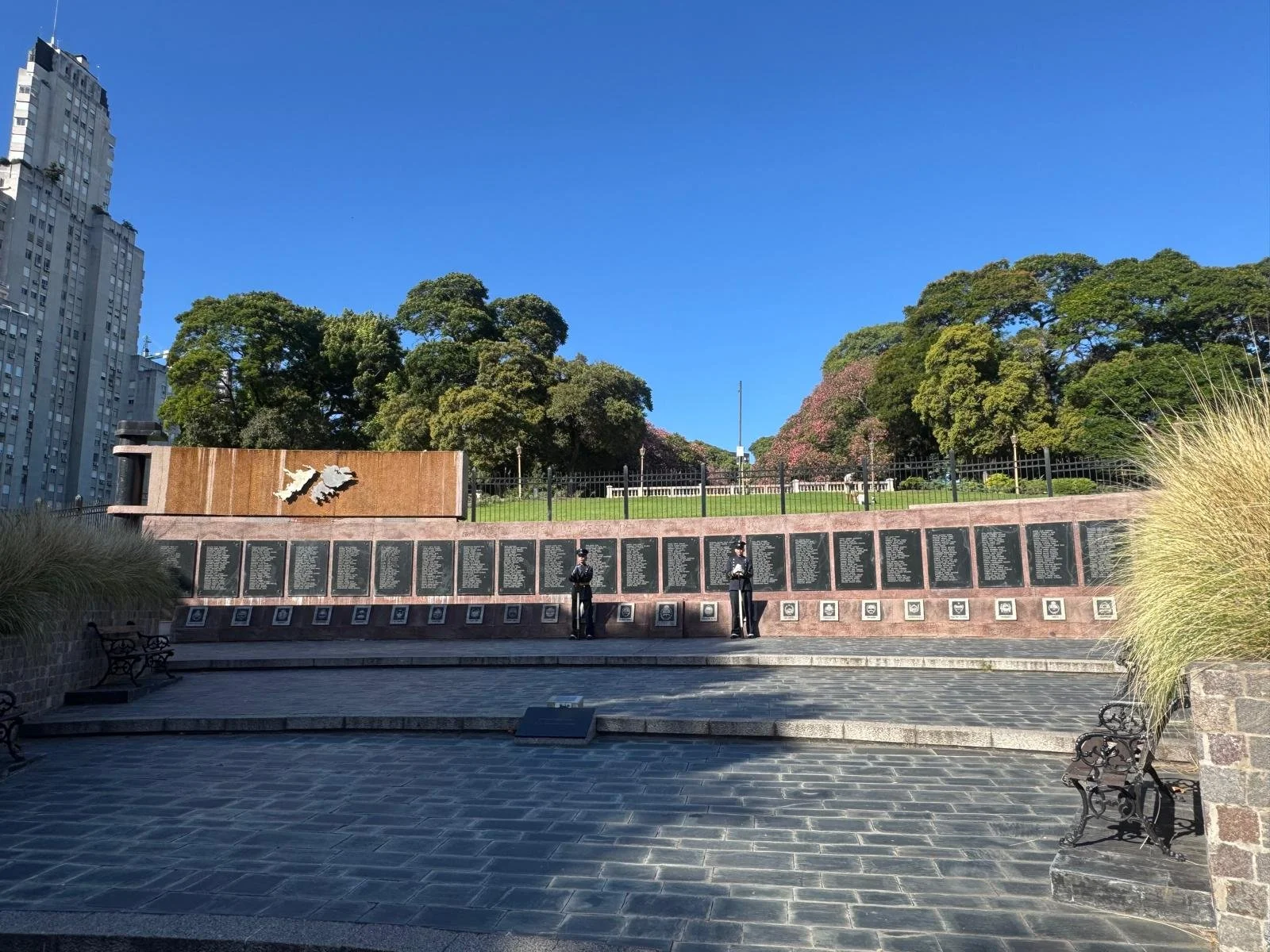
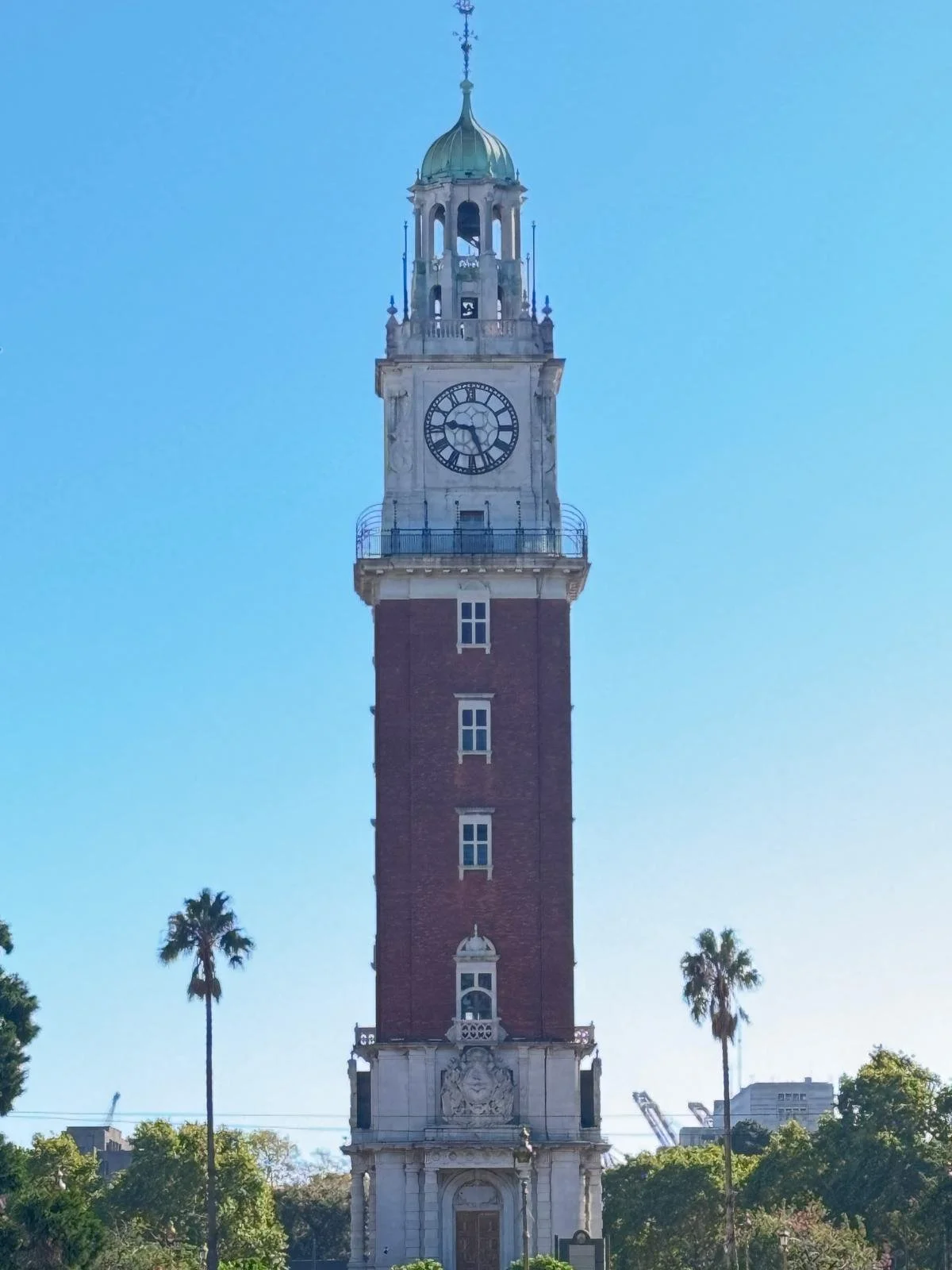
Our first tour was a bike tour – and what a wonderful sunny morning it was for it too. We met in the Retiro neighbourhood in the General San Martín Square and collected our bikes – no e-bikes this time, so a bit of pedalling involved today, and then we were off. First stop was the Monumental Tower, formerly the English Tower, built by British residents of the City to commemorate the centenary of the May 1810 revolution – and after the Falklands War, it was renamed with its original name – “Torre Monumental”!!
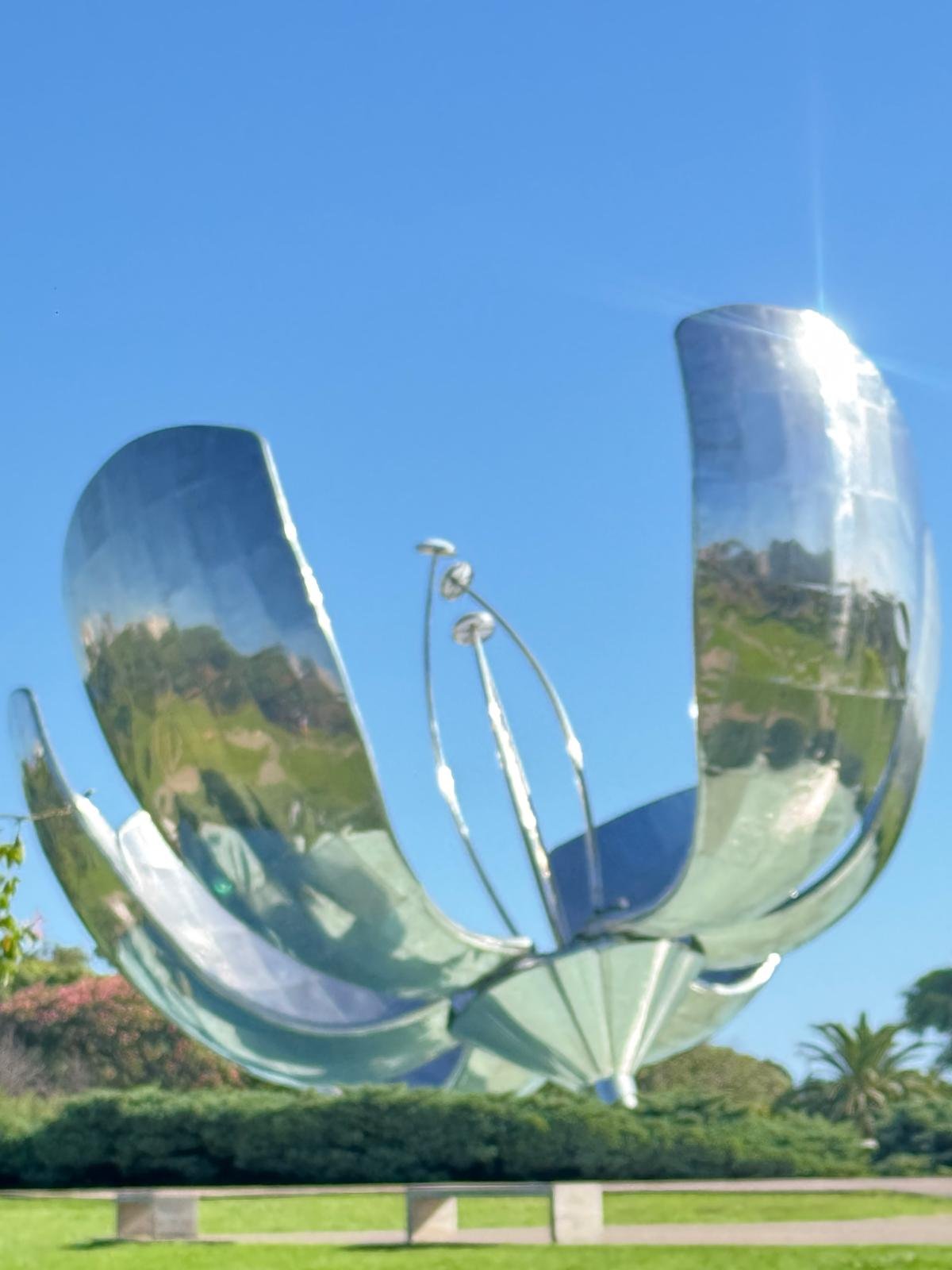
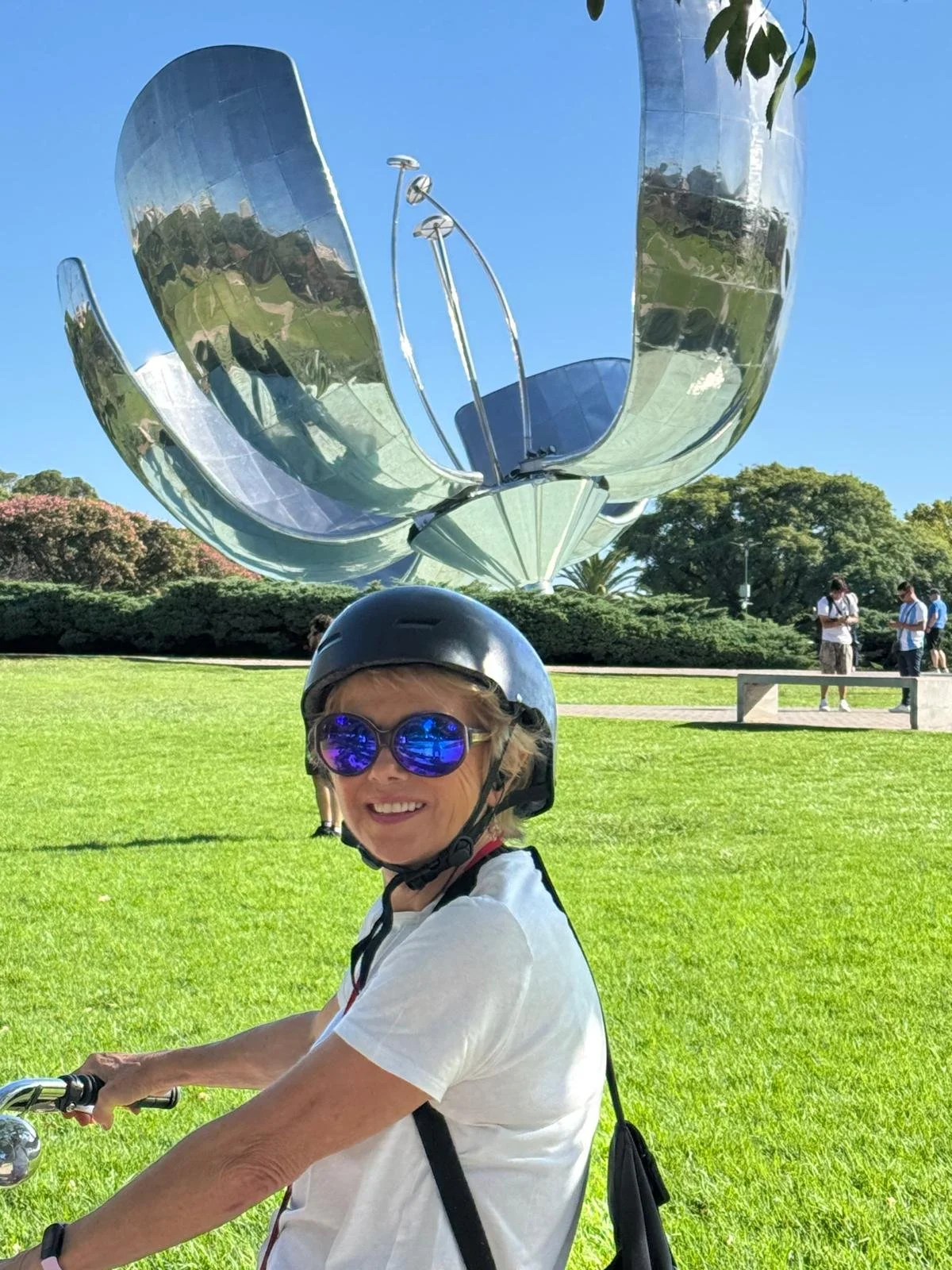
Next up was the awesome Sculpture of Floralis Genérica in the Plaza de Las Naciones in the Ricoleta neighbourhood.
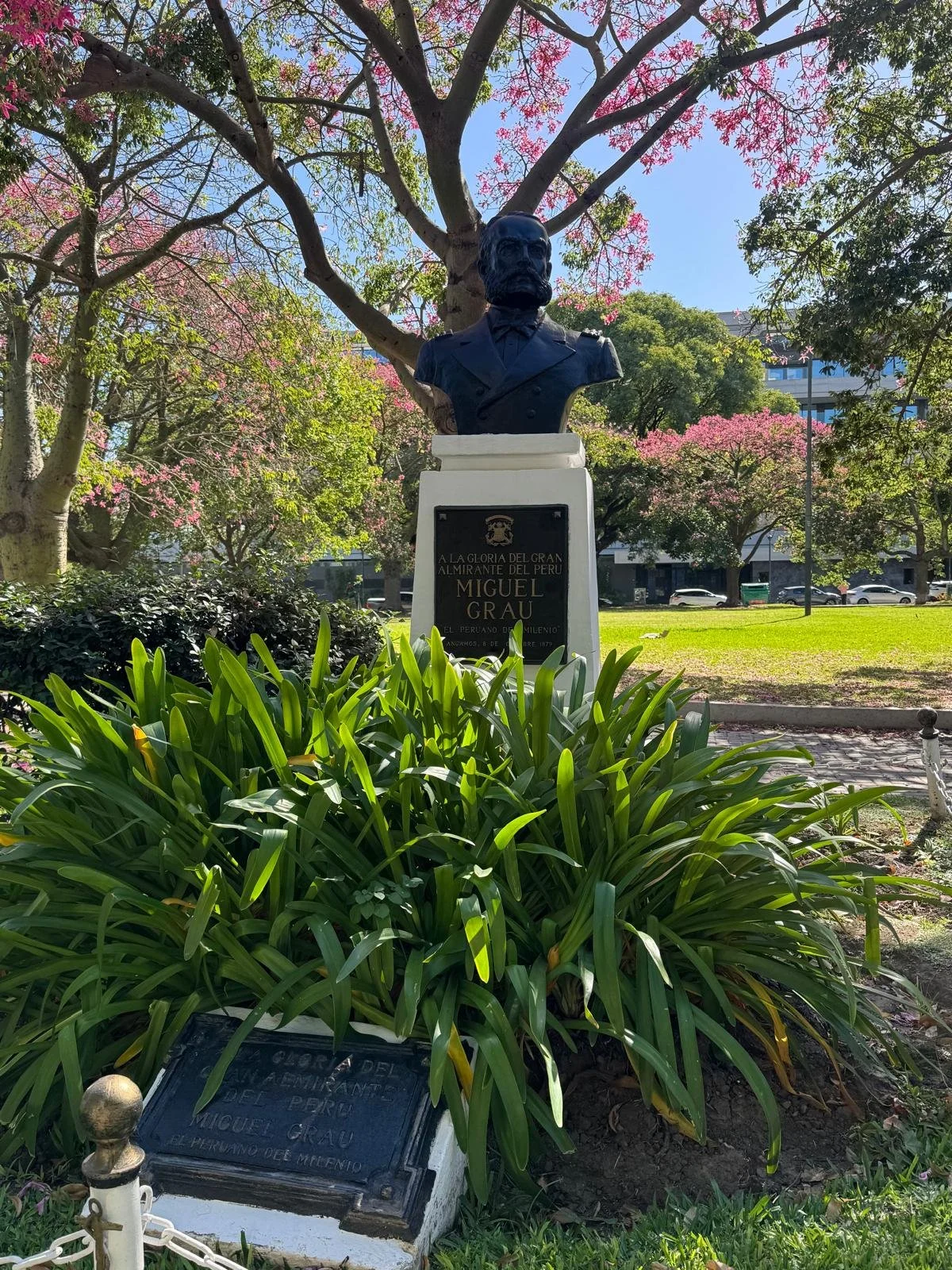
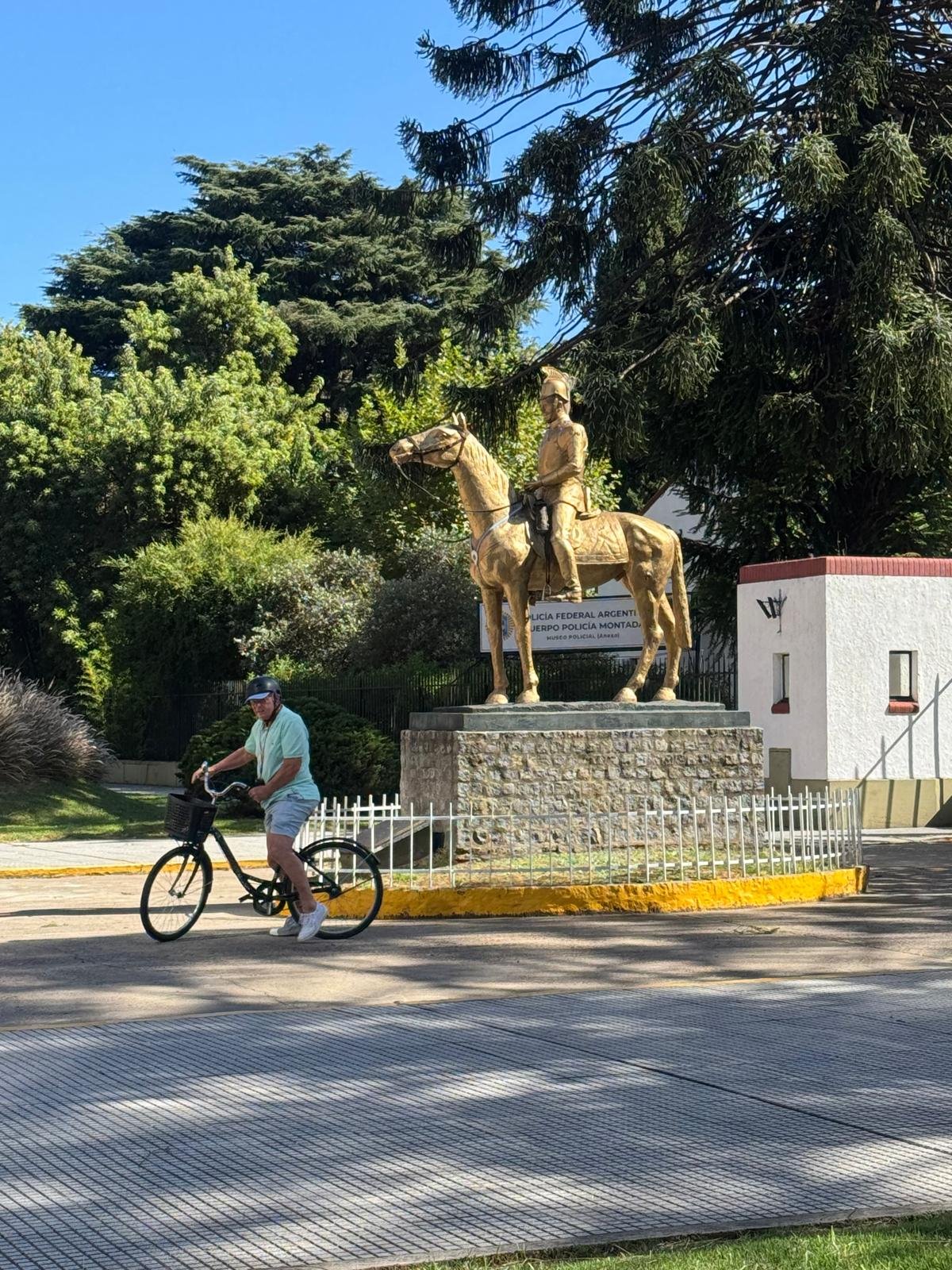
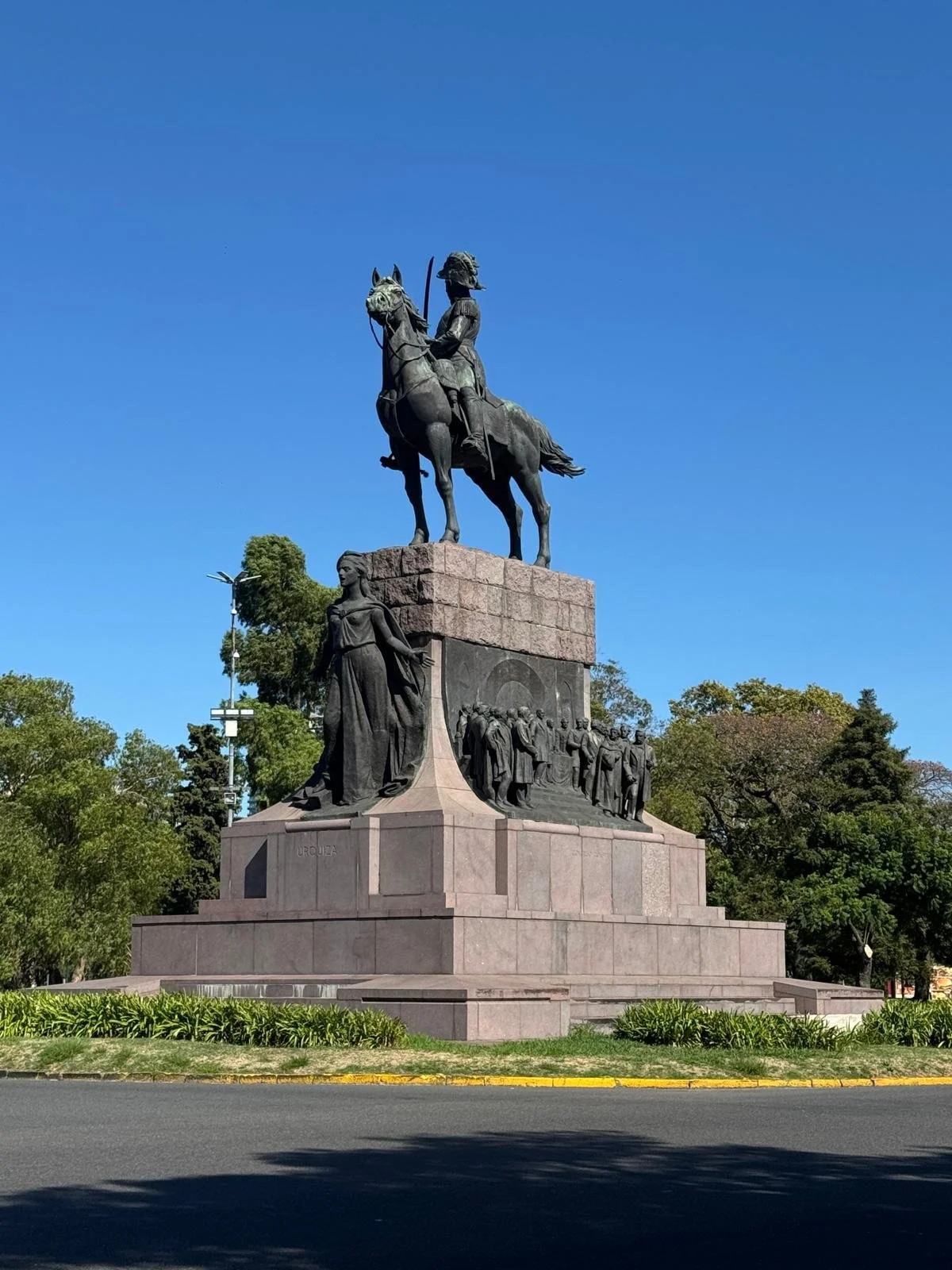
Inaugurated in 2002 it is made of stainless Steel and aluminium and is a whopping 23 metres high and would you believe its six petals open and close automatically with the sunlight – it’s a tribute to all the flowers in this city – of which there are plenty! Isn’t it beautiful! The monument to Peru’s greatest naval hero, Michel Grau was next. He is known as the “Gentleman of the Seas” in recognition of his legacy at the Naval Battle of Angamos. We have been amazed, firstly, at how many green spaces, squares and parks there are here and all of them boasting monuments, and sculptures – but also at how much the Argentinians honour their heroes. The monument to Justo José de Urquiza the president of the Argentine Confederation was next, followed by the gold statue of a mounted policement outside the Police Museum and Historical Investigations building - this museum displays all sorts of objects, weapons and forensic elements that tell the story of the police force and their prominent cases, and I’m sure incredibly interesting but unfortunately we only cycled past!
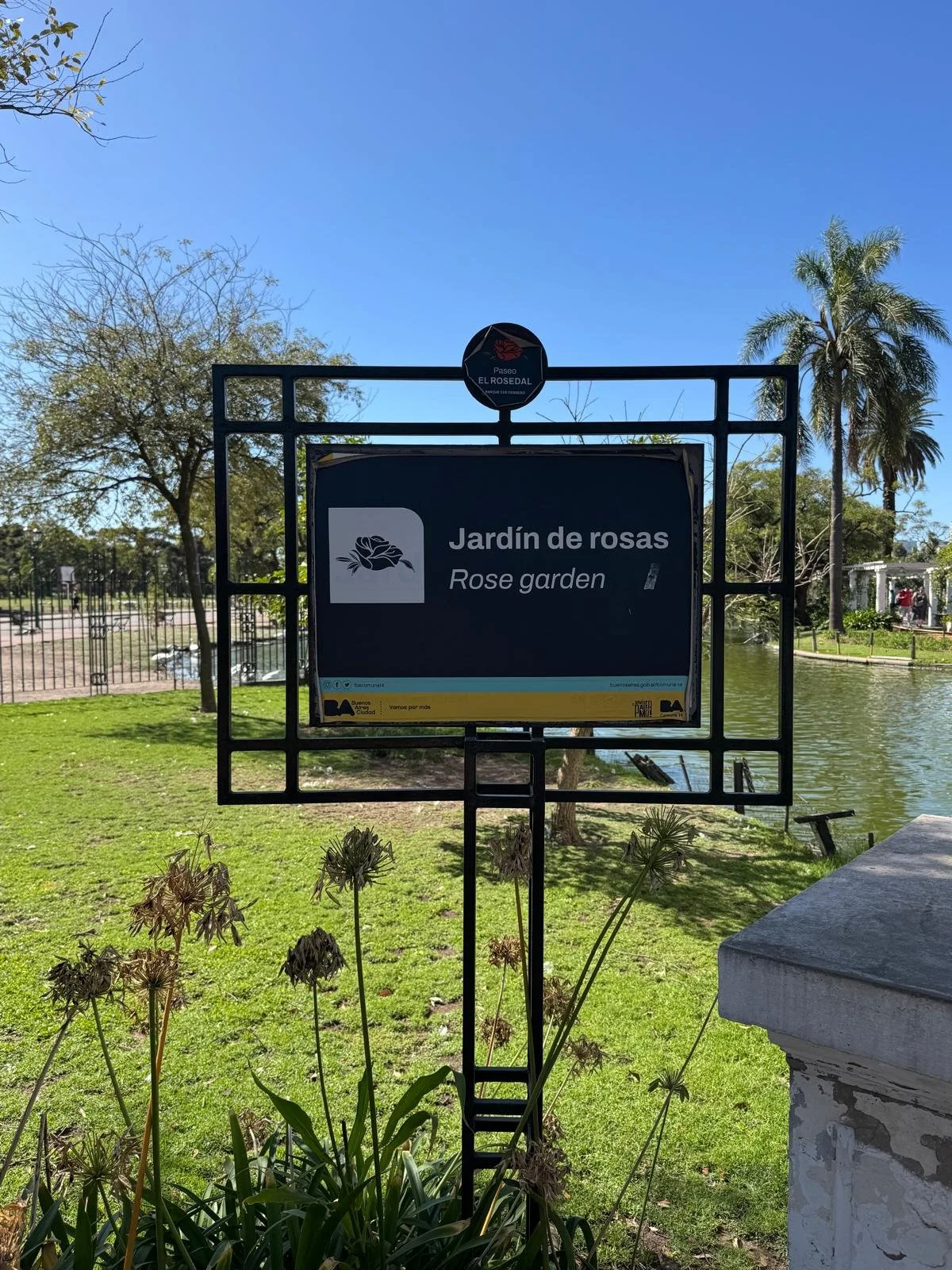
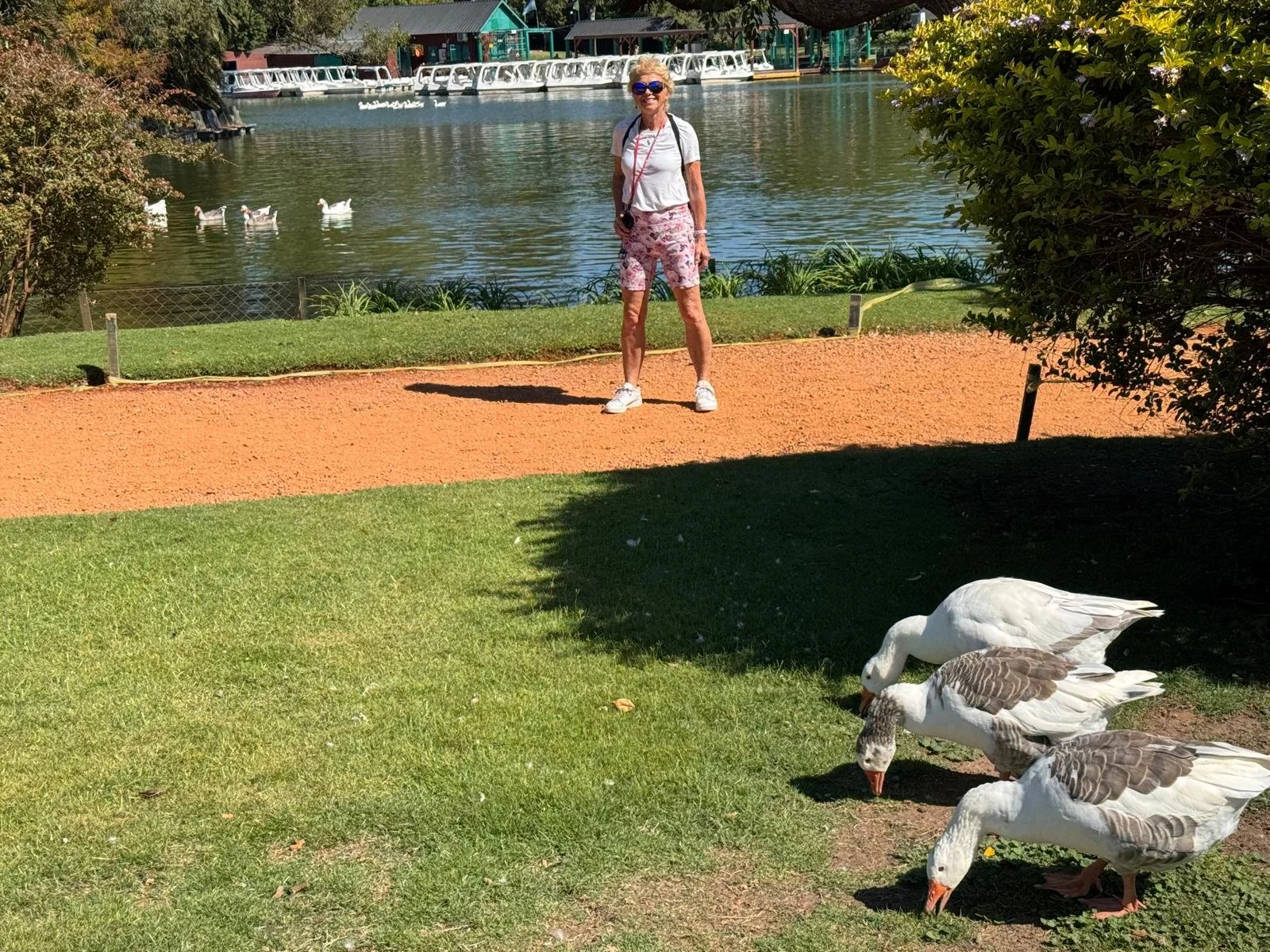
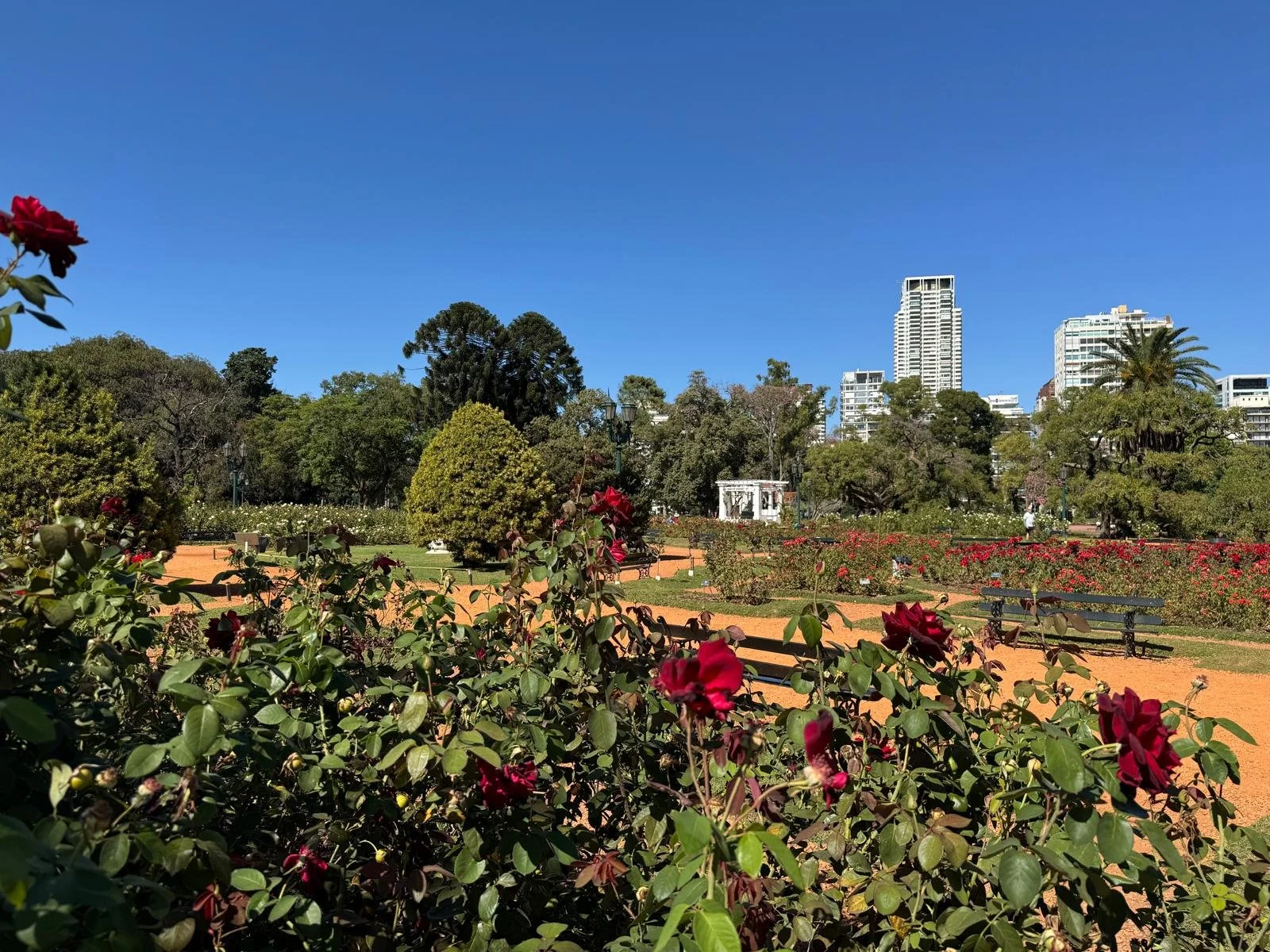
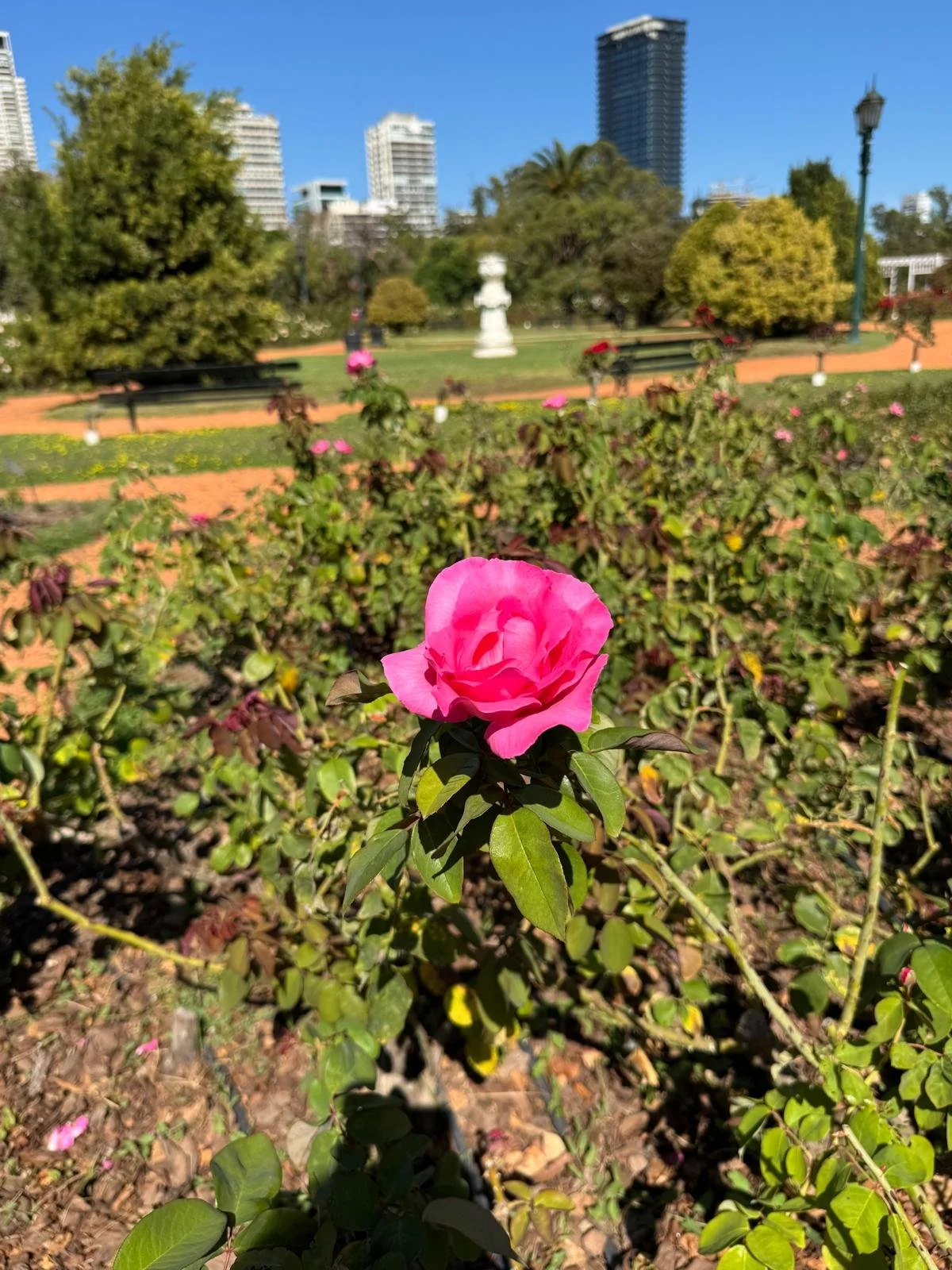
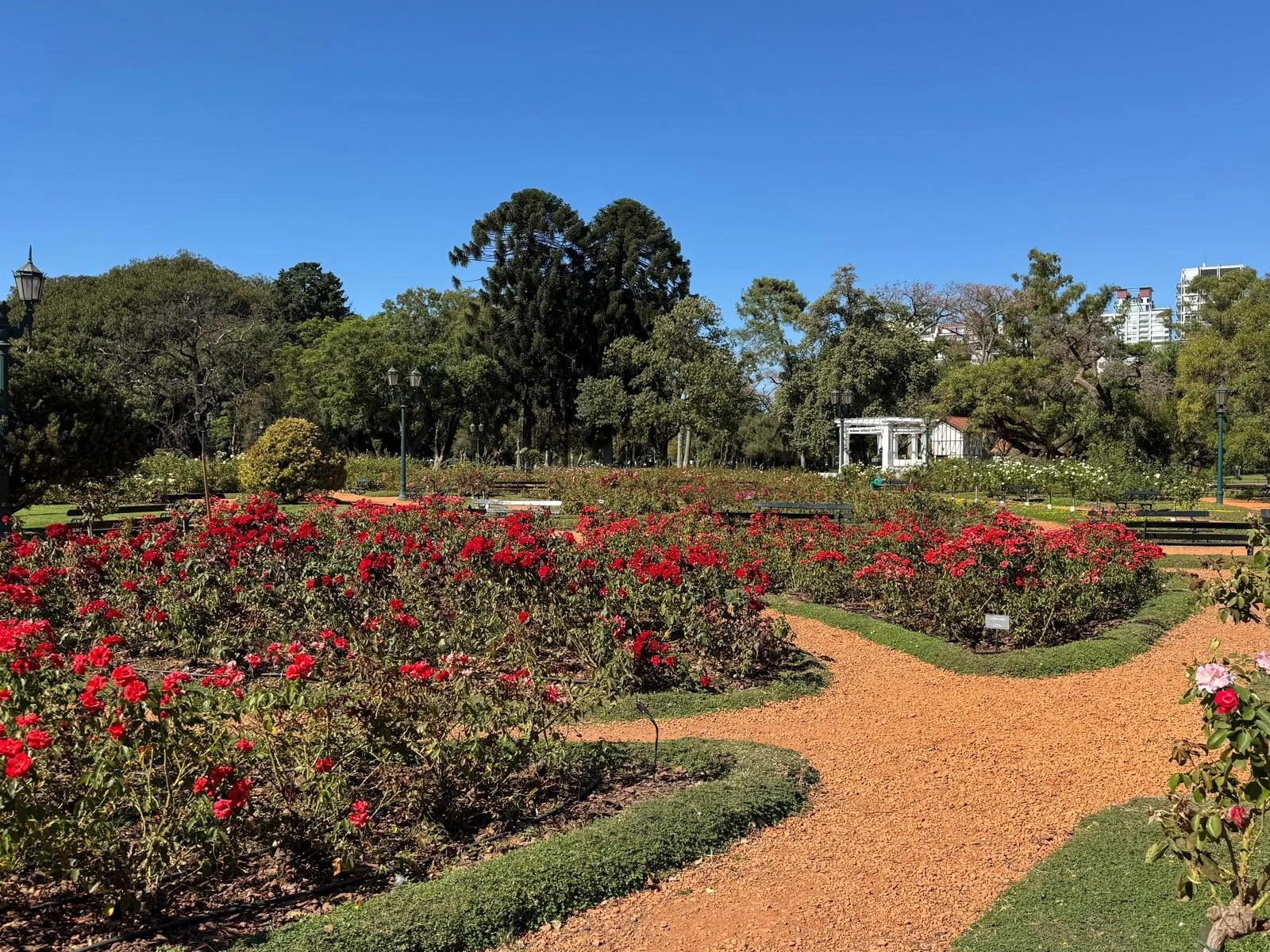
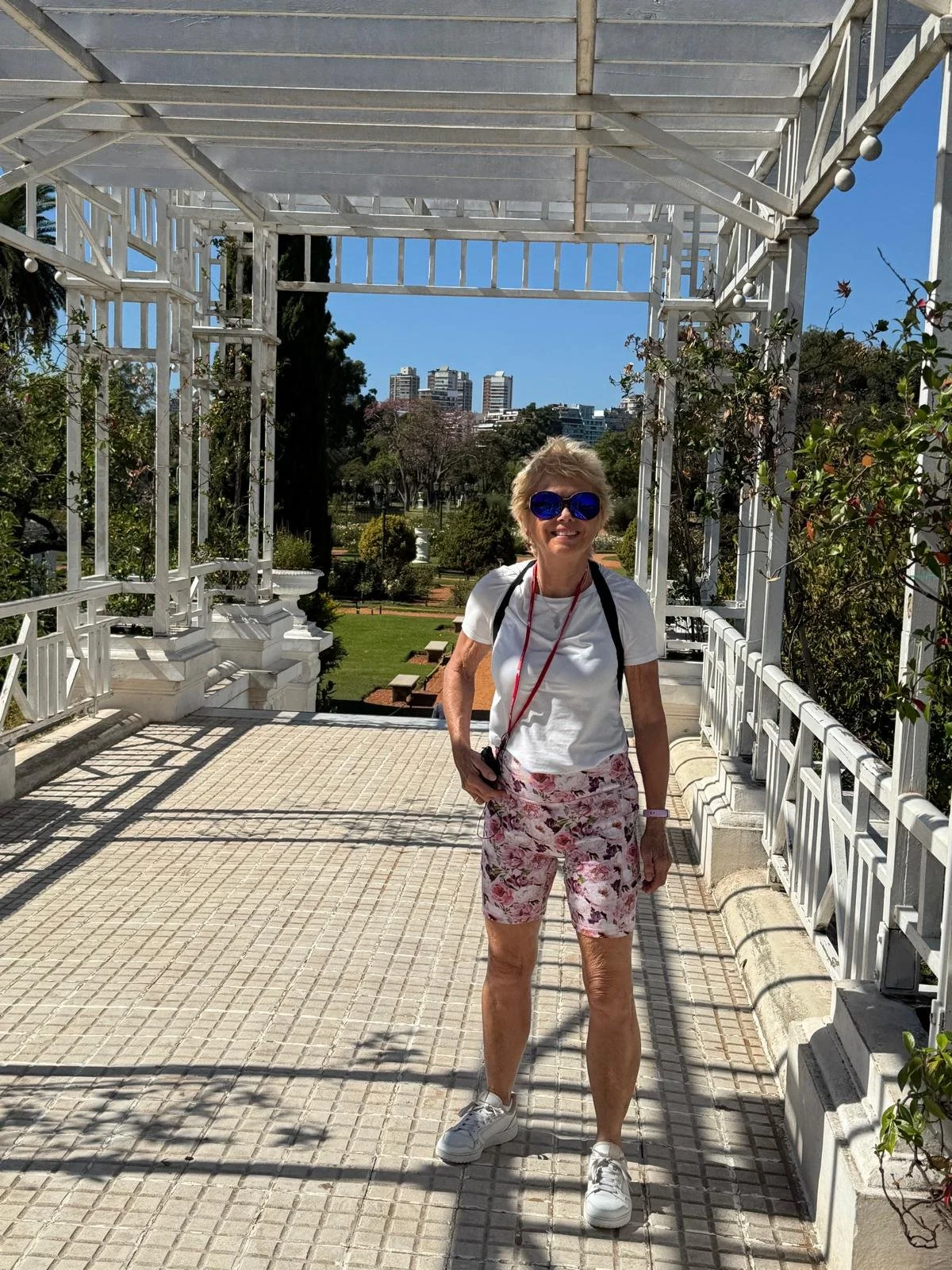
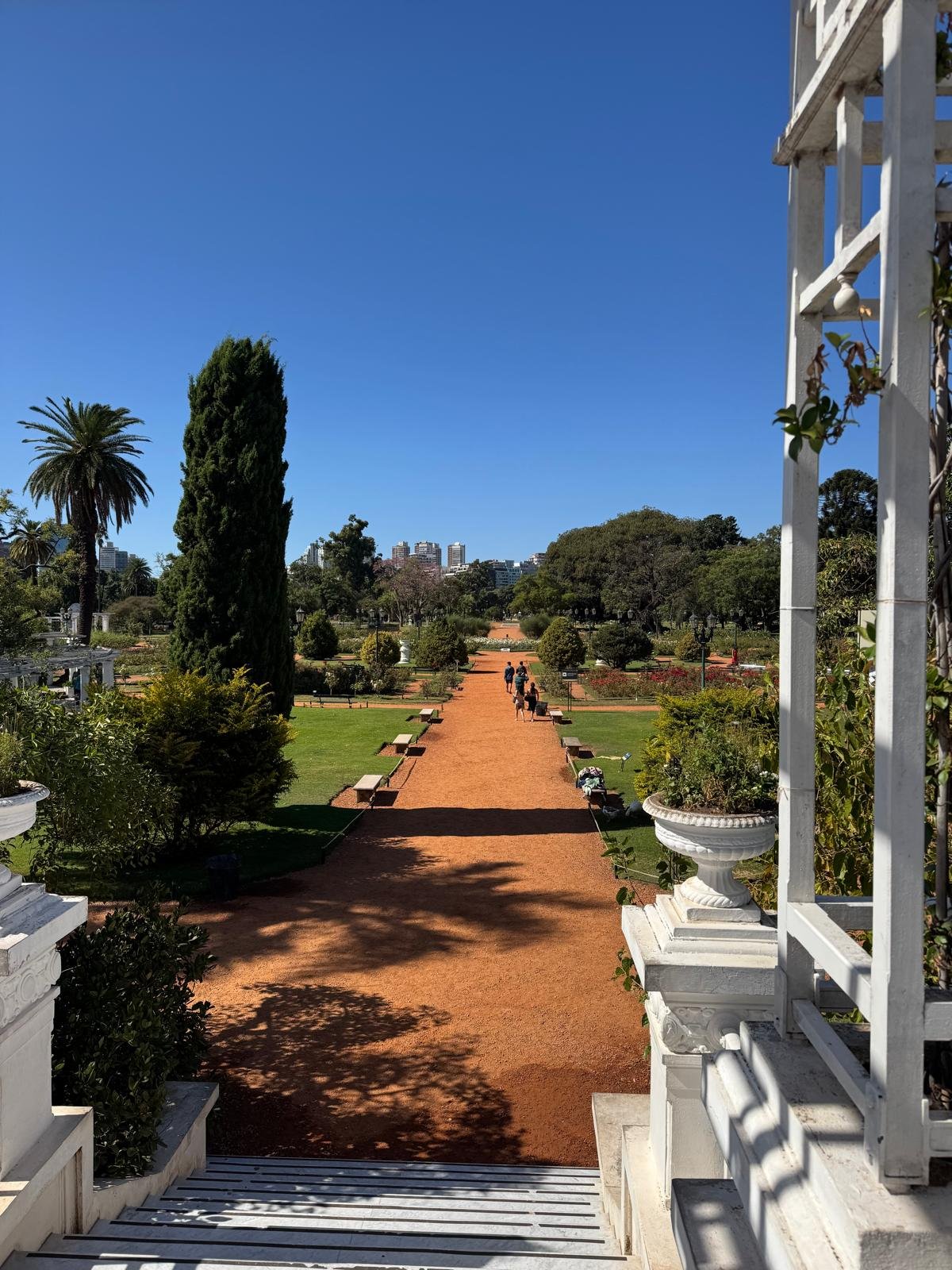
The Jardin de Rosas in Palermo was the next stop – and right up my alley. Just look at the photos below and imagine how beautiful this place would have looked a few months ago when all of the roses were in bloom, it is awesome now but must have been an absolute riot of colour then. It covers over 10 acres and boasts a collection of over 18,000 roses, a lake, a Greek bridge which crosses it, and an Andalusian patio which was given to the city by Seville, and built in 1929. Every year in July when the pruning season begins, the locals come to meet the gardeners to receive flowers or cuttings from which new species can be reproduced. We had a wonderful stroll through these stunning gardens – I could have stayed here all day, the highlight of the tour for me – imagine having this in the middle of the city!
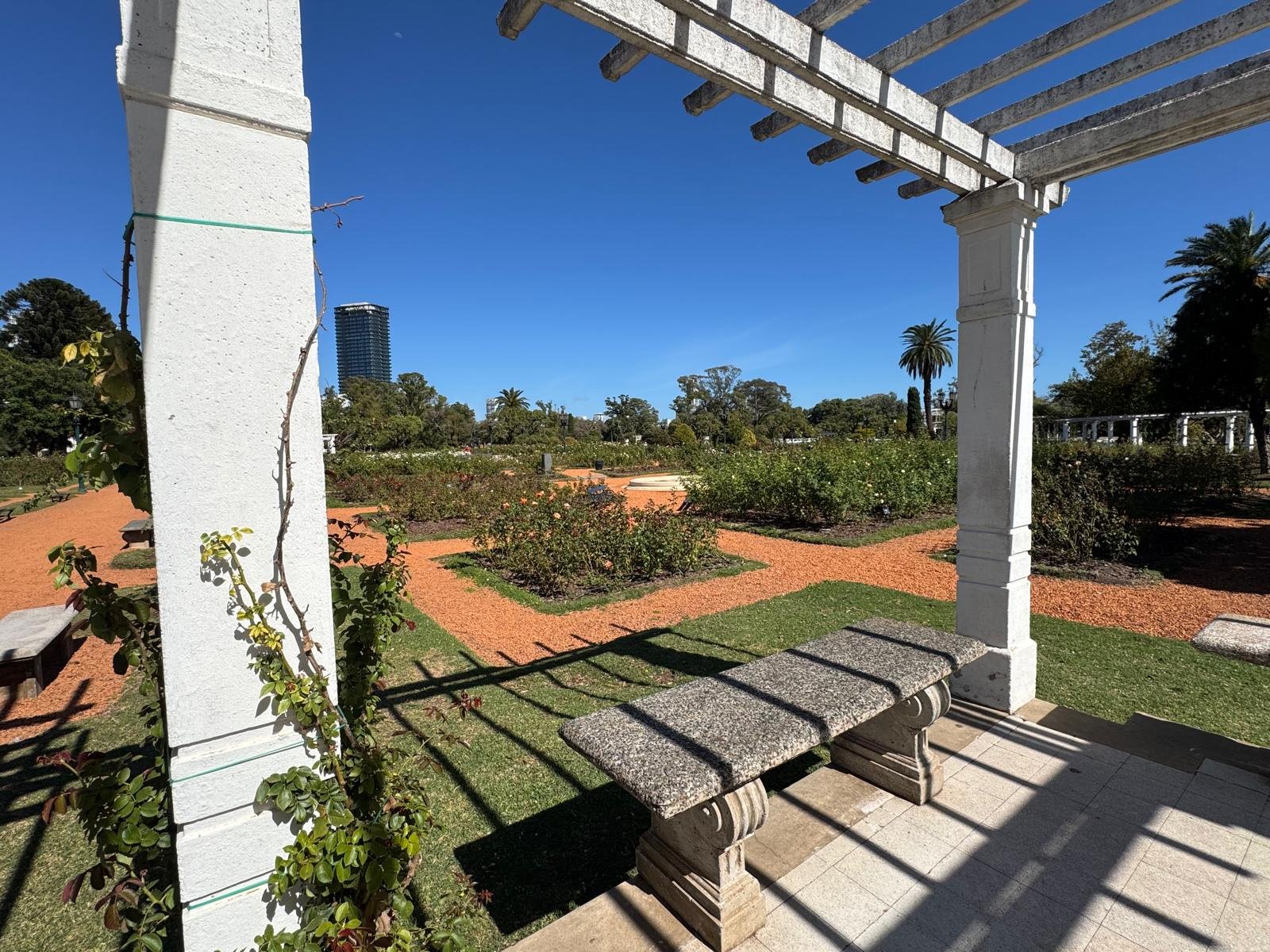
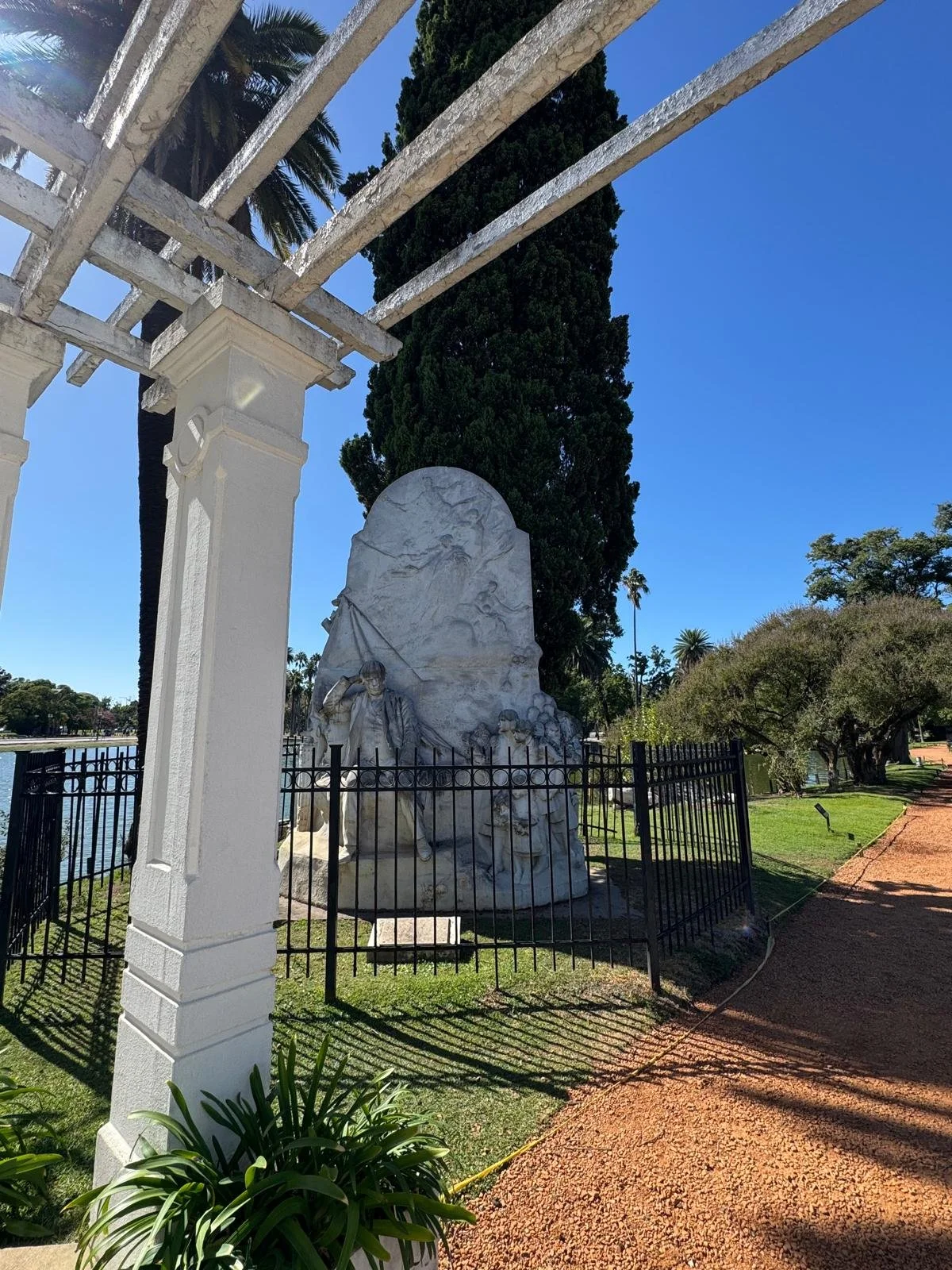
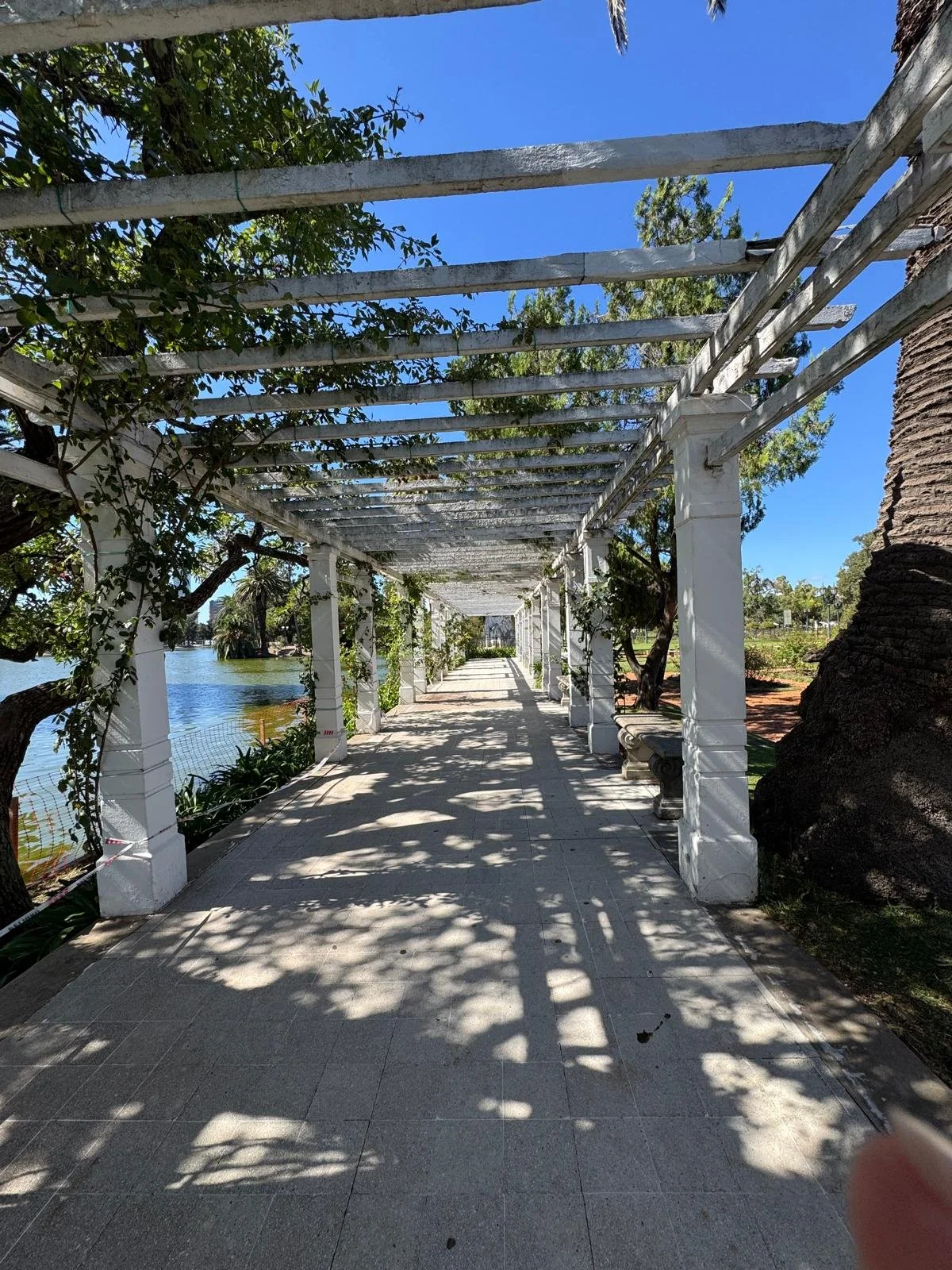
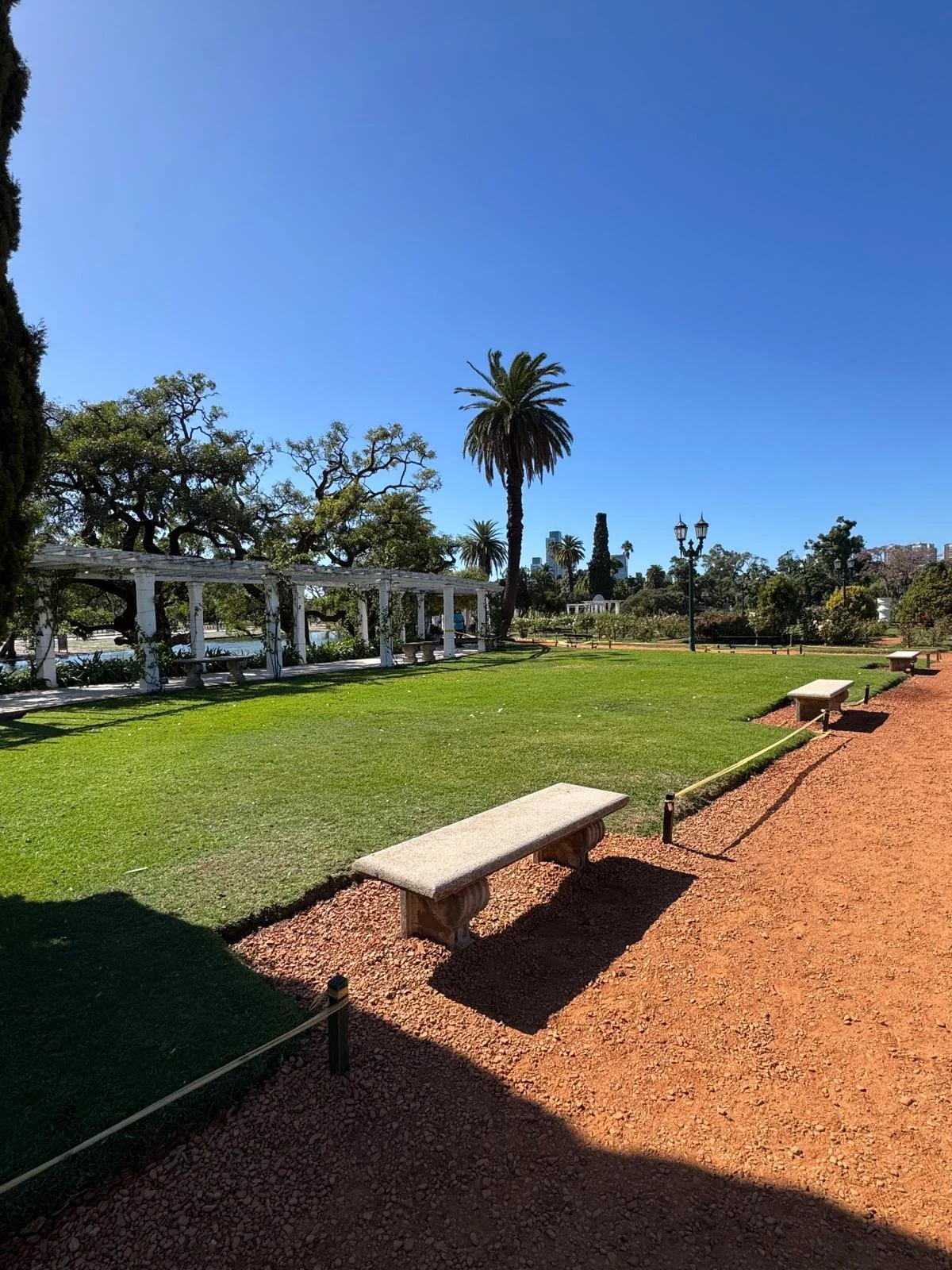
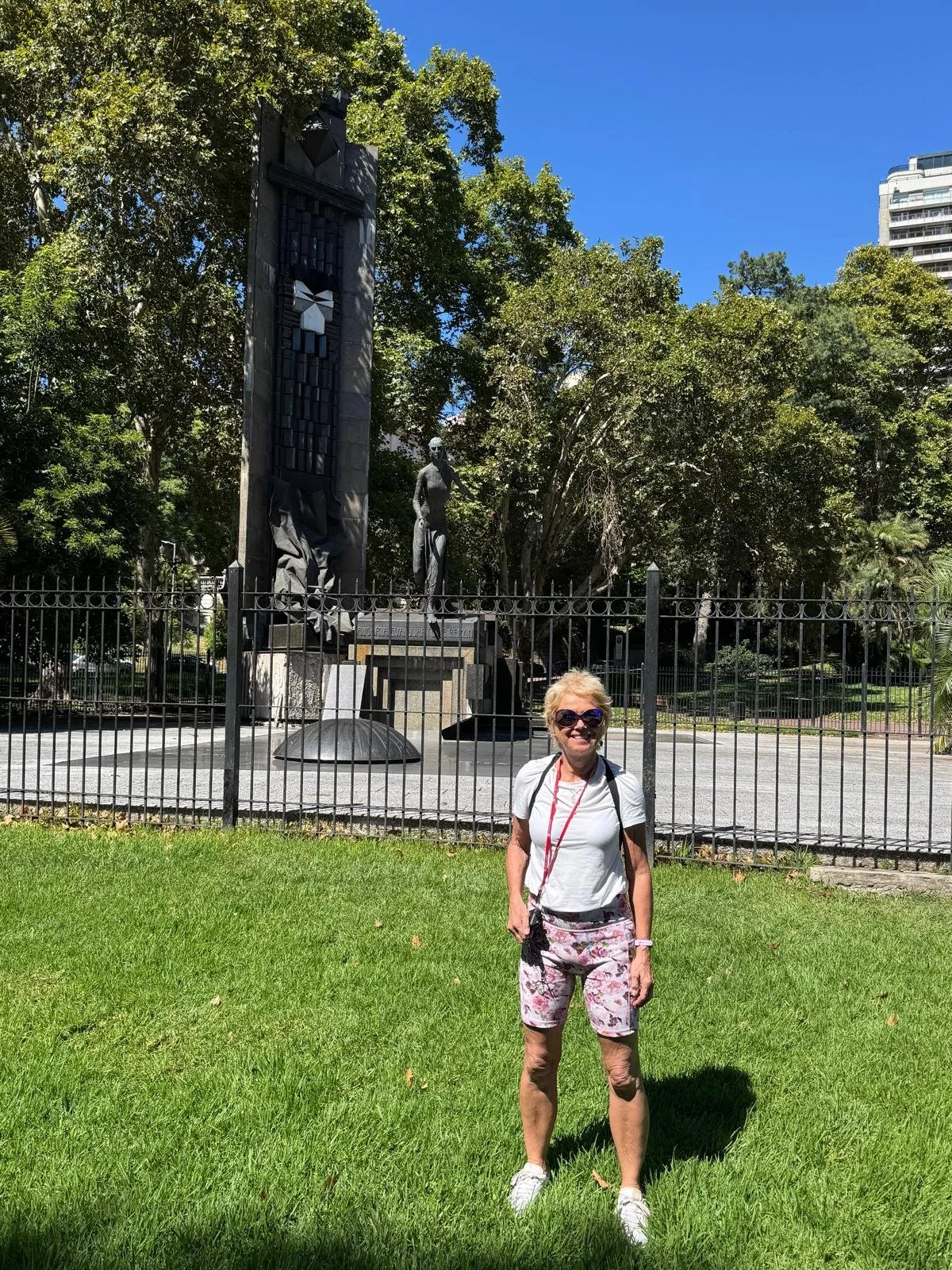
Back to those monuments… next up was the Monument to the Carta Magna and Four Regions of Argentina and donated by the Spanish community, in celebration of the centenary of the May revolution of 1810 which marked the formal beginning of Argentina’s Independence from Spain. We followed this by the Eva Perón Monument at nearly 20 metres high and shows her in a forward-leaning pose. The inscription on the base reads “She knew how to dignify women, protect children, and care for the elderly, renouncing honours. She wanted to be simply Evita forever, eternal in the souls of our people for improving the human condition of the humble, working, fighting for social justice”. I could probably do a separate blog on Eva Perón and her husband, Juan Domingo Perón, the Argentine politician, and military officer who served three terms as the President, but I am sure you are all more than familiar with these two inconic Argentinian heroes (and will also have seen the stage play of “Evita” and the film of the same name), so I’ll leave it at that.
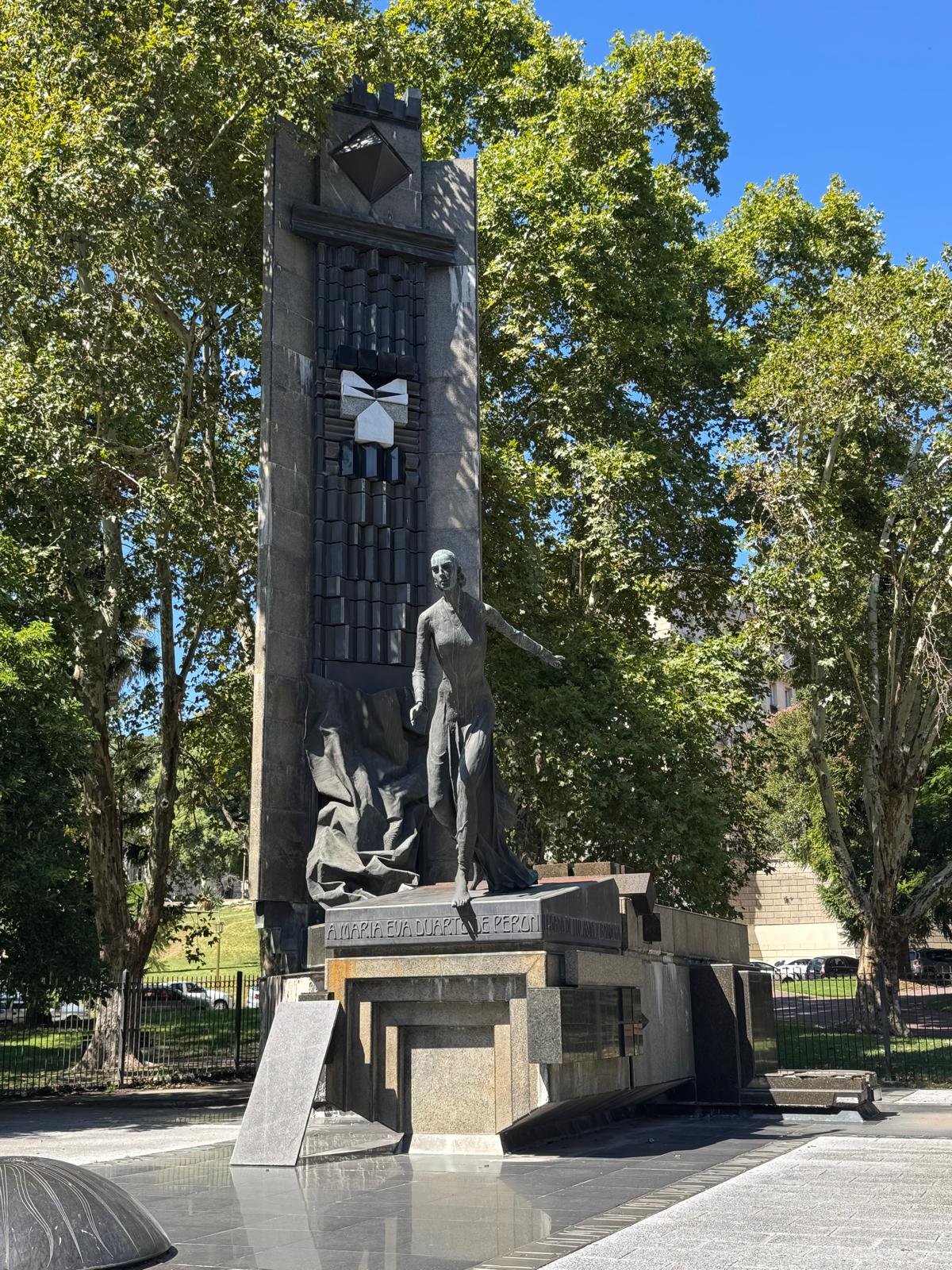
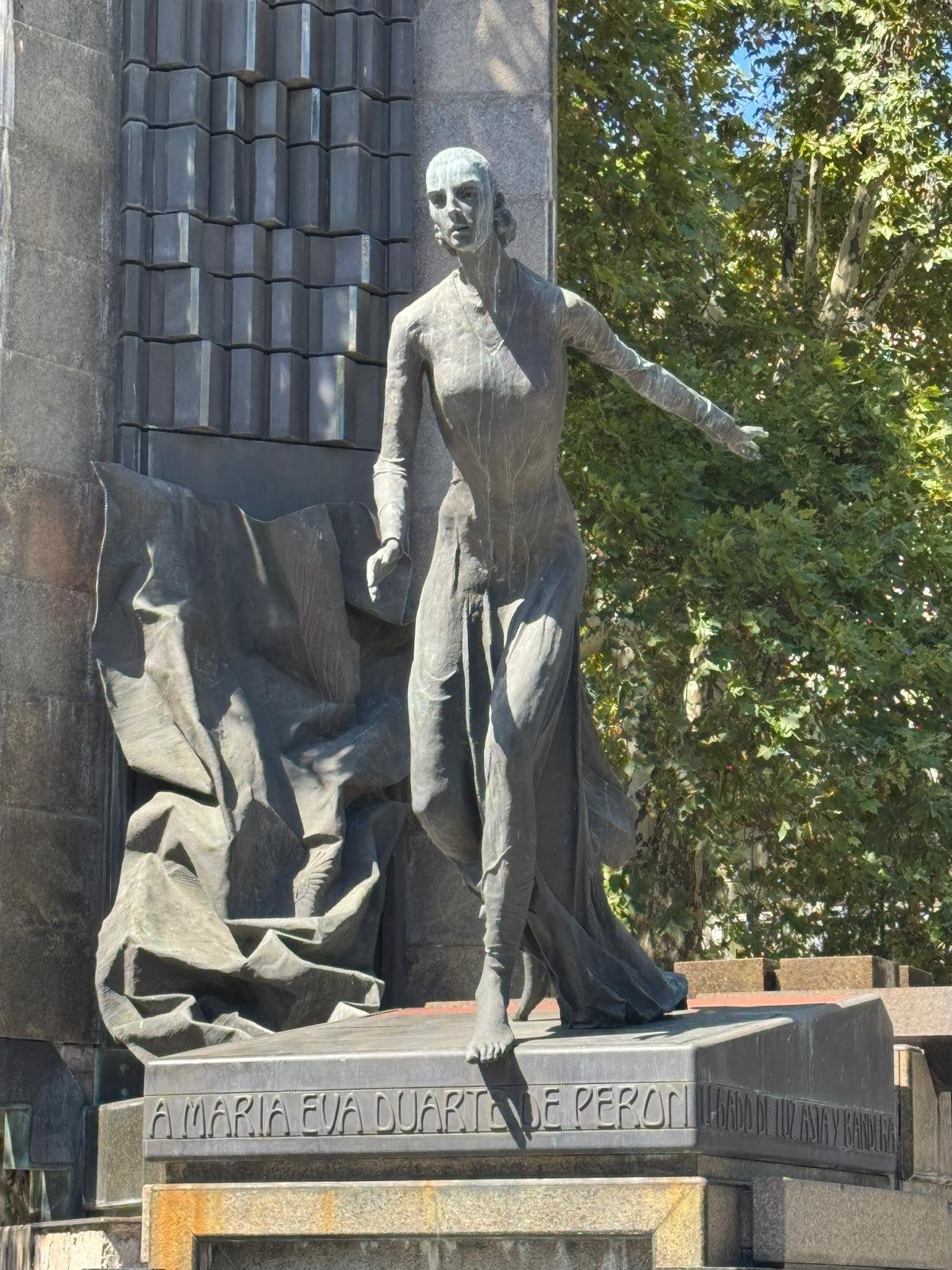
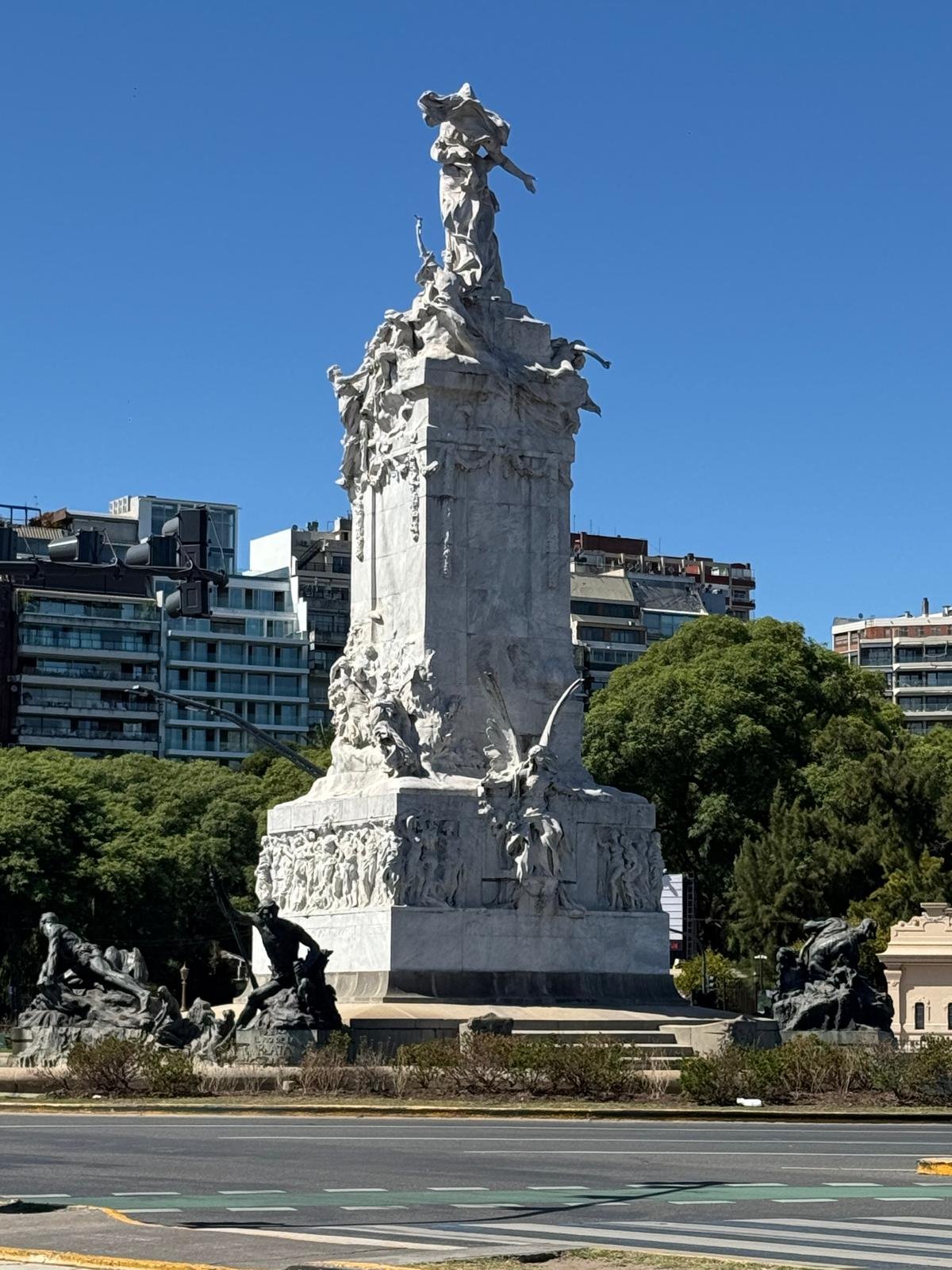
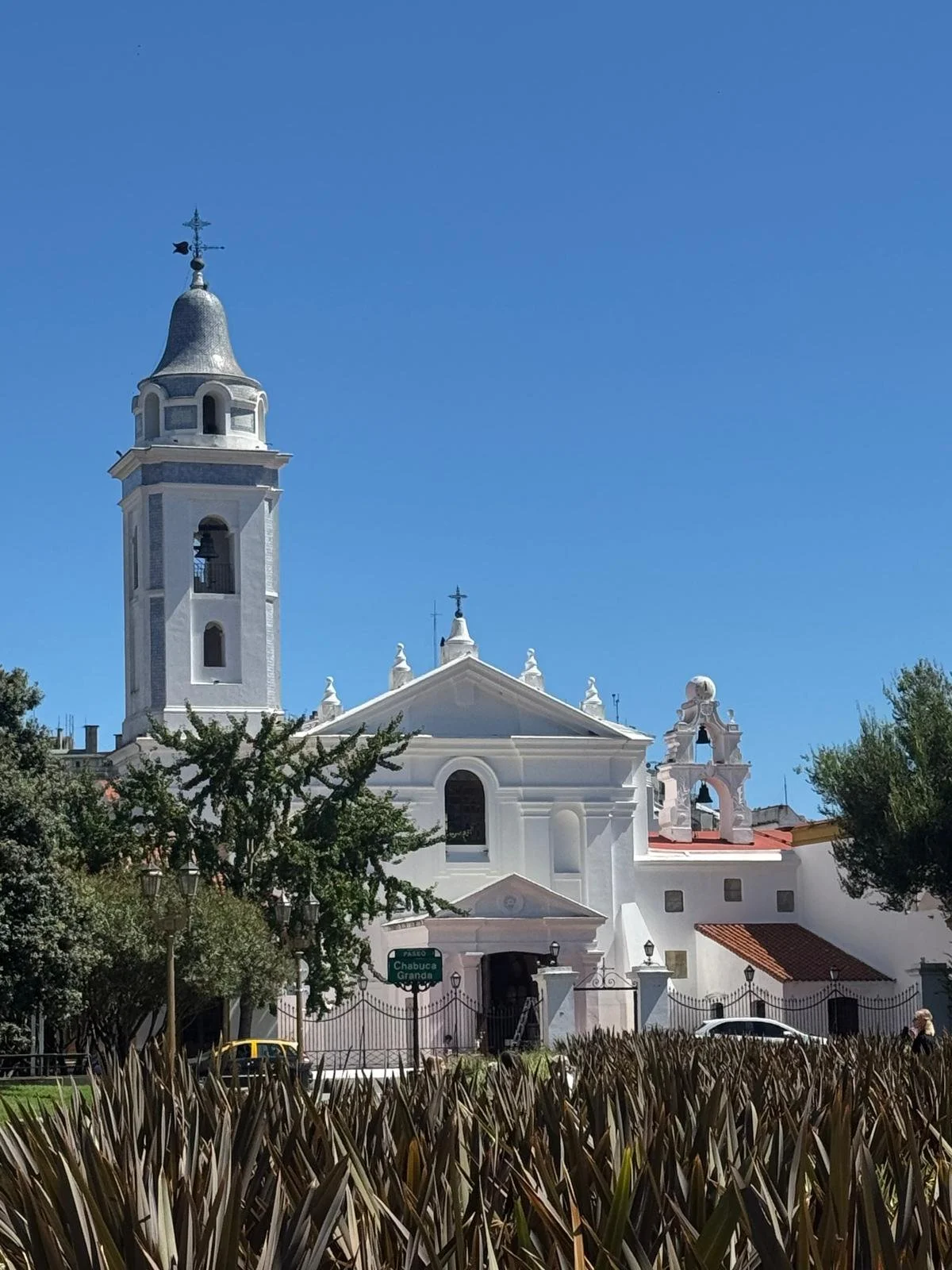
We parked our bikes by the entrance to the famous Recoleta Cemetery which contains the tombs of many prominent figures, including Eva Perón, sorry – no photos, we didn’t actually go in which was fine for both Geoff and myself as we have been here on previous visits to Buenos Aires, and walked to our final sculpture of the tour, the Atlas of La Recoleta, a two metre, 250kg bronze statue created in 2014 using over 3,000 scrap car parts. Not only does it serve as an art piece, but it also supports the massive 200+ year old rubber tree – the oldest tree in Buenos Aires.
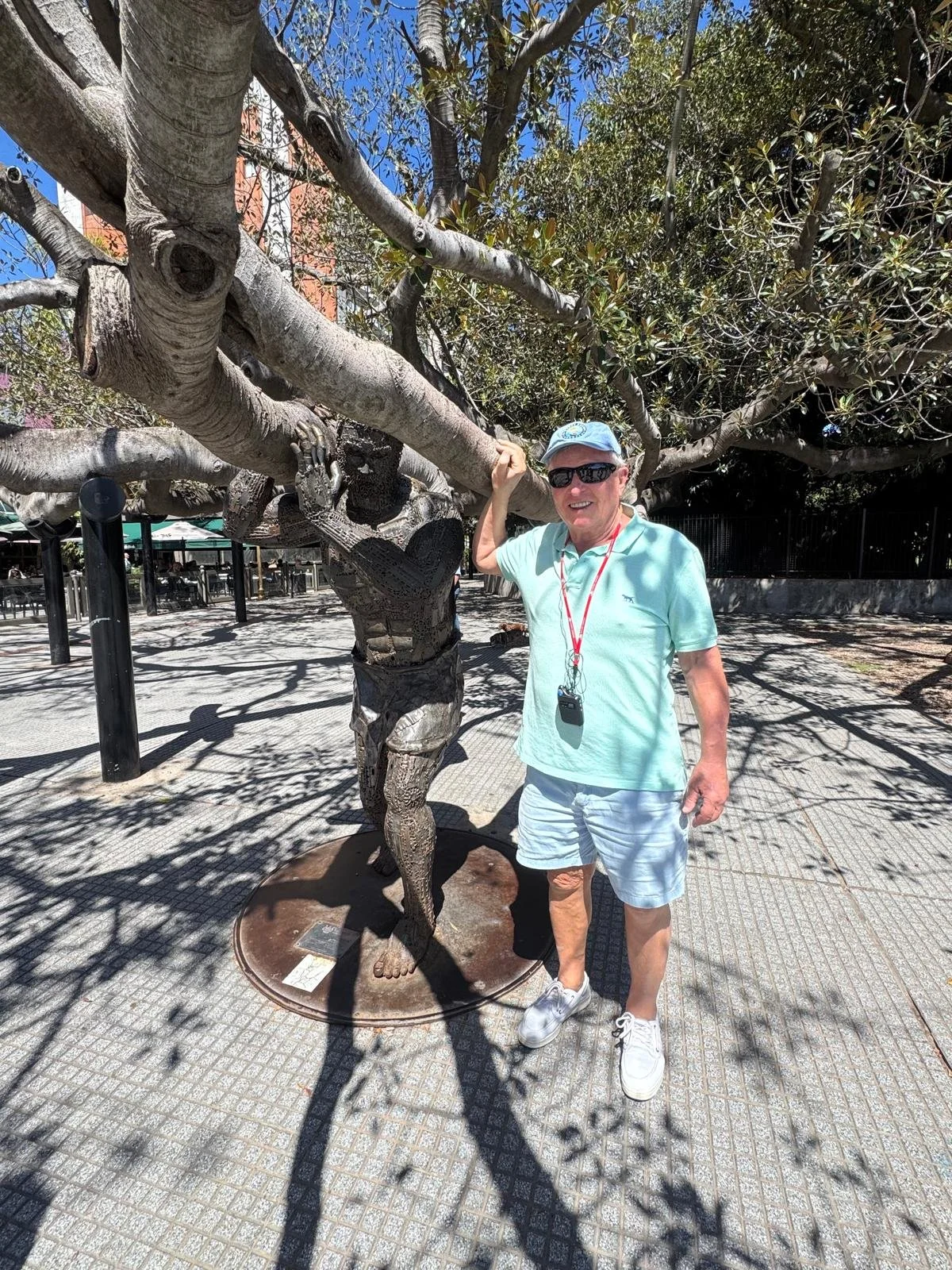
Monuments and Sculptures done and dusted on this tour, it was back onto the bus to return to the ship for a quick lunch before we ventured back out again for the afternoon’s sightseeing. It’s all go here I can tell you – and I’m trying to keep this blog up too in between rushing around sightseeing, eating and enjoying myself! Plenty more on Buenos Aires to follow!