

La Paz – The City that Touches the Clouds
Friday 20 March
Officially called Nuestra Señora de La Paz (Our Lady of Peace), it is the capital of Bolivia and located approximately at an altitude of 3,600 metres above sea level, but up to 4,000m+ on the ridge between La Paz and the suburb of El Alto, and its altitude can cause “soroche” – altitude sickness, and I can definitely attest to that! It’s surrounded by the high mountains of the Altiplano, including the snow-capped Illimani, which is the city’s most important emblem. La Paz is the most important political, academic and cultural centre of country and the highest metropolis in the world with around 750,000 residents in the municipality and 1.5 million in the metropolitan area. The common language spoken here is Aymaran, that of the indigenous people
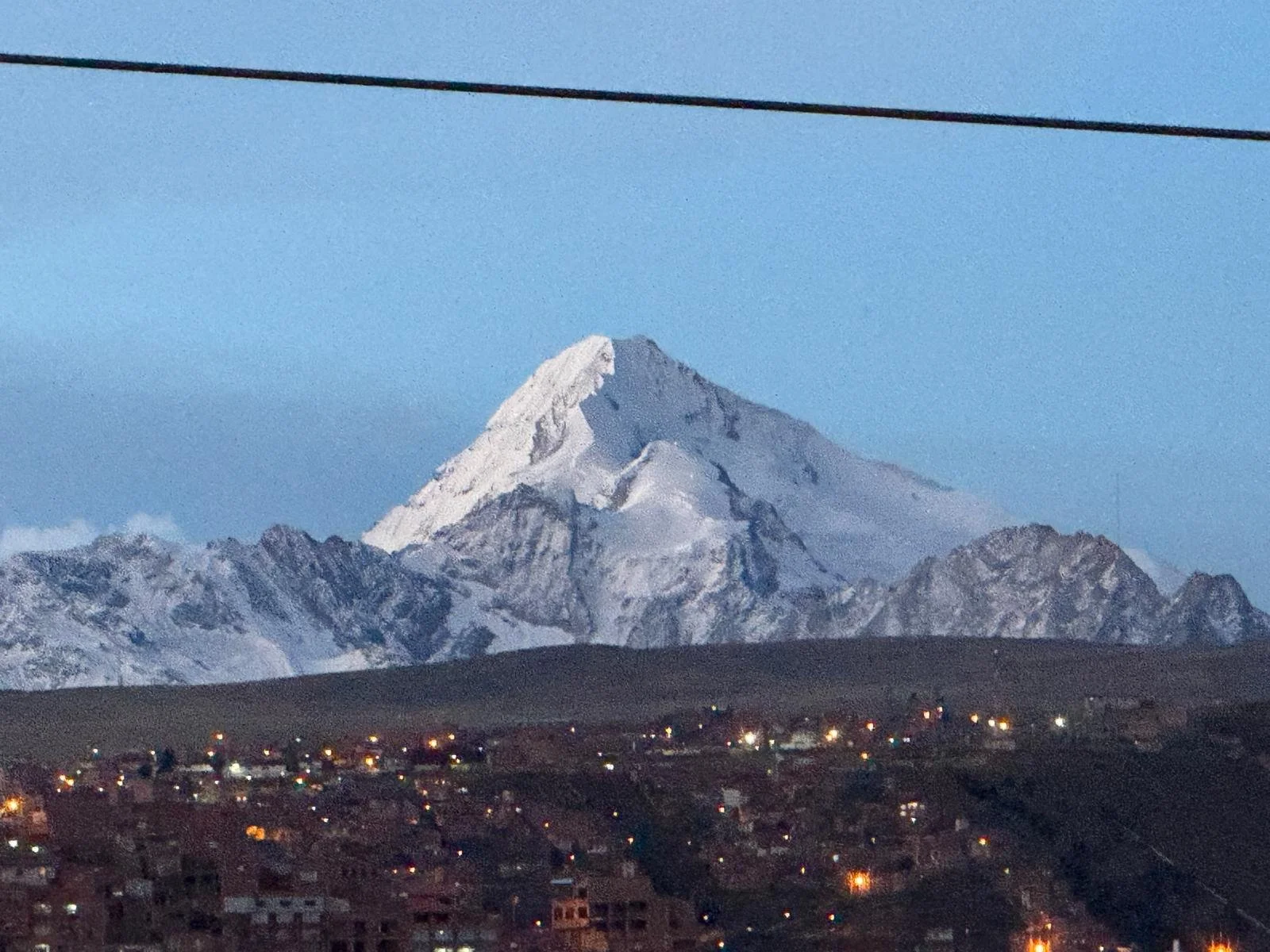
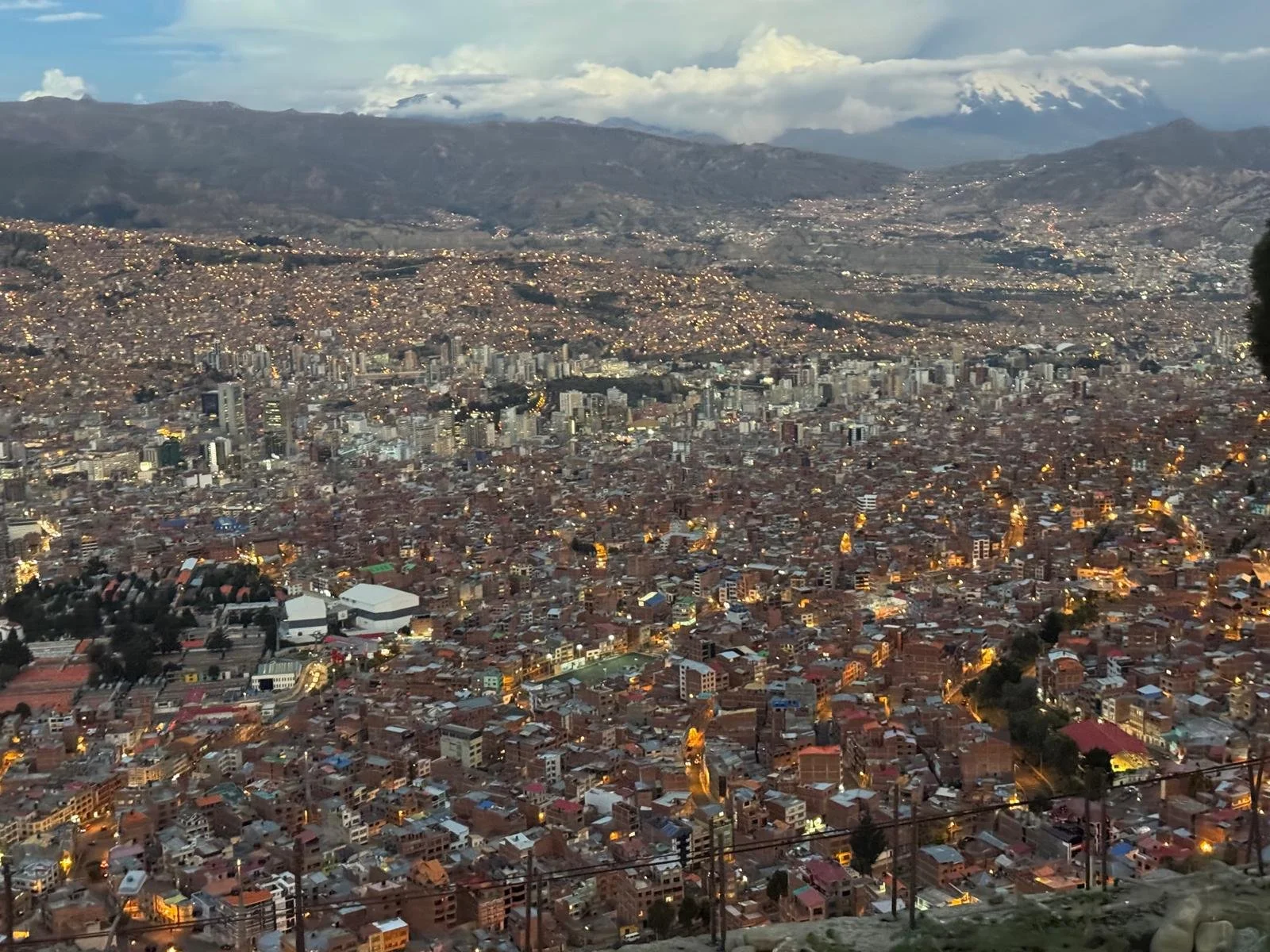
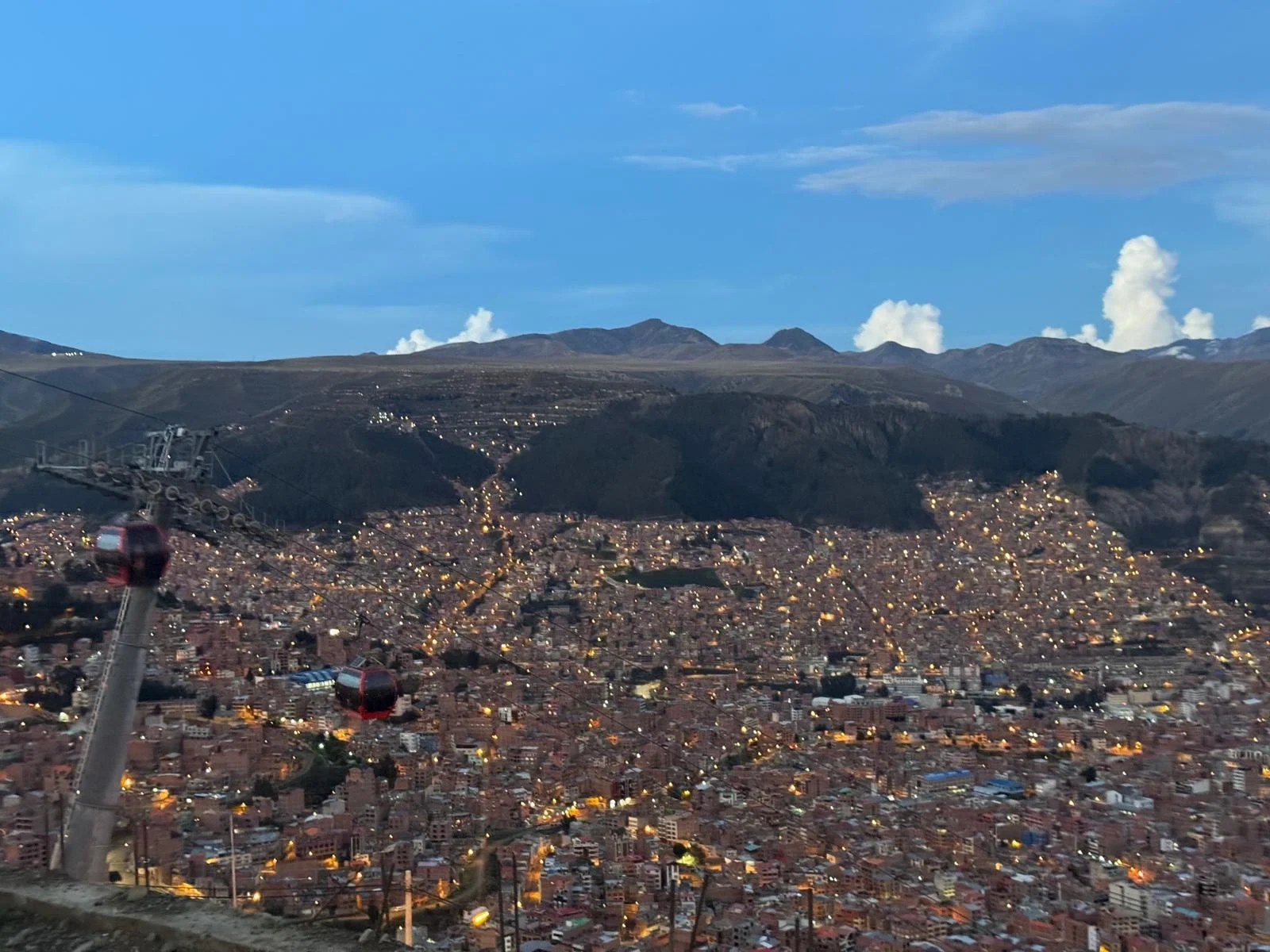
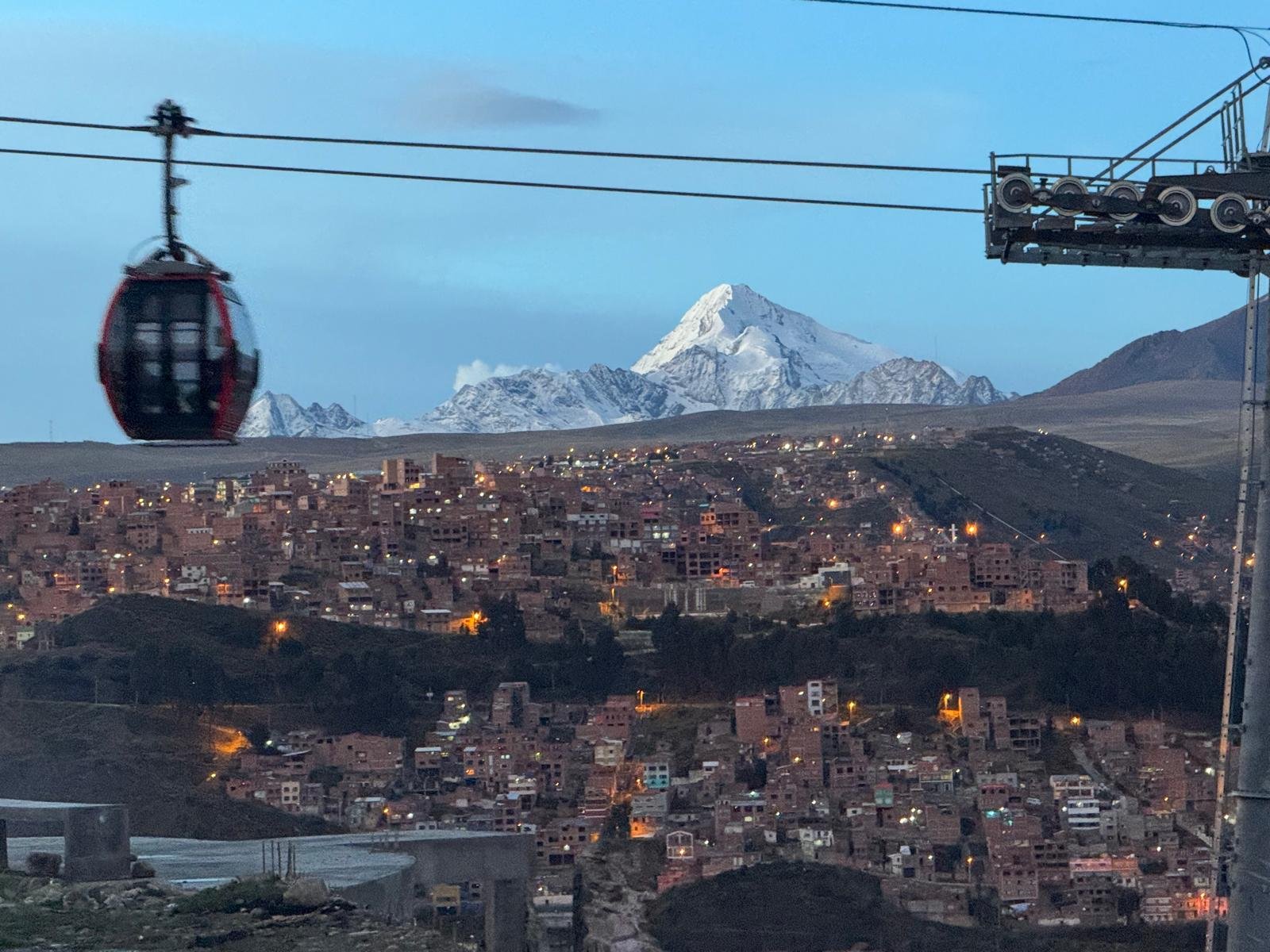
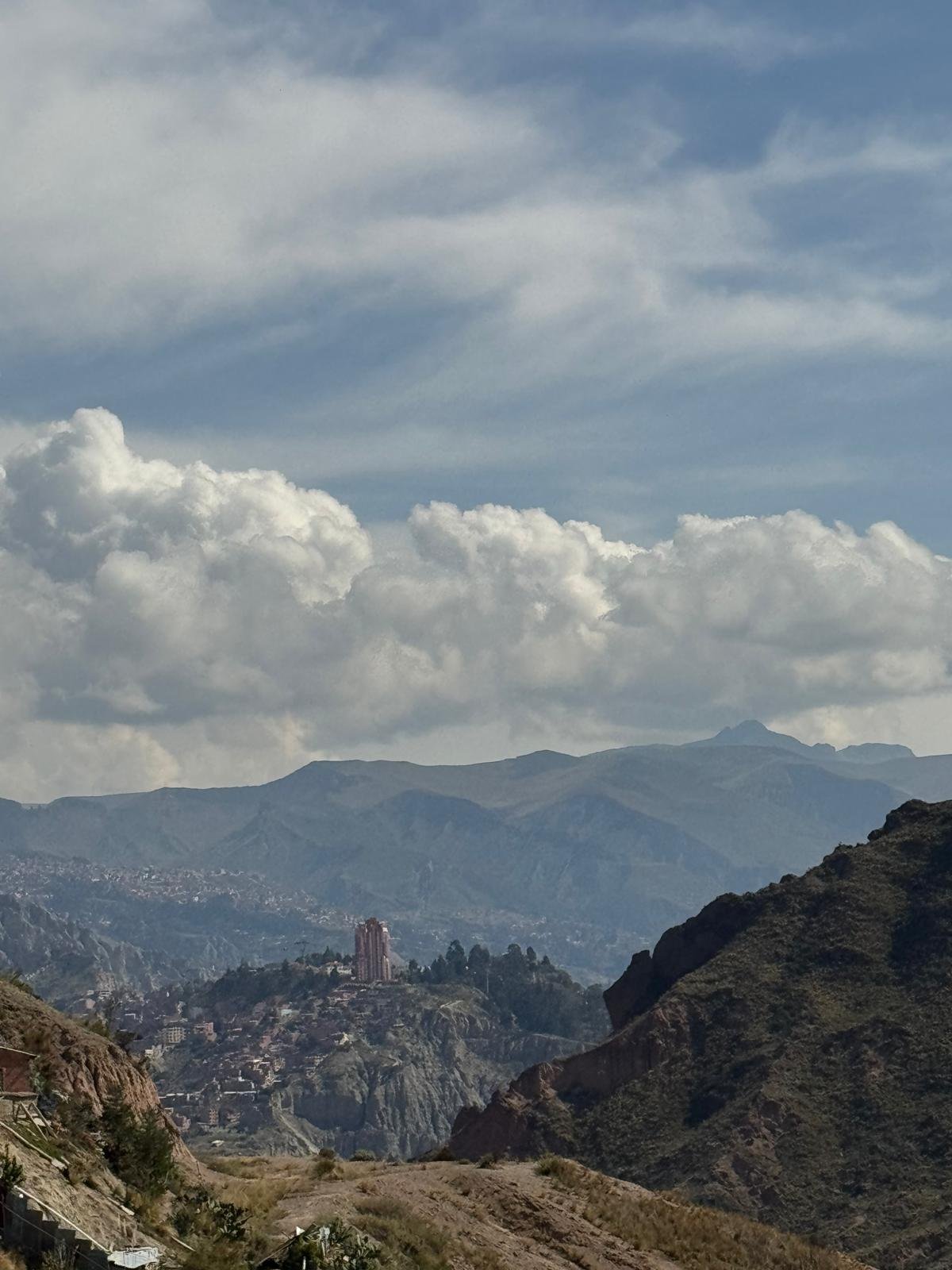
We arrived in La Paz from Copacabana, via the town of El Alto, a huge suburb with a huge traffic jam – I’m not joking three lanes of cars each side, all vying to get through, even if it meant going on the wrong side of the road and pushing in a few cars ahead. Mayhem would be a good word for it. And then our wonderful guide told us to count down and open our eyes on the count of five and look to the right…and there lay the whole city of La Paz 4,000 metres below us, sunset over the snowy Mt Illimani surrounding it – just an unbelievable first view! Luckily, the car was able to pull over to the right and I hopped out to take some incredible photos – note the cable car in one of them….more on that later!
Saturday 21 March
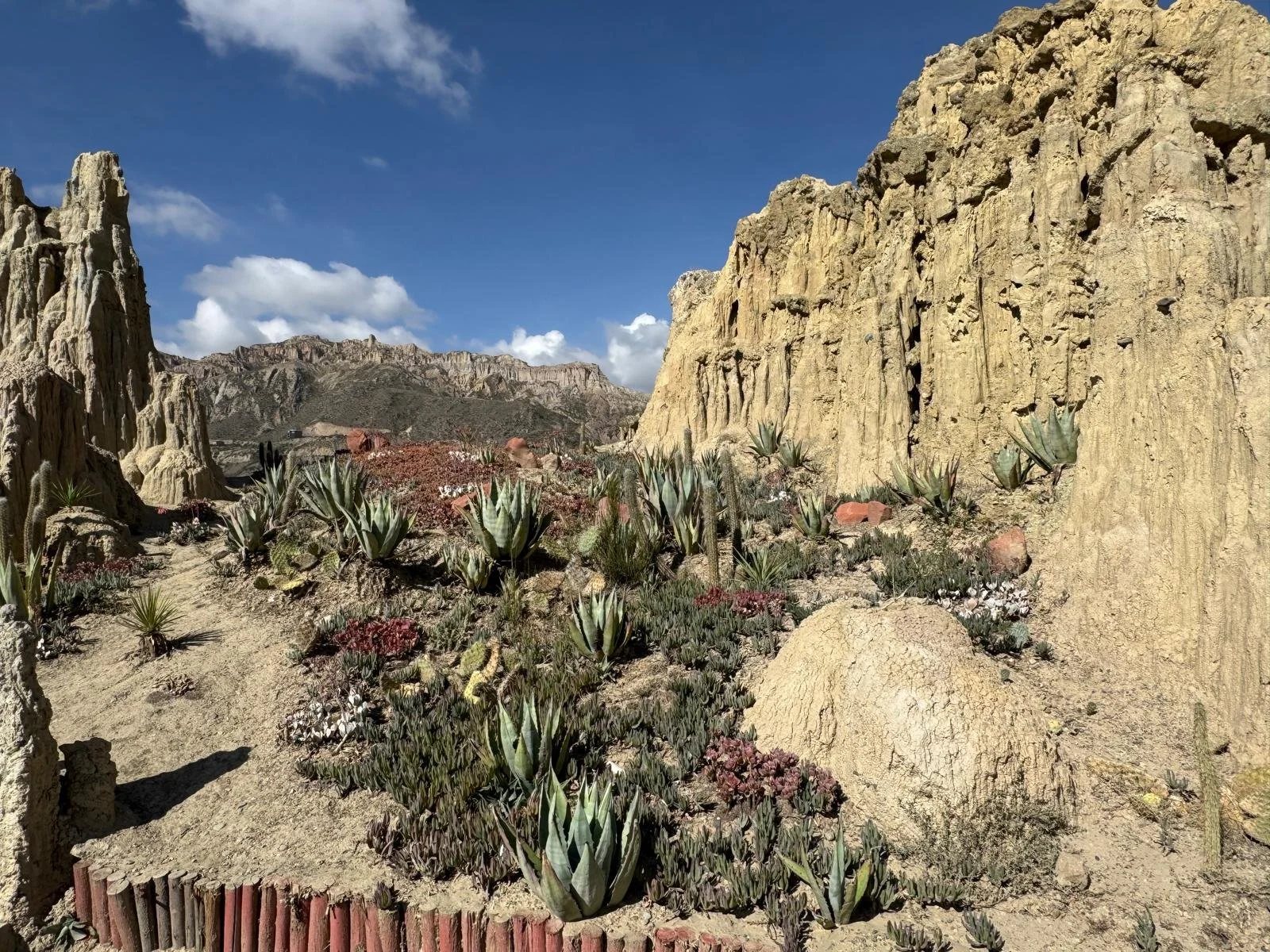
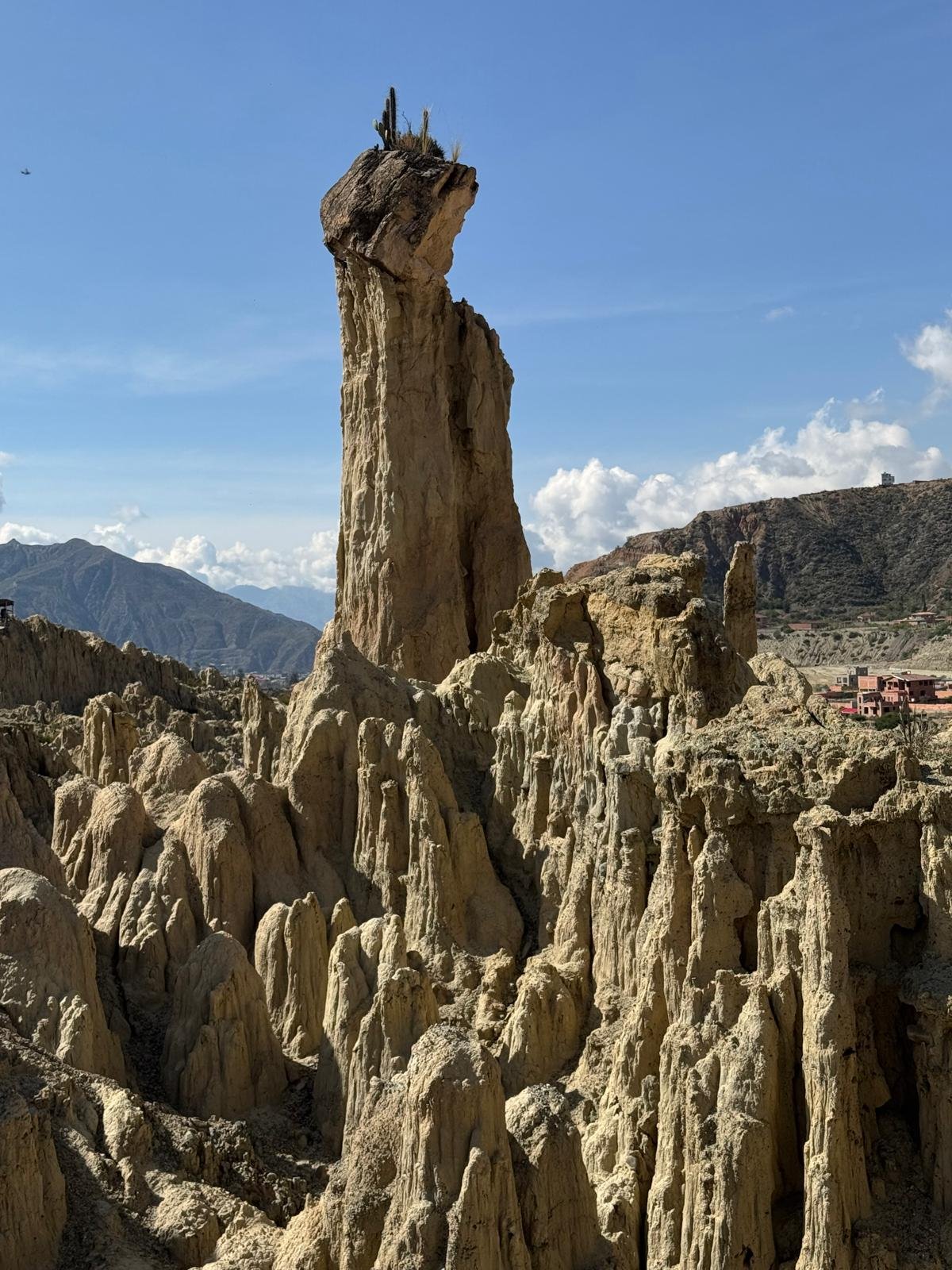
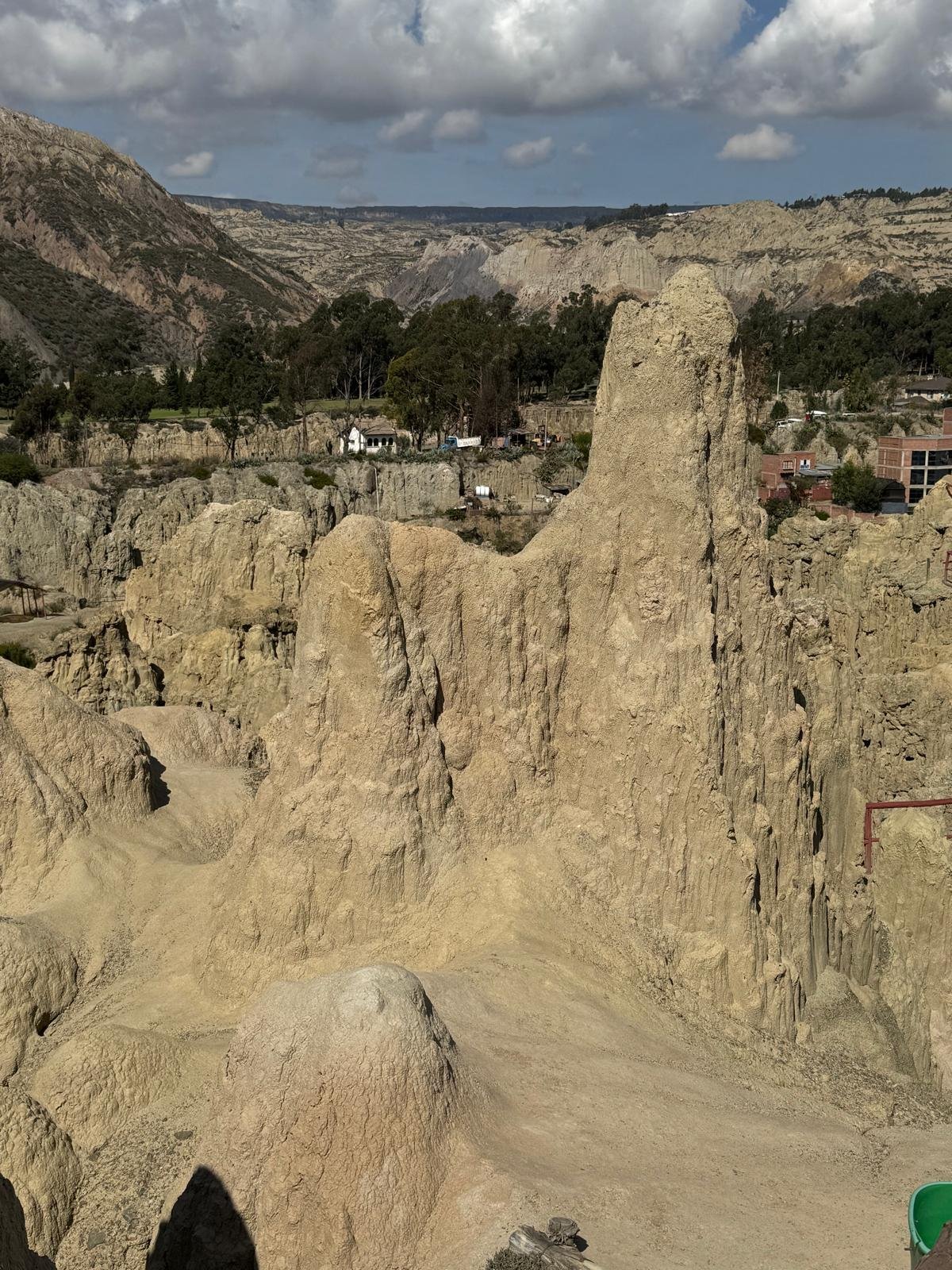
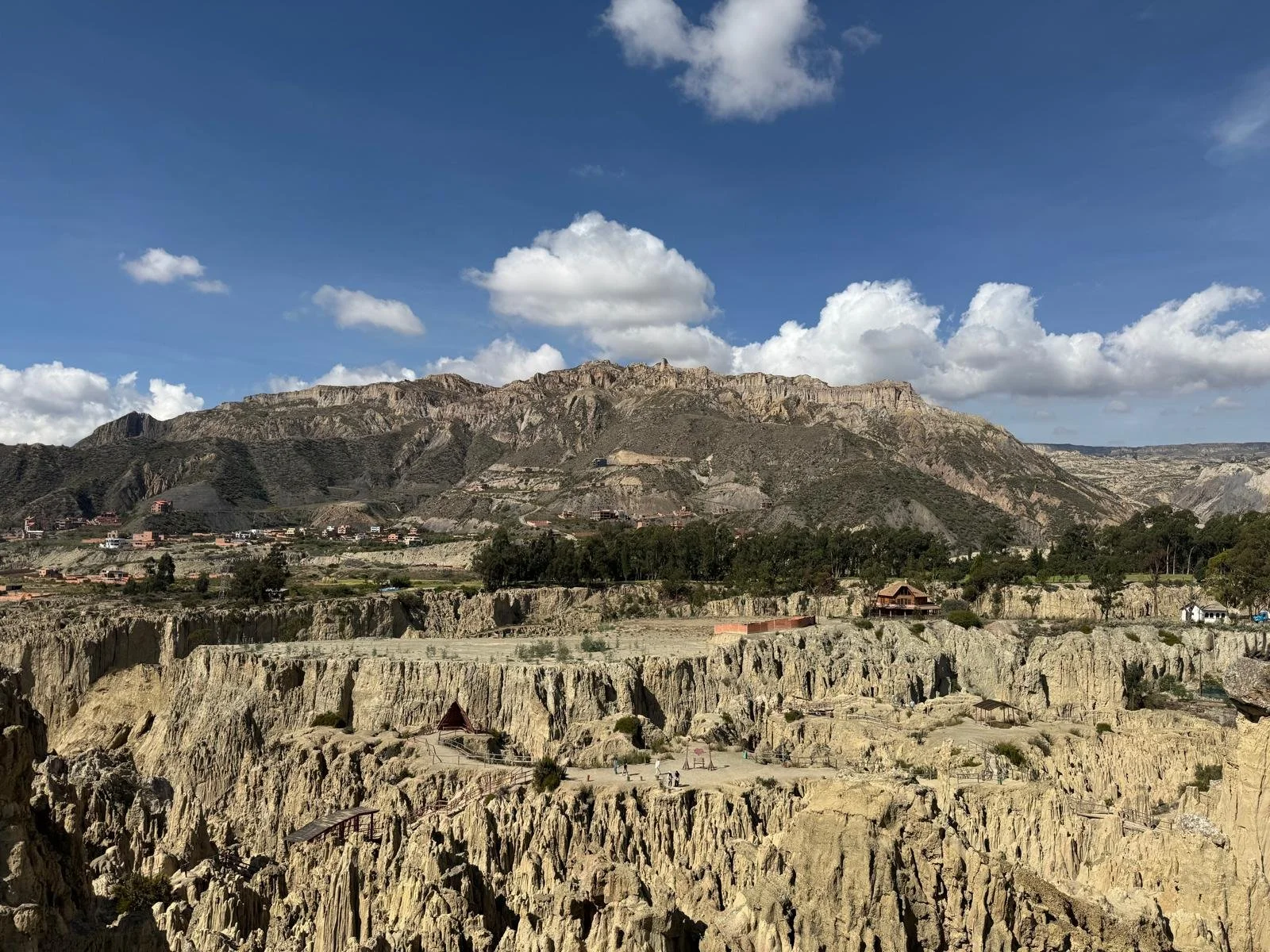
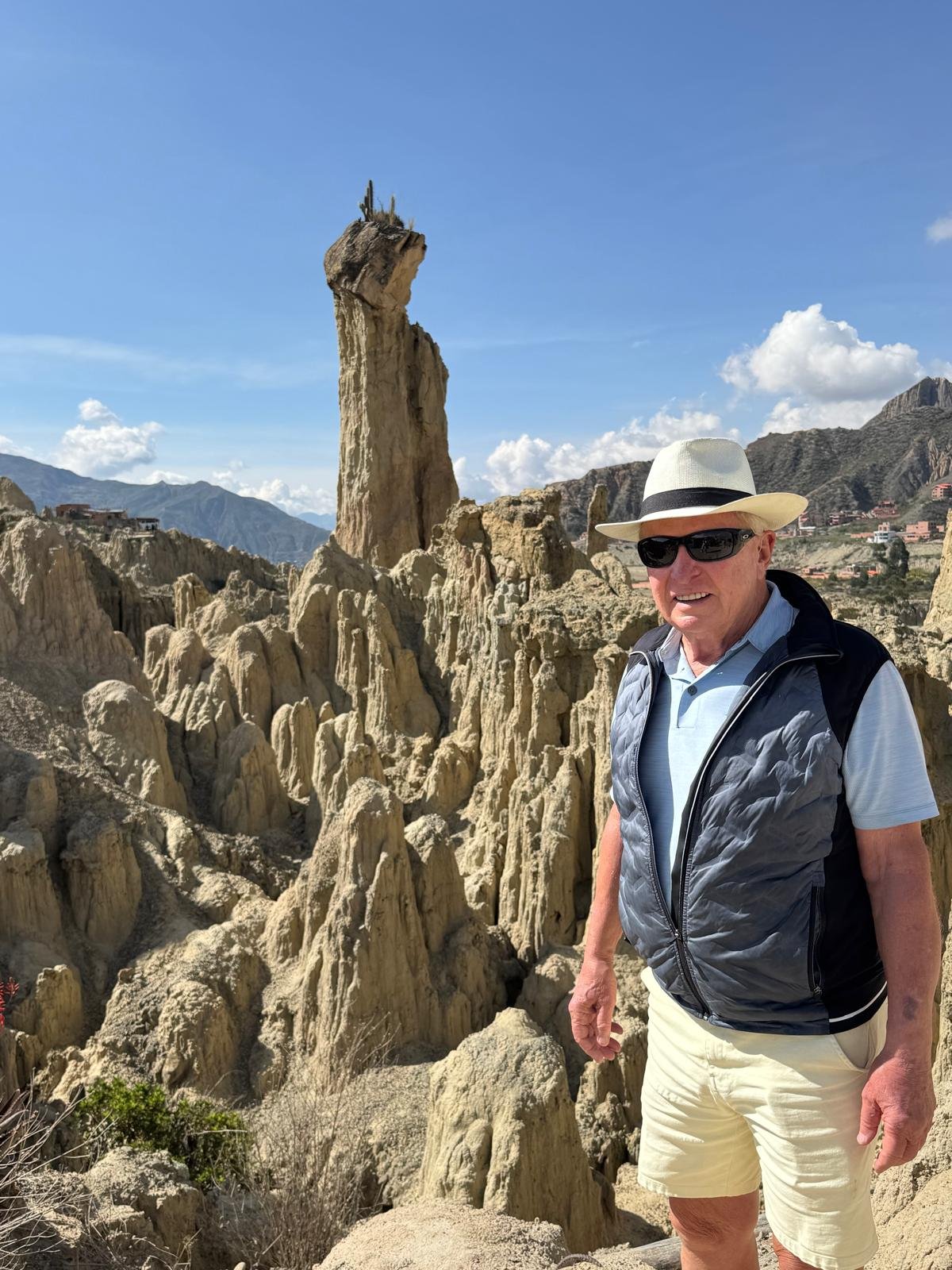
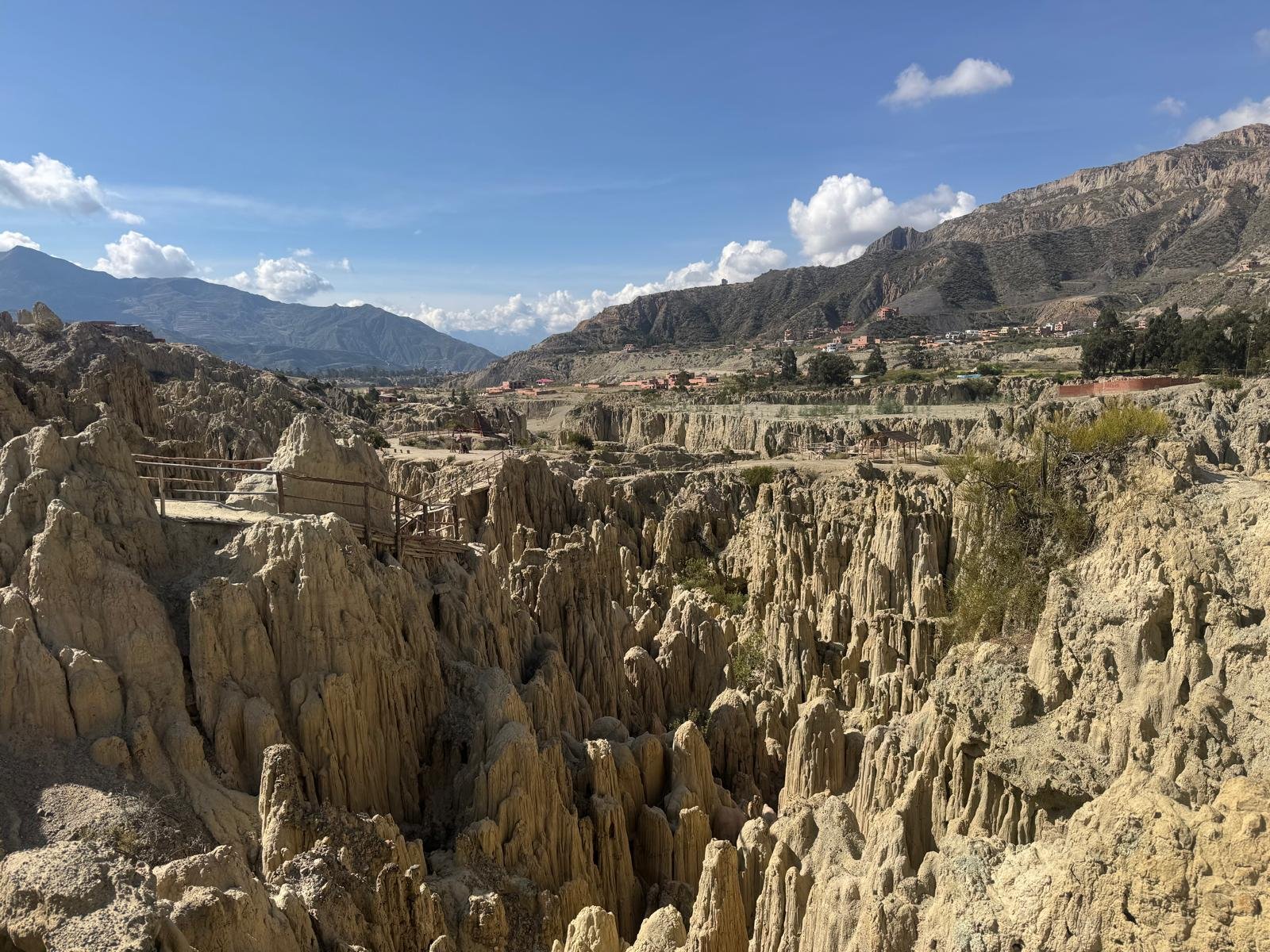
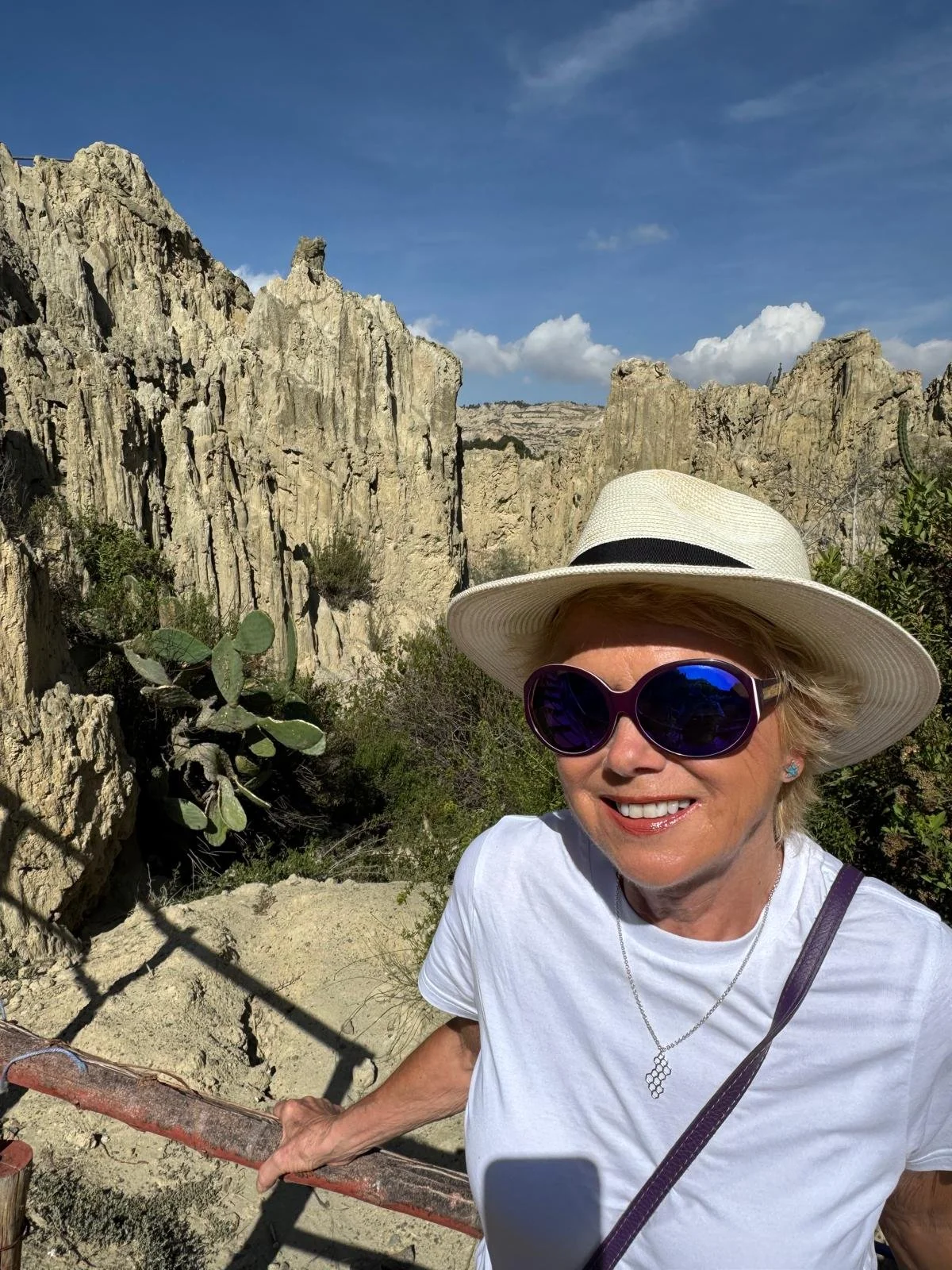
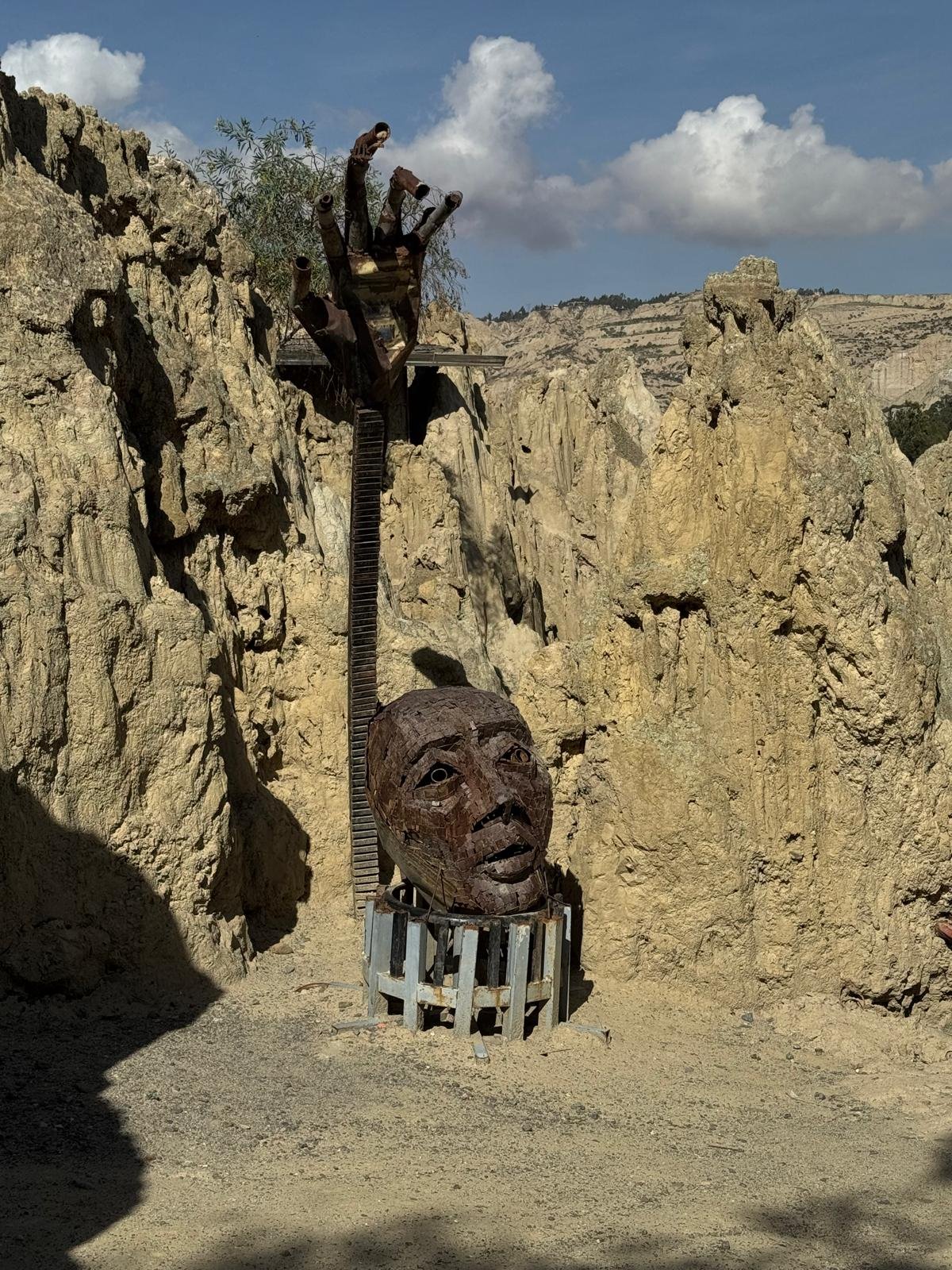
Only one day here and we are sure going to make the most of it. Nancy met us again first thing and we were off! First stop, via a reasonably mountainous road, was to Valle de la Luna (Valley of the Moon) or Killa Qhichwa, a surreal eroded landscape of clay and sandstone spires, and canyons created by thousands of years of erosion that make it look like a lunar surface, with the canyons varying in mineral colours from beige to dark red.
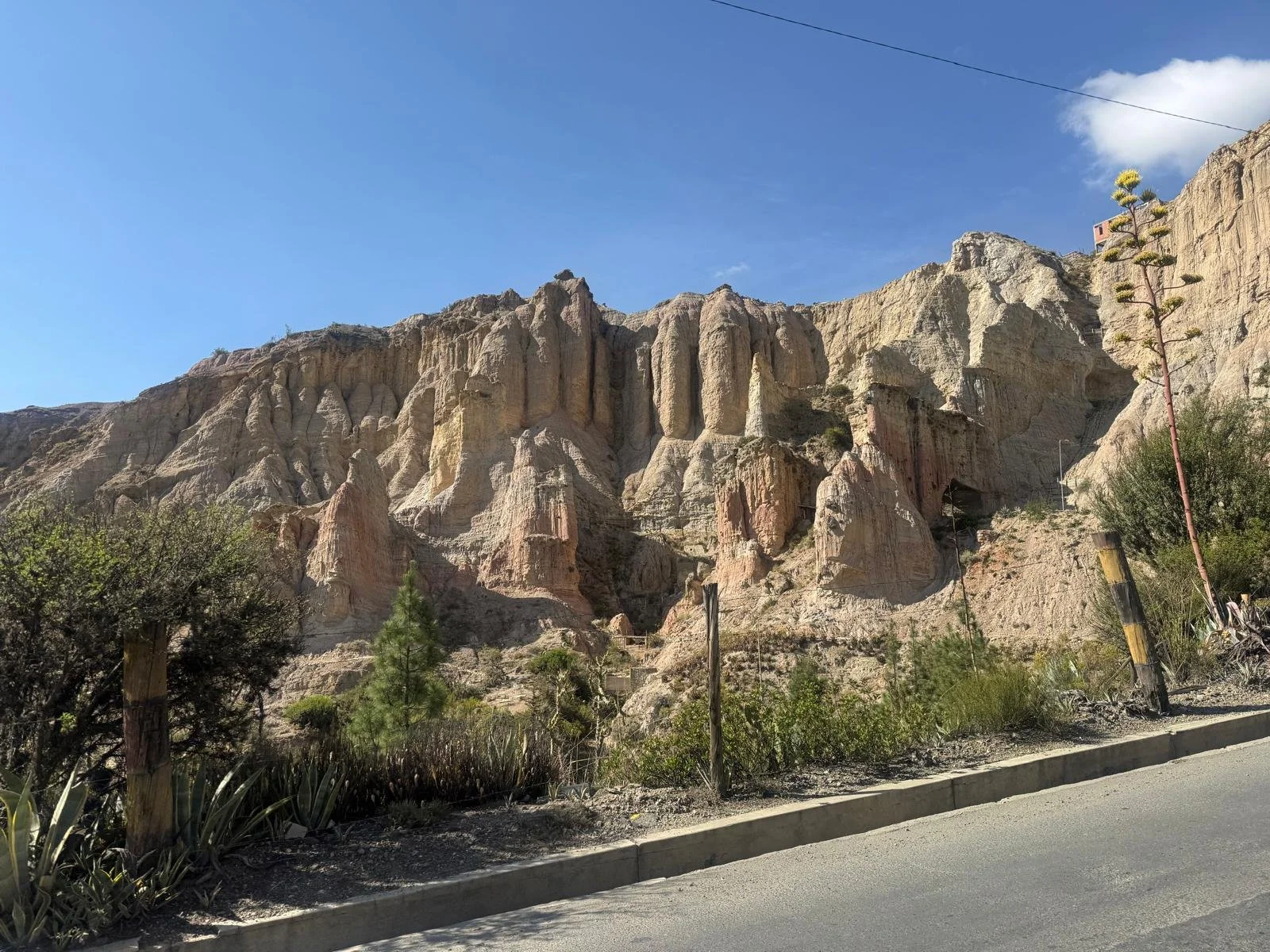
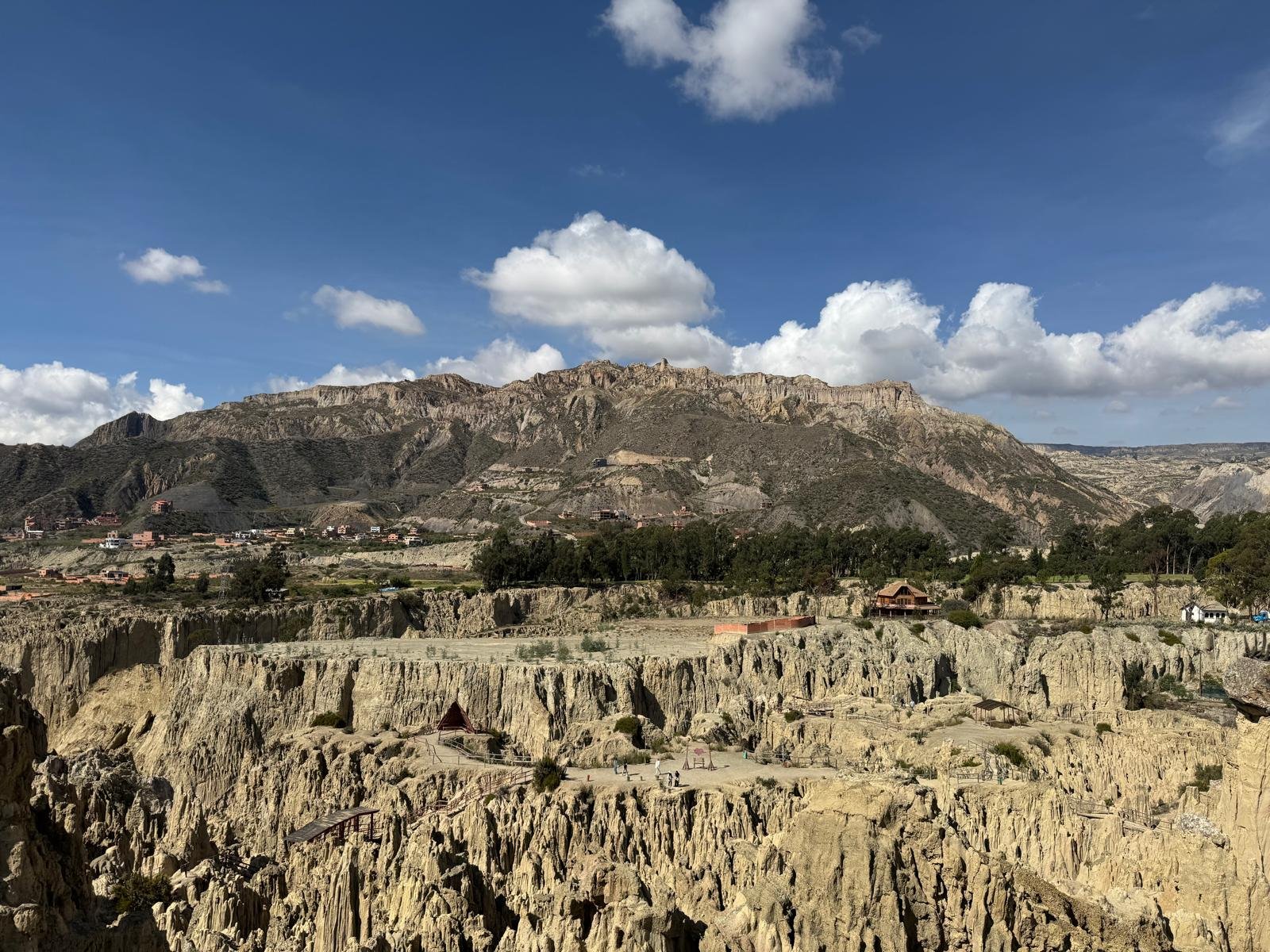
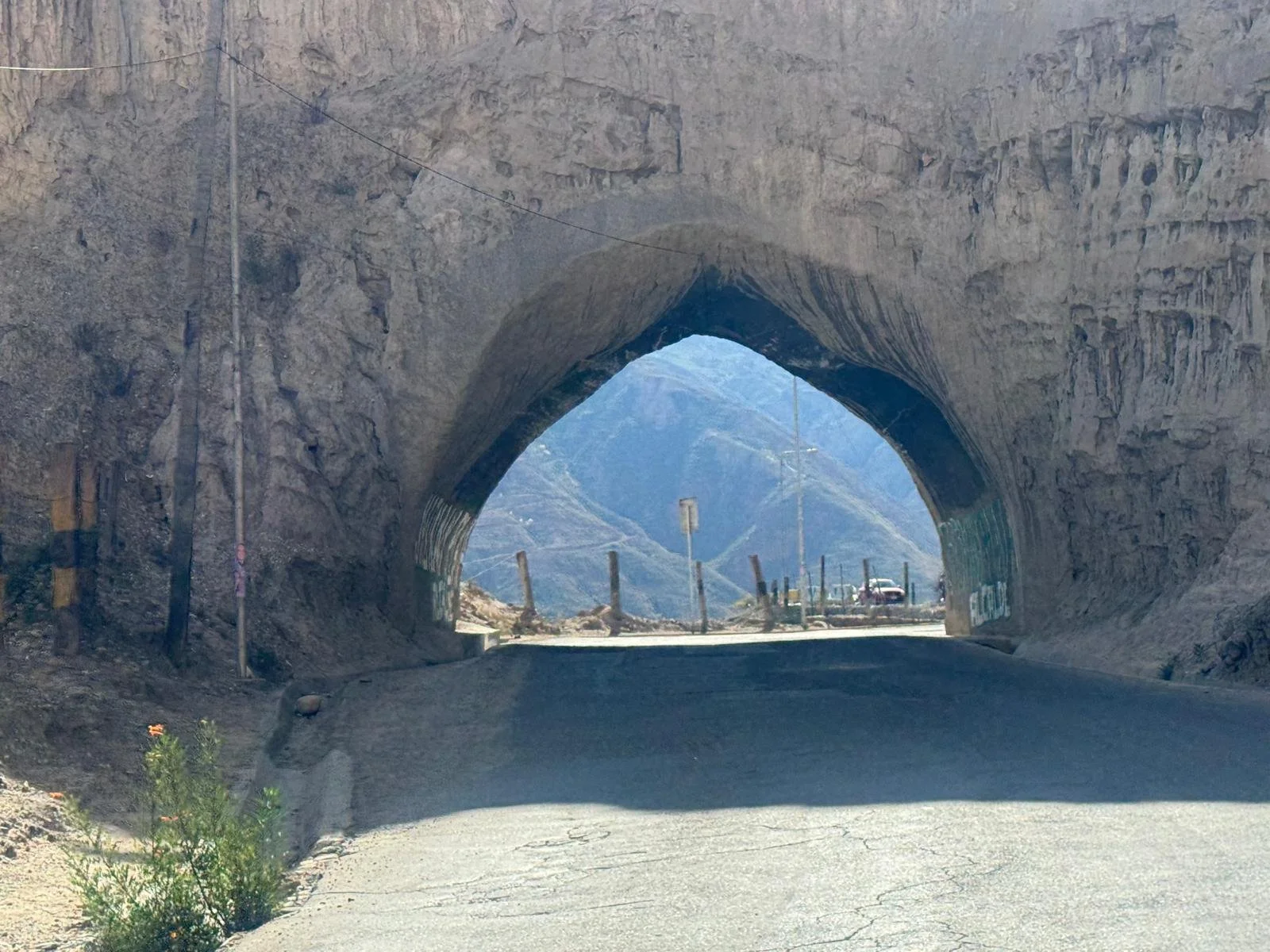
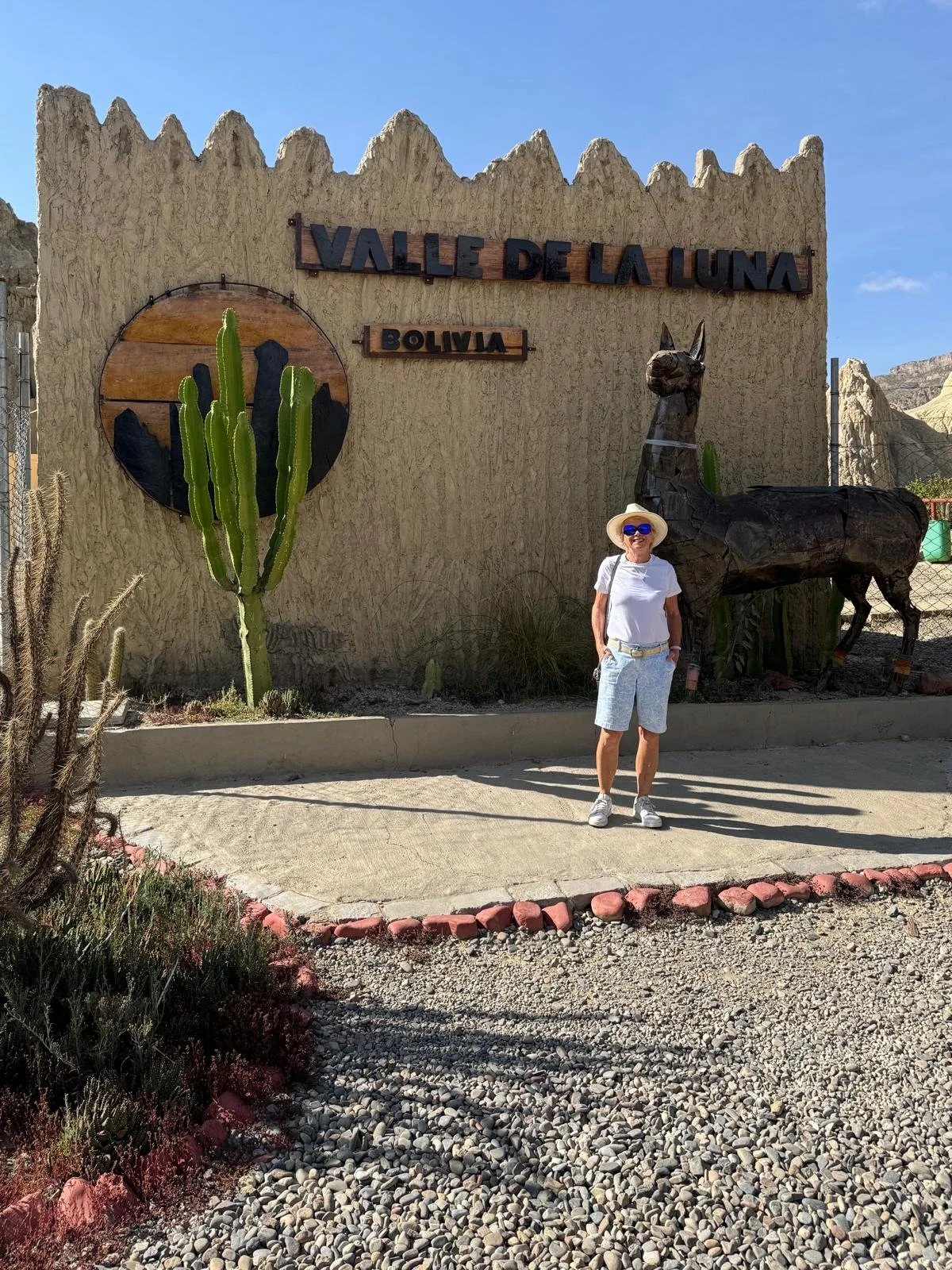
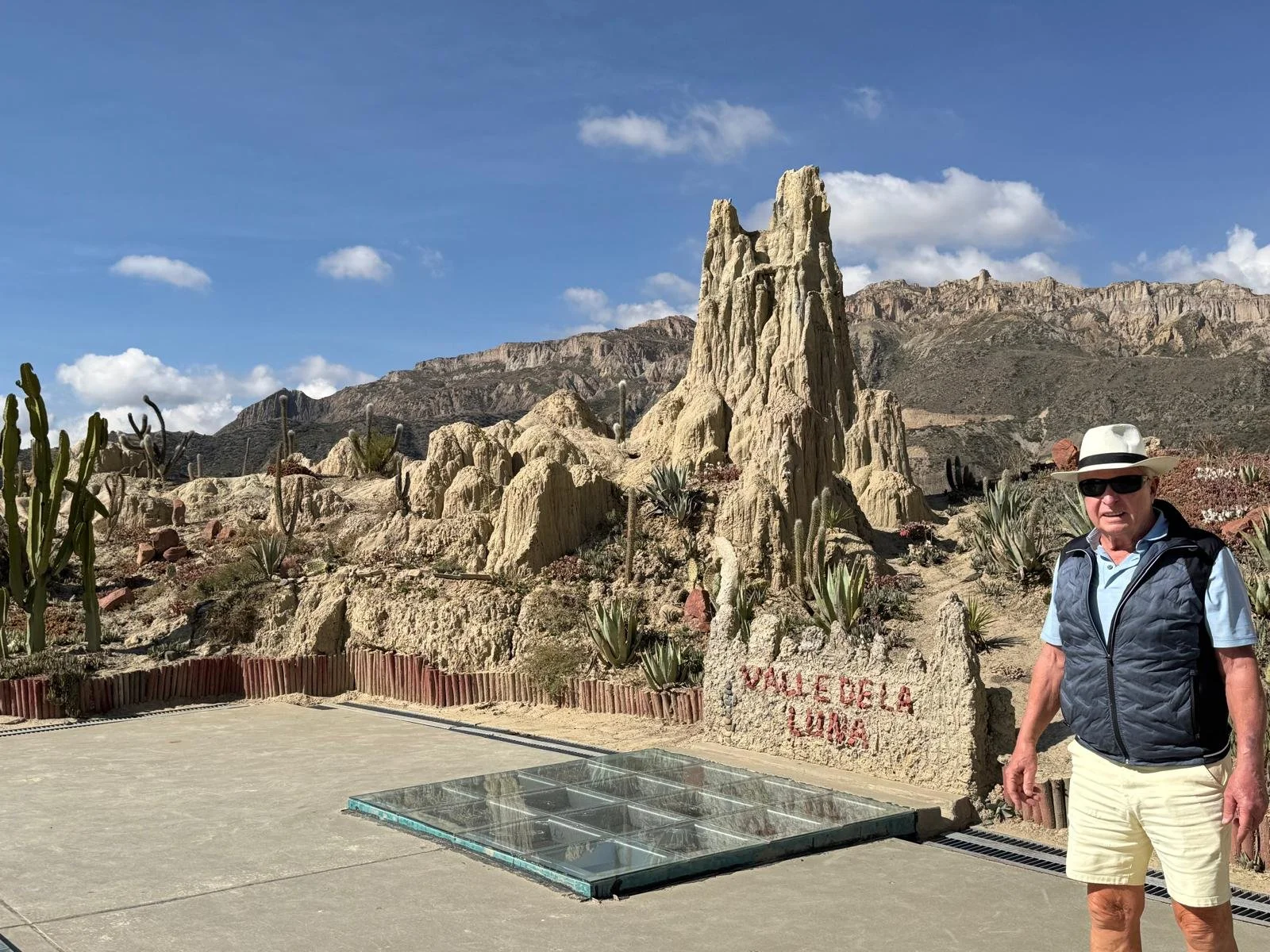
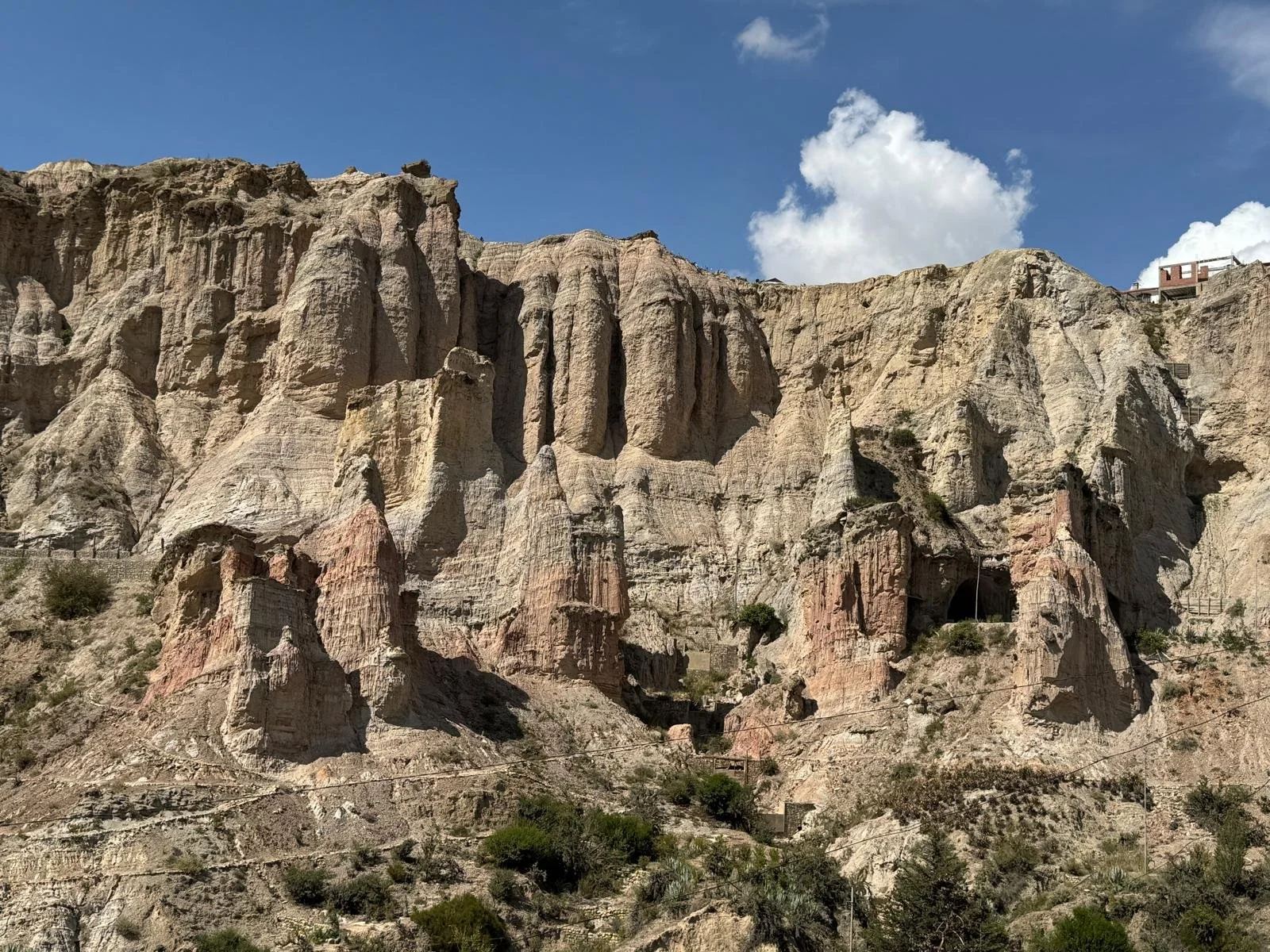
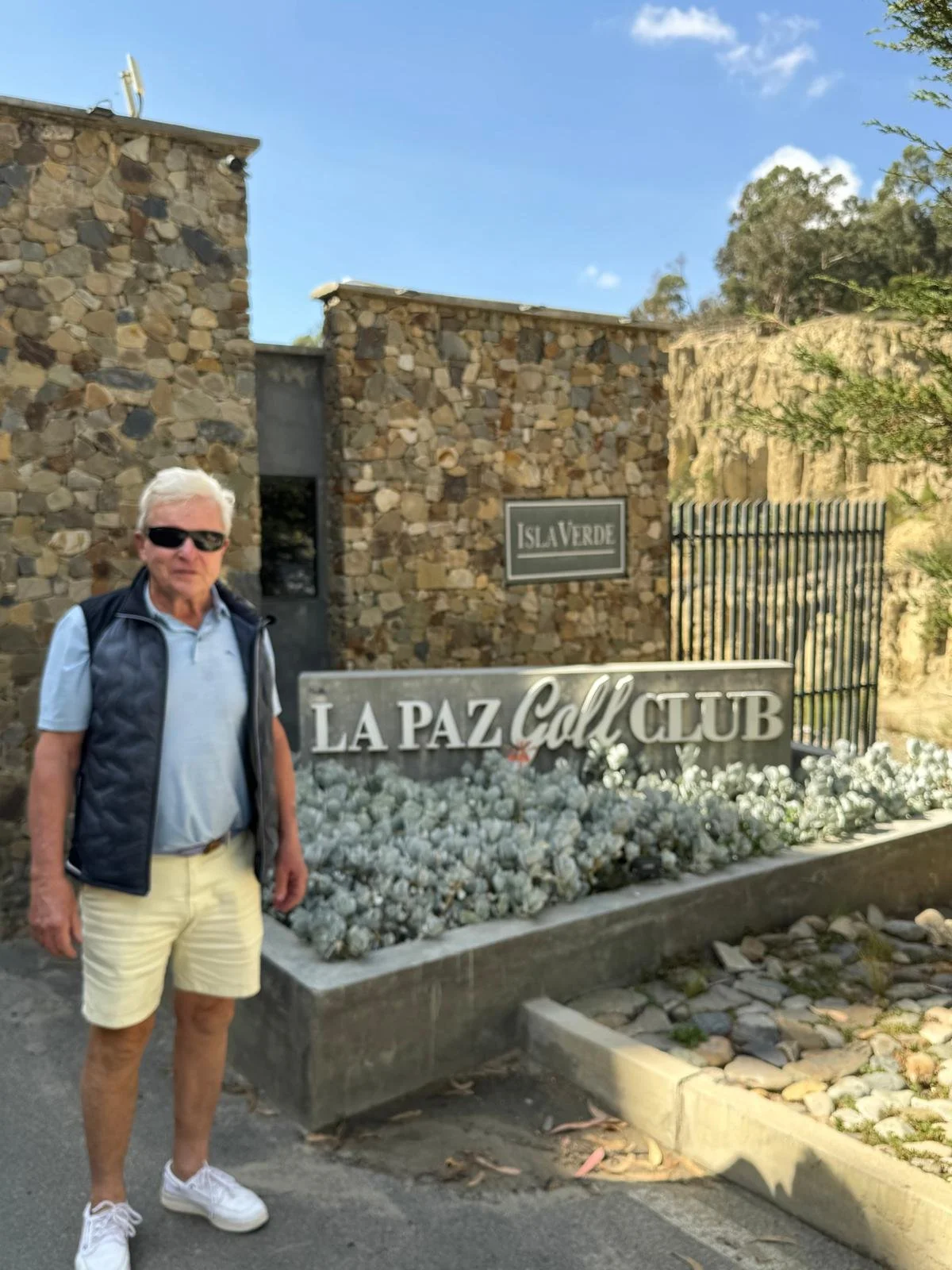
It was christened Valley of the Moon by Neil Armstrong when a team of astronauts came here in 1966 to train for the moon landing! Geoff was also pleased to see the La Paz Golf course over the valley – the highest golf course in the world. What a perfect start to what was to be a very interesting and memorable day.
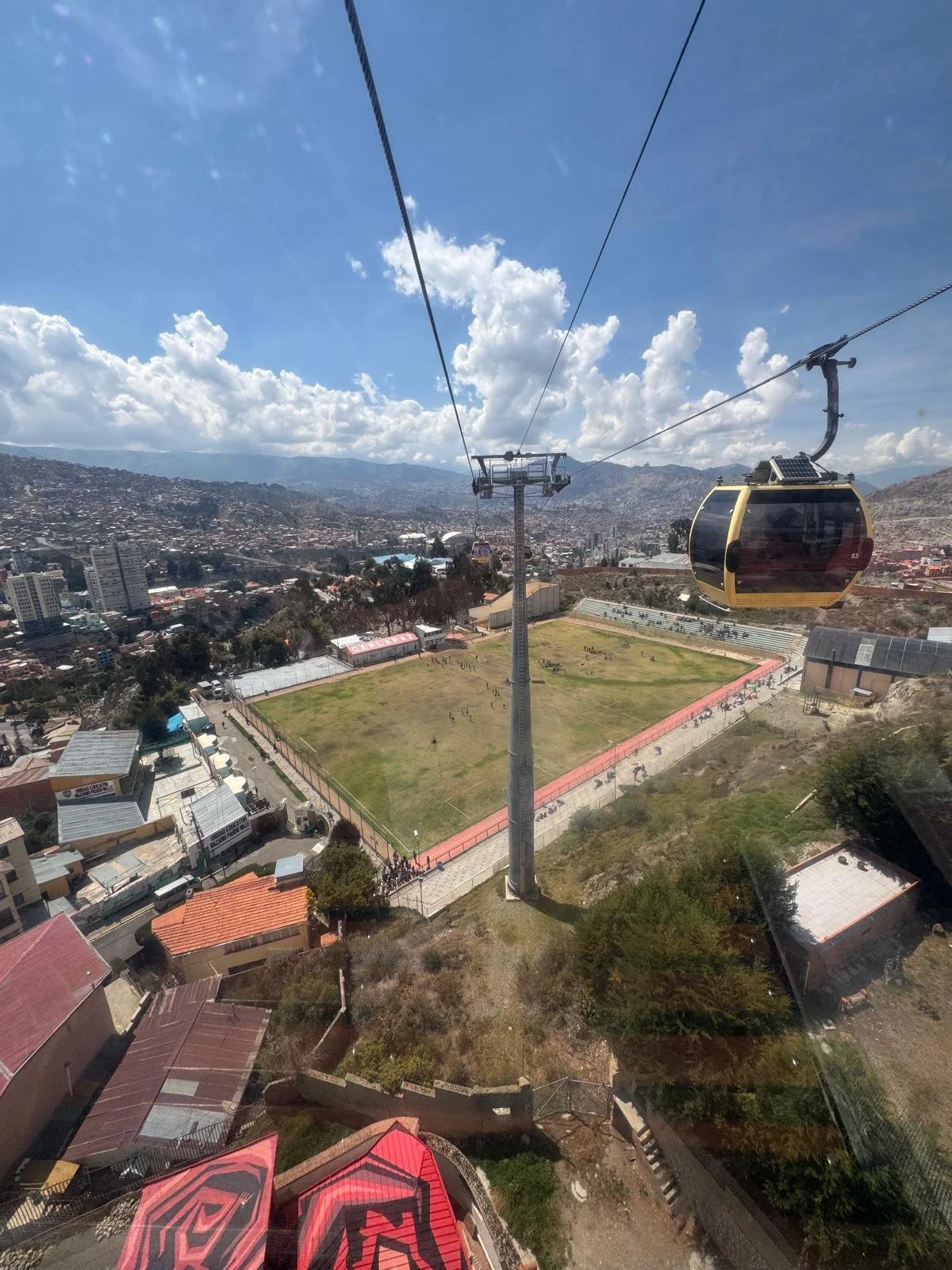
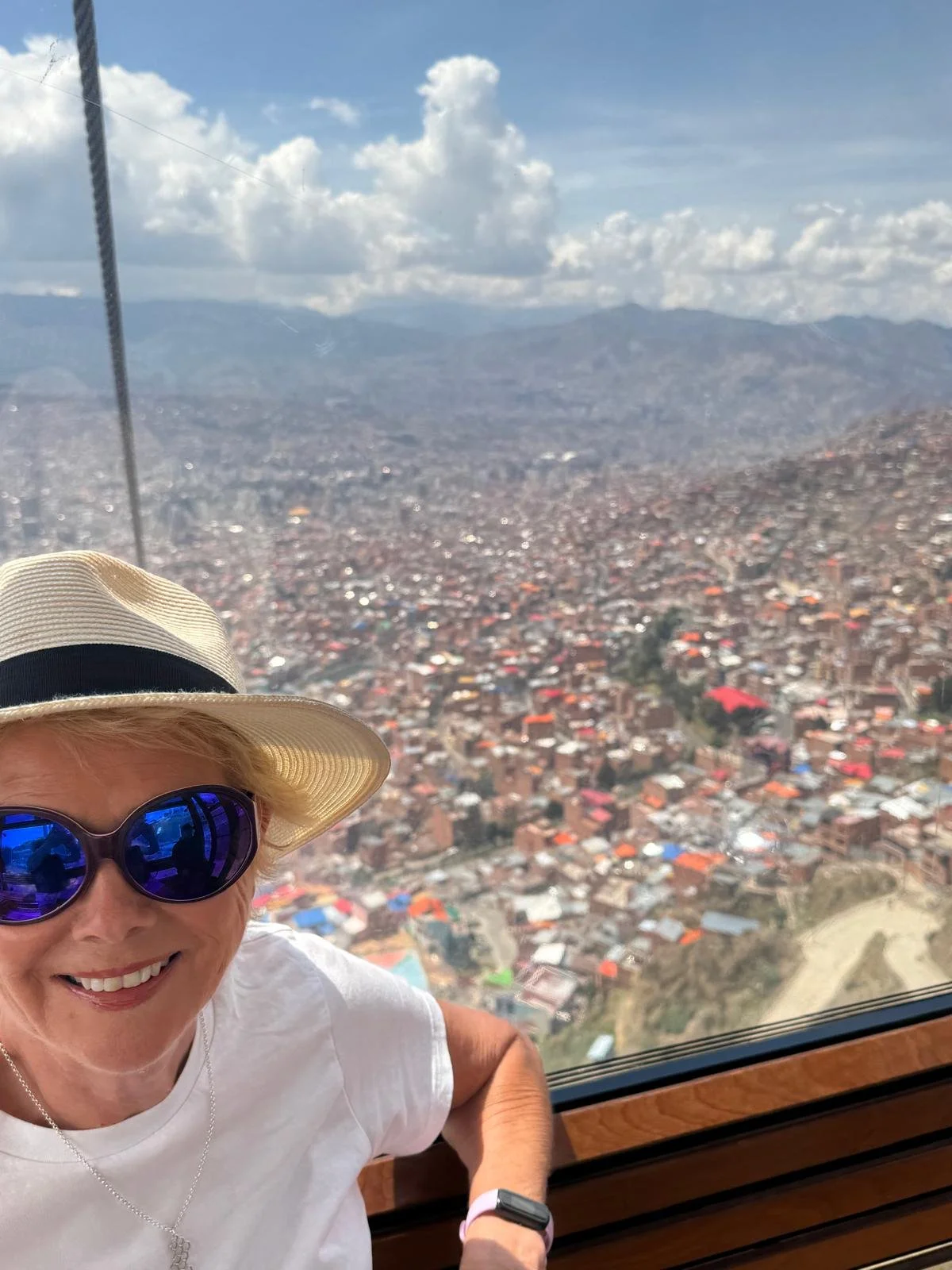
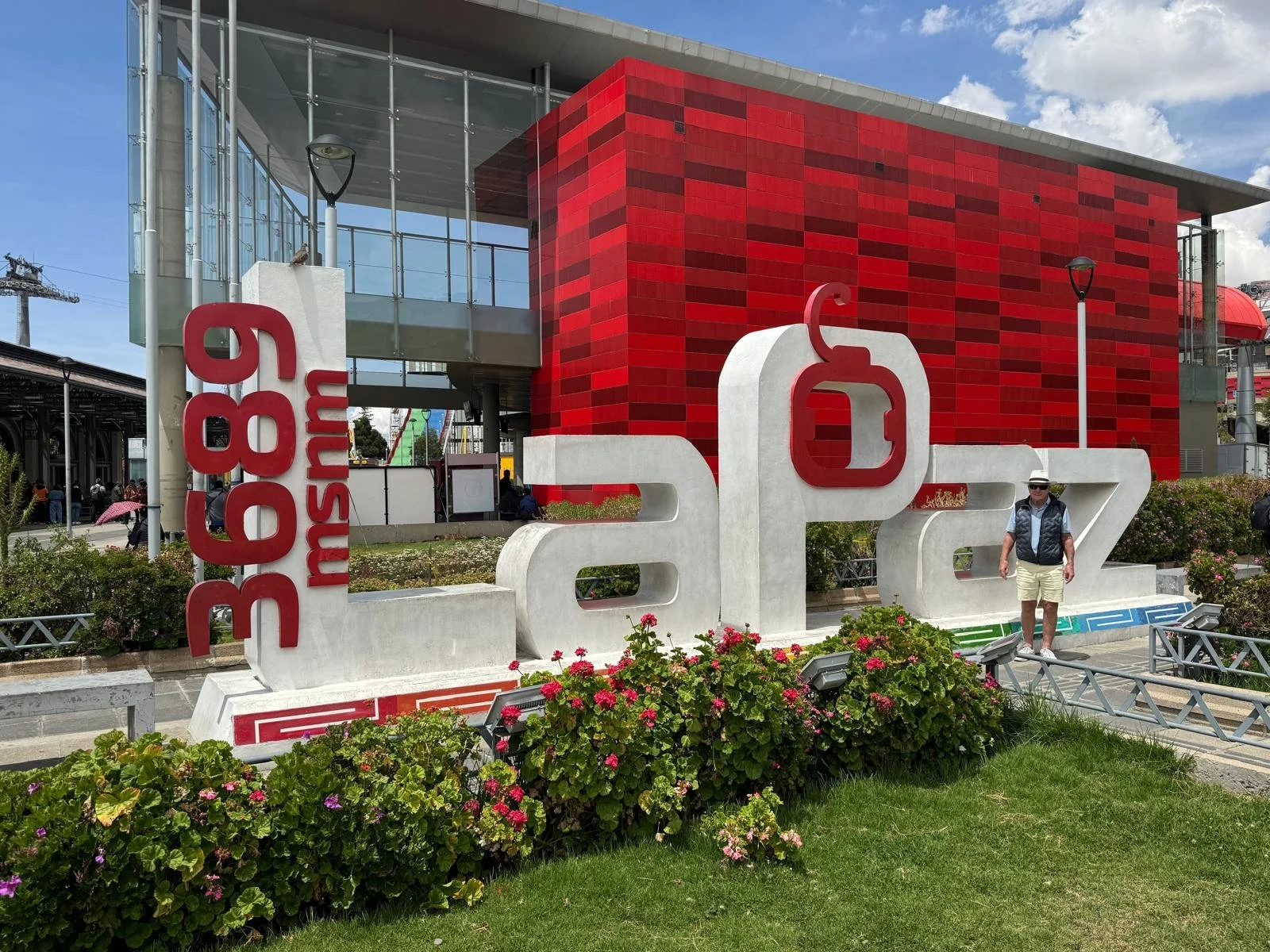
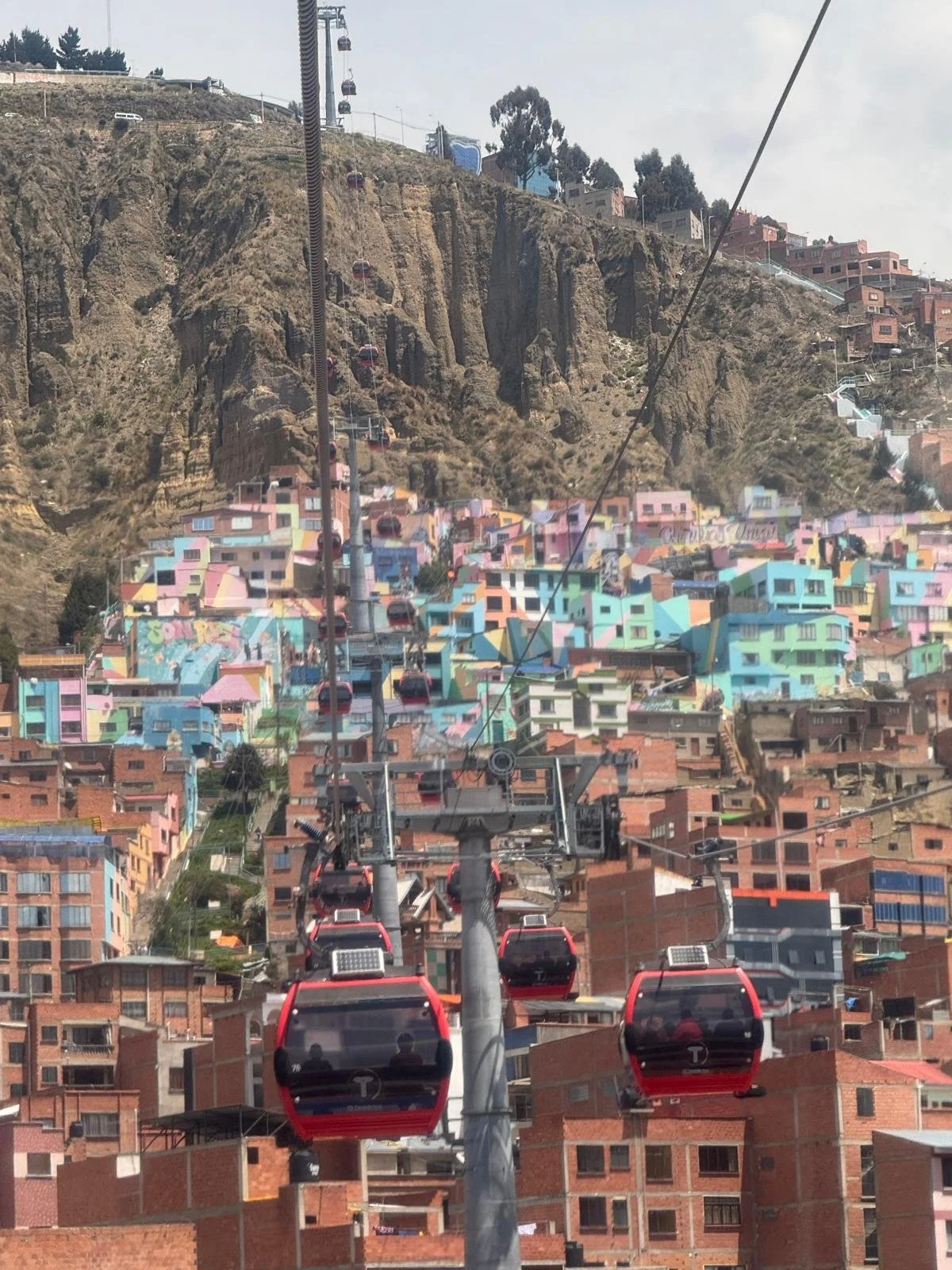
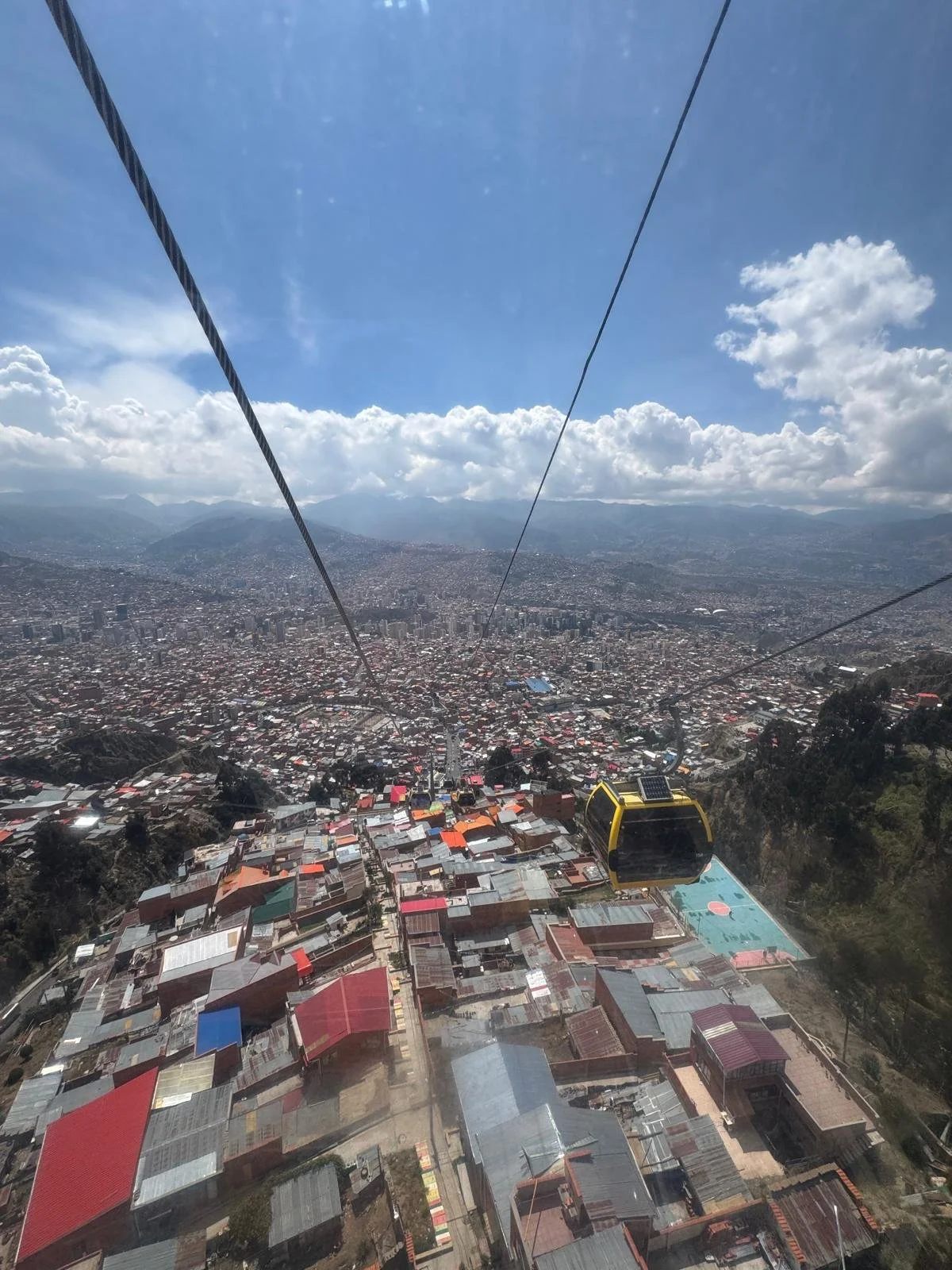
Next up was a real highlight, although way out of the comfort zone of scaredy-cat Ro….the cable cars! Mi Teleférico (meaning My Cable Car) is the world’s longest and highest urban aerial cable car system that connects La Paz to El Alto. I had done a bit of research yesterday and was happy to read that it was built by the Austrian company Doppelmayr using a safe, detachable gondola technology, so that made me feel just slightly better! It operates ten lines and is the primary mass transit system here – and having been part of the messy, severe traffic congestion in El Alto last night, it is an excellent service and way to travel about the city, especially as it only costs the equivalent of 80cents in Kiwi currency.
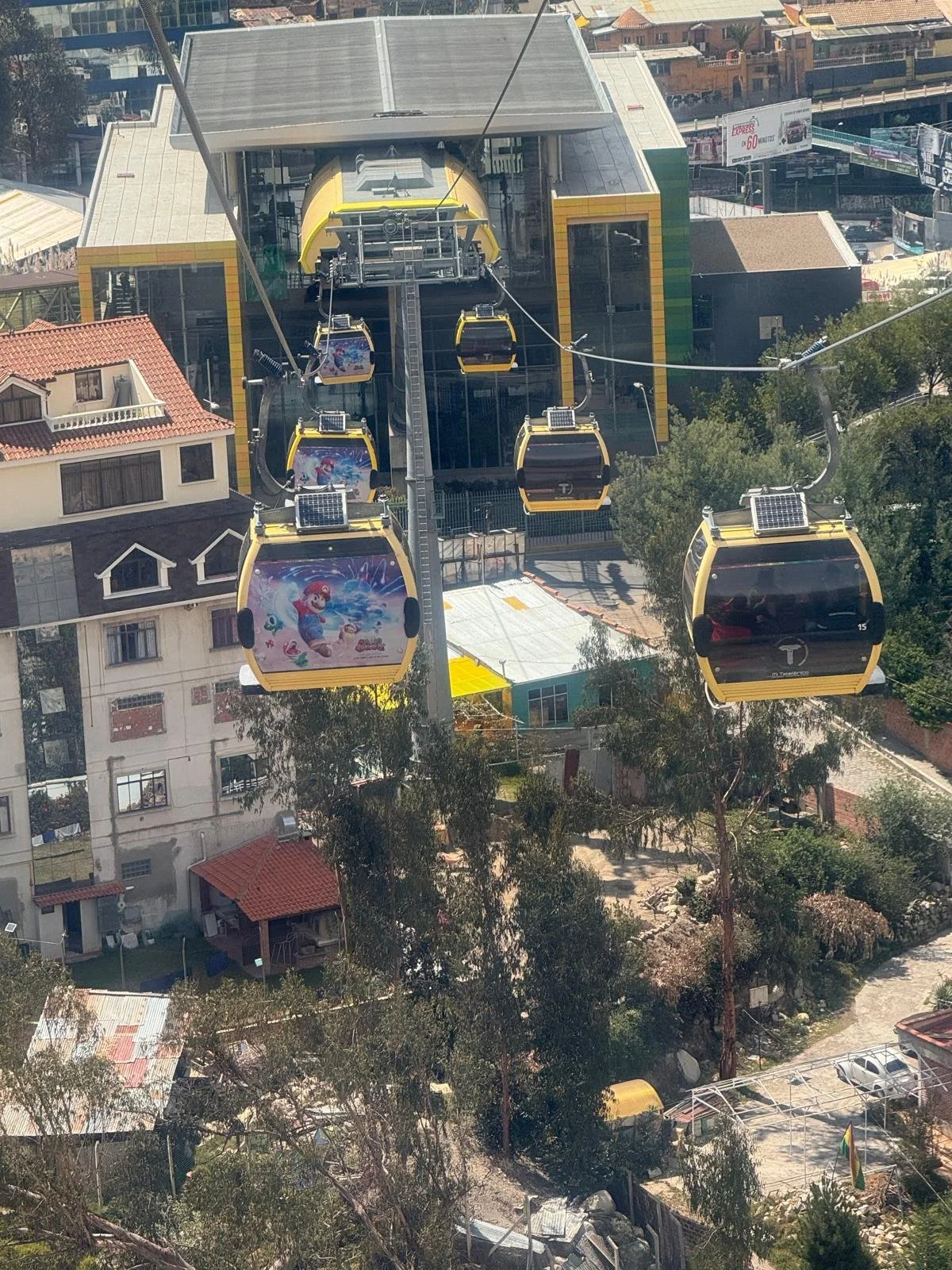
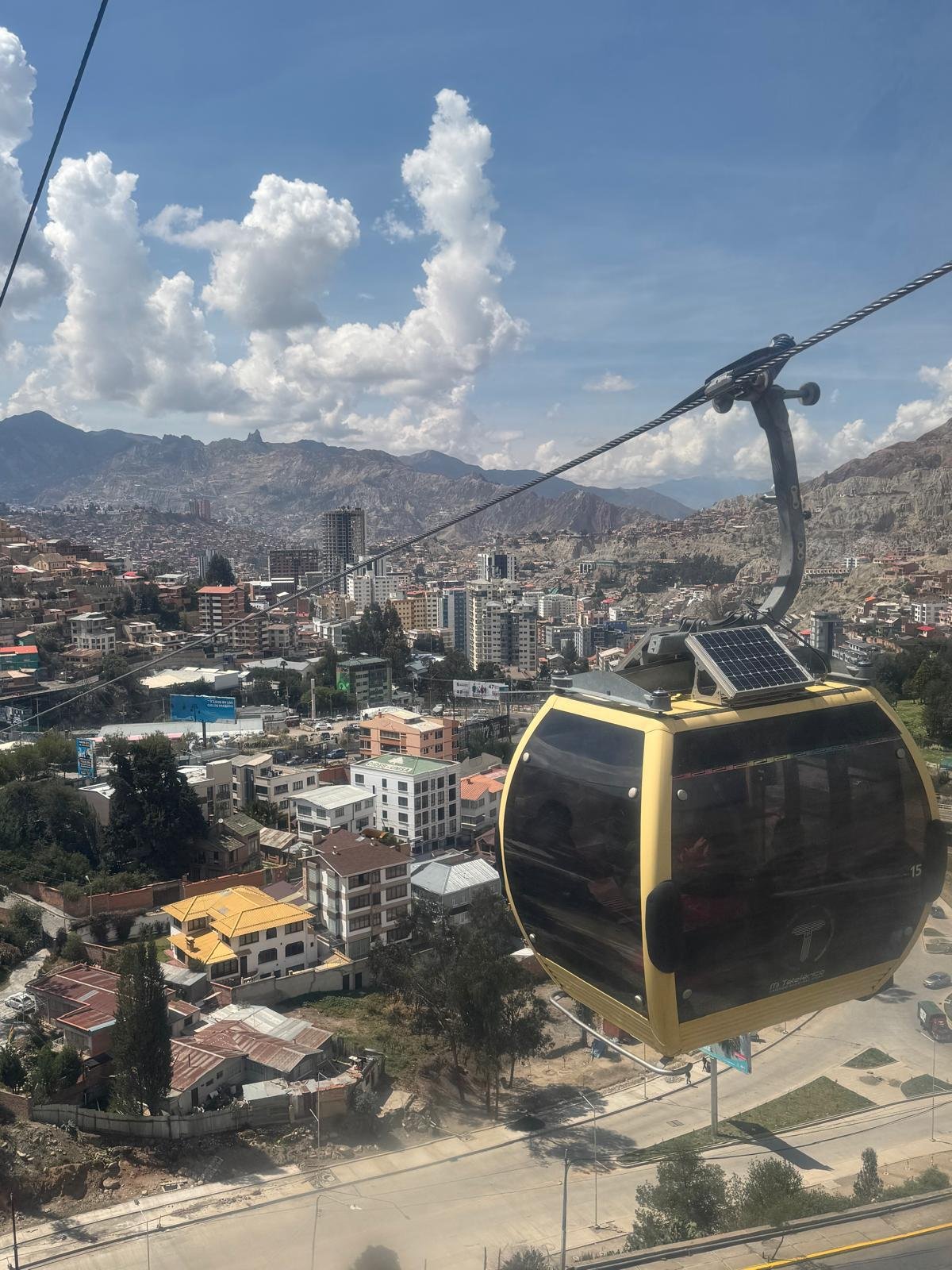
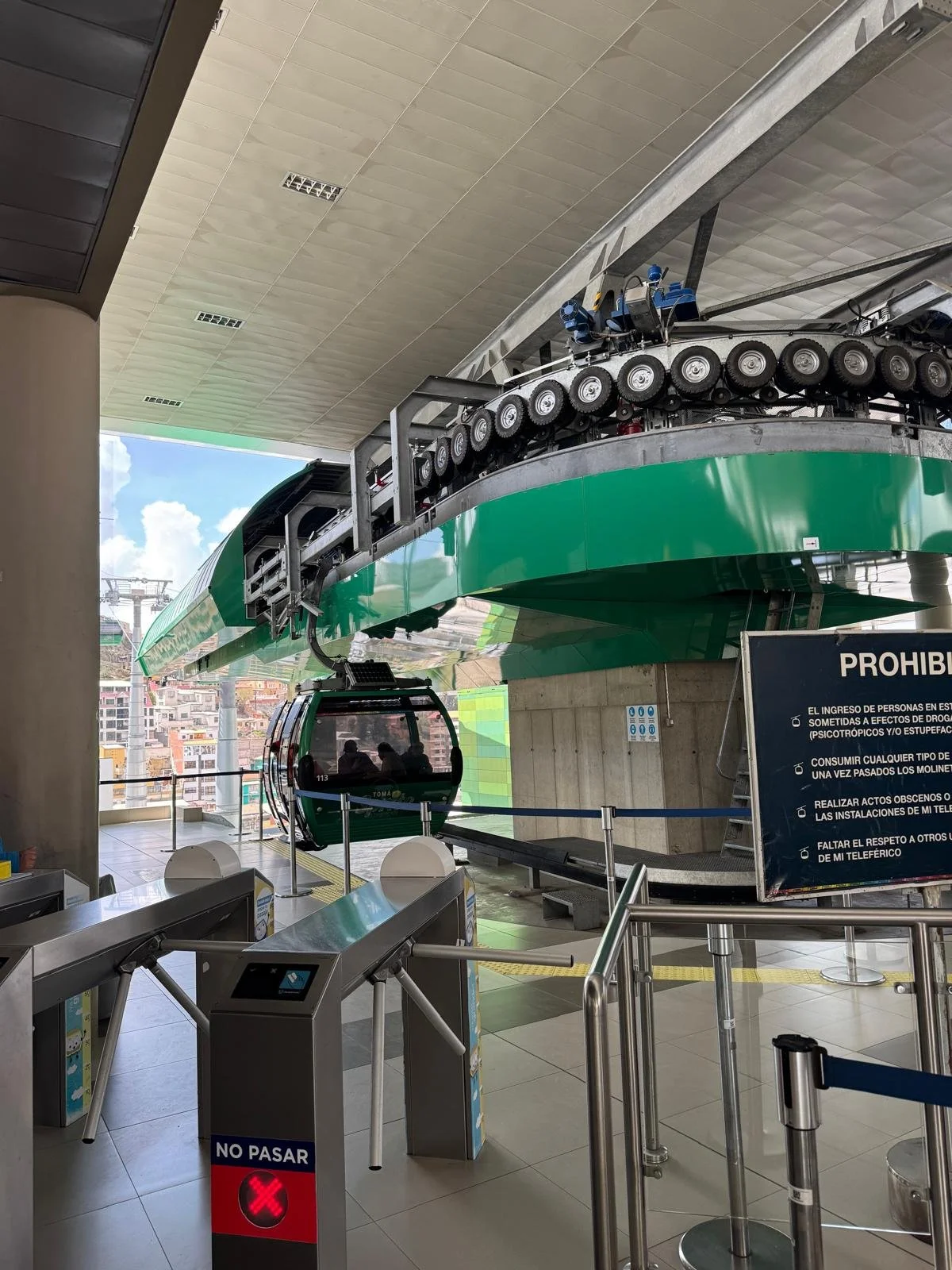
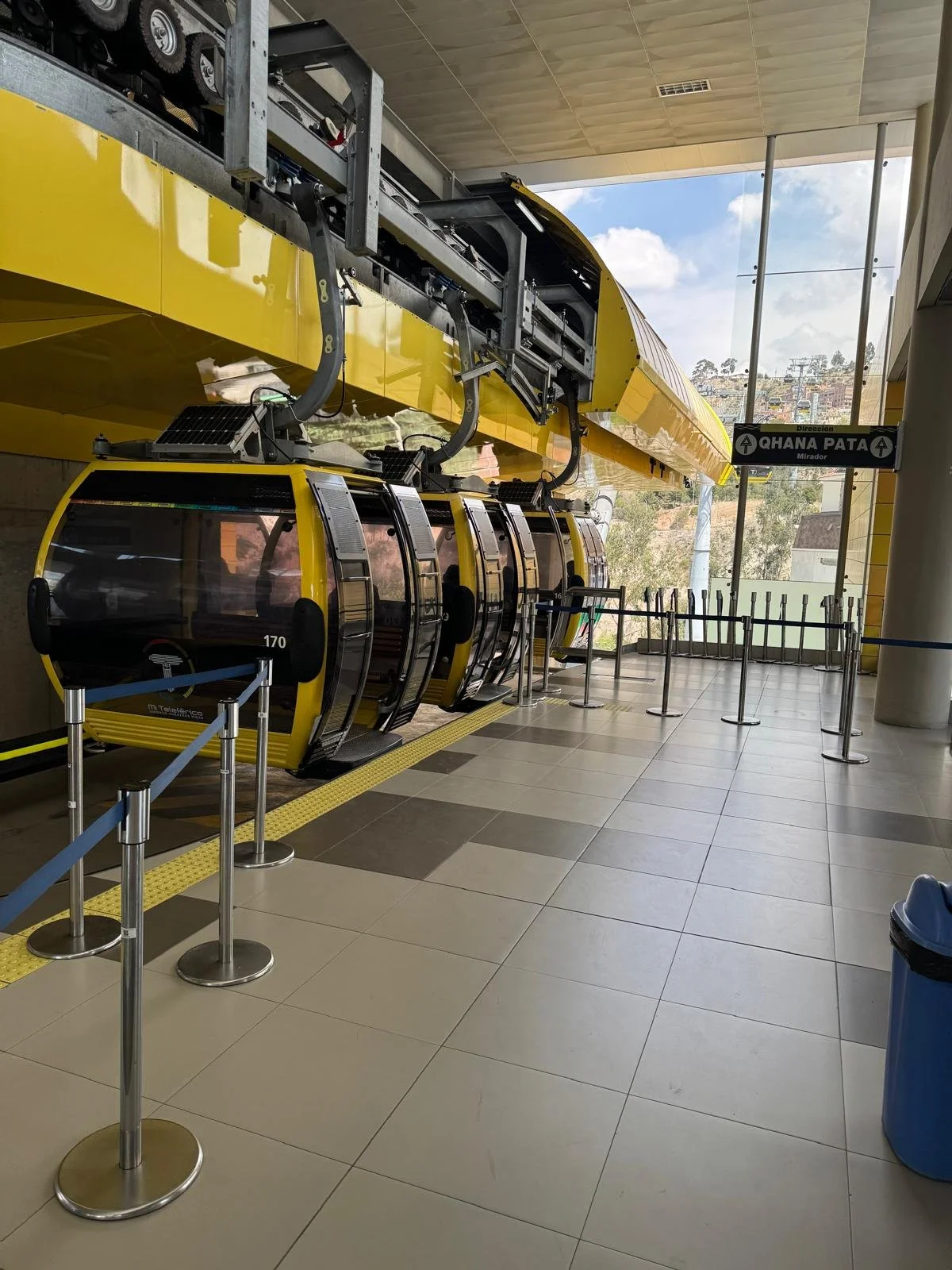
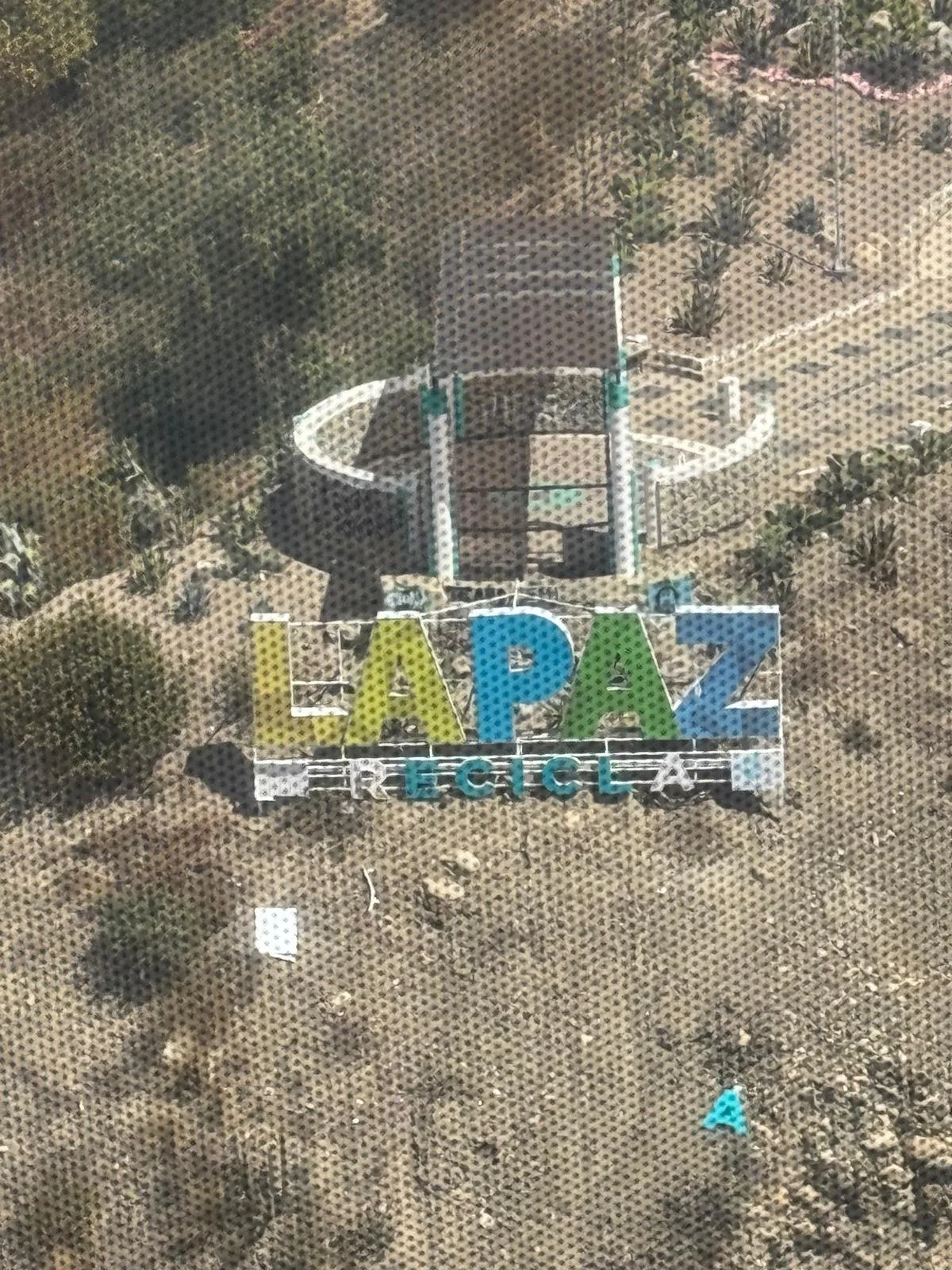
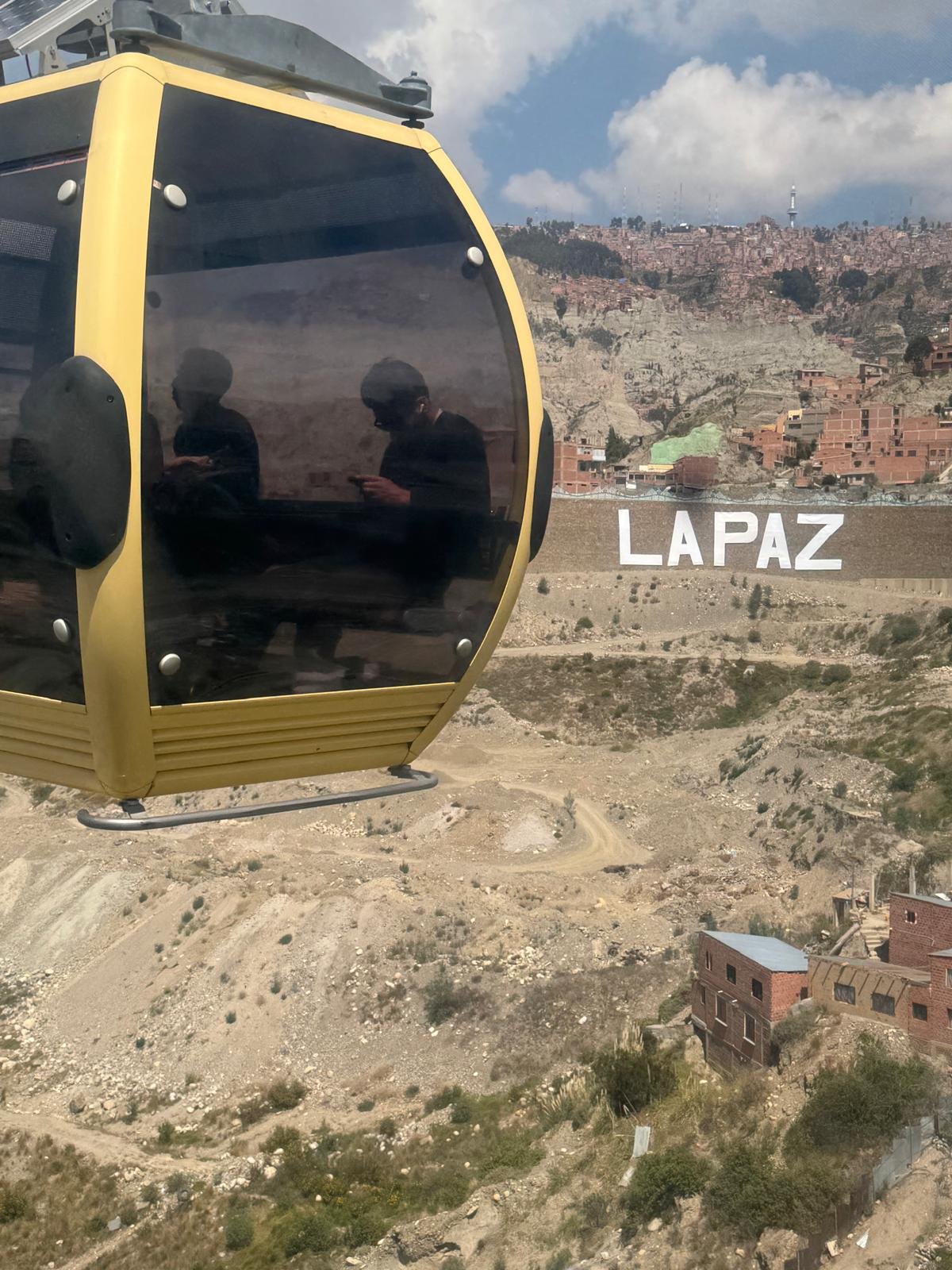
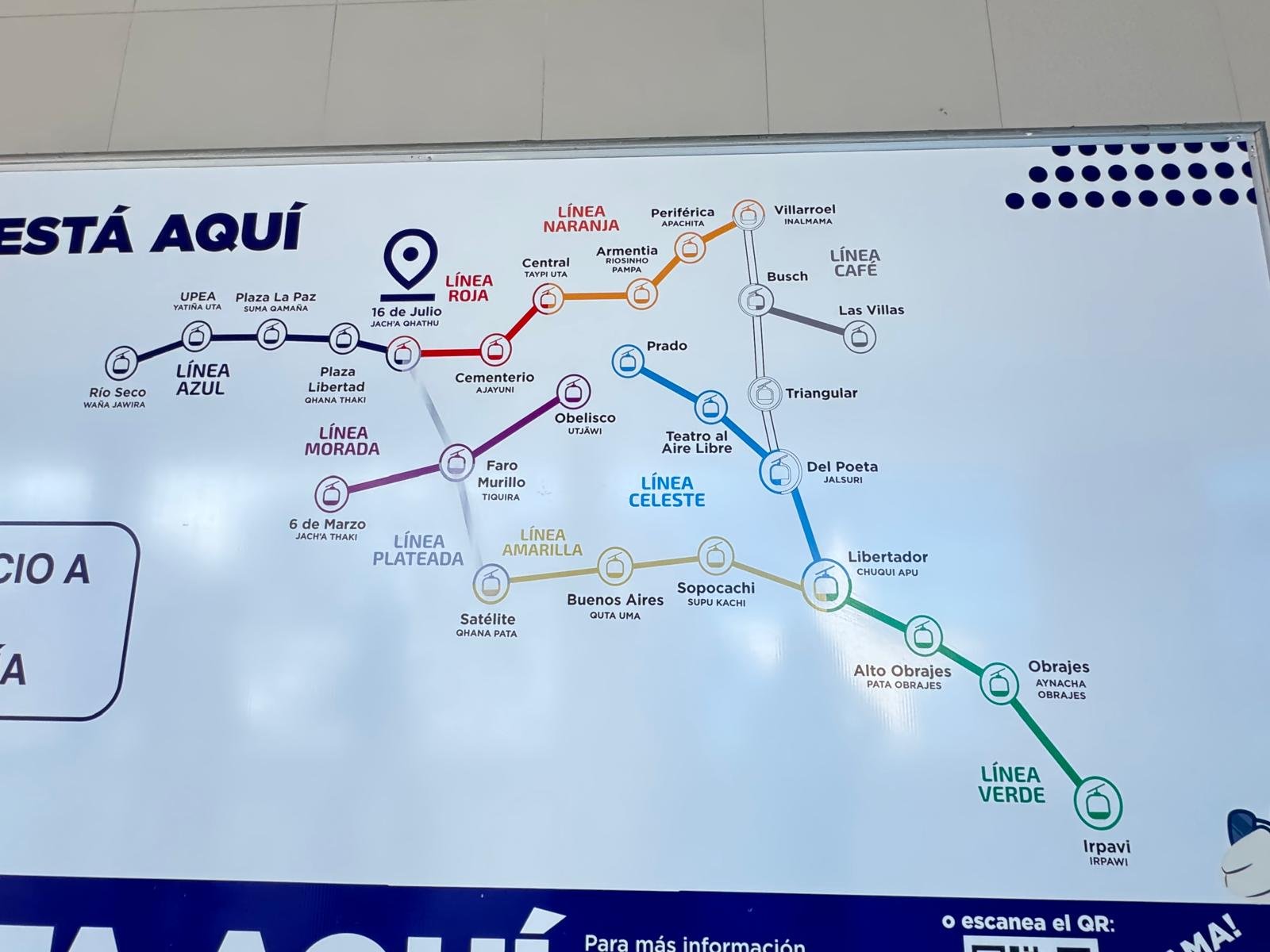
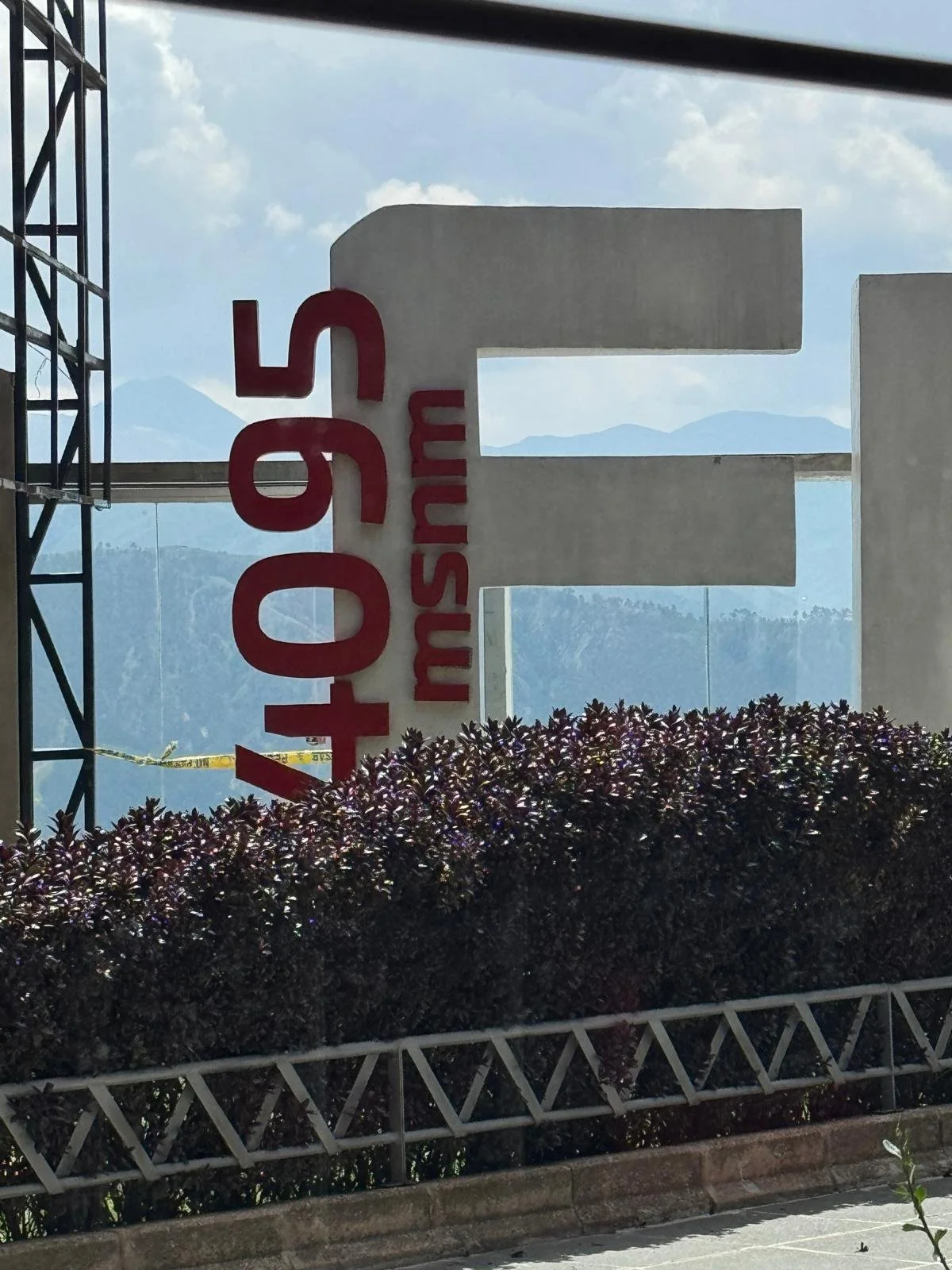
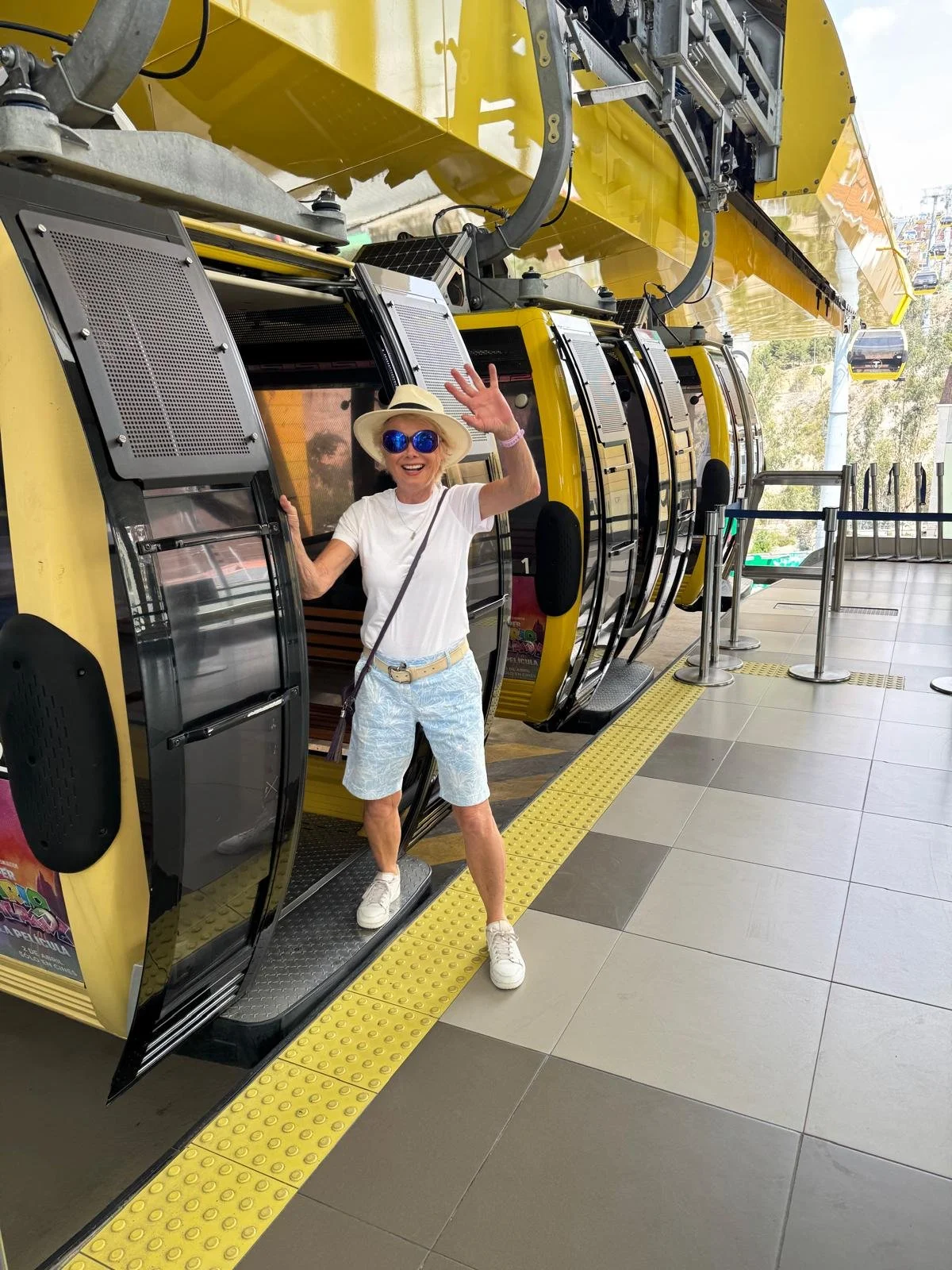
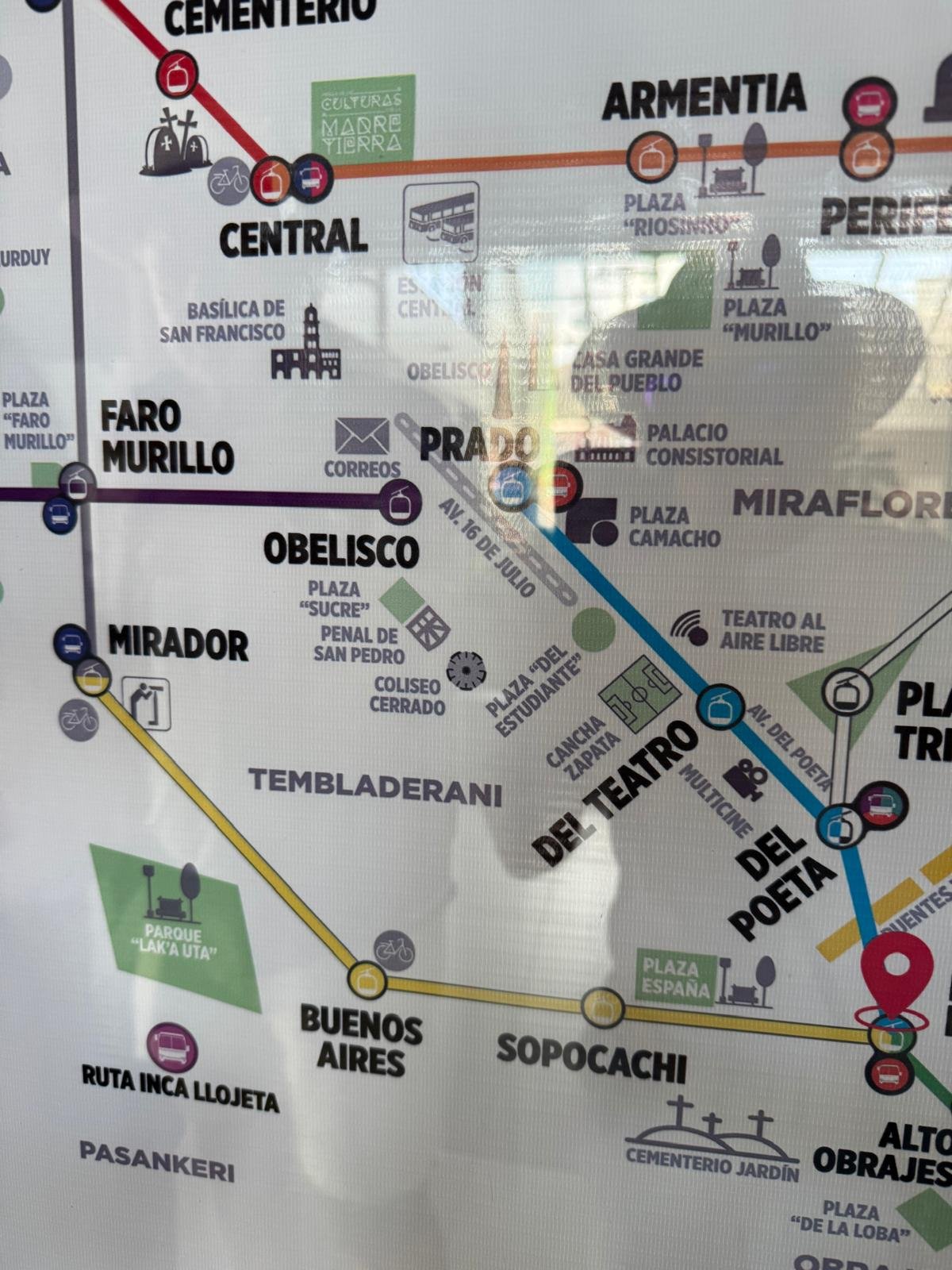
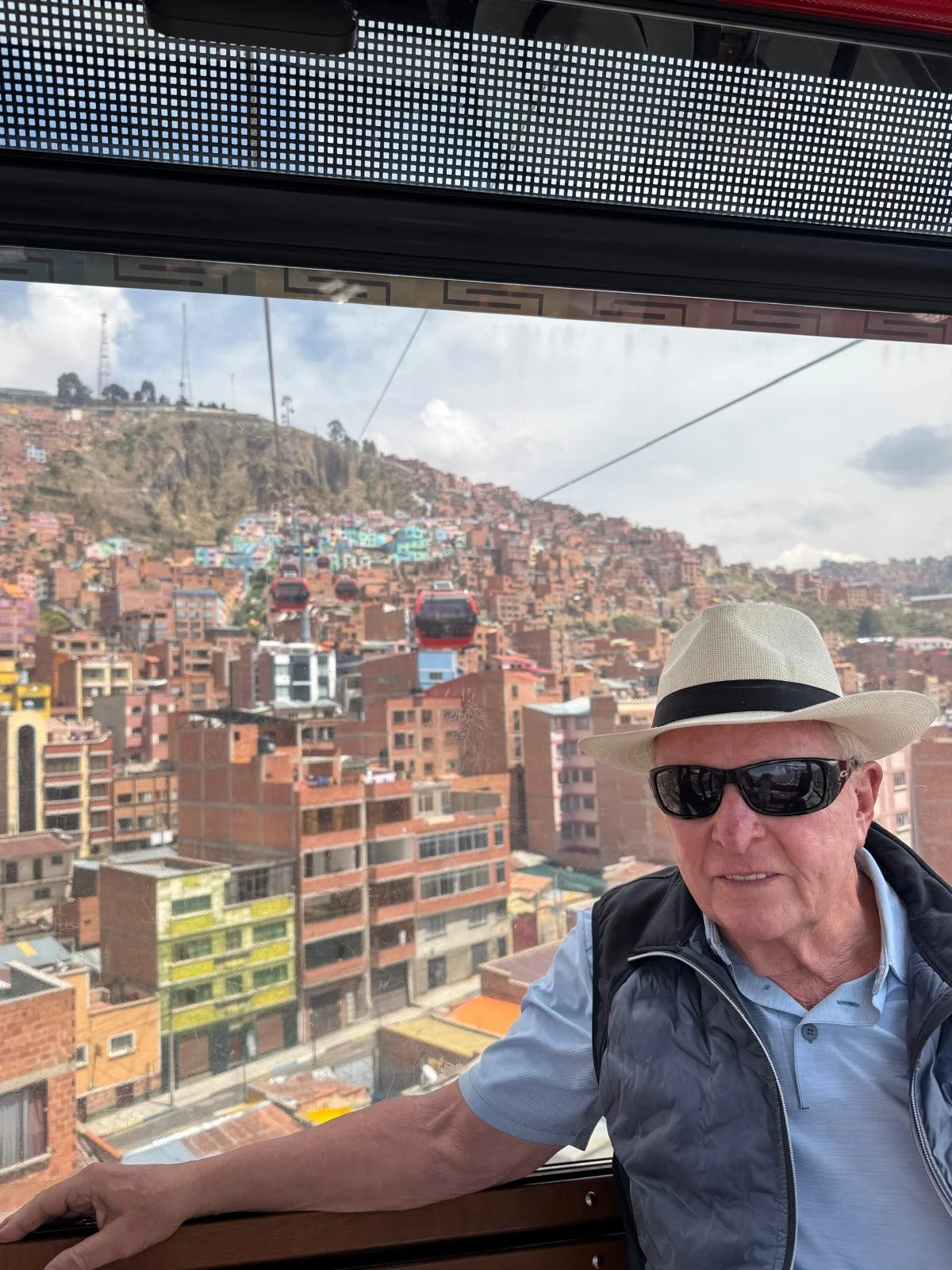
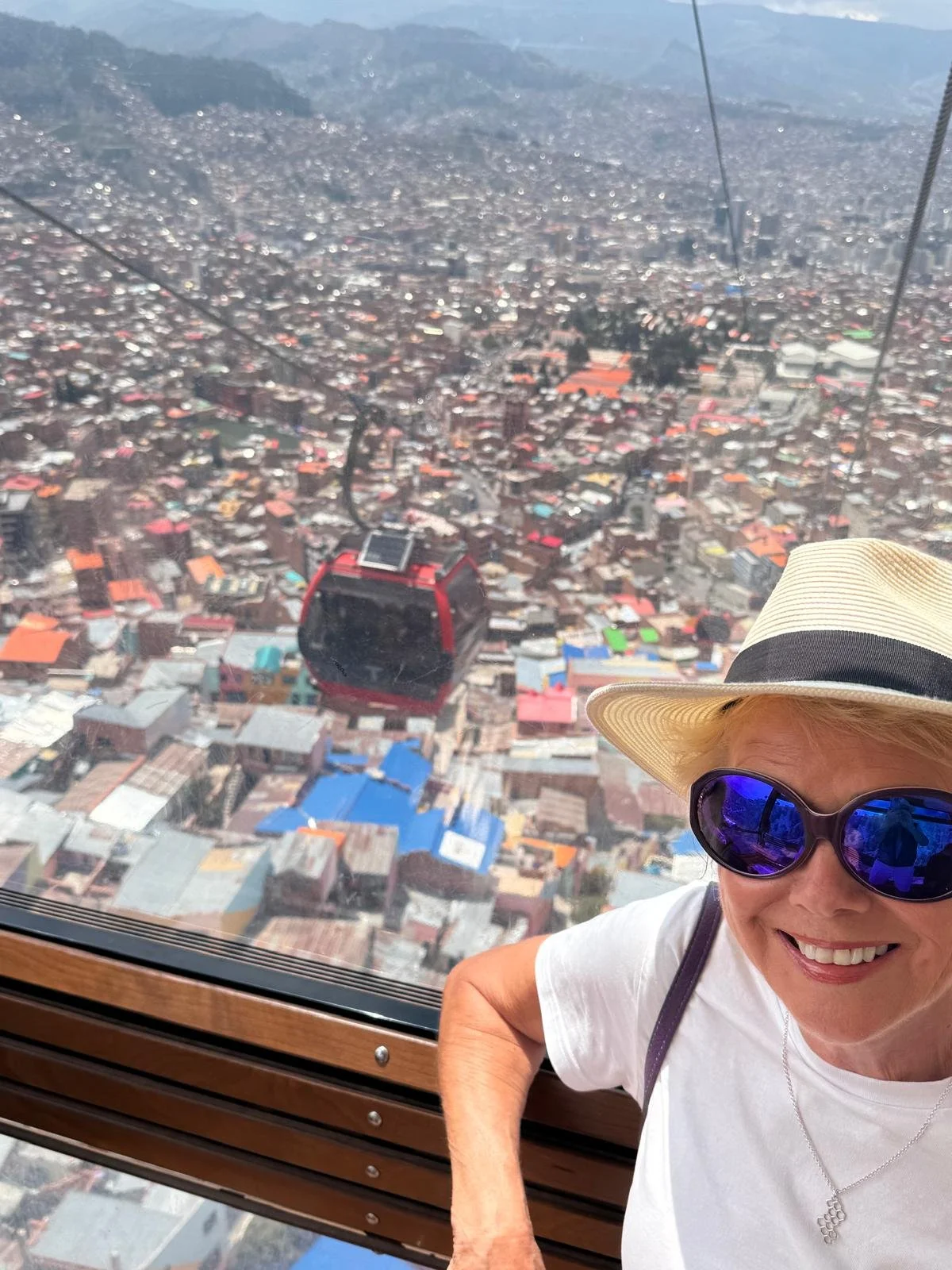
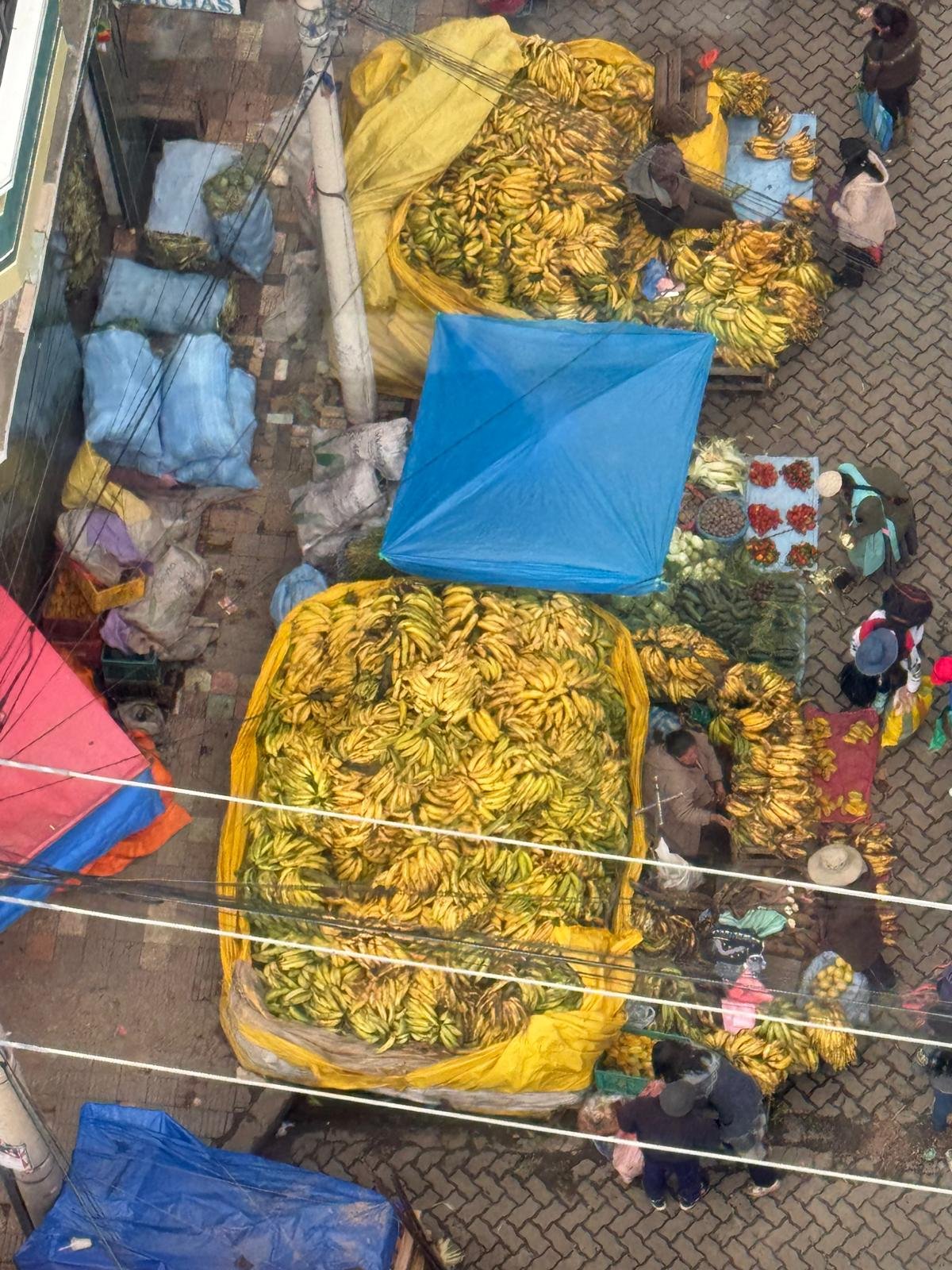
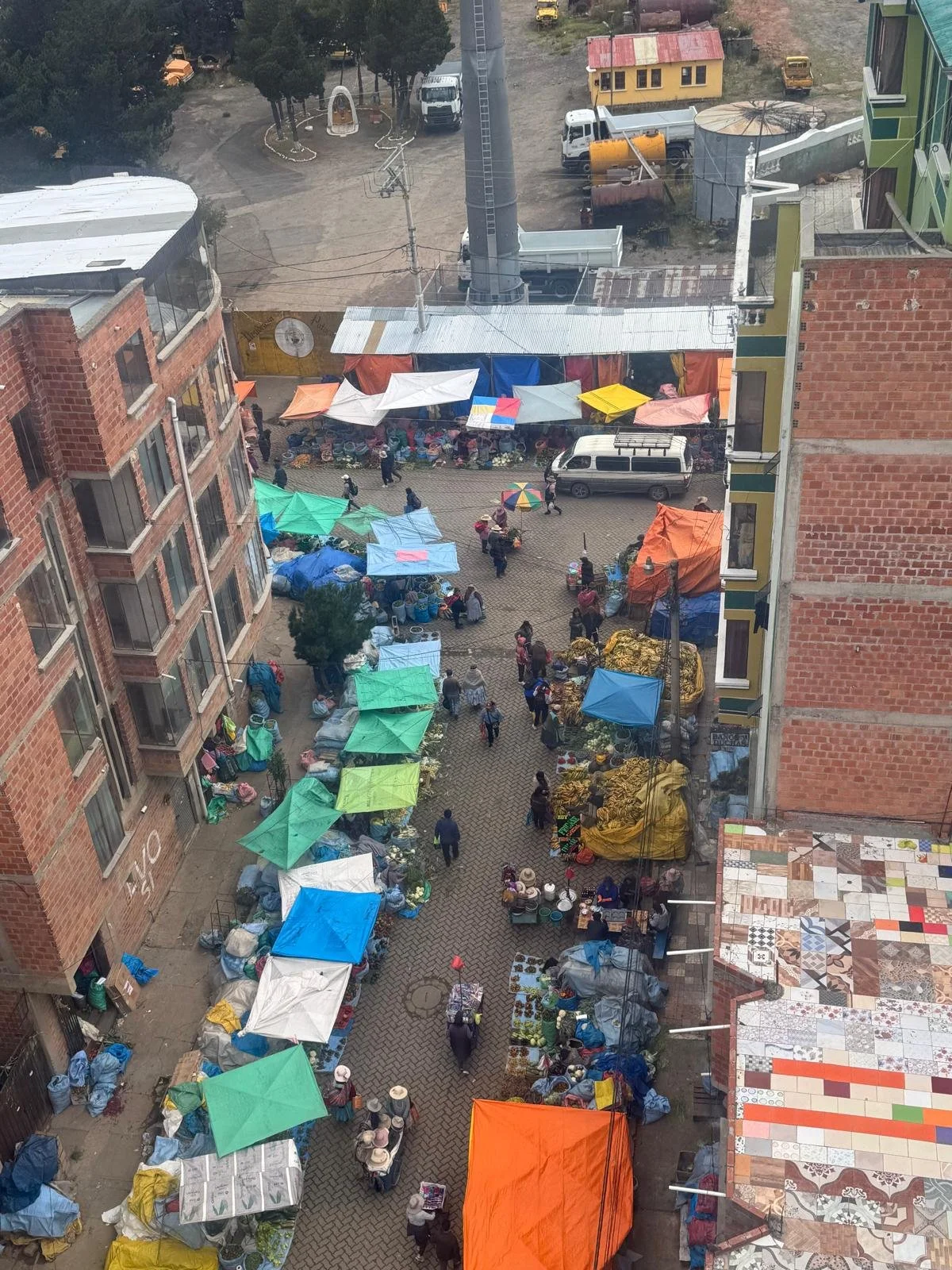
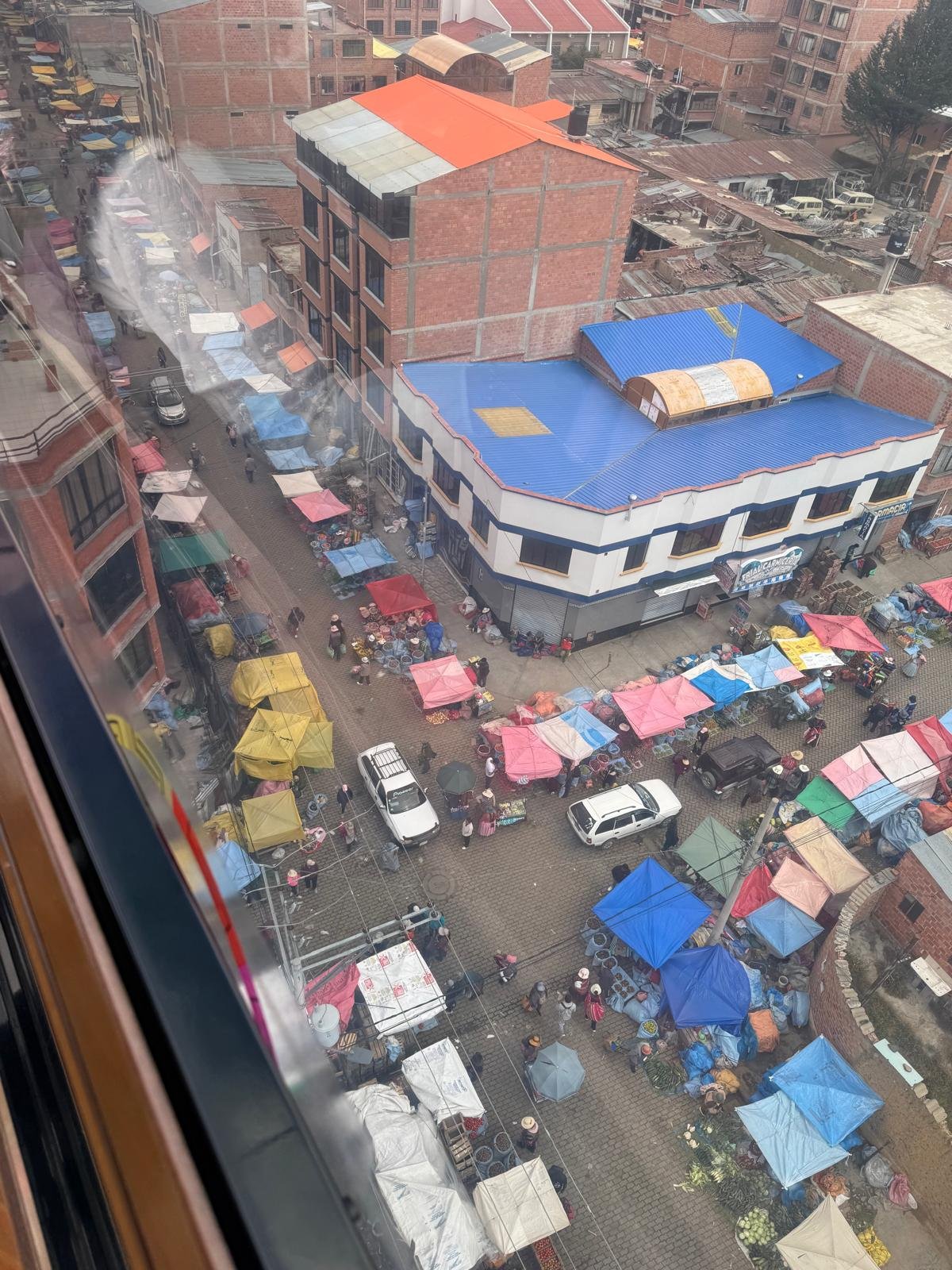
It operates for 17 hours a day, has over 30 kms of lines and over 10 different routes – just like subway systems in capital cities. These are all designated by colours, today we went on the yellow line, right up to the top of the mountain, around 4,000 metres, then we swapped over to the silver line which ran along the ridge, directly over the El Alto market so we got a bird’s eye view of their stalls – interesting fact here – it is the largest market in South America, runs for 300 blocks, and you can buy everything from fruits, vegetables, clothes, cars and even hair! The EQC in NZ would have had a field day with these clifftop houses! Then it was on to the red line and back down again! What a way to see this city – and I even look like I am enjoying it in the photographs!
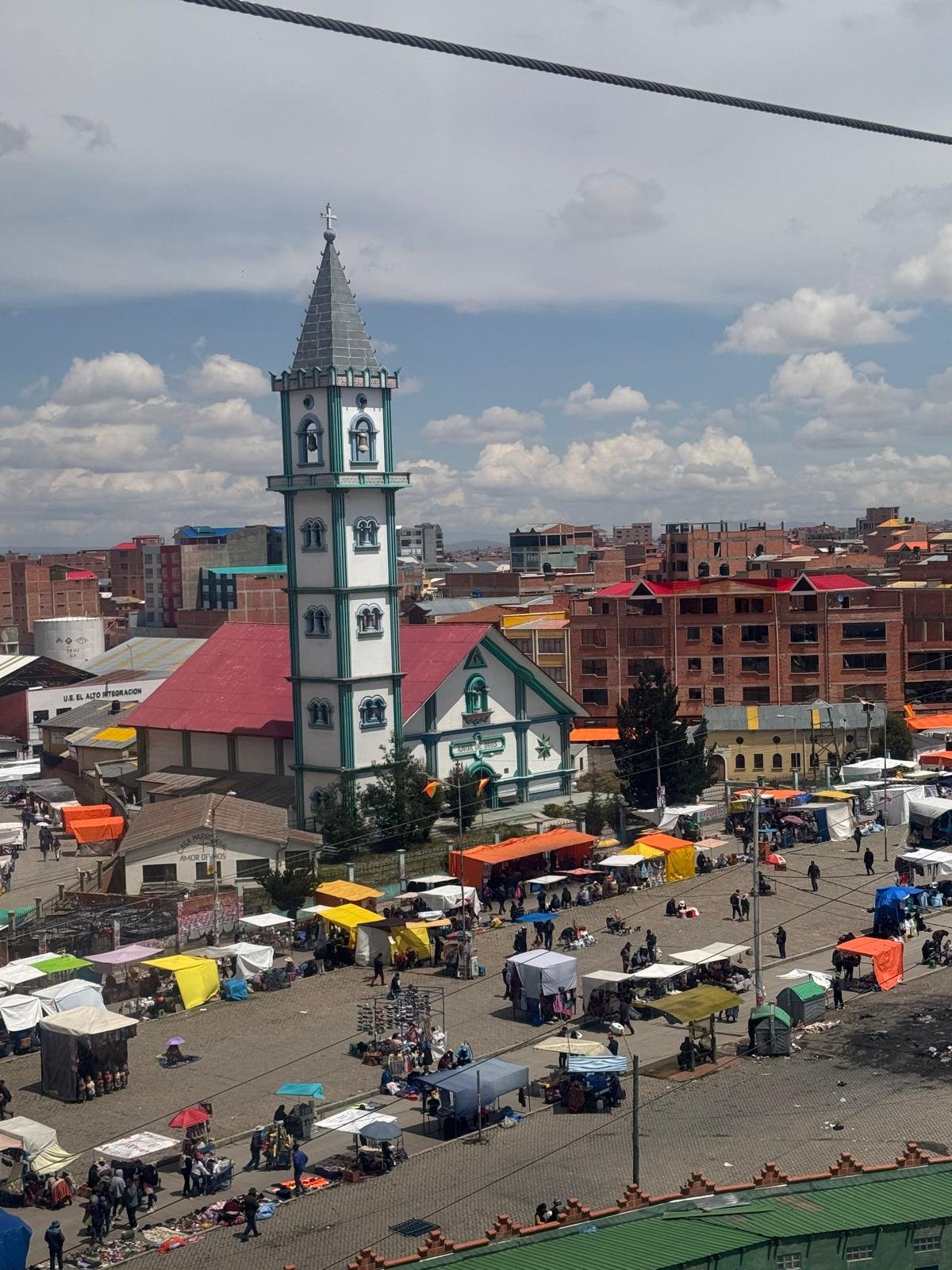
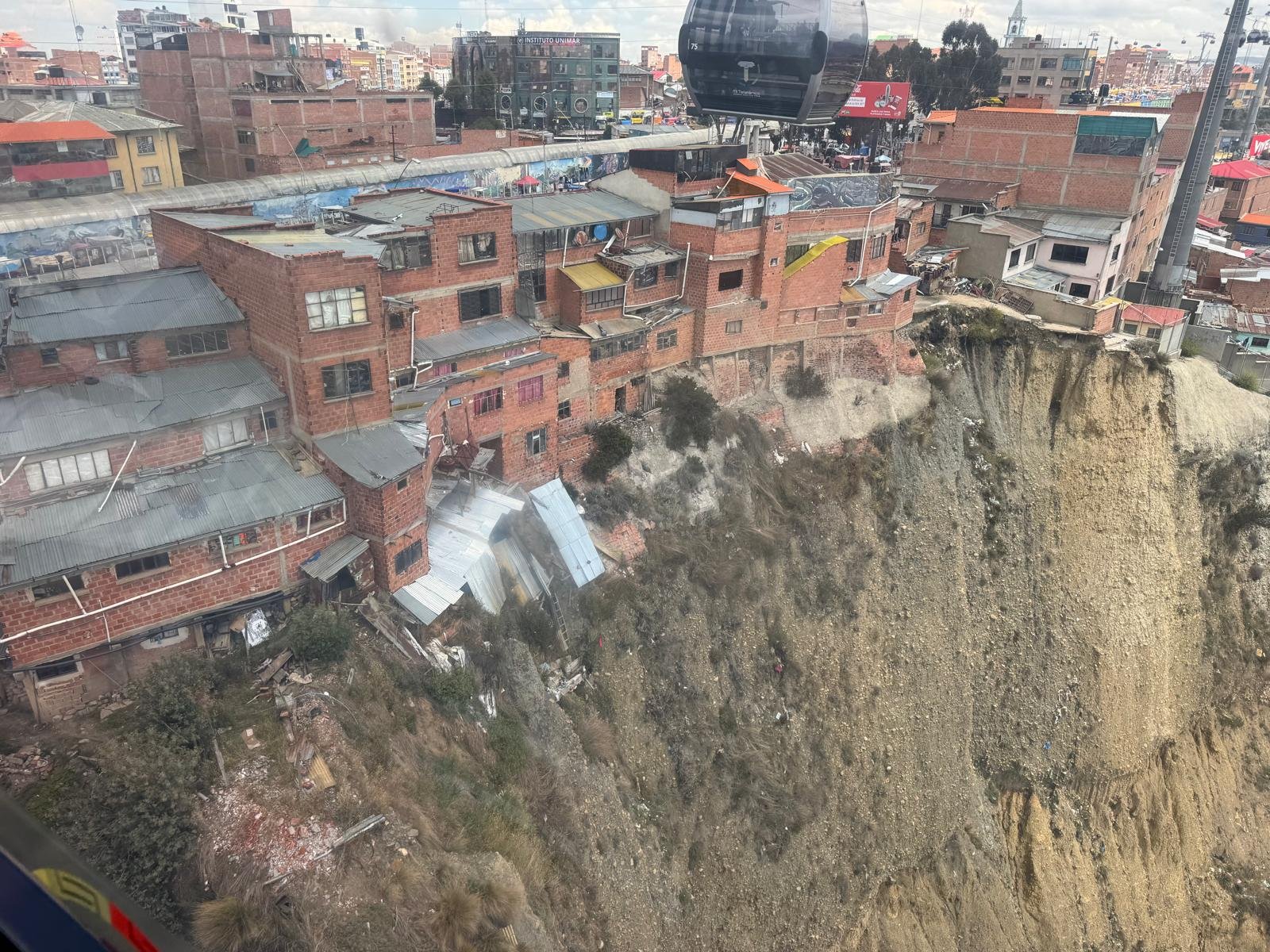
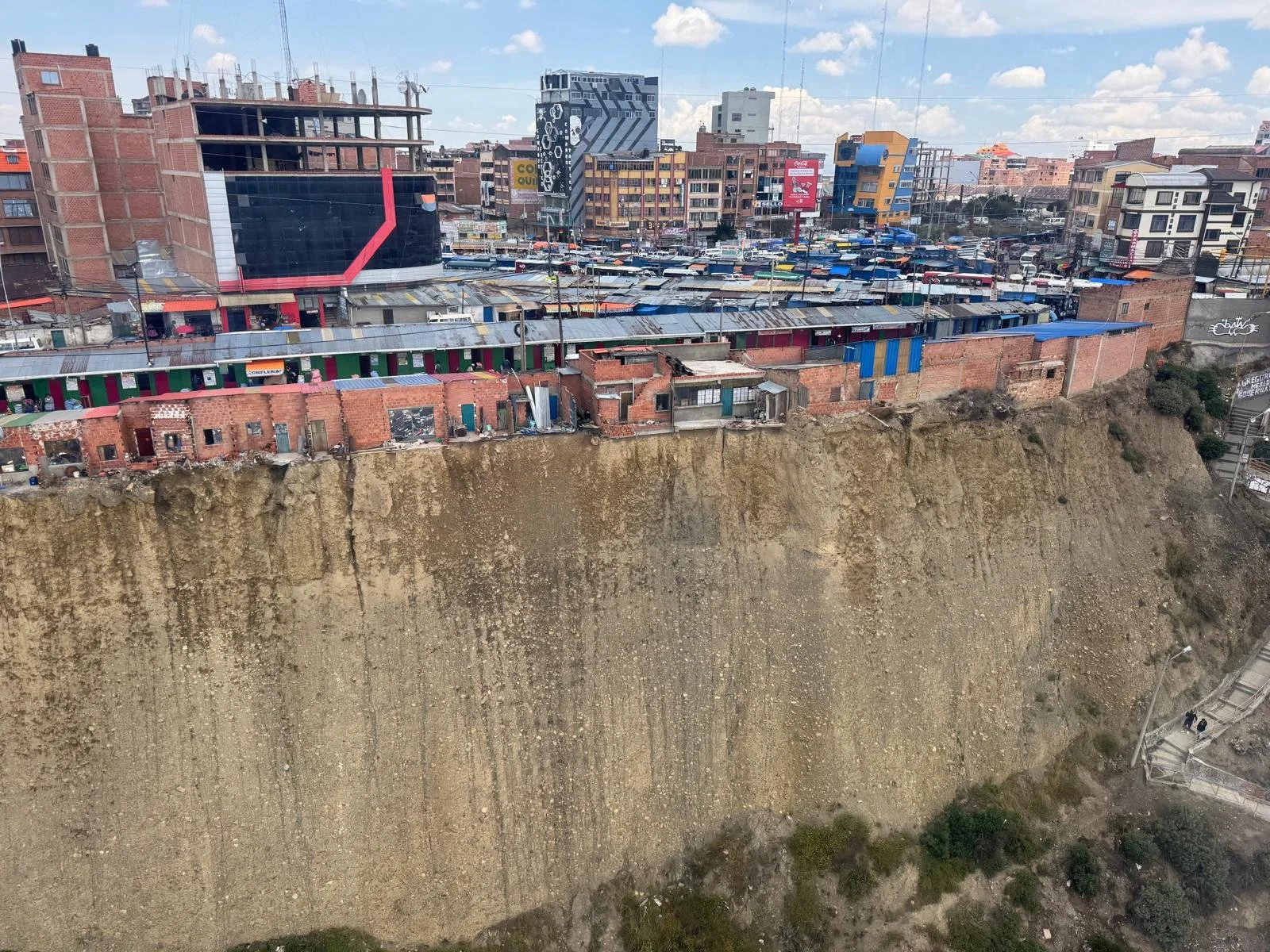
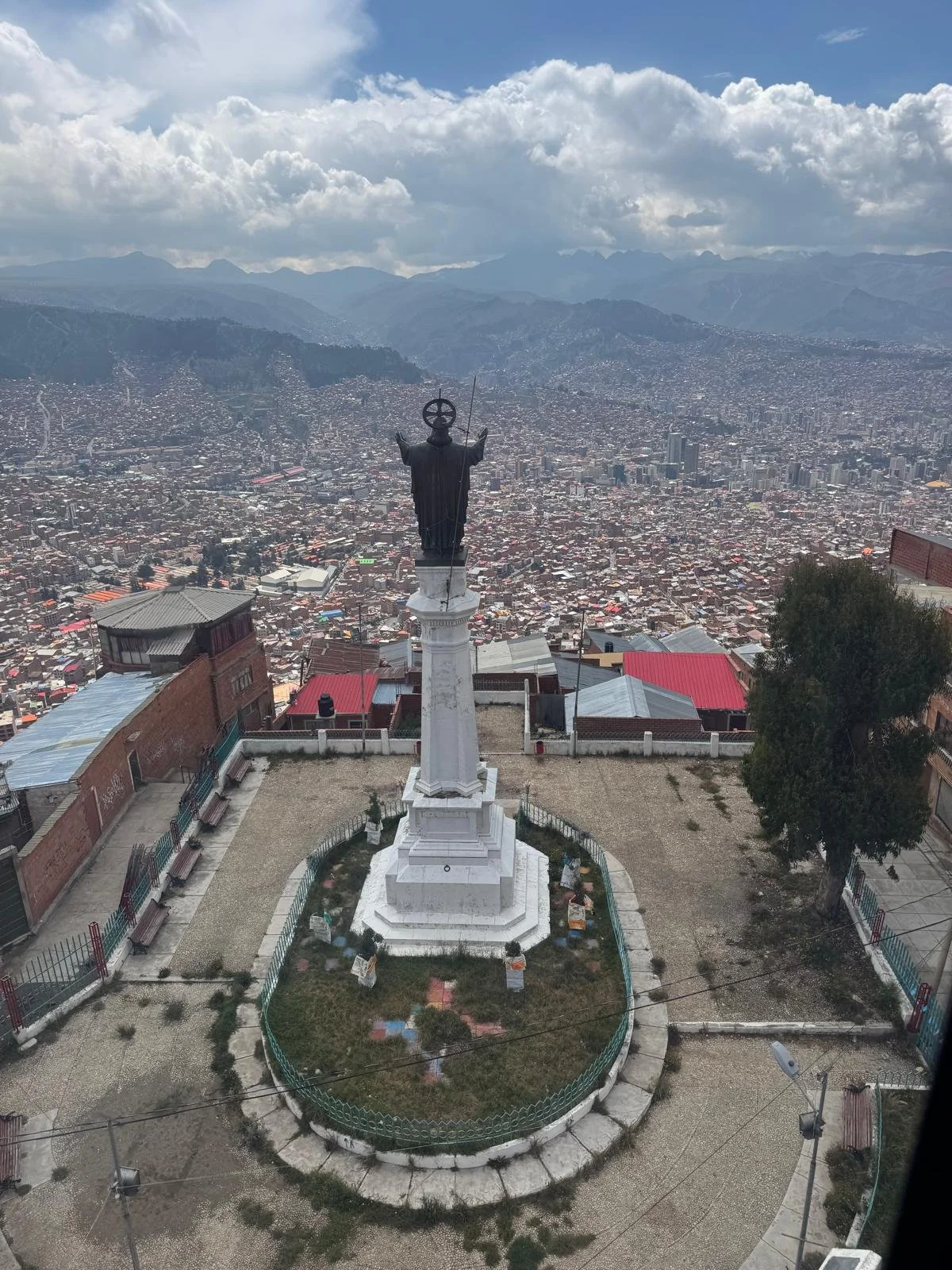
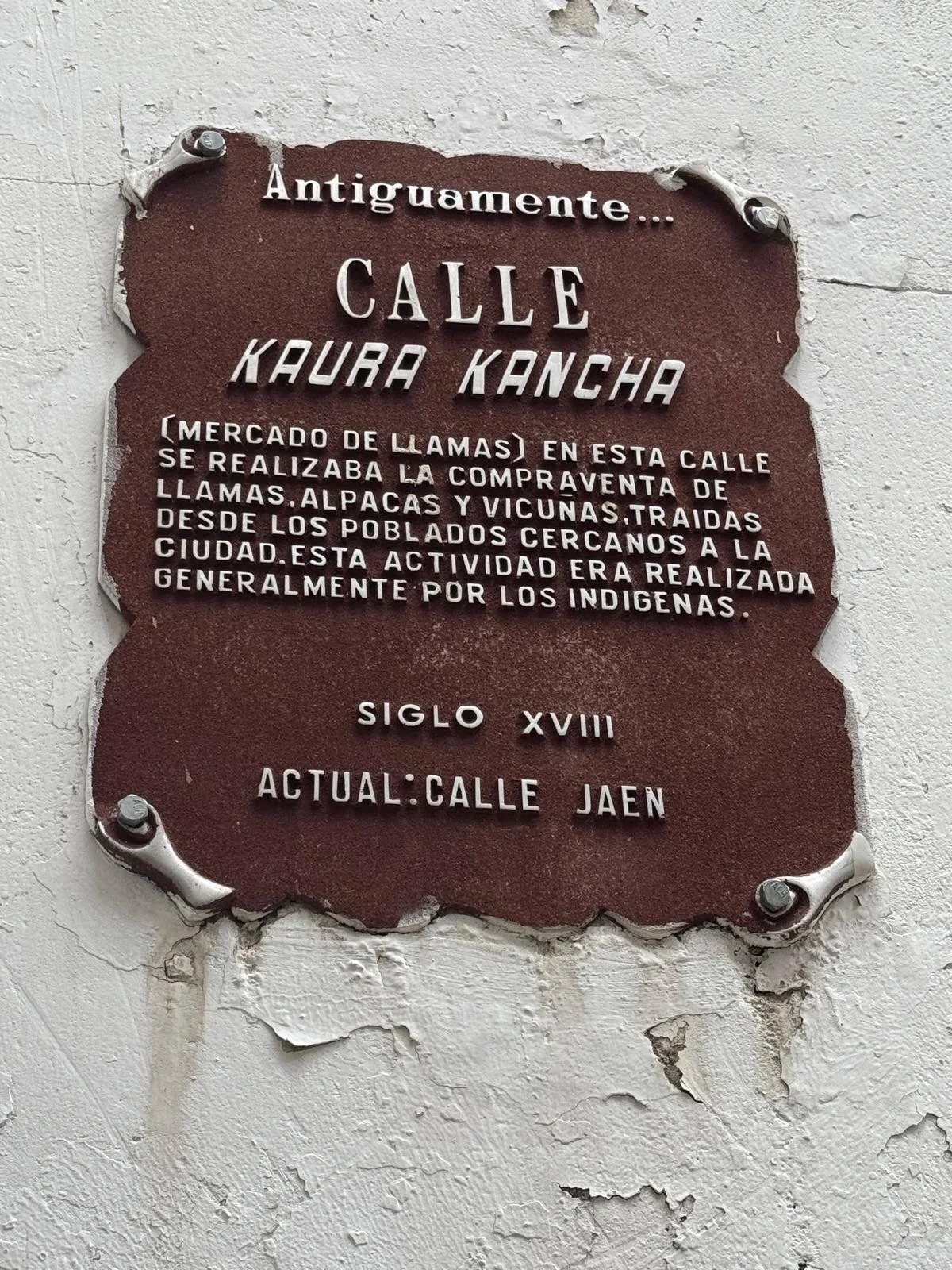
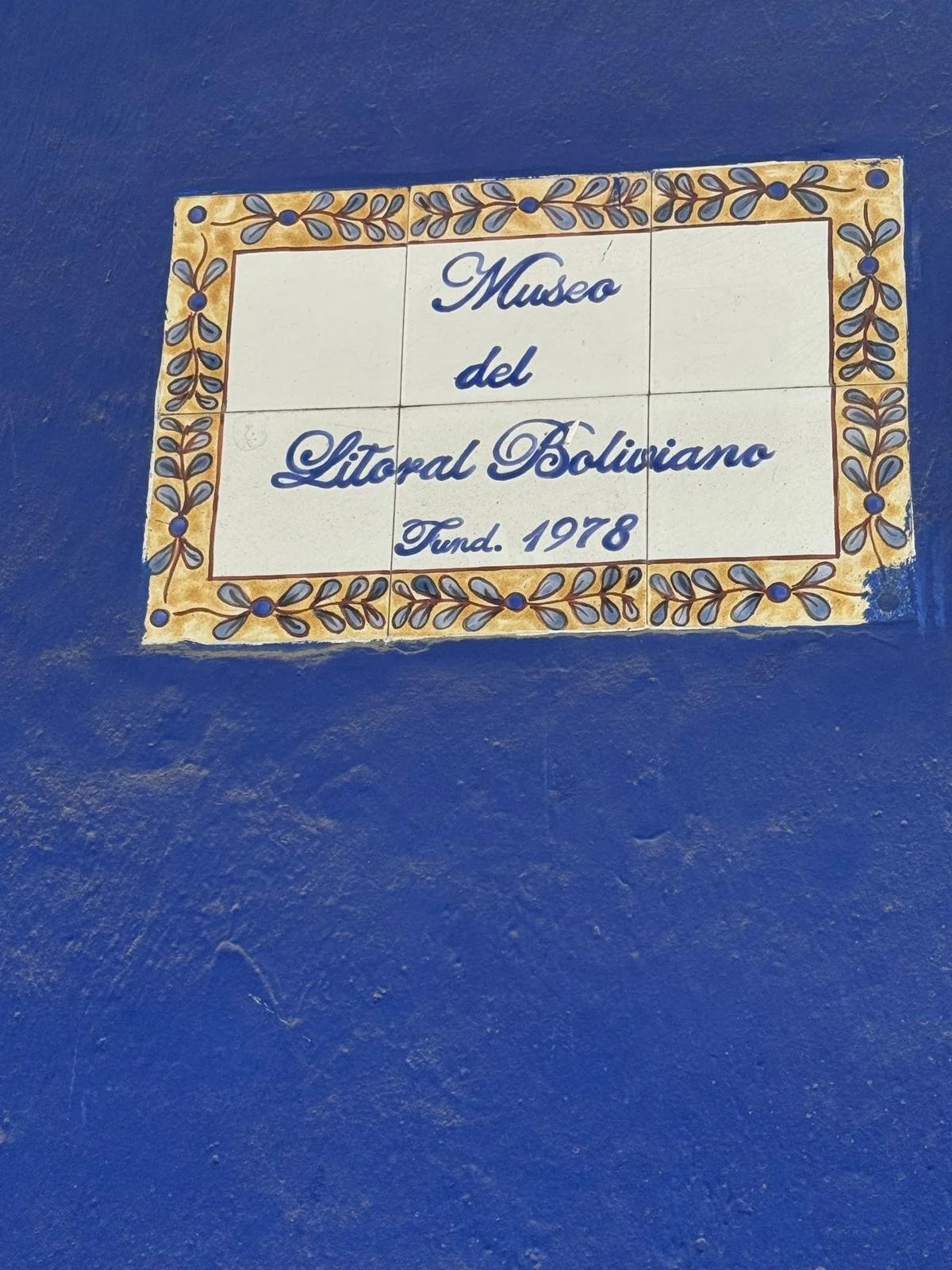
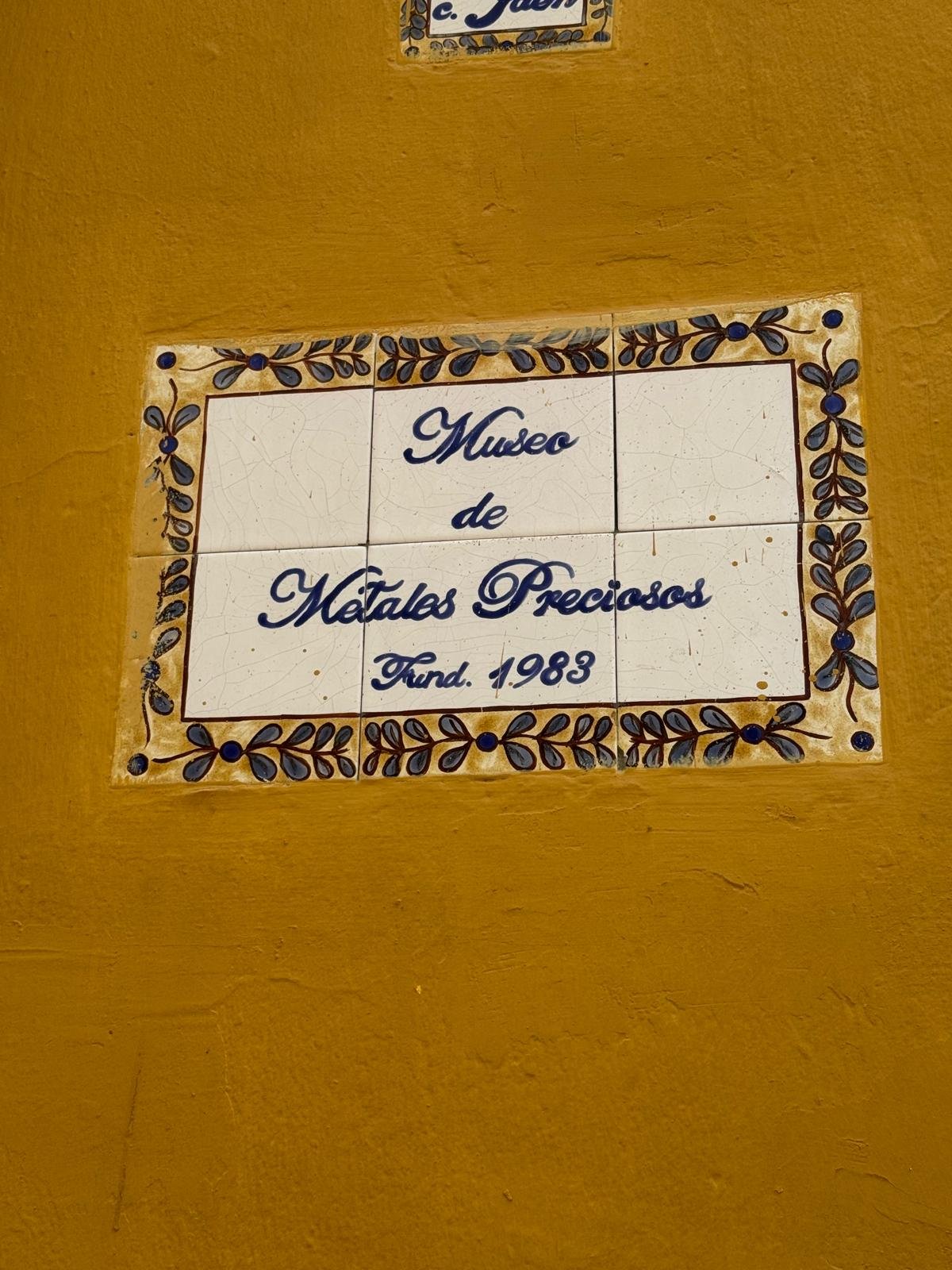
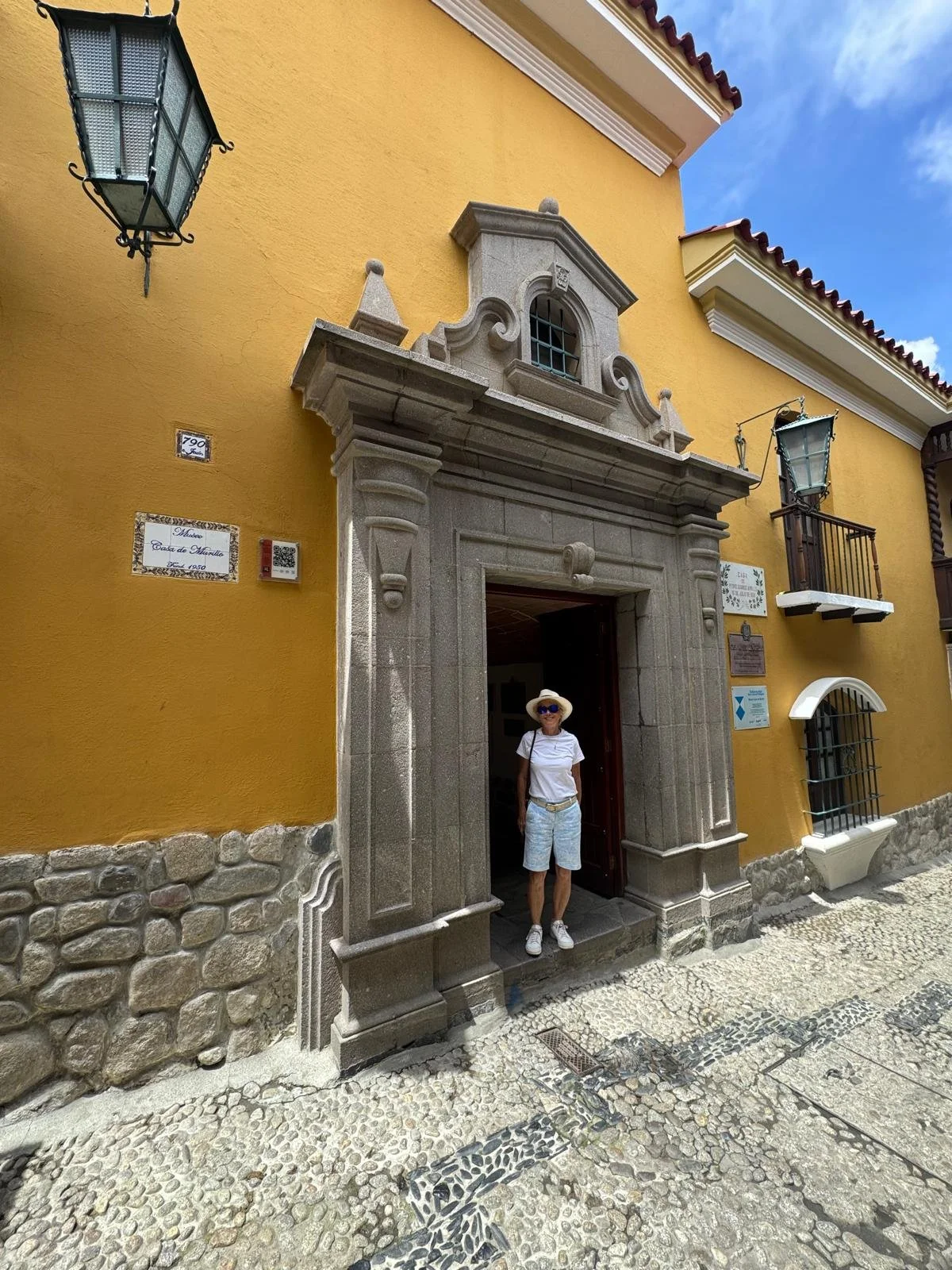
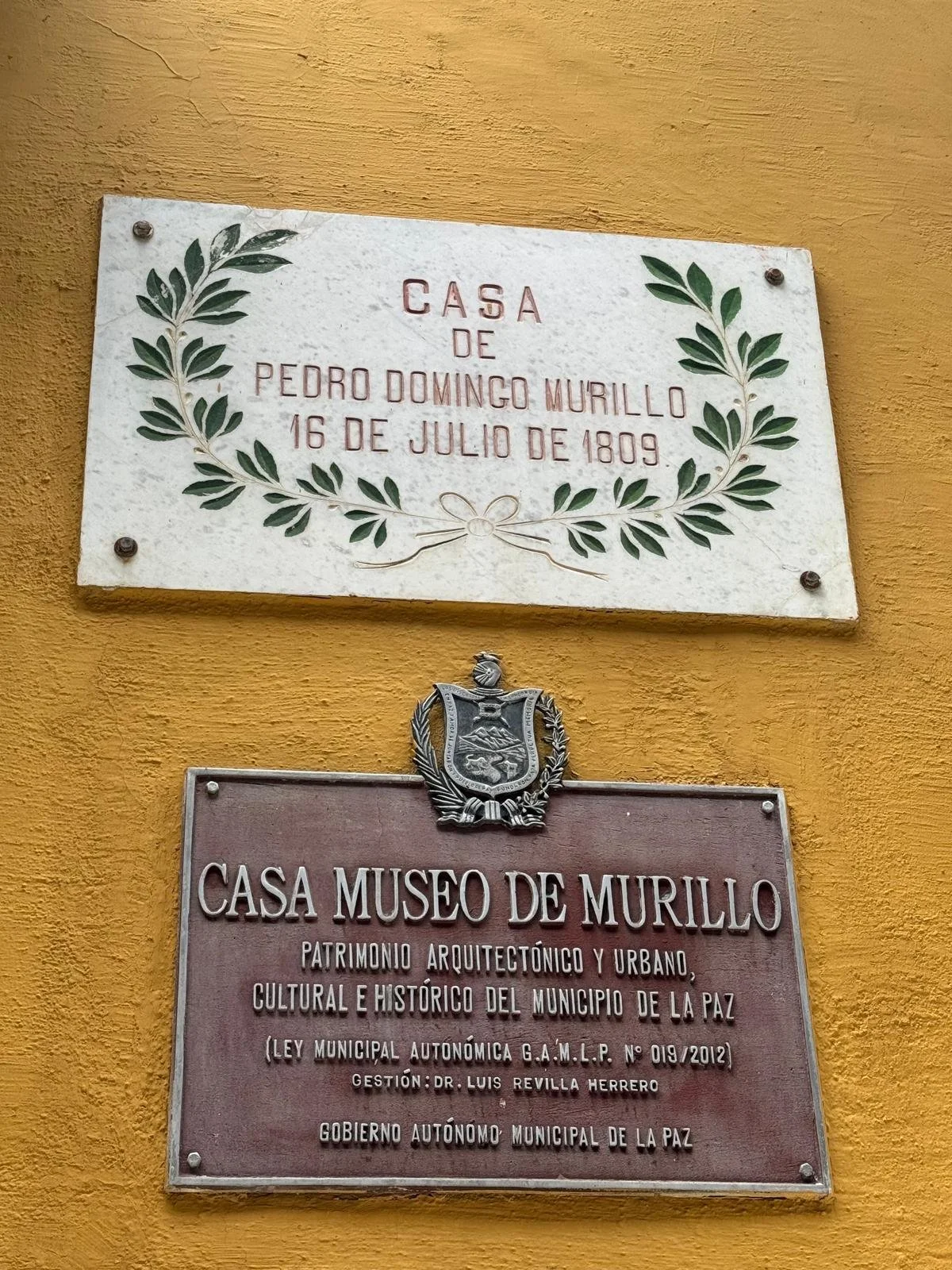
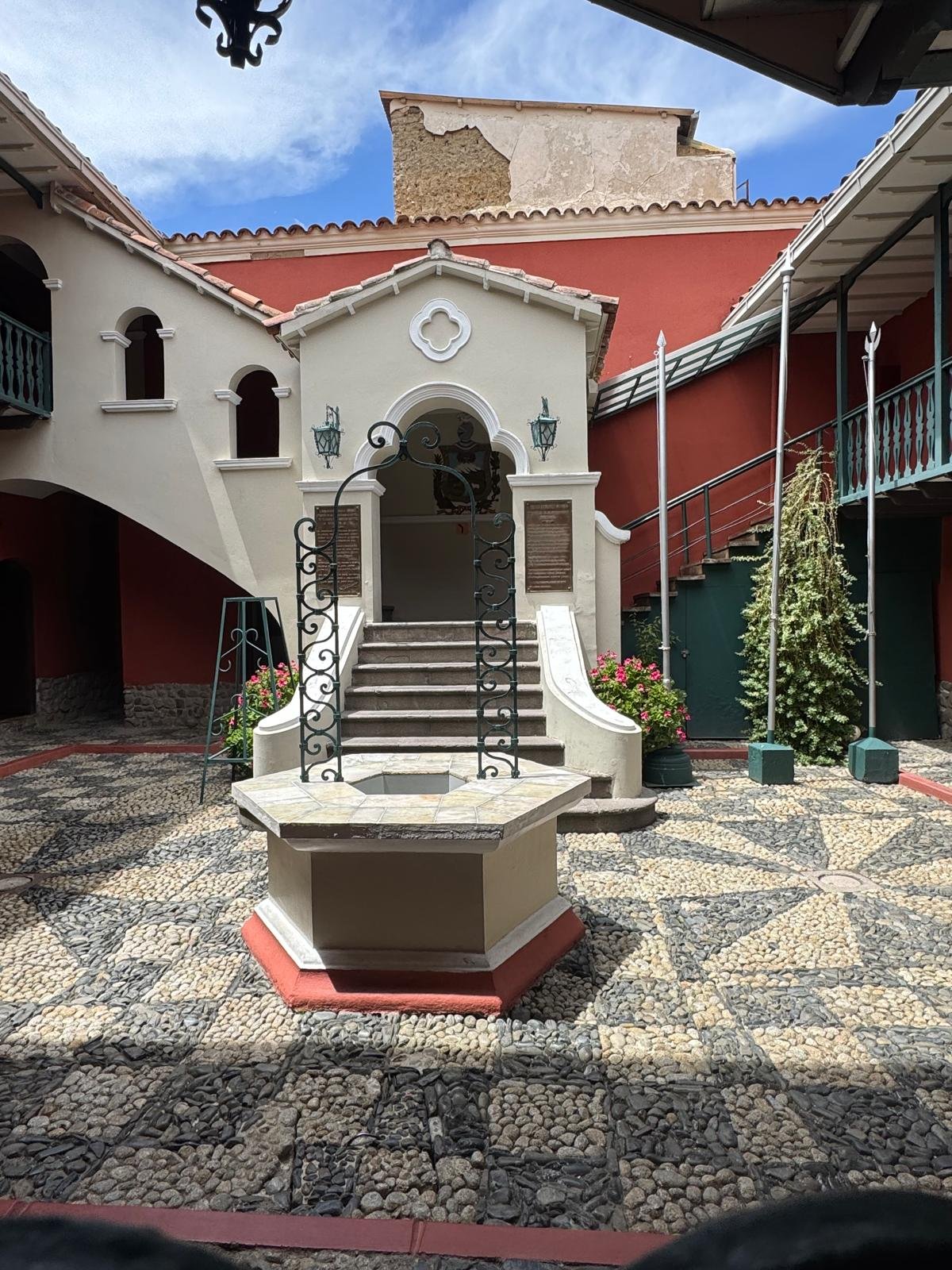
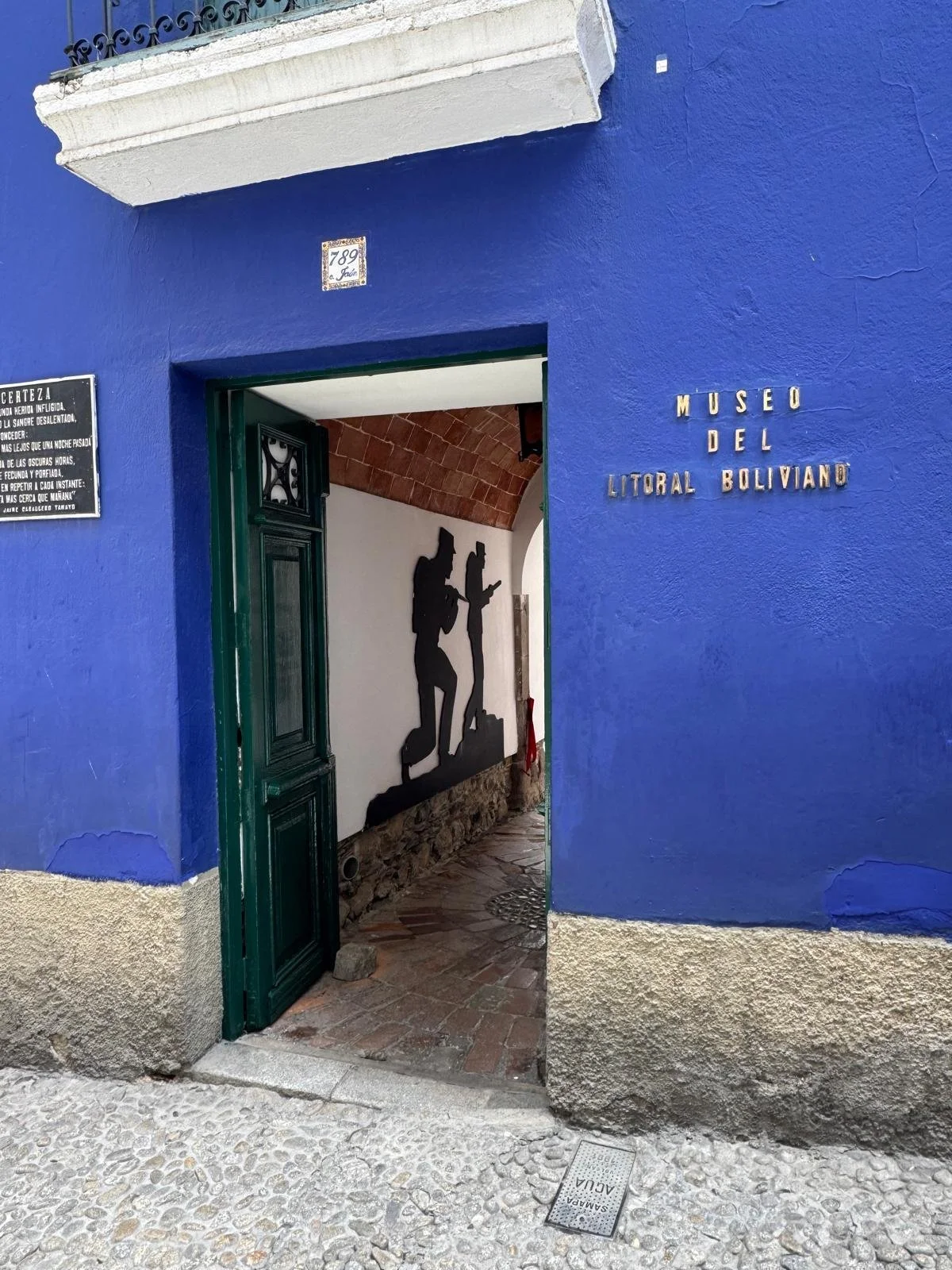
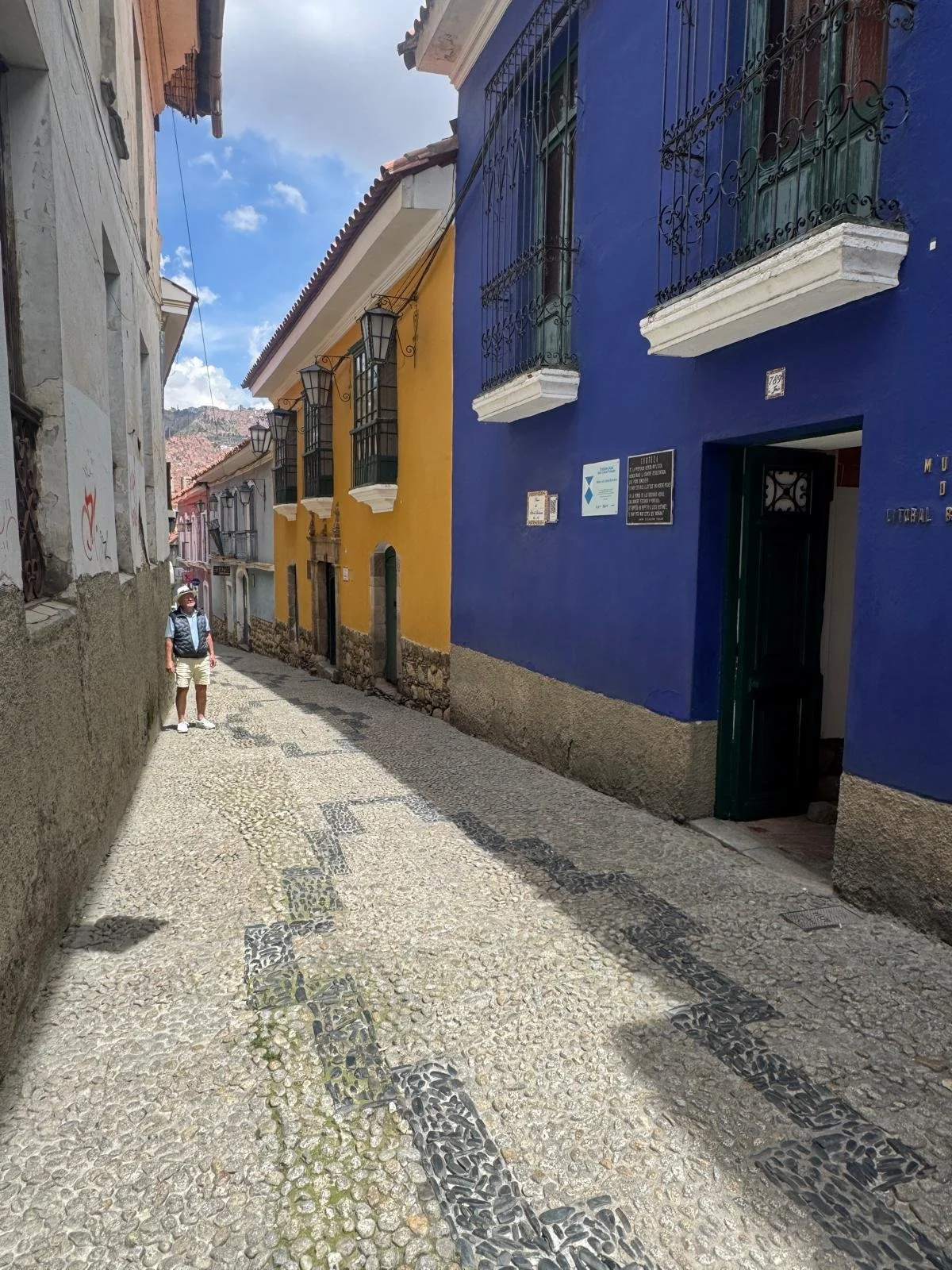
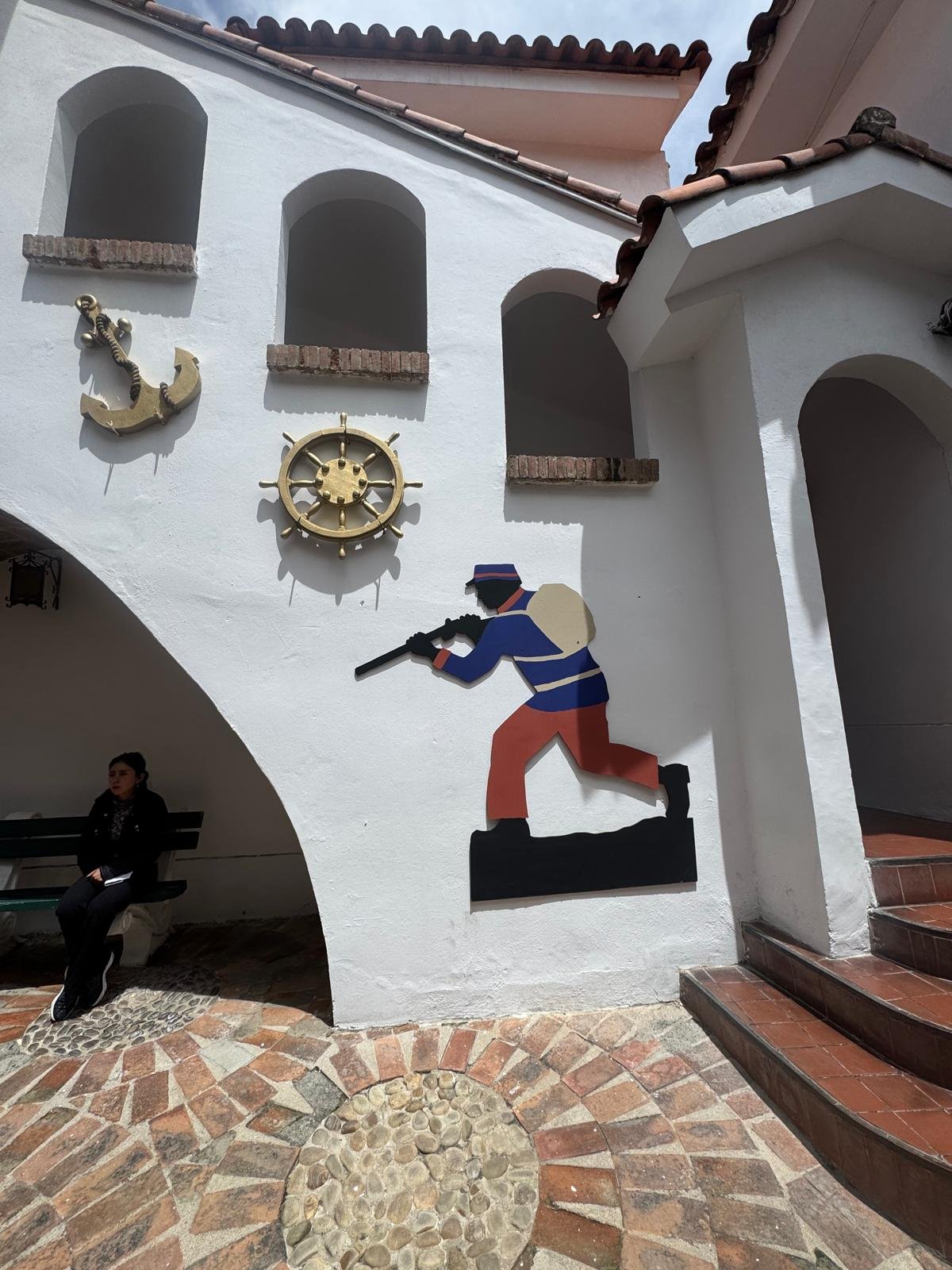
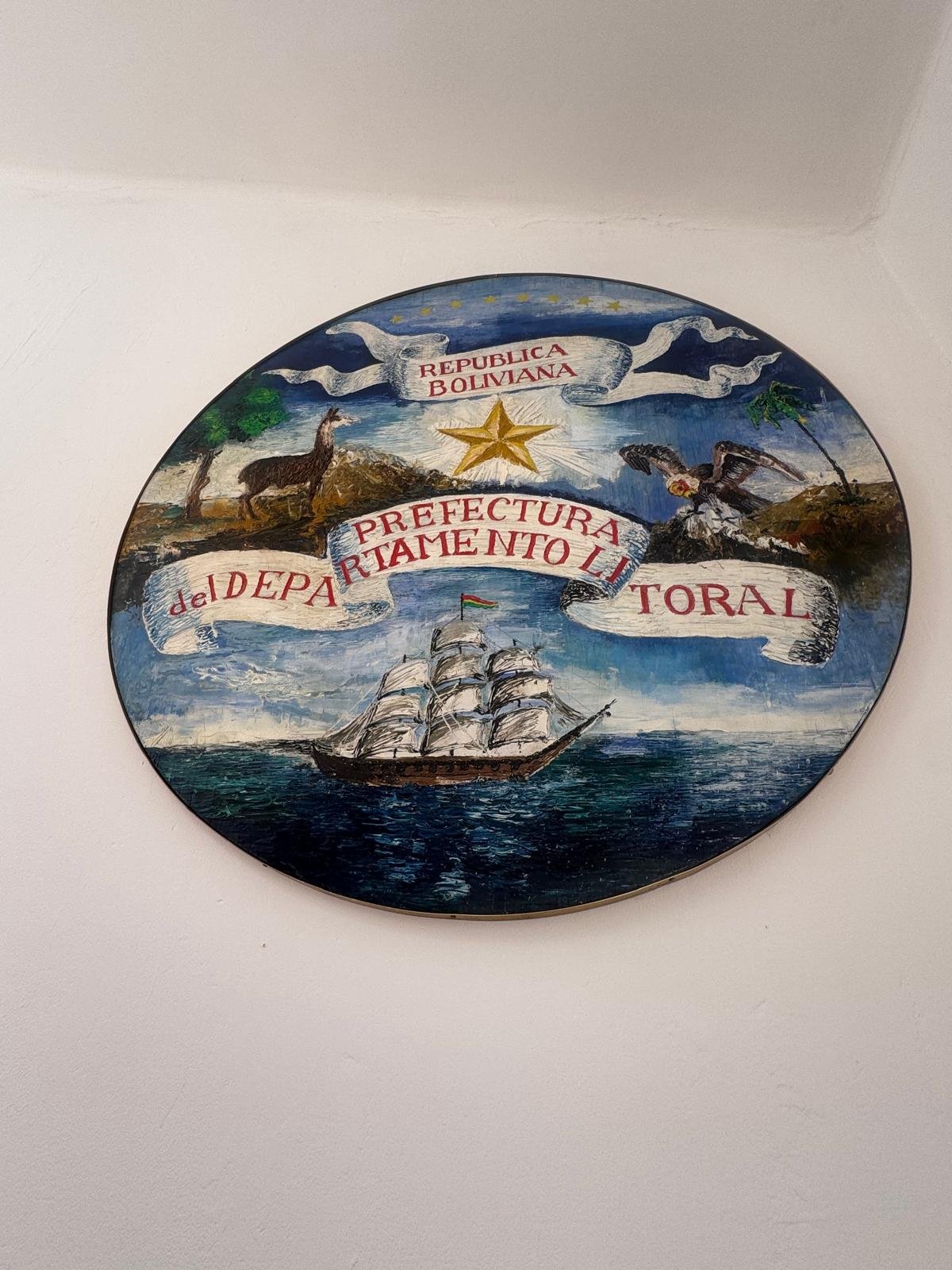
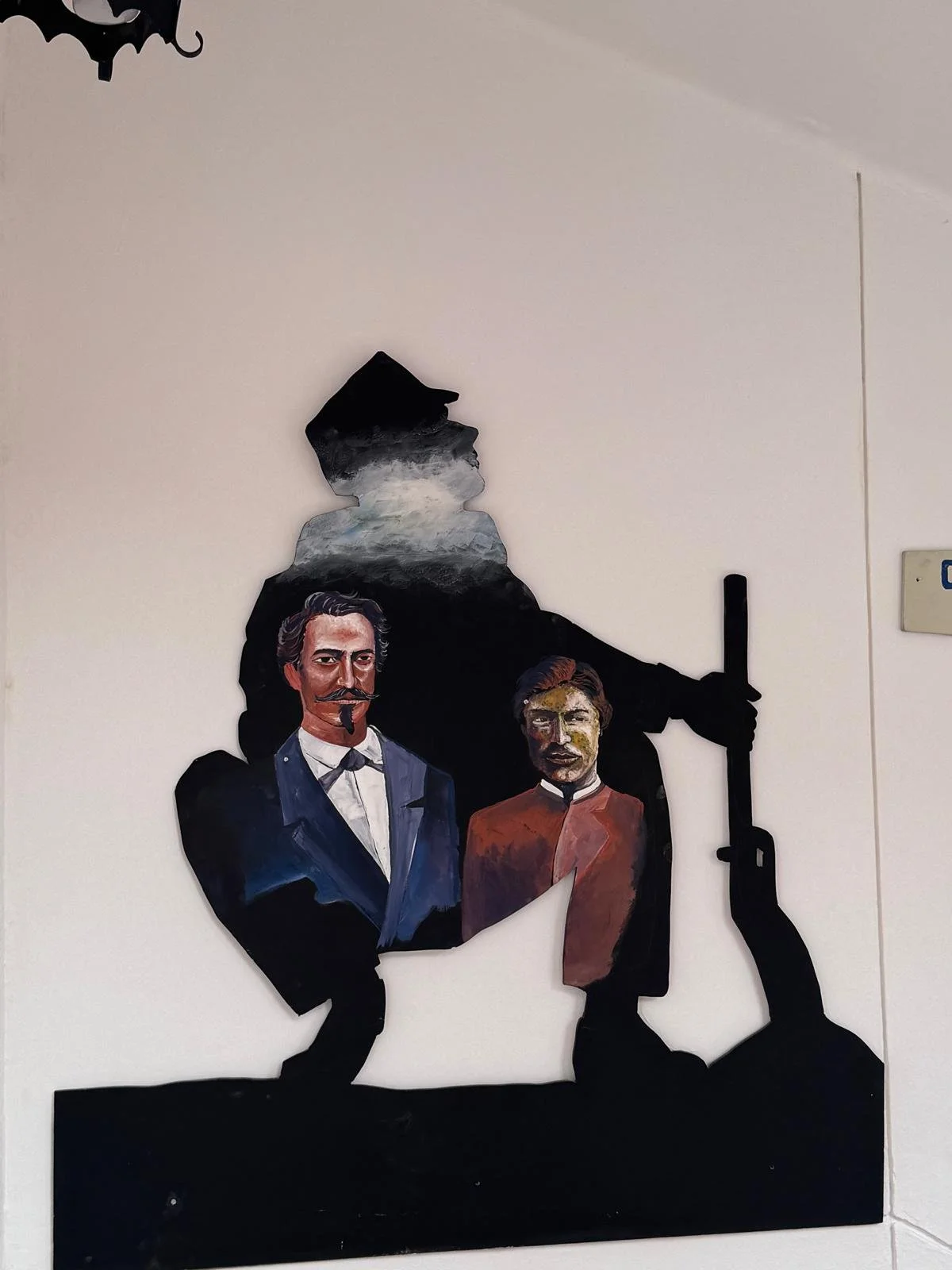
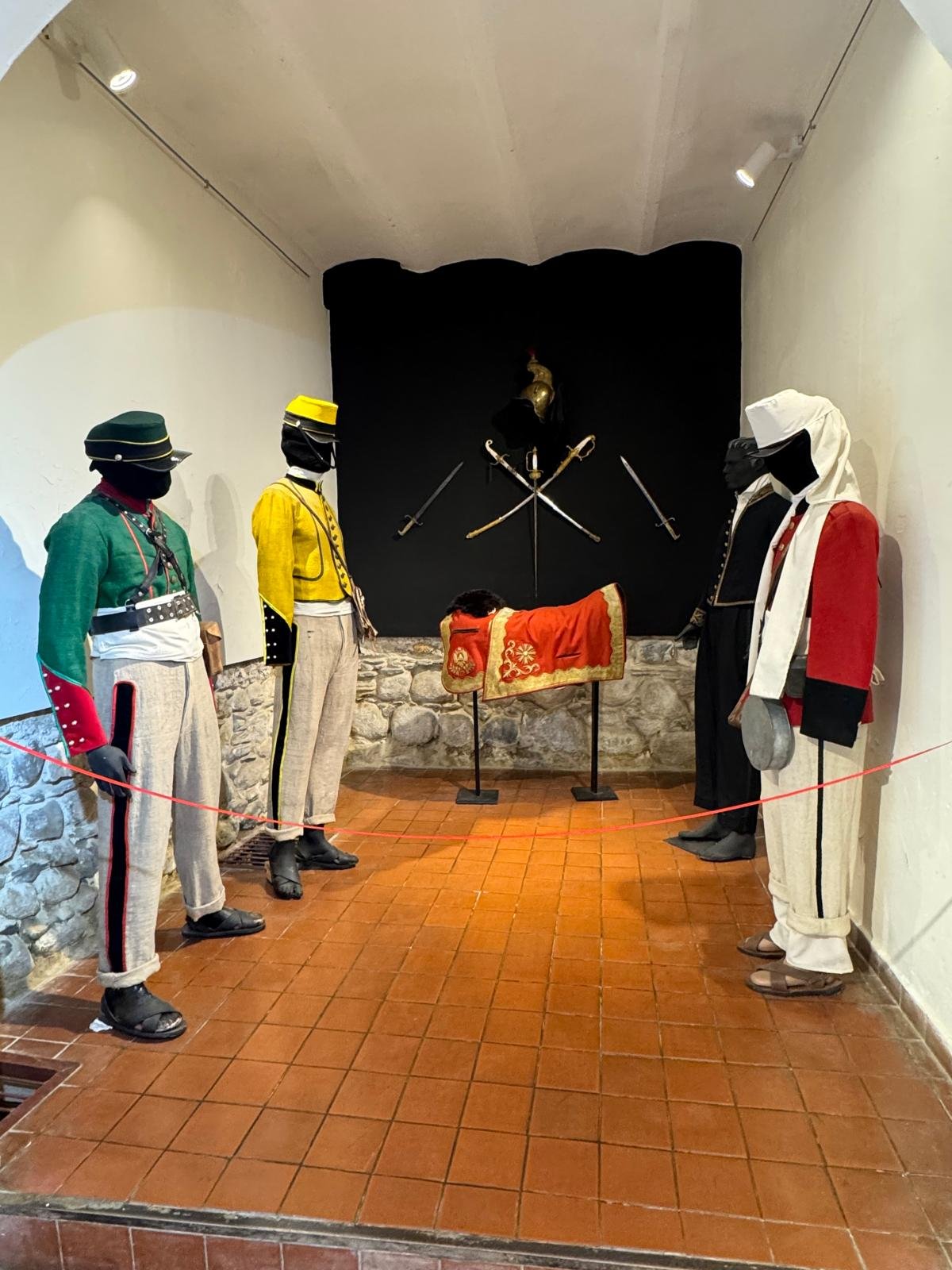
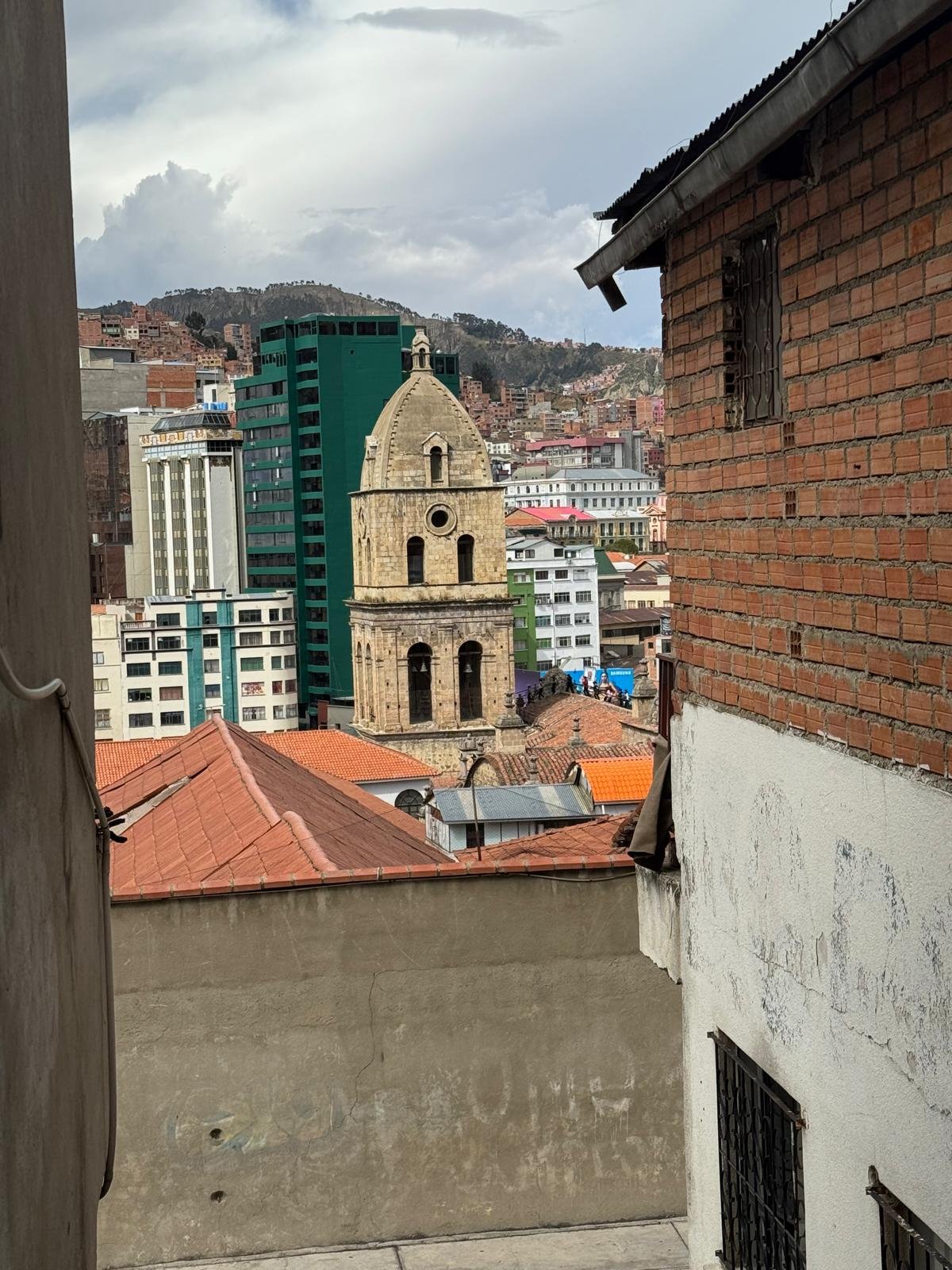
Off for a bit of culture next and we were taken to Calle Jaén, renowned as Bolivia’s premier “Museum Street”, a narrow colourful alley with 18th century architecture housing a high concentration of the city’s top cultural institutions. The street was originally called Kaura Kancha and was where llamas, alpacas and vicunas were sold! There are four main museums, and we have tickets for just two today, there is one featuring ceramics, dolls and paintings peculiar to life in old La Paz, one dedicated to the leader of the independence movement, Pedro Domingo Murillo, displaying colonial furniture and art, and the two that we chose….Geoff’s choice, the Museo del Litoral Boliviano focussing on the history of the lost coastline to Chile – and my choice, the Museum of Preciosos Precolombinos – the Precious Metals Museum which houses a significant collection of indigenous jewellery, silver and gold pieces. Sadly no photographs allowed in this one, but to give you an idea of how much gold was in here there was an enormous, thick, vault door, like in a bank, at the entrance!
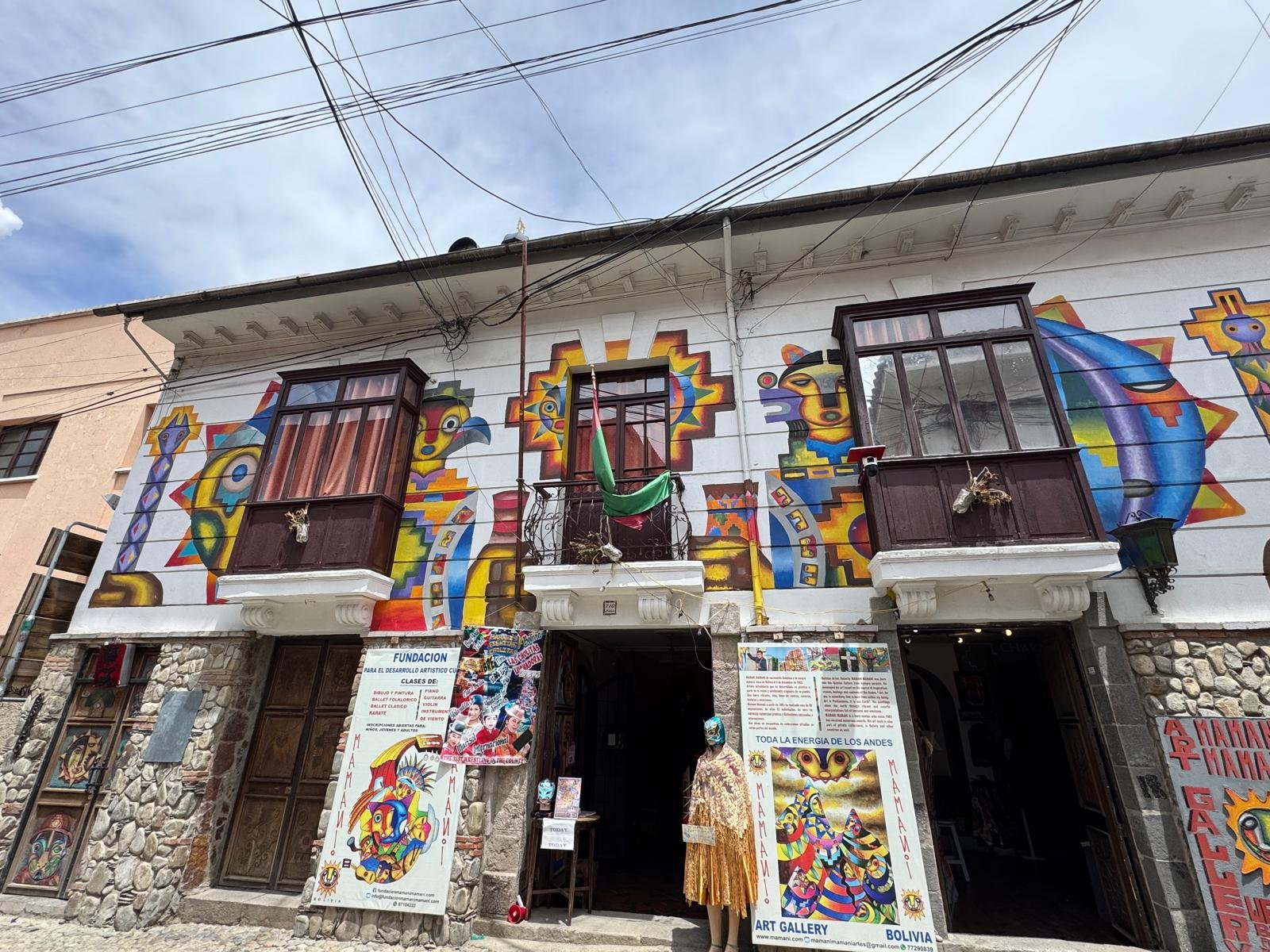
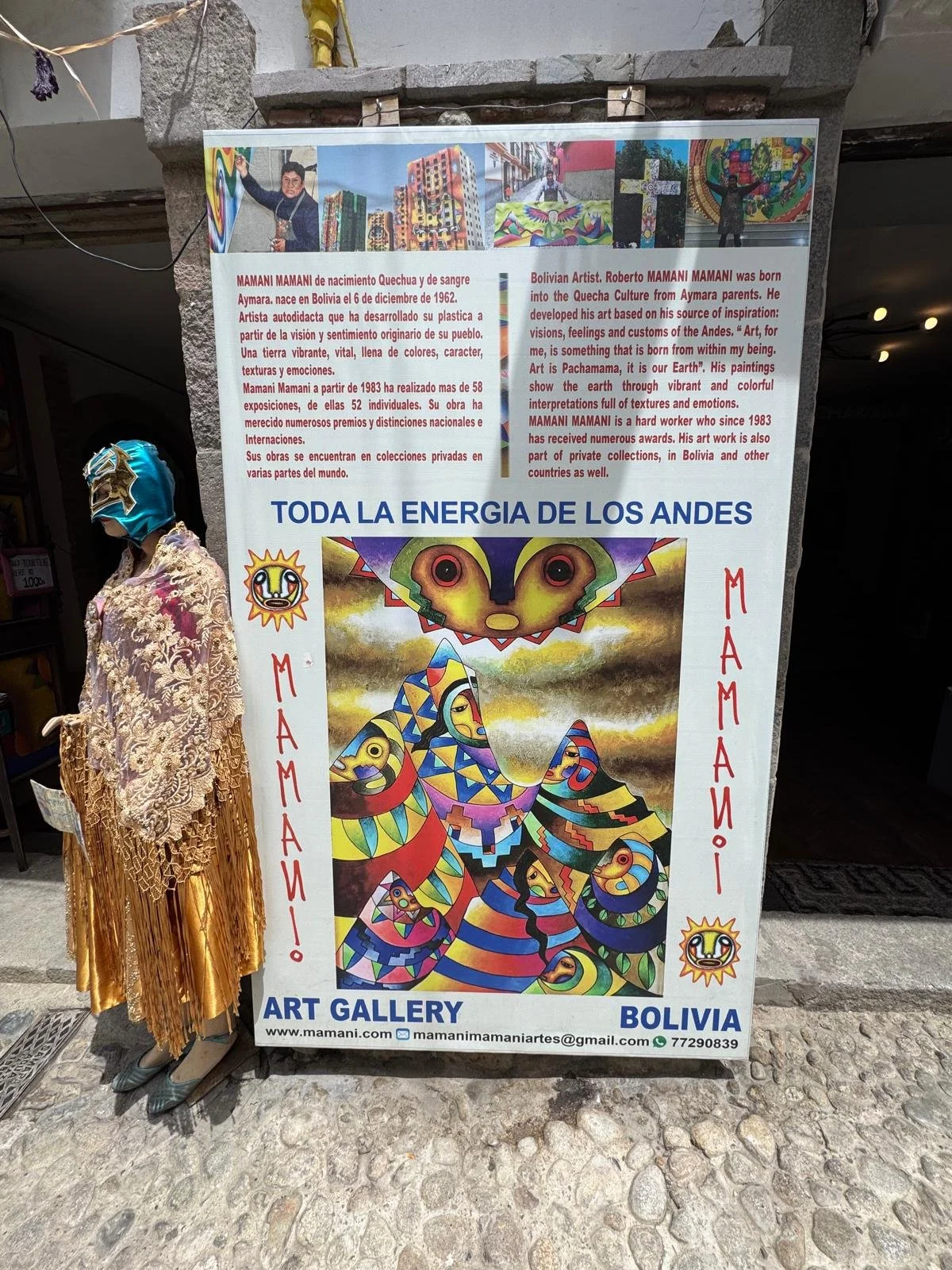
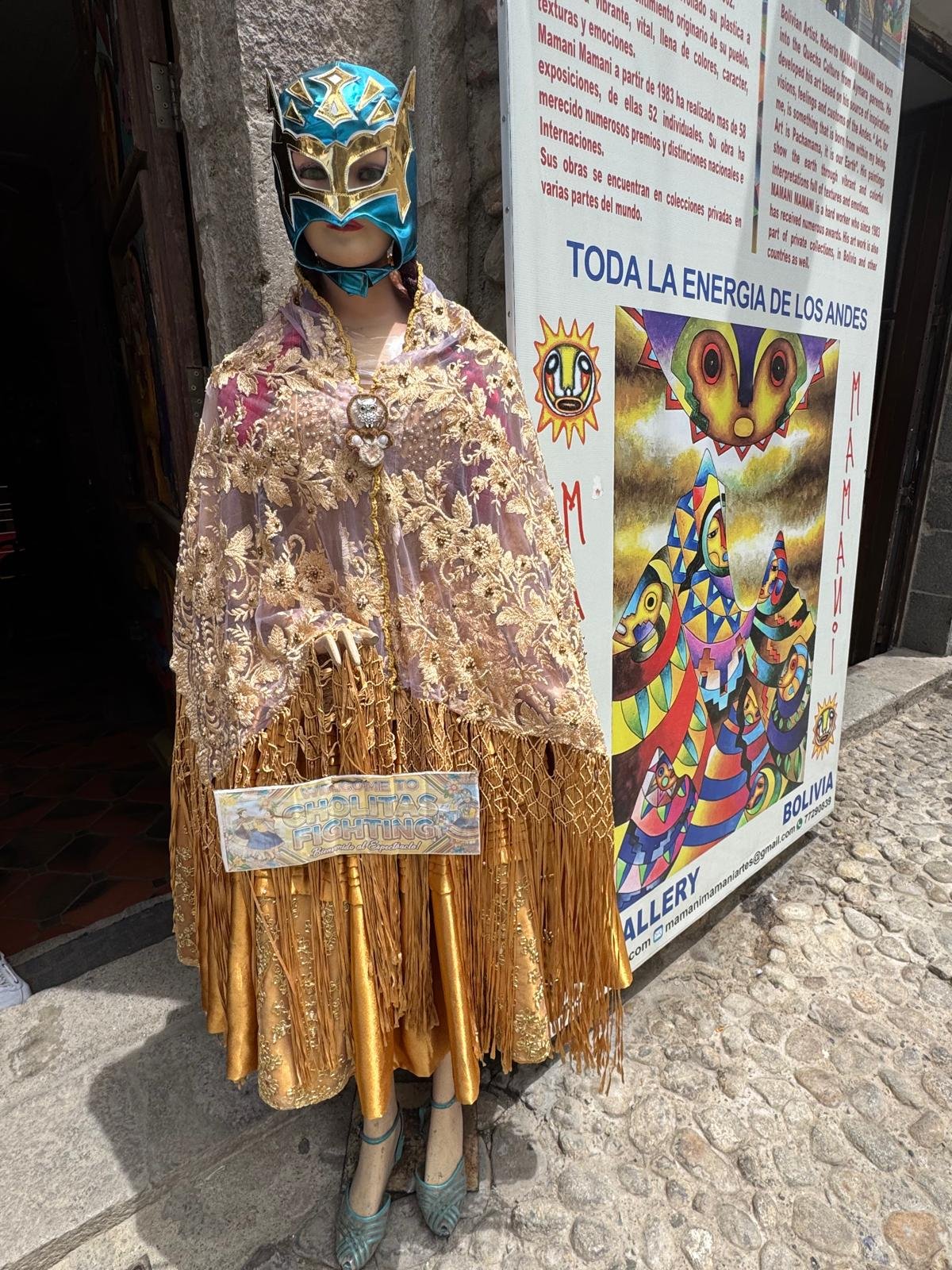
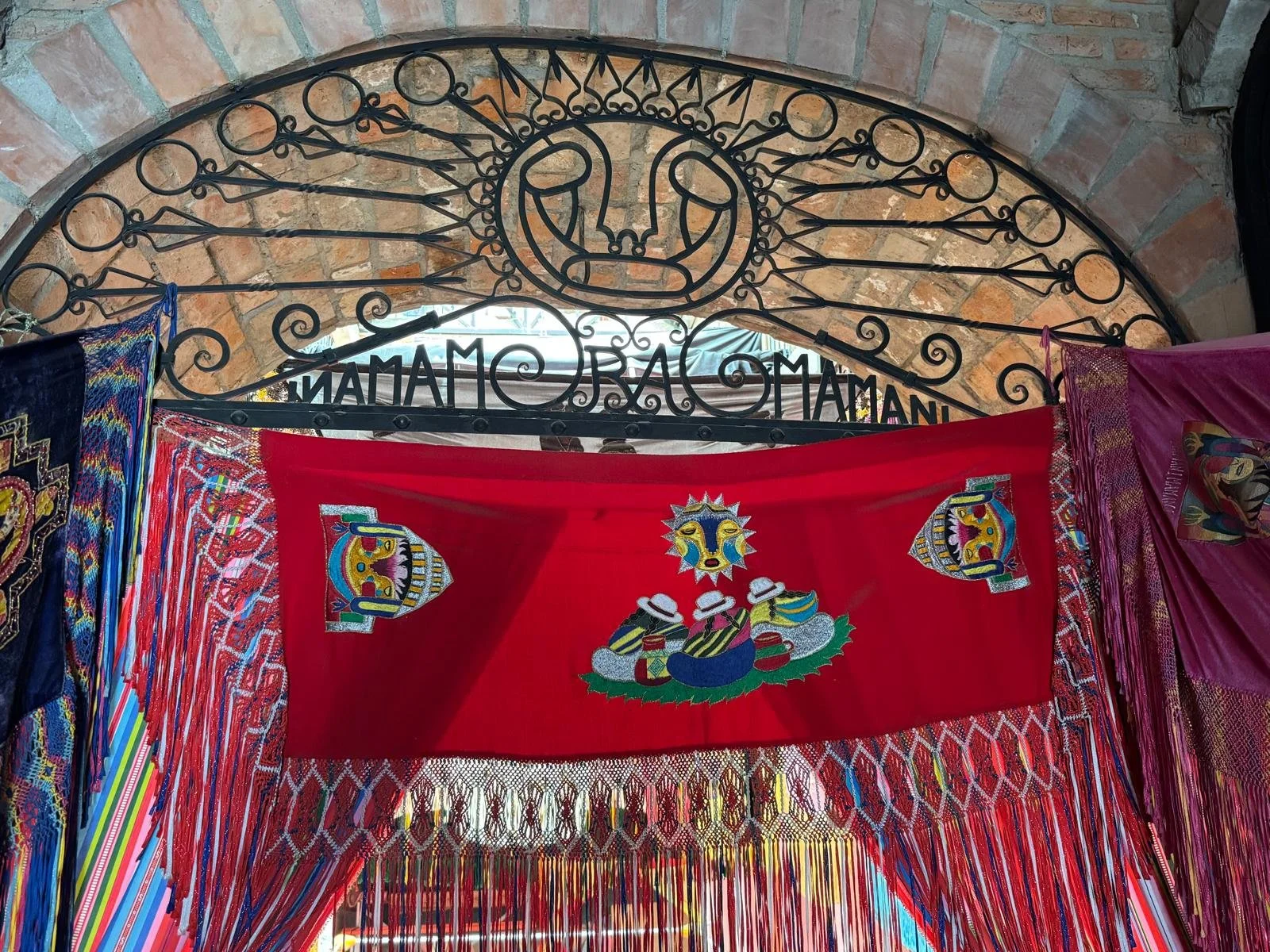
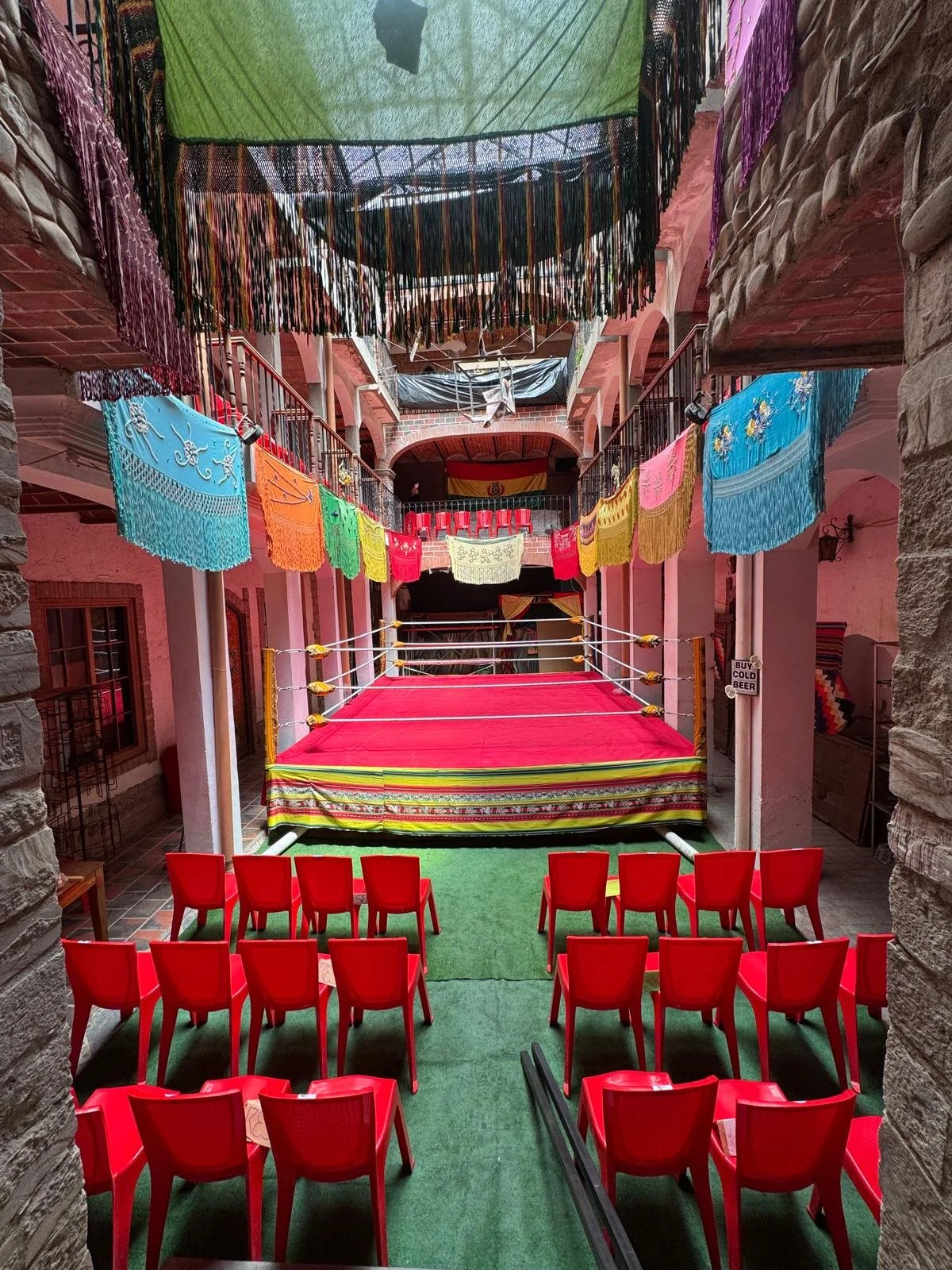
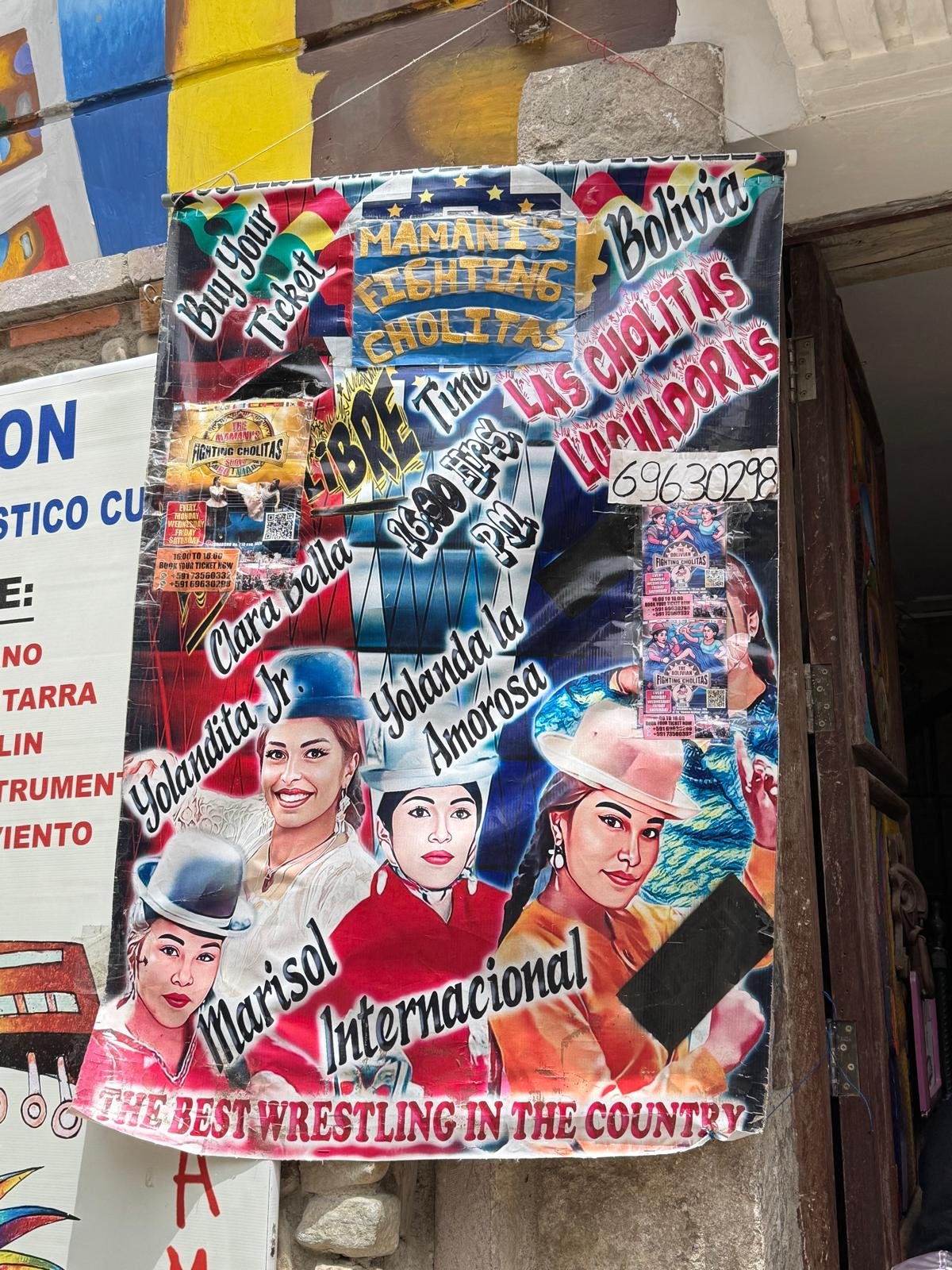
Then it was time to walk a few blocks for our lunch. Enroute, we passed the amazing art gallery of Mamani Mamani – just look at the colours! We had a peek inside and you’re not going to believe this – they were selling tickets for a women’s wrestling event later in the afternoon. Apparently, the women wrestle in fancy long skirts – bizarre, eh? Quite a fancy wrestling ring though, don’t you think?
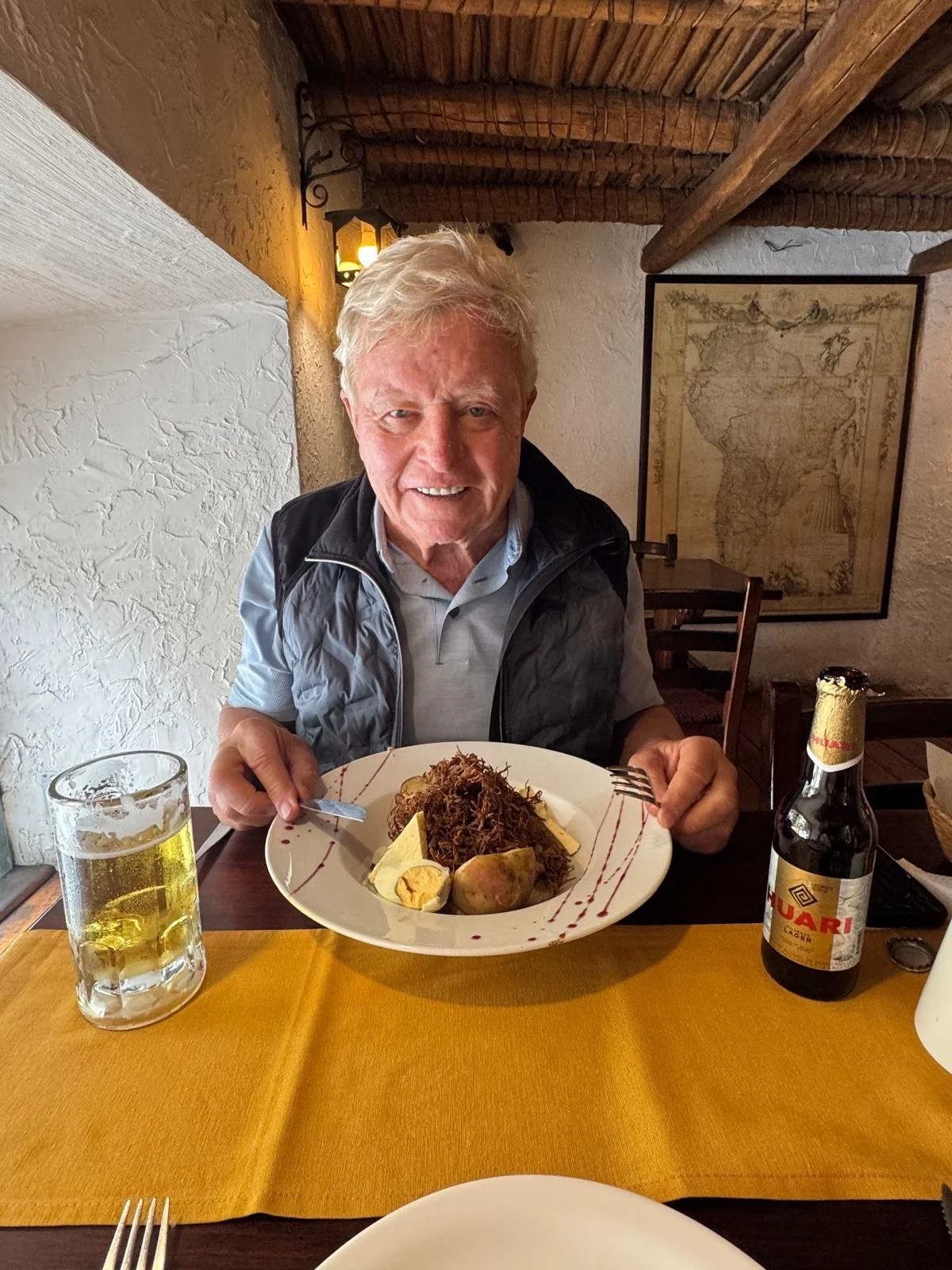
Lunch – Geoff ever ready to have a go and try anything, ordered the one dish that was missing from his South American foodie tour – llama! It was served looking like a load of llama fur to be honest but this was because the meat is very finely shredded and then quickly deep-fried so looked a bit like crispy onions!!!! Of course I resisted!
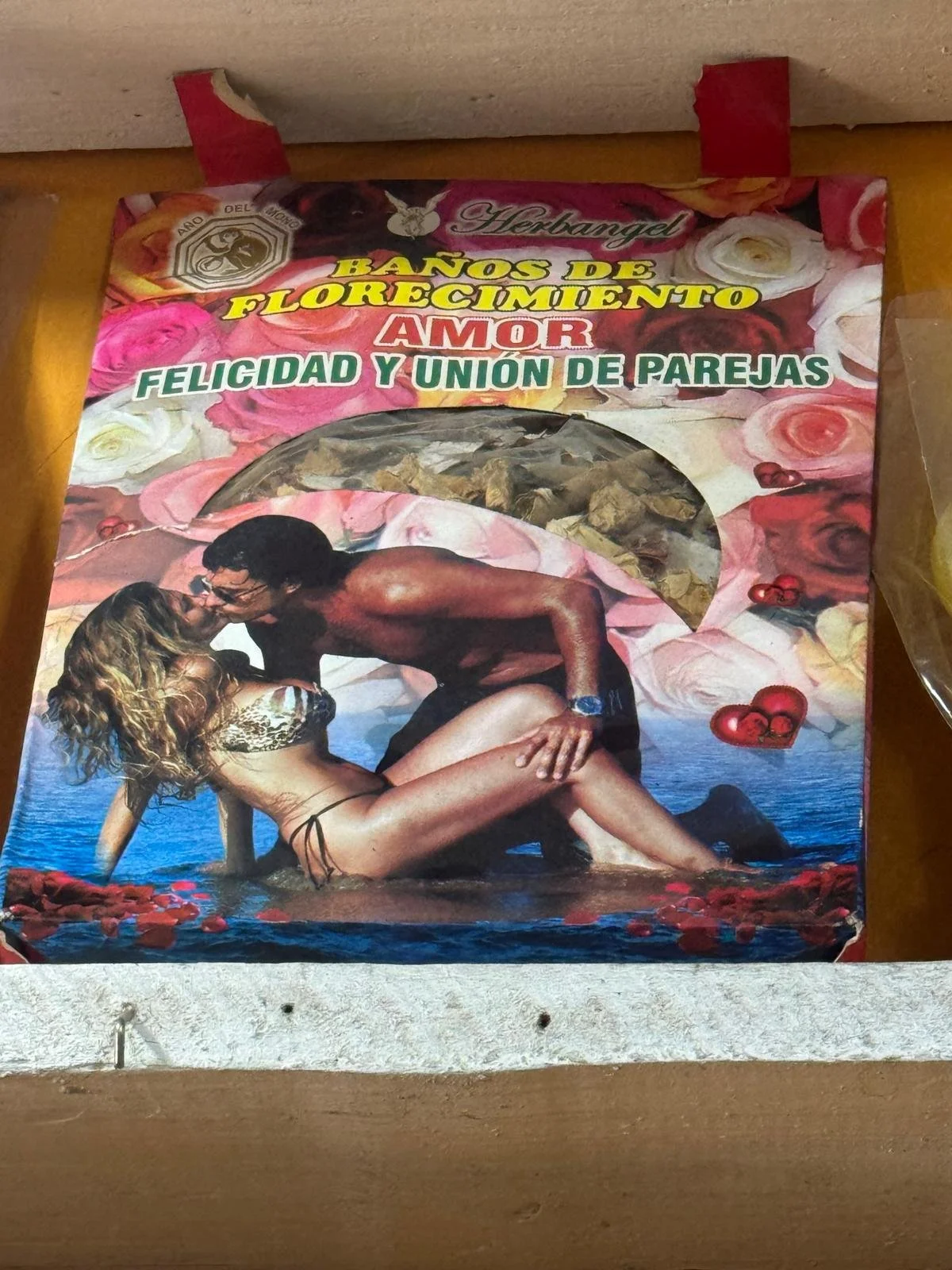
Wait till I tell you about the next stop….the Witches’ Market -The Mercado de Hechicería. Remember in my blog on Copacabana I told you about people buying miniatures of things they wished for? Well, this market is a fascinating insight into the indigenous beliefs of the Bolivians, which still has a strong place in their cultural identity. I picked up a basket of custom-made concoctions for “K’oa”, the offering to the Goddess Pachamama, Mother Earth, complete with a mummified llama fetus! This has to be lit on a Friday because that is when she is particularly receptive to wishes. Apparently, whoever builds a house here, adds a llama fetus to the burnt offering and uses the ashes in the foundations. This ensures protection, health and happiness and is likely under almost every Bolivian house.
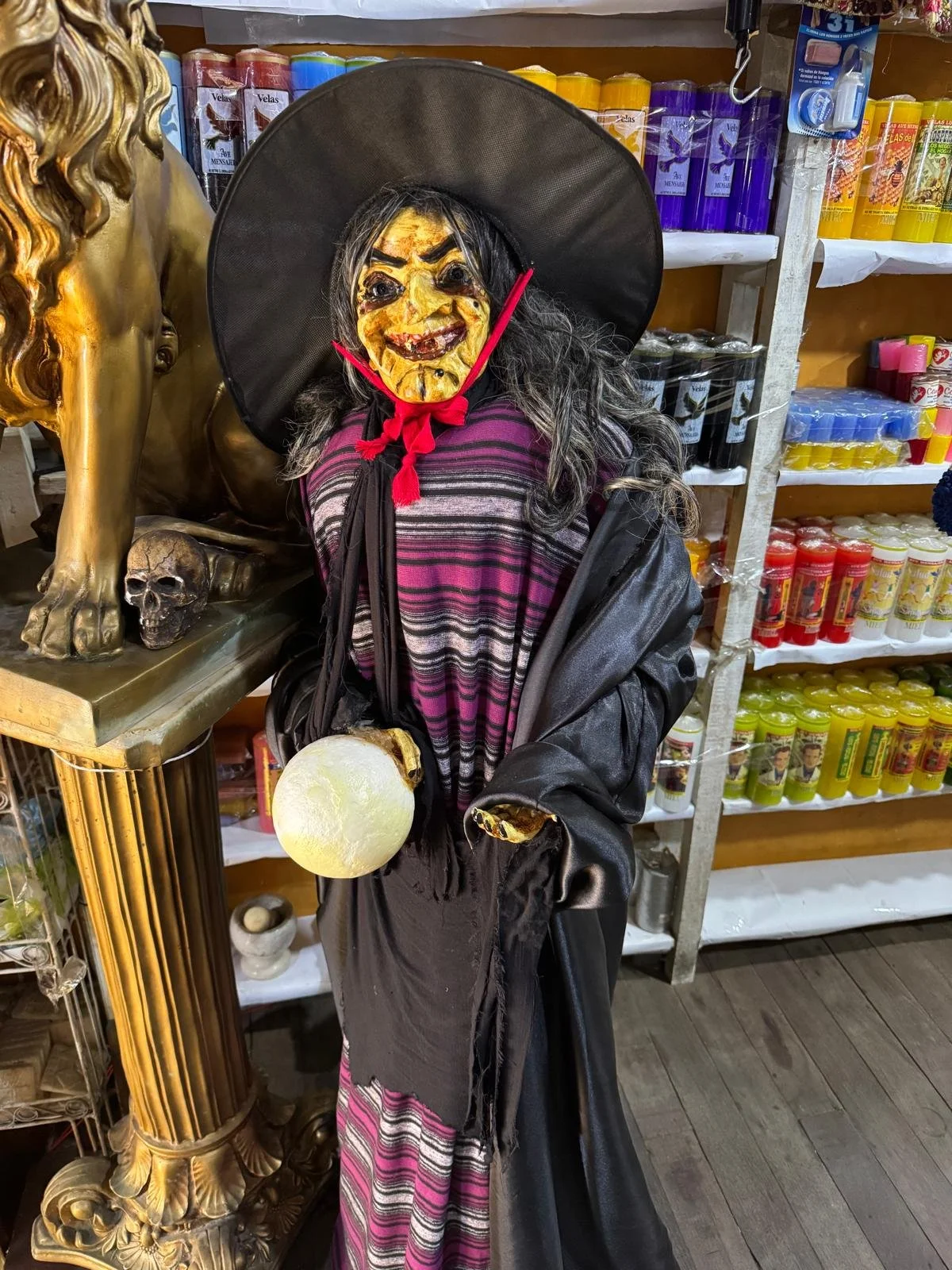
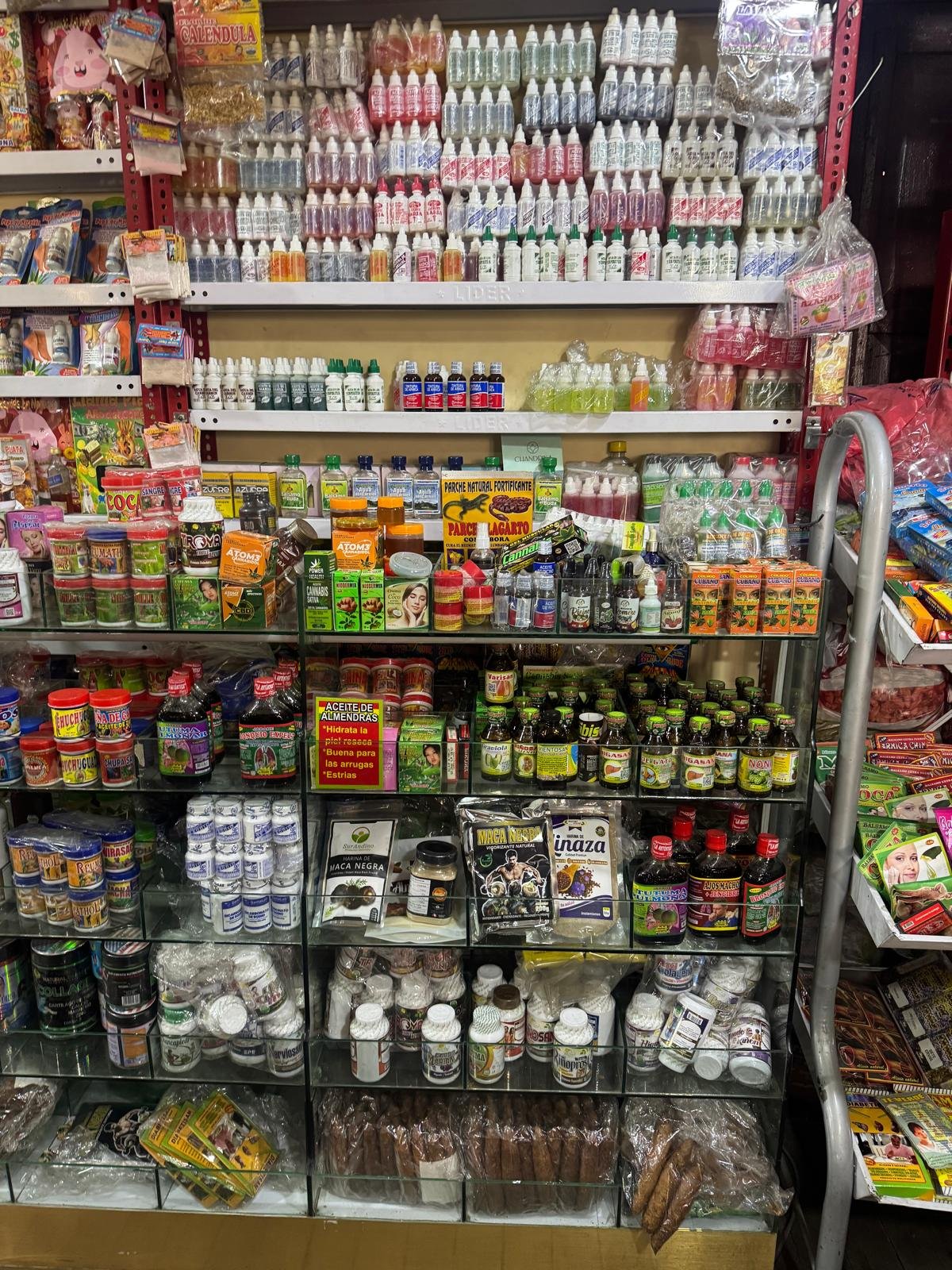
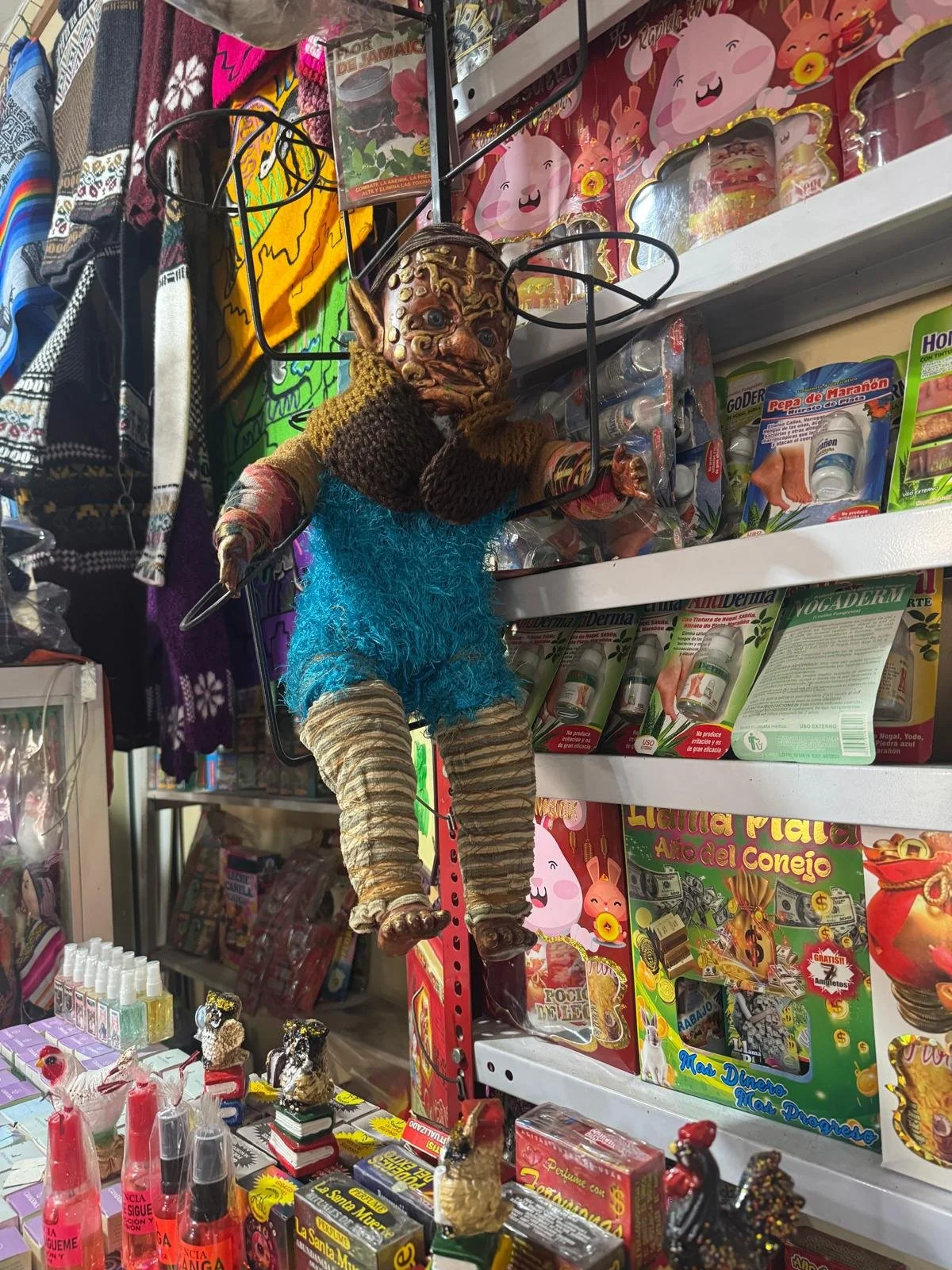
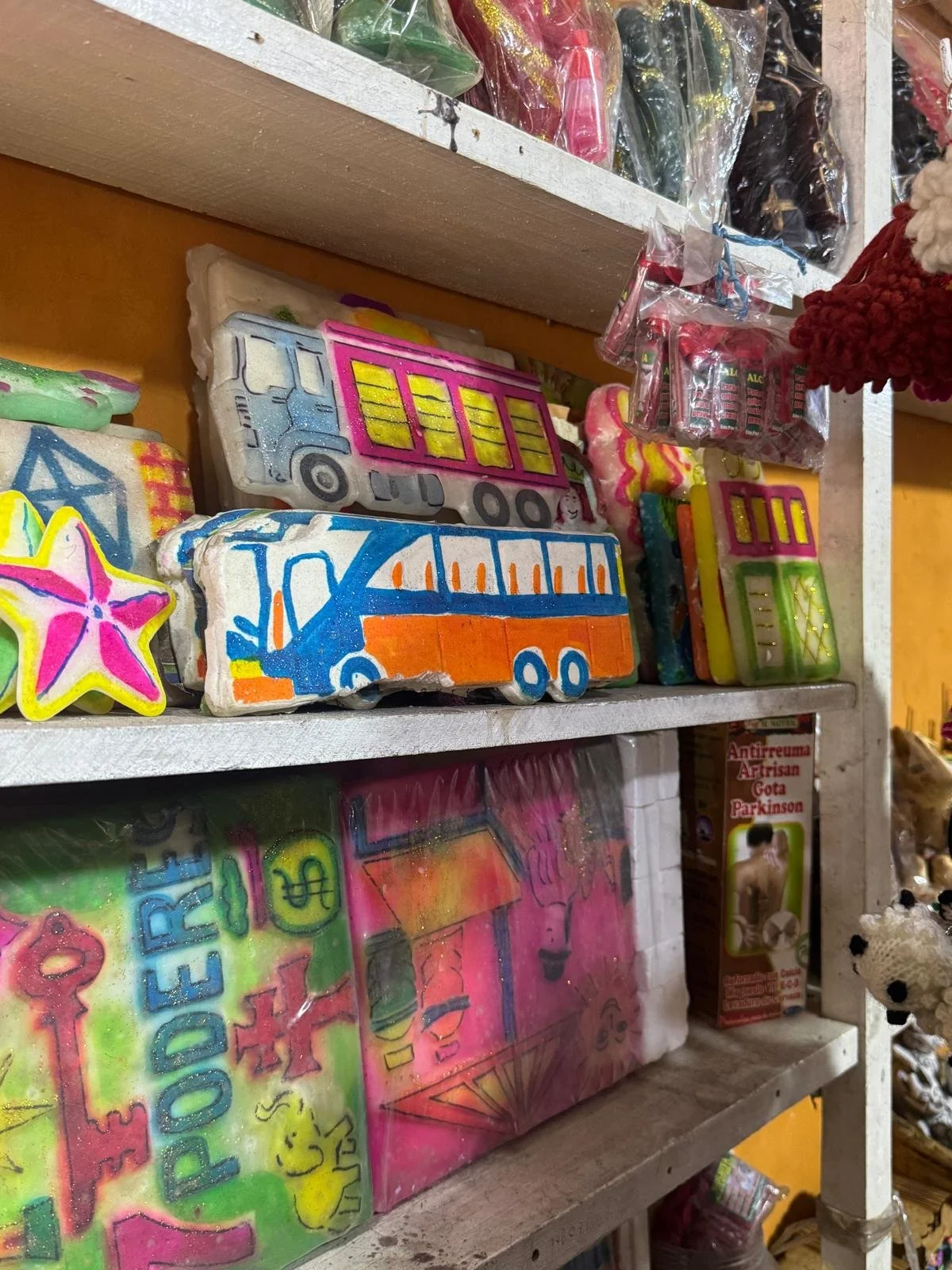
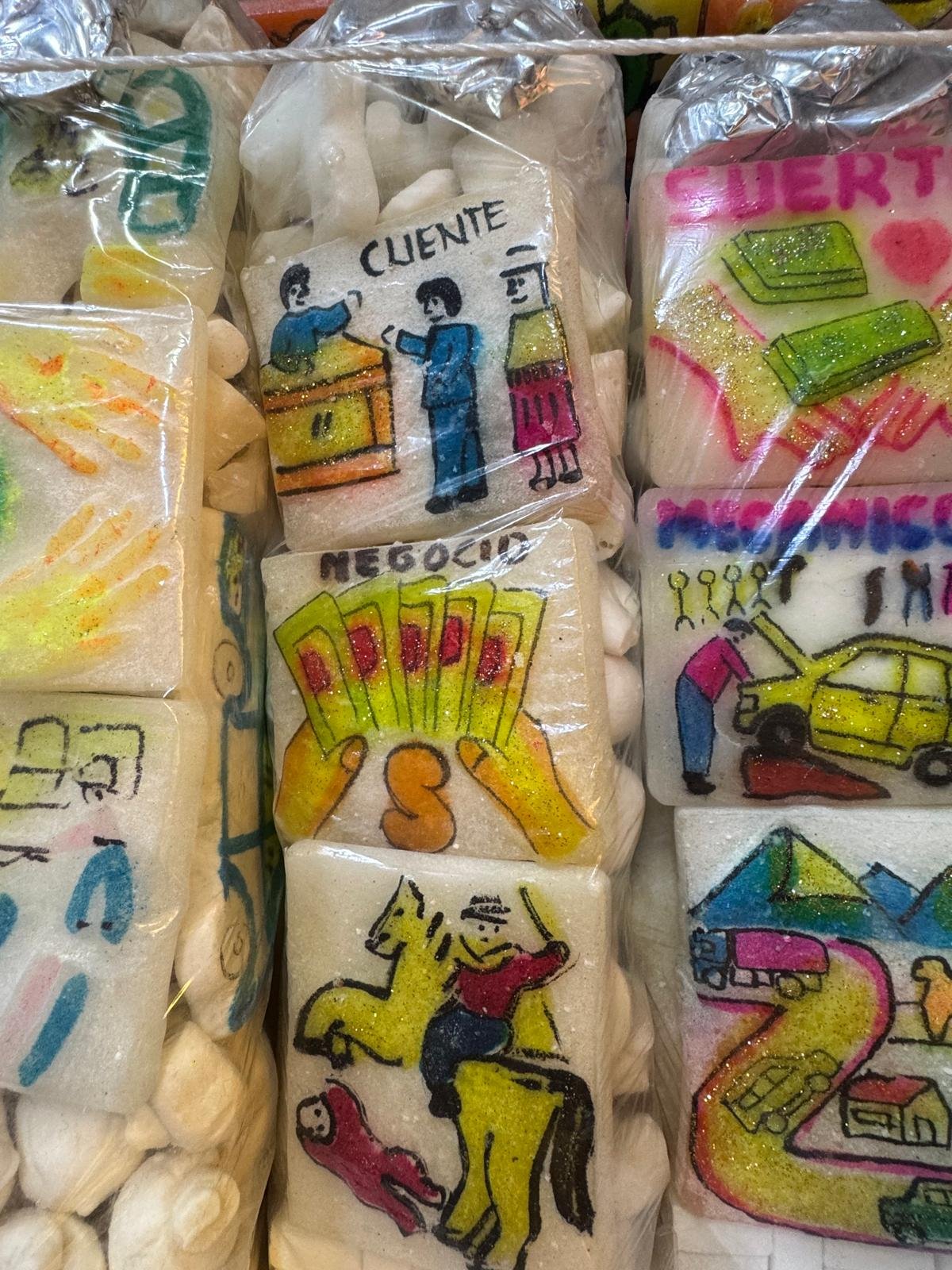
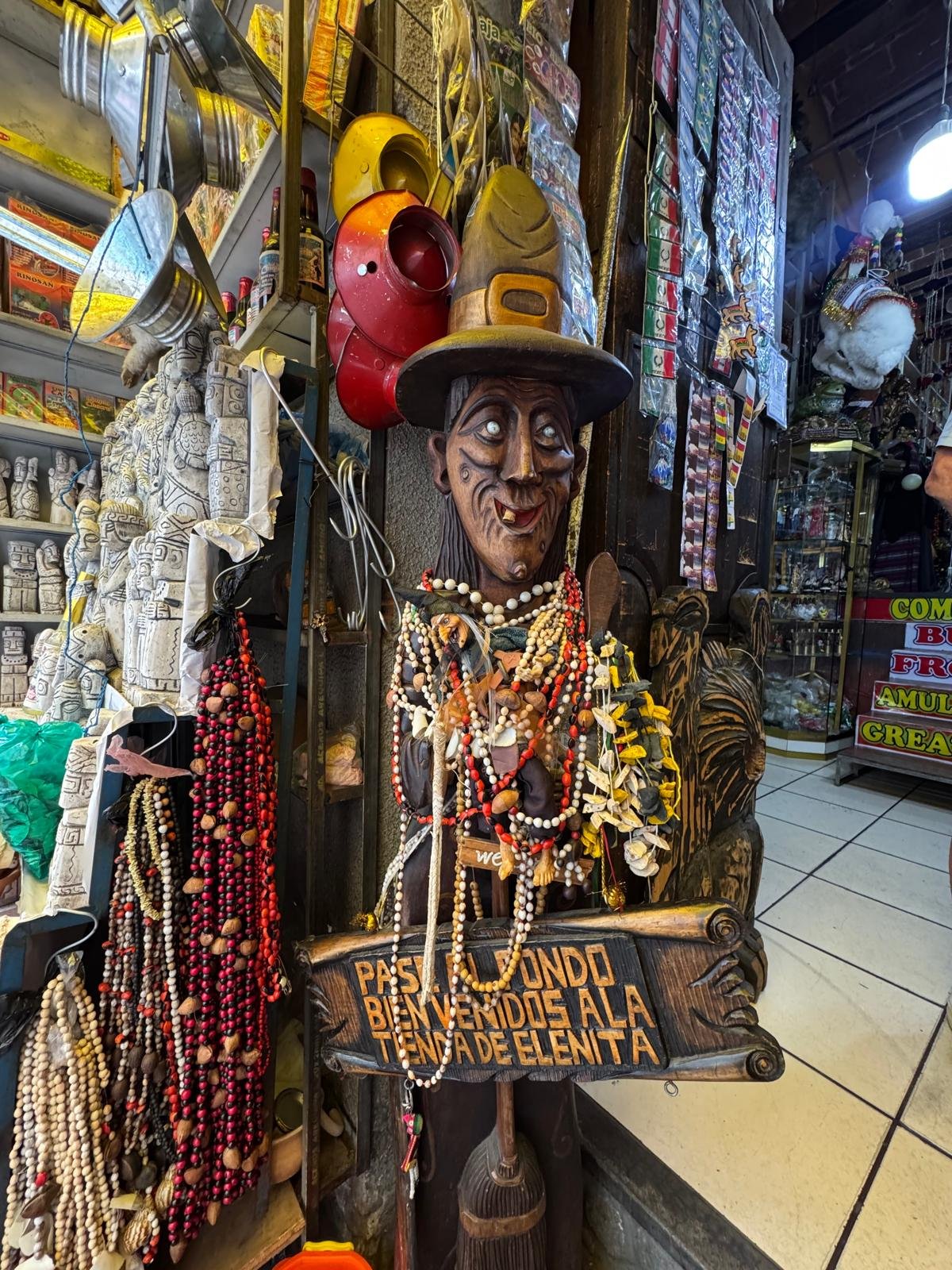
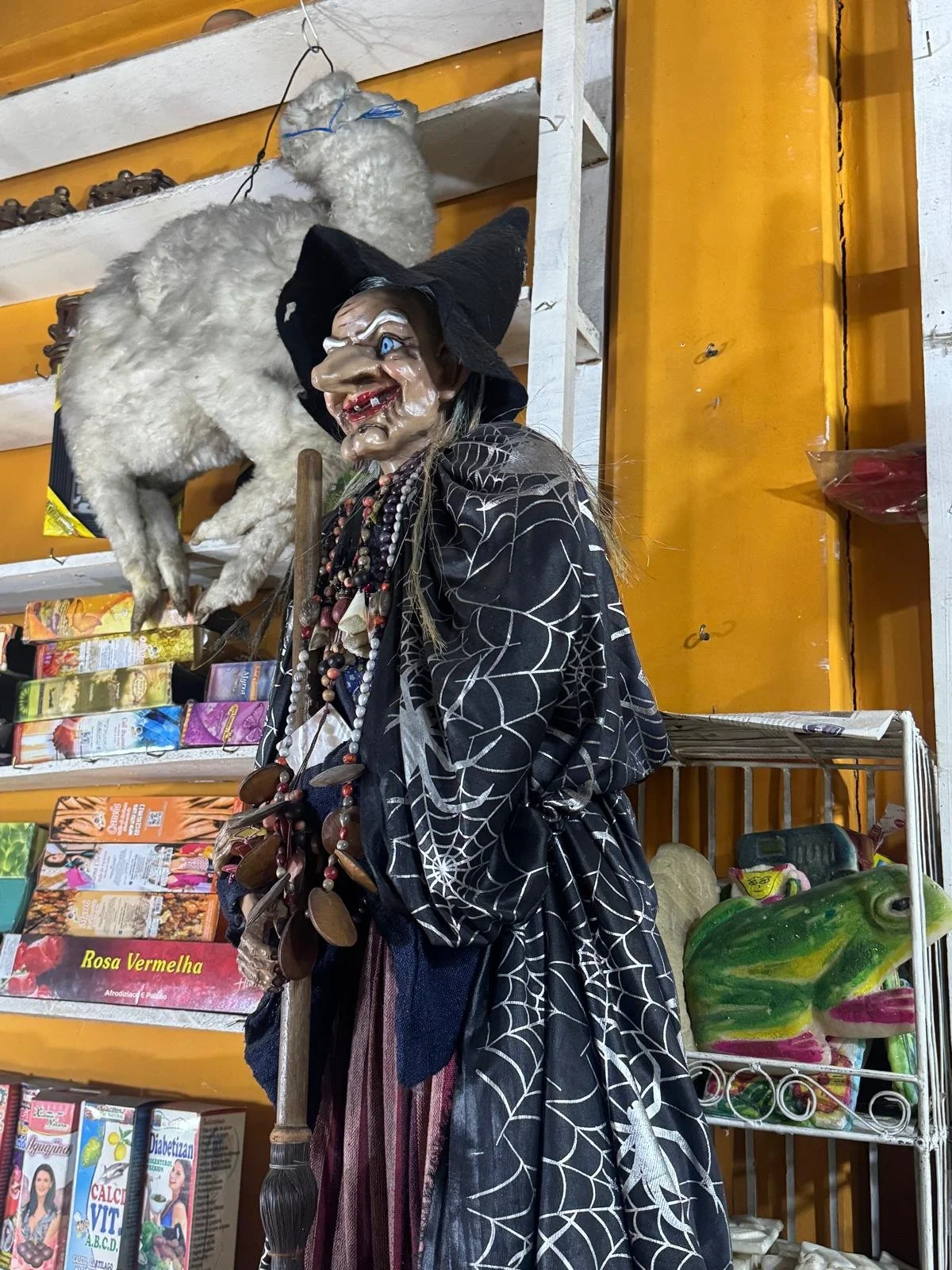
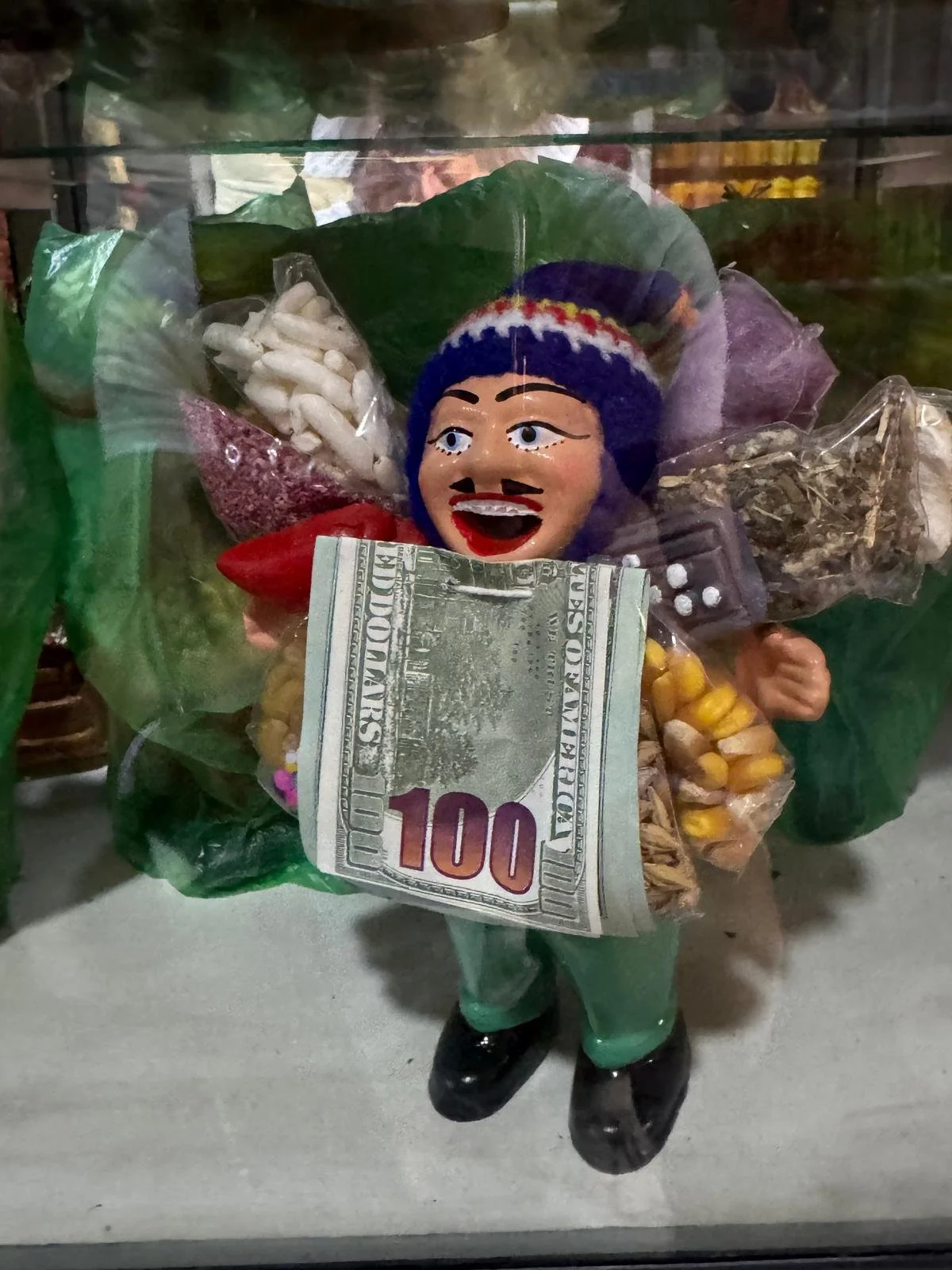
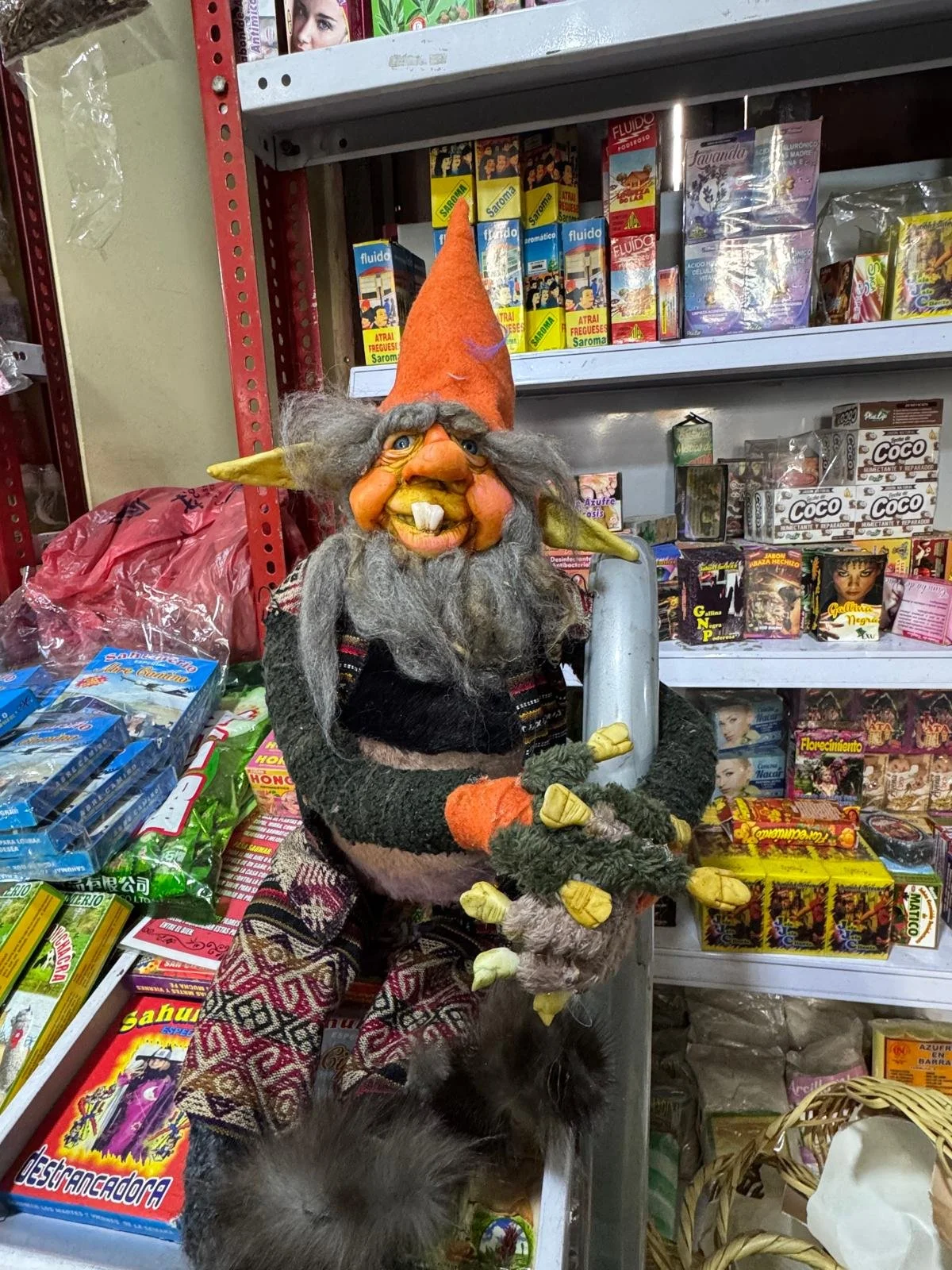
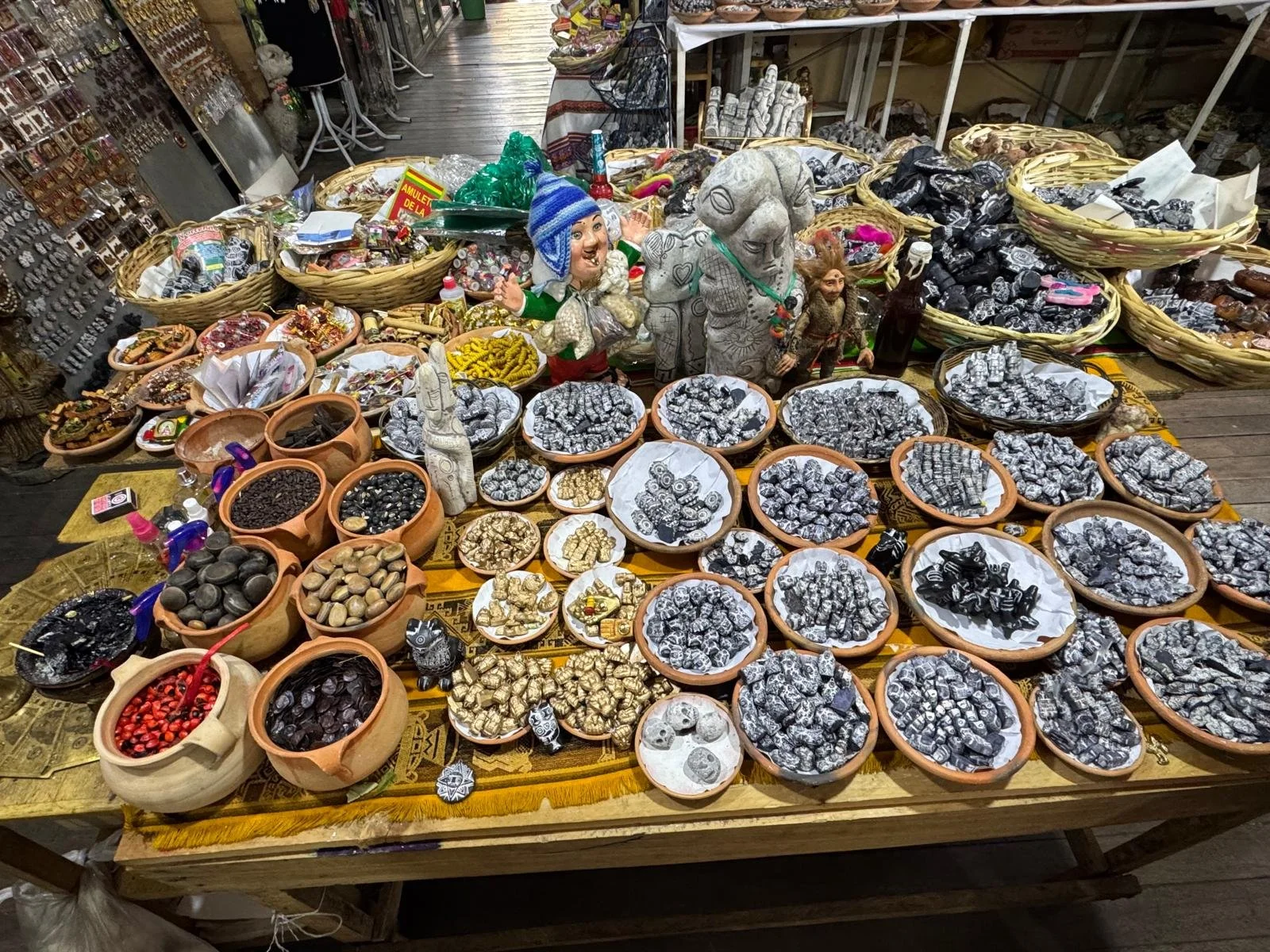
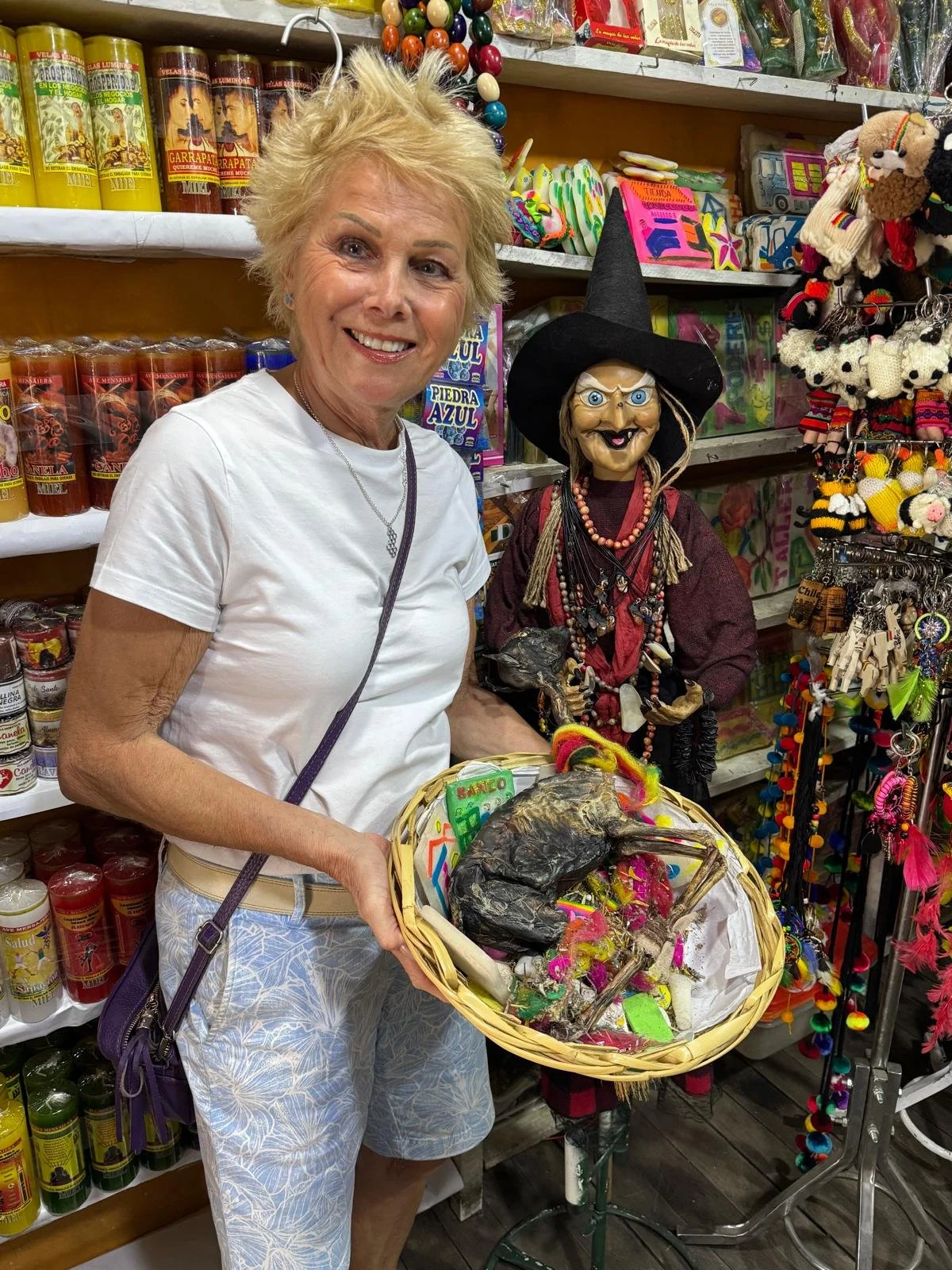
All sorts of items to buy to make a wish for - medicinal herbs, talismans, amulets, lucky charms – and another item as you will see from the photo of me below!! Toucan beaks to heal diseases and wounds, mummified frogs to bring you luck, turtles for a long life, certainly plenty to wish for!
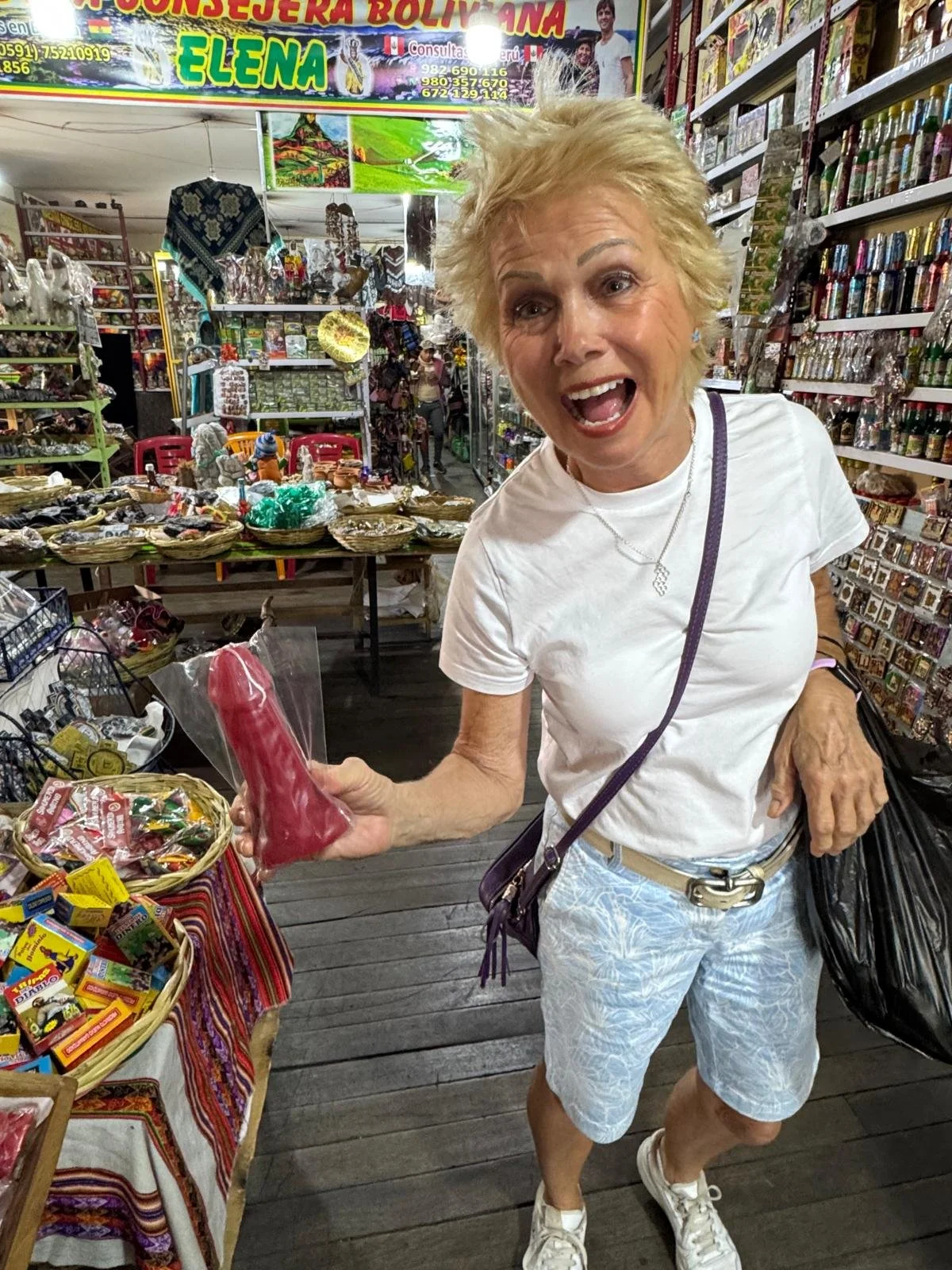
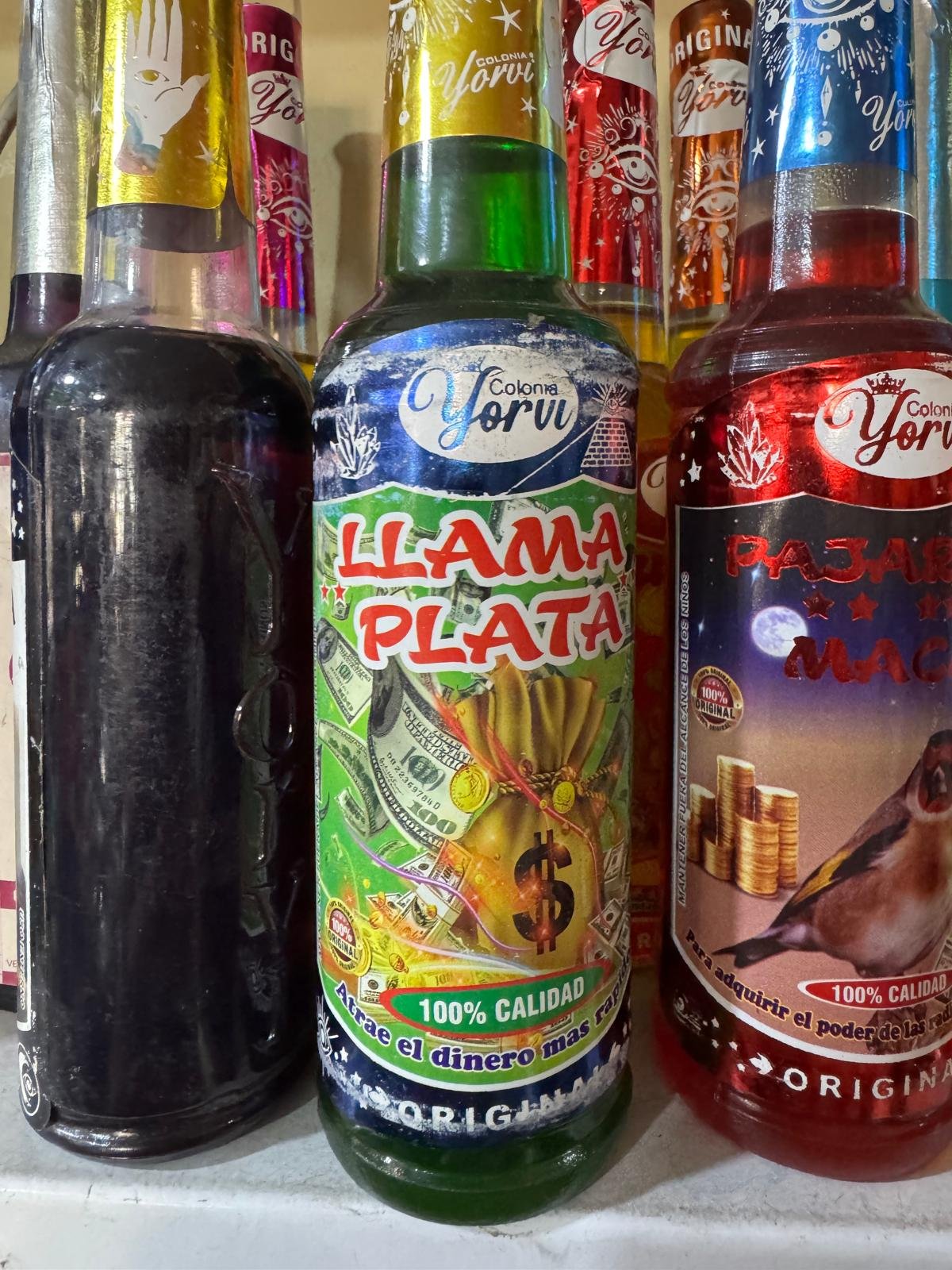
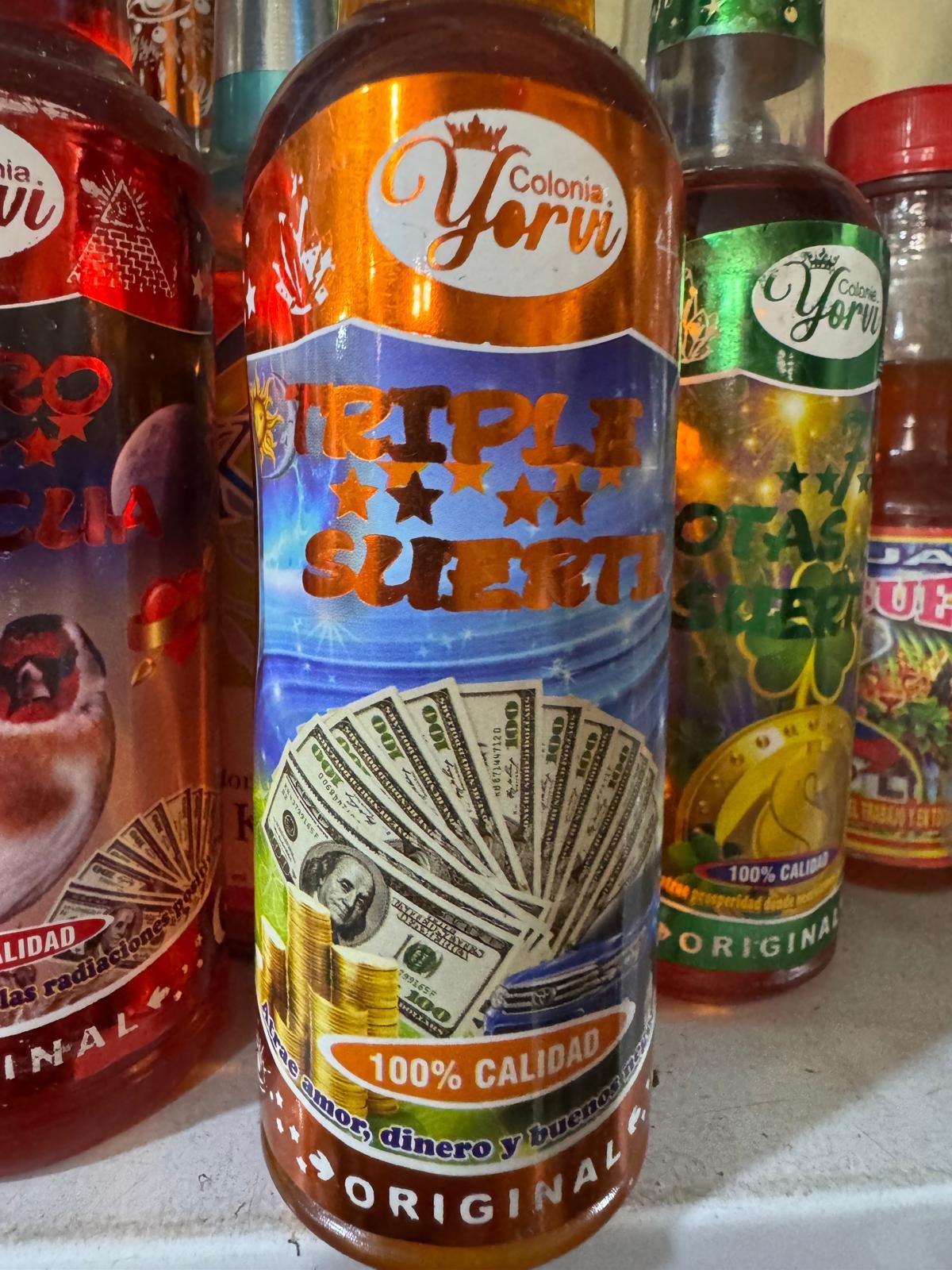

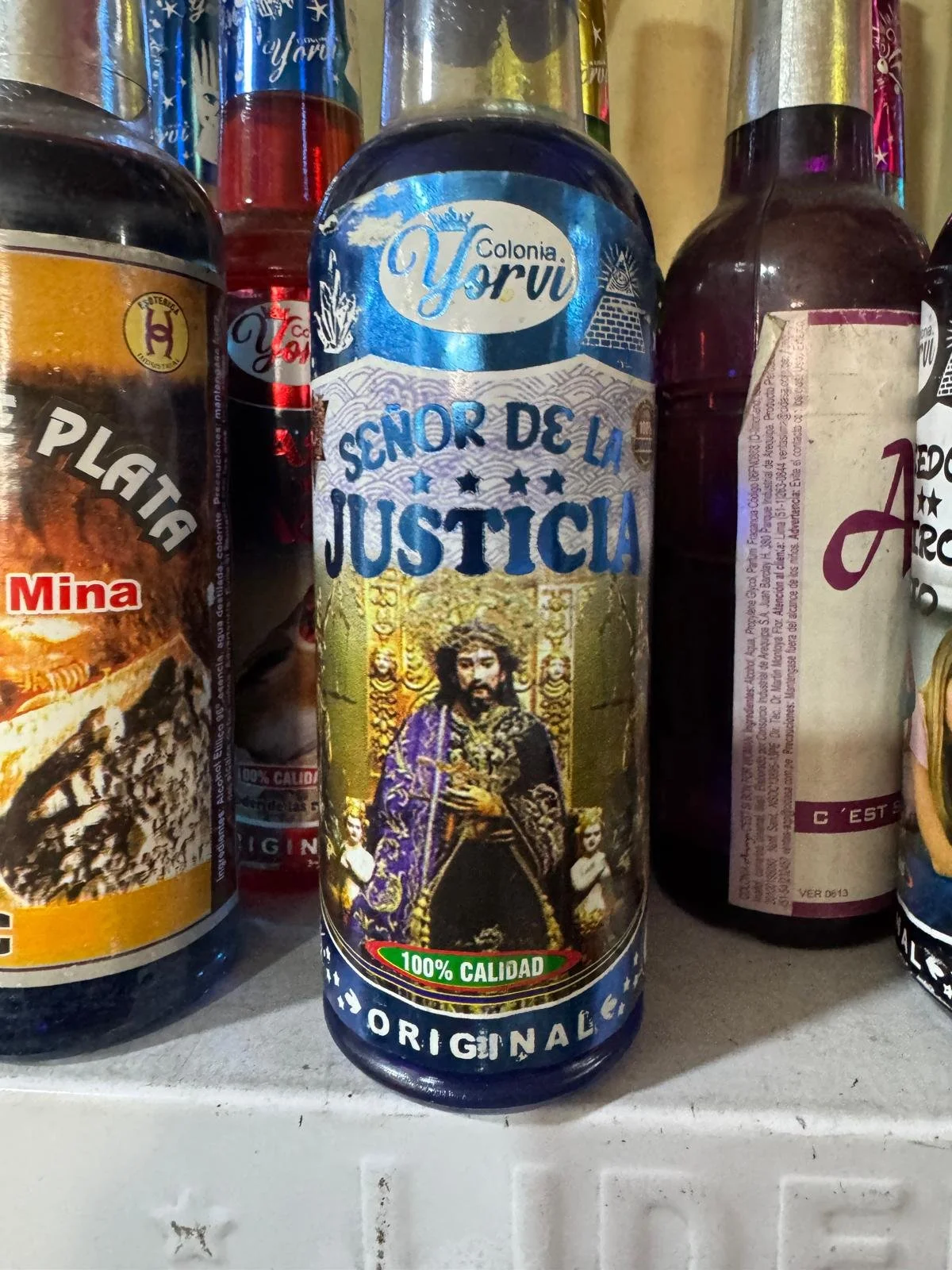
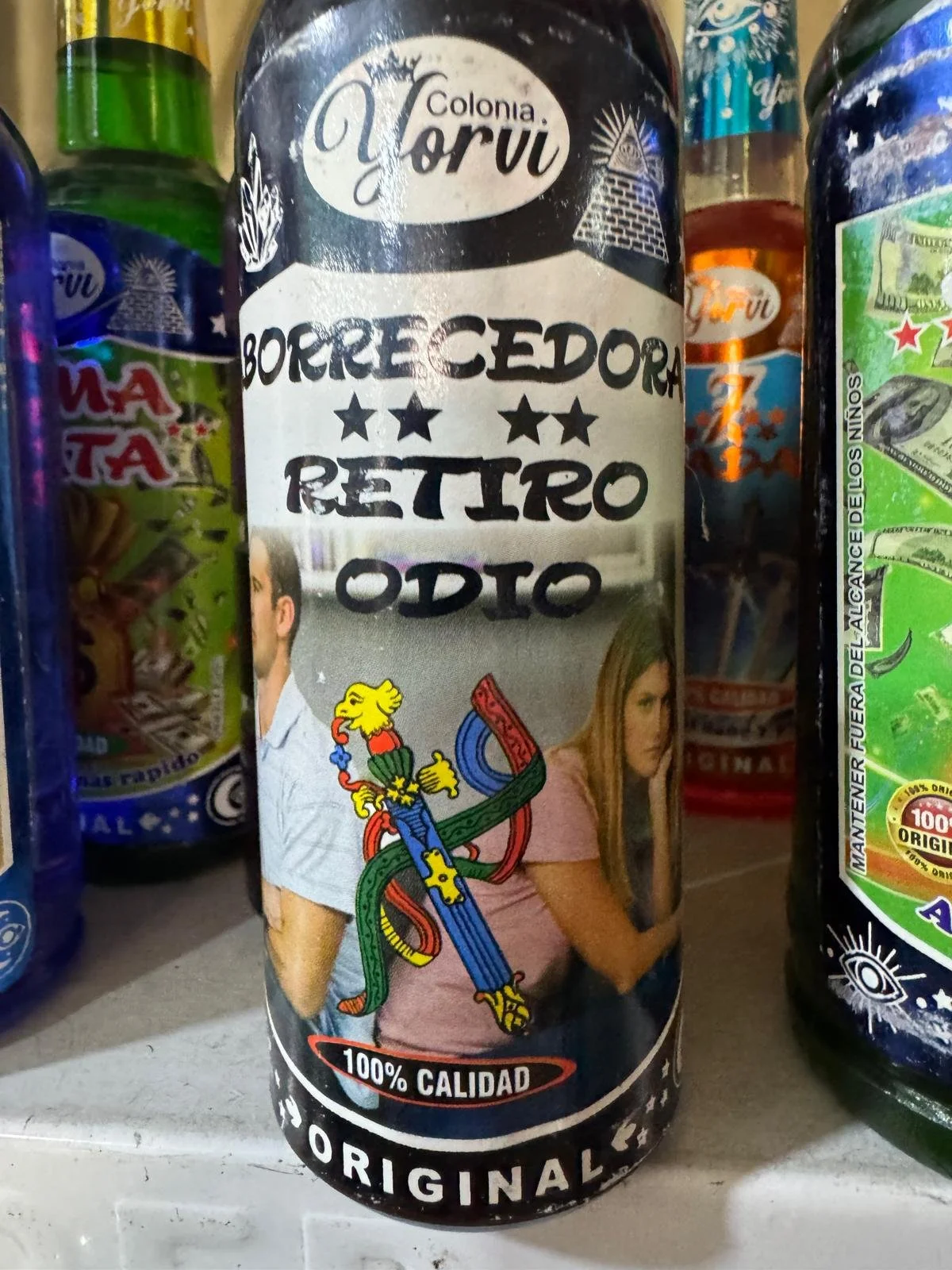
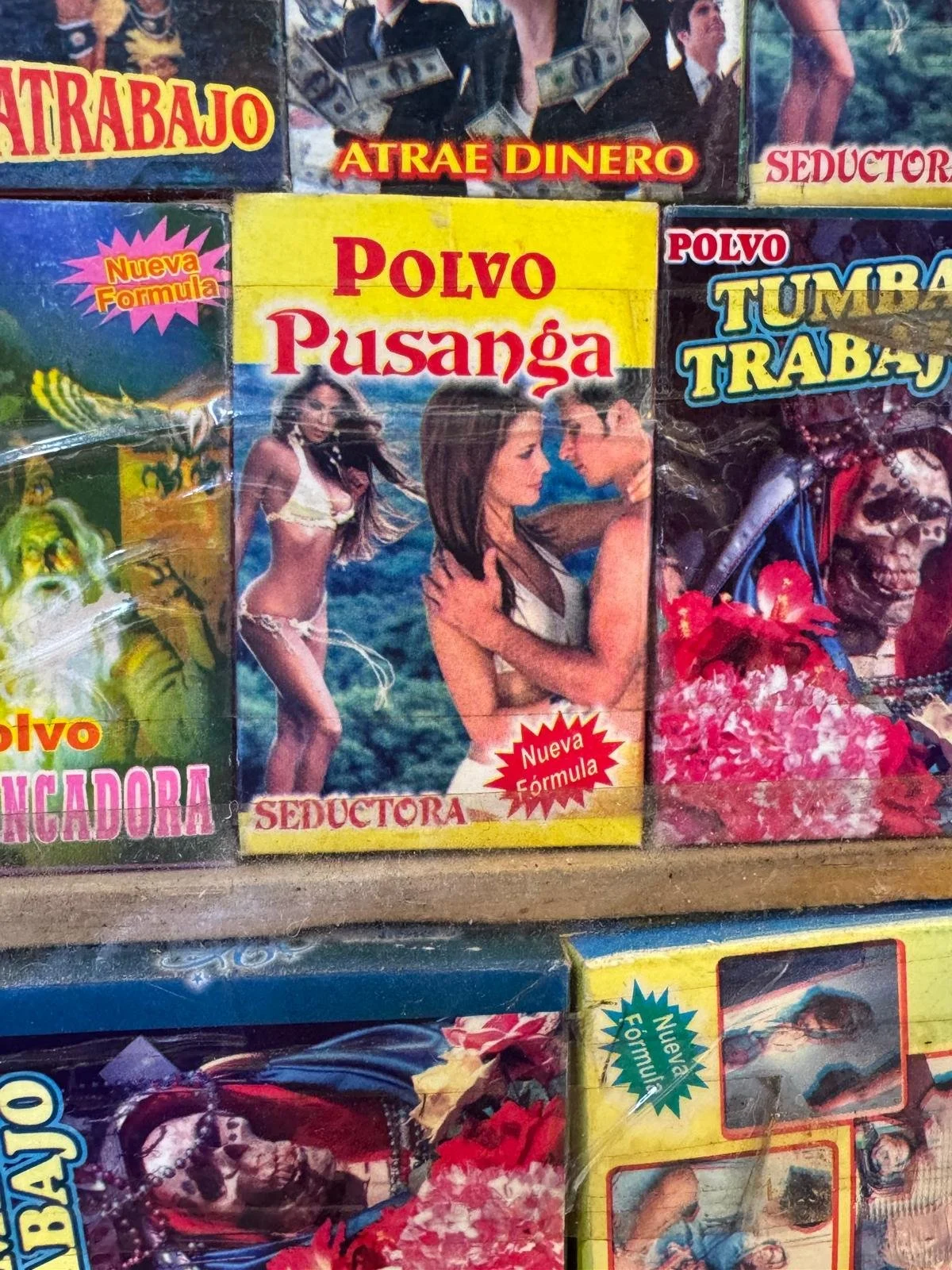
Then there were different powders which you use to sprinkle in the corners of the appropriate rooms on the photo – see the photos, you can guess from the pictures for what purpose they are wishing for. As you can imagine, we were in hysterics at some of the powder pictures – it was such a laugh!
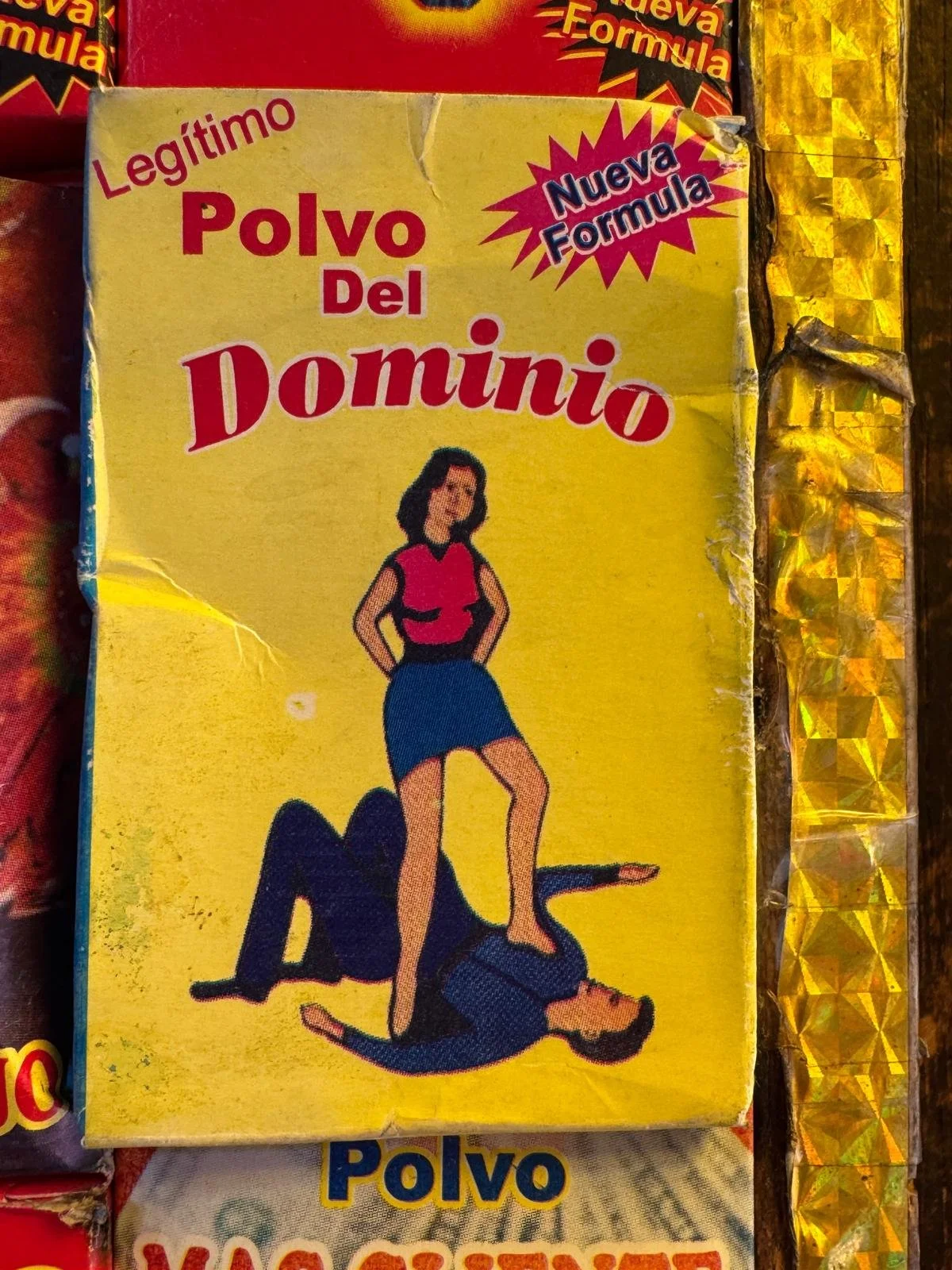
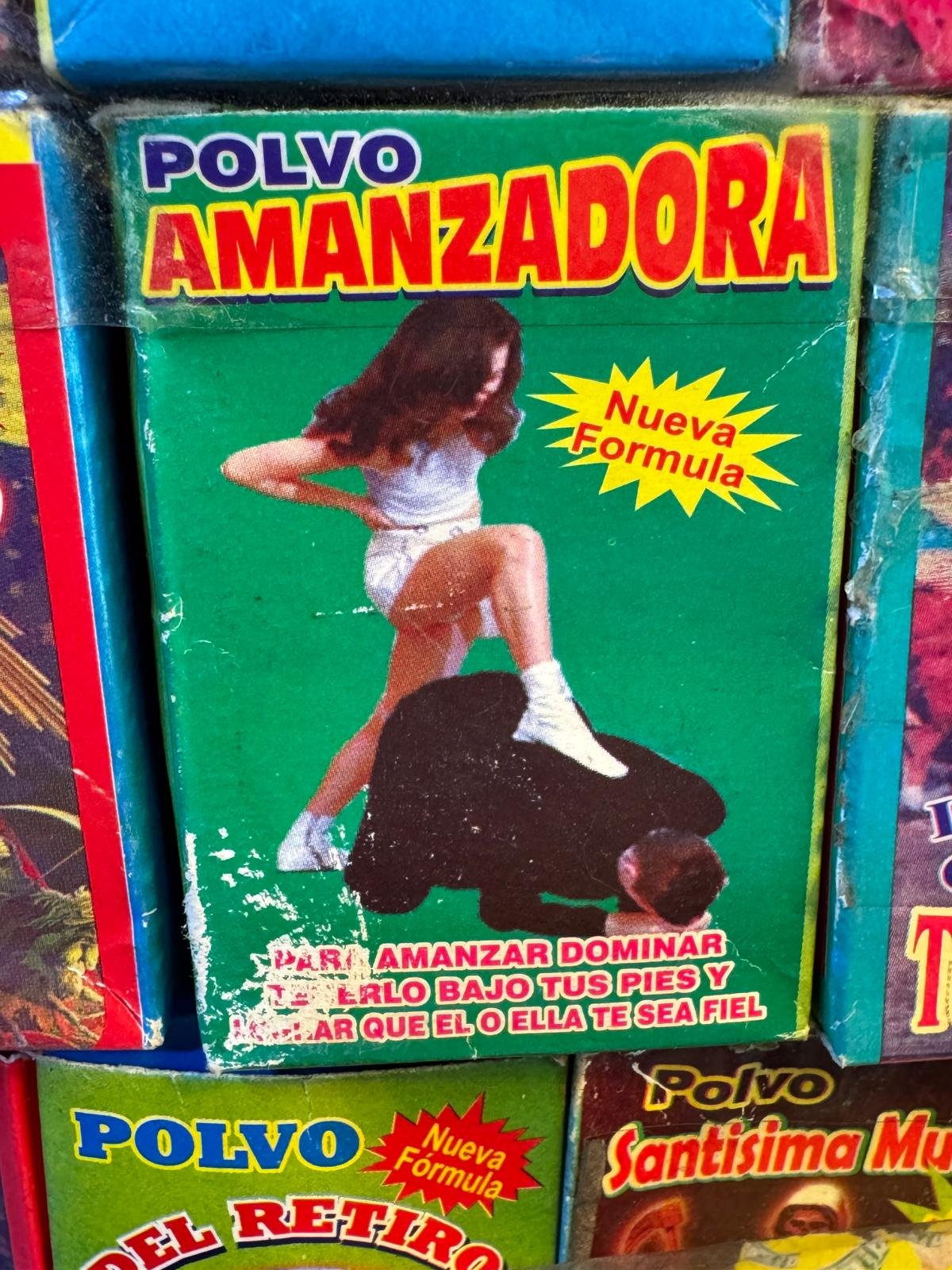
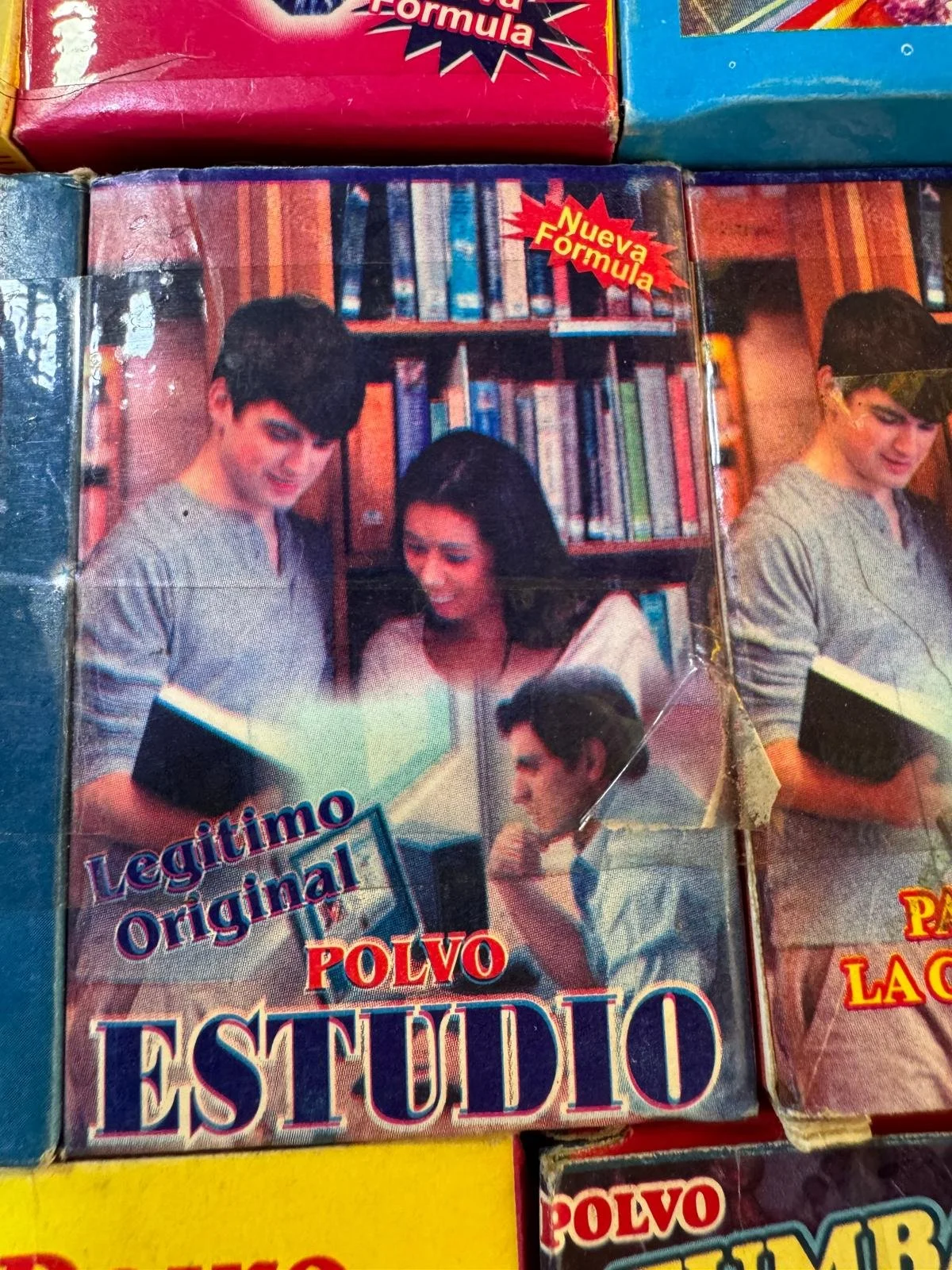
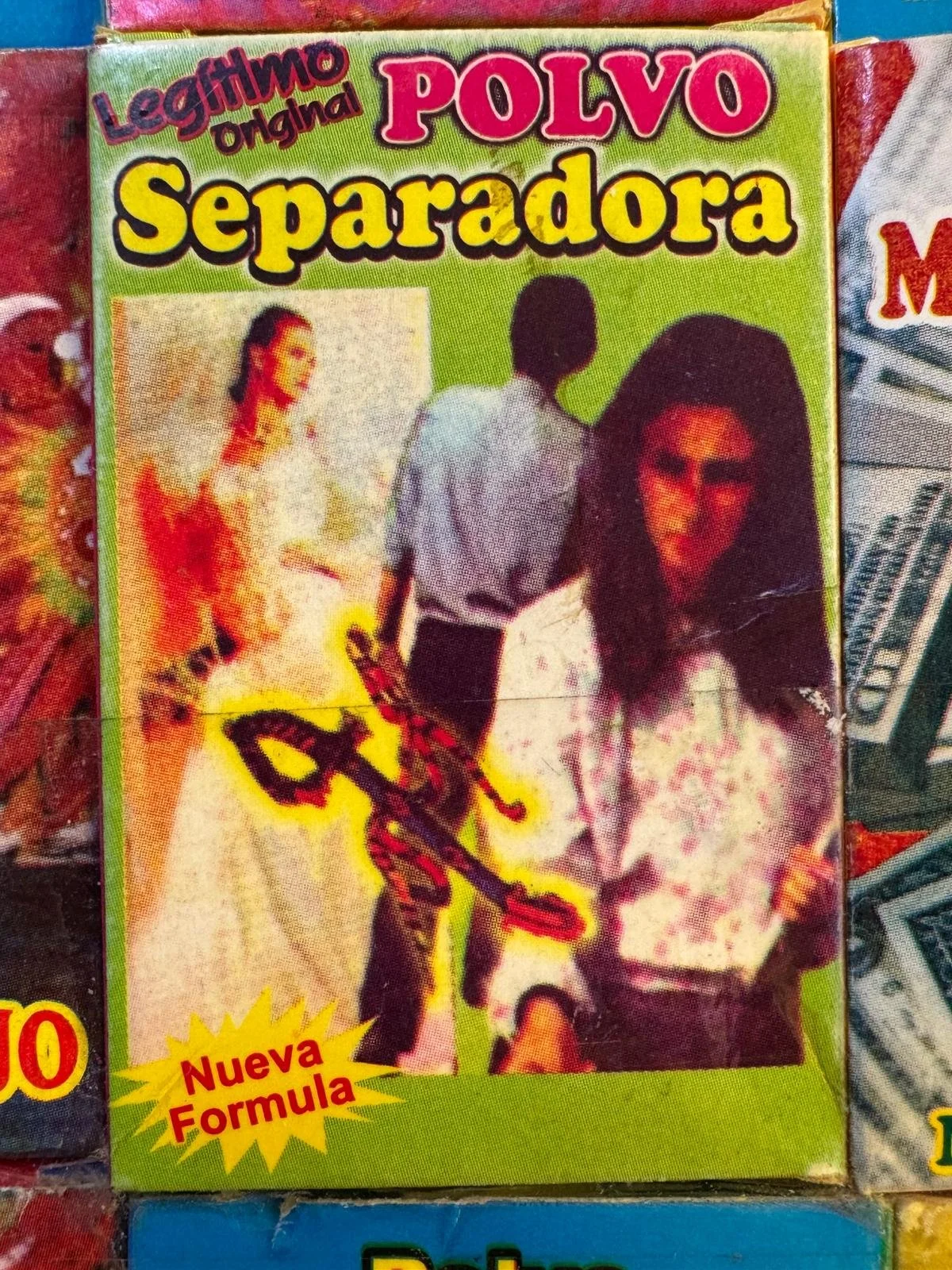
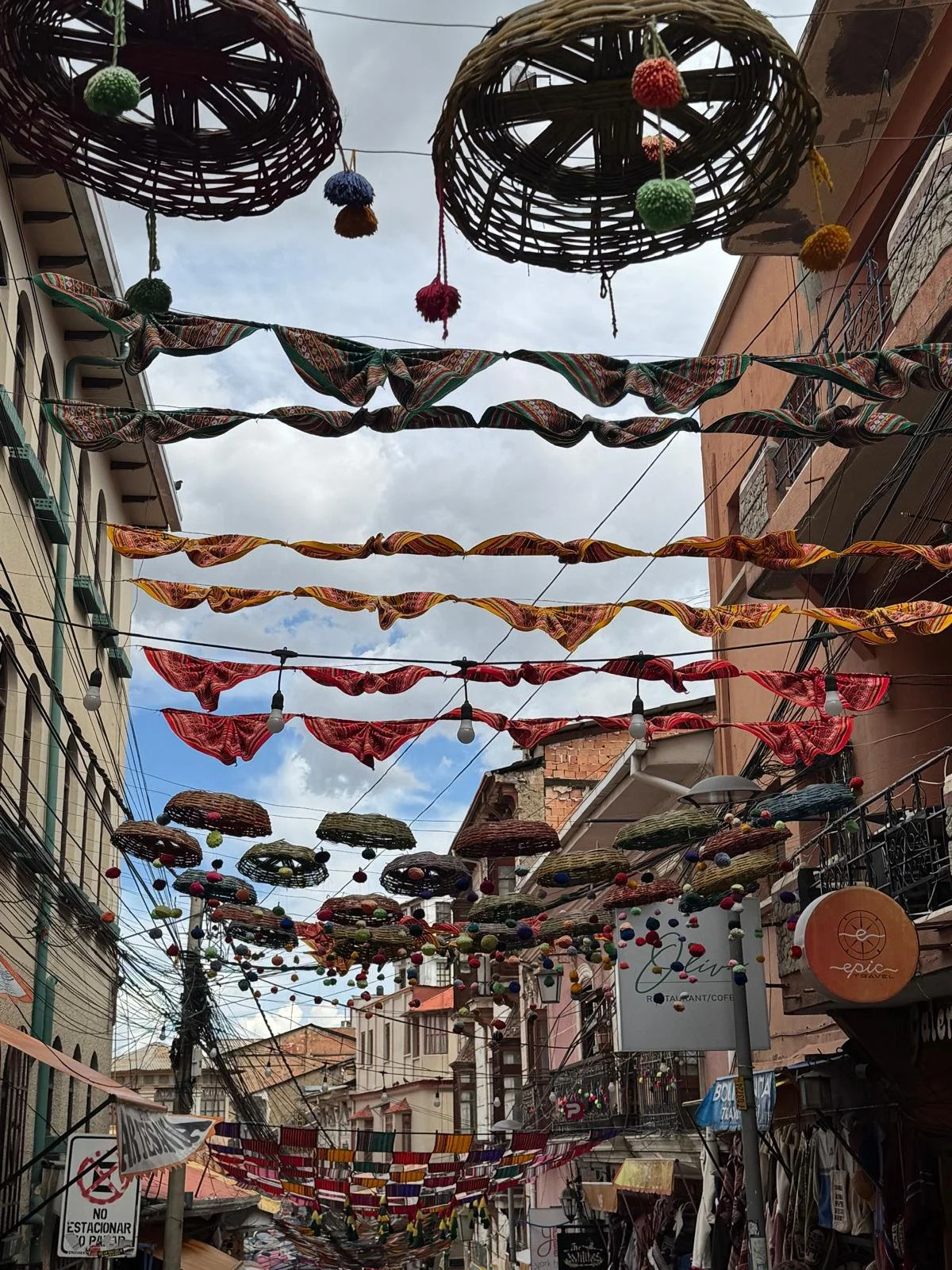
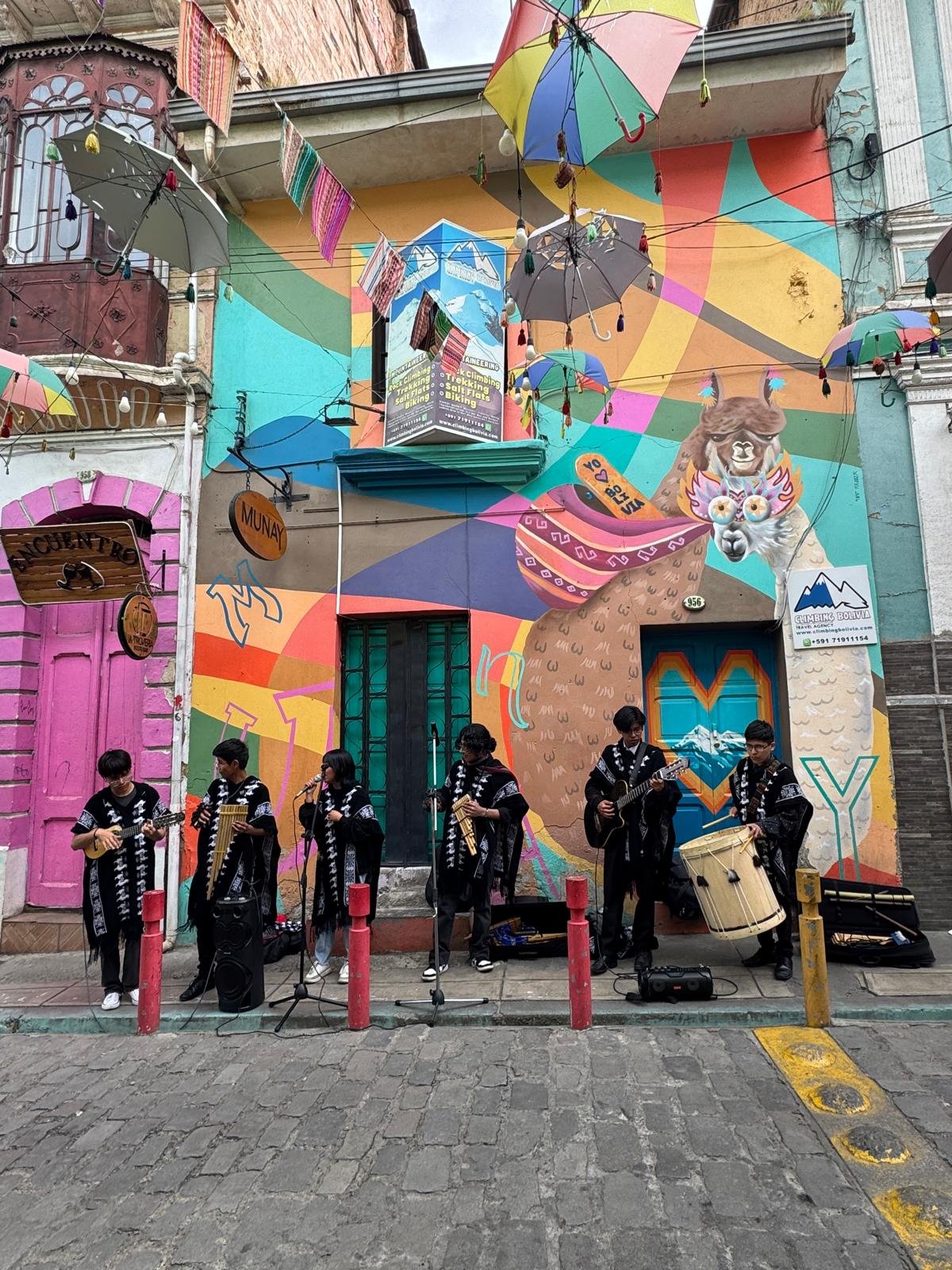
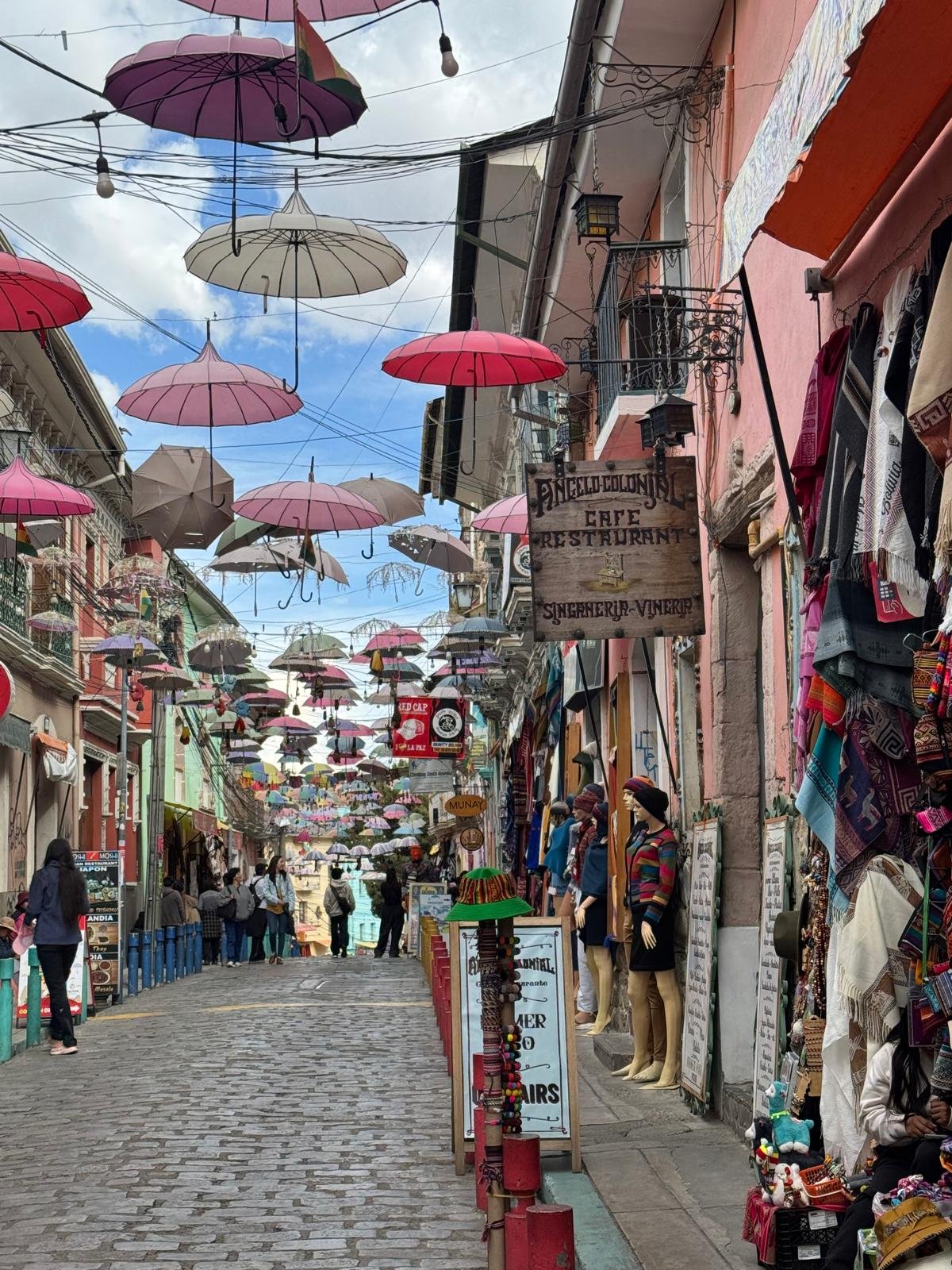
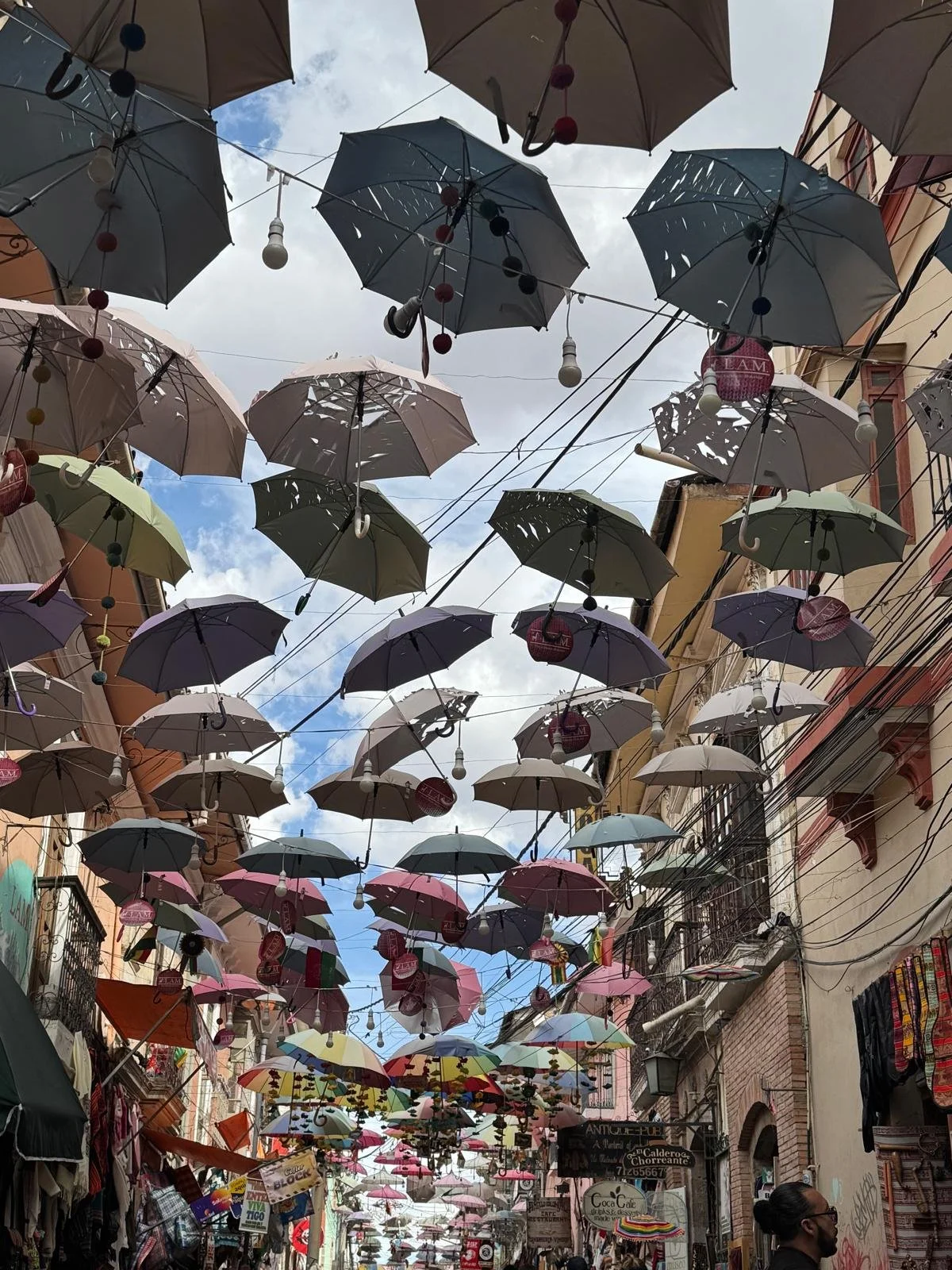
We strolled through the local streets, full of shops selling alpaca and llama scarves, runners, bags, hats, soft toys, hair accessories, blankets, ponchos – you name it, they had it. It was all so vibrant and colourful – I just loved it. We even had a musical accompaniment along the way.
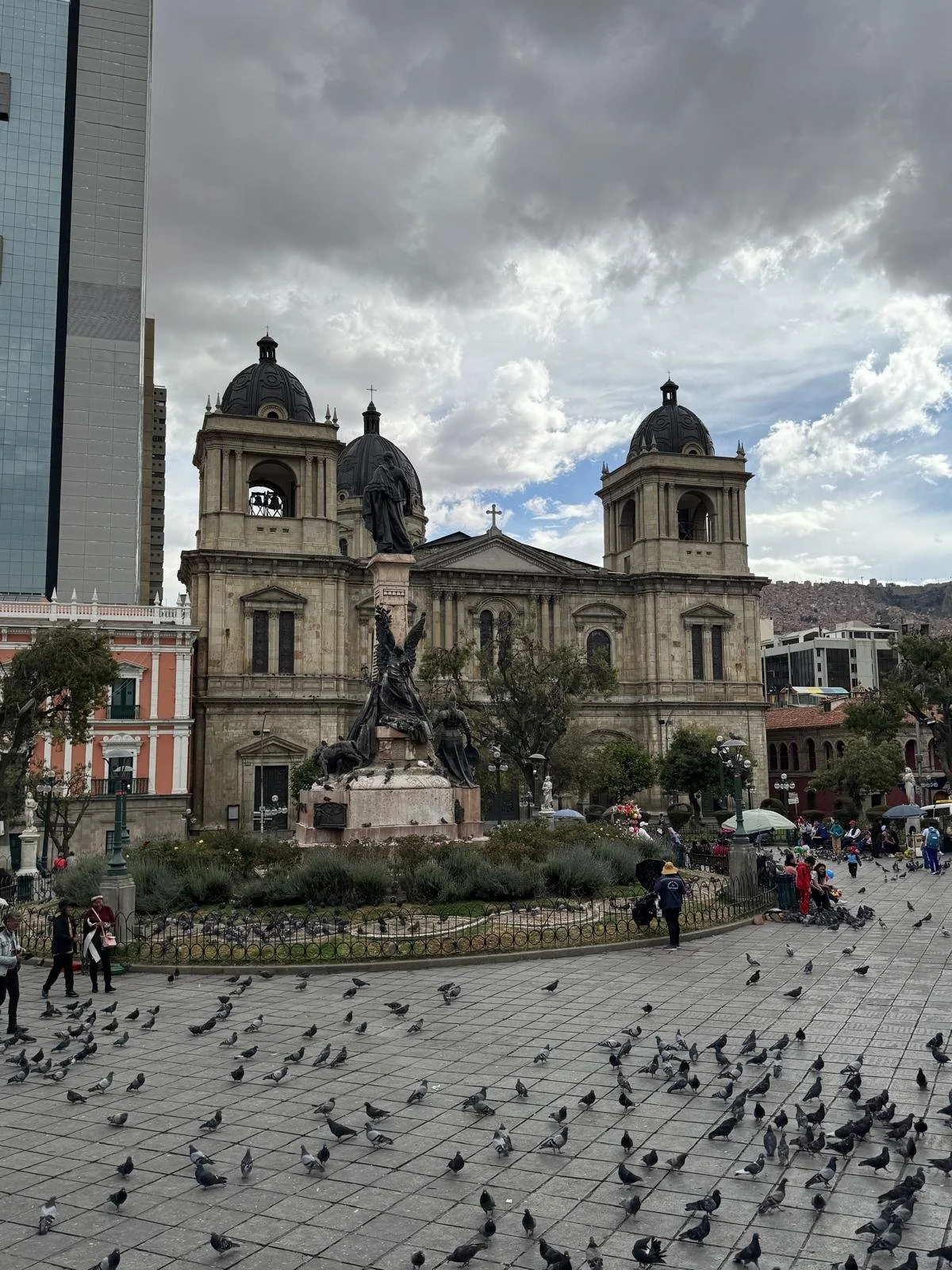
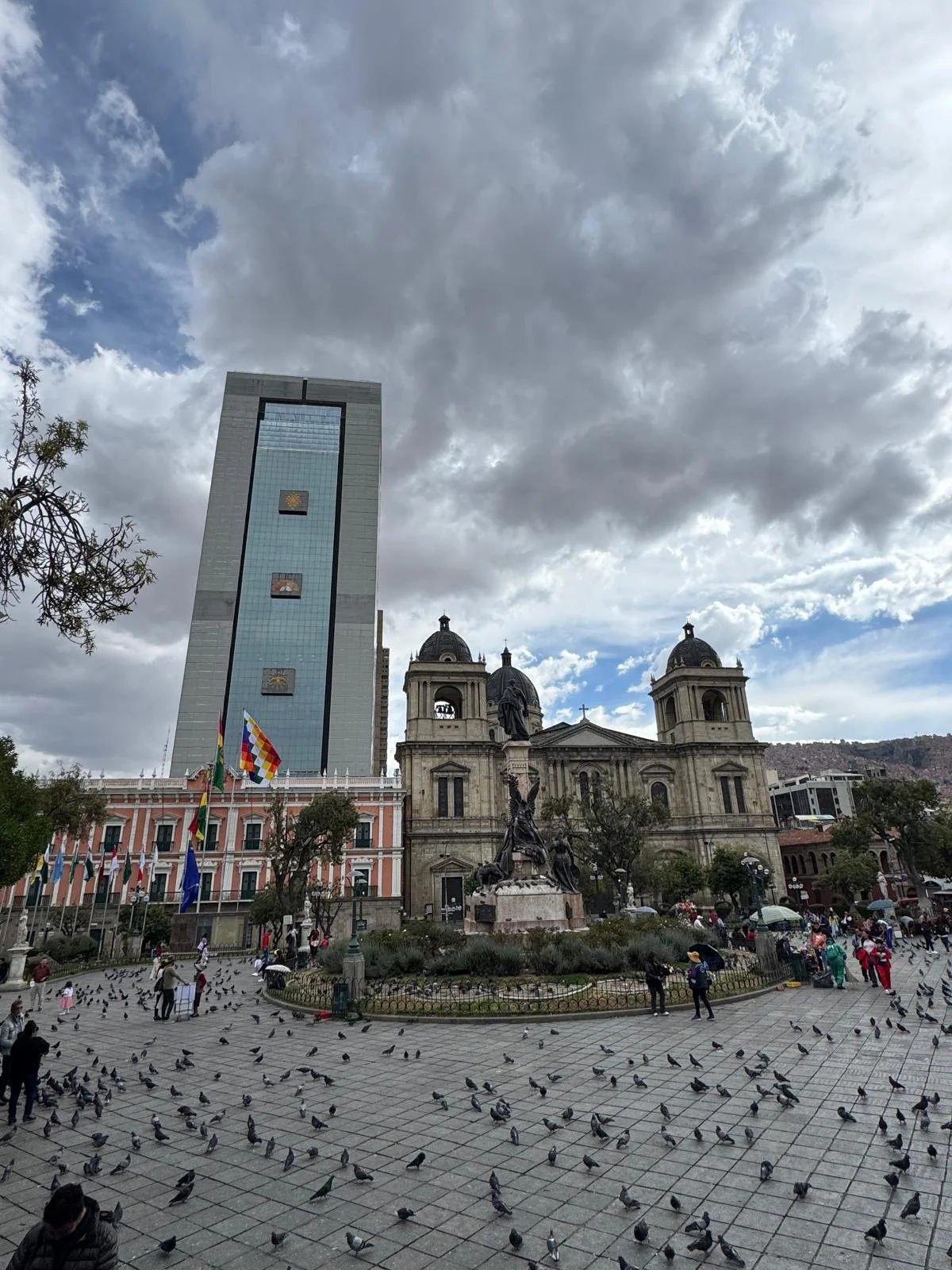
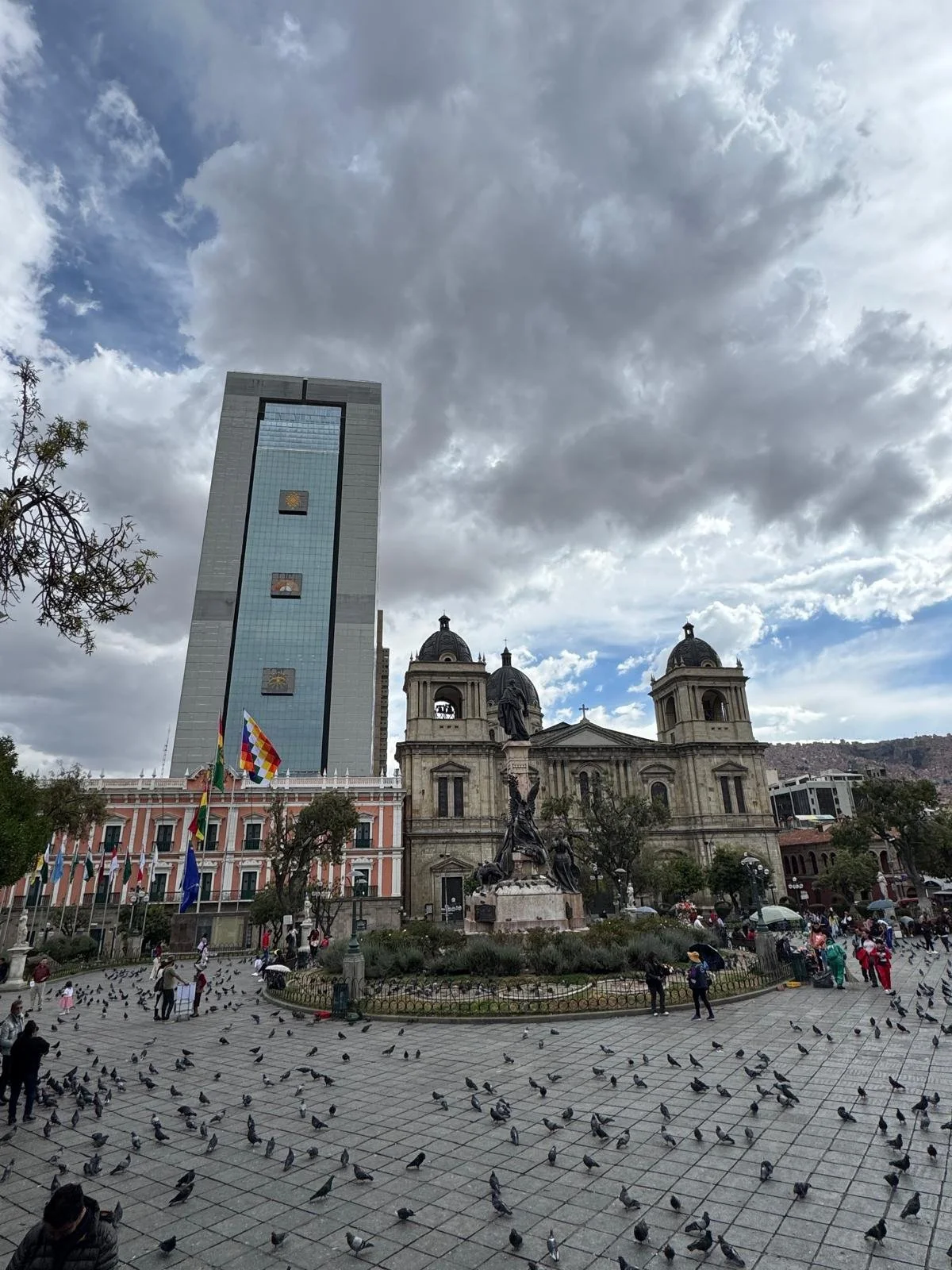
A walk around Plaza Murillo followed – this is the historical and political heart of La Paz in the Casco Viejo (Old Town) designed in 1558, known as the “ground zero” of Bolivian politics. It’s the centre of government and houses the Presidential Palace (Palacio Quemado), the National Congress (in the modern building behind) and the Metropolitan Cathedral and then it was back to hotel for us. What a great day we had, our only day in Bolivia and I feel we really made the most of it and saw a lot of this city (thank you cable cars which made it a lot easier), and so many different aspects to it as well.
Sunday 22 March
Up at 4.30am today! Off to the airport for our flight back to Santiago. Through security and passport control and then another whole room of Narcotics Control with another belt for luggage. But wait, there’s more, when we got to the airbridge we all had to put our baggage in a line on one side of it and stand with our backs to the wall whilst a policeman with a sniffer dog went through it again!!! We wondered why it was such a long flight until we got on the plane and found we were going eastwards and stopping at Santa Cruz en route, handy as it’s given me time to write this blog!
So, this my friends is the last blog for our South American trip. We have an overnight in Santiago tonight, but by the time we negotiate the cast of thousands in Passport Control and get to the hotel, there will be no time for any more sightseeing. But certainly time for a final Pisco Sour!
We have absolutely loved this trip – we can’t believe how much we have done, seen and learnt along the way. It seems so long ago when we first arrived on 17 February, so much has happened in between. What an awesome time we have had – Chile, Argentina, and again, Chile, Argentina, Uruguay, Argentina, Peru, Bolivia and Chile again in and out, passports always at the ready, various entry forms completed, notepad for facts for my blog, living out of the suitcase for a good part of it. Another “trip of a lifetime” under our belts and what a trip it was!
As always, a special thanks to my son Dan for regularly posting this blog for me, 26 of them on this trip, with so many accompanying photos – he’s a gem!