

Copacabana – in Bolivia, not Brazil!
Friday 20 March
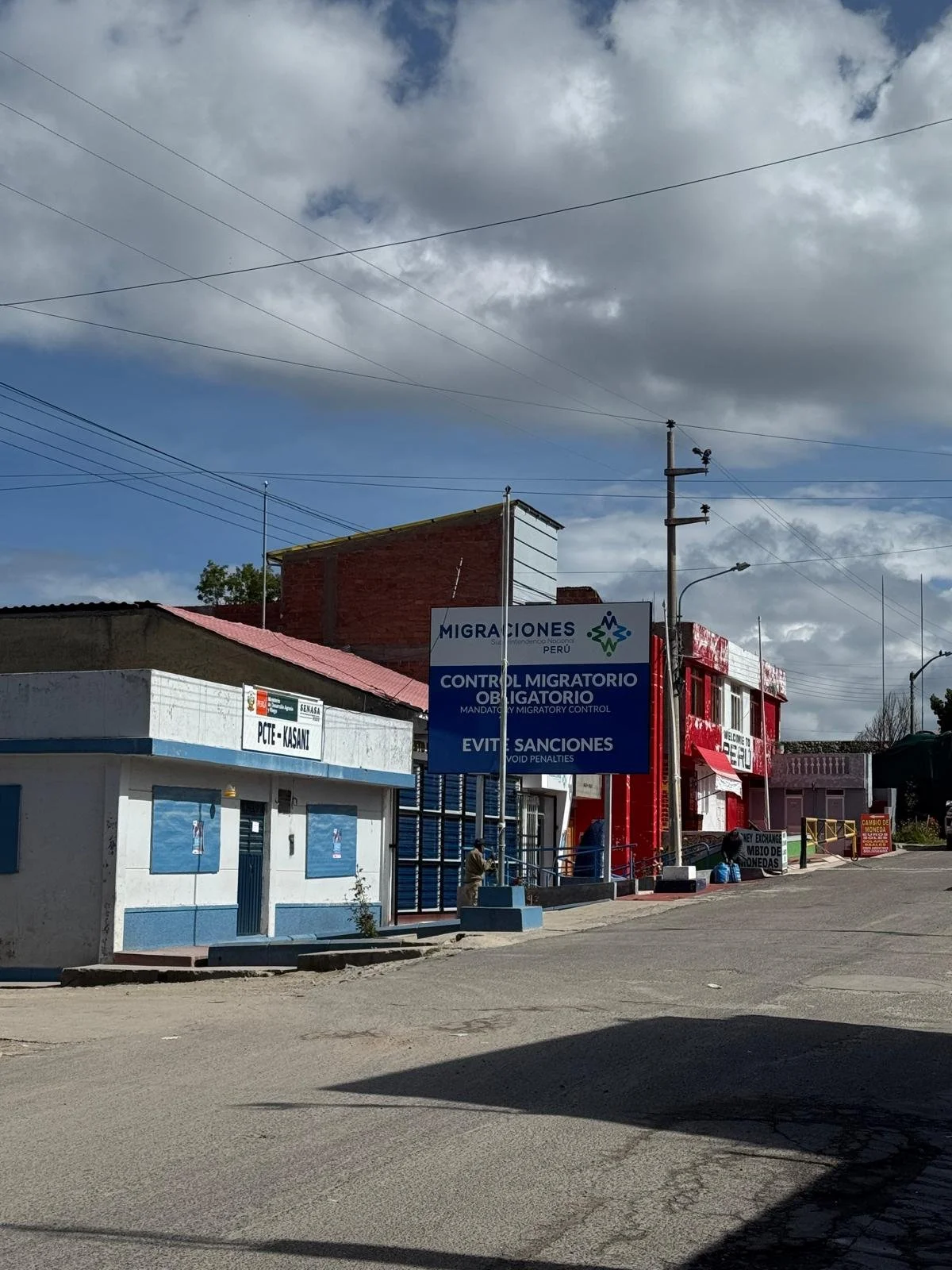
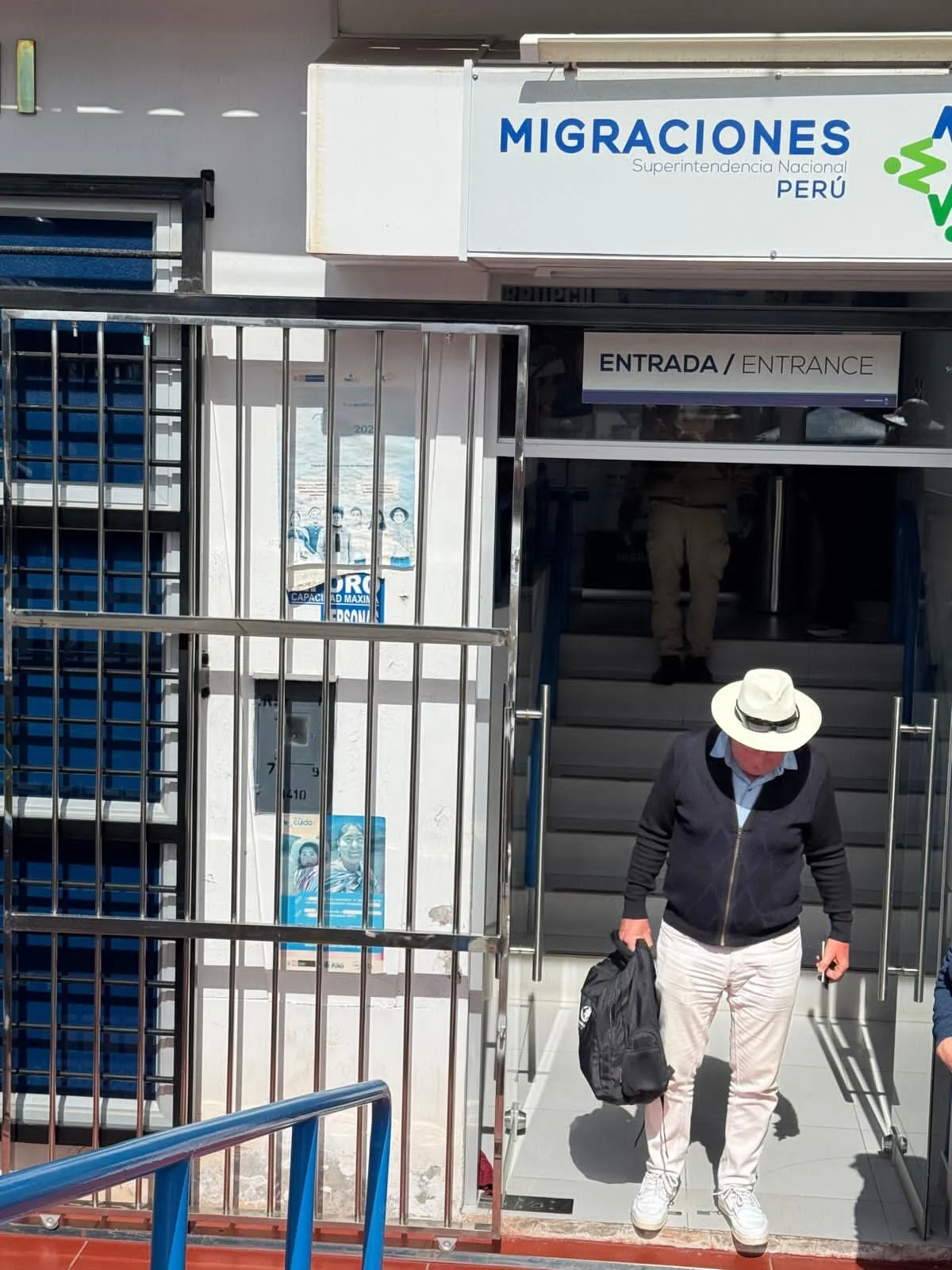
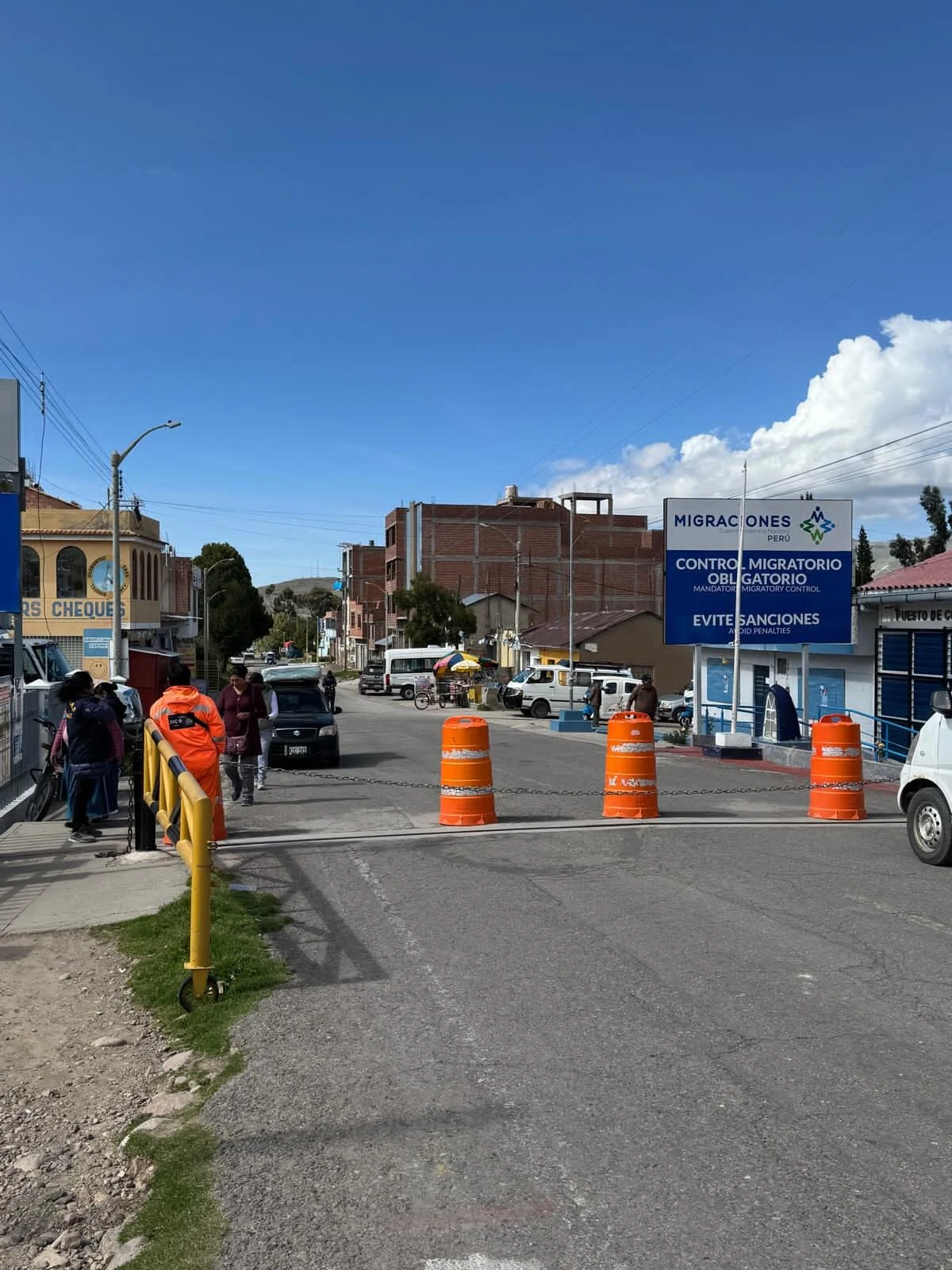
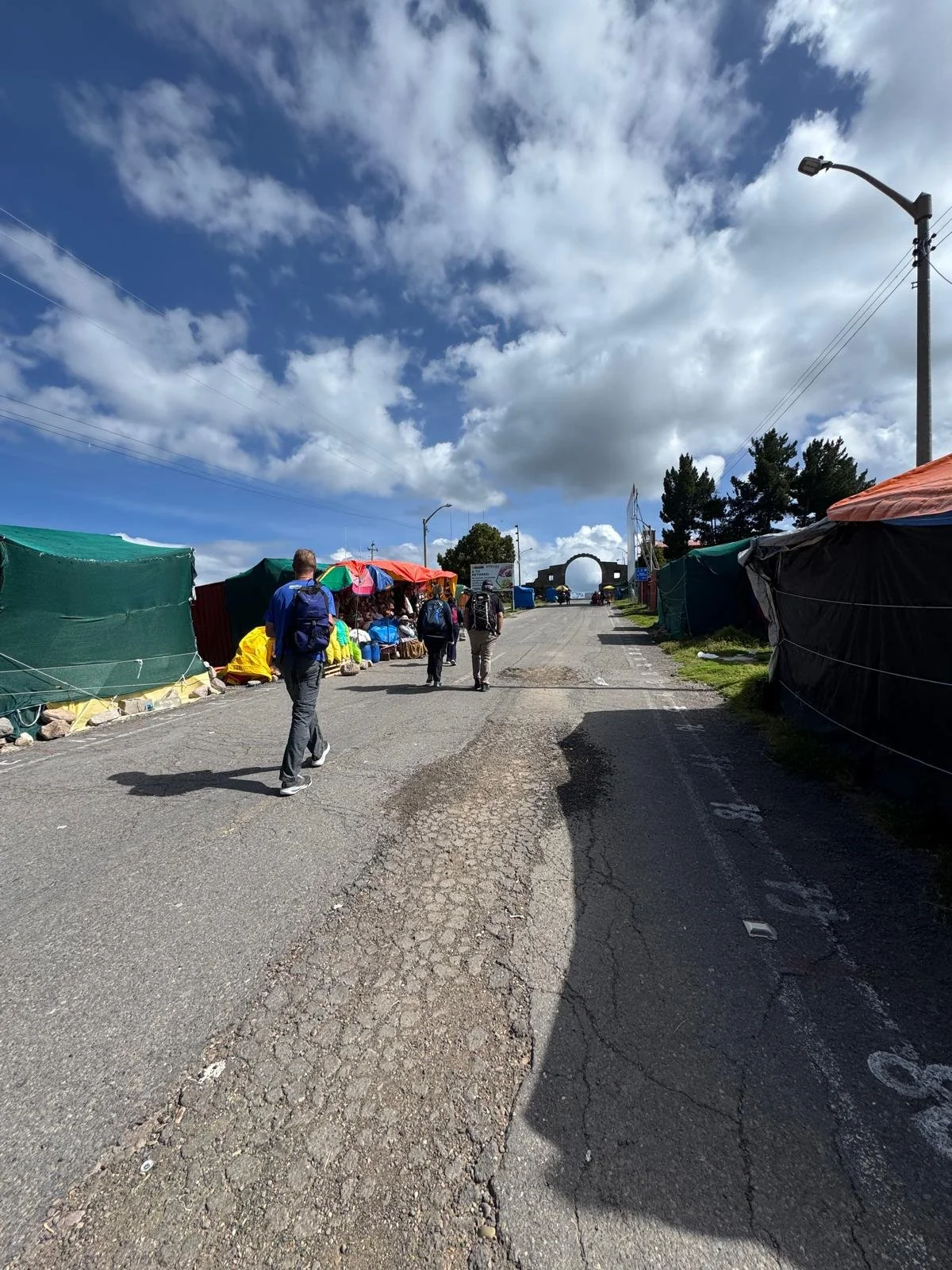
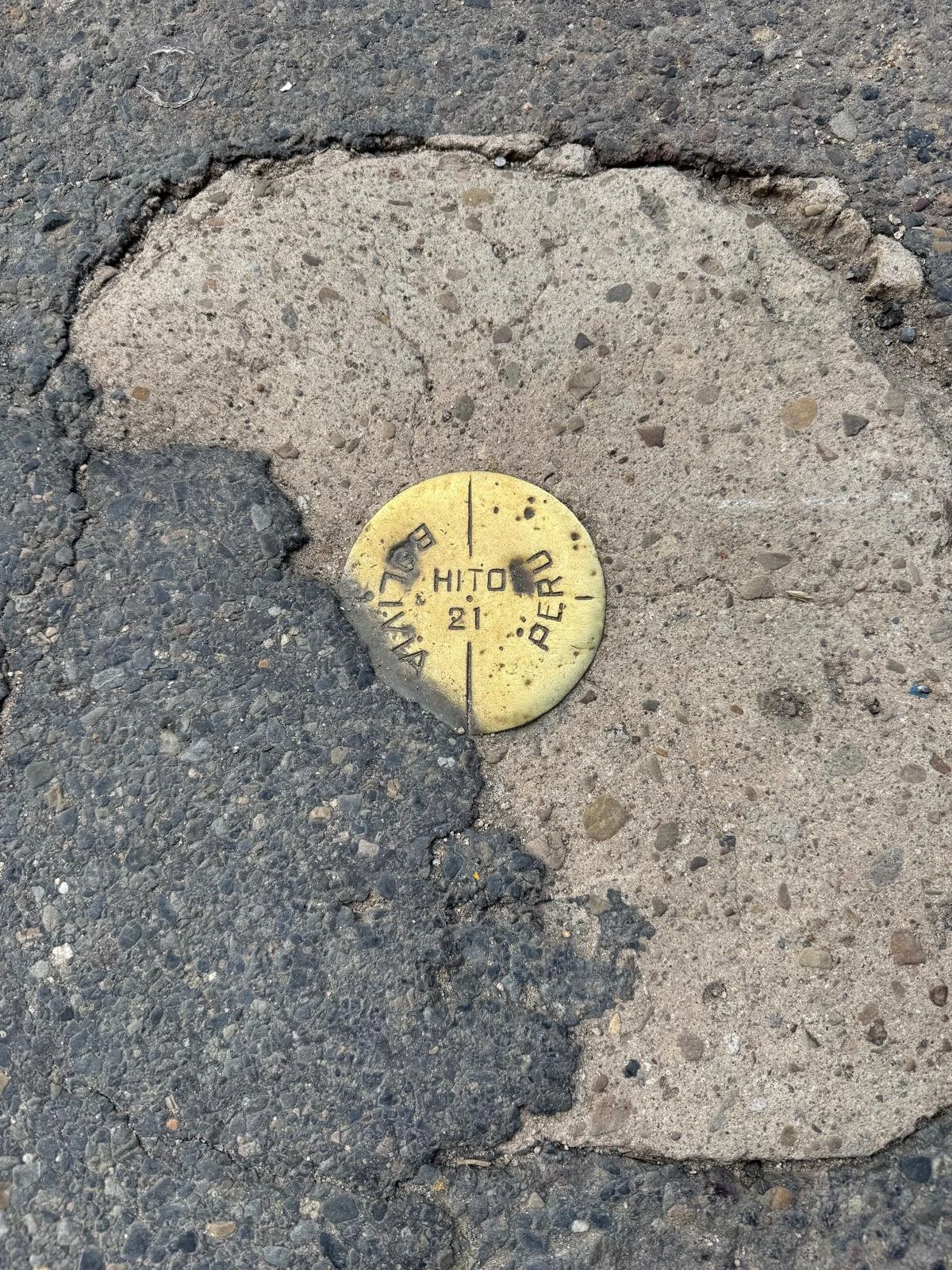
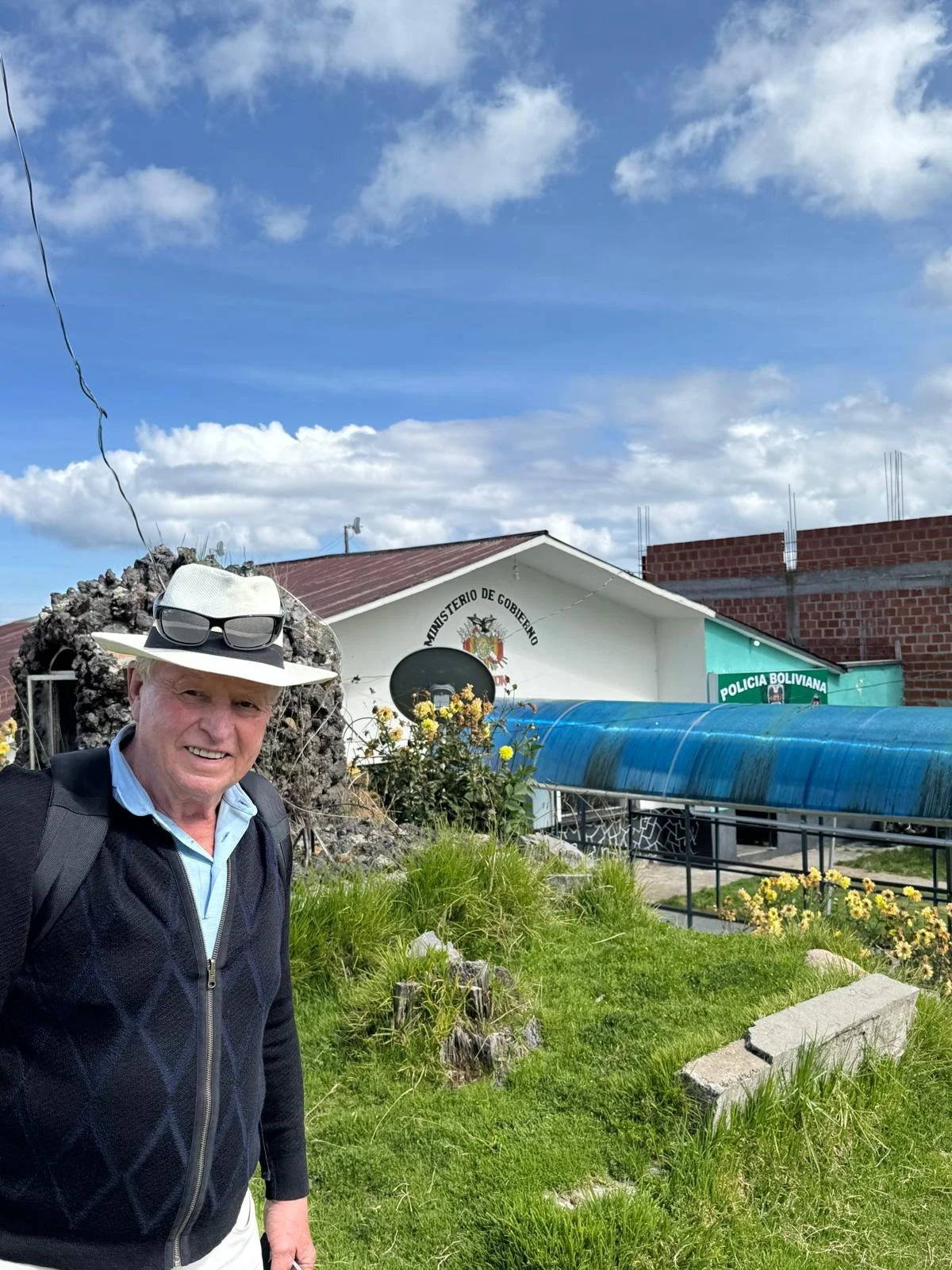
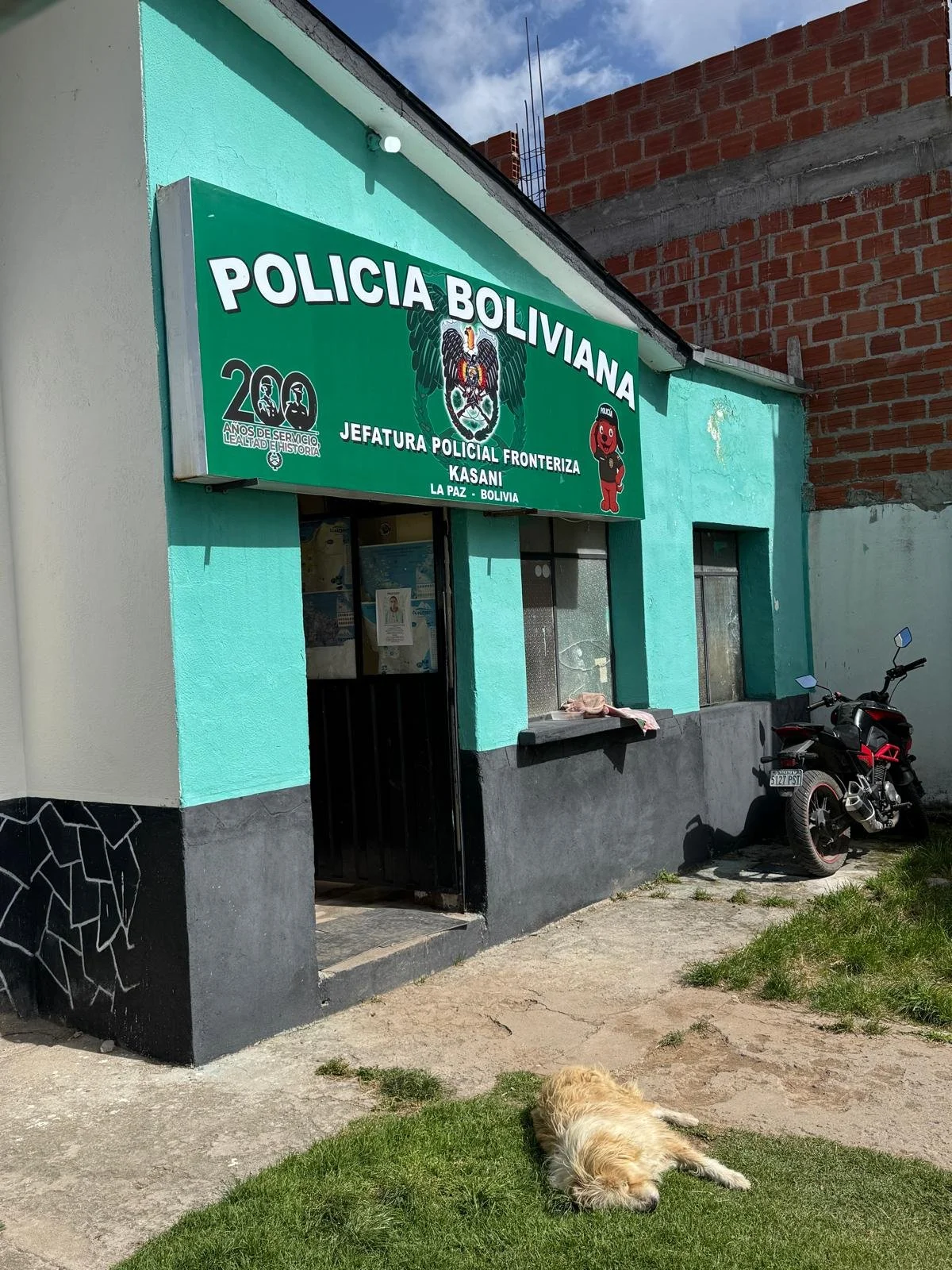
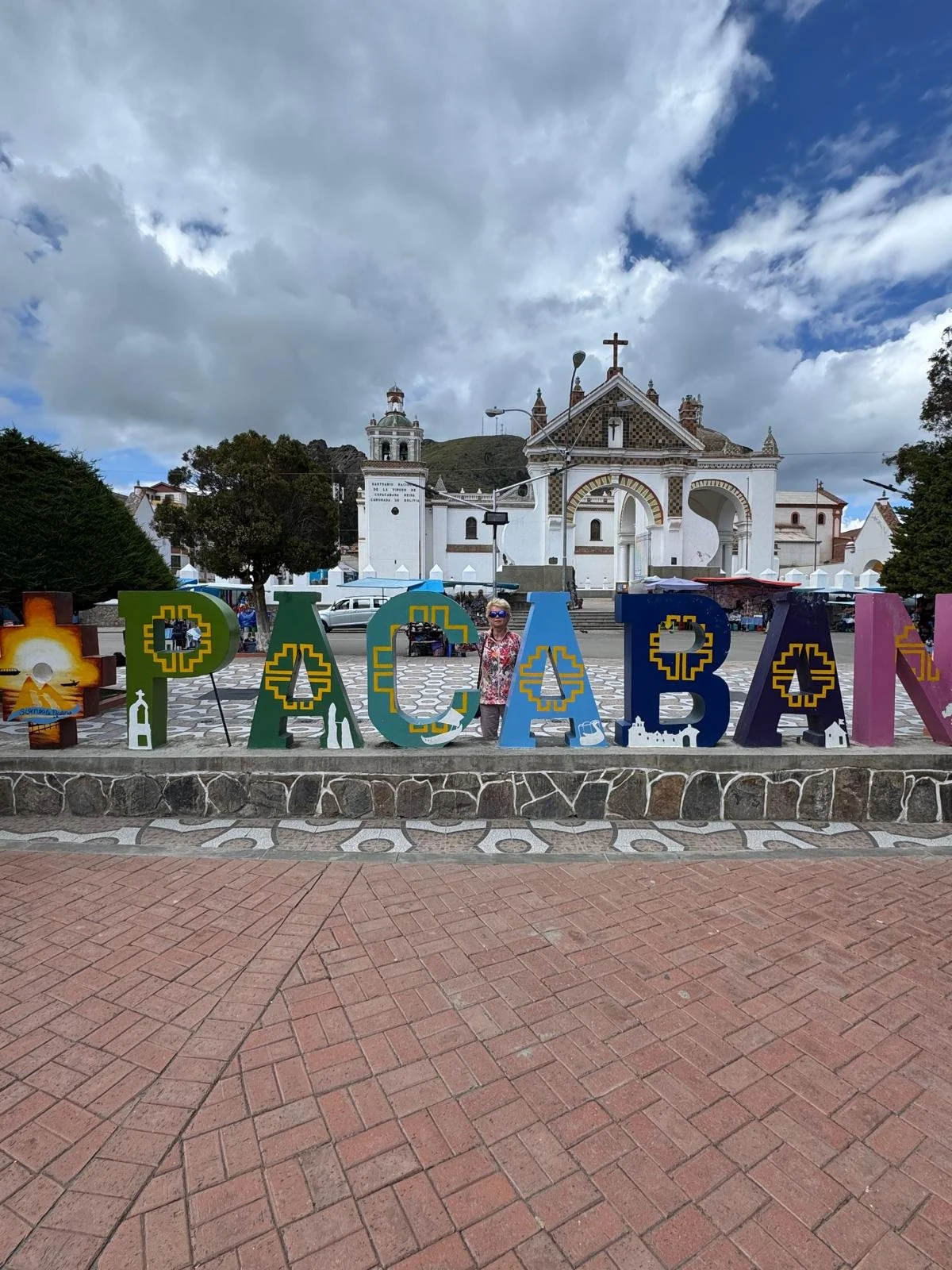
You won’t be surprised when I tell you we had a 6.30am departure this morning! We have lived out of our suitcases since we got off the ship in Buenos Aires last week, thank goodness for cell packs! A 2 ½ hour drive and we were at the Bolivian border! Have a look at the photographs, so casual, an old dusty road which our guide took us through to the Peruvian customs exit and handed us over to our Bolivian guide (sort of like handing over prisoners really I suppose!) and we walked up the road with her to the Bolivian customs. Our suitcases wer squashed into a tuk tuk and driven over to us! Our entry was in a place called Kasani, and we were then driven a short distance to Copacabana. Known for its white-washed, red-roofed buildings, it is a charming high altitude Bolivian town on the shores of Lake Titicaca and serves as the main gateway to Isla del Sol – Sun Island. Built between Mount Calvario and Mount Niño Calvario, the town has around 6,000 inhabitants and its religious celebrations, cultural heritage and traditional festivals are well known throughout Bolivia.
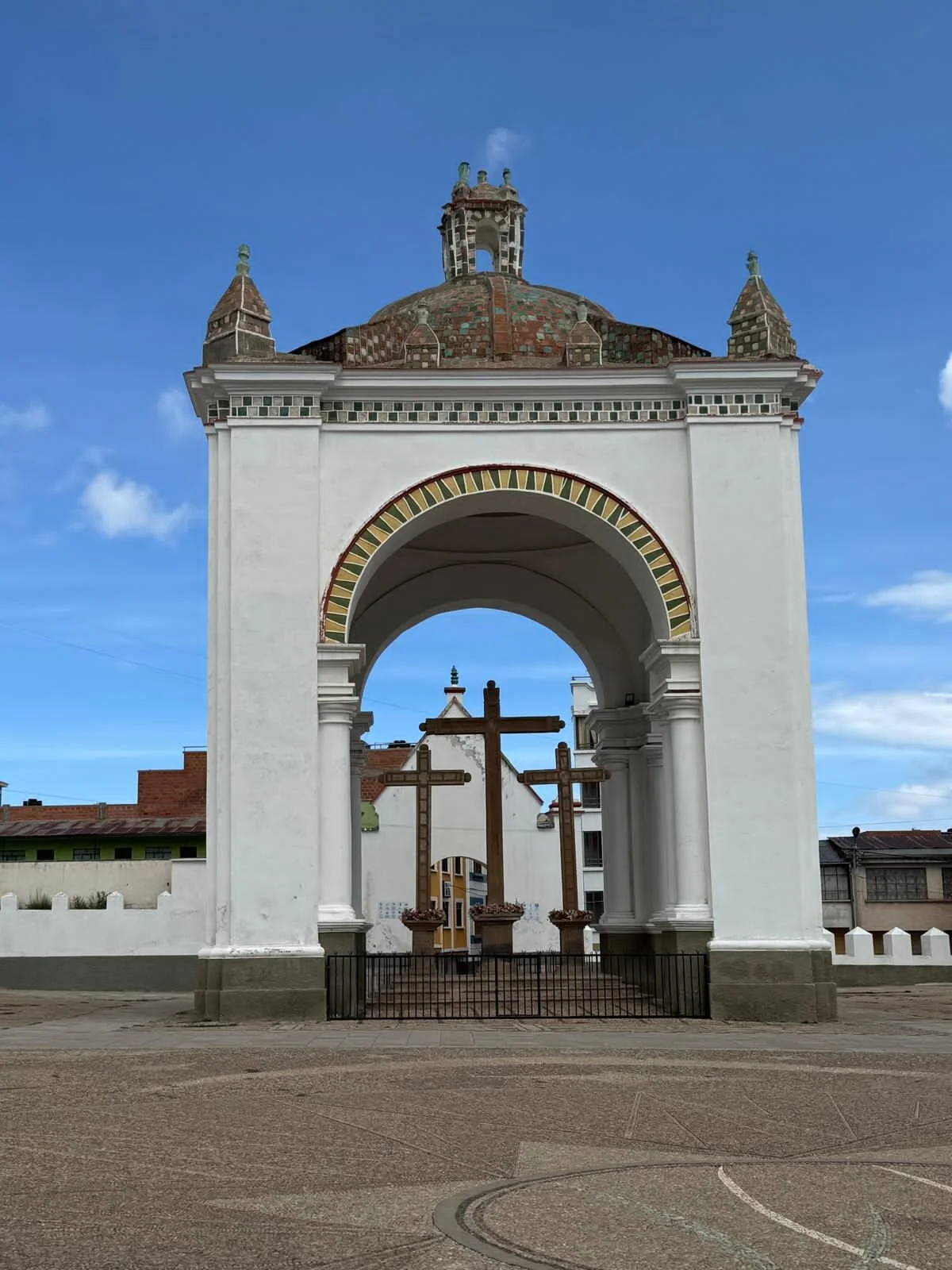
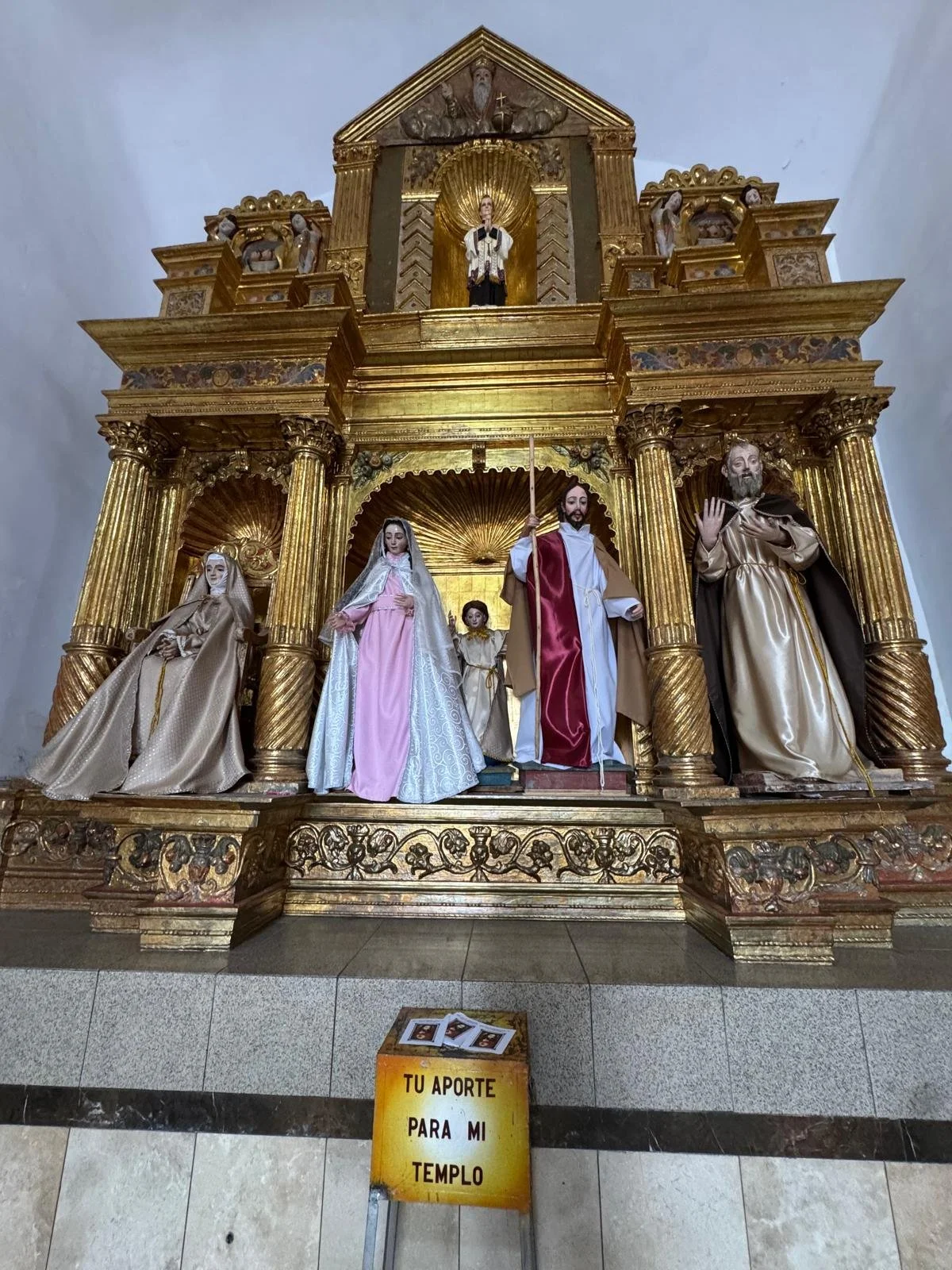
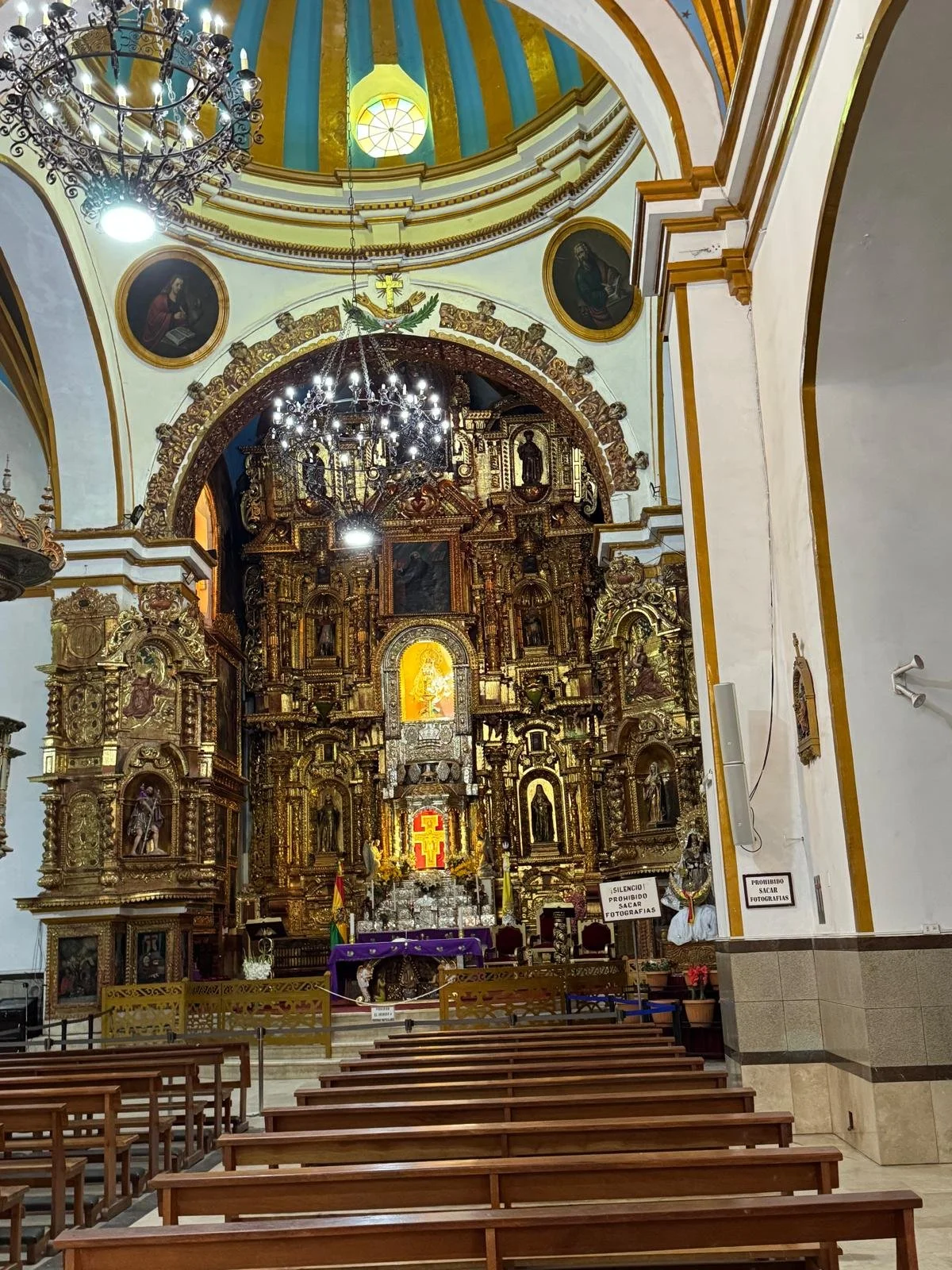
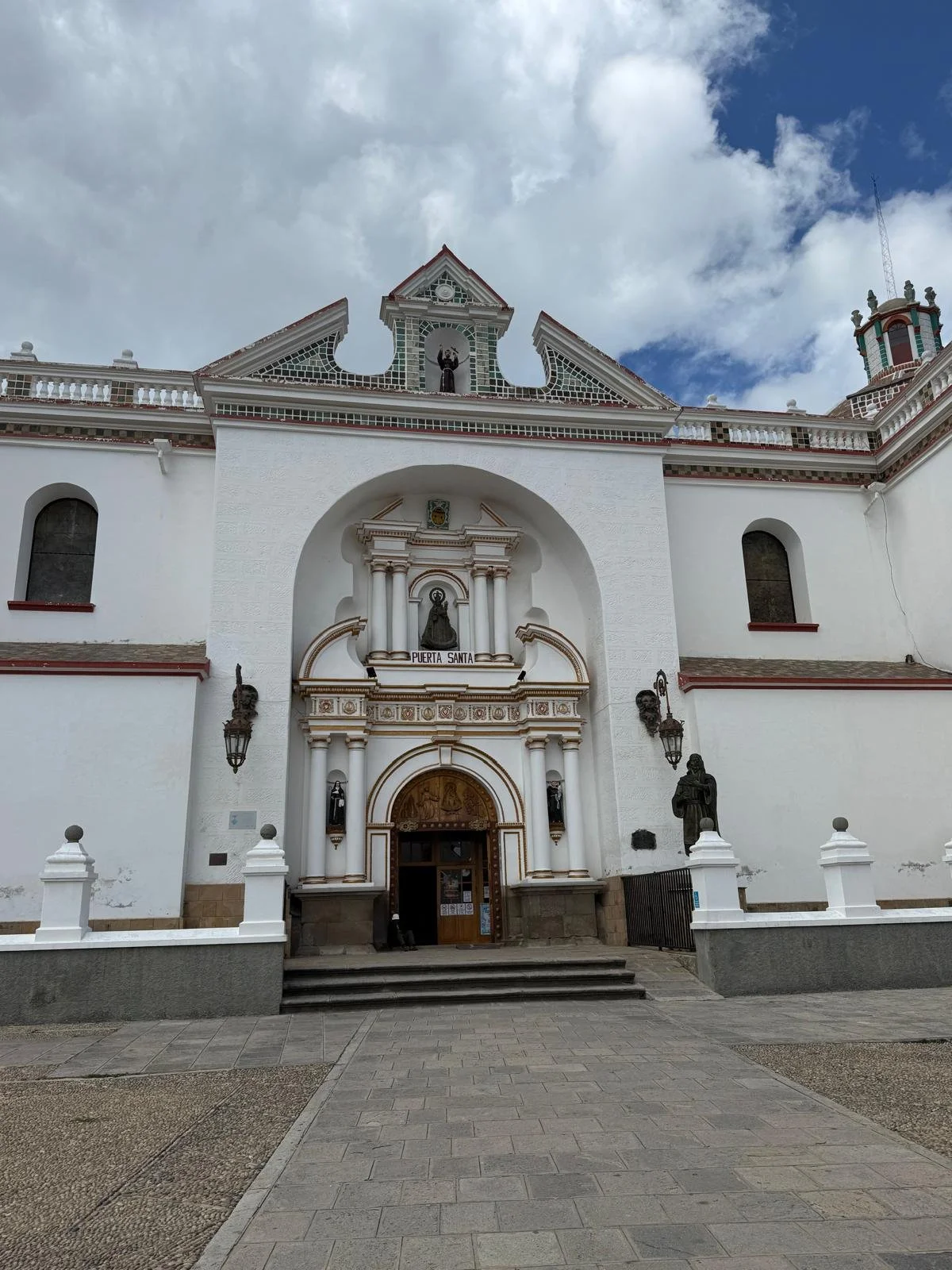
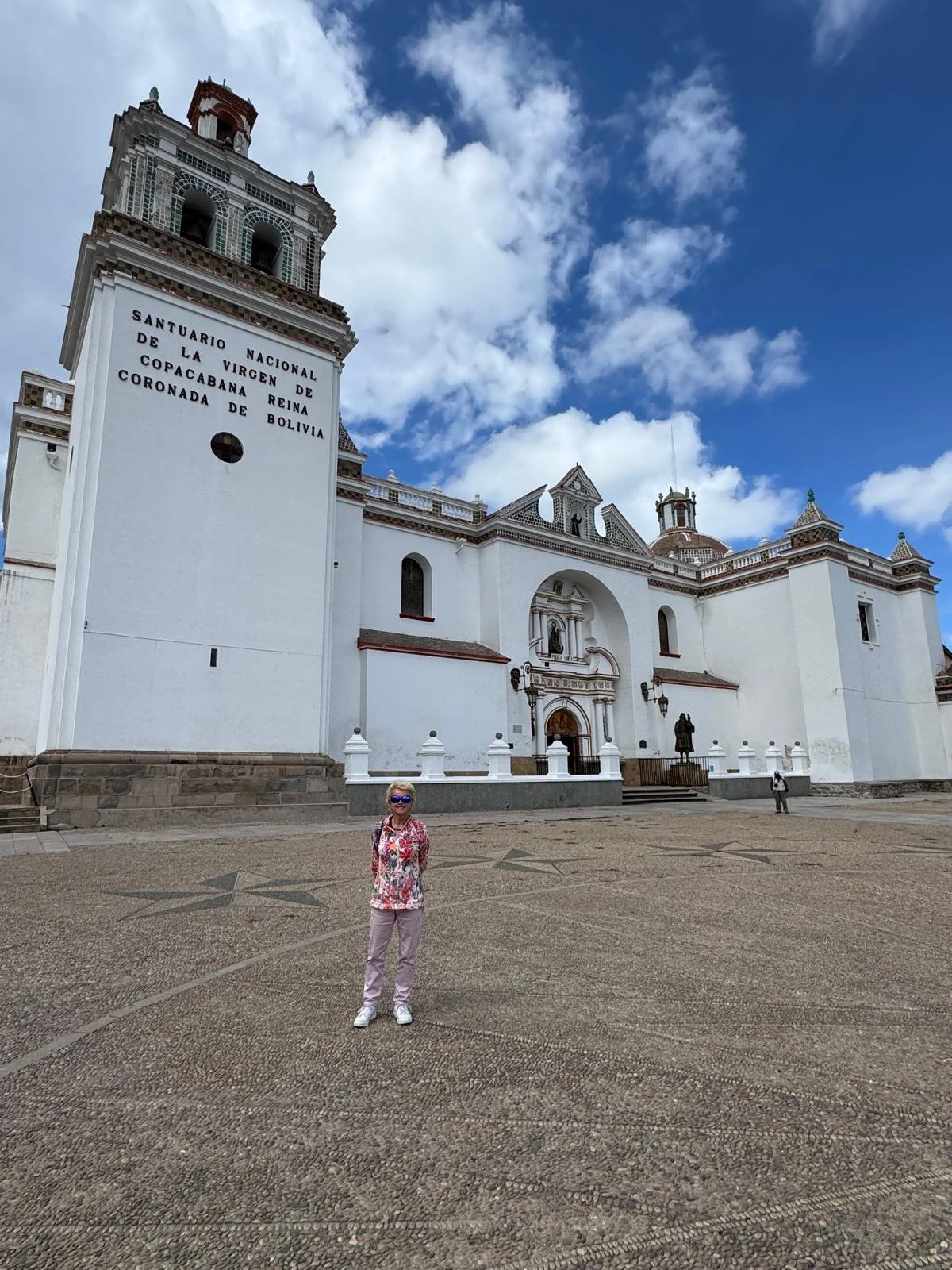
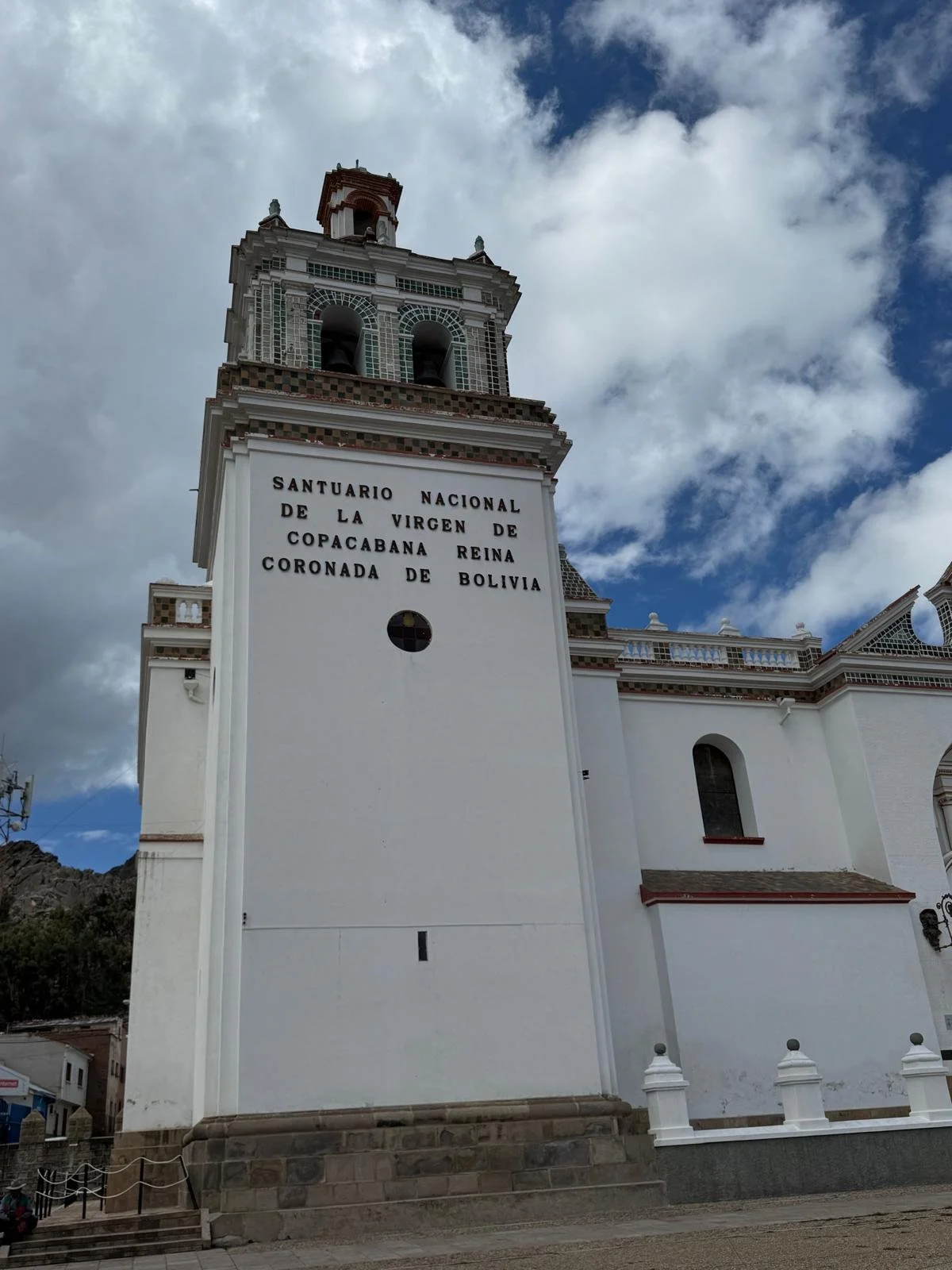
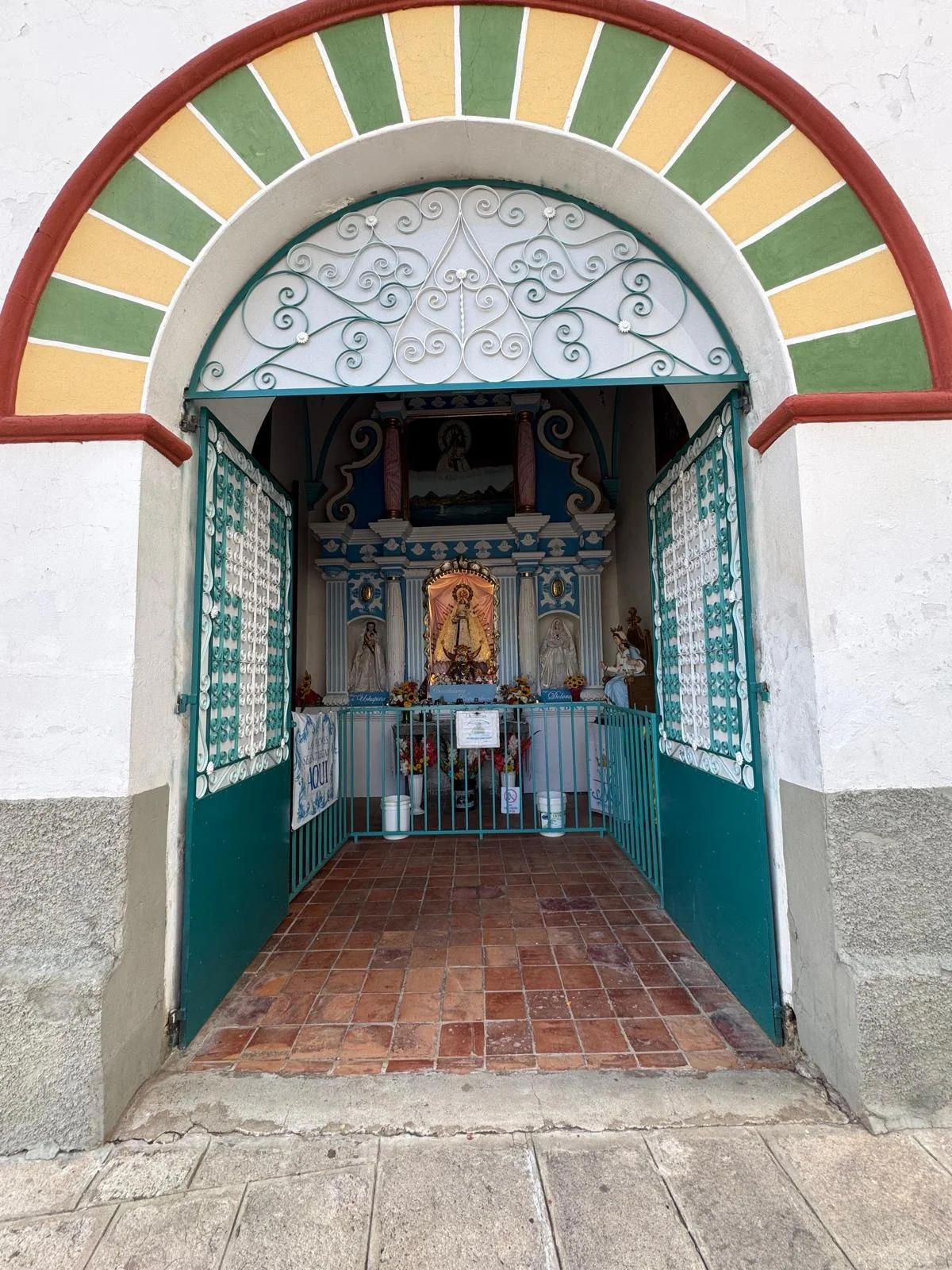
We walked through the main town – the highlight of which was the beautiful Basilica of our Lady of Copacabana, dedicated to Our Lady of Copacabana, the patron saint of Bolivia, which is a shrine for pilgrims from Bolivia and Peru on 6 August, the feast of its patron saint.
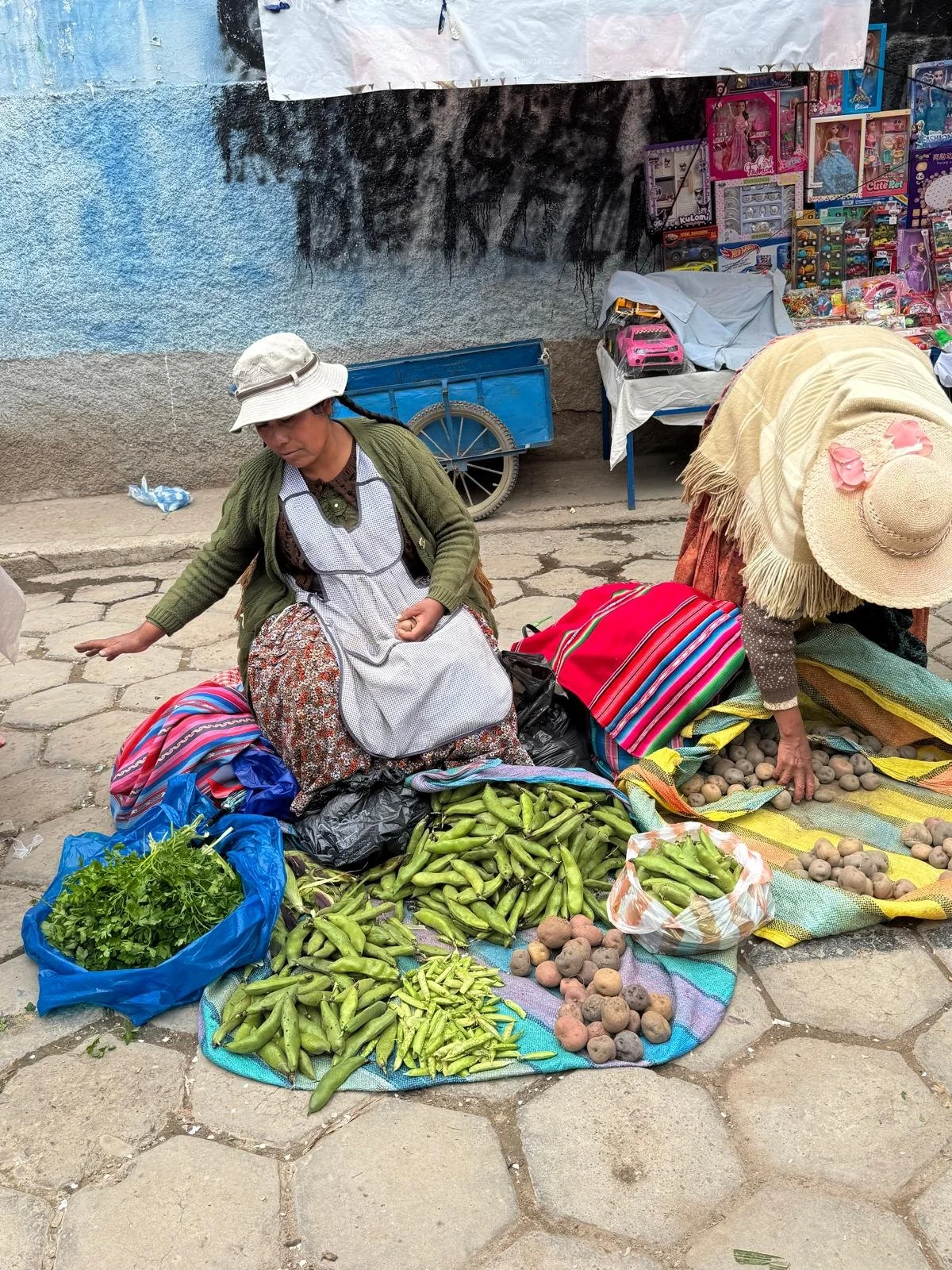
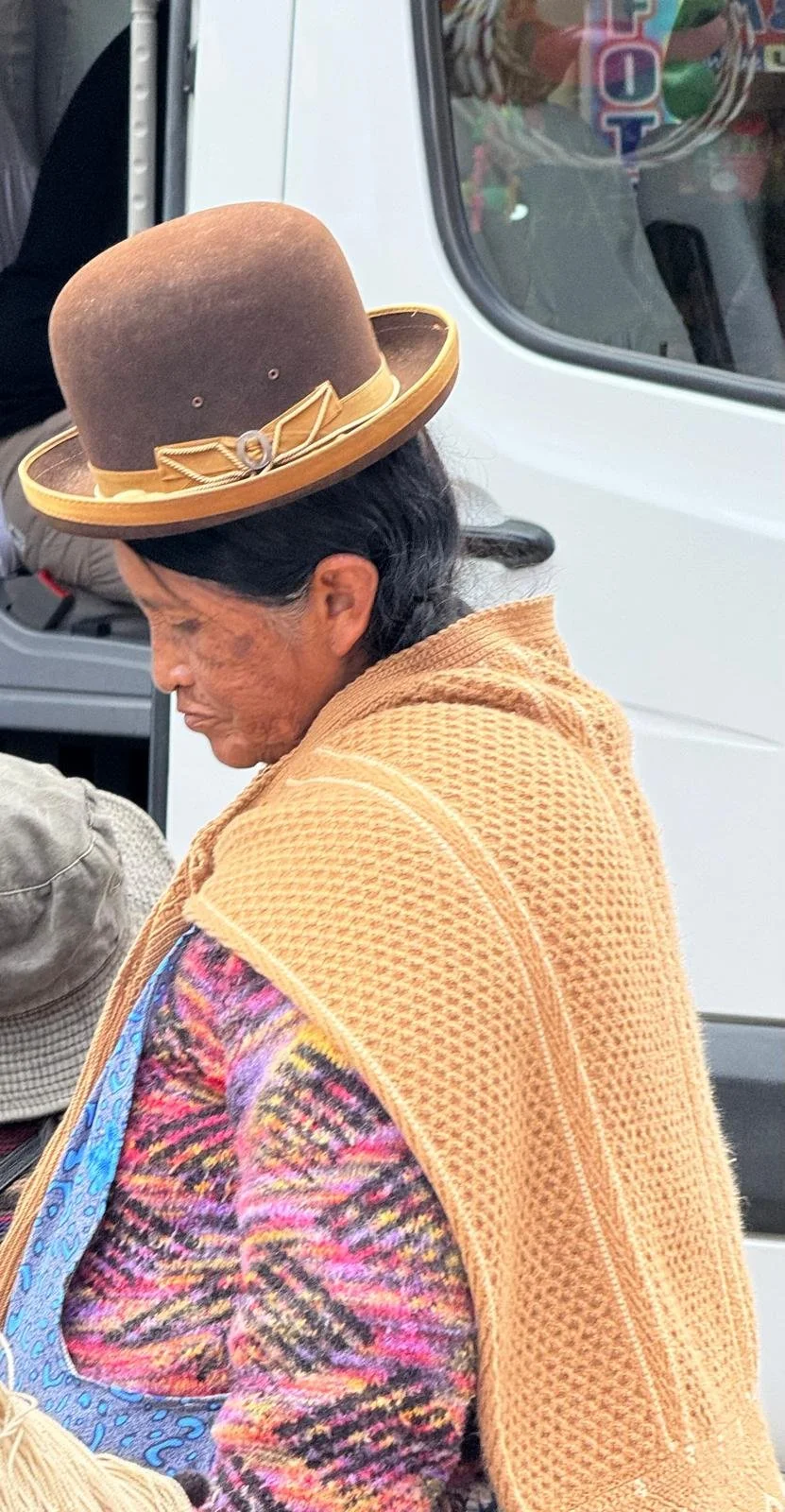
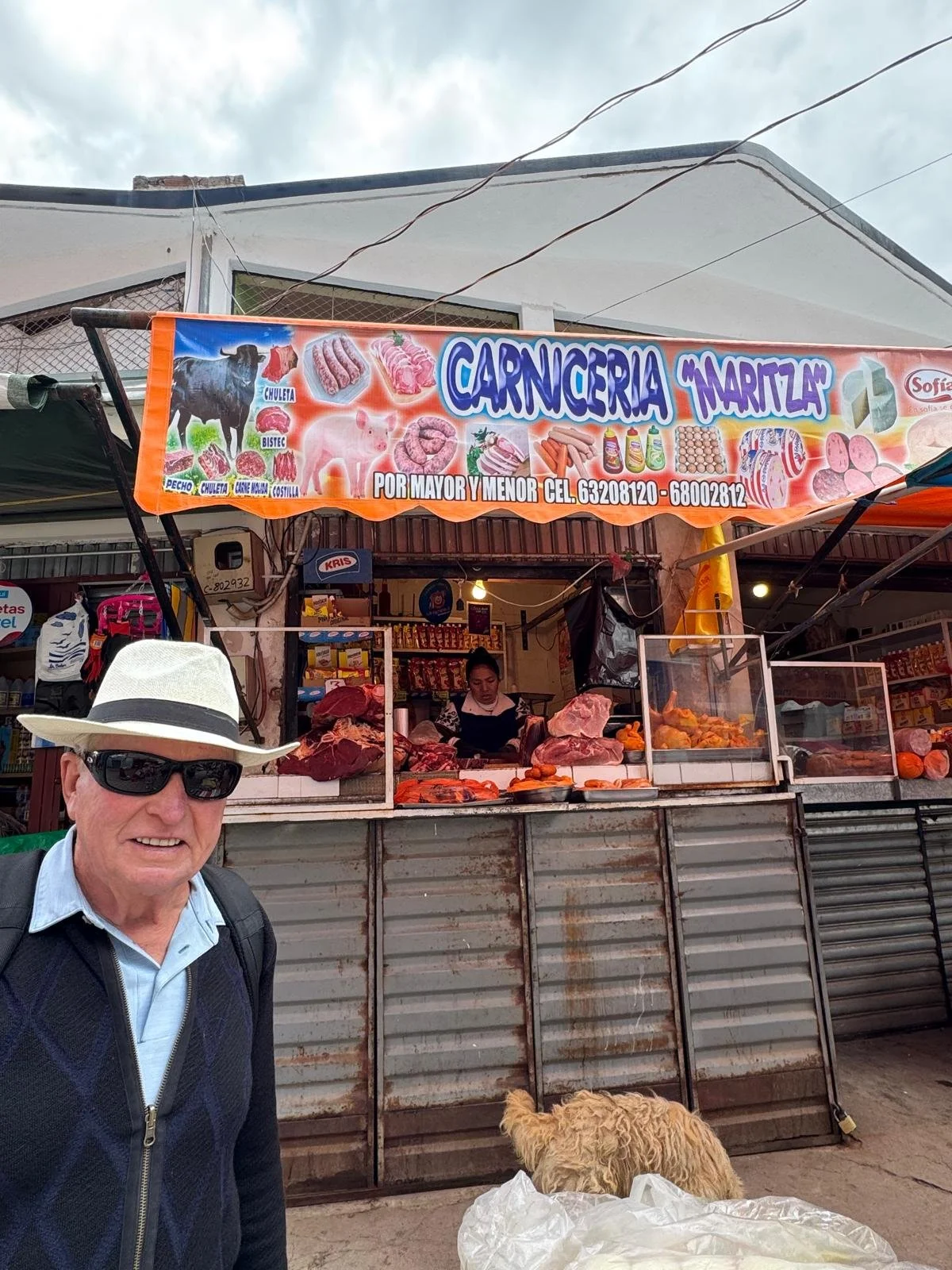
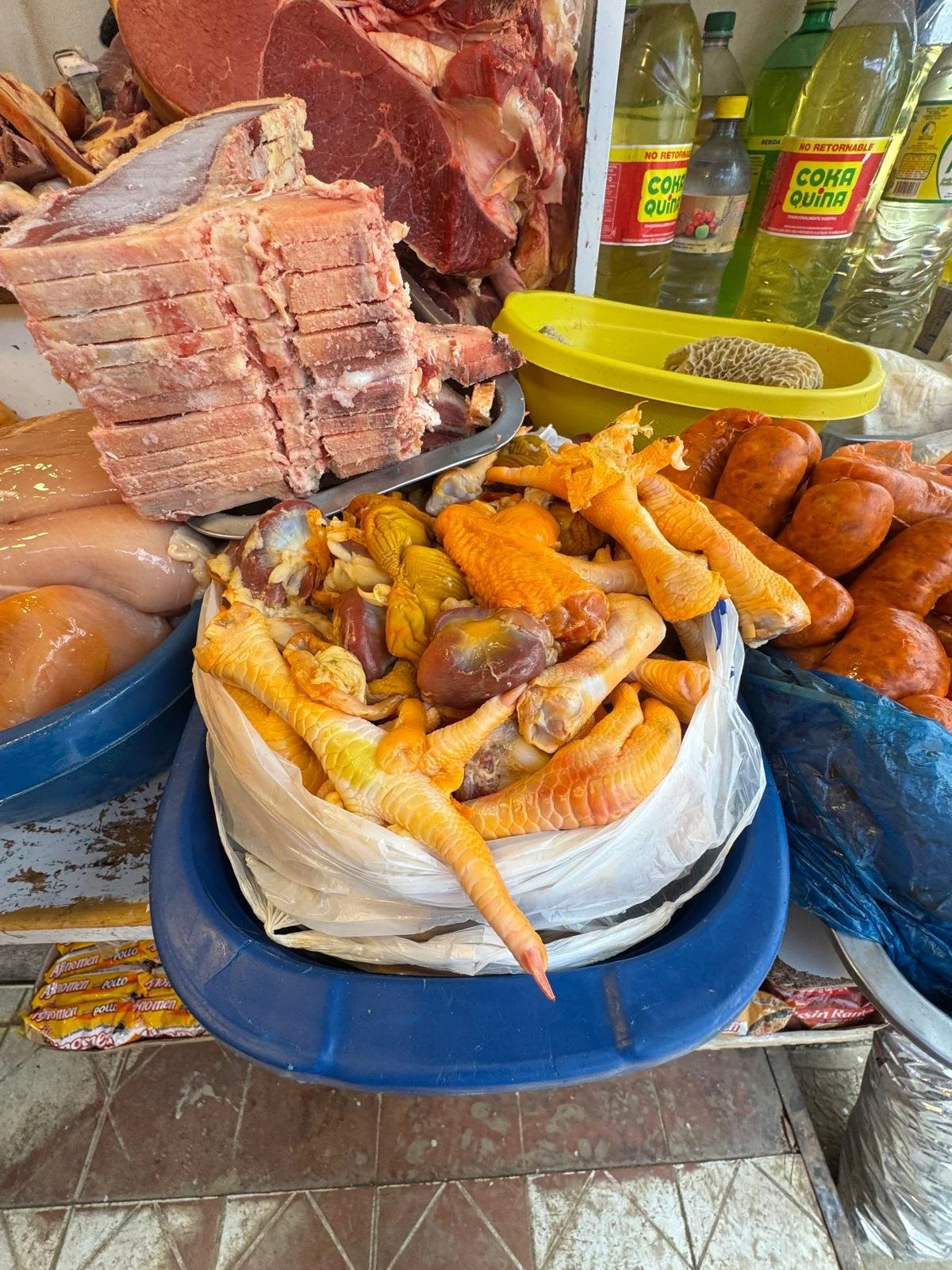
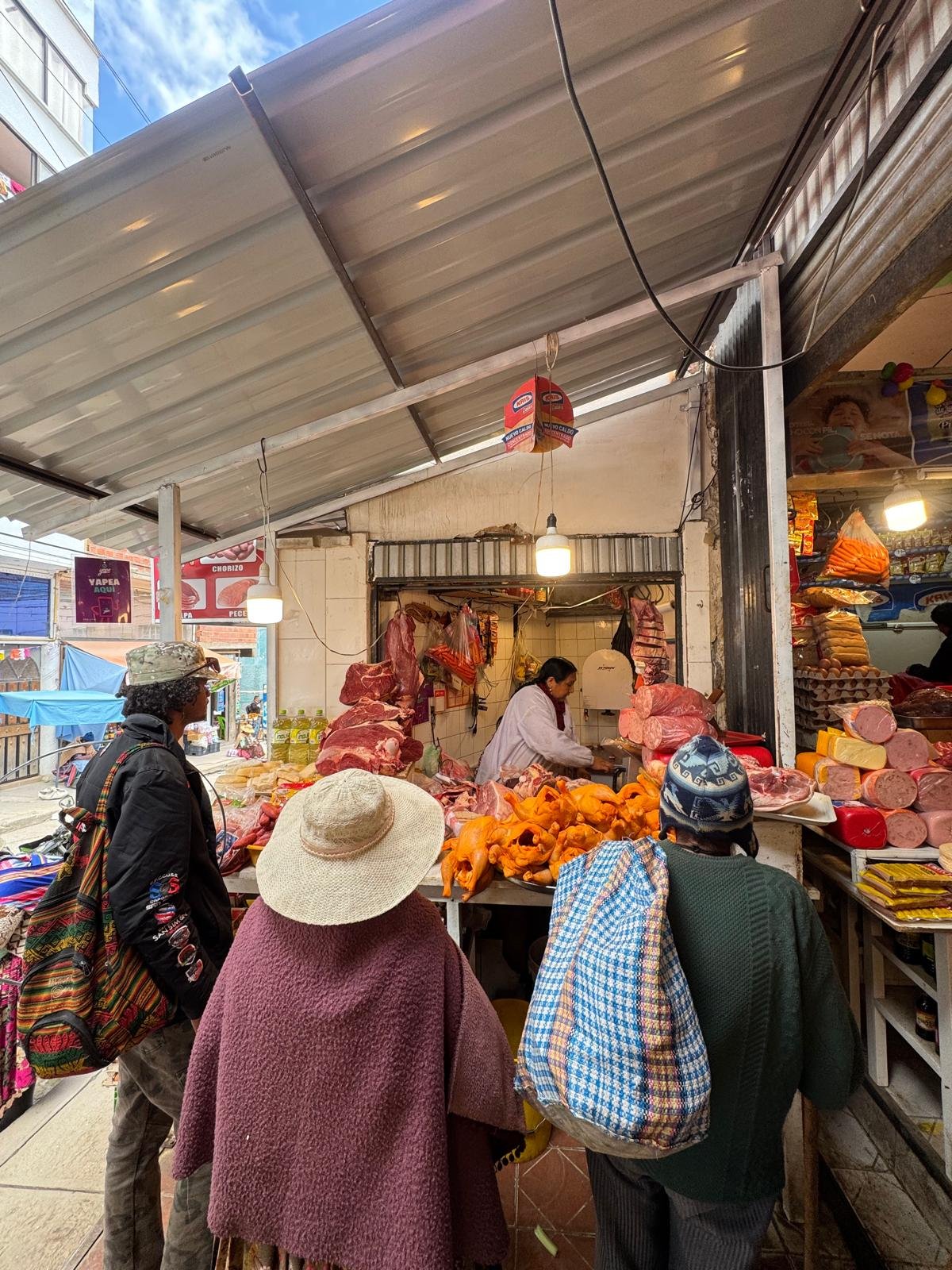
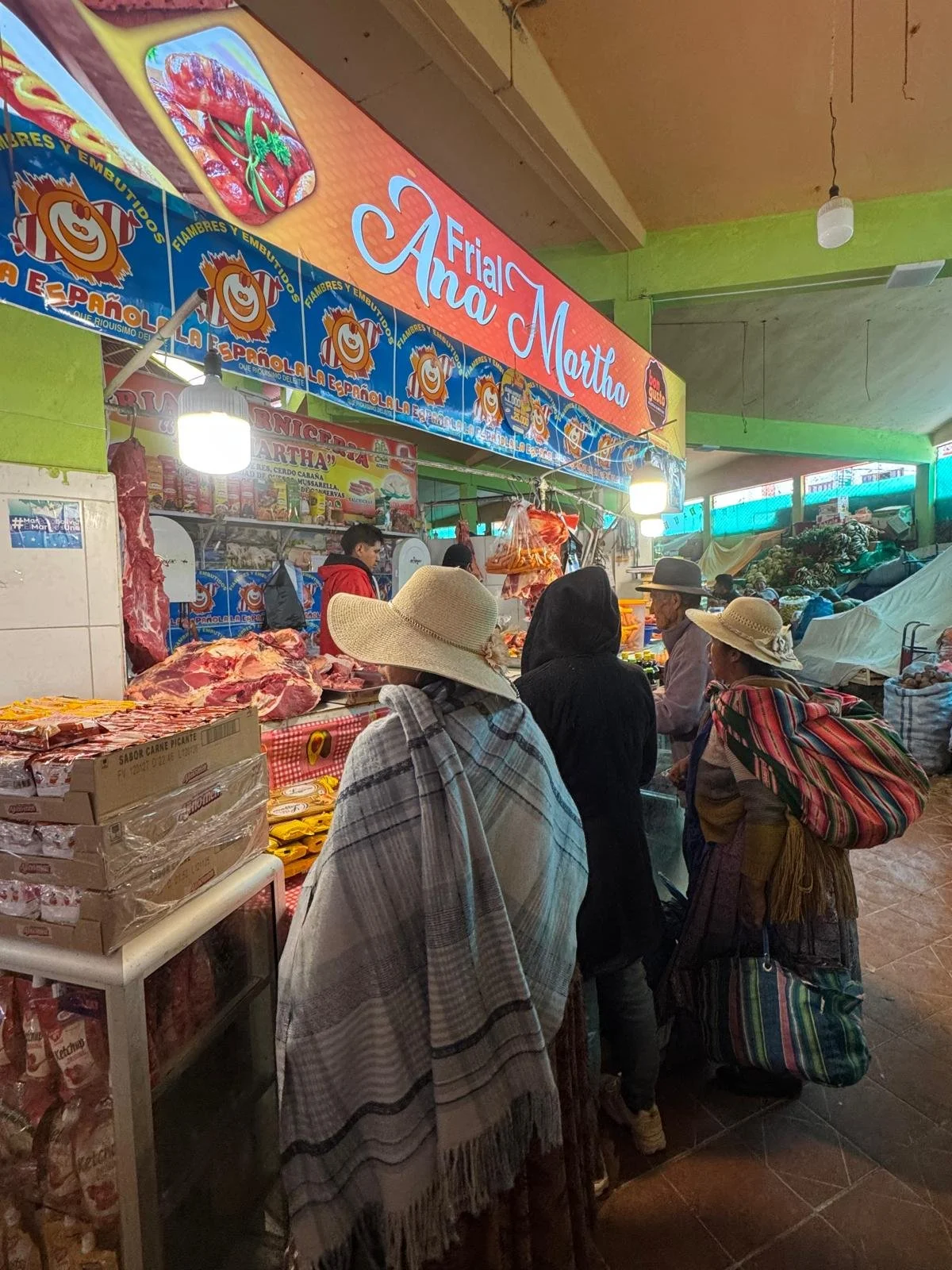
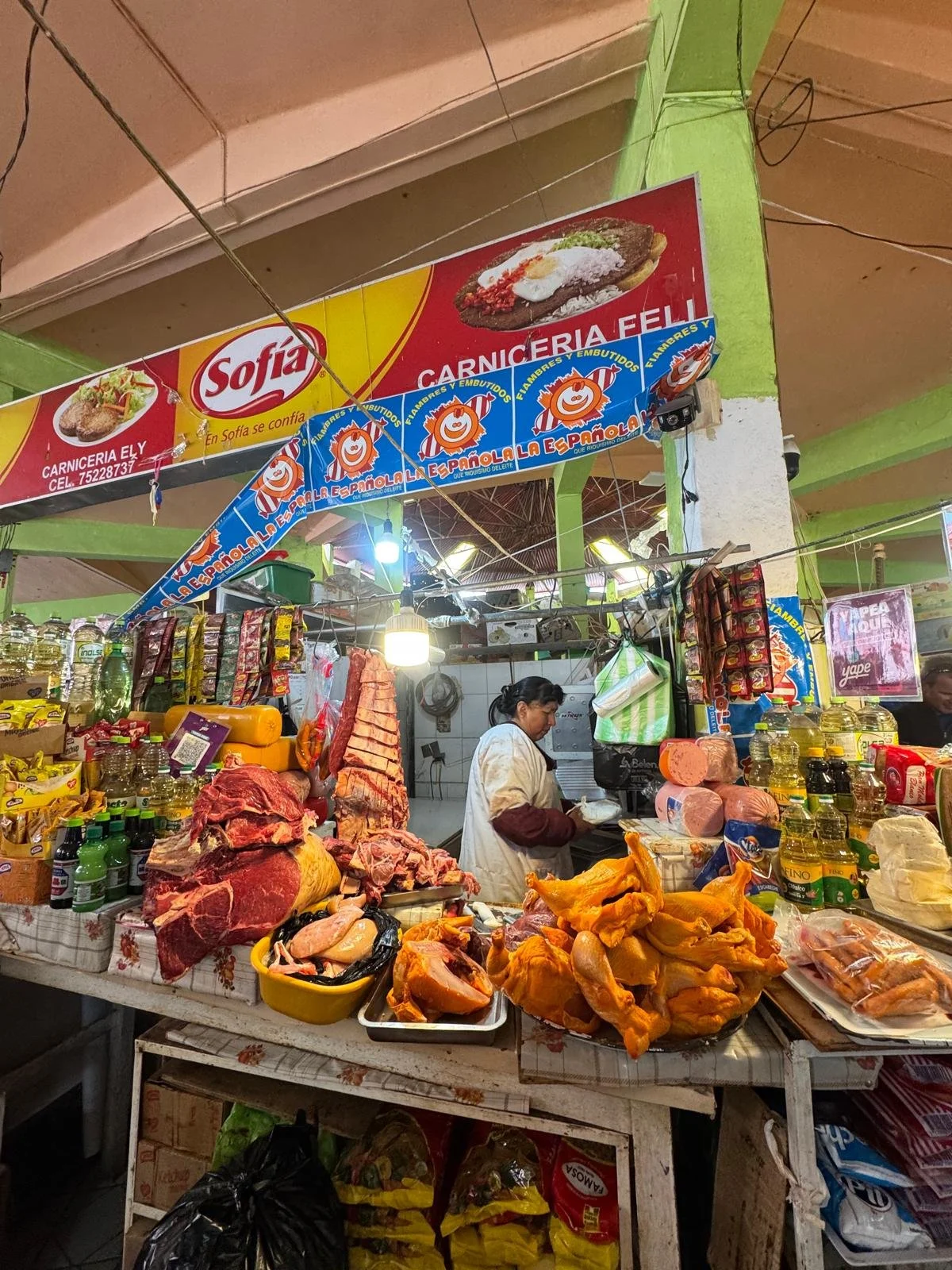
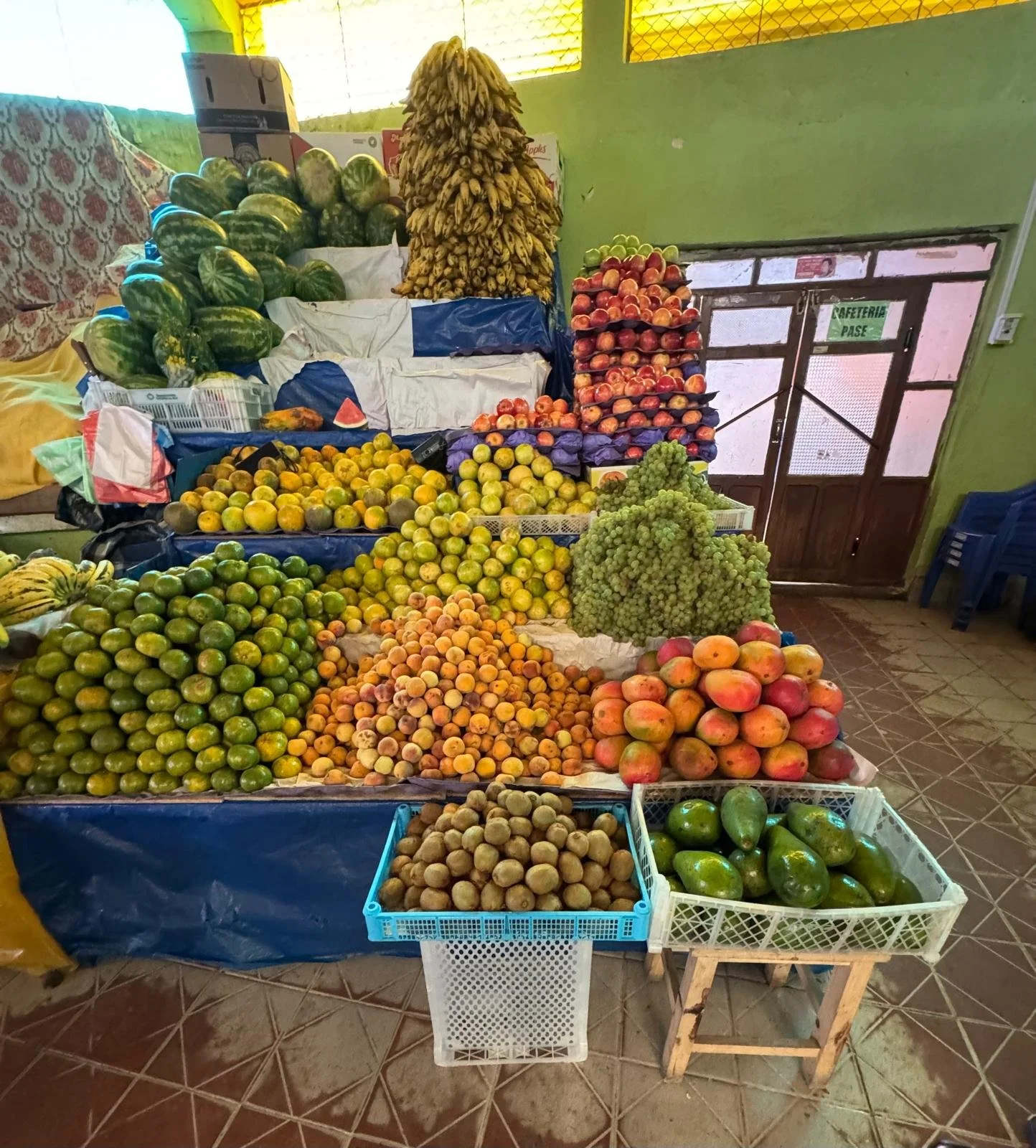
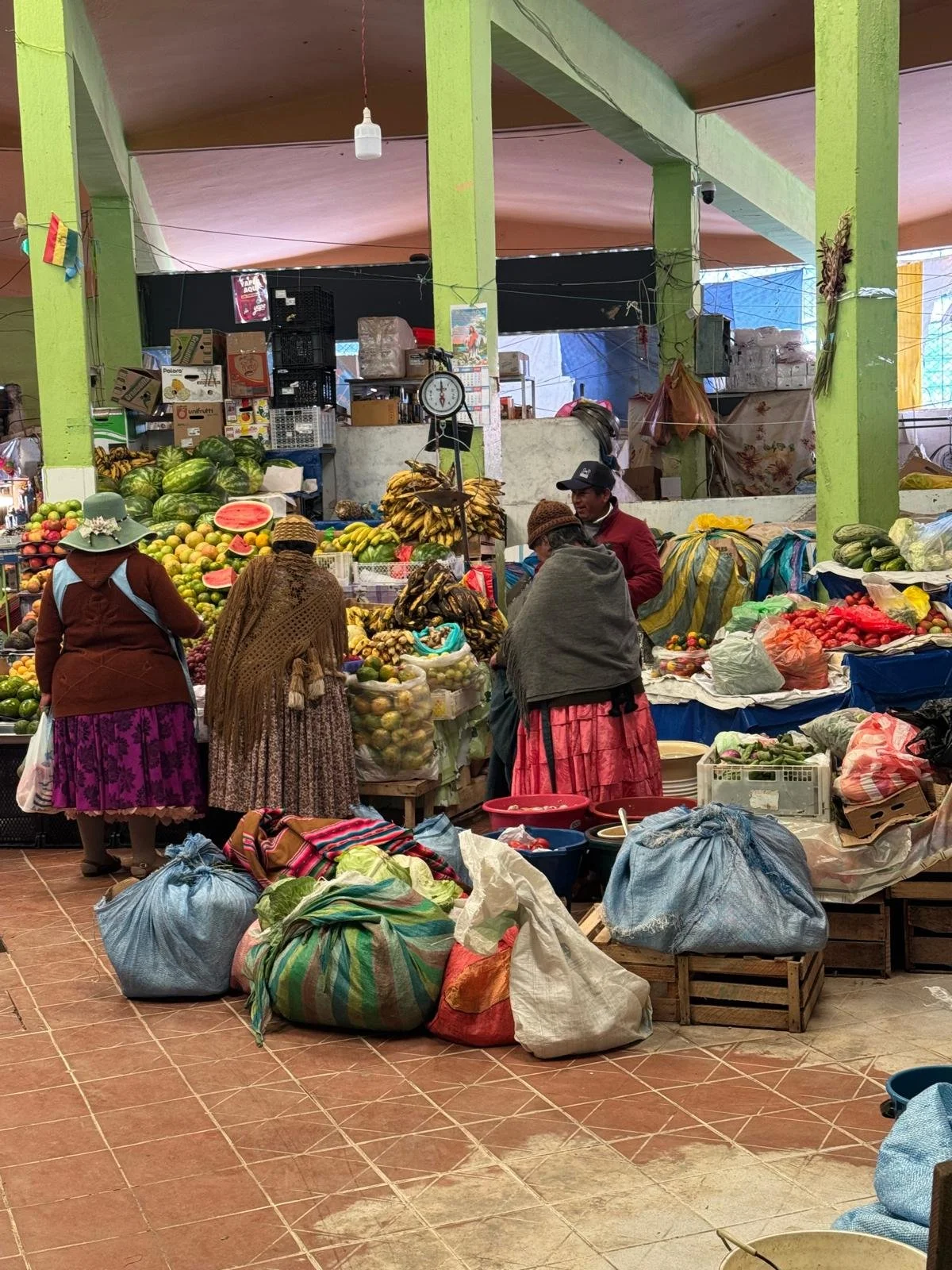
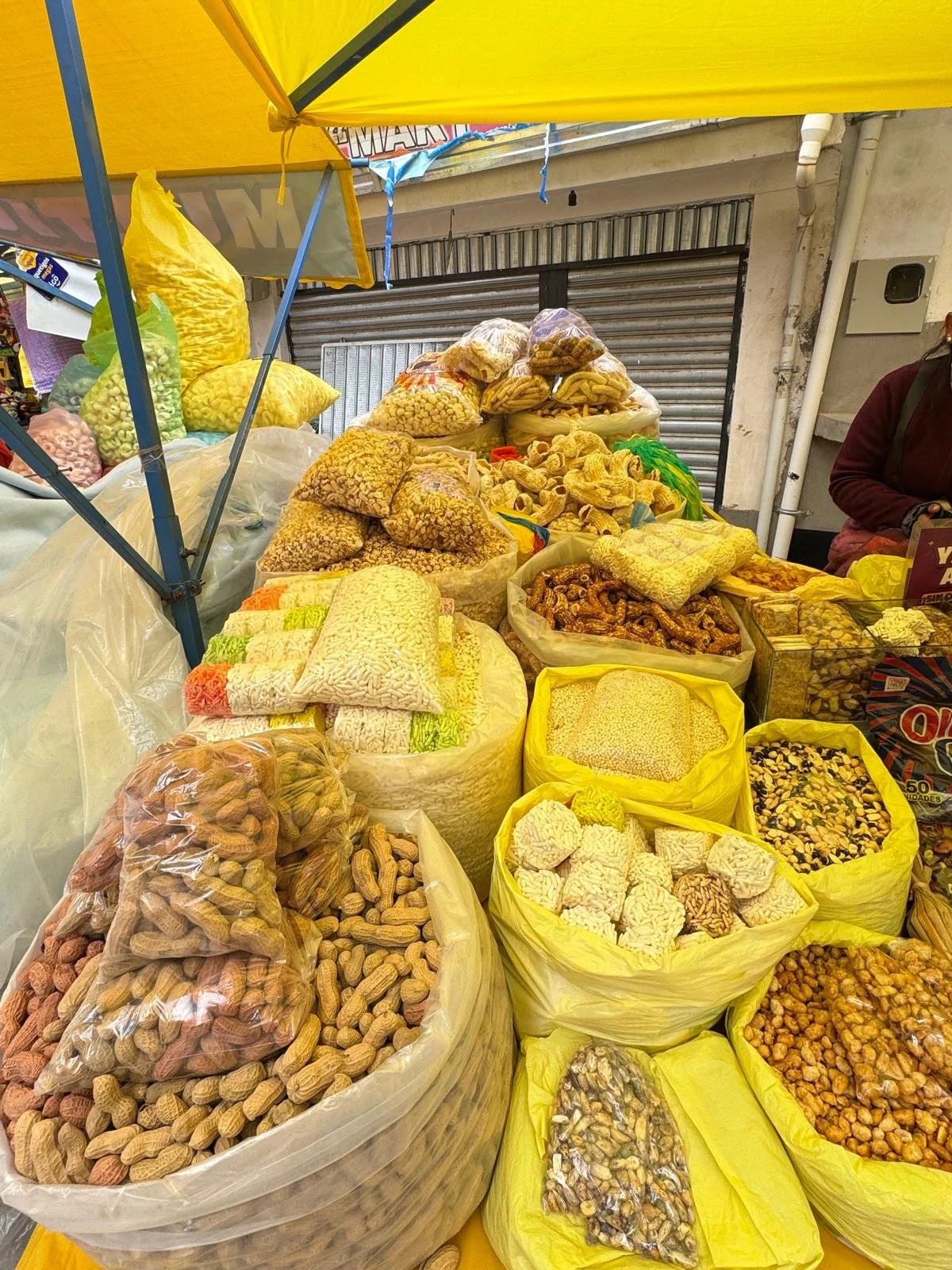
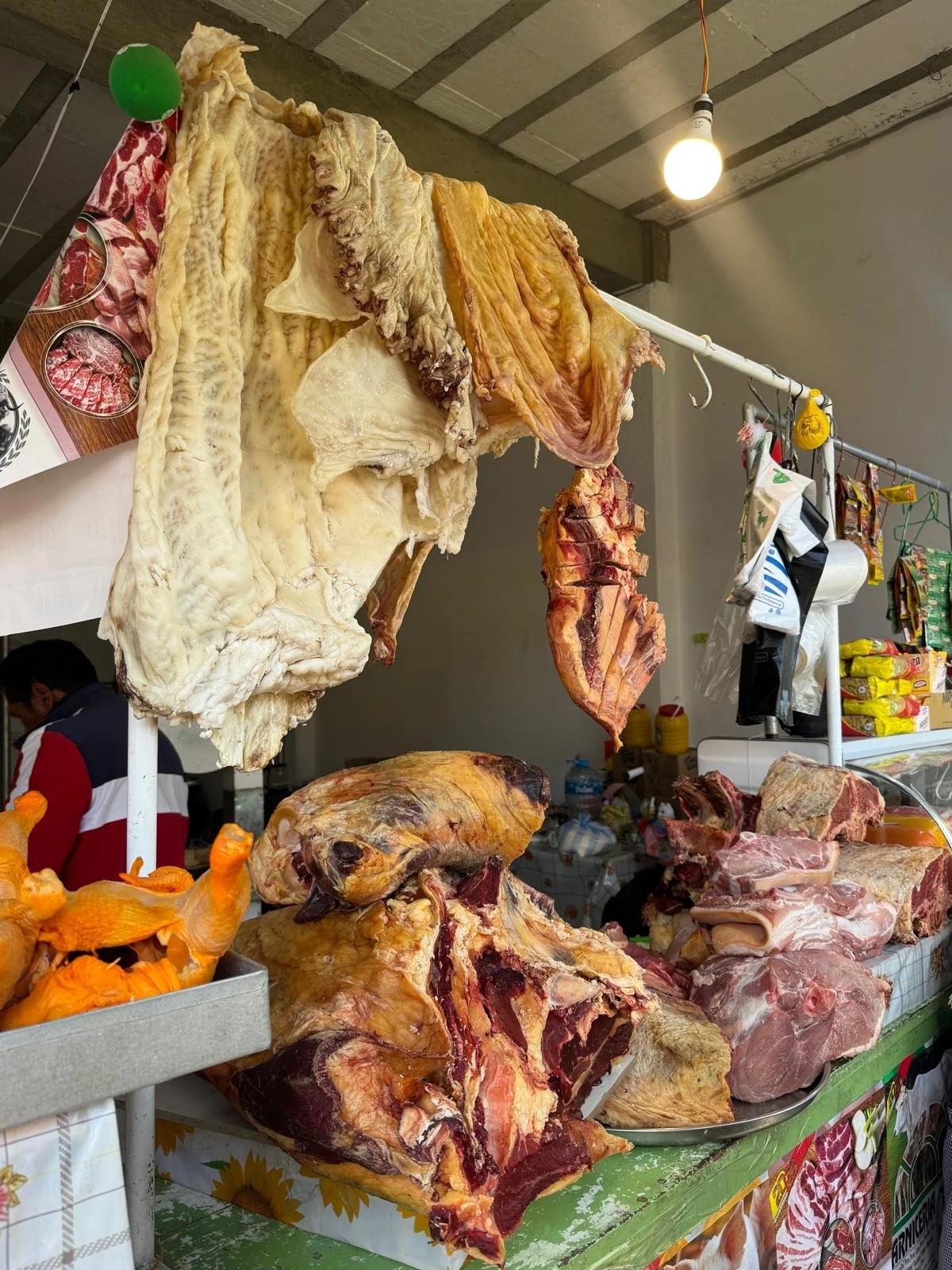
A visit to the local market was next, plenty of popcorn from all the varieties of corn grown here, lots of fruit and vegetables, some looking not too flash to be honest, and the meat stalls – just look at the photos of them!!! They reminded me so much of the meat stalls in the markets in Casablanca, where I lived for a year in the 1970’s – all the meat out on show with no refrigeration, the only difference being that in Casa, the meat was also covered in flies!!!
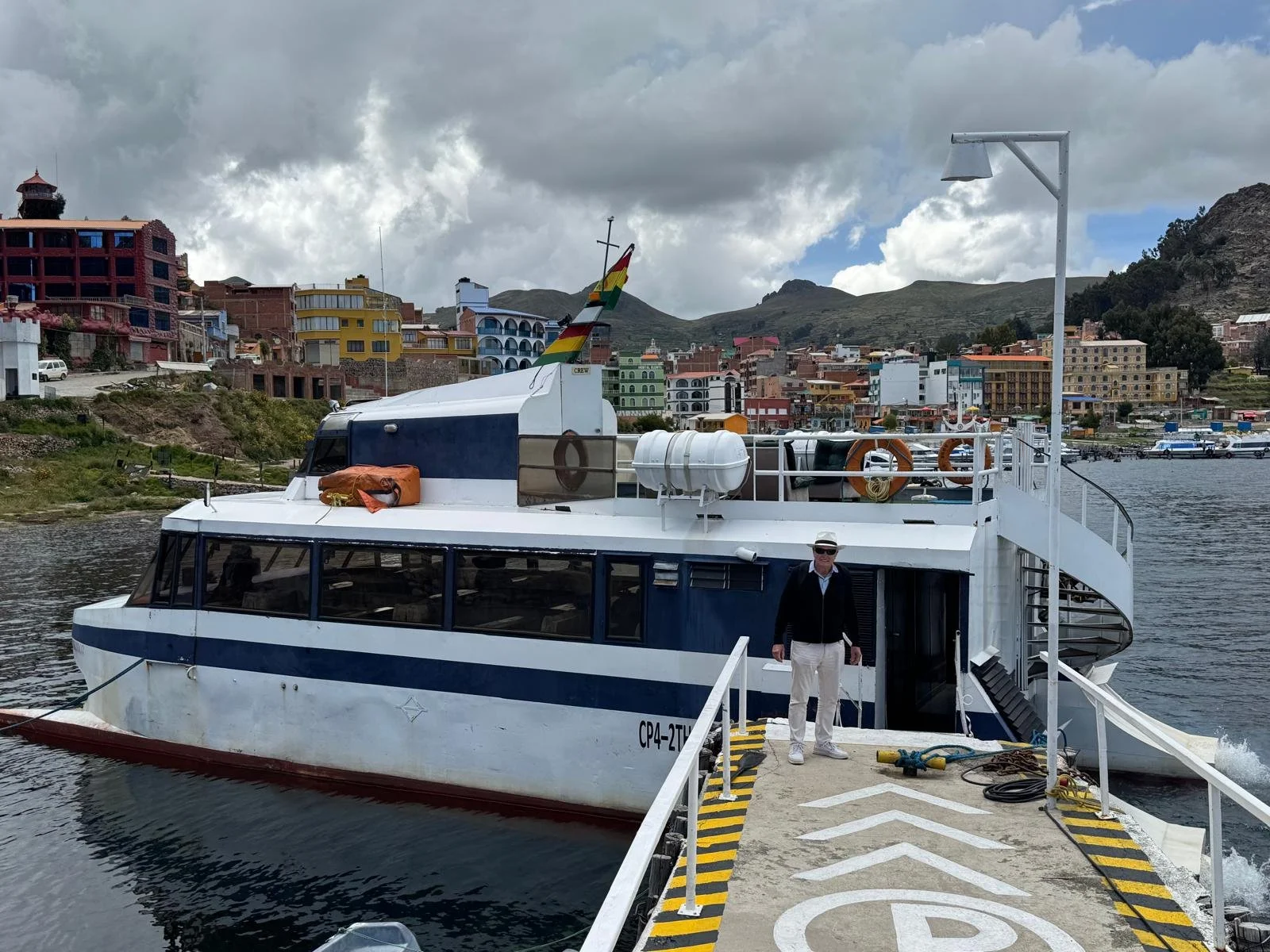
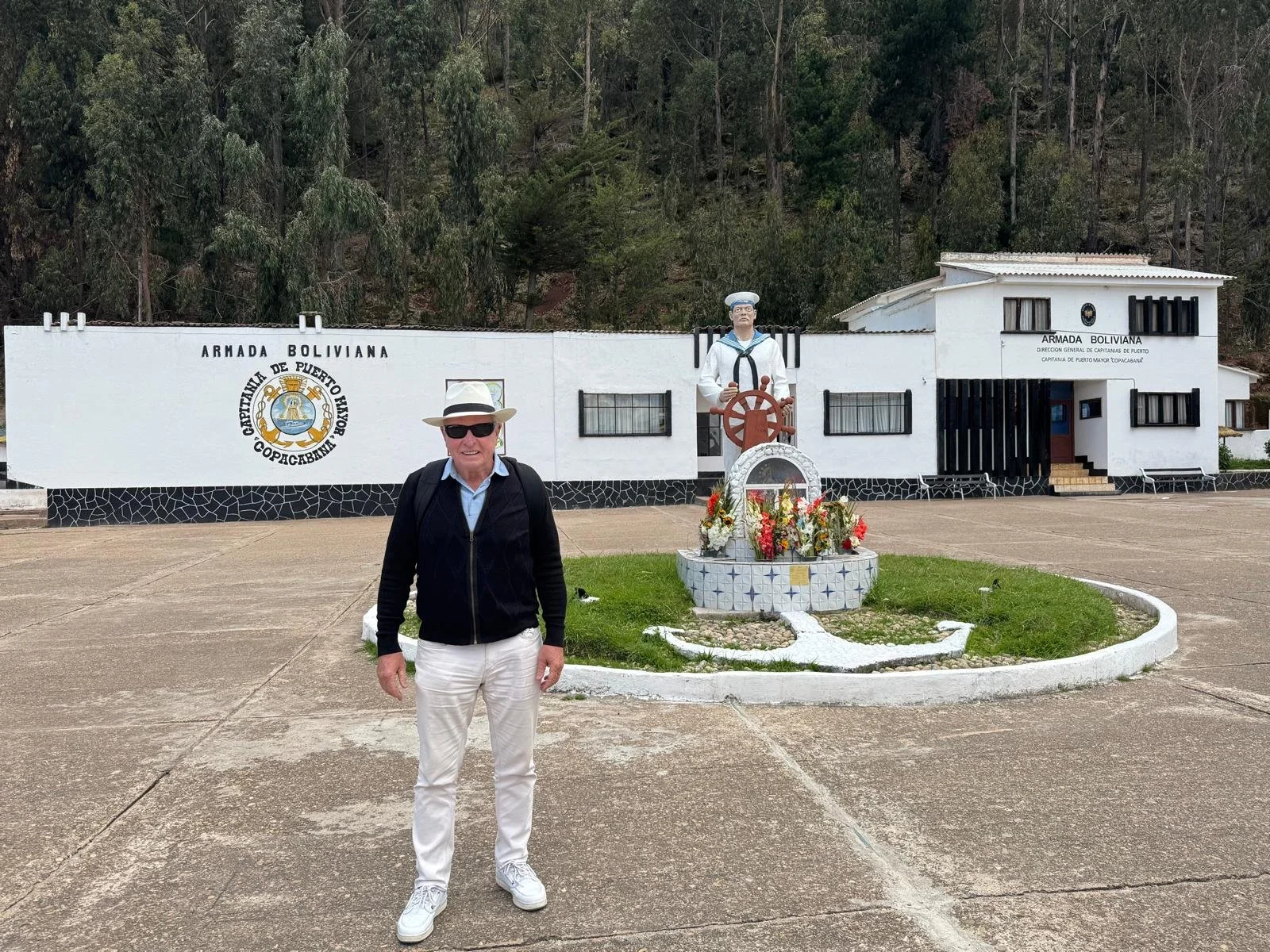
Then it was down to the wharf to board our catamaran for our trip to Sun Island, a 1 ½ cruise on a lovely calm lake – only six of us on the boat so very comfortable indeed.
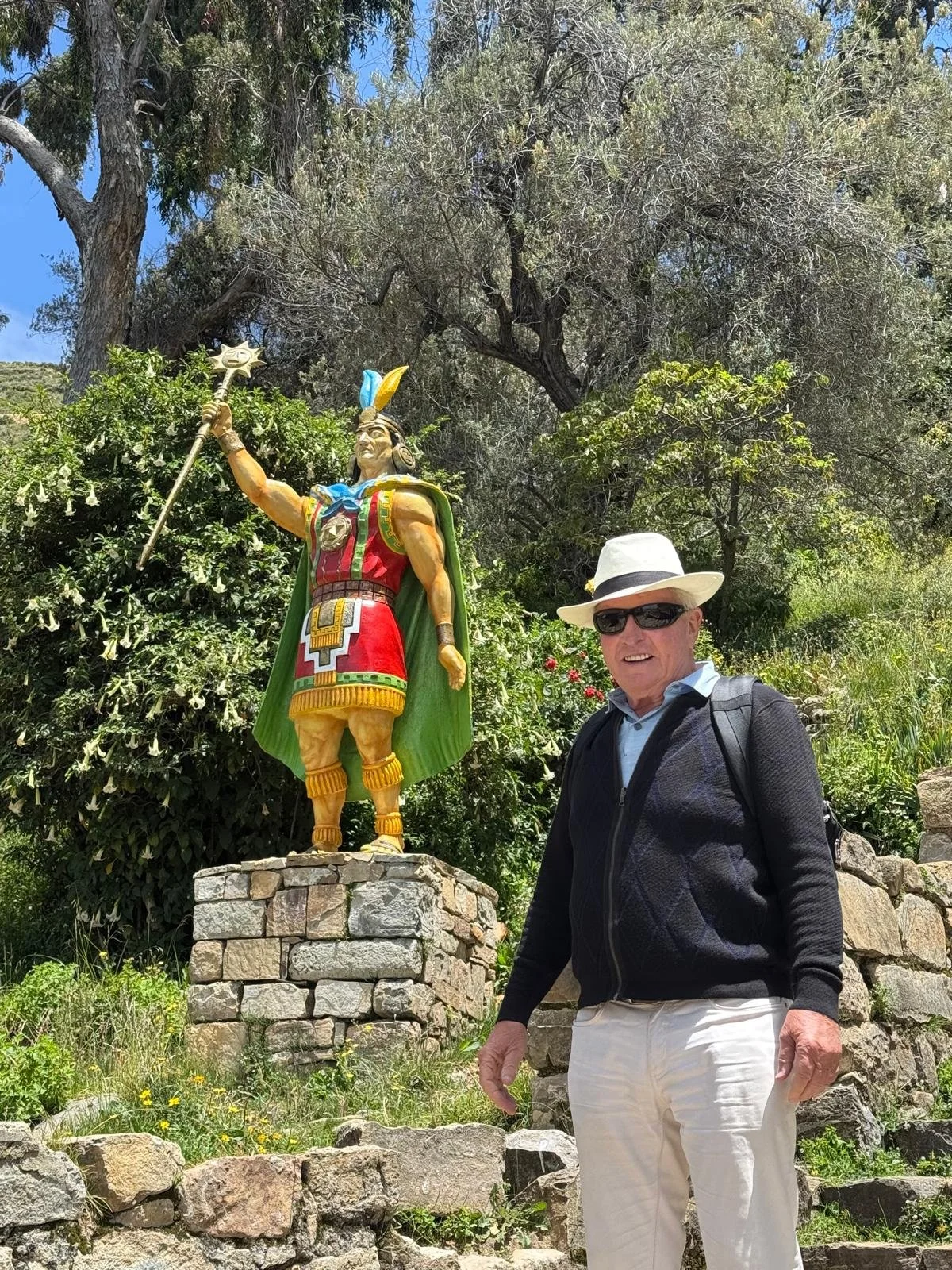
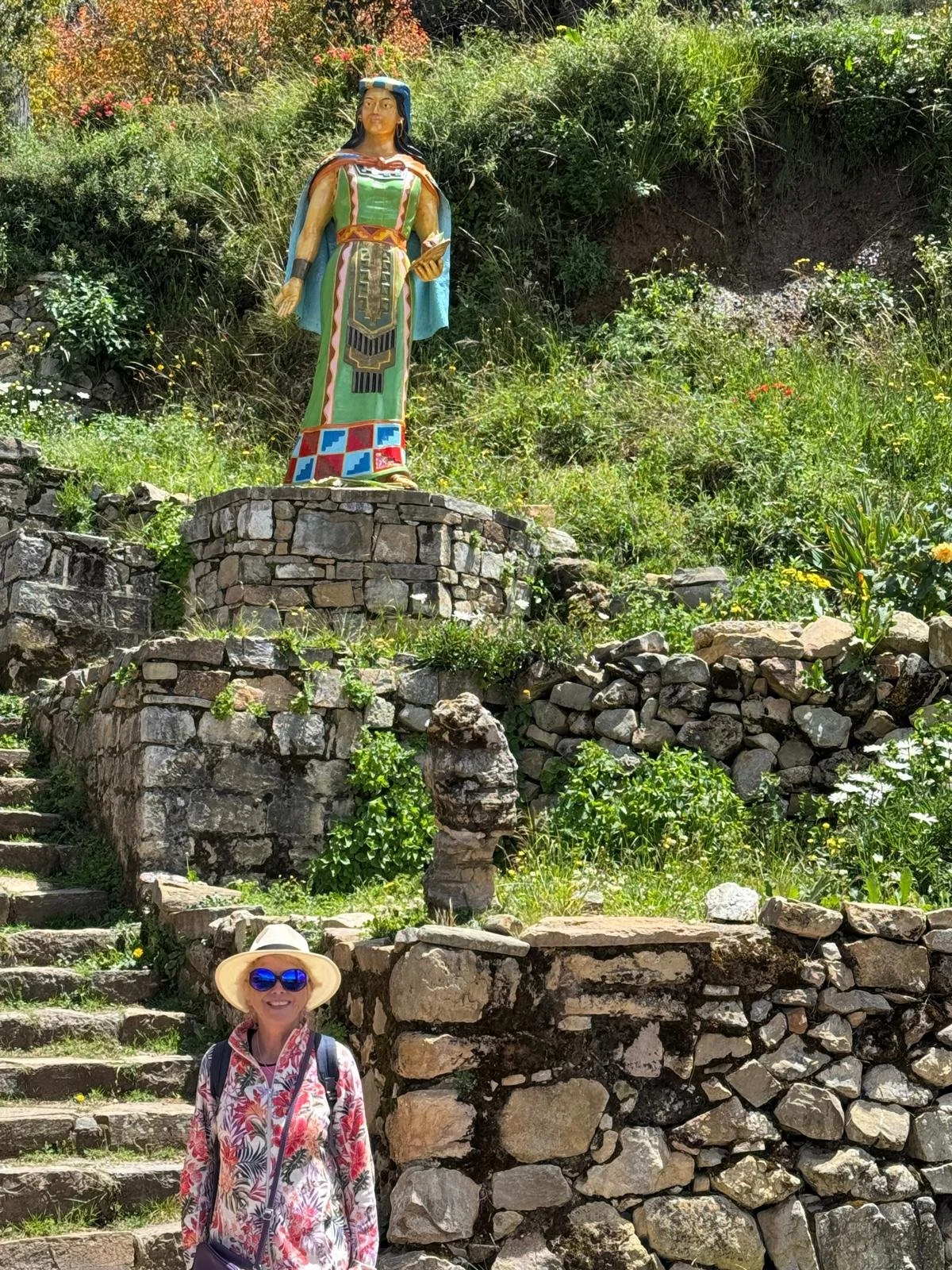
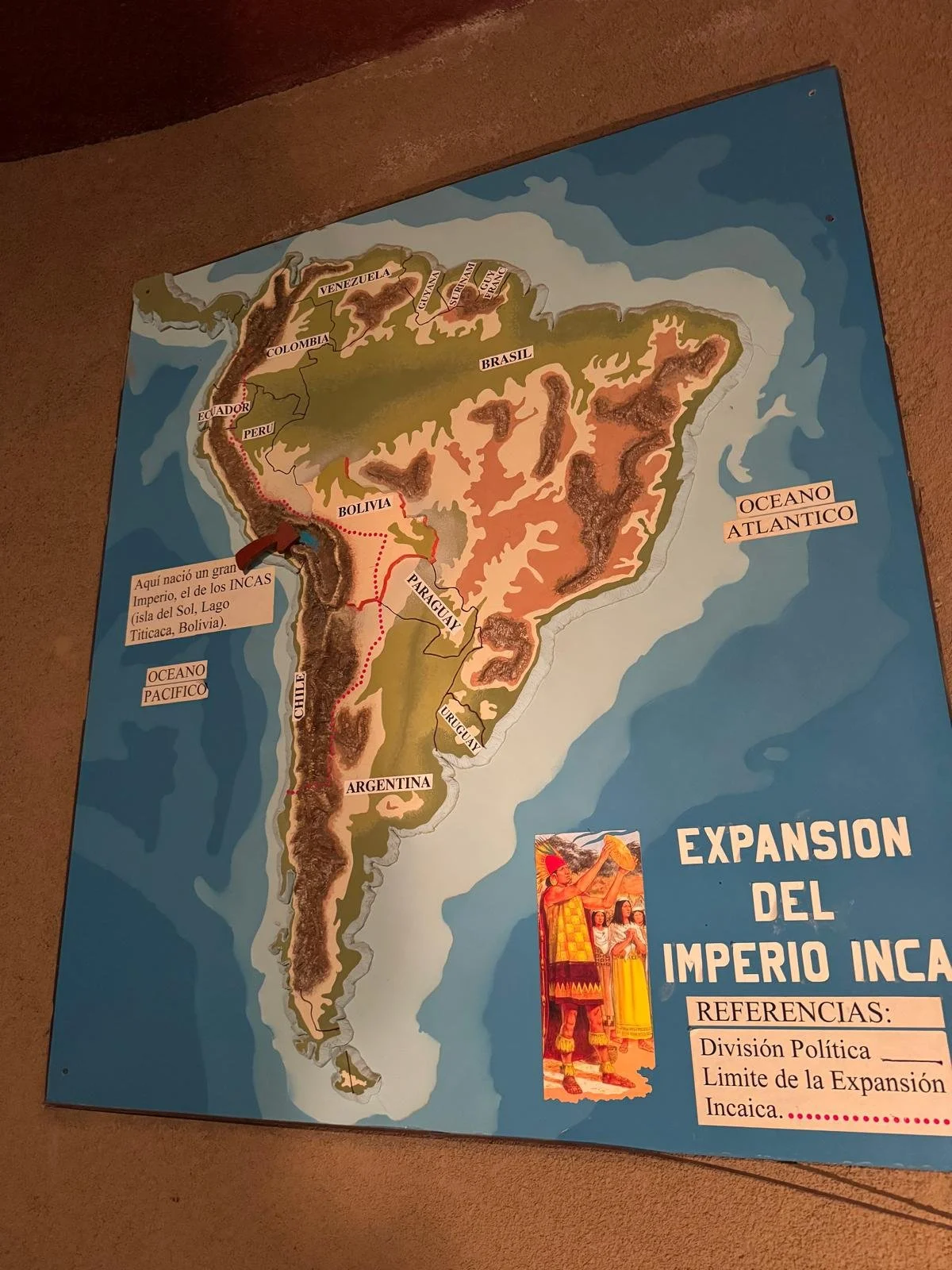
What a day to arrive at the island, hot sunshine showcasing this beautiful place – the birthplace of the Inca Empire and home to over 180 Inca ruins. After docking, we passed the statues of Manco Cápac and Mama Ocllo, the Sun God Inti’s children, who were ordered by their father to found the Incan civilisation. We had to negotiate an enormous rocky stone staircase. My altitude sickness really kicked in and I struggled, taking ages to get to the top (a sidenote, we have seen plenty of people around the hotels and on coaches attached to oxygen tanks, so we haven’t got it that bad….yet!).
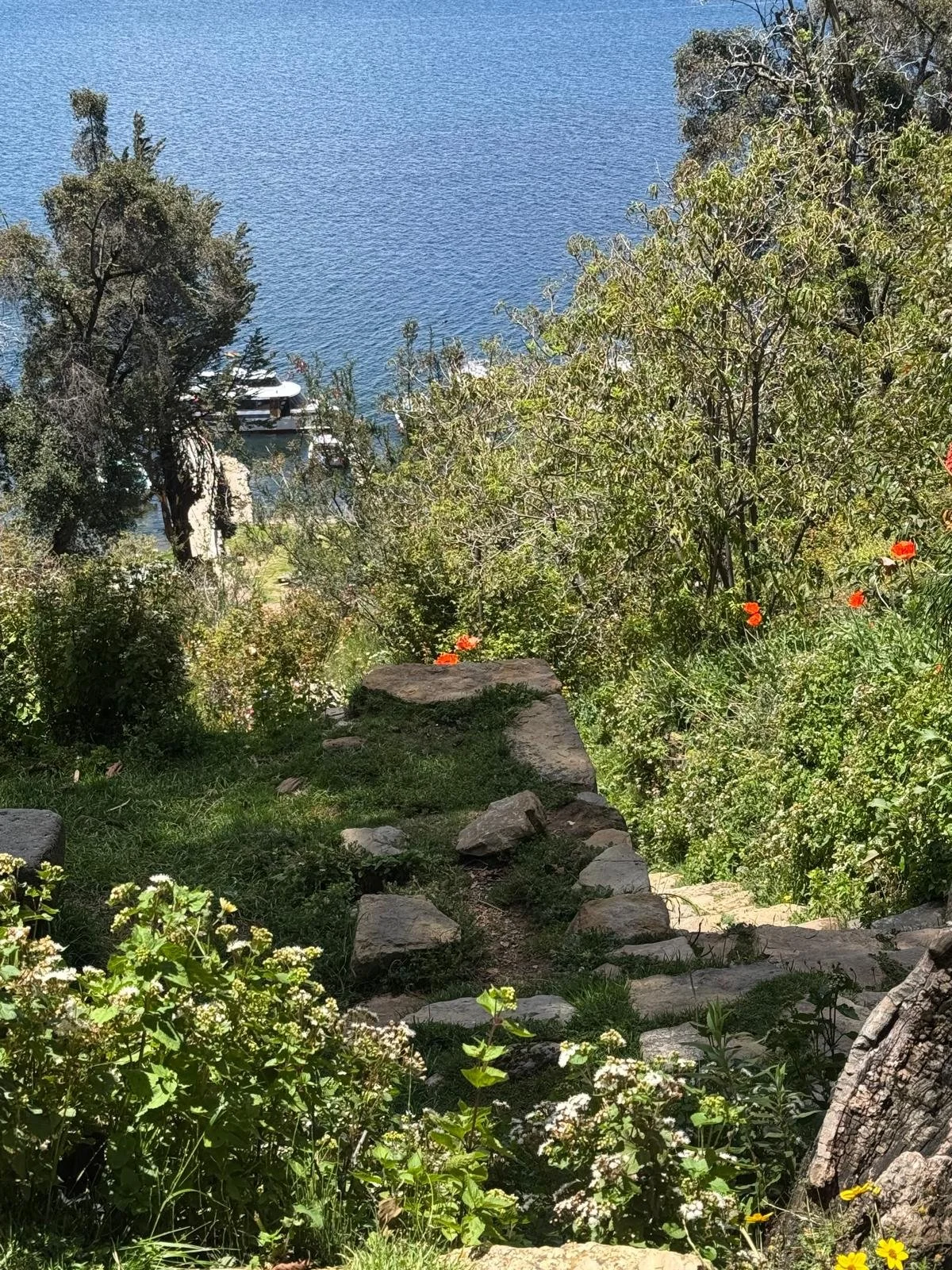
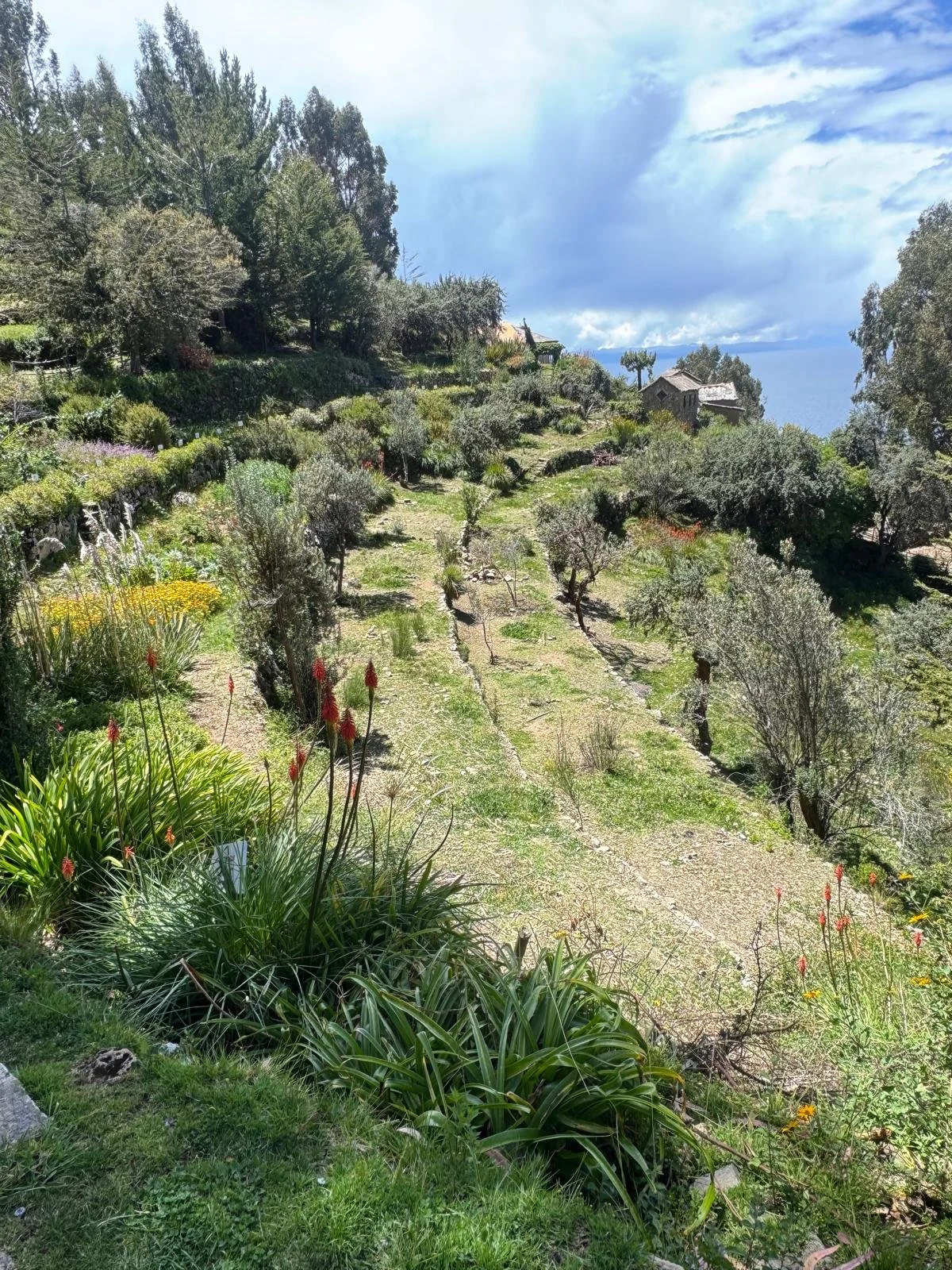
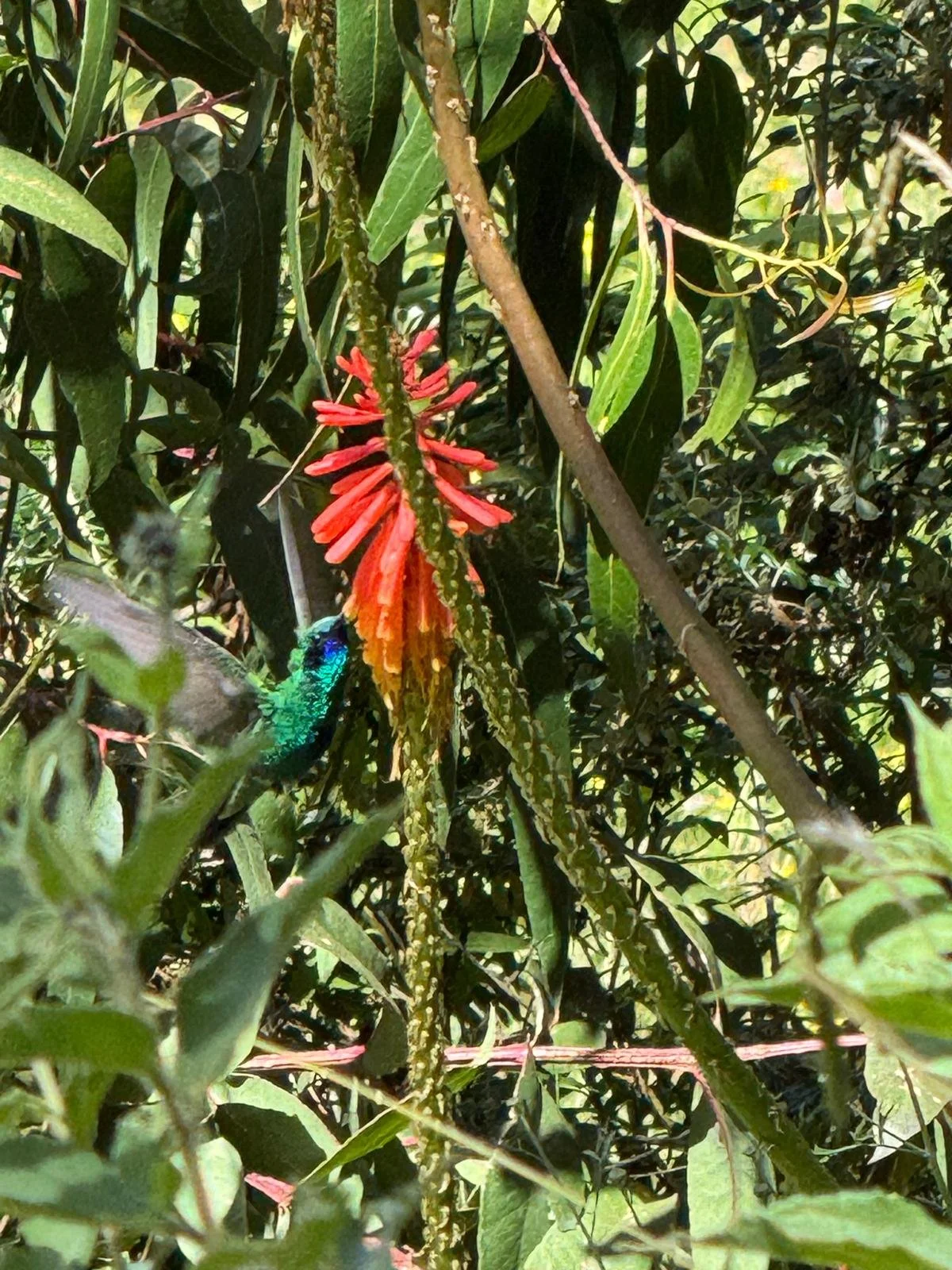
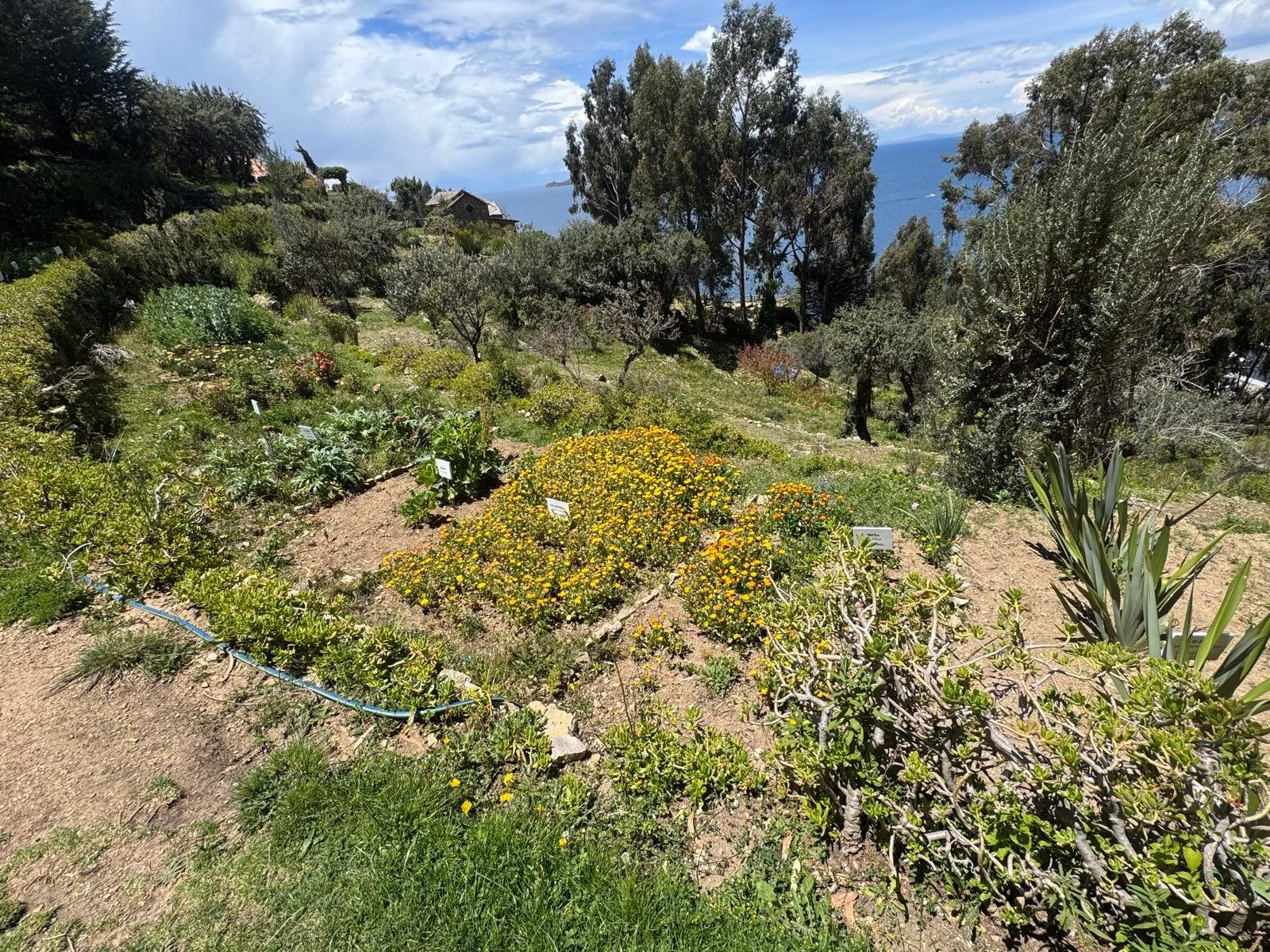
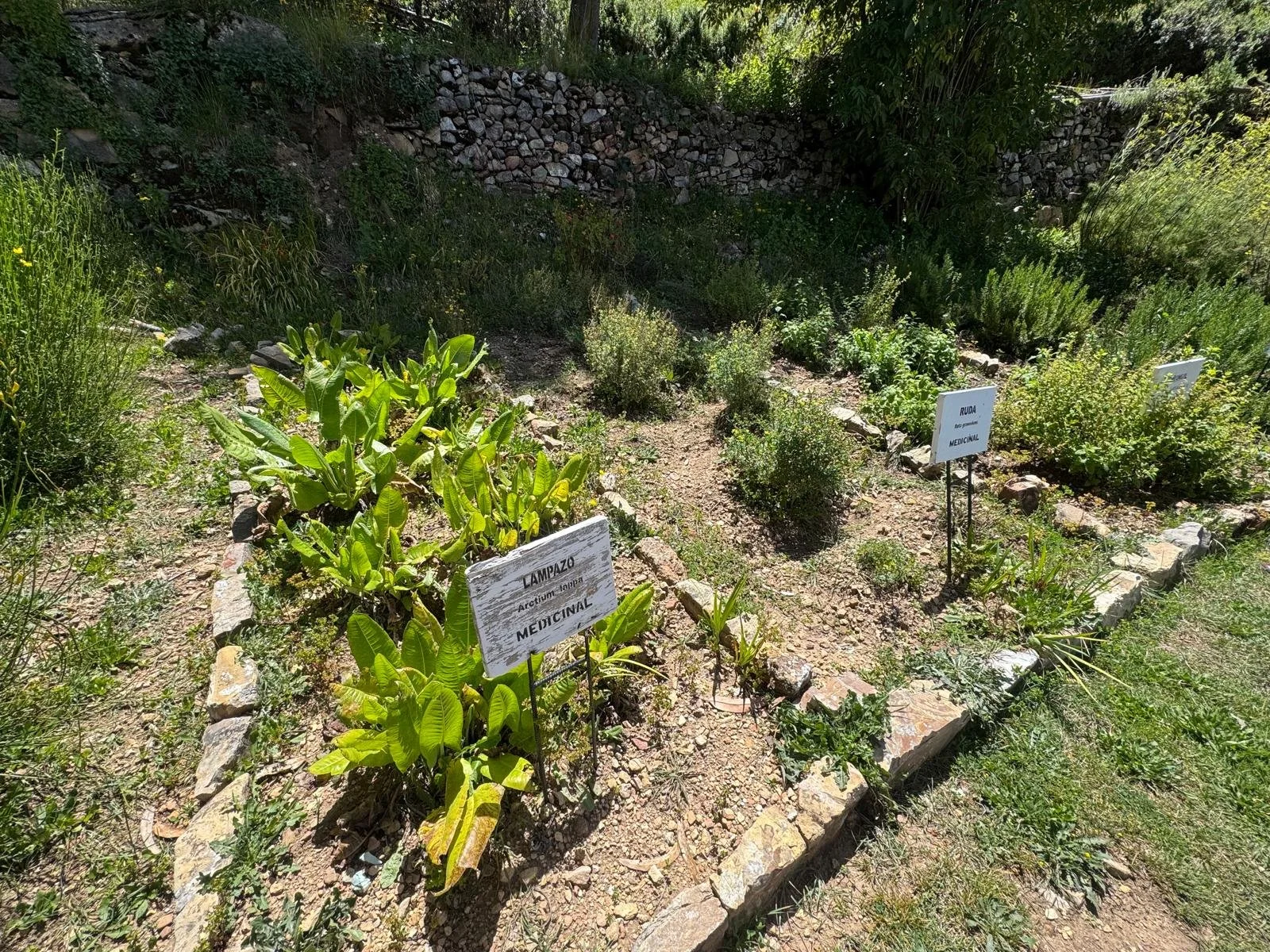
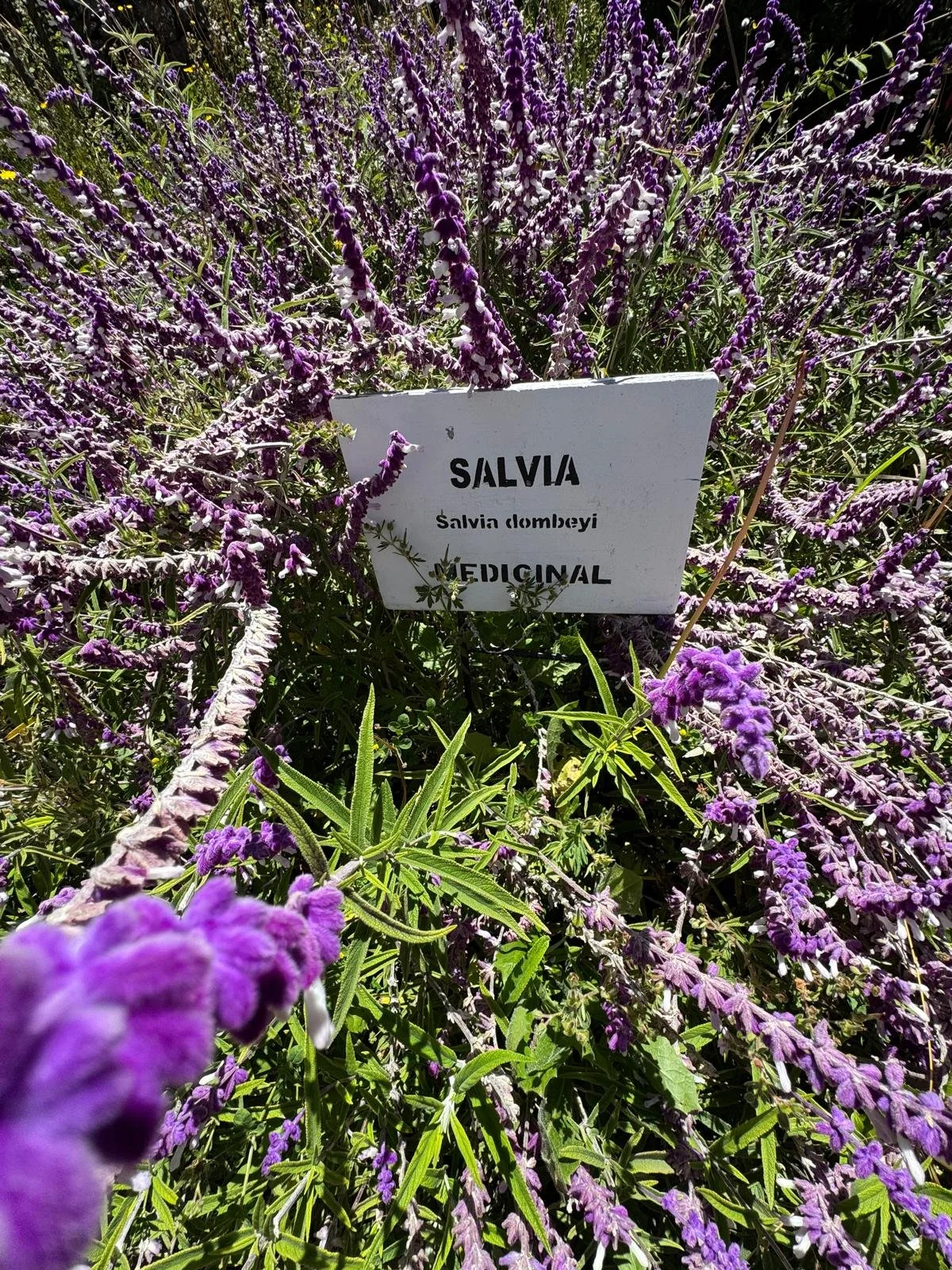
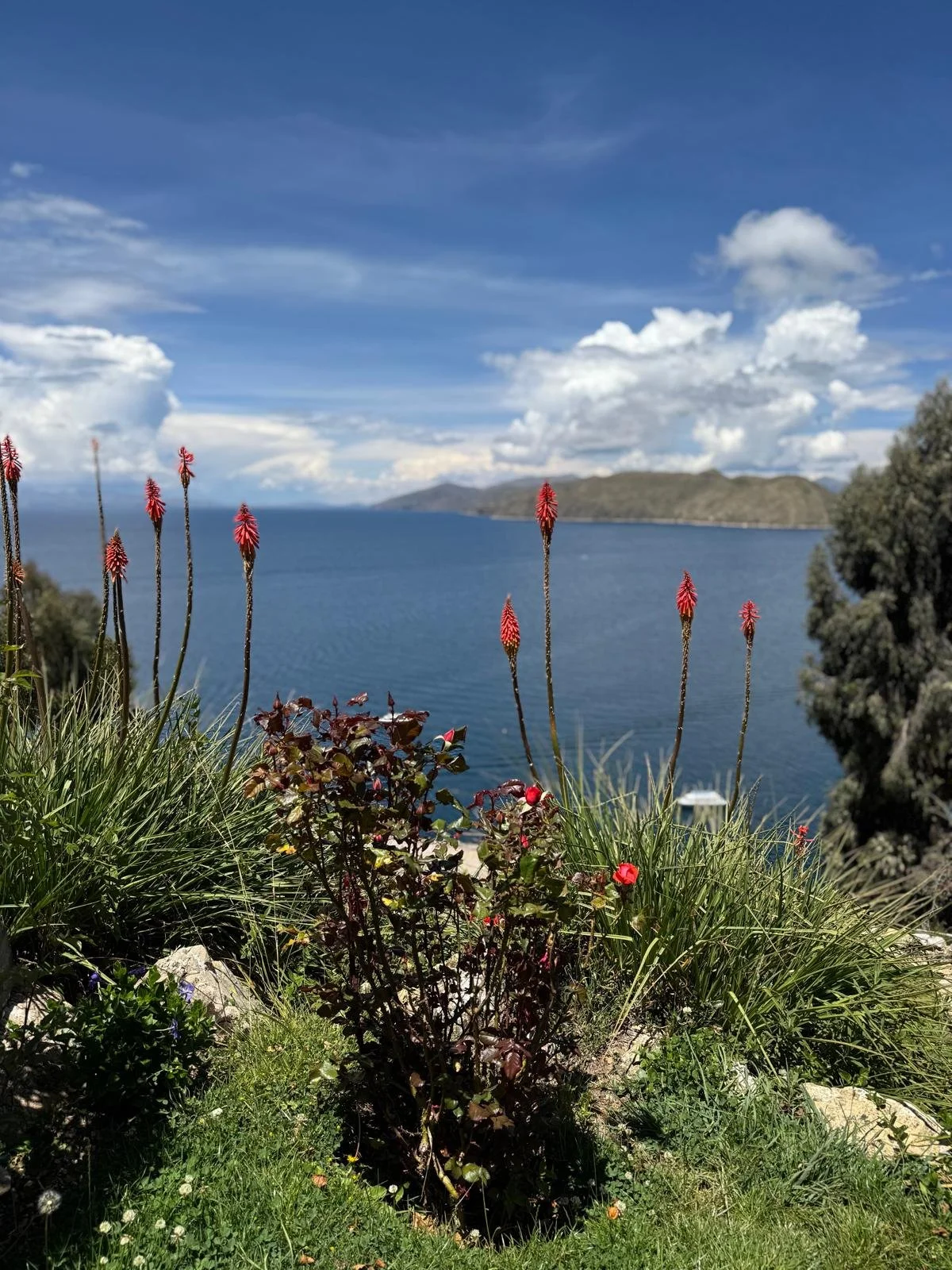
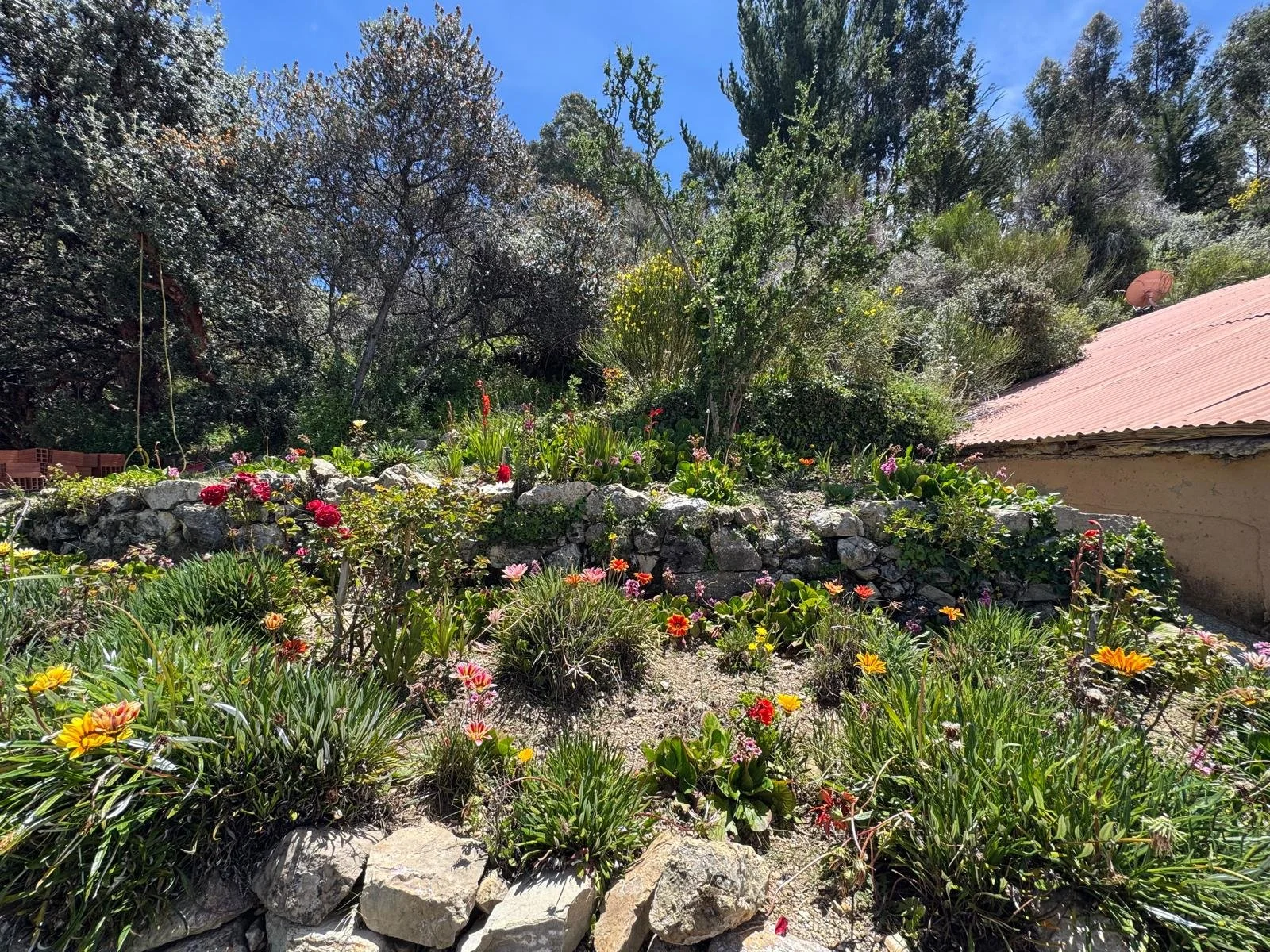
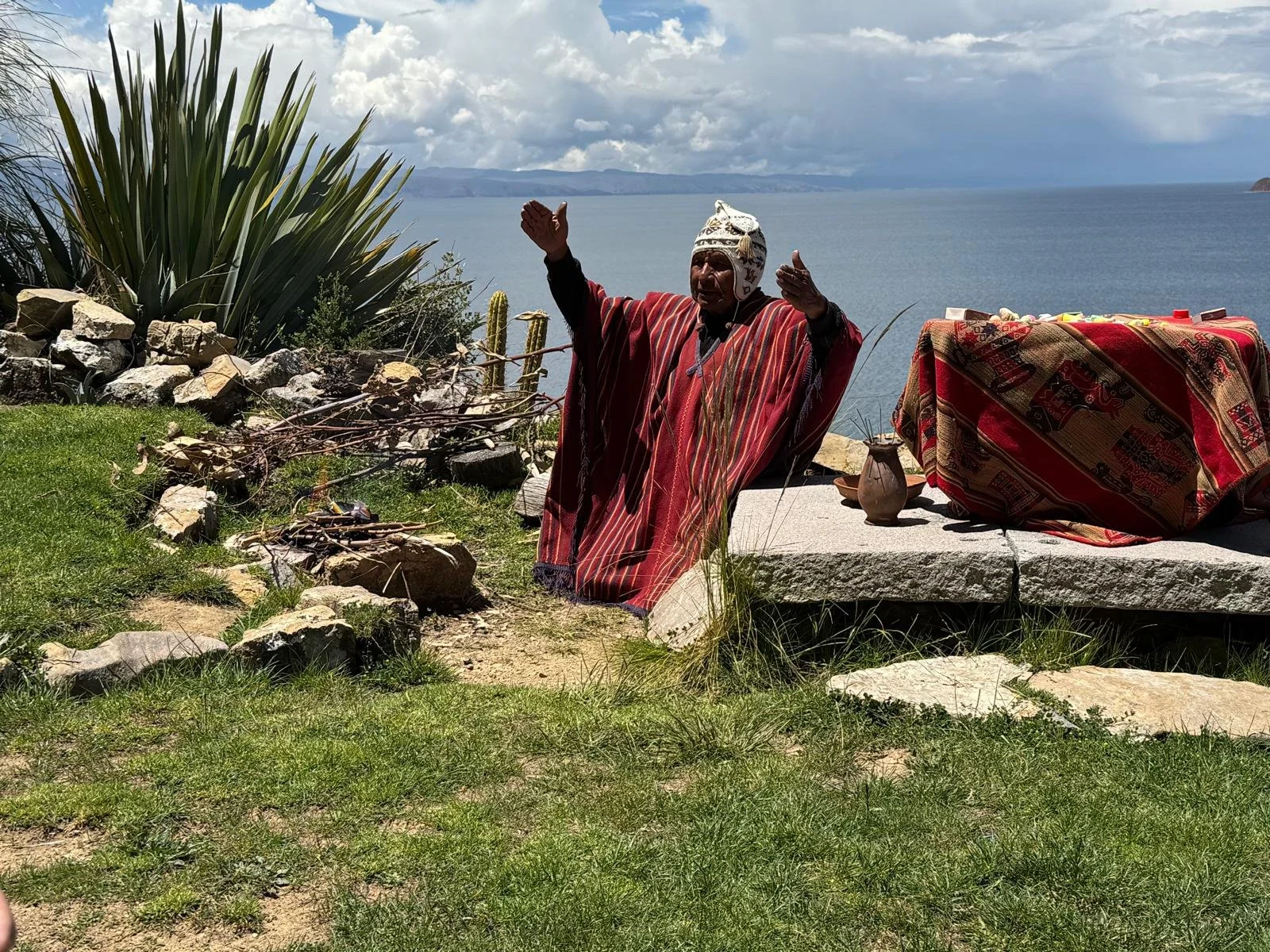
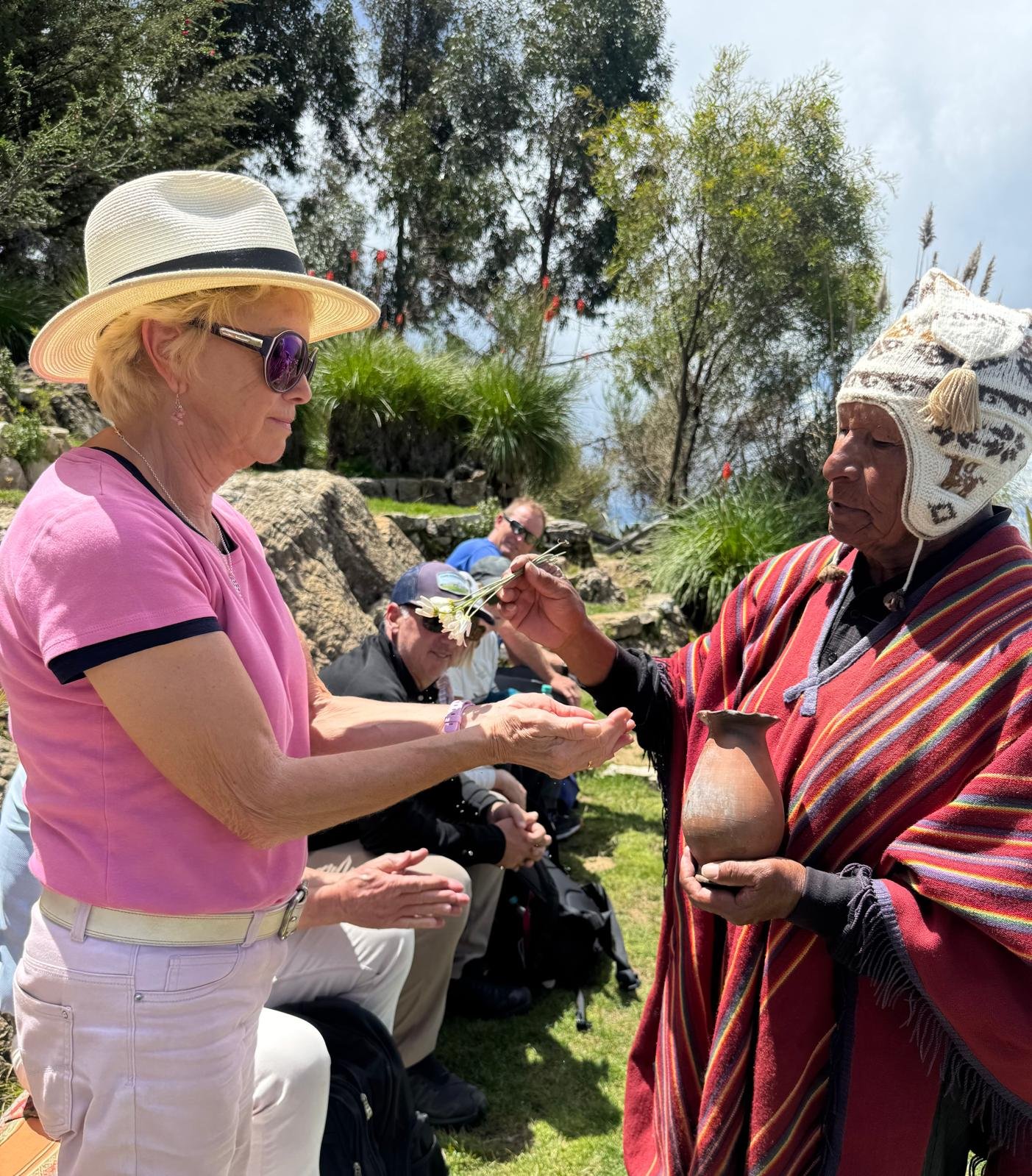
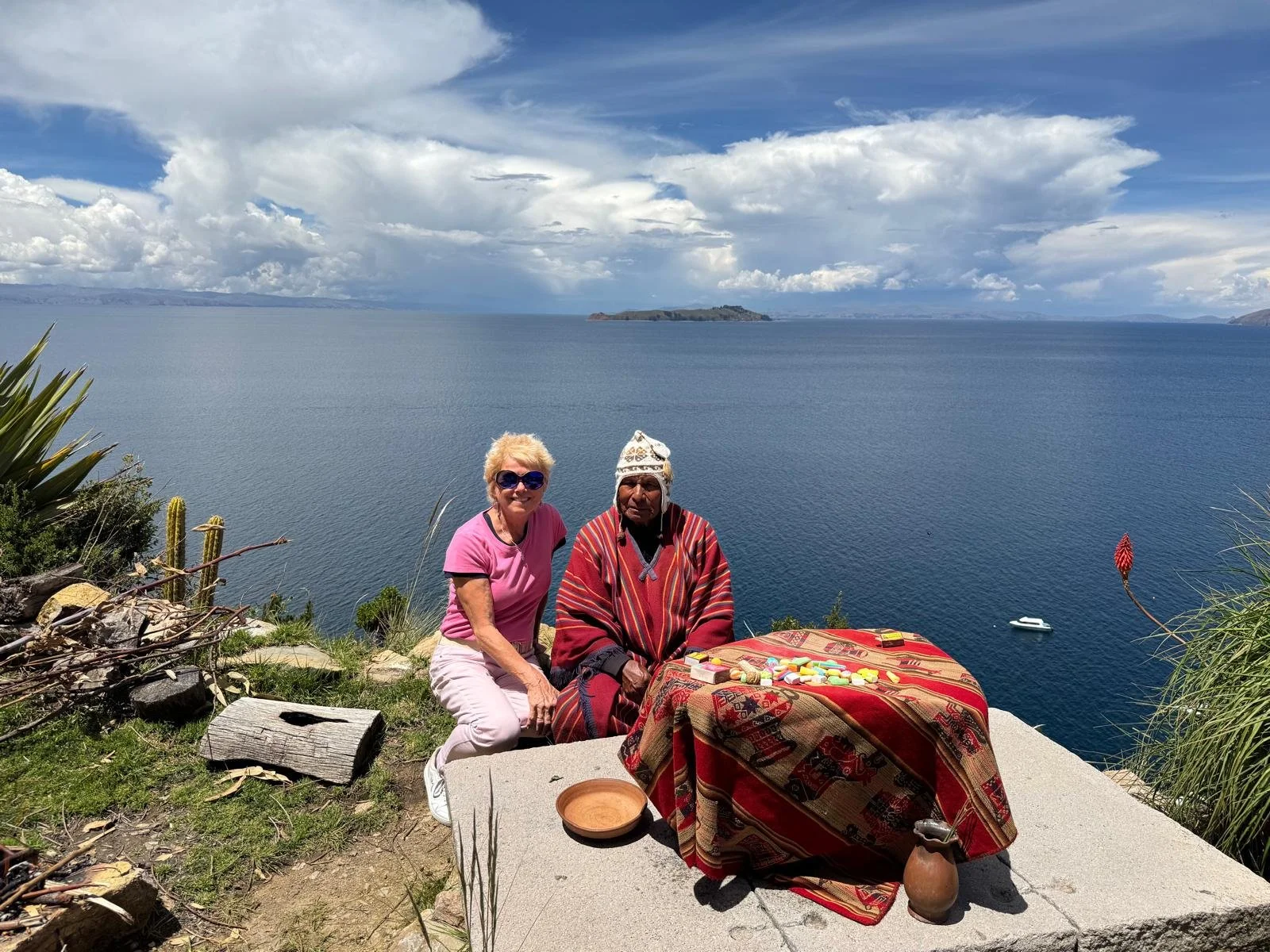
A treat awaited us at the top though, more Inca terraces, awesome coloured flowers and a huge garden of medicinal herbs….so many, I never realised that so many plants we take for granted have medicinal benefits. Honestly, it was so delightful walking the path through them, high up in the sunshine and with the backdrop of the blue lake. We were also treated to a private Yatiris ceremony. Yatiris are highly respected Aymara indigenous shamans, and spiritual healers in Bolivia, and primarily located in La Paz. They act as intermediaries between the physical world and the Andean spiritual world, particularly honouring Pachamama (Mother Earth). What a place for this to happen, on the hilltop with this beautiful backdrop of Lake Titicaca. By the way, I have found out that Lake Titicaca means Grey Puma!
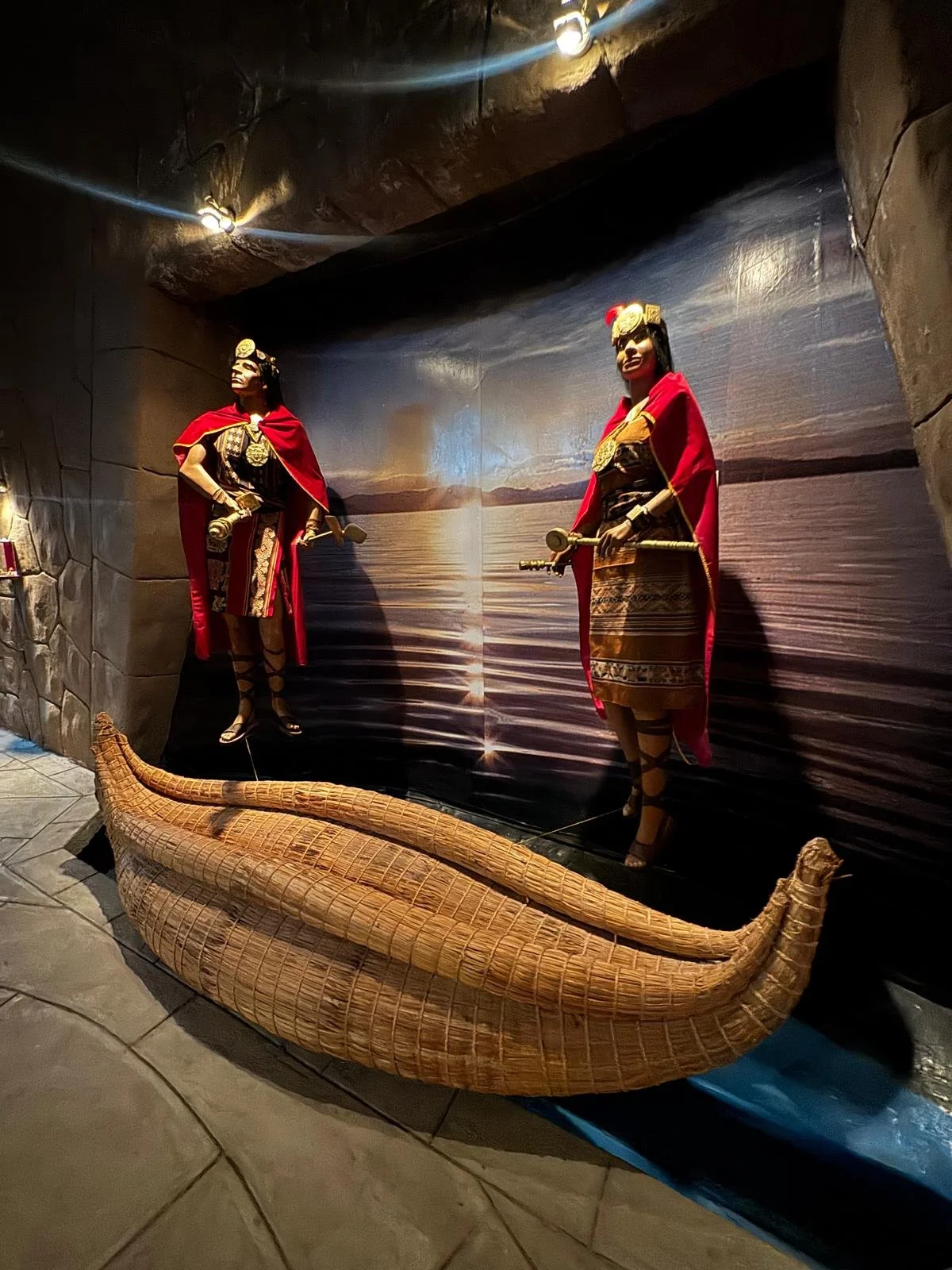
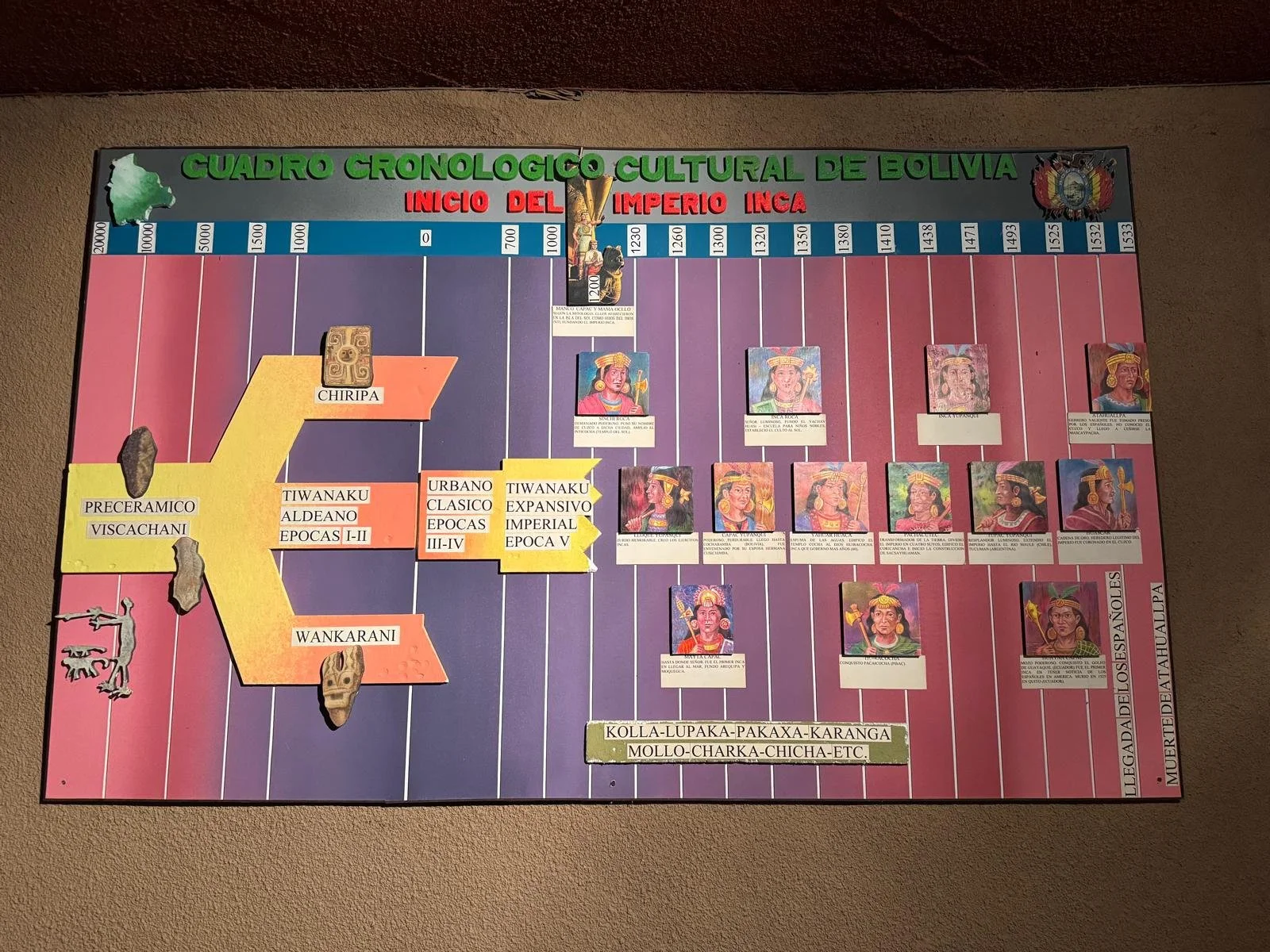
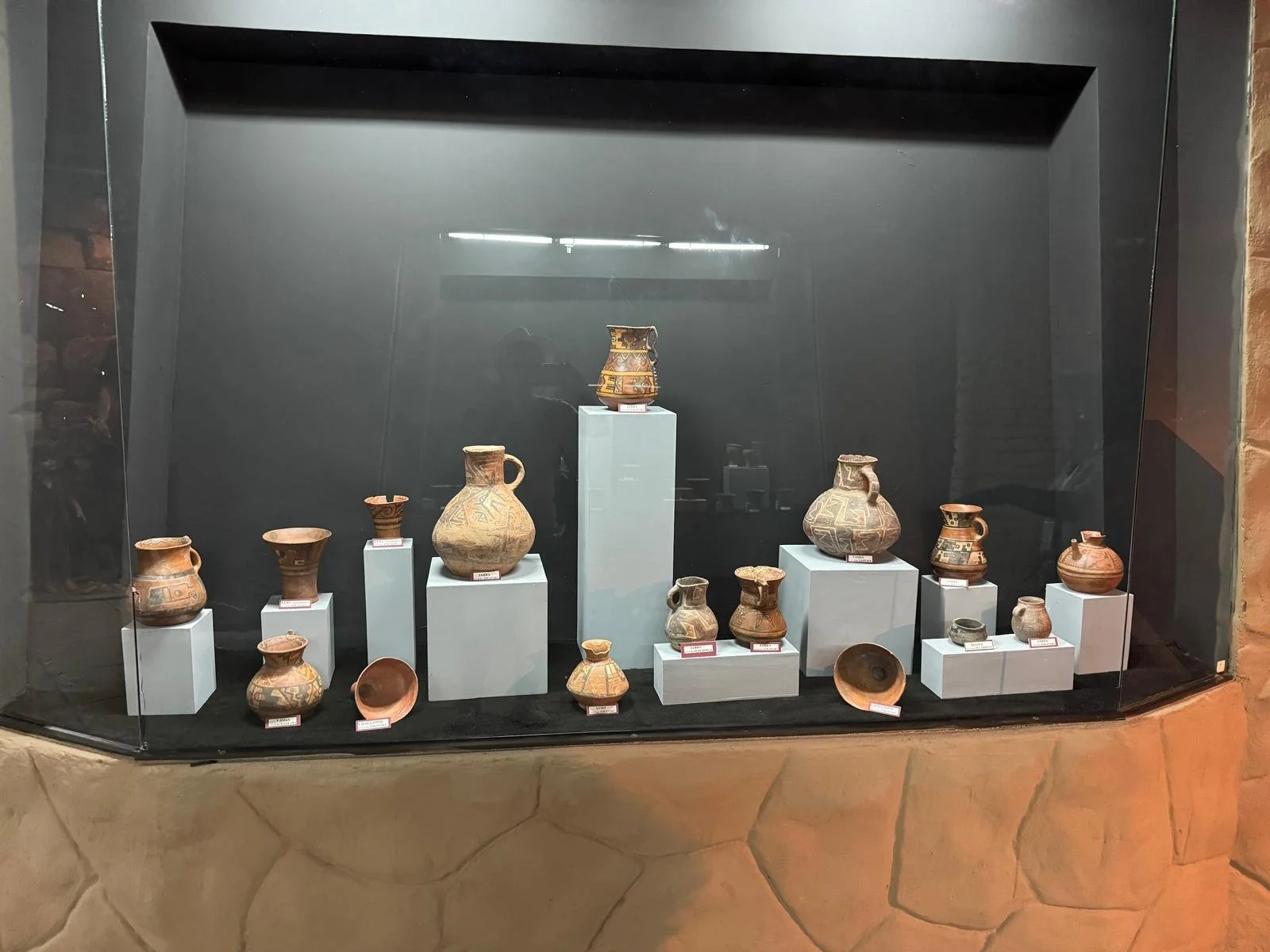
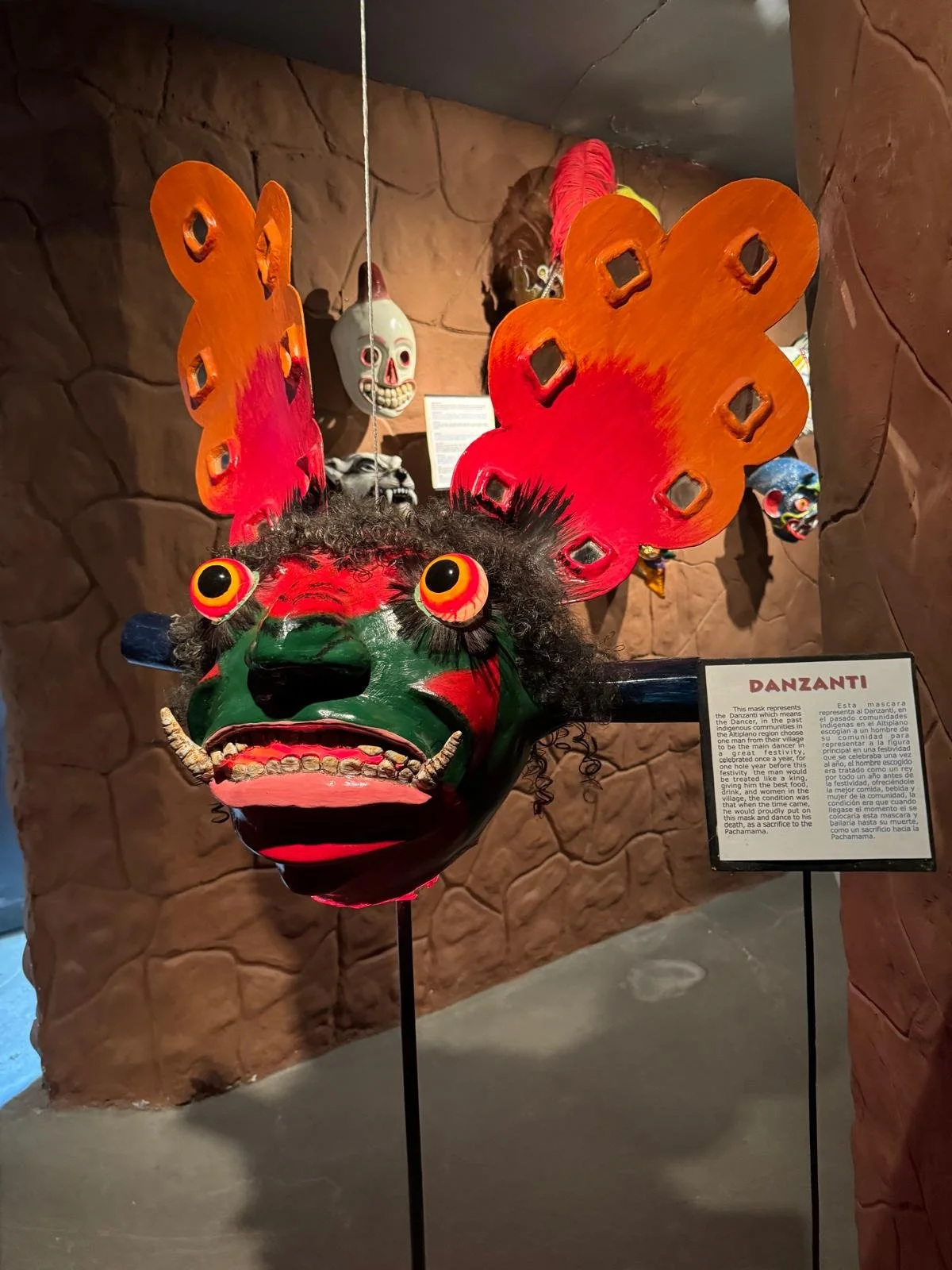
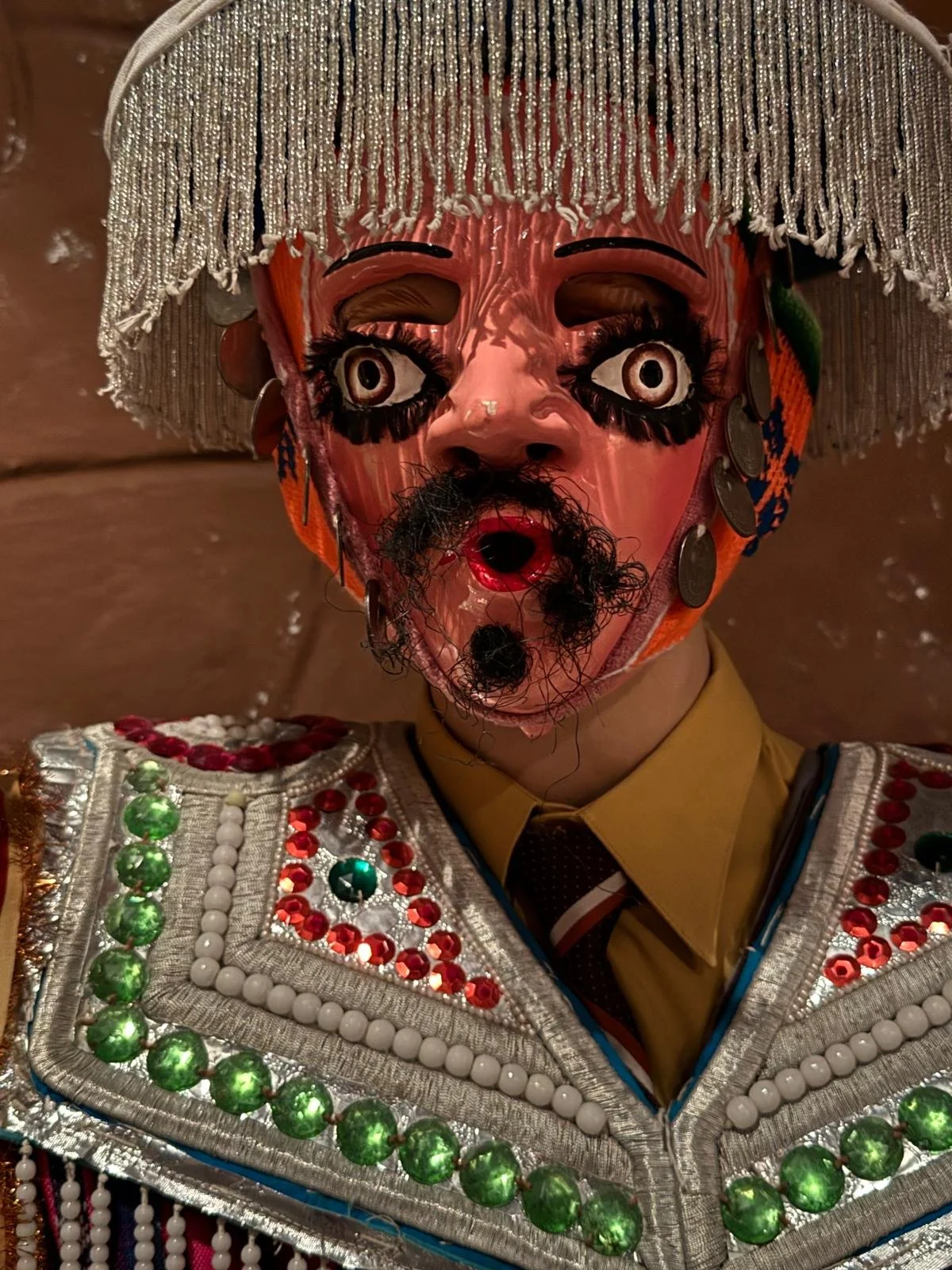
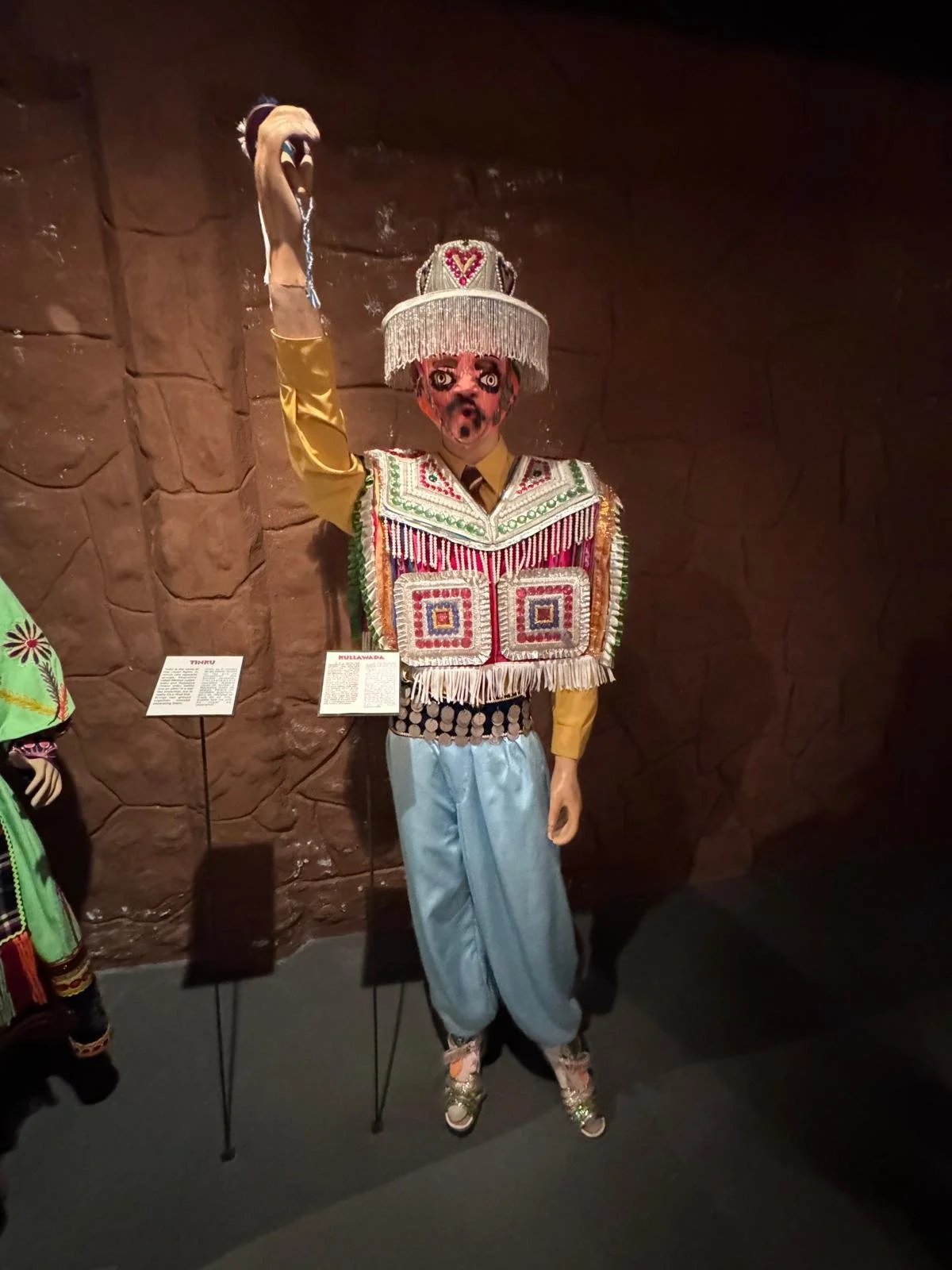
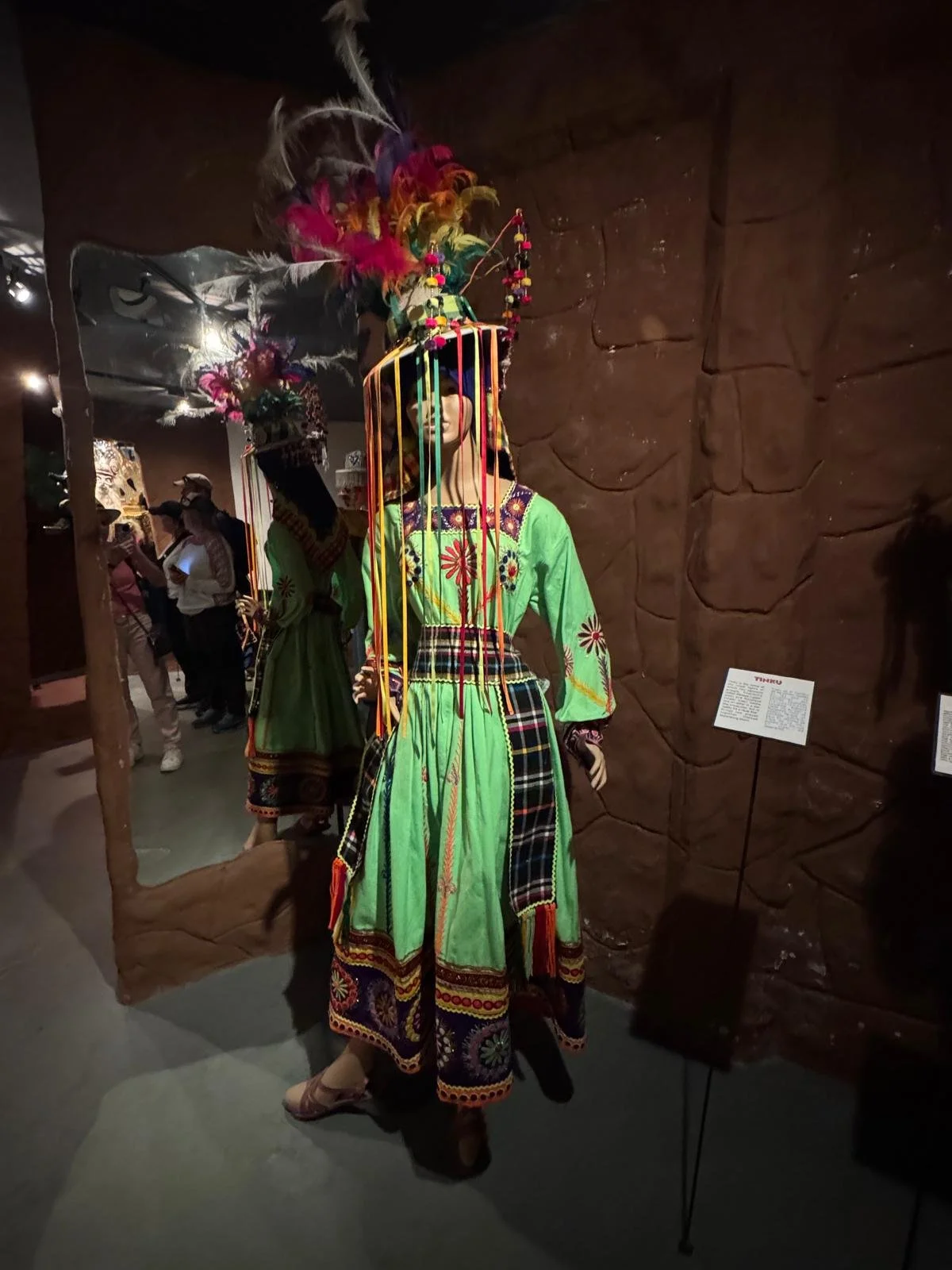
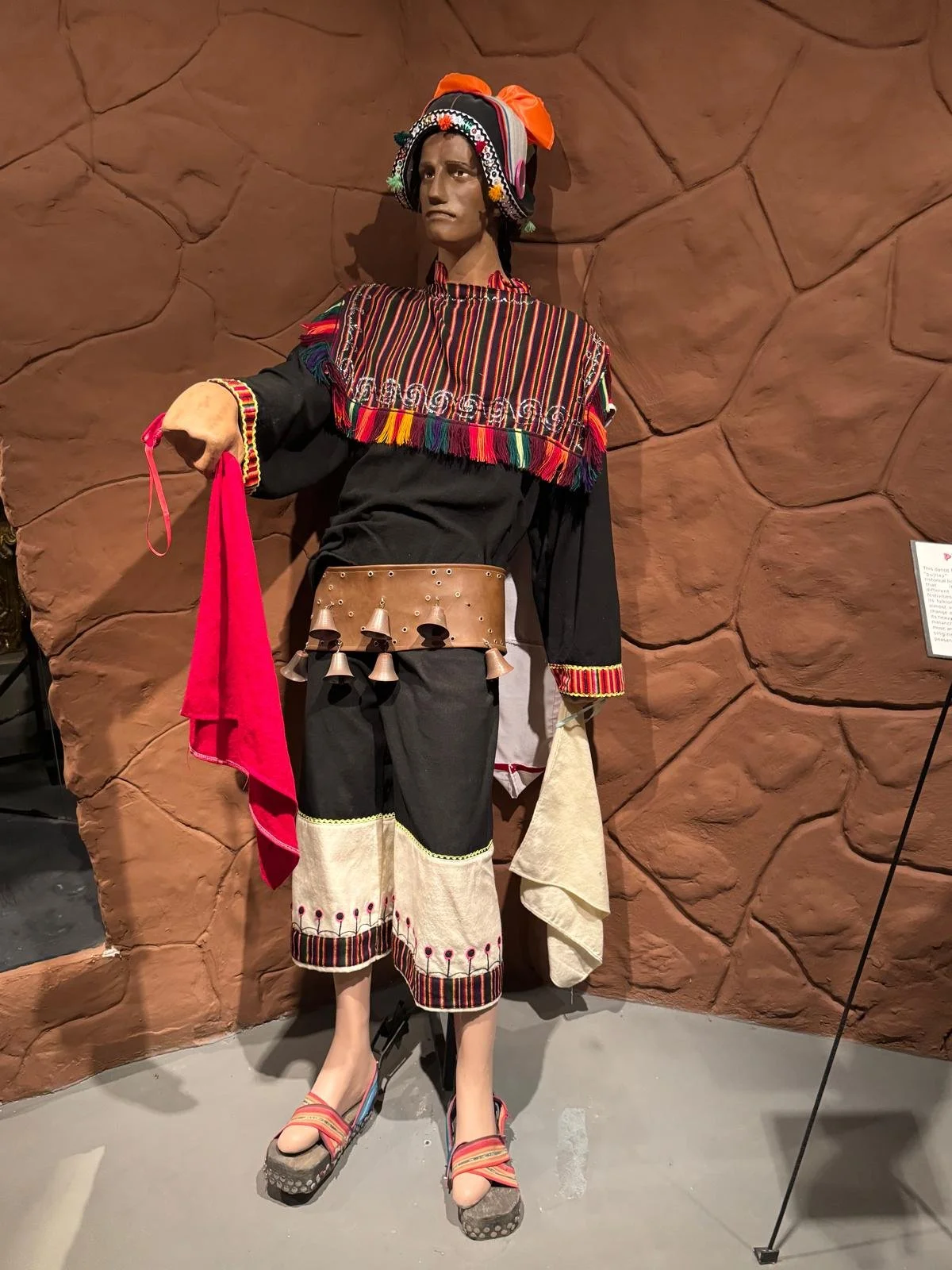
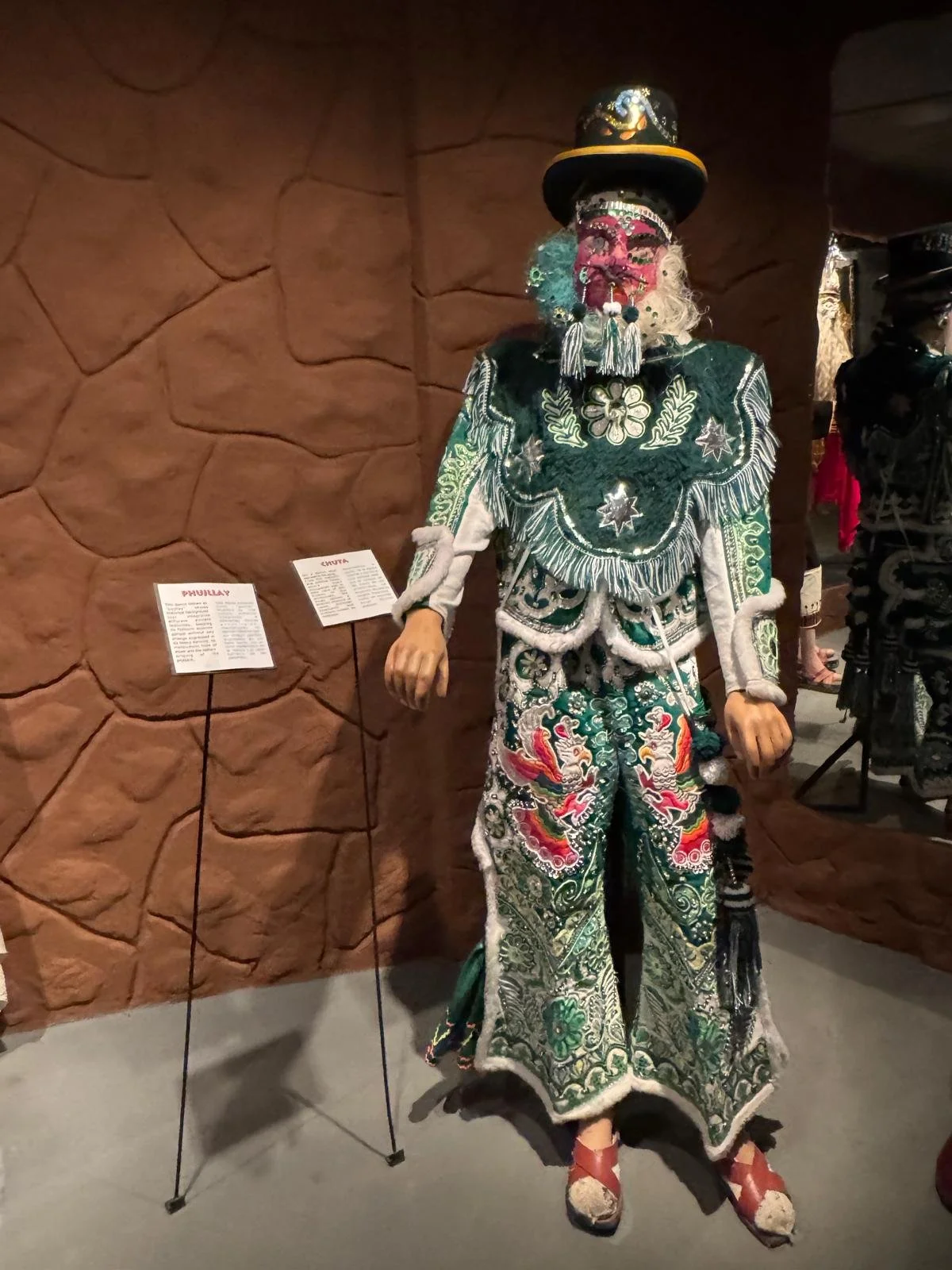
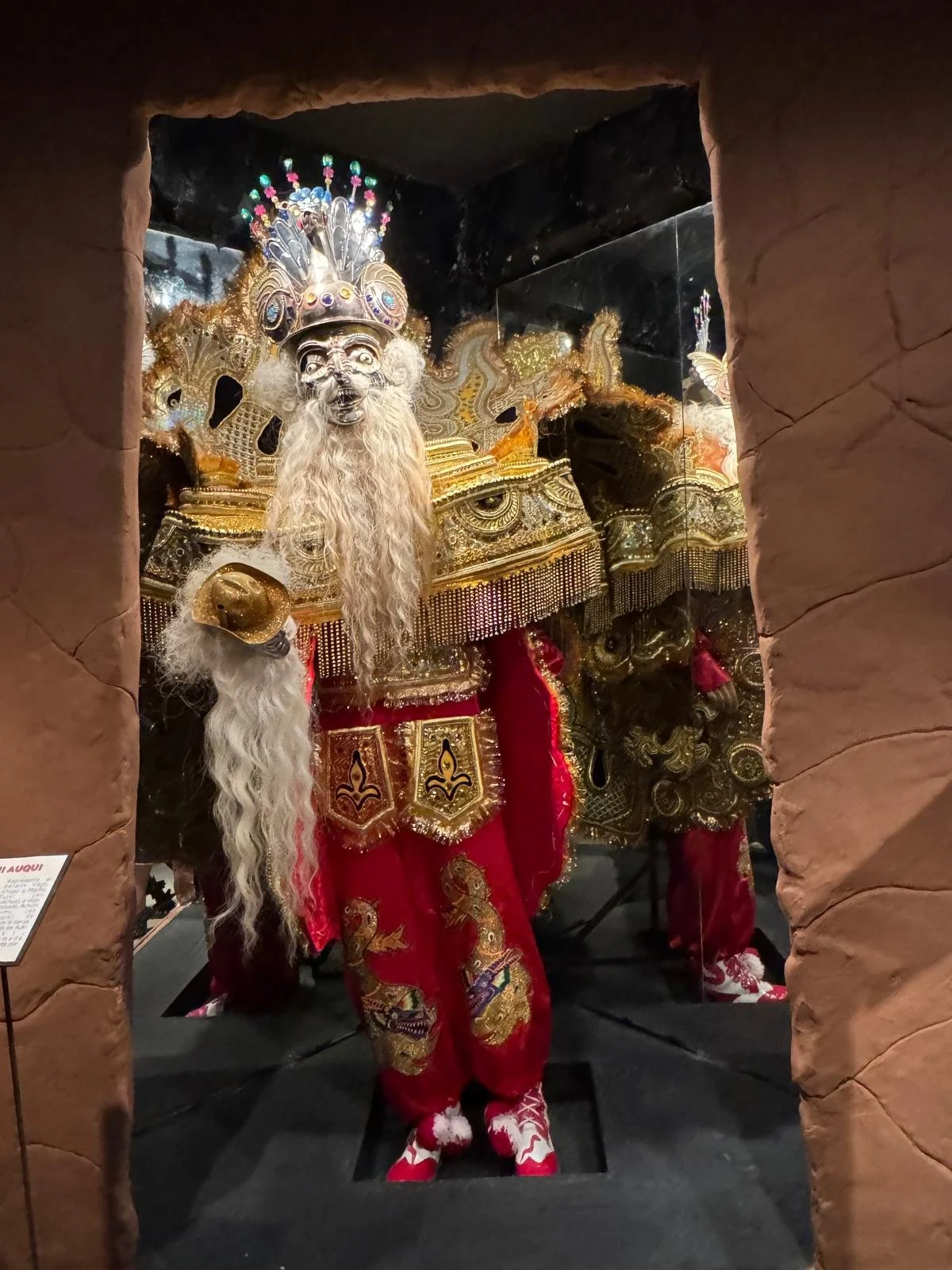
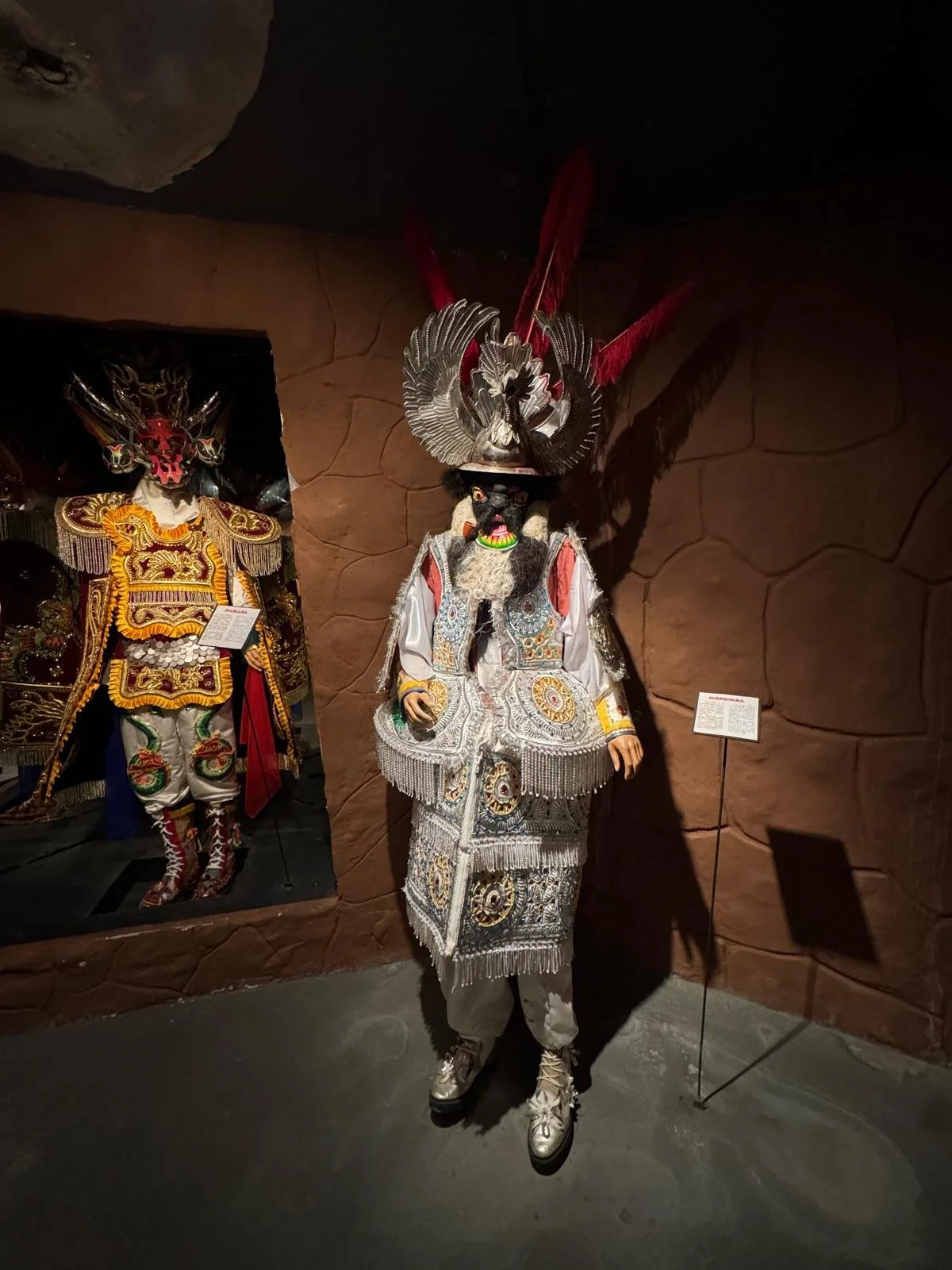
Underneath us was an underground museum called the Ekako, which contains the largest collection of Sun Island’s archaeological items and Andean mummies, as well as dressed figures showing elaborate Inca Costumes relating to Ekeko tradition in Bolivia, and costumes worn at the Oruro Carnival, showcasing Andean cultural heritage. This carnival is a ten day recognised UNESCO festival, pre-lent, which blends Indigenous Andean traditions with Catholic beliefs and honours the Virgen del Socavón, the Virgin of the Mine Shaft, the patron saint of miners. It features over 28,000 dancers and 10,000 musicians performing for 20 hours in a devil dance 4km long procession! How about that!!! There were also another two life-sized figures of Manco Cápac and Mama Ocllo with a totora reed boat.
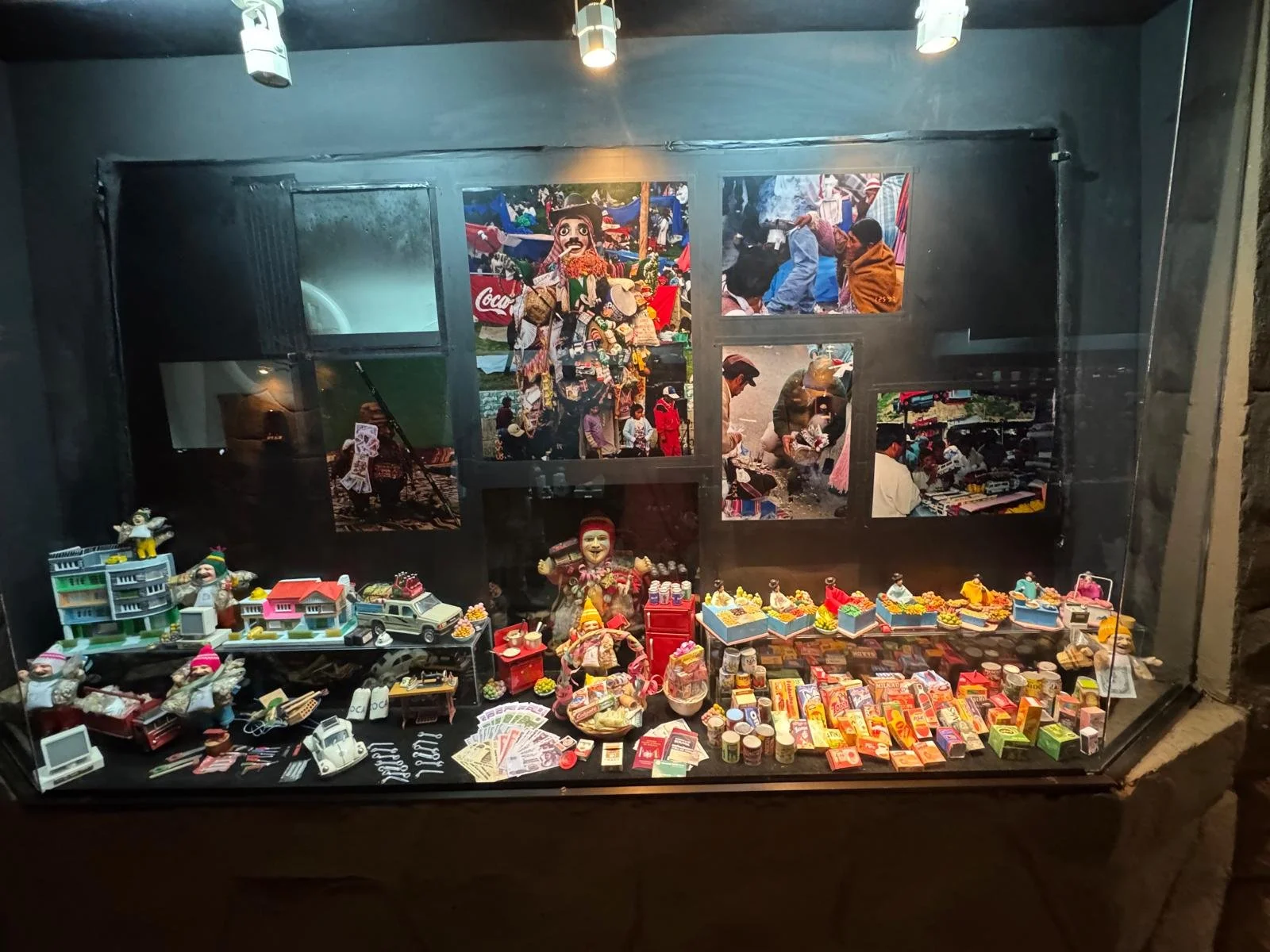
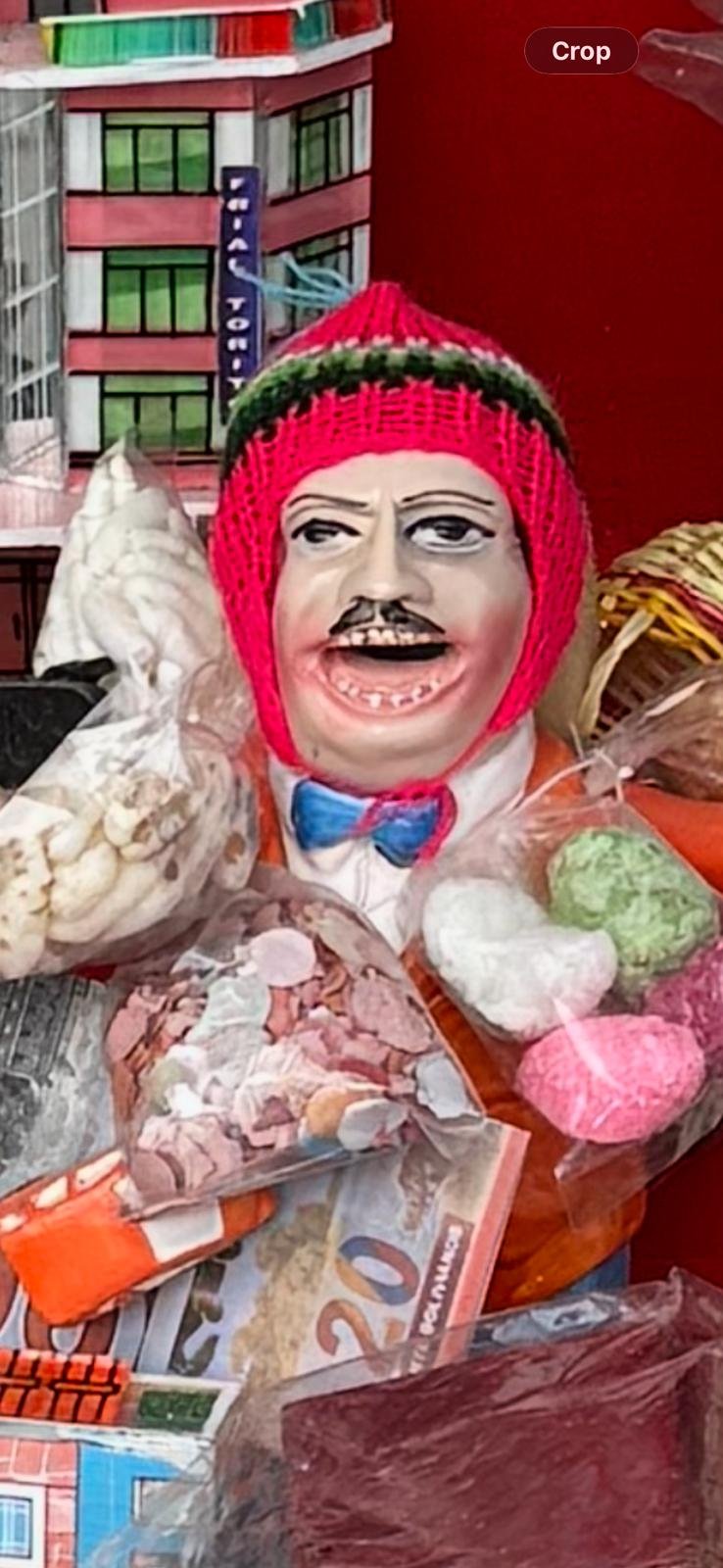
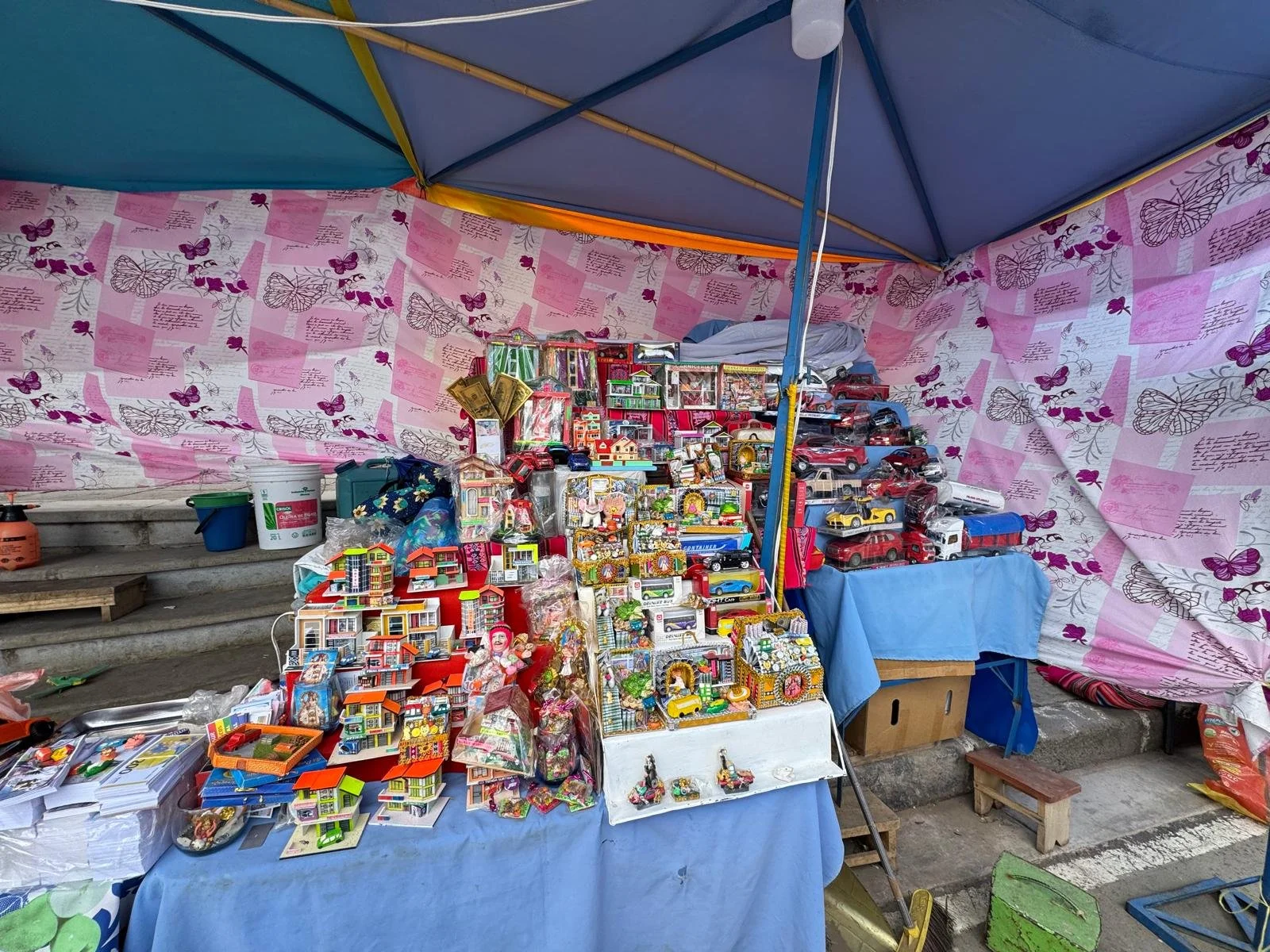
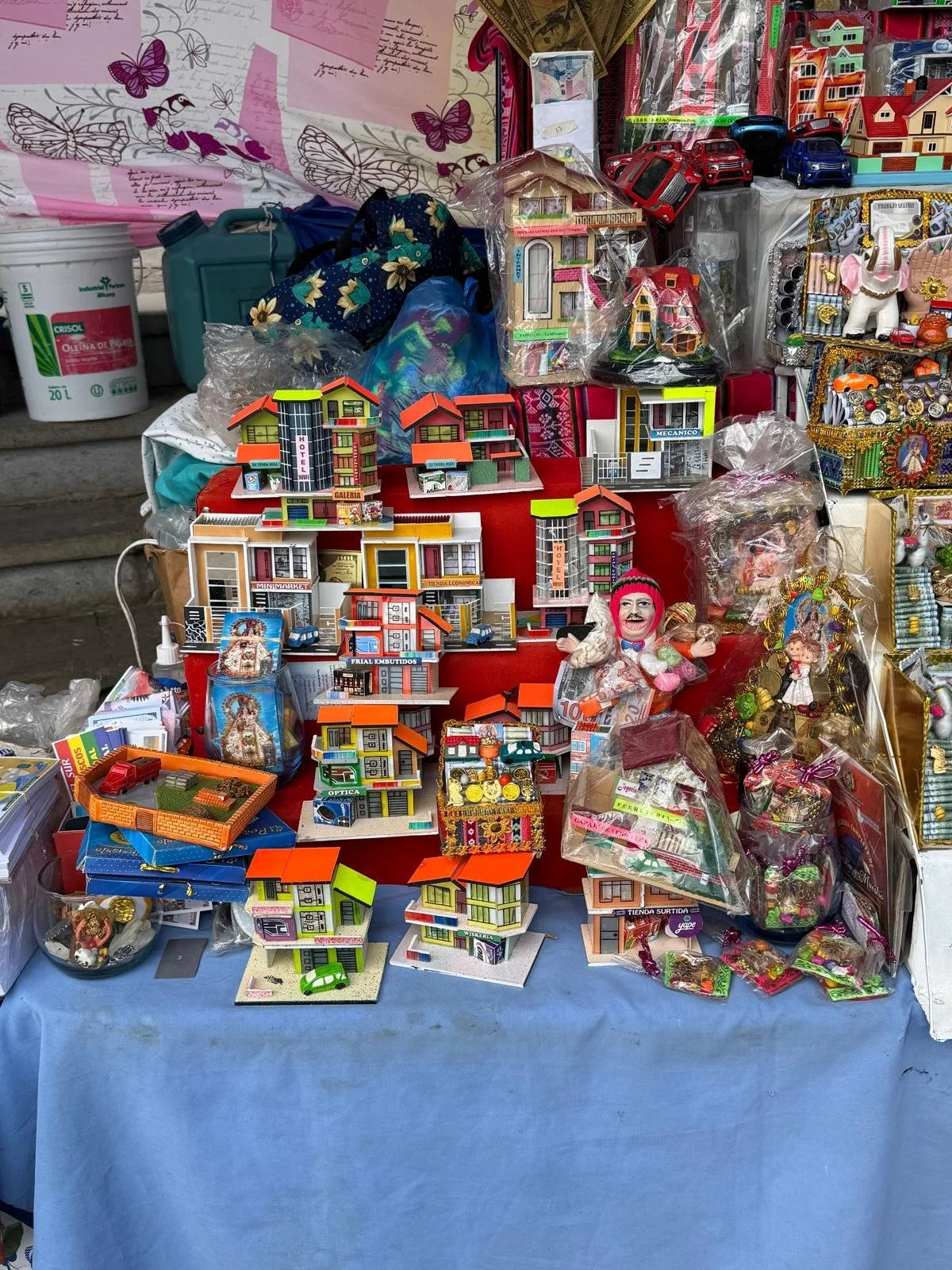
Another interesting thing in Bolivia, is the practice of using miniature figures to wish for things. We saw an example of this in the market and again a window showcasing it in this museum. It is centred around the Alasitas Festival, a month-long event starting annually on 24 January in La Paz and then spreading around the country. It is a mix of Andean indigenous beliefs and modern consumerism, centred on the belief that acquiring miniatures of desired items will bring them to life-sized reality in the future. The central figure is Ekeko, the Andean god of abundance and fortune. Believers purchase, the miniature items, take them to be blessed by the Catholic priest with holy water, or by an Andean Shaman, a Yatiris, with incense and smoke, and place them on the Ekeko statue who is typically kept at home – see the photo of him on the market stall with the moustache and the knitted hat. People buy all sorts of miniatures – cars, tiny houses, bags of food, laptops, university diplomas, fake money. Alasitas is the Aymara name for “buy me”. Isn’t this fascinating!
Then it was back to the catamaran where the chef had prepared a typical Peruvian lunch for us to enjoy before we disembark at Chua Wharf for our bus trip to Bolivia’s capital, La Paz.