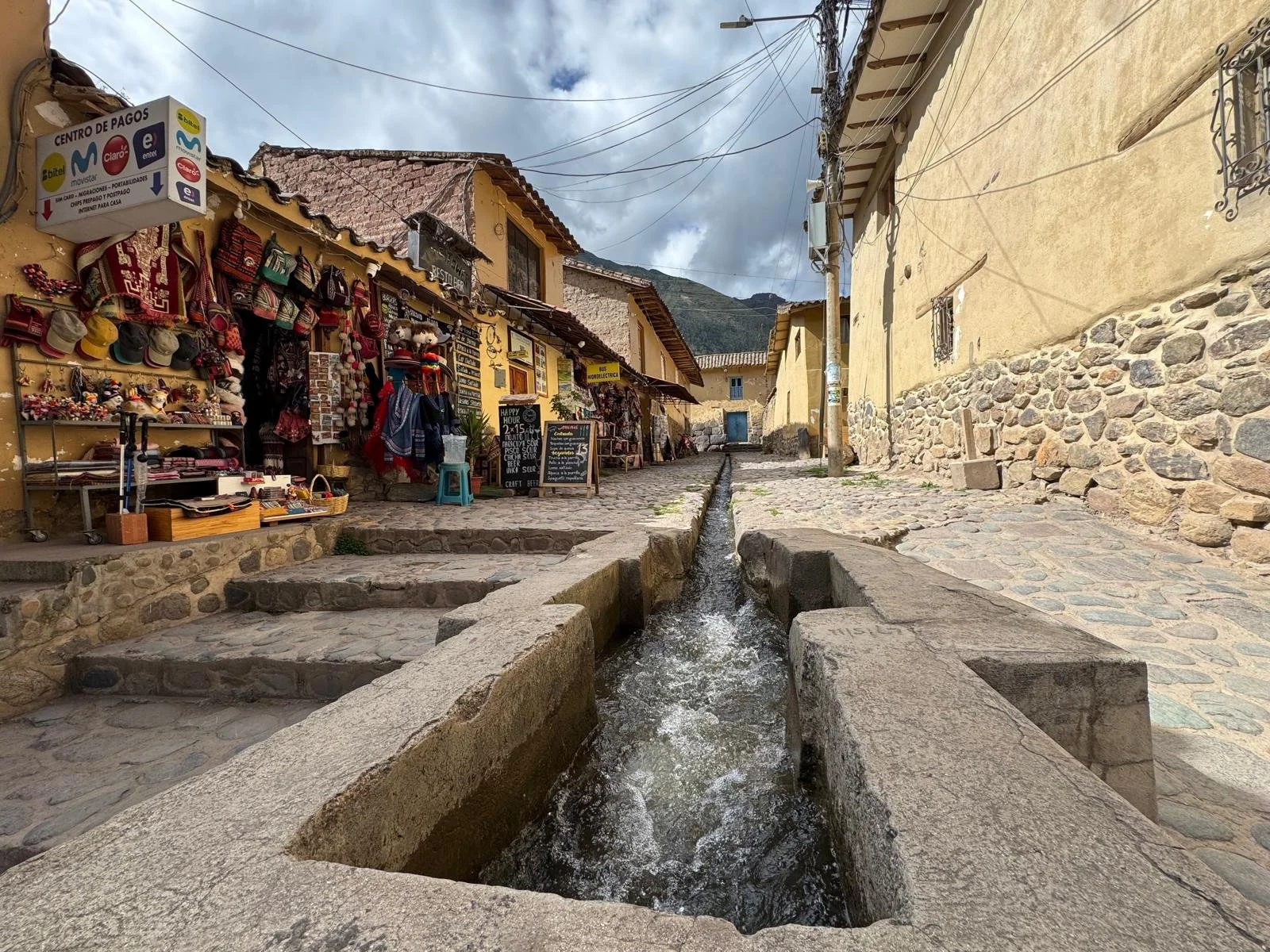
Peru’s Sacred Valley
Friday 13 March
Exciting day today – we’re off to a new country – Peru! It’s a two-flight journey via Santiago so another early start. On our Santiago/Cusco flight I had been booked in a window seat so kindly offered it to Geoff, as I had a feeling of what was to come. And I wasn’t wrong…he looked out of the window on our approach to the airport and we came out of the cloud and into the mountains (not literally, just amidst!). The guide who met us told us it is one of the most dangerous airports to land in and that the pilots can’t see the airport until 4 minutes before landing! I was very happy to be sitting in an aisle seat I can tell you!! Geoff said it was worse than Queenstown and the old Kowloon airport in Hong Kong. And now we’re here – at 3,800 metres above sea level (that’s about the height of Mt Cook) and staggering around like a couple of drunks and feeling very light-headed, despite the altitude tablets we started taking two days ago.
Into the car with our driver who was taking us to our hotel – little did we know, it was a 2 ½ hour drive away – and through the Andes on a dark road. I was absolutely shattered with it all by the time we arrived at the hotel and not having eaten an awful lot, we dumped our bags and had a quick bowl of soup in the restaurant, got our clothes sorted out for tomorrow’s early start (yes, another one!) and it was straight to bed.
Saturday 14 March
We’re in the Valle Sagrado, Sacred Valley, a stunning Andean river valley which stretches along the Urubamba River between Písac and Ollantaytambo. It is renowned as the heart of the Inca Empire and is an extremely fertile region which features mountain scenery, 3,000-year-old agriculture and significant archaeological ruins, and serves as a vital agricultural and spiritual hub
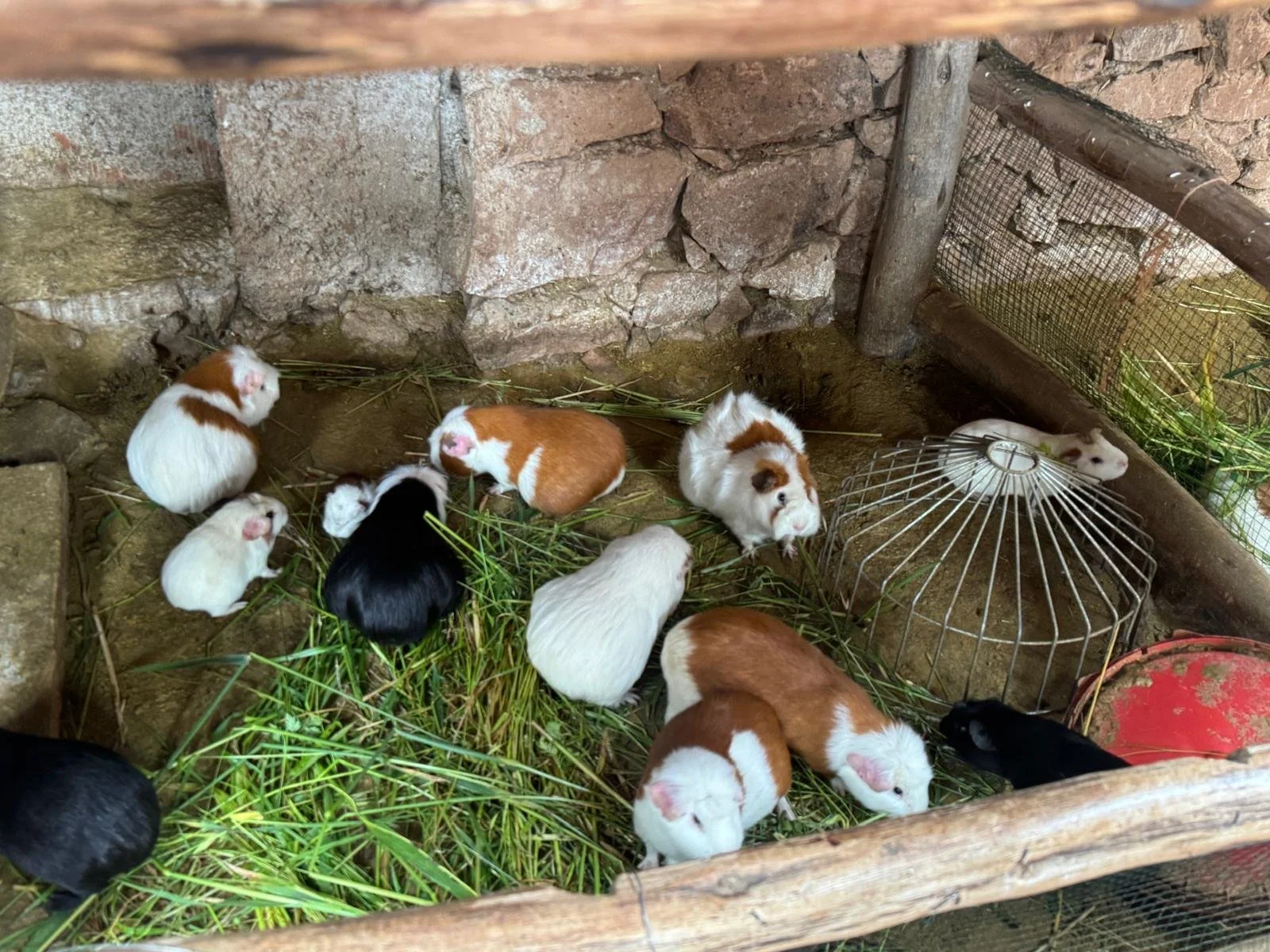
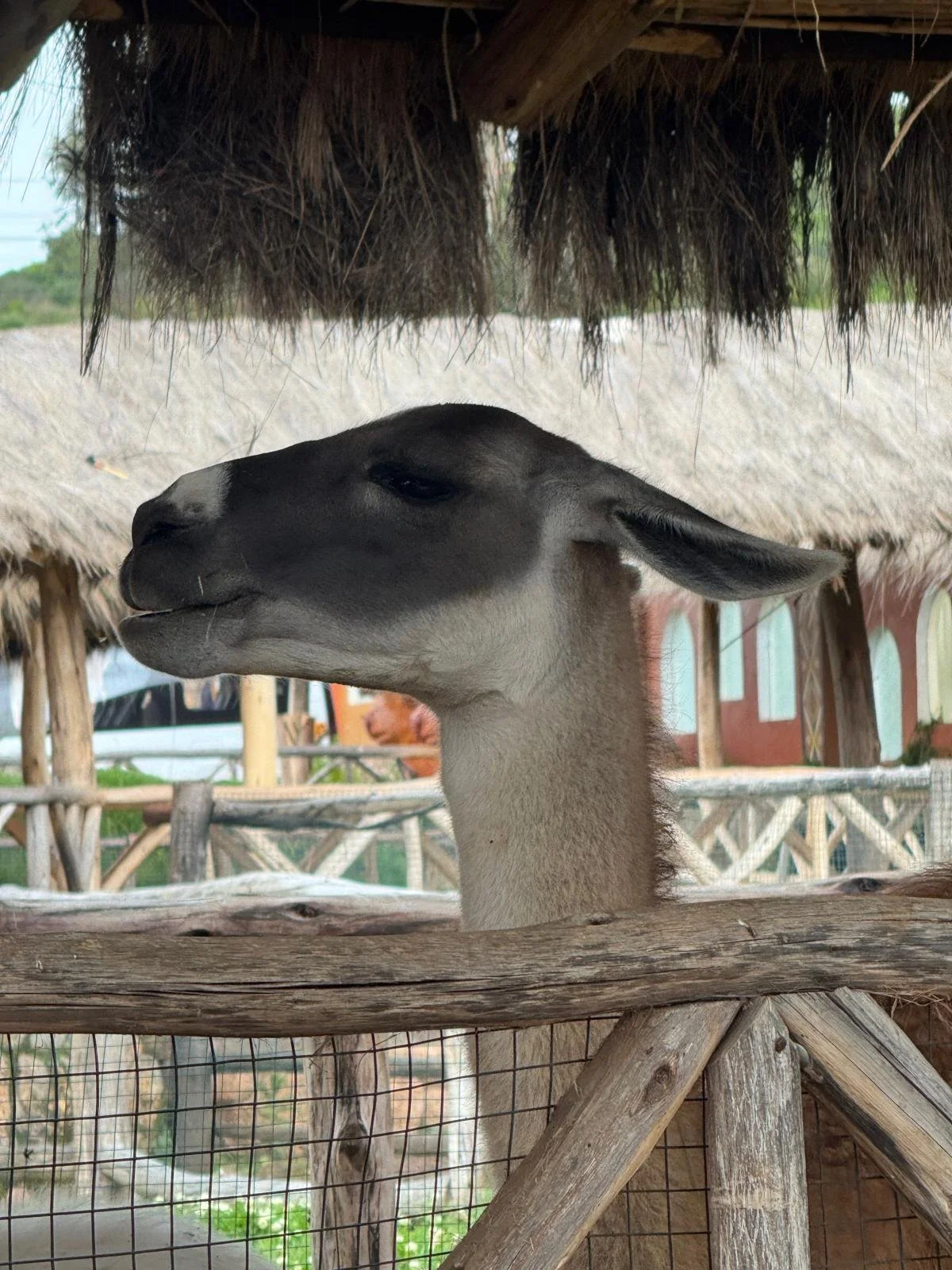
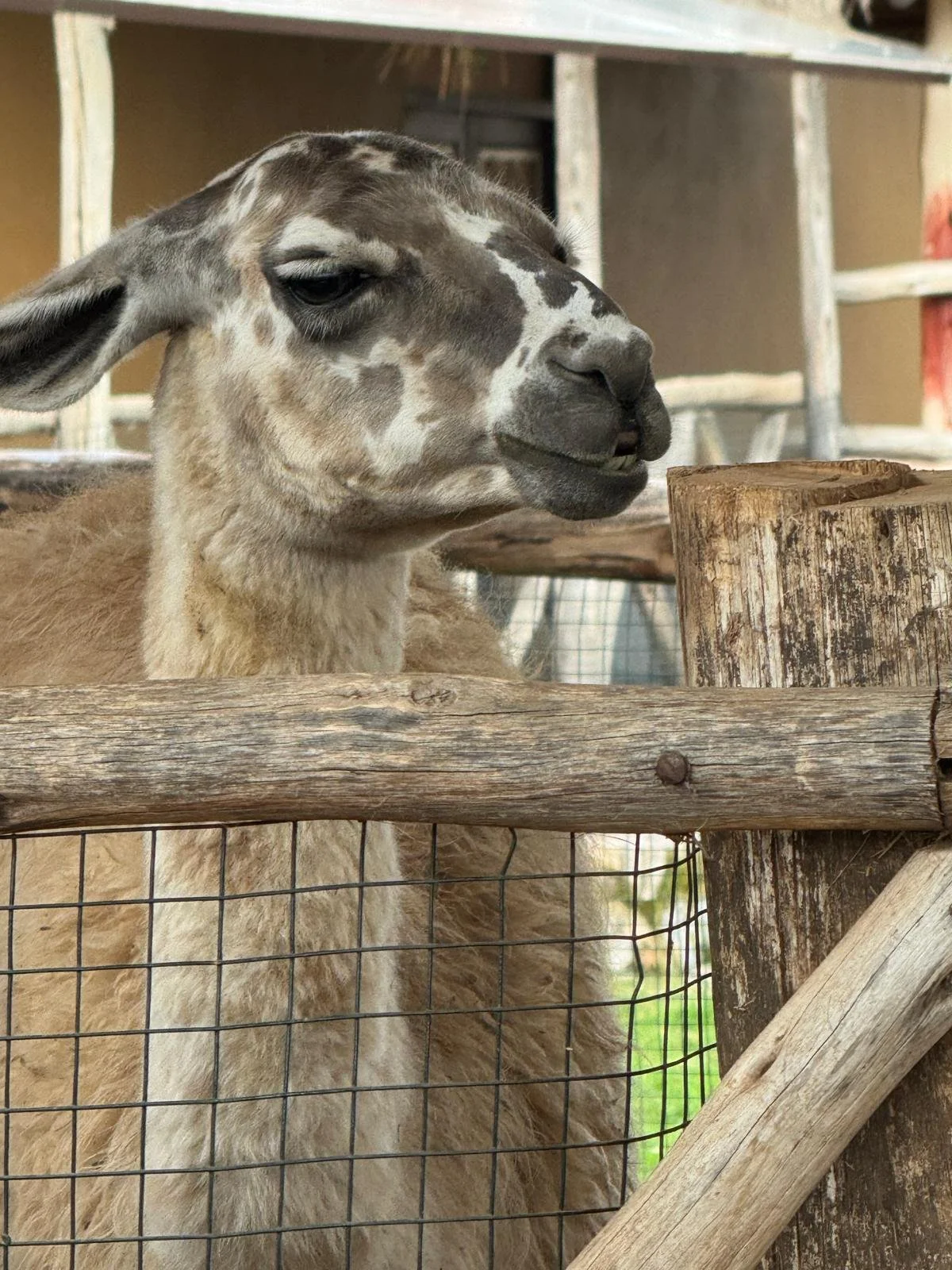
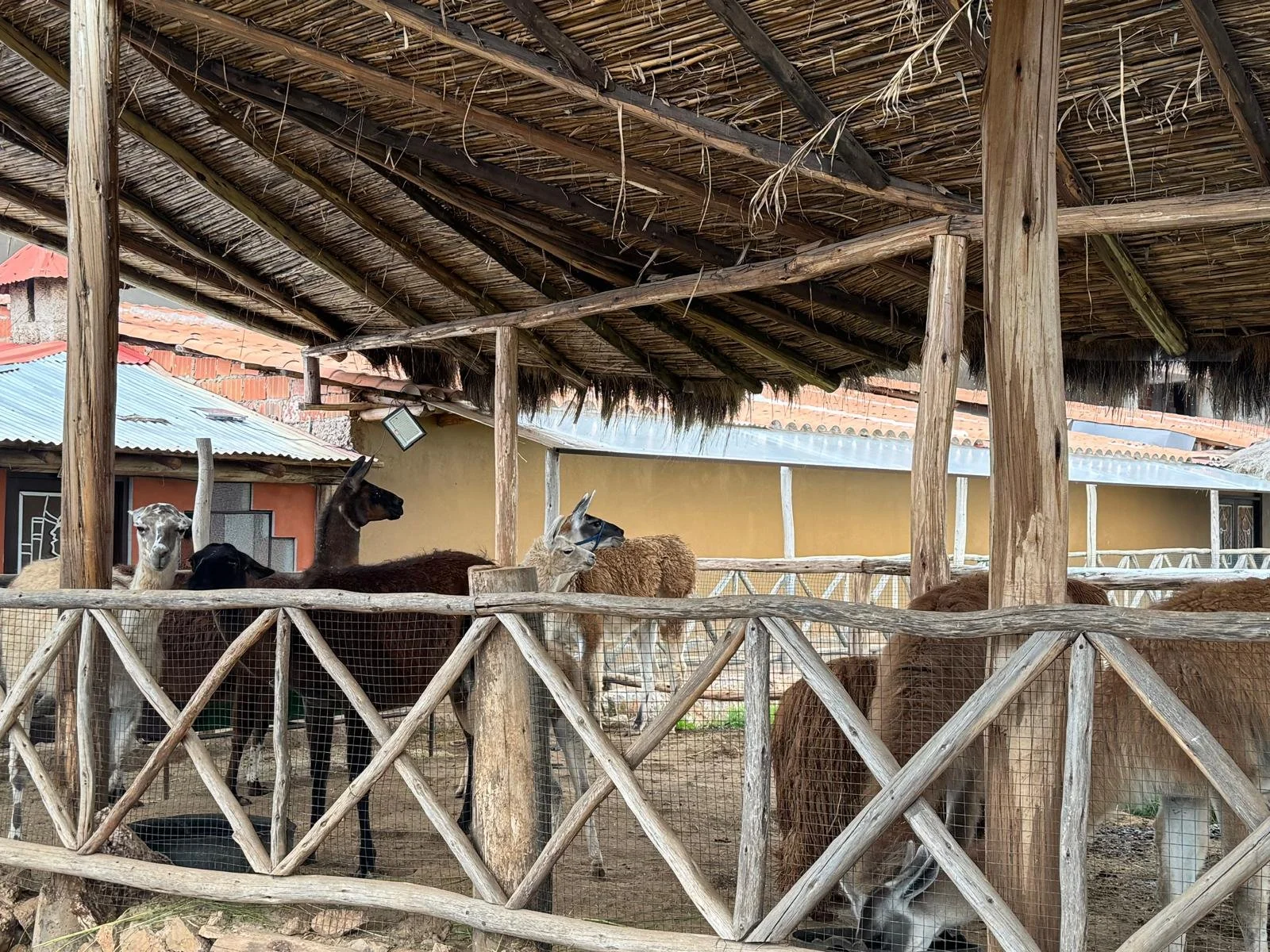
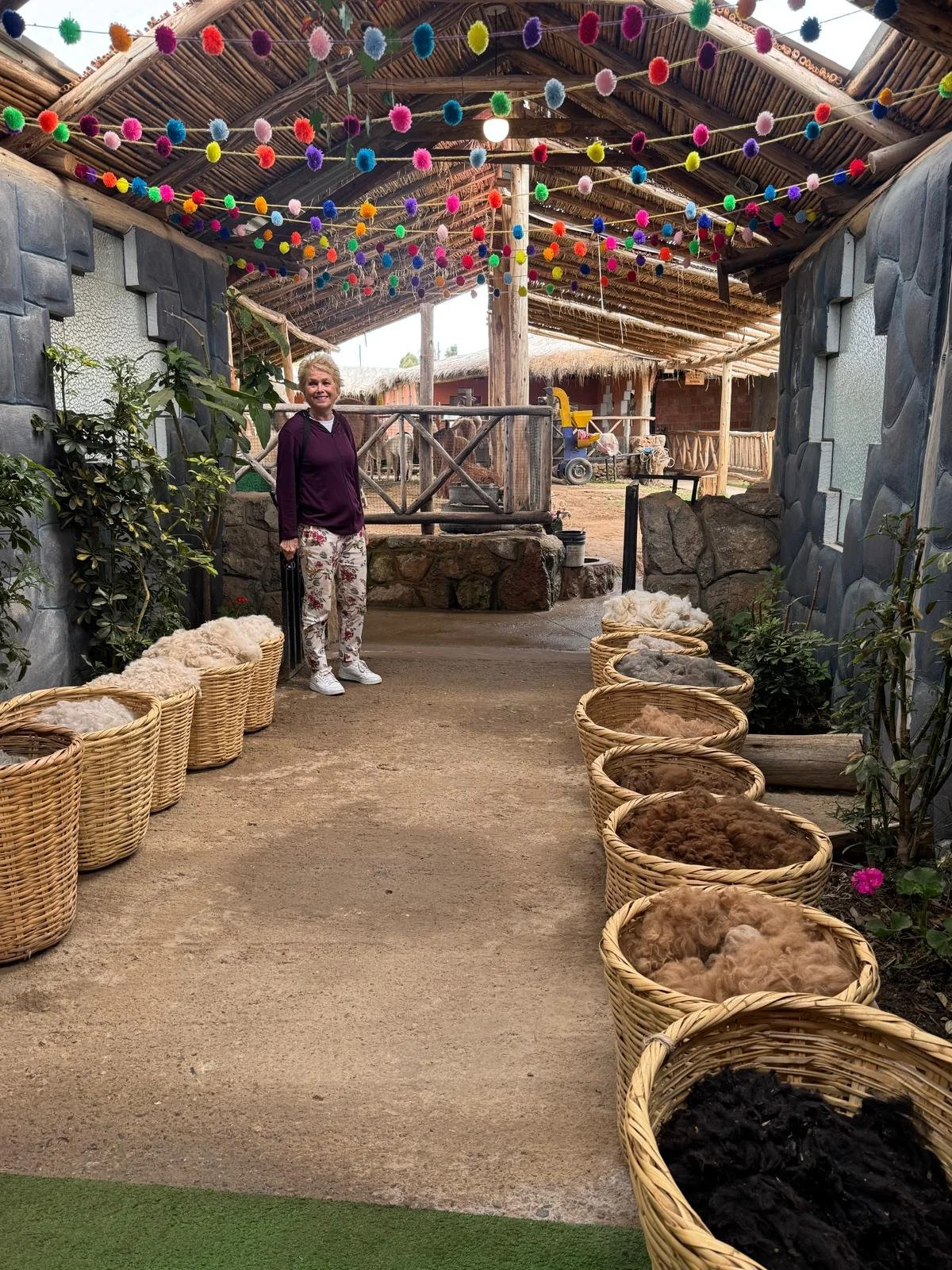
A change of clothes for us here, we’re up in the Andes and it’s a lot cooler so the merinos came back out of the suitcase this morning. The first stop on our tour was to a delightful place called Centro Cultural Parwa in Chinchero. Many communities here still organise themselves according to the Inca system of ayllus, where the fundamental, kinship-based community units of the Inca Empire function as networks of families sharing land, resources and labour, while supporting the state through collective labour and communal farming. At the centre we were shown the llamas, alpacas and also the guinea pigs (which were very chubby and apparently are the star item on celebratory menus. No thanks!). There was also another native animal called a Vicuna, a camelid found in high-altitude Andean shrublands and protected by law, it is also the national animal of Peru.
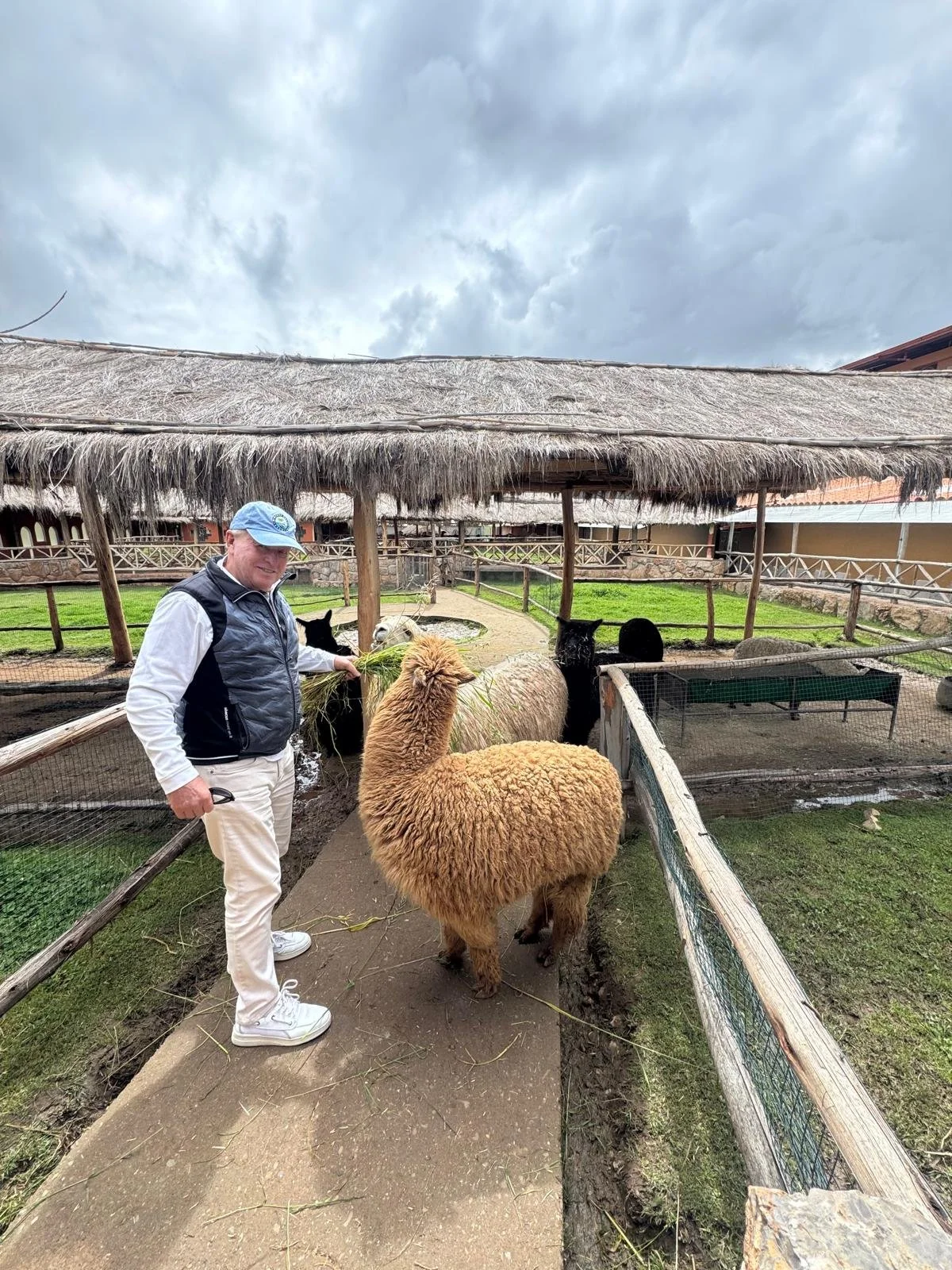
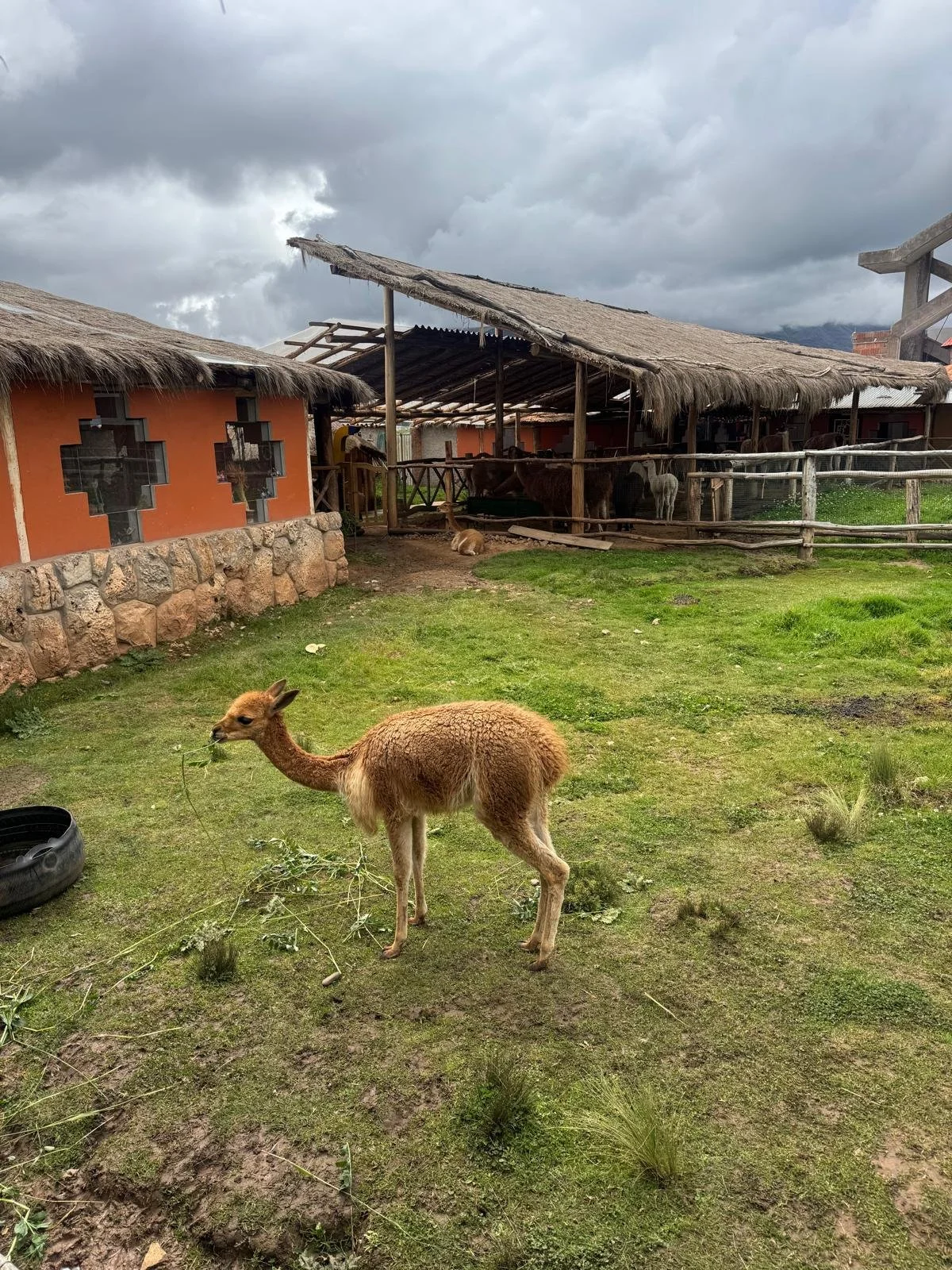
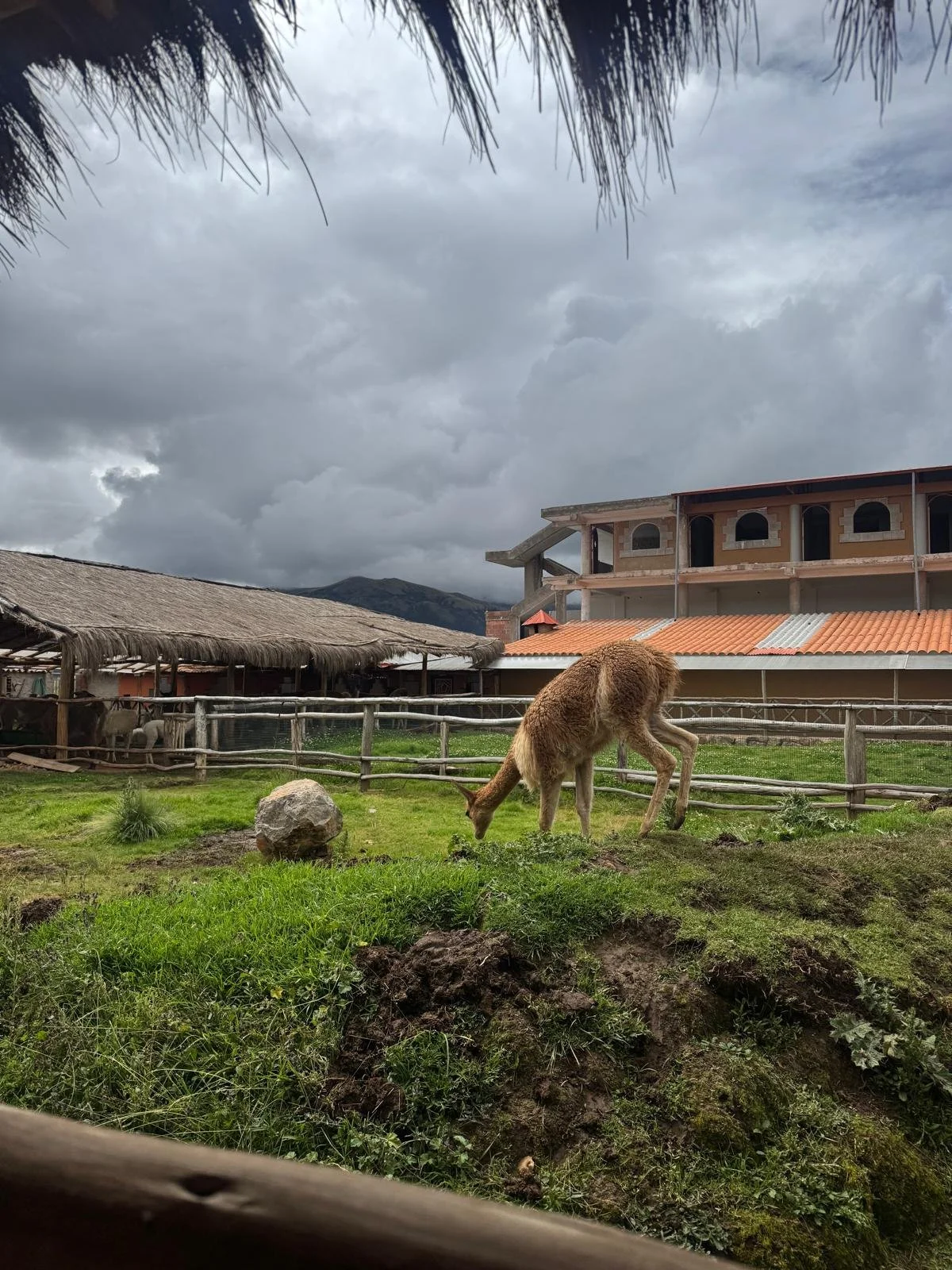
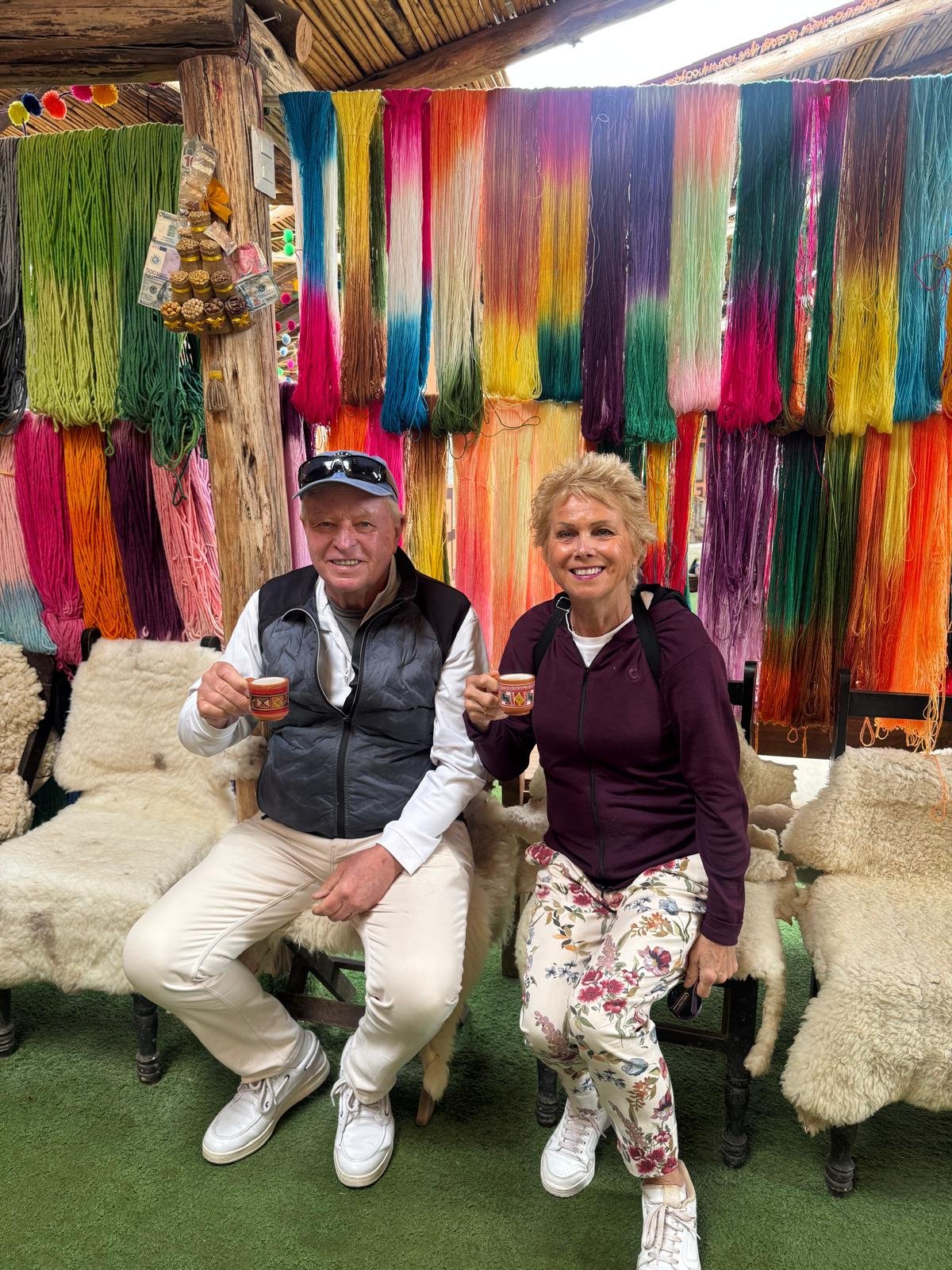
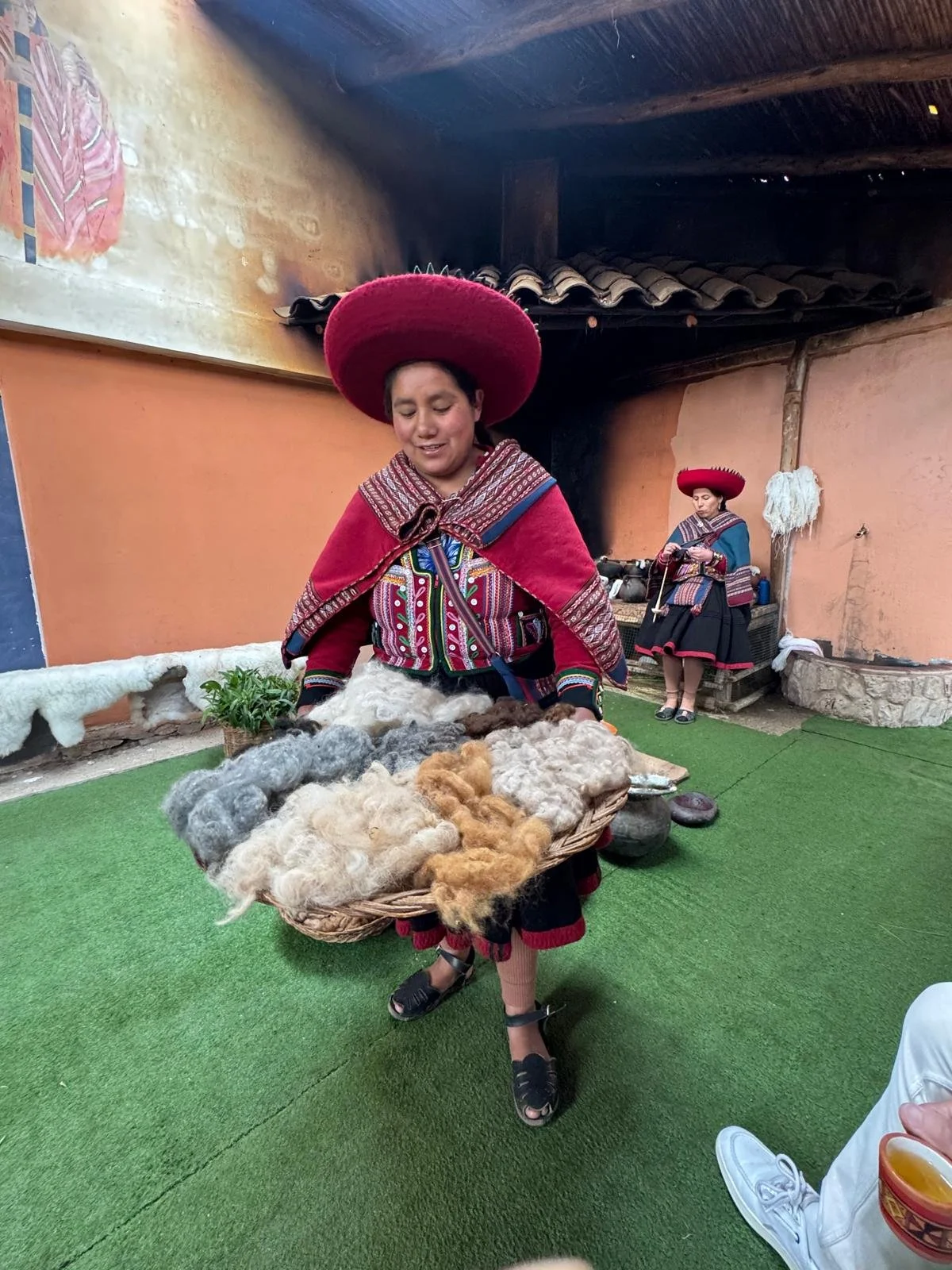
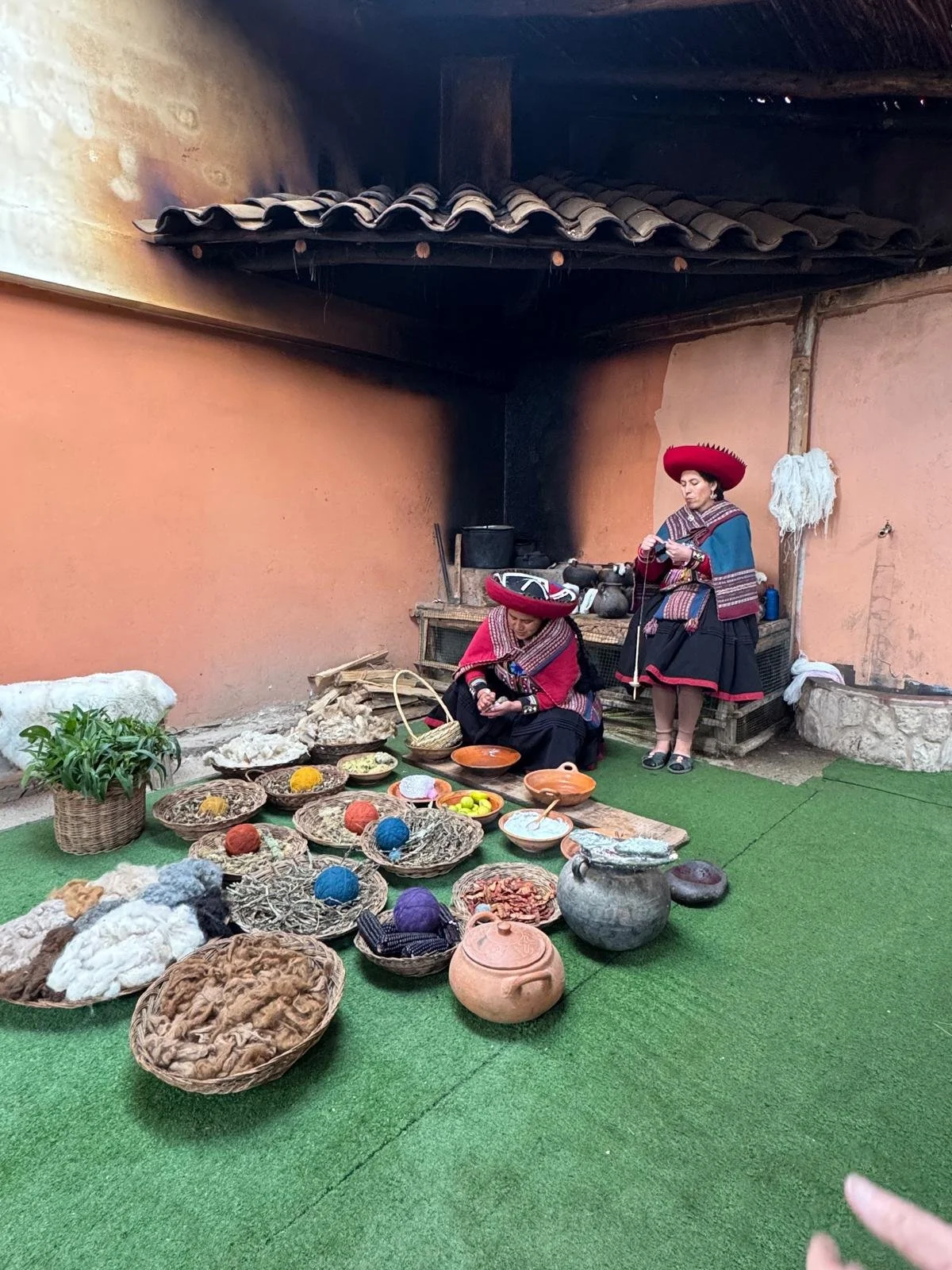
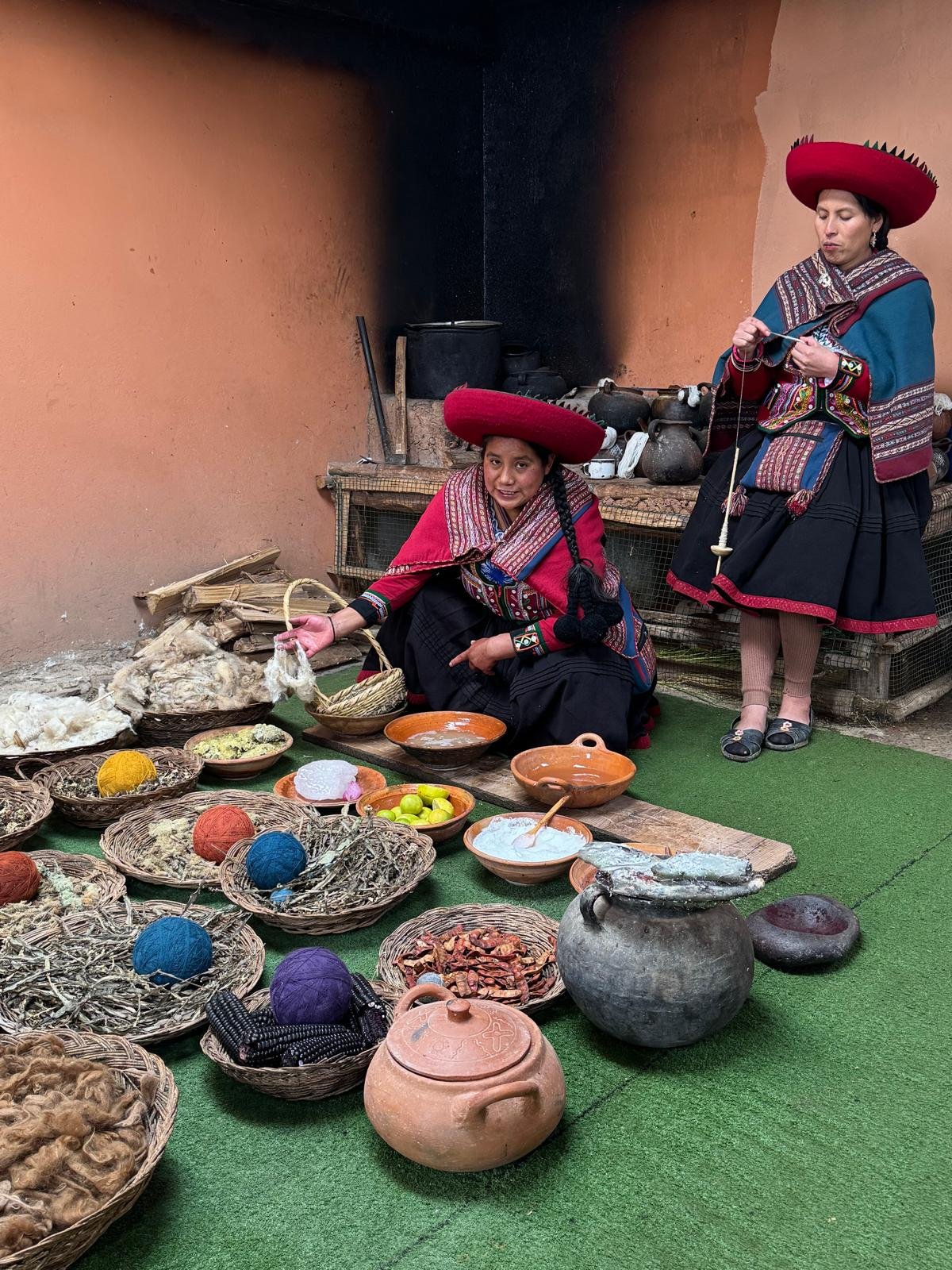
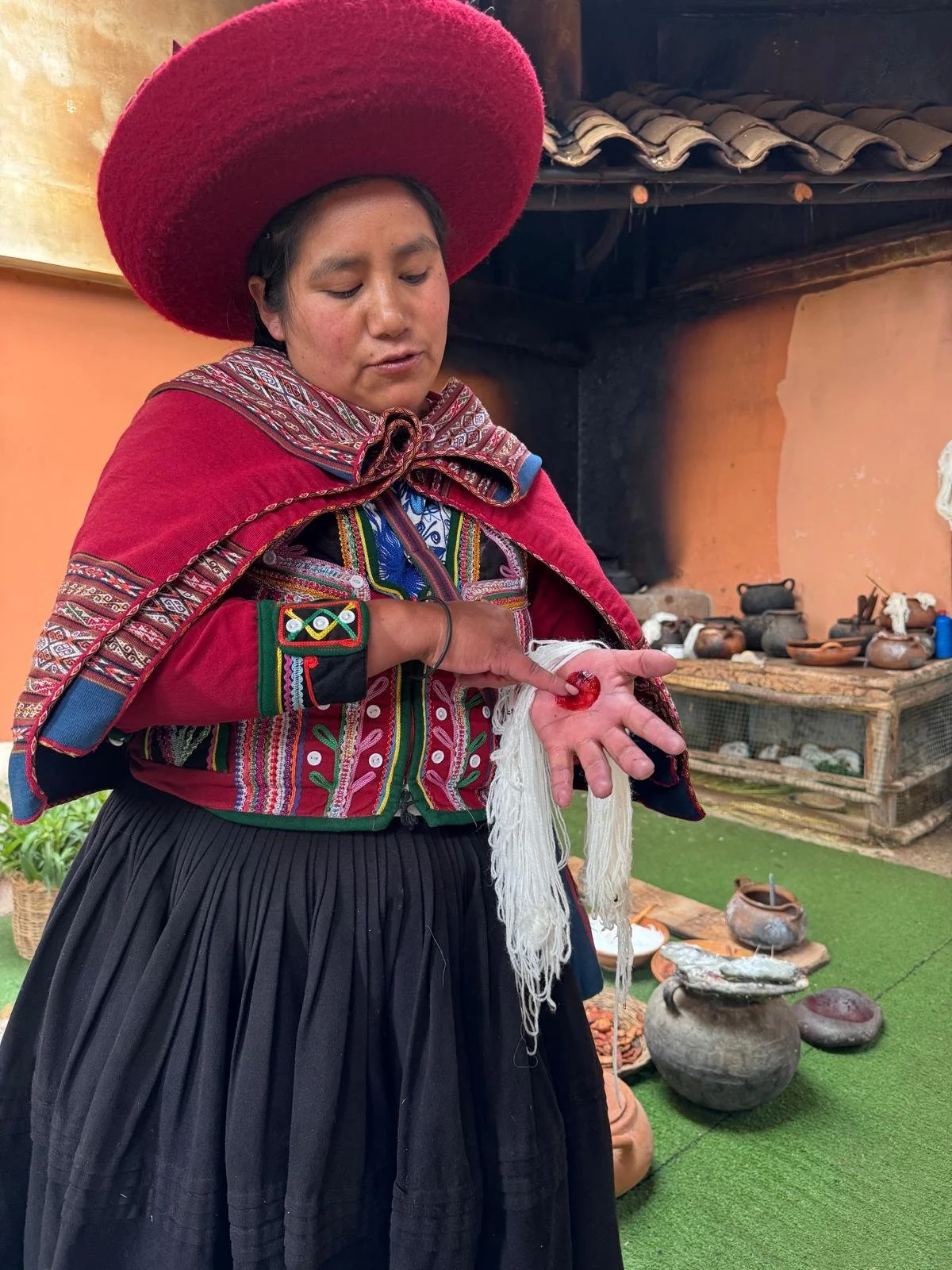
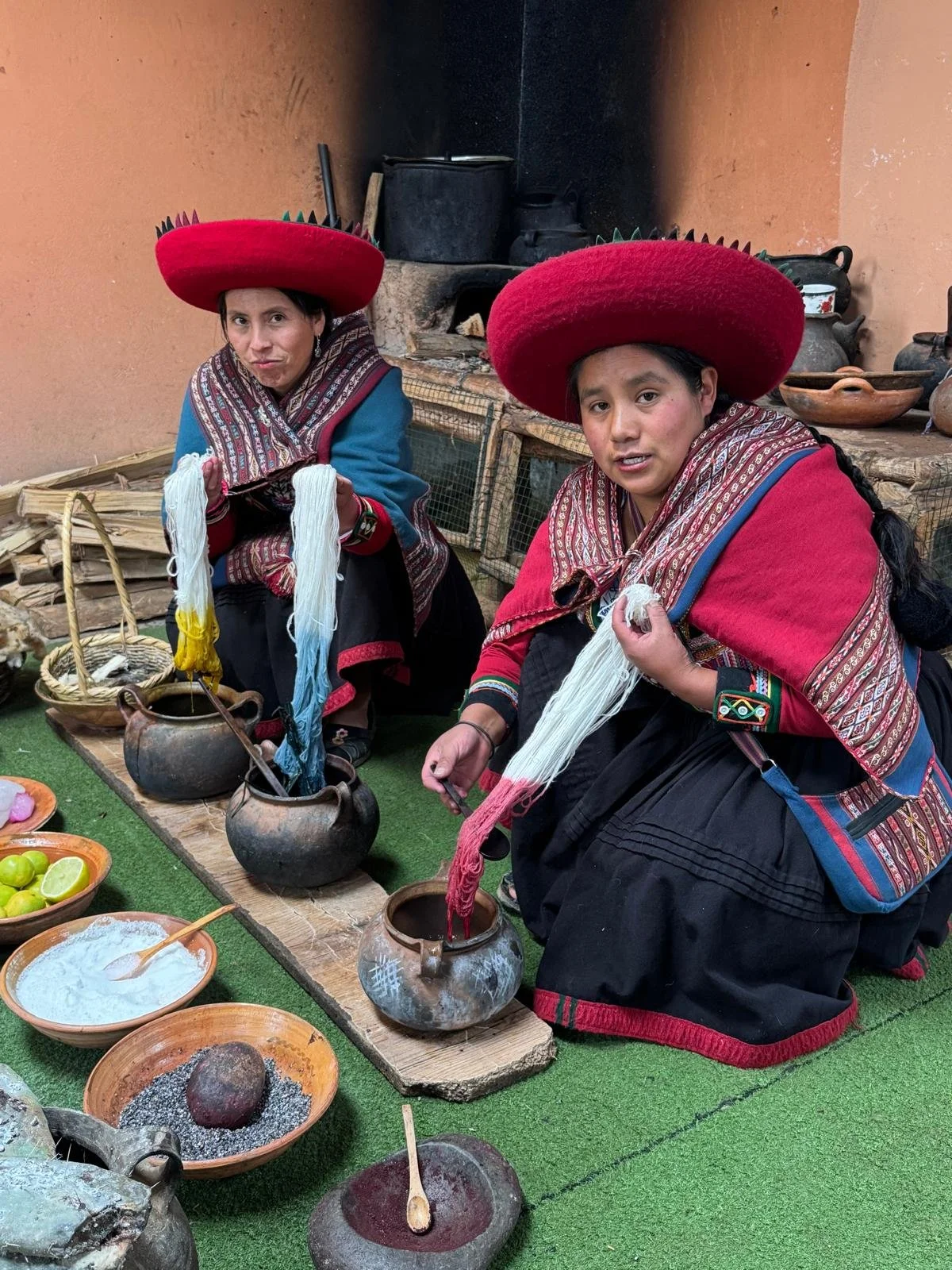
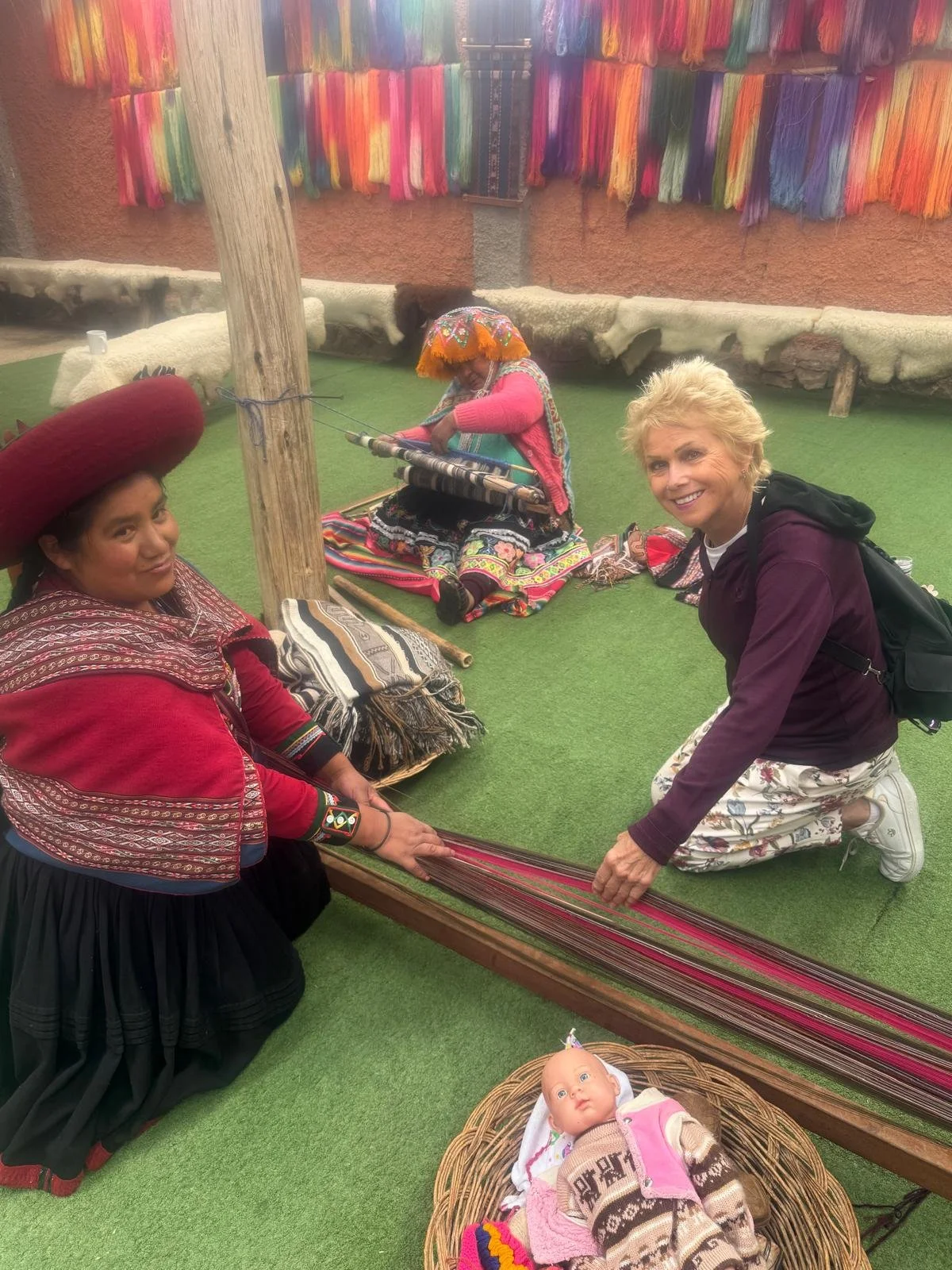
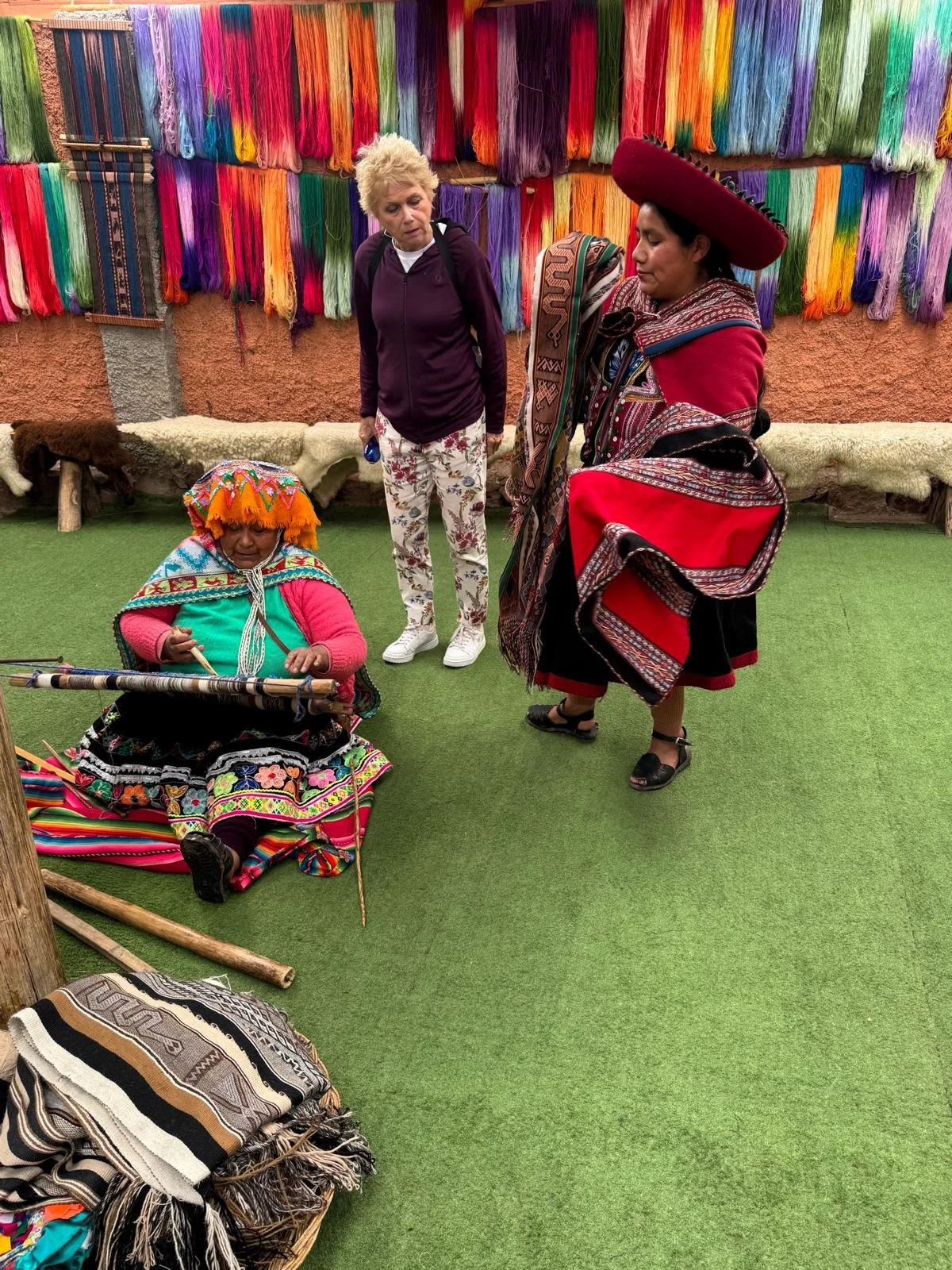
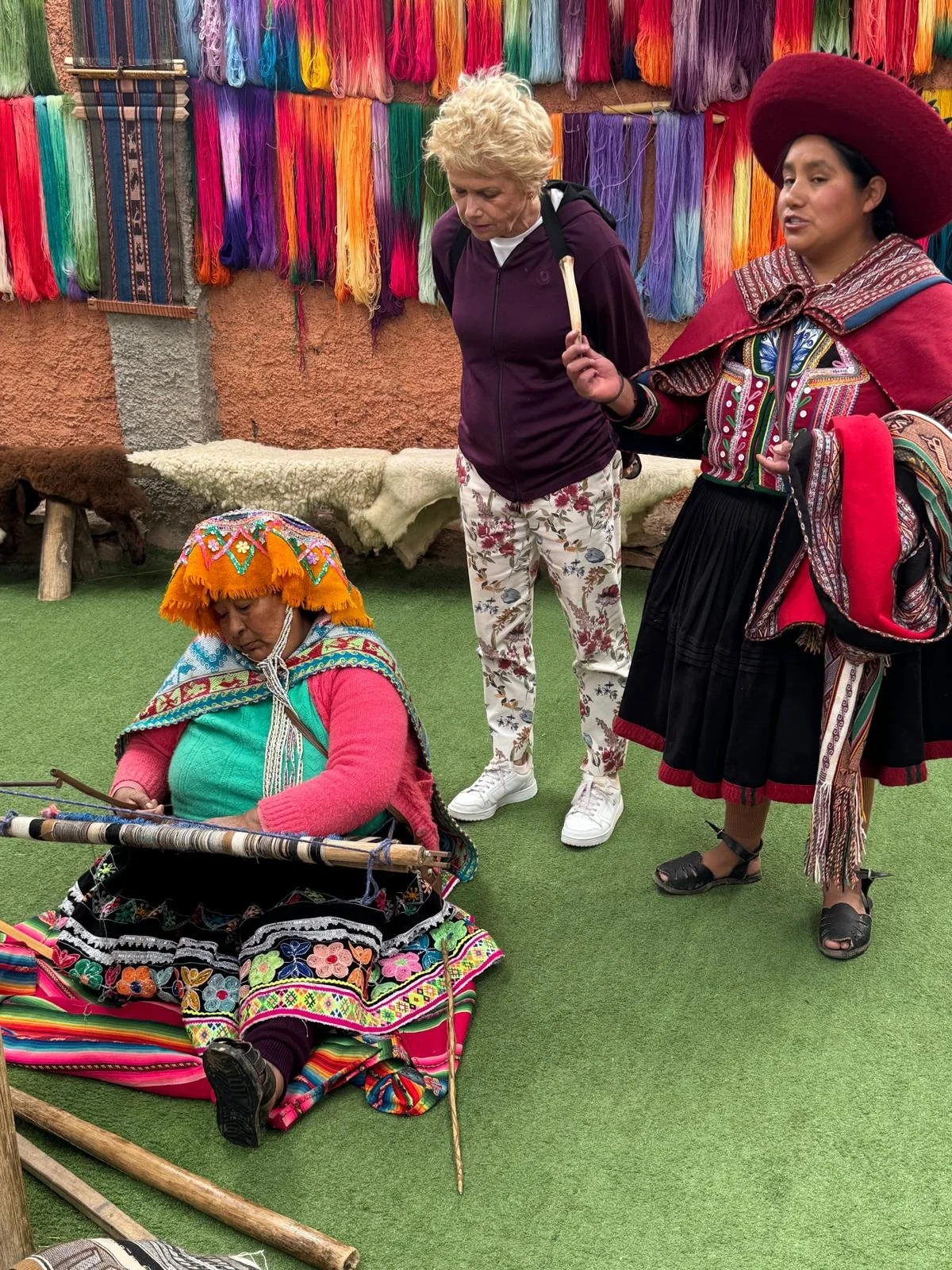
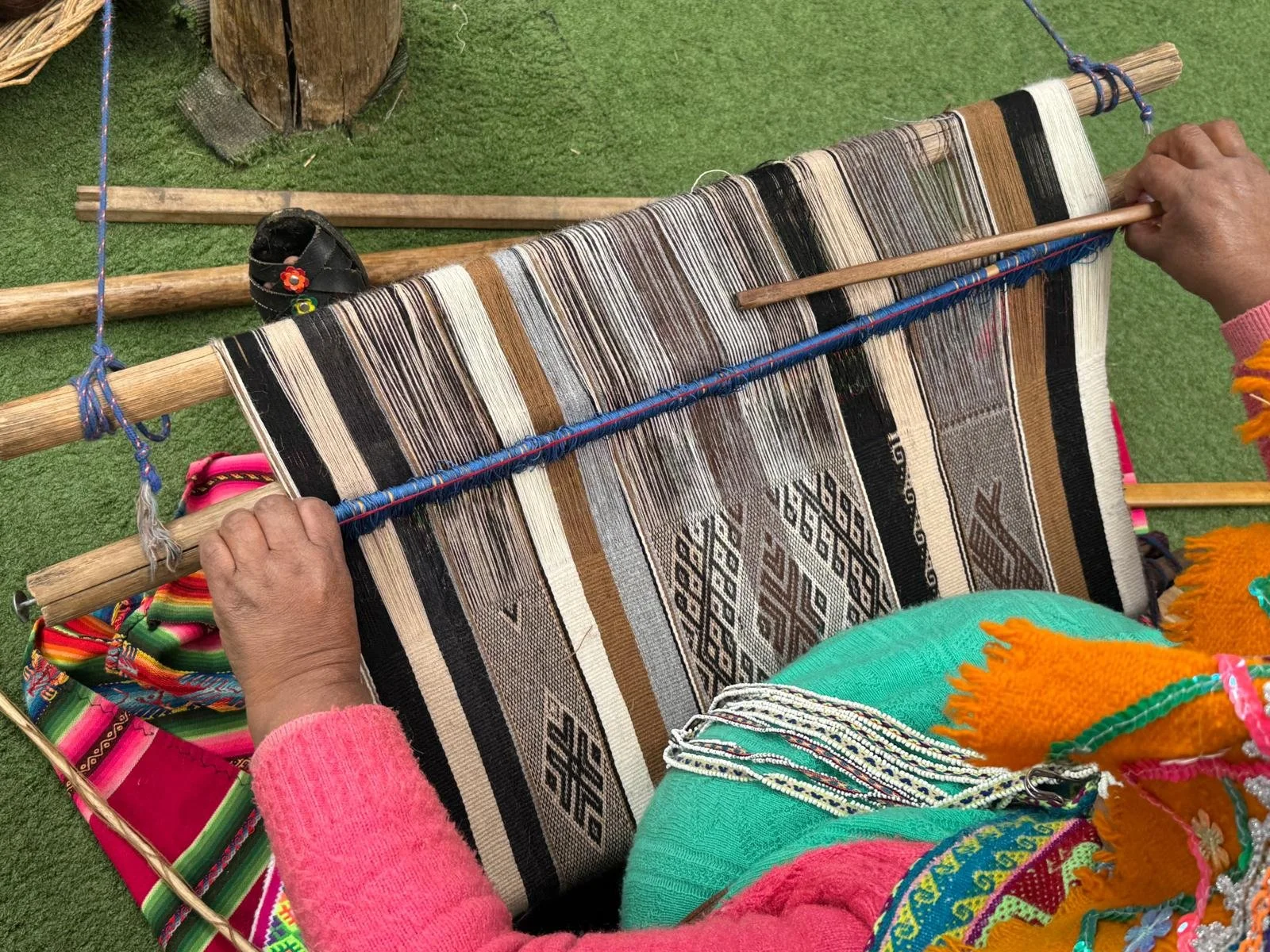
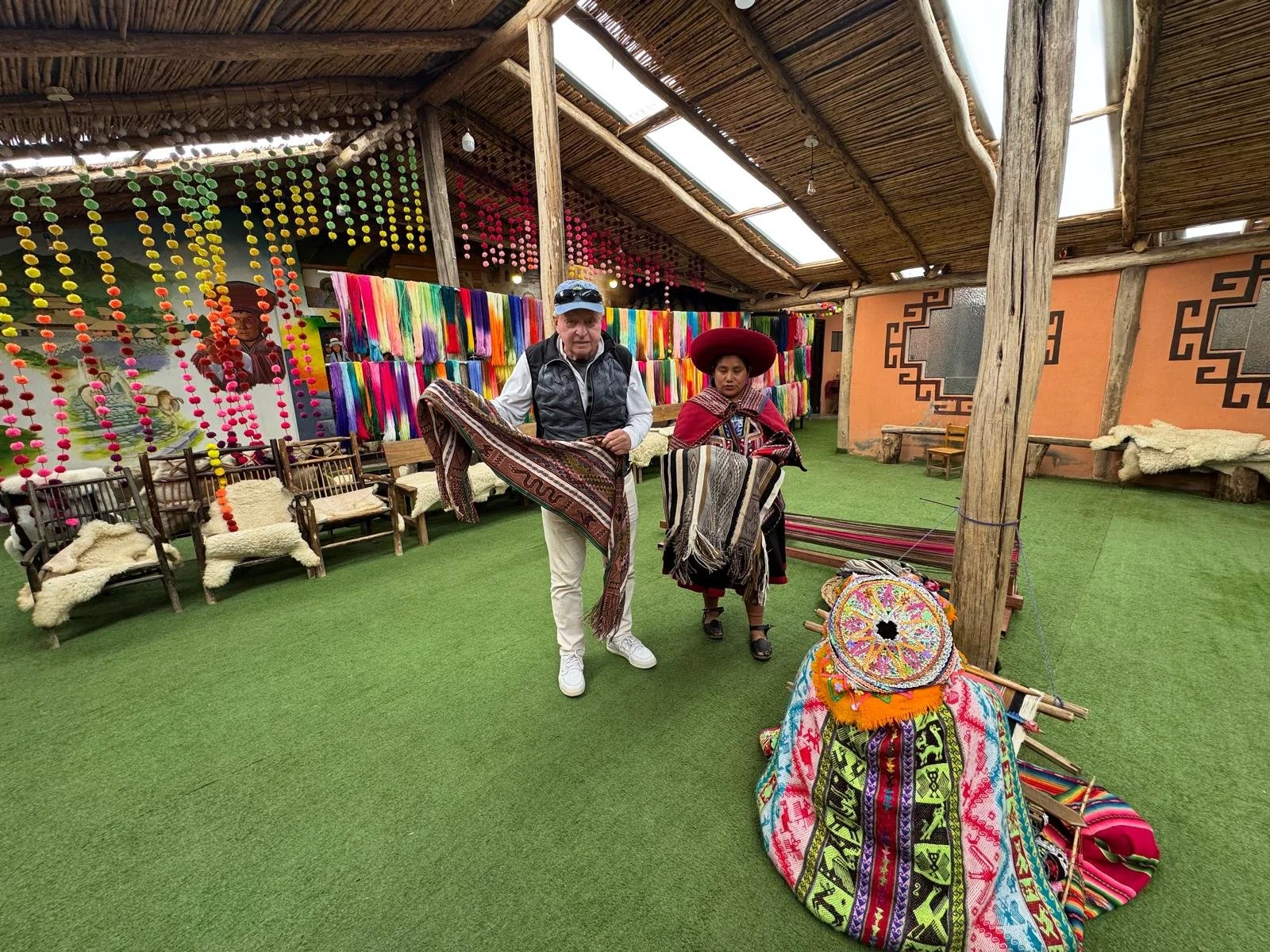
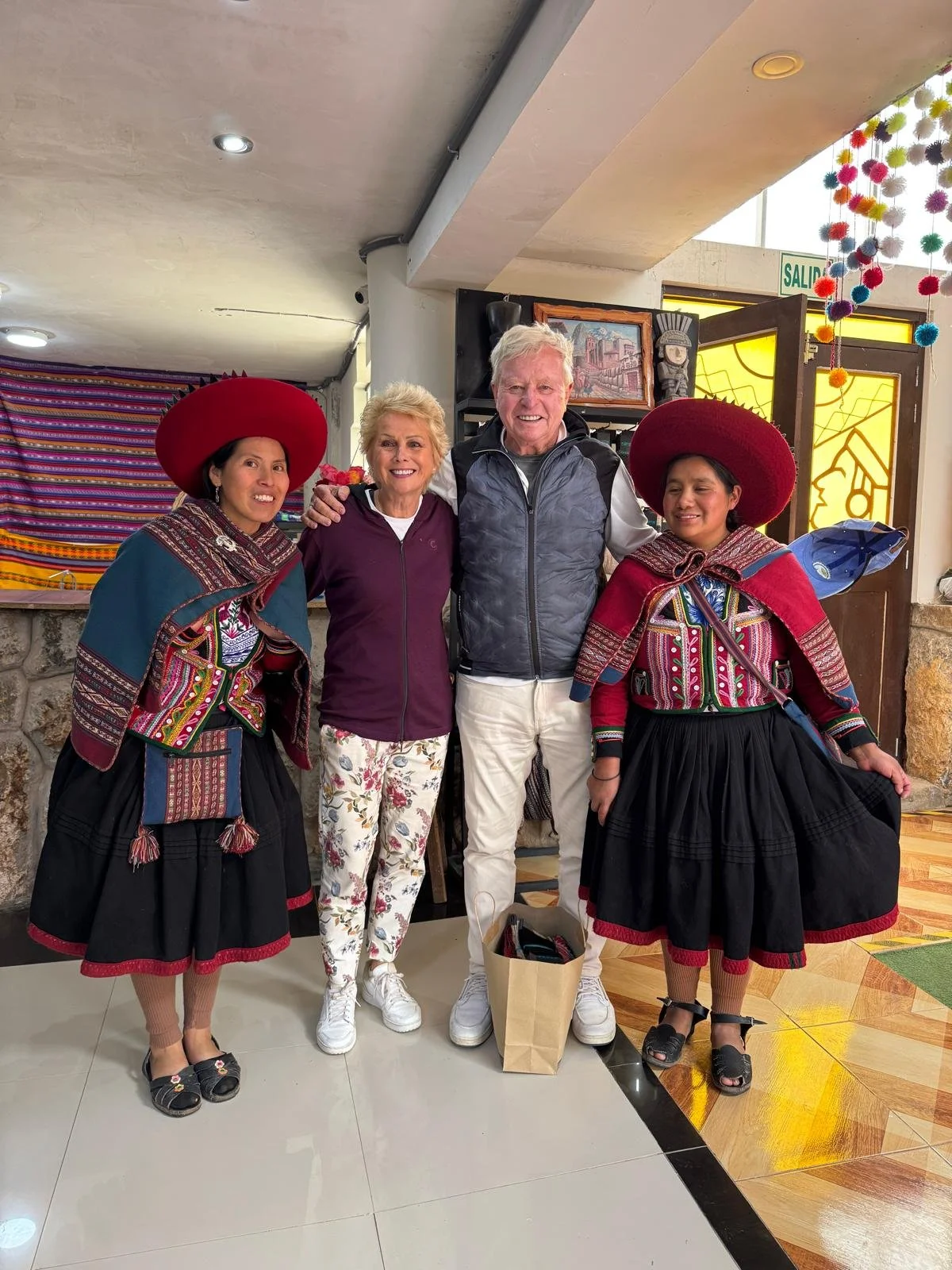
We were invited to sit down while the ladies showed us the delightfully soft alpaca wool and how they wash years of dirt off using a native plant called saqta, whose roots and fruits are rich in saponins which create a foamy lather – it was unbelievable to see how white the wool instantly became (much better than Surf then!). Then they showed us how they dyed the wool using all natural plant colourings and cochineal insects and even a strain of black corn. So clever! Then it was off to see the beautiful traditional weaving techniques and how they use animal bones in the weaving process. I bought a traditional table runner with the most beautiful patterns and it would have taken 6 hours a day for a month to weave – it’ll be on show in Wallace Street for visitors when I get home!
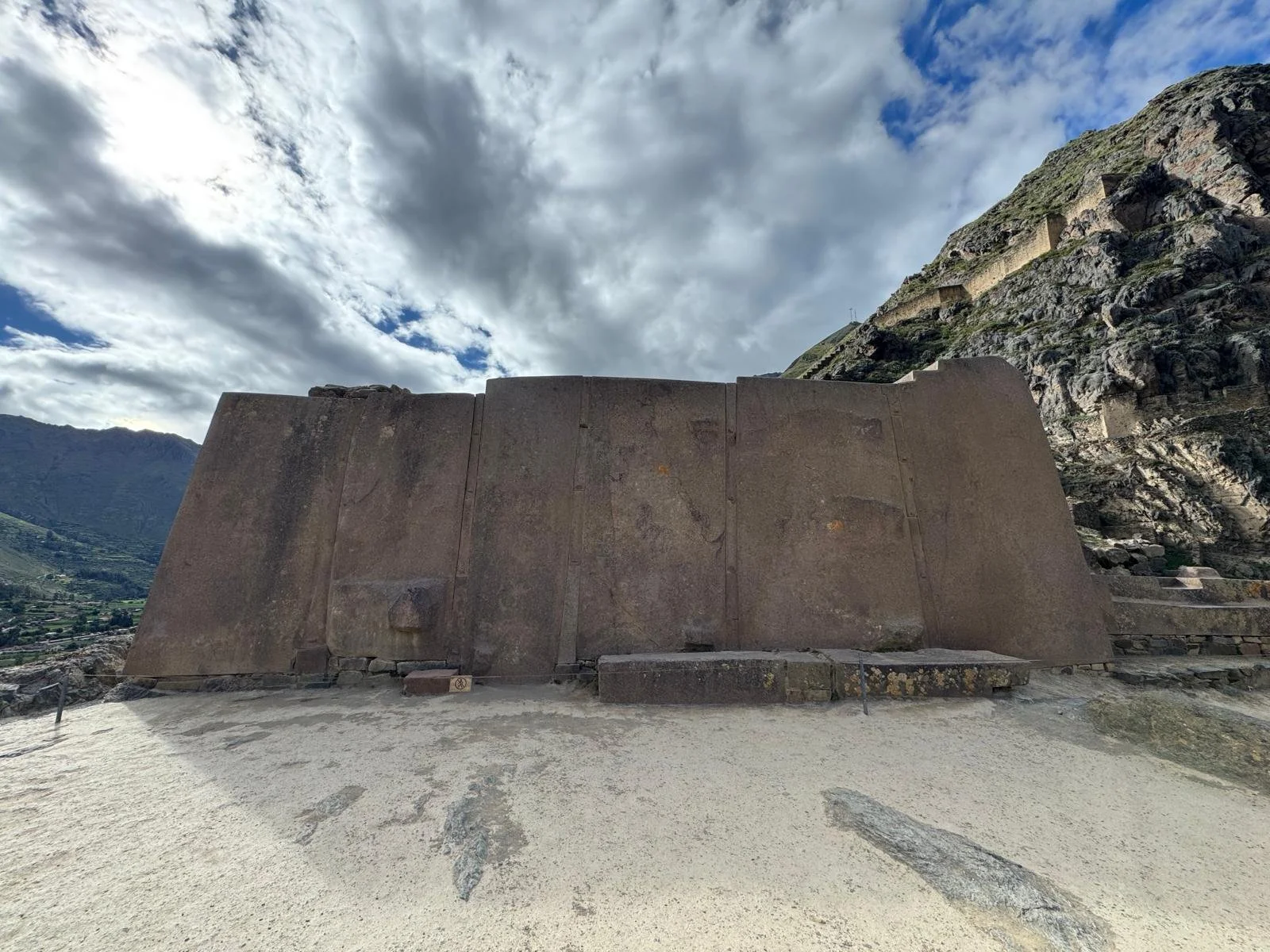
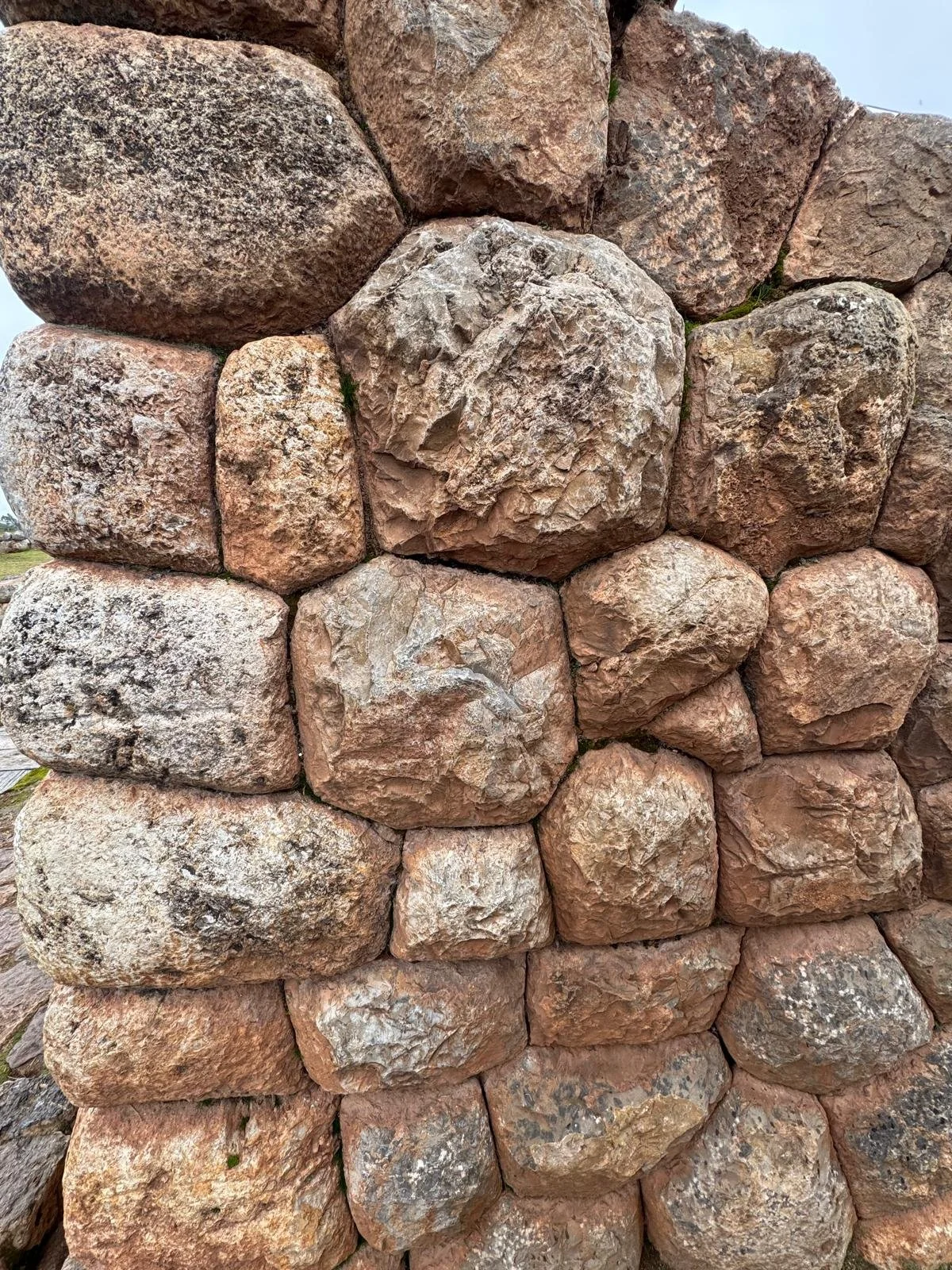
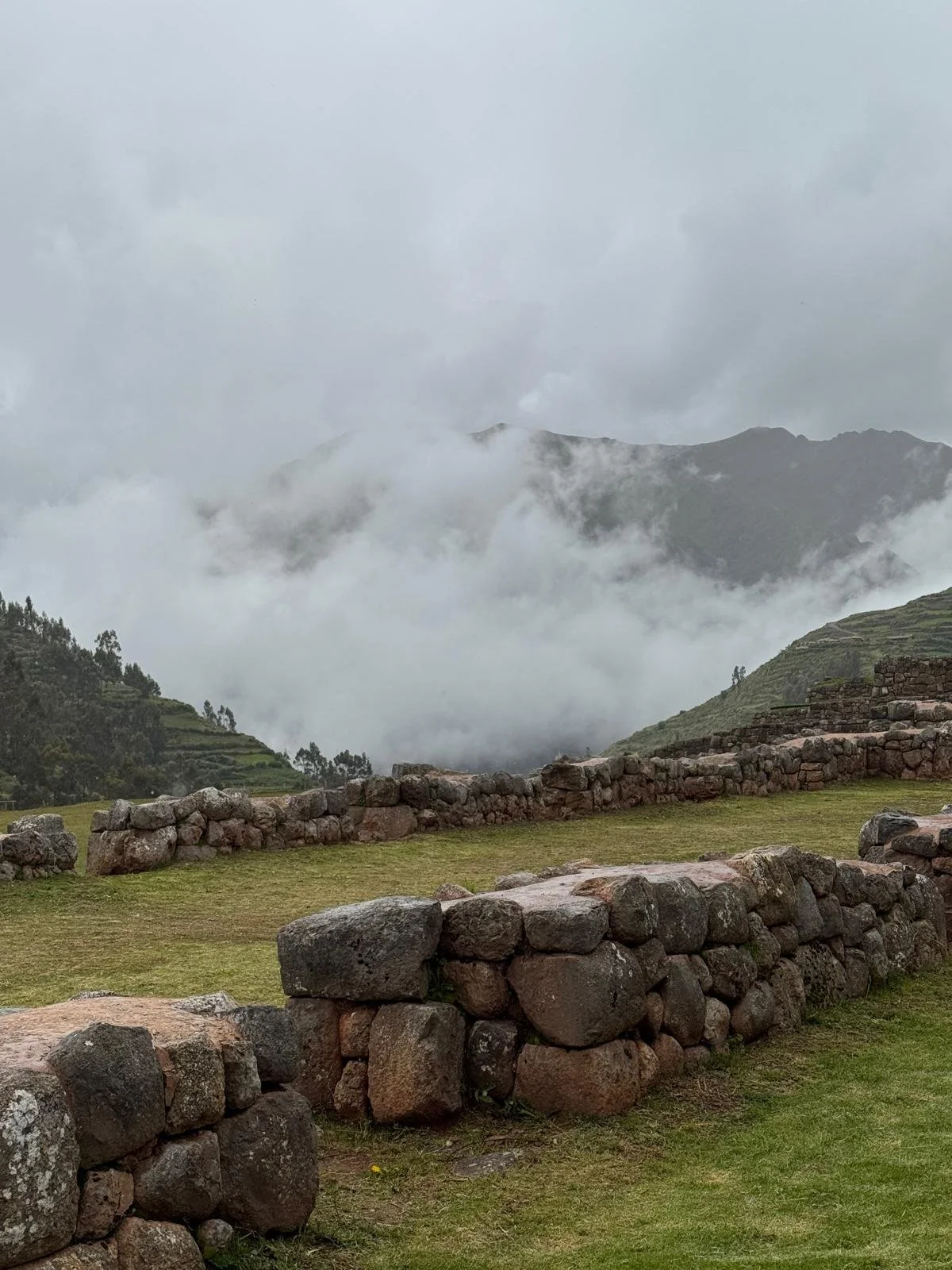
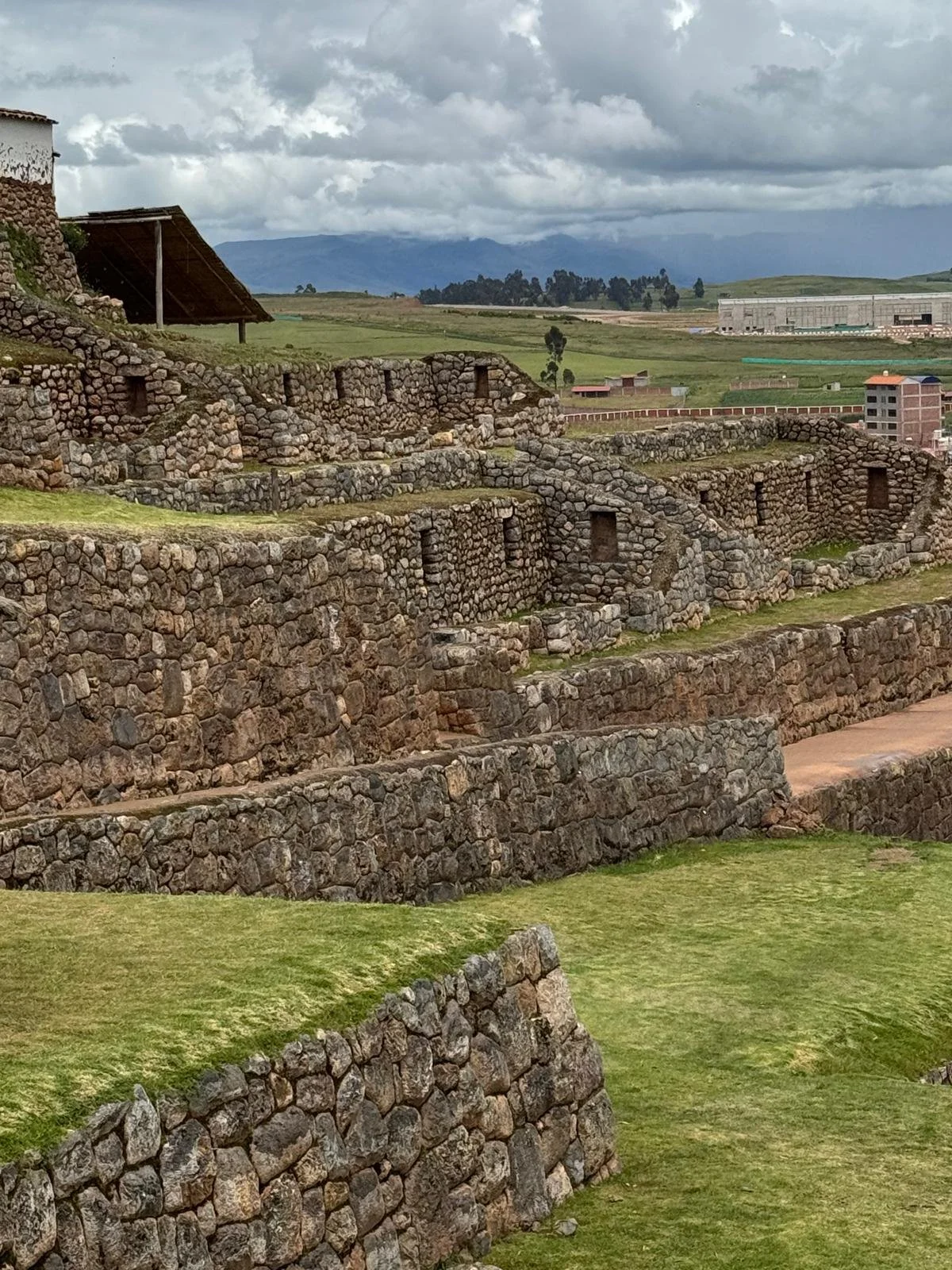
Next stop was to see some of the amazing Incan stonework – it is so unique as it featured huge stone blocks which were carefully ground and shaped to fit together in perfect complex patterns without any mortar. It is incredible to see and the fact that so much of it is still standing in this earthquake-prone region is a testament to how sophisticated their building was. The chippings from the large stones went on to form the terraces and courtyards.
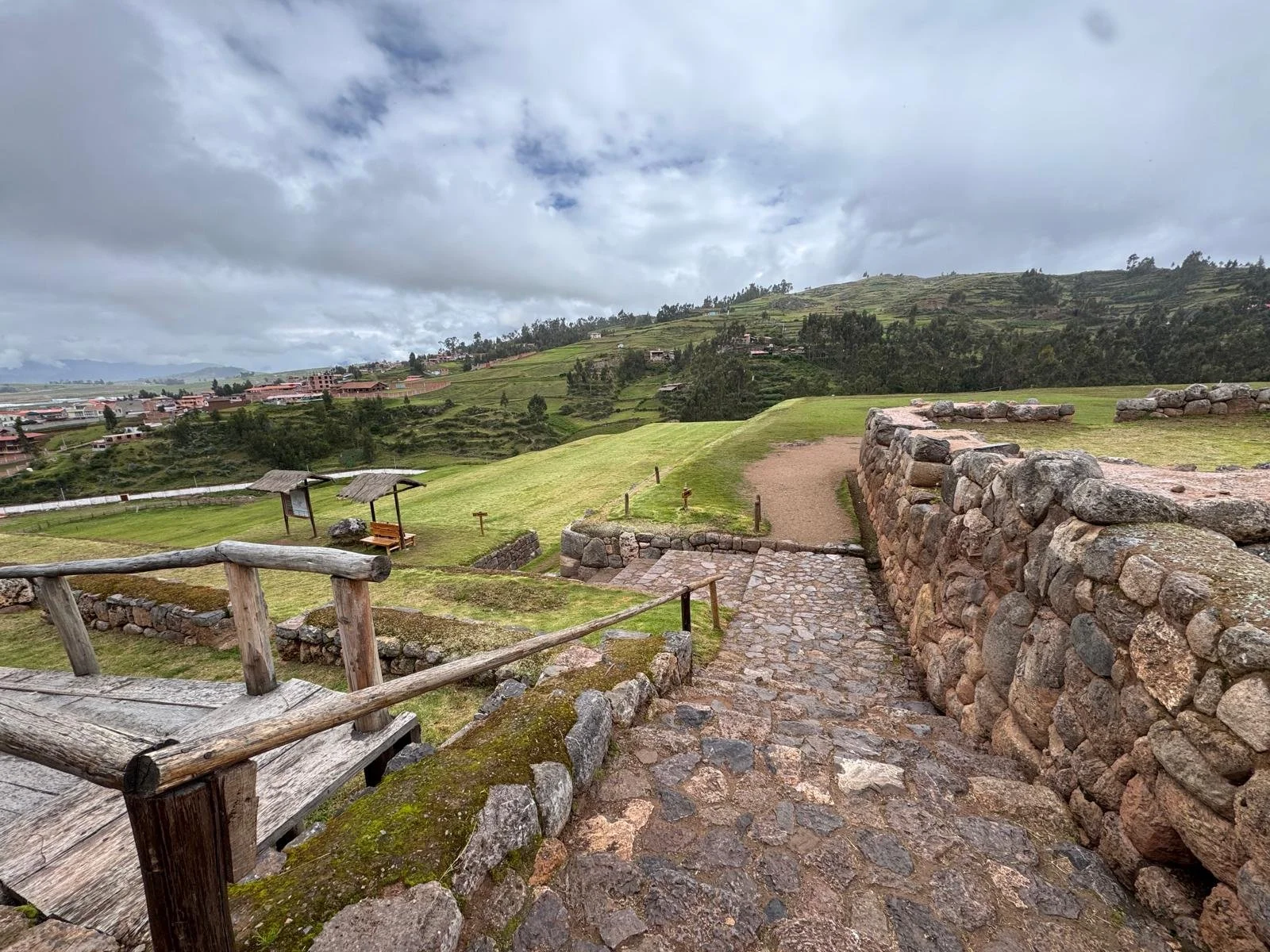
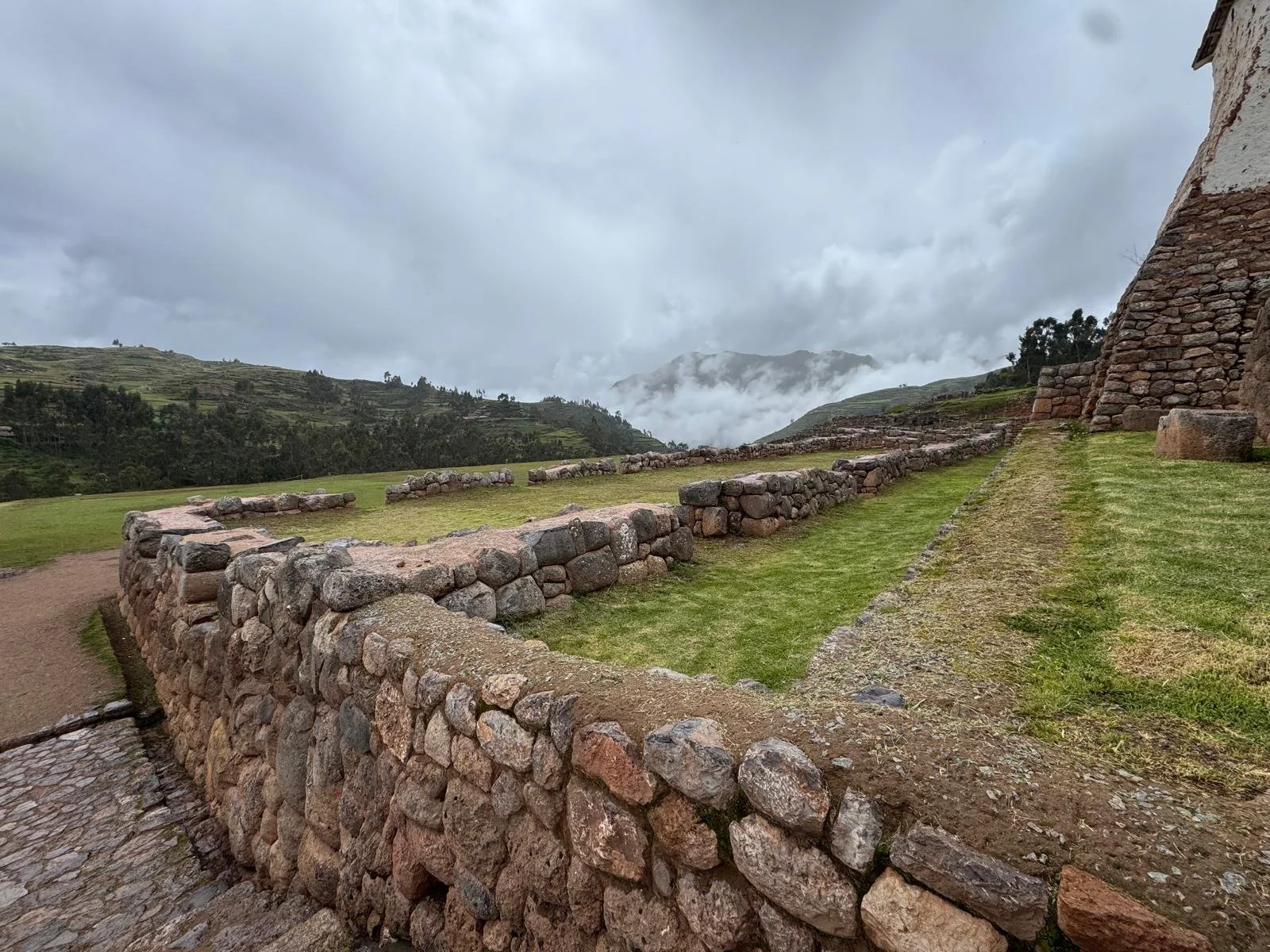
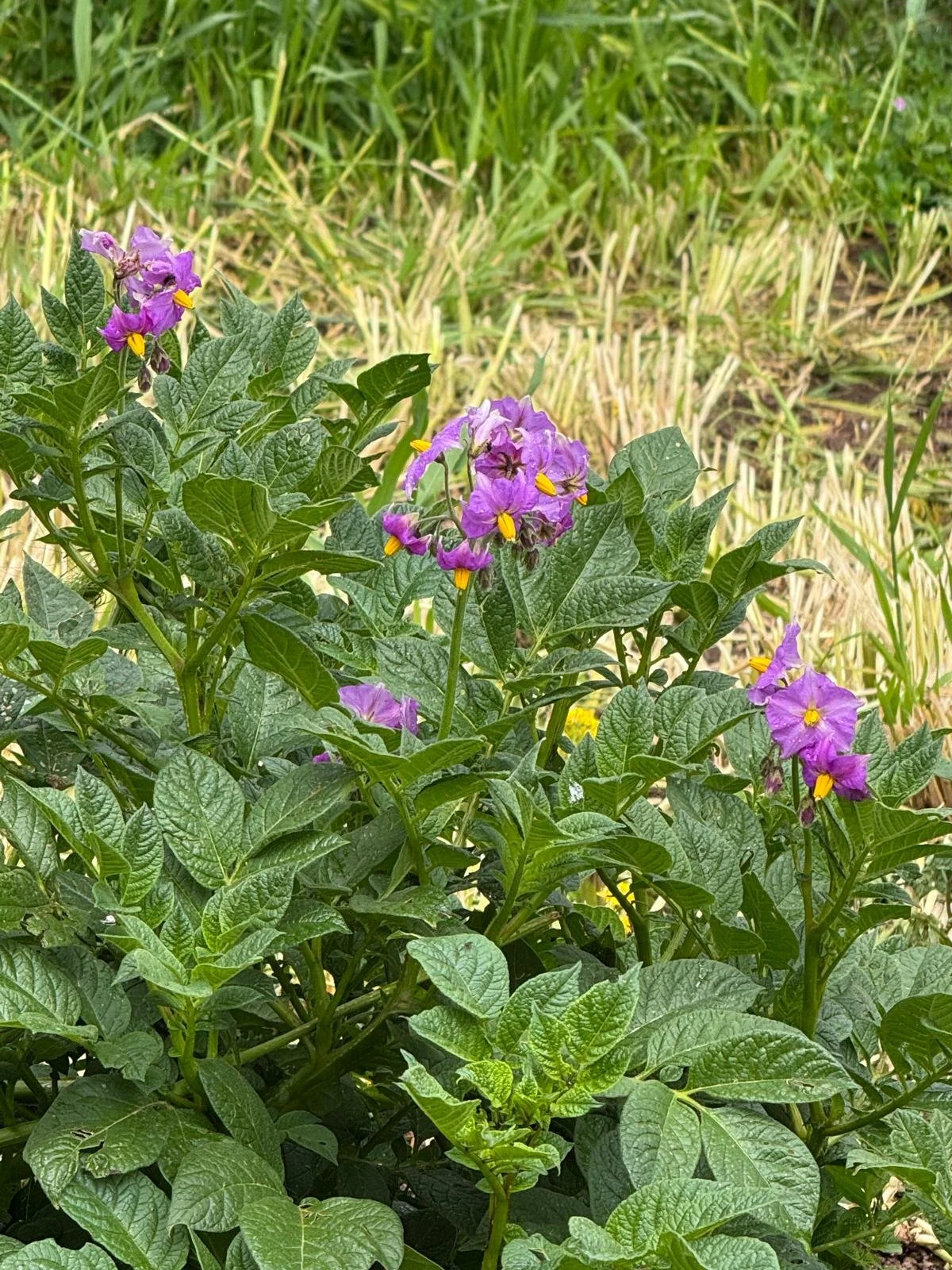
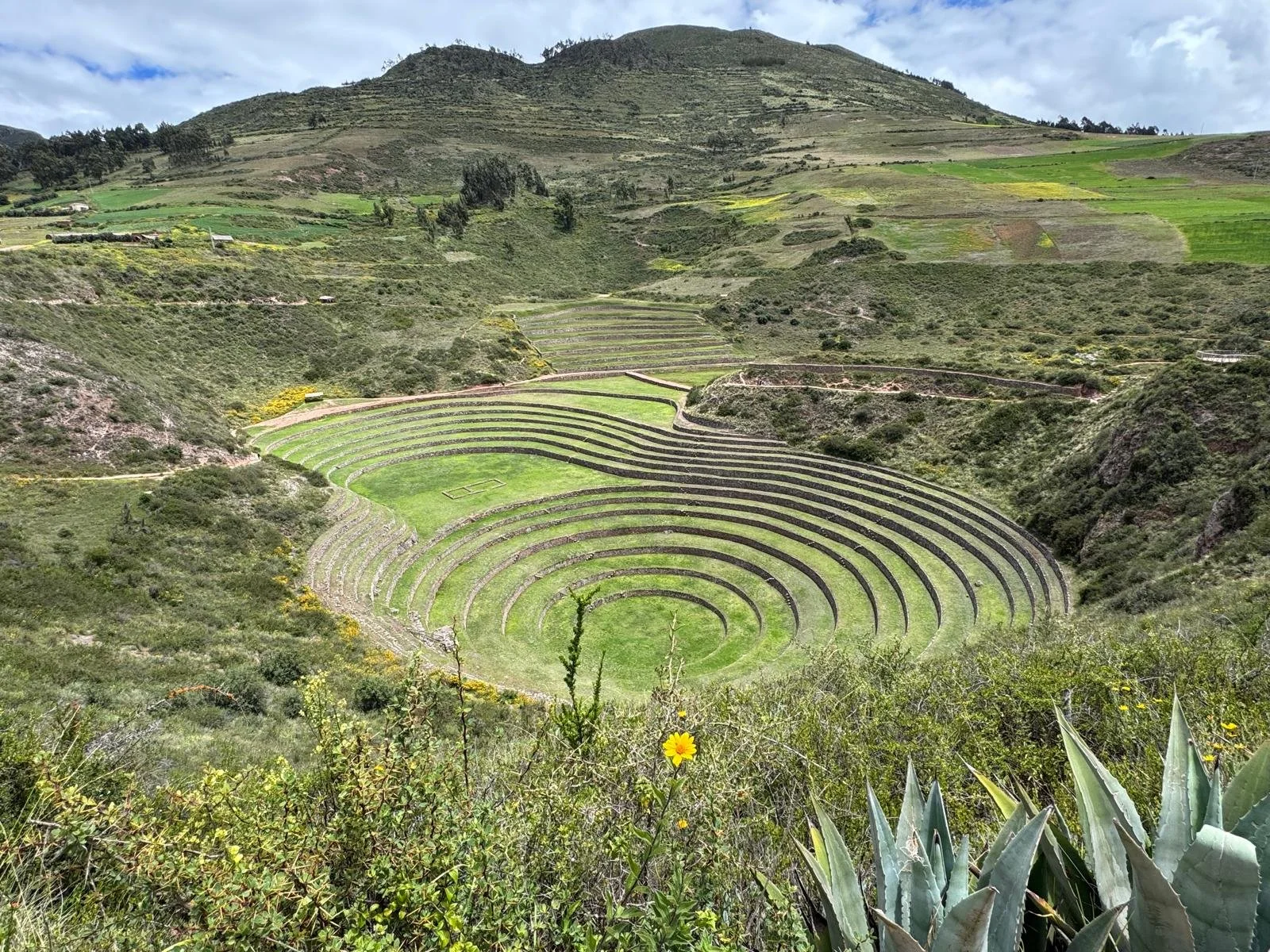
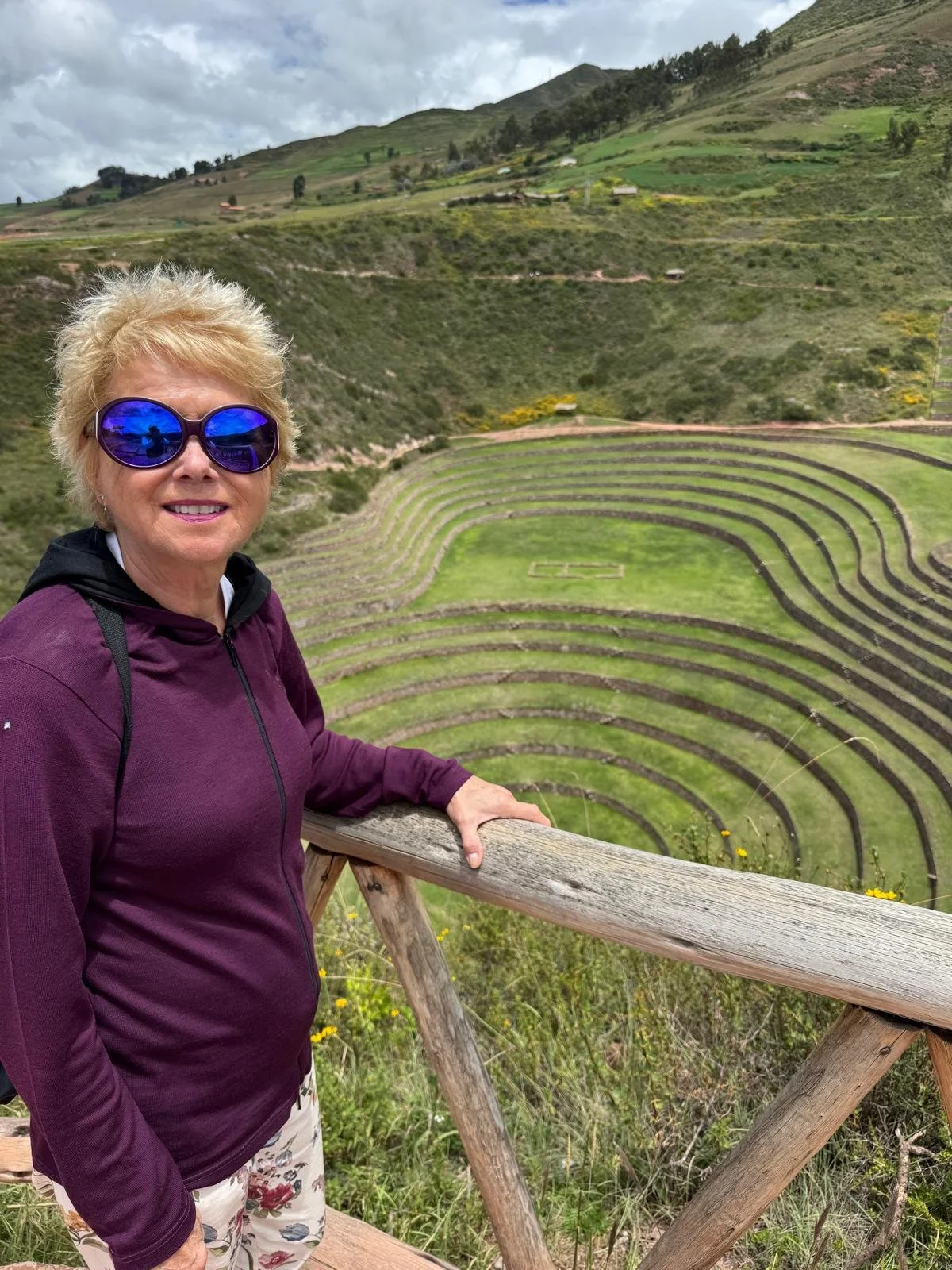
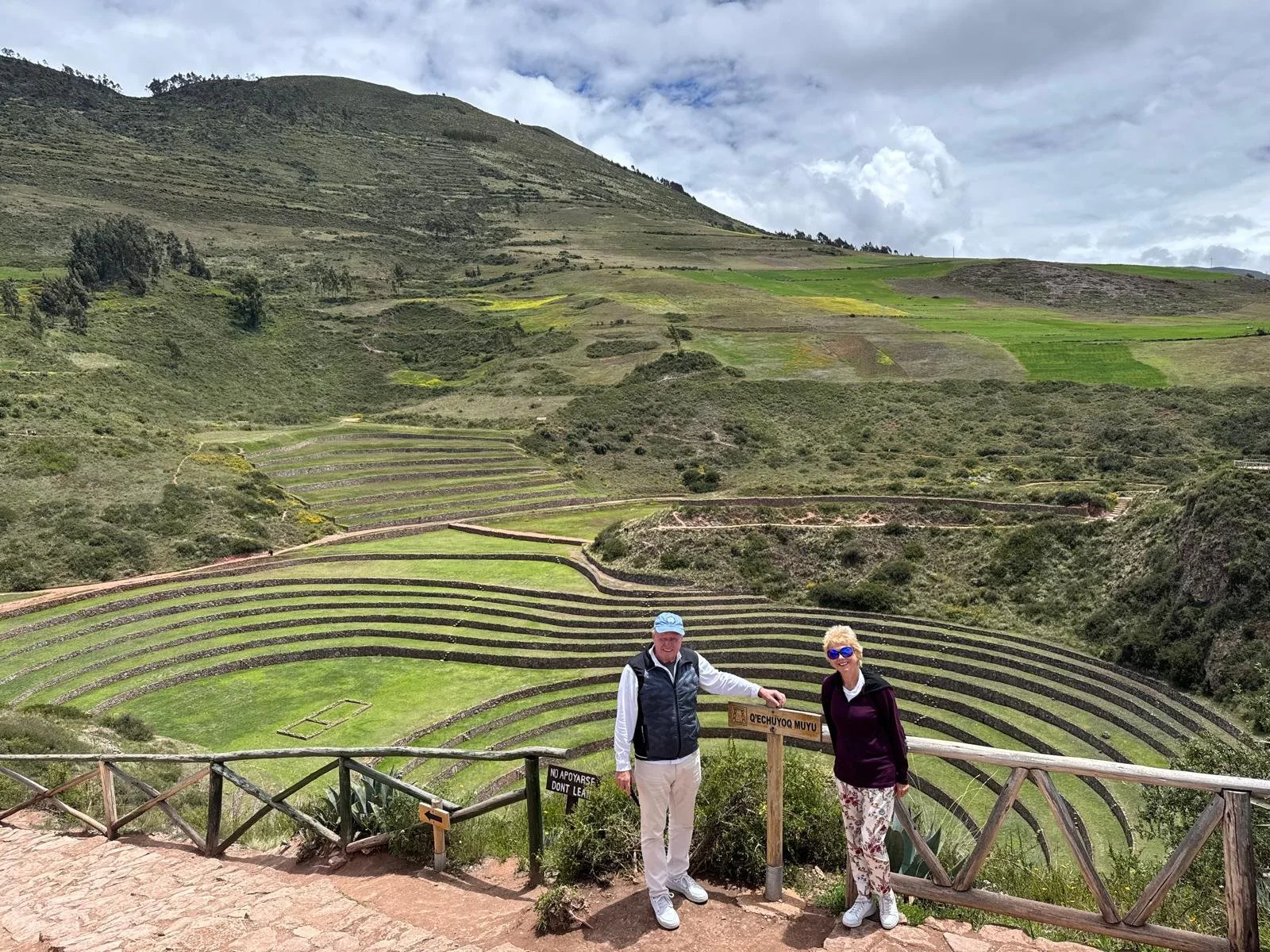
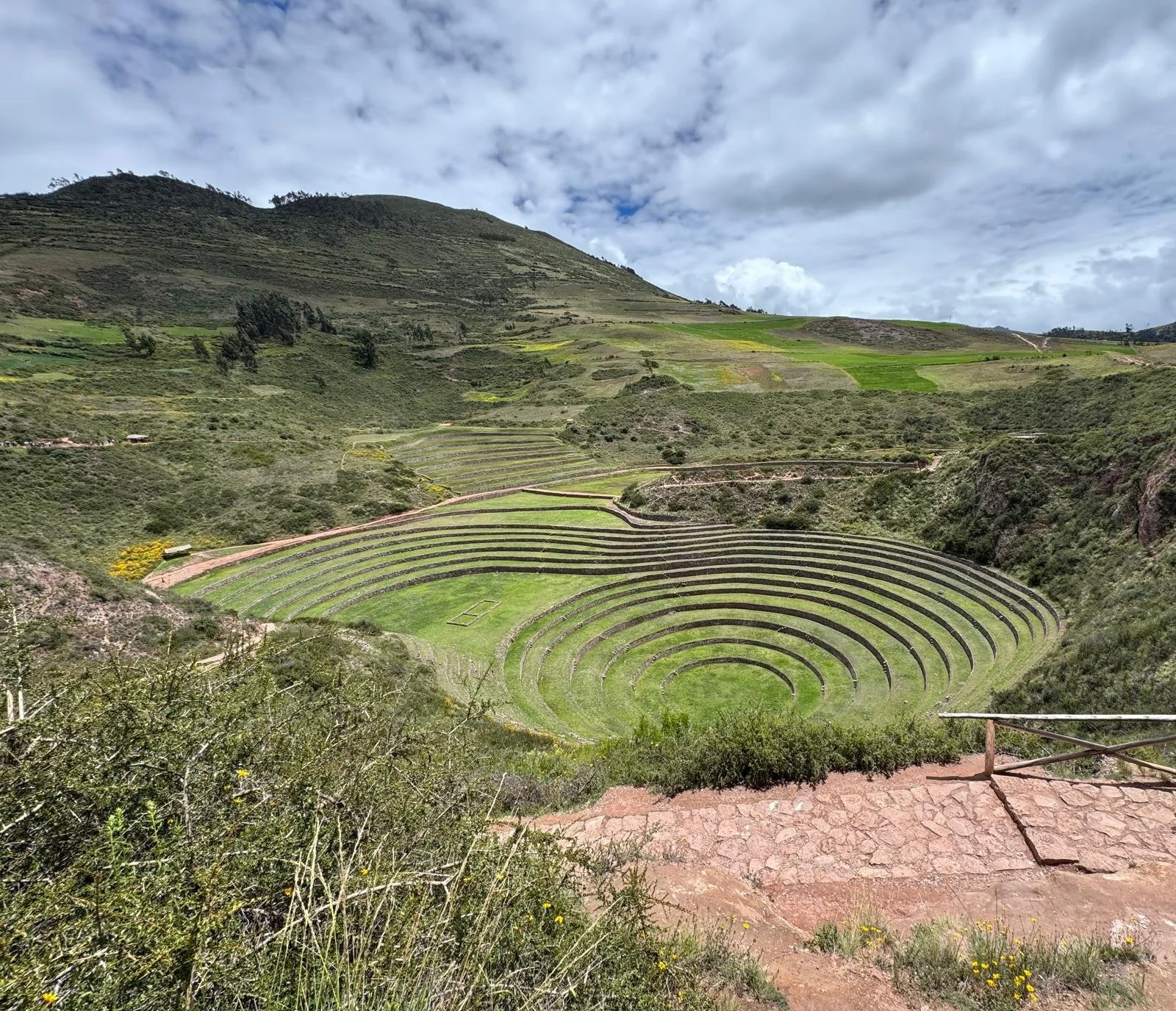
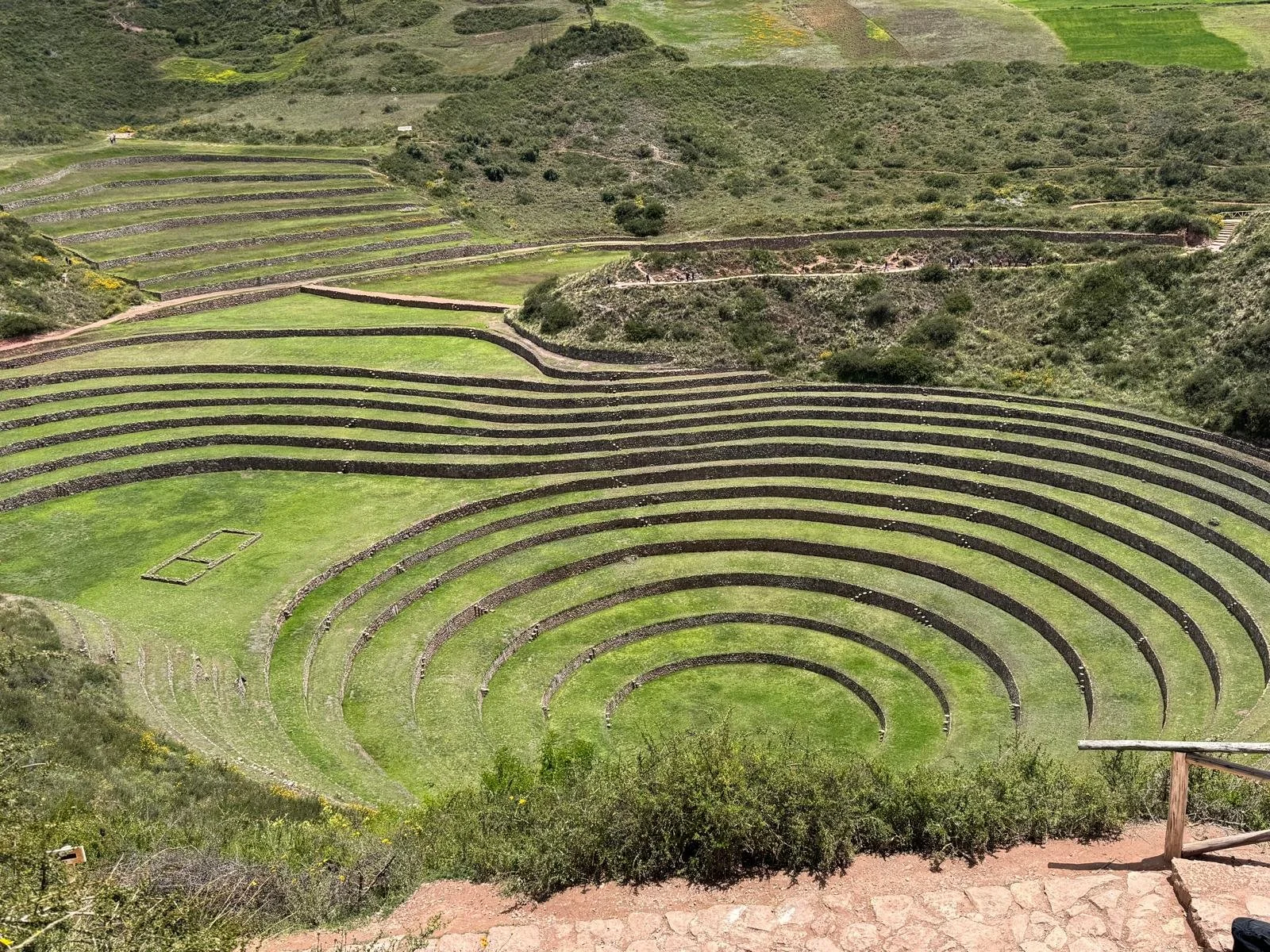
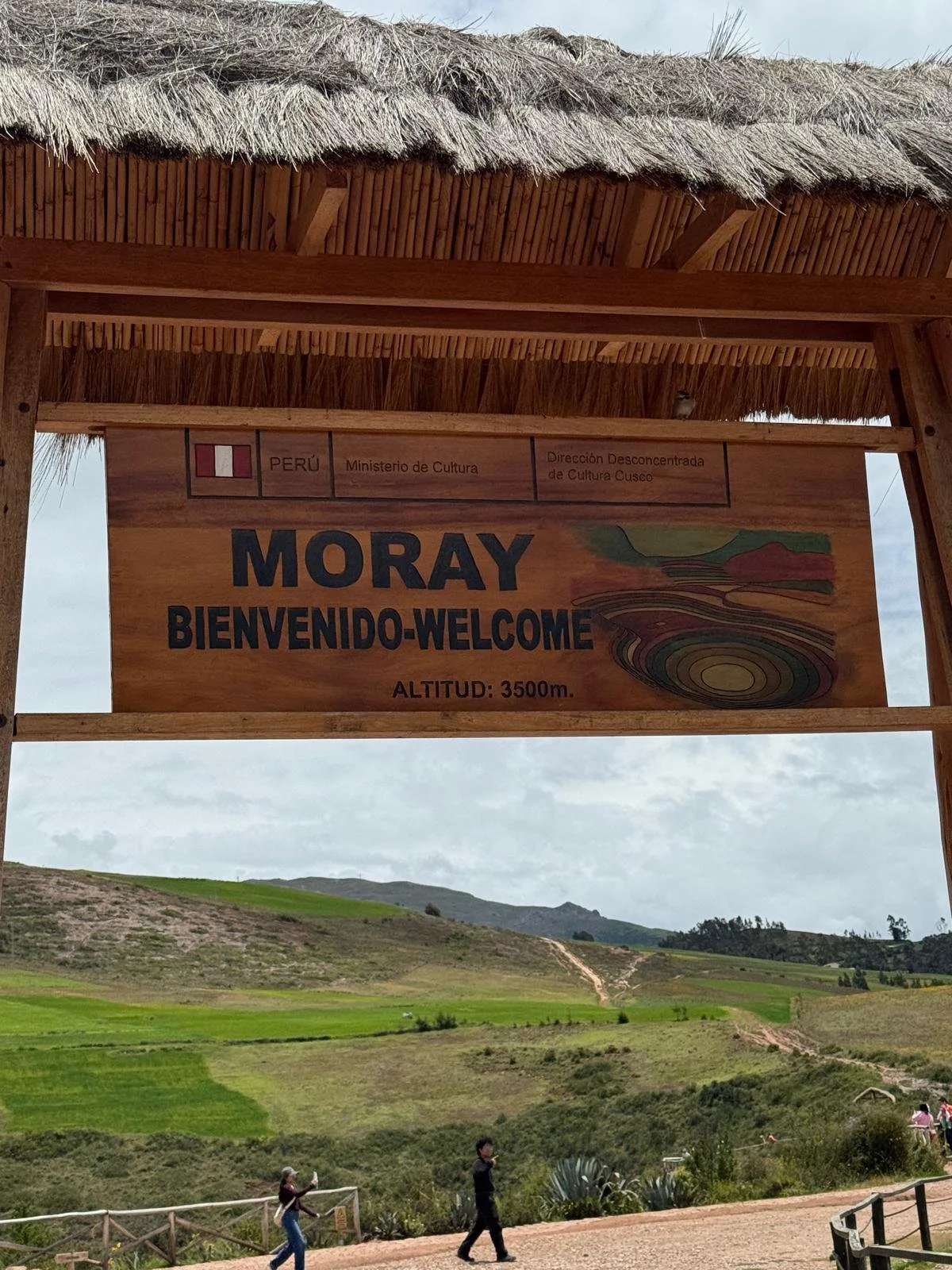
A visit to the Archaeological site of Moray followed. Now this was so interesting and so clever. It is 3,500 metres above sea level and contains Inca ruins and is often referred to as Inca greenhouse. It consists of several terraced circular depressions, the largest of which is approximately 30 metres deep, and they descend into deep natural depressions. The depth and structure create a temperature difference of up to 15°C between the top and bottom levels allowing crops, mainly quinoa, potatoes and corn, to thrive in distinct zones. These allowed the Incas to study and optimize crop growth, simulating diverse climates found across their empire. The site which was likely built in the 15th – 16th century, includes advanced stone-retaining walls and a sophisticated subterranean drainage system that prevents flooding even during heavy rains! Interesting fact – there are between 3,000 to 4,000 types of native potatoes in Peru, and that very pretty purple flower is actually a potato plant!
After a delicious authentically Peruvian lunch, which included a much-needed cup of mate de cocoa, a herbal infusion made from the leaves of the cocoa plant, native to the Andean highlands and revered for relieving altitude sickness. It contains essential minerals, calcium, potassium and phosphorus, and vitamins B1, B2, C and E, plus fibre (so a bit healthier than PG Tips then methinks) it was off to our final stop.
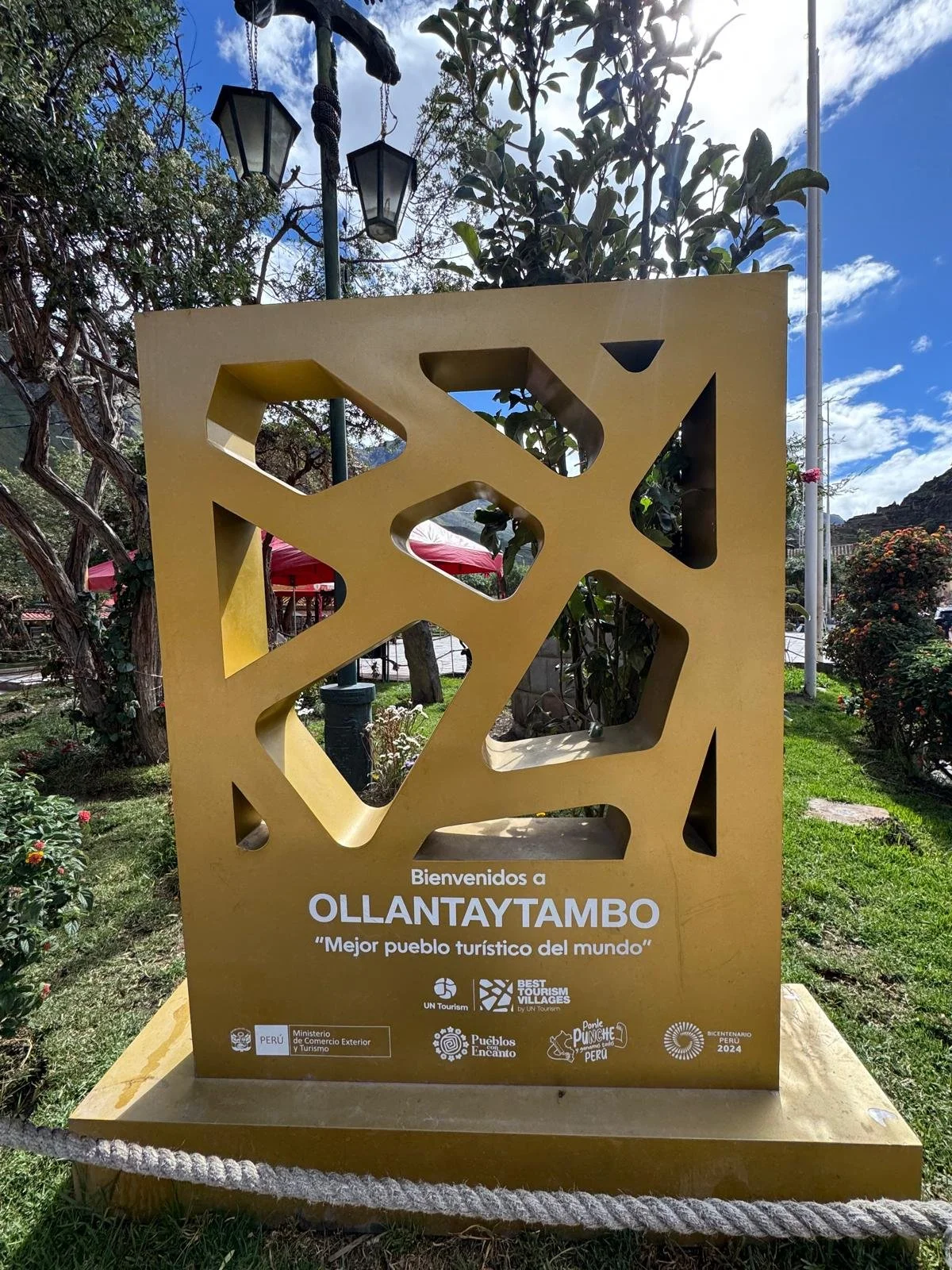
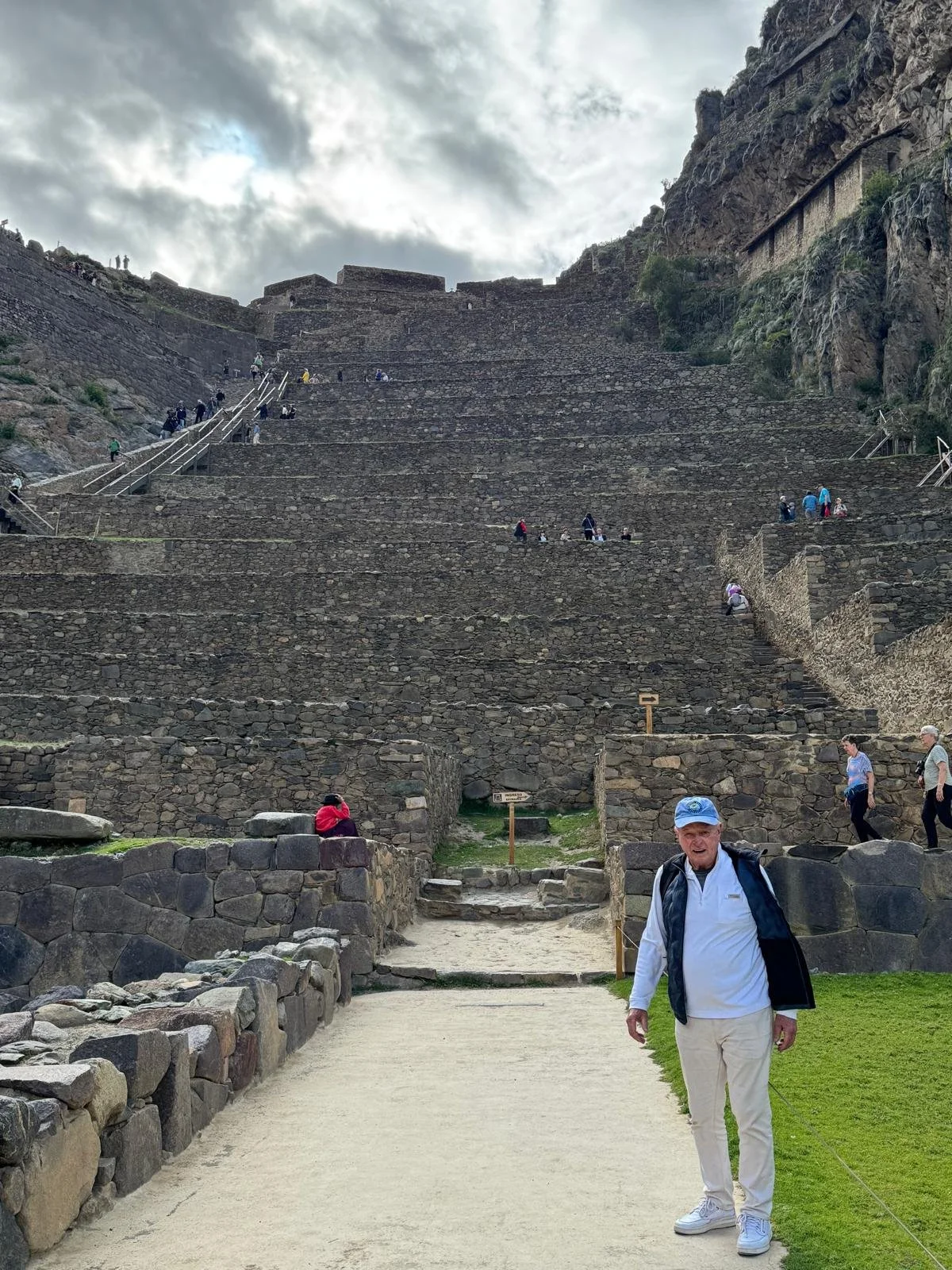
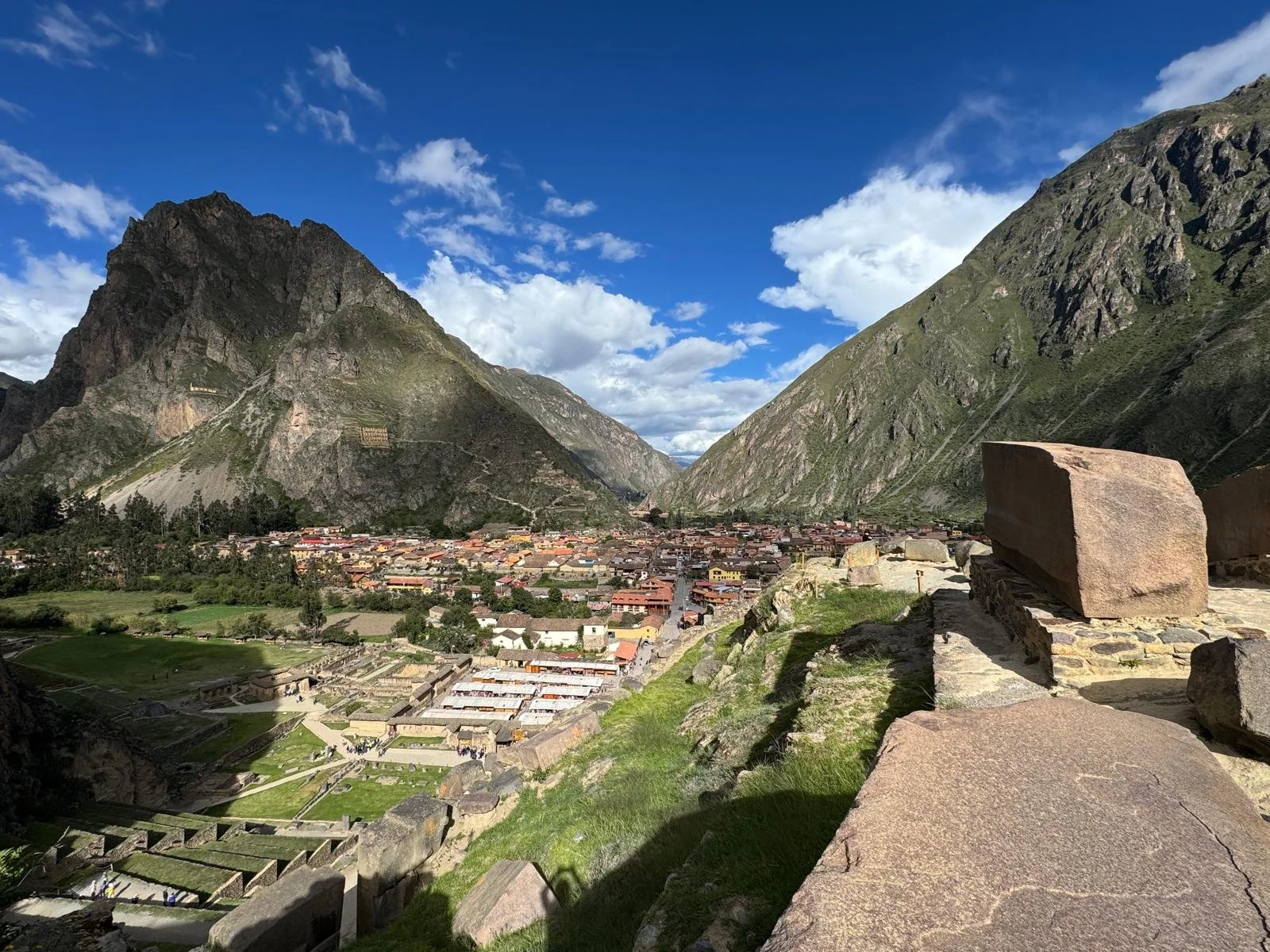
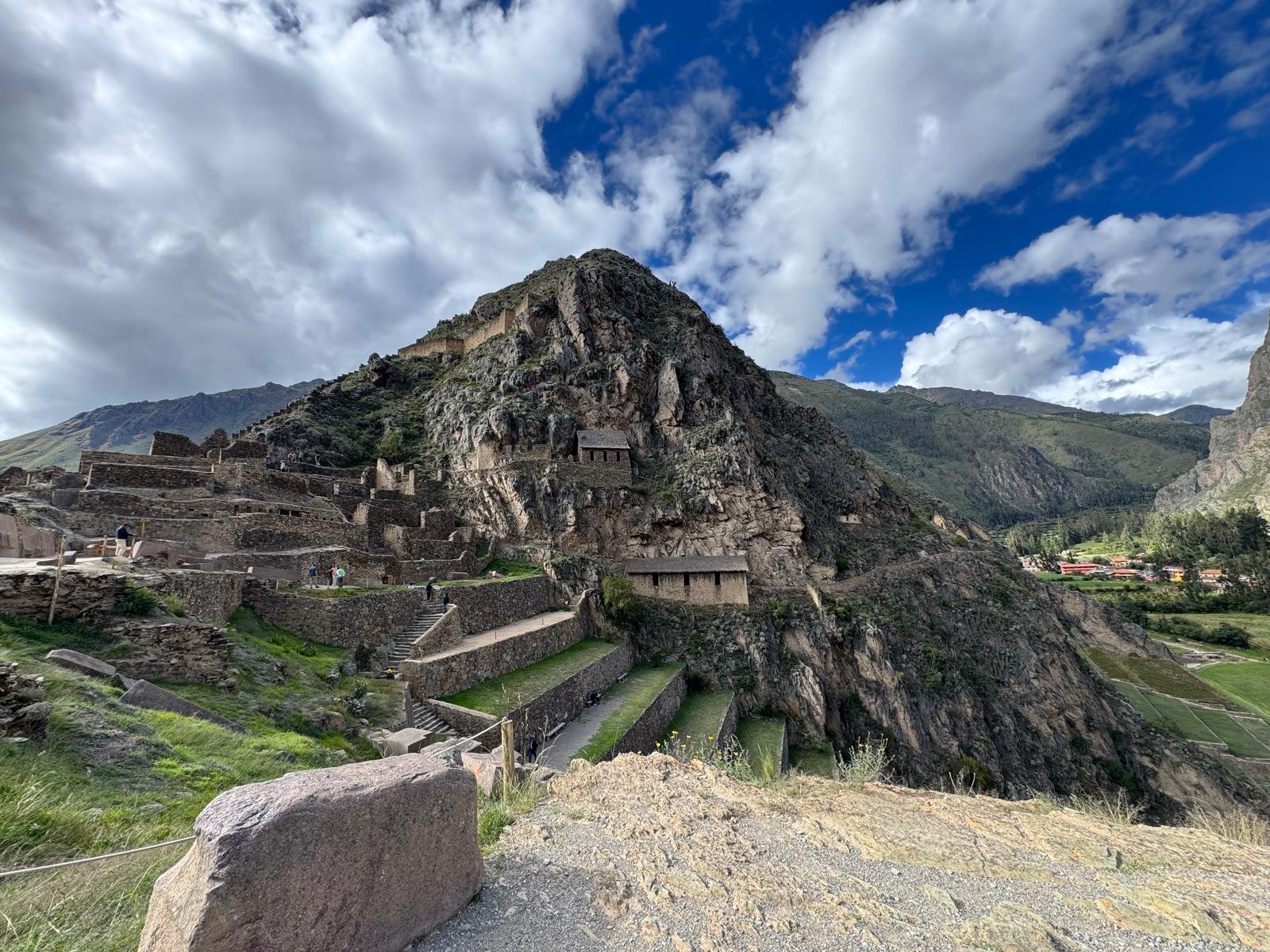
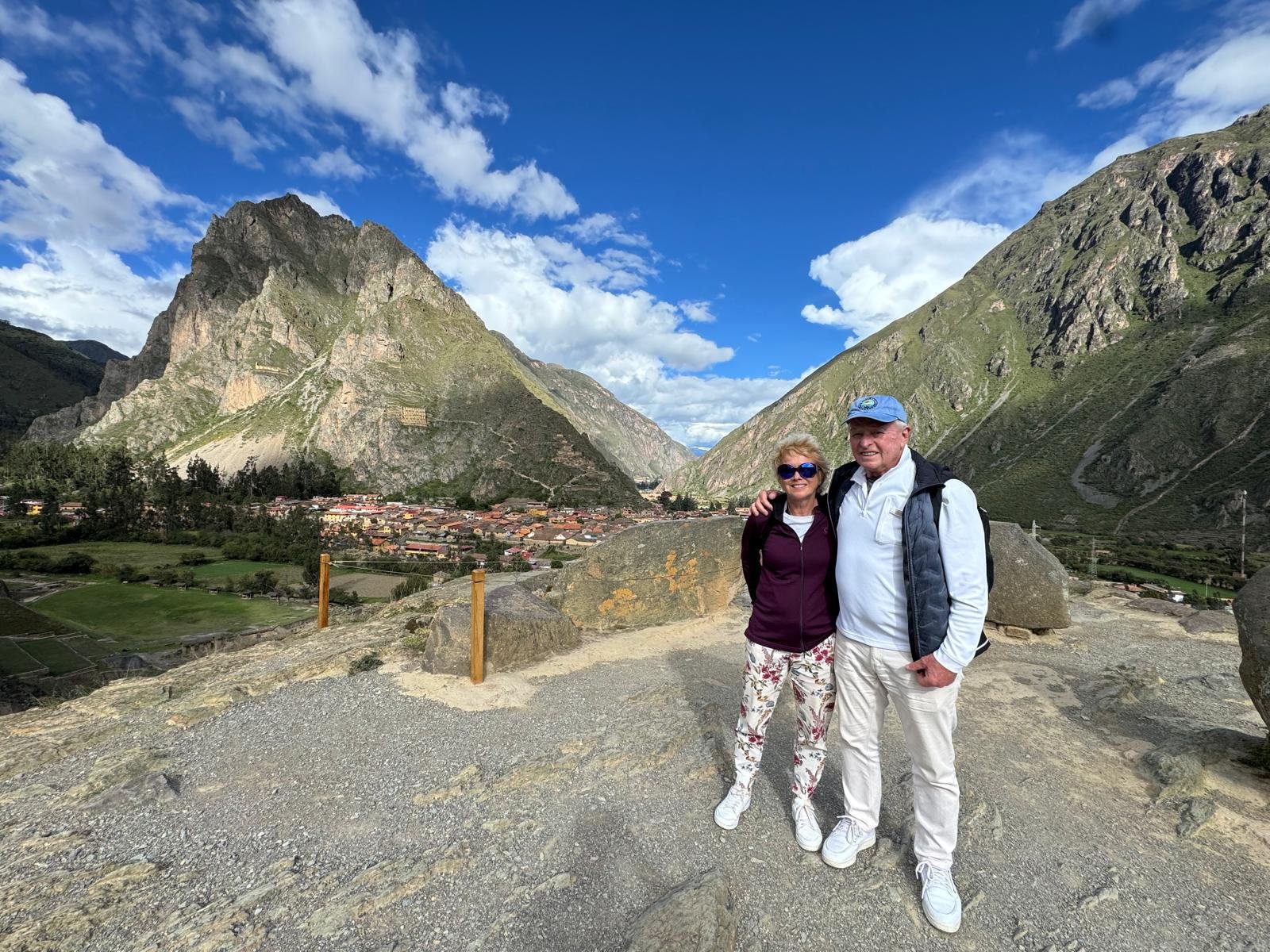
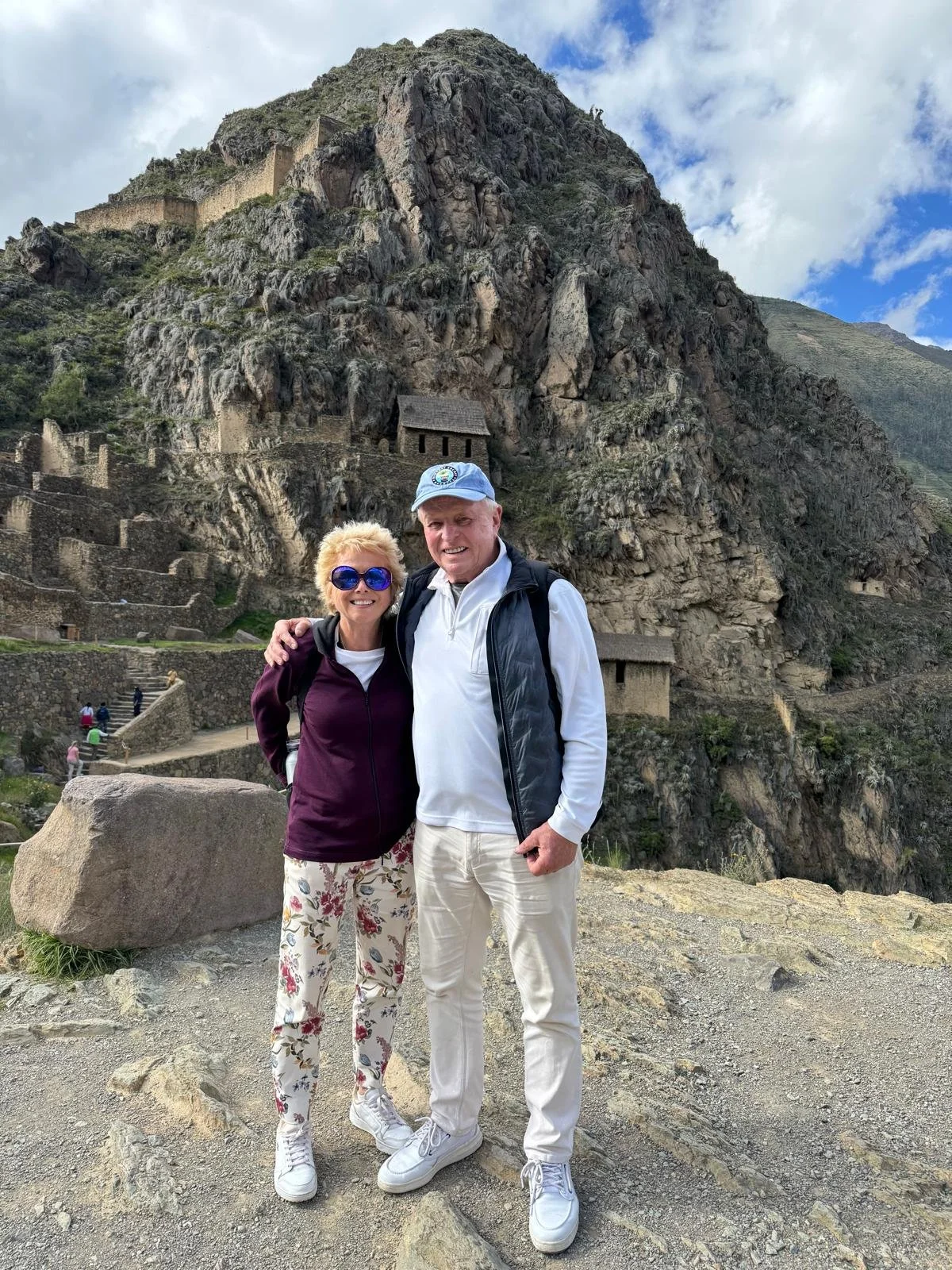
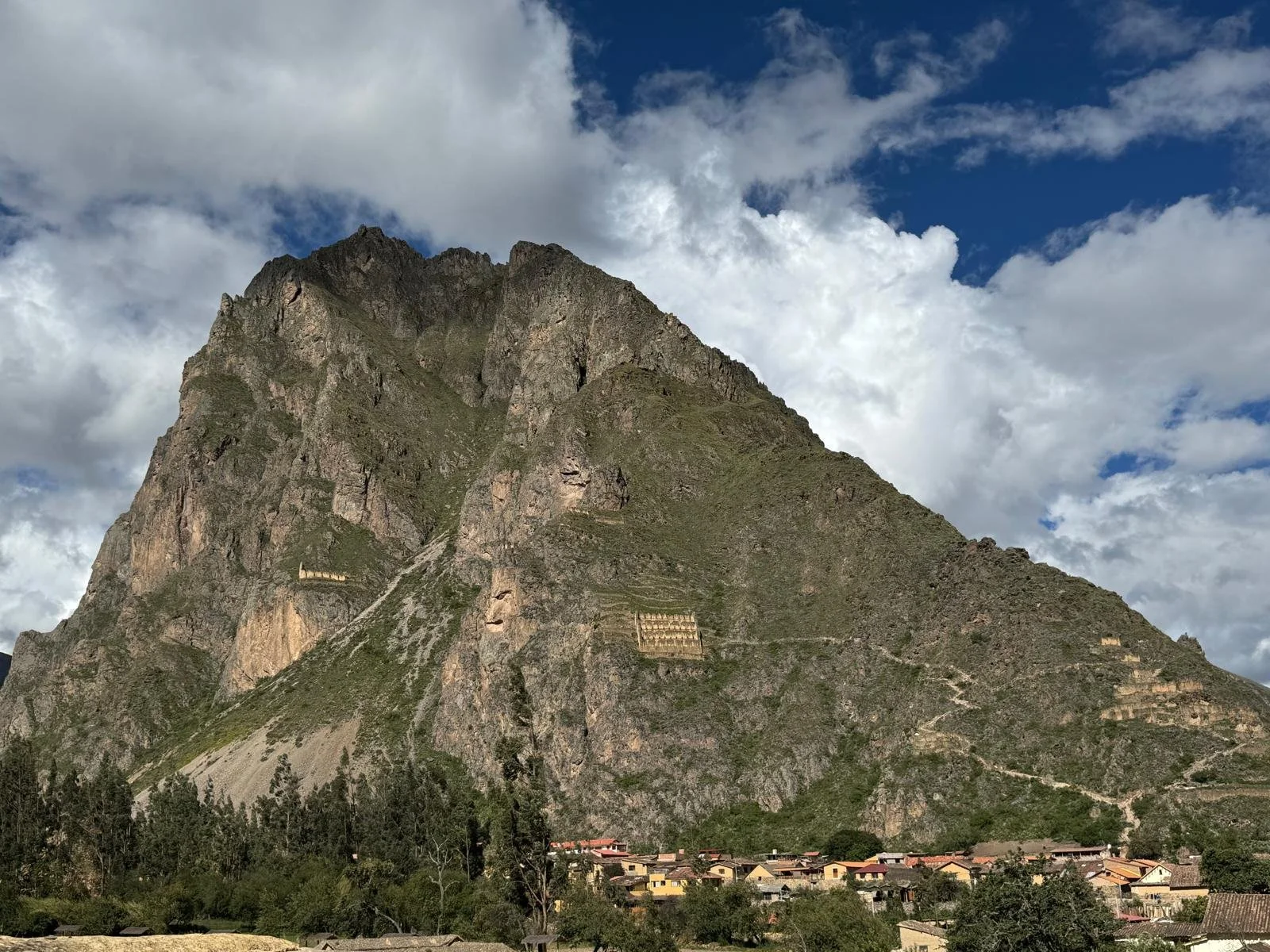
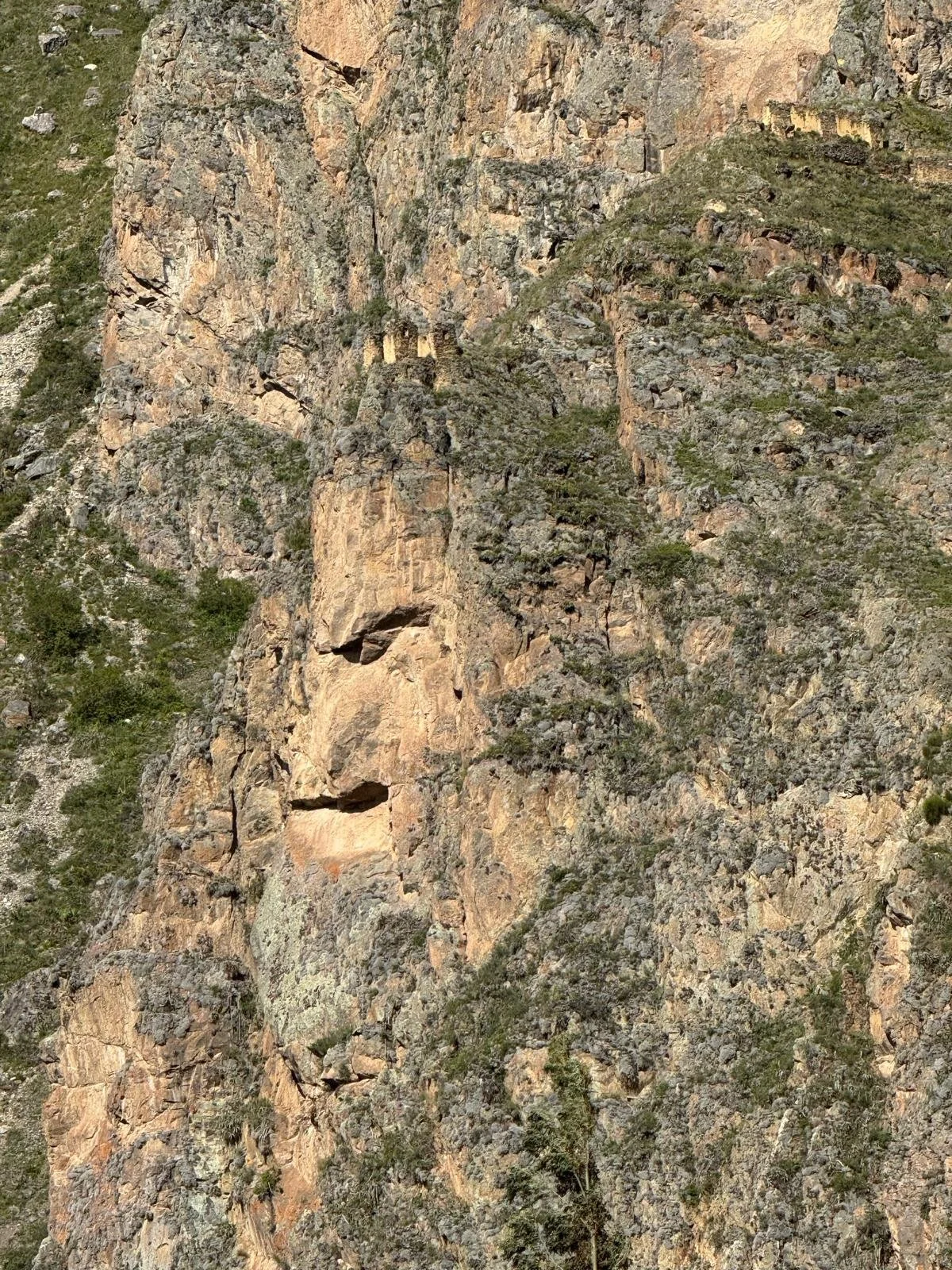
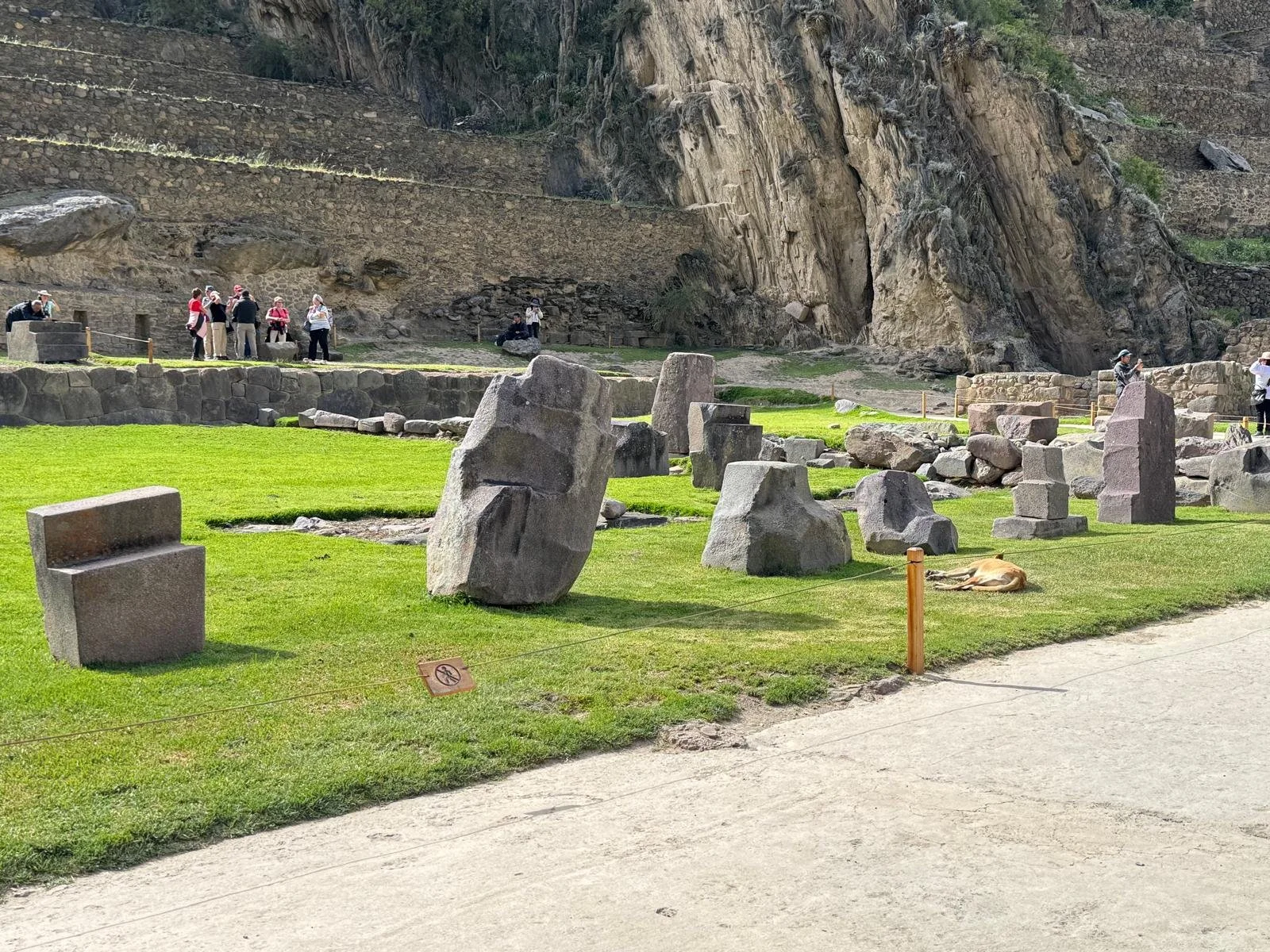
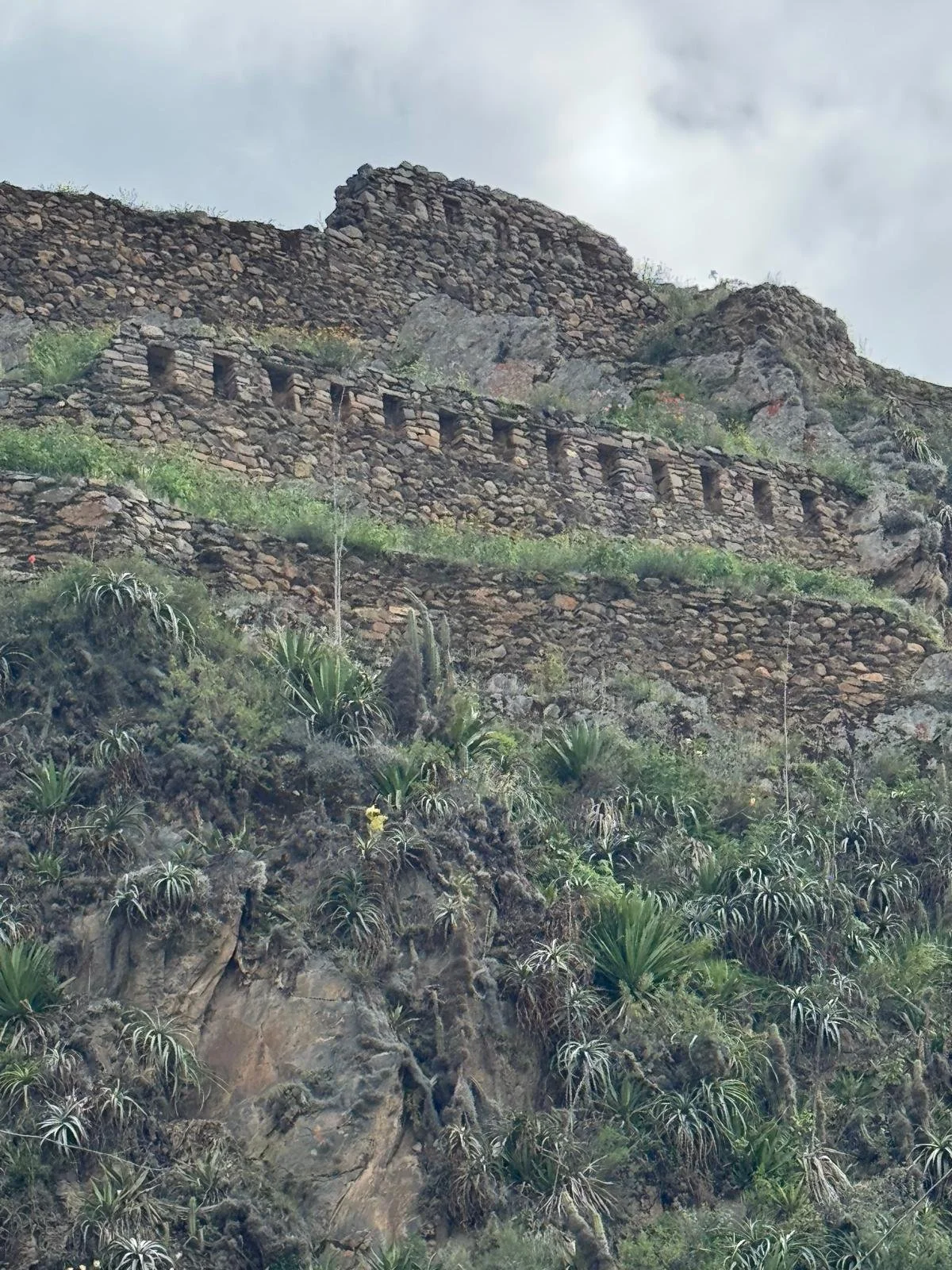
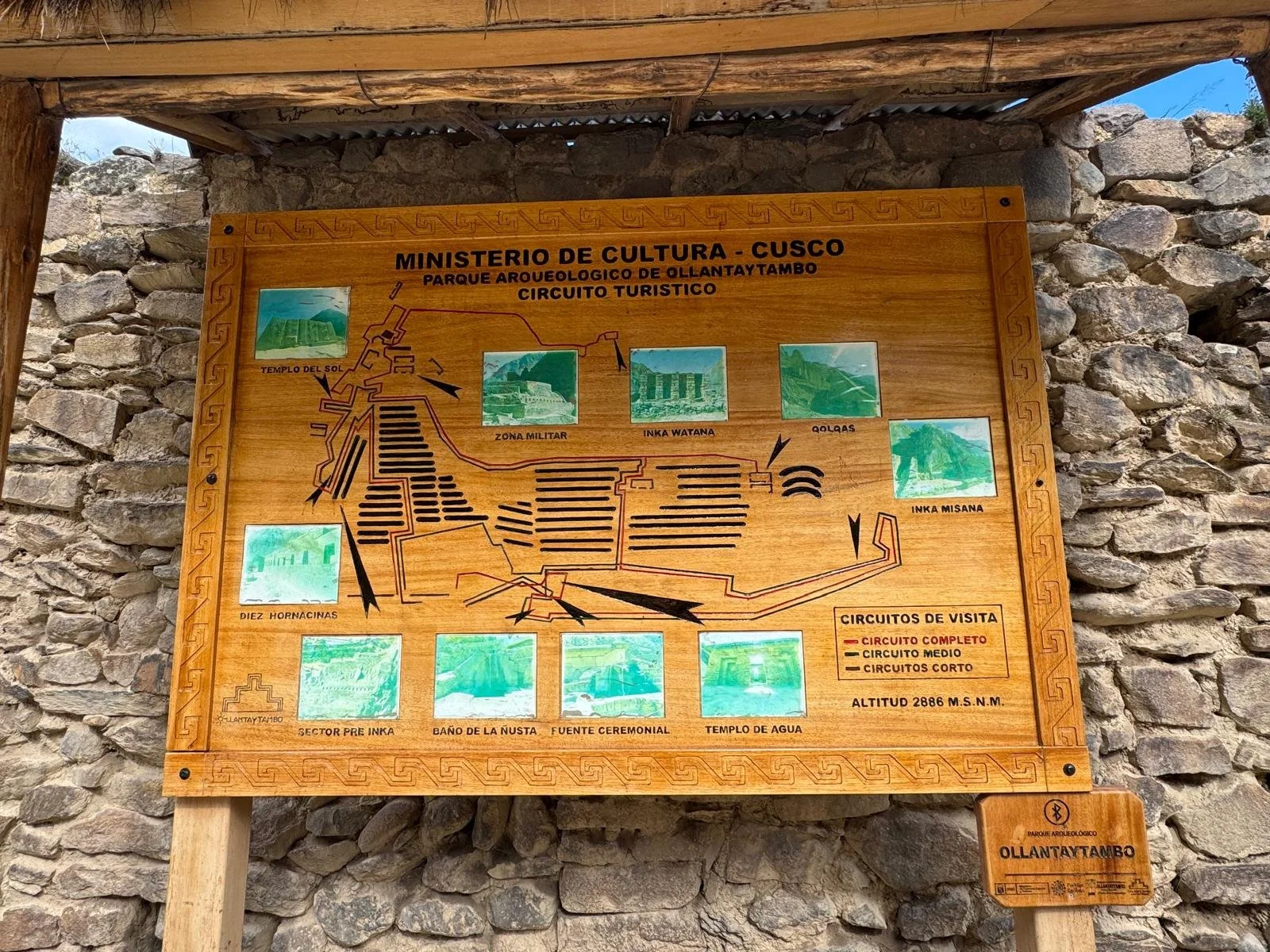
The Archaeological Park of Ollantaytambo, in the province of Urubamba, a significant Incan fortress and former temple complex renowned for its massive, steep agricultural terraces and stonework. It served as a royal estate, a religious site and a major stronghold during the Spanish conquest. It is also the main gateway to the start of the Inca Trail. We were keen to climb to the top of the terraces, no mean feat with steep stone steps coupled with the very thin air which made breathing a little difficult. We definitely needed to stop and catch our breath a couple of times. However, when we made it to the top we were rewarded with a spectacular view of the mountains and Ollantaytambo town below us with its cobblestone streets and adobe buildings, so it was worth the effort.