

The 15th Century Inca Citadel of Machu Picchu
Sunday 15 March
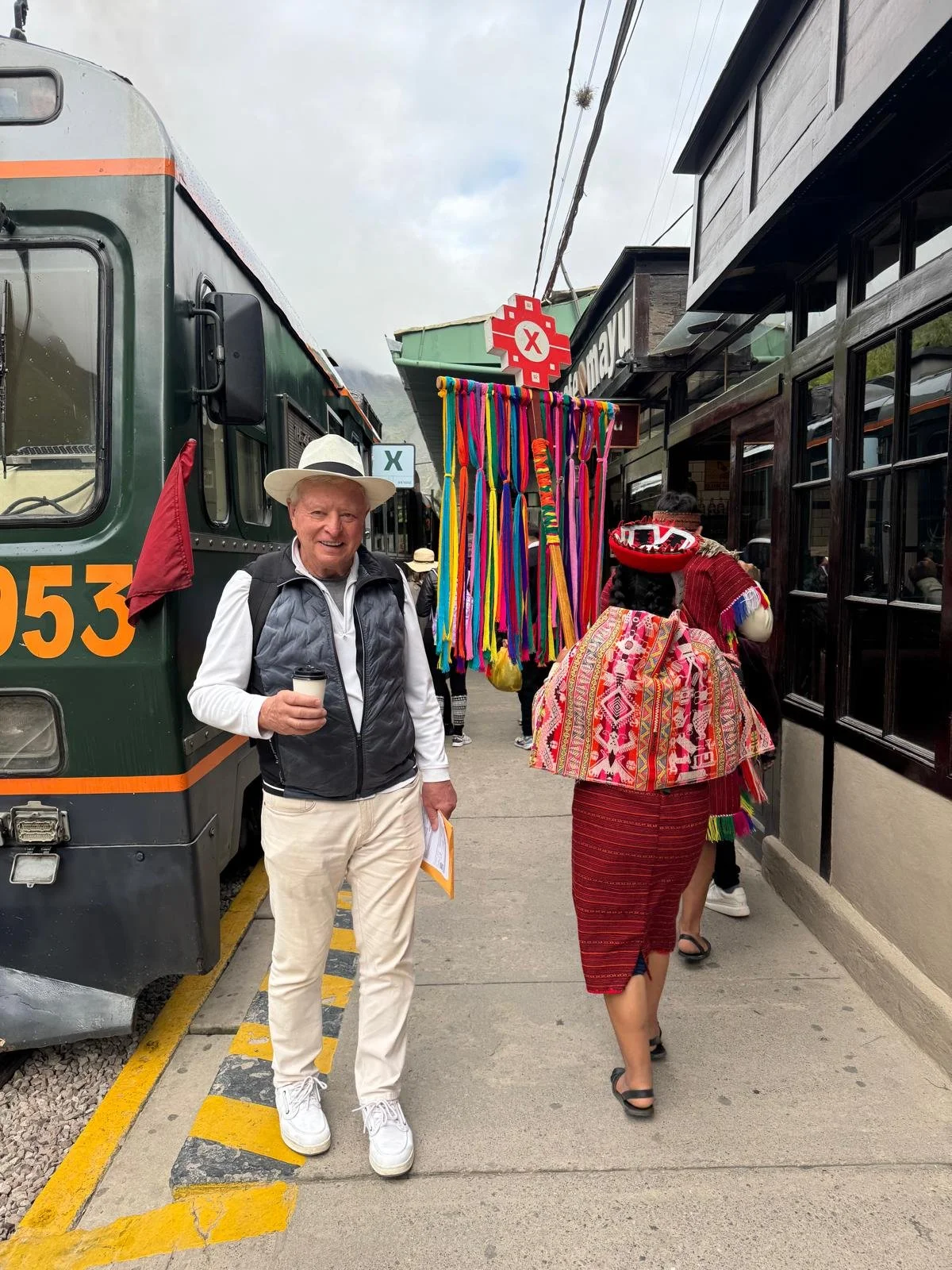
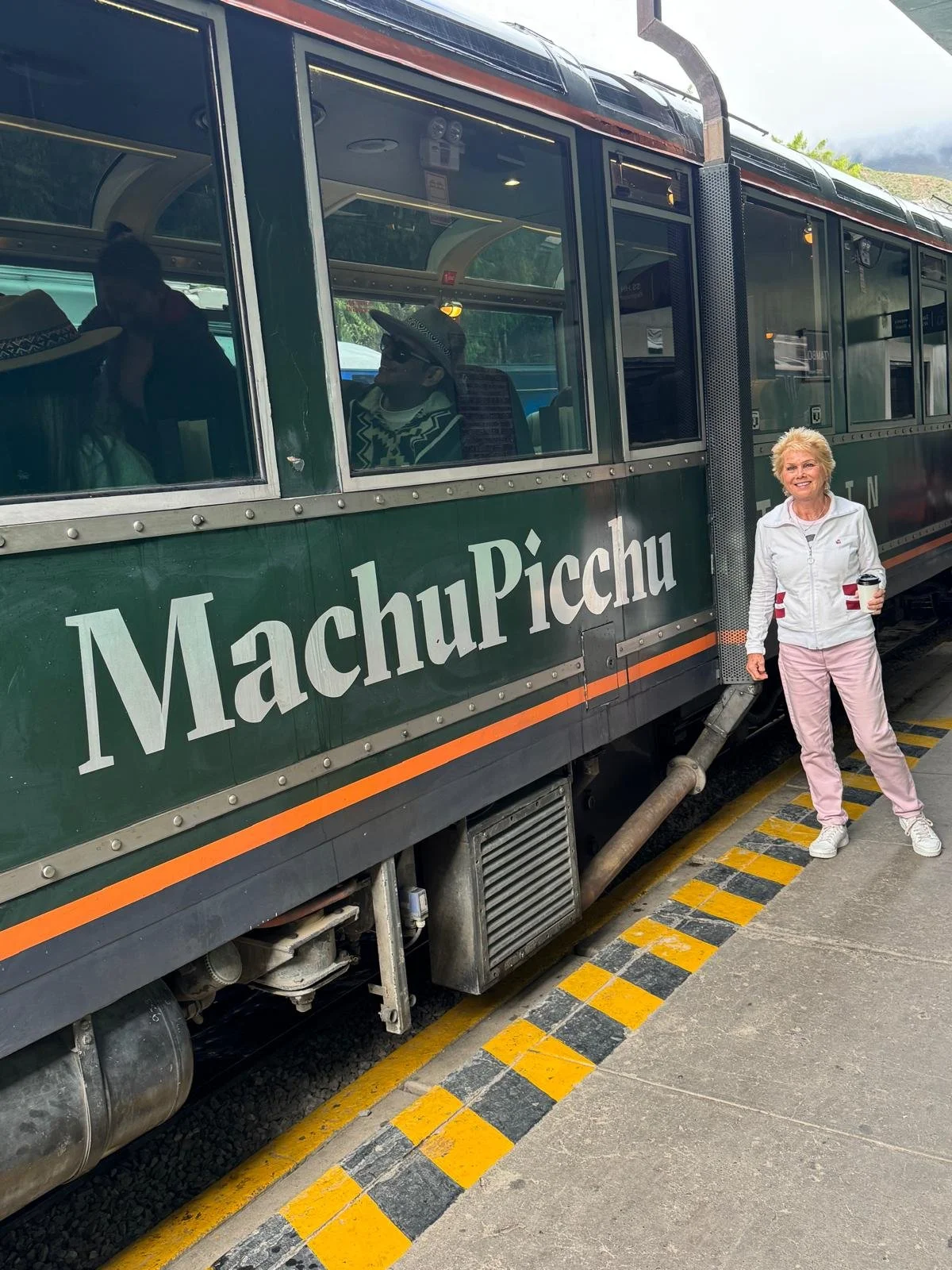
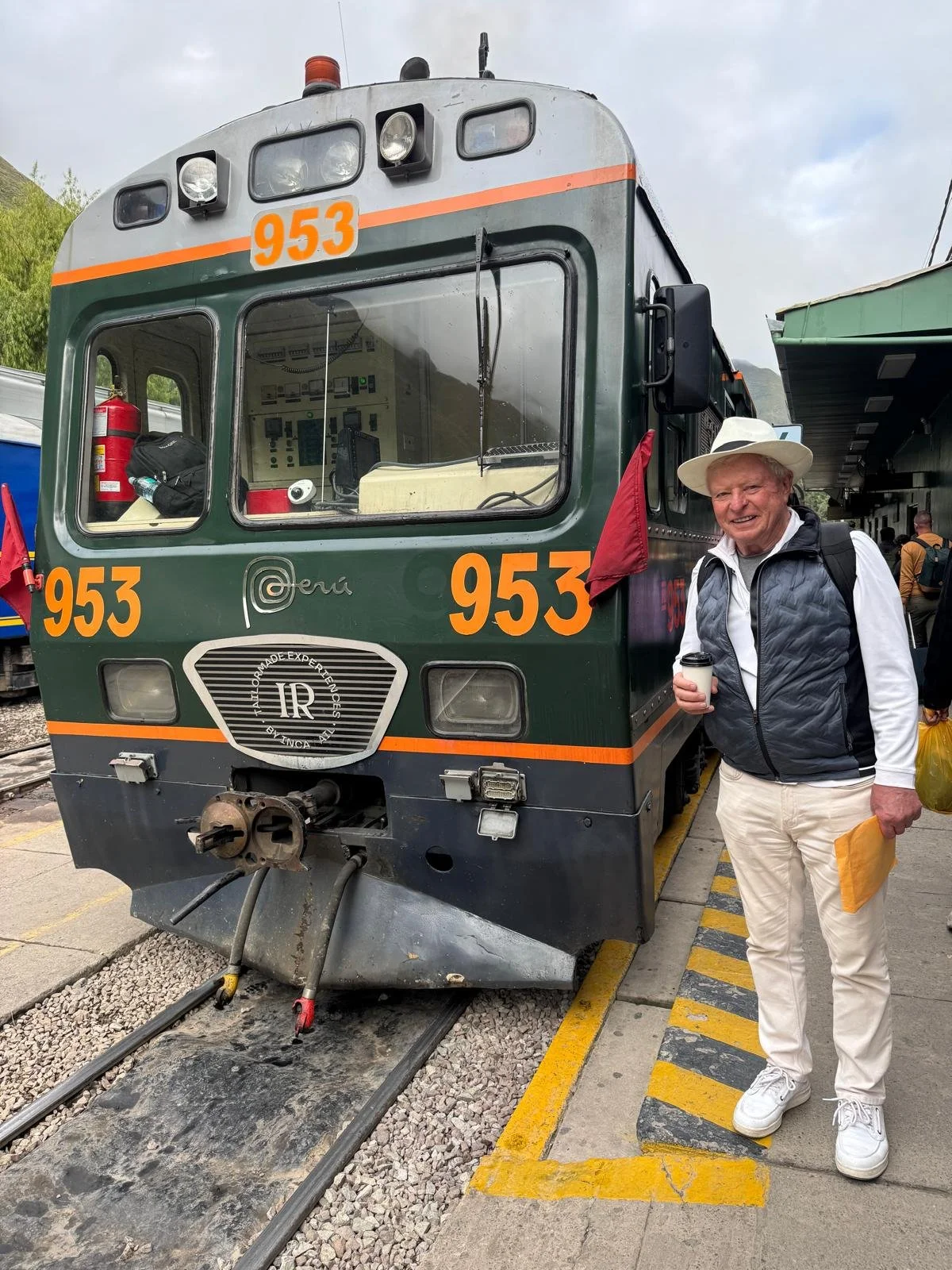
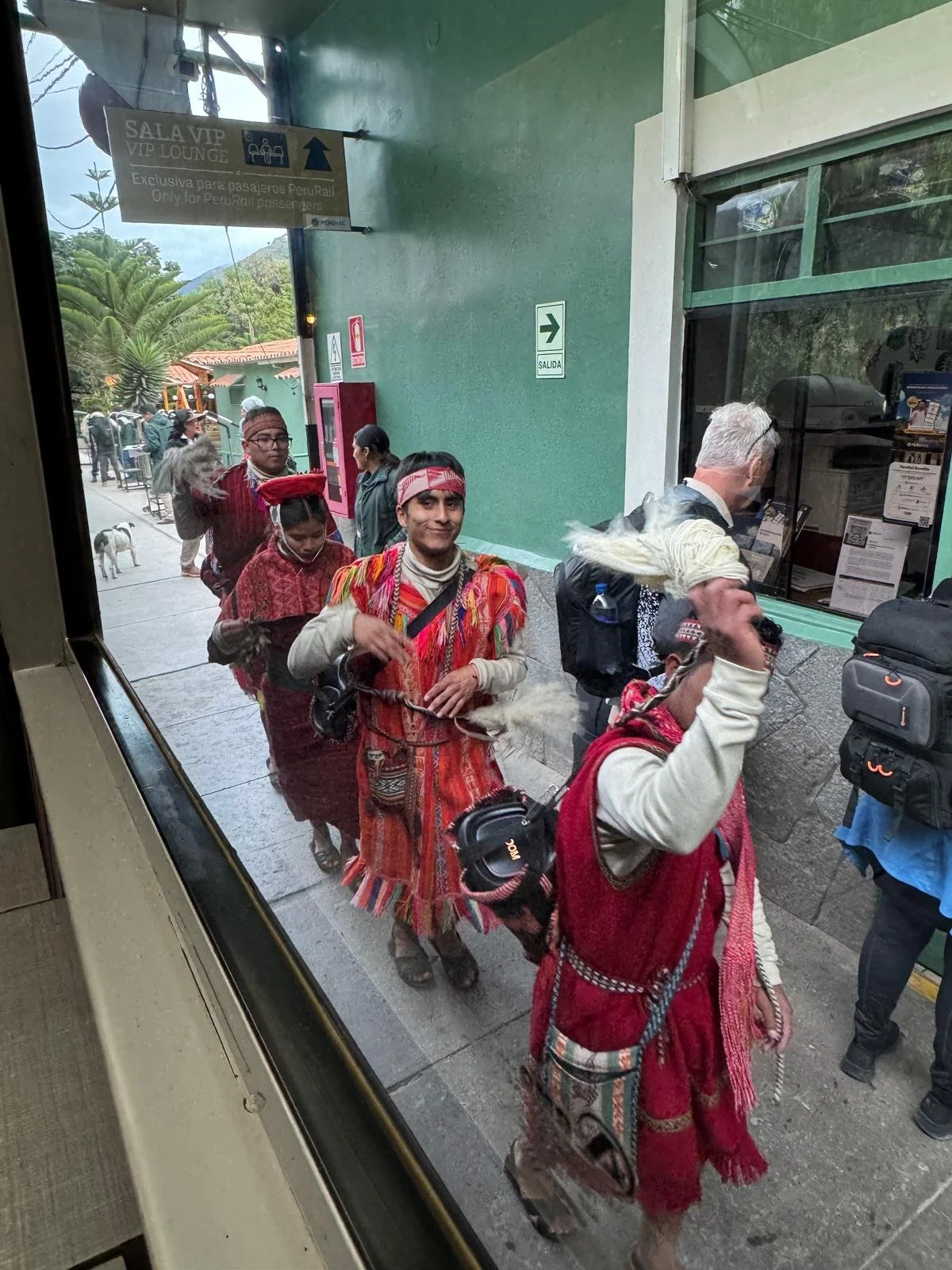
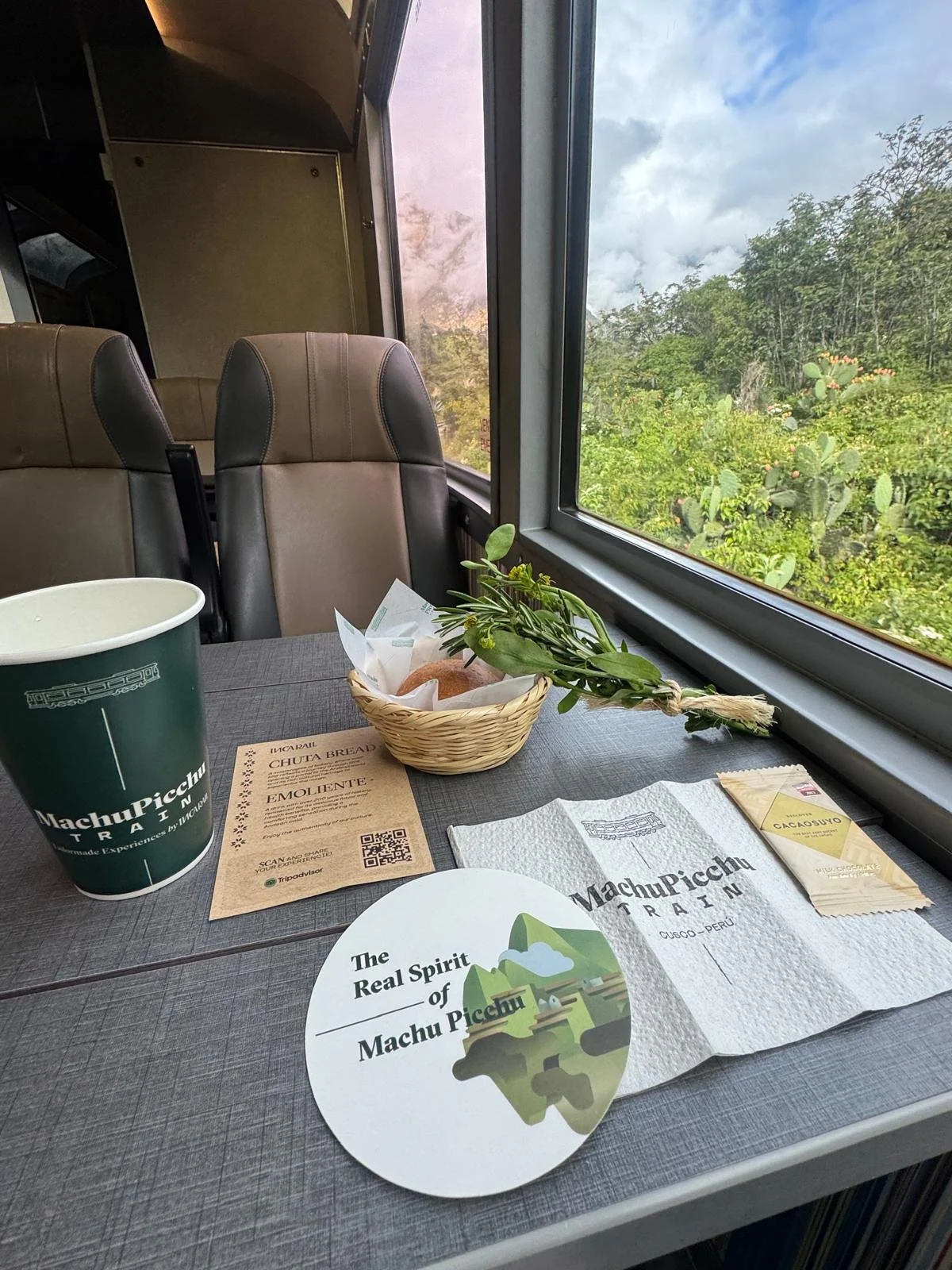
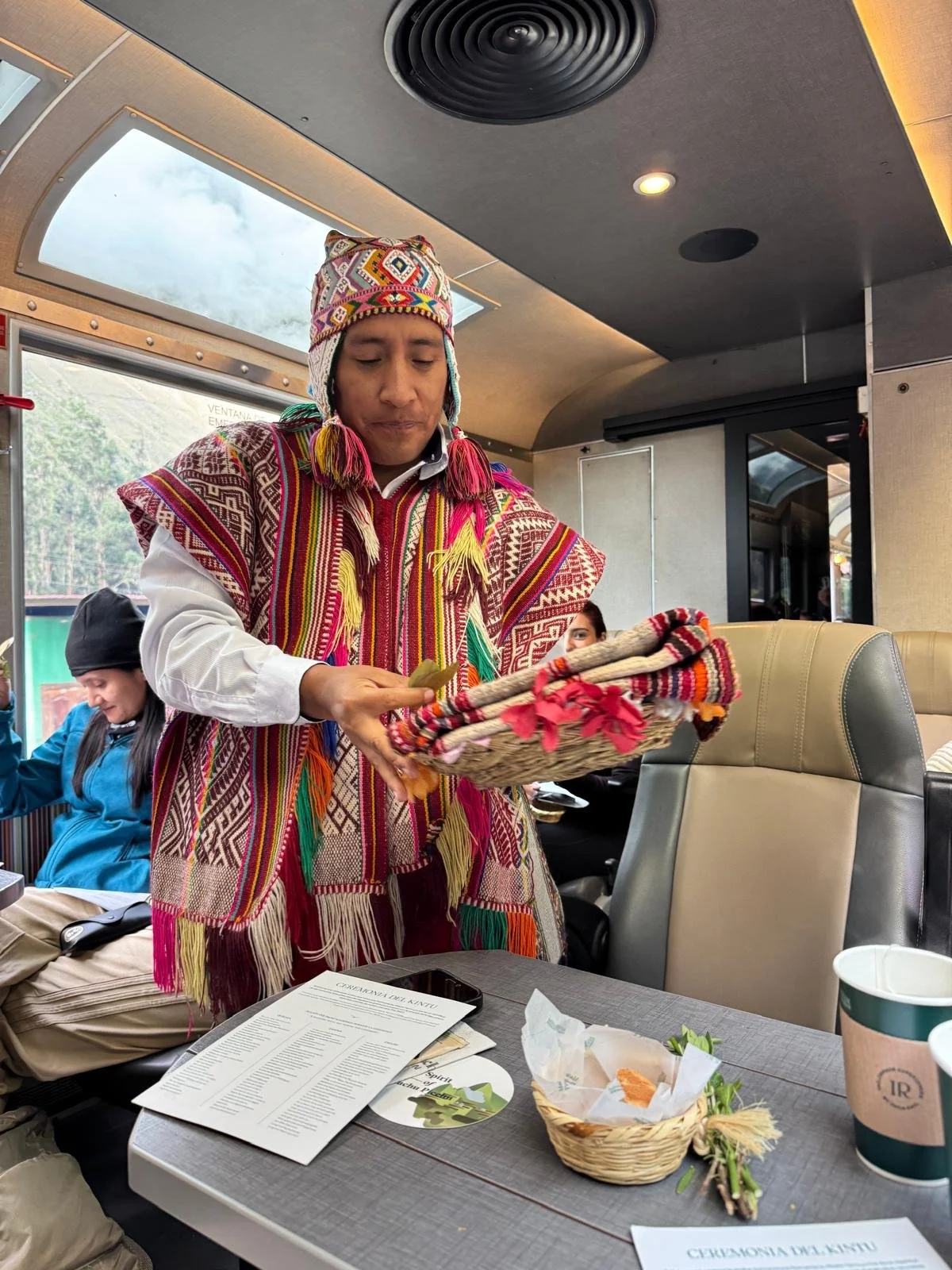
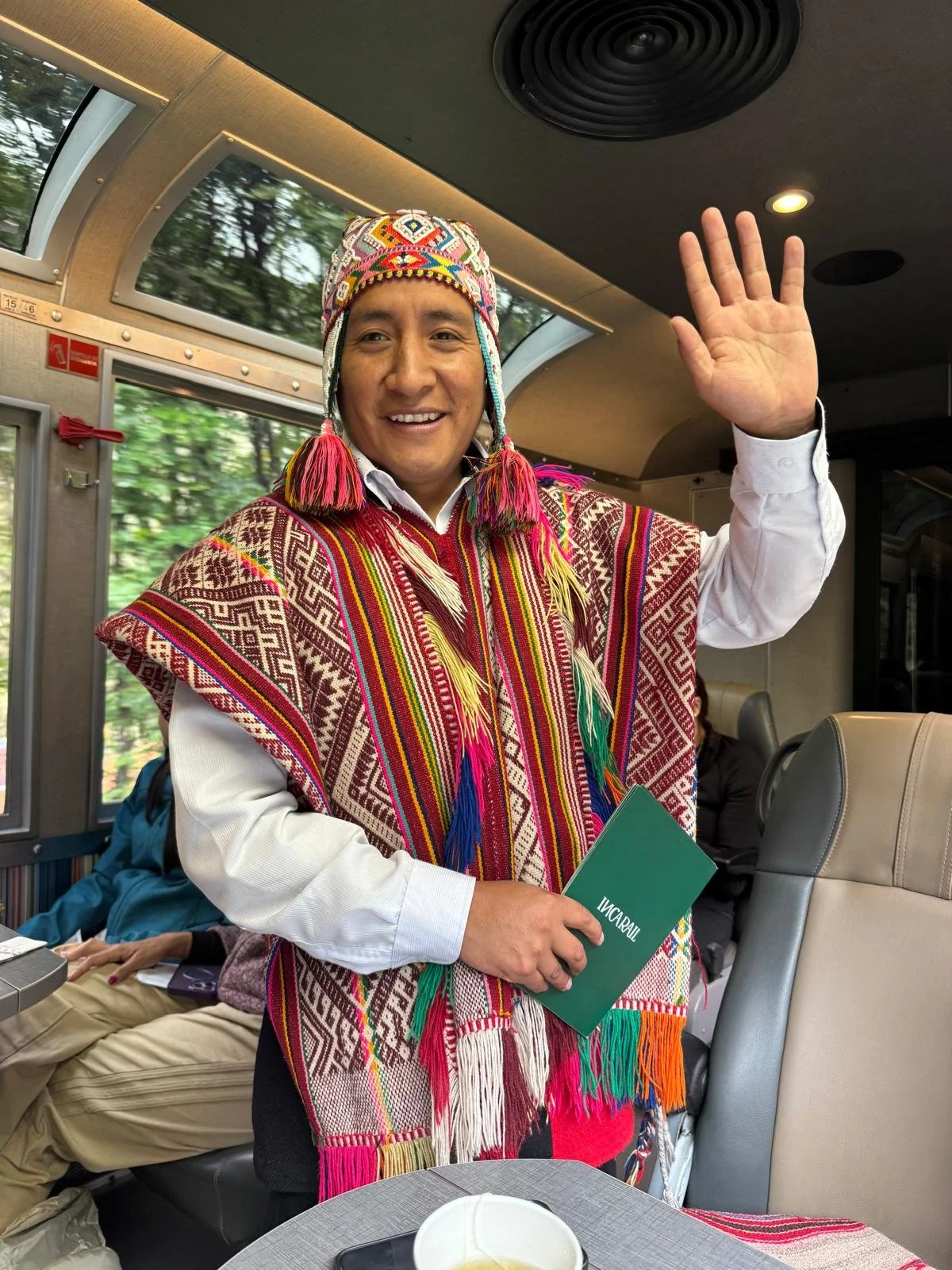
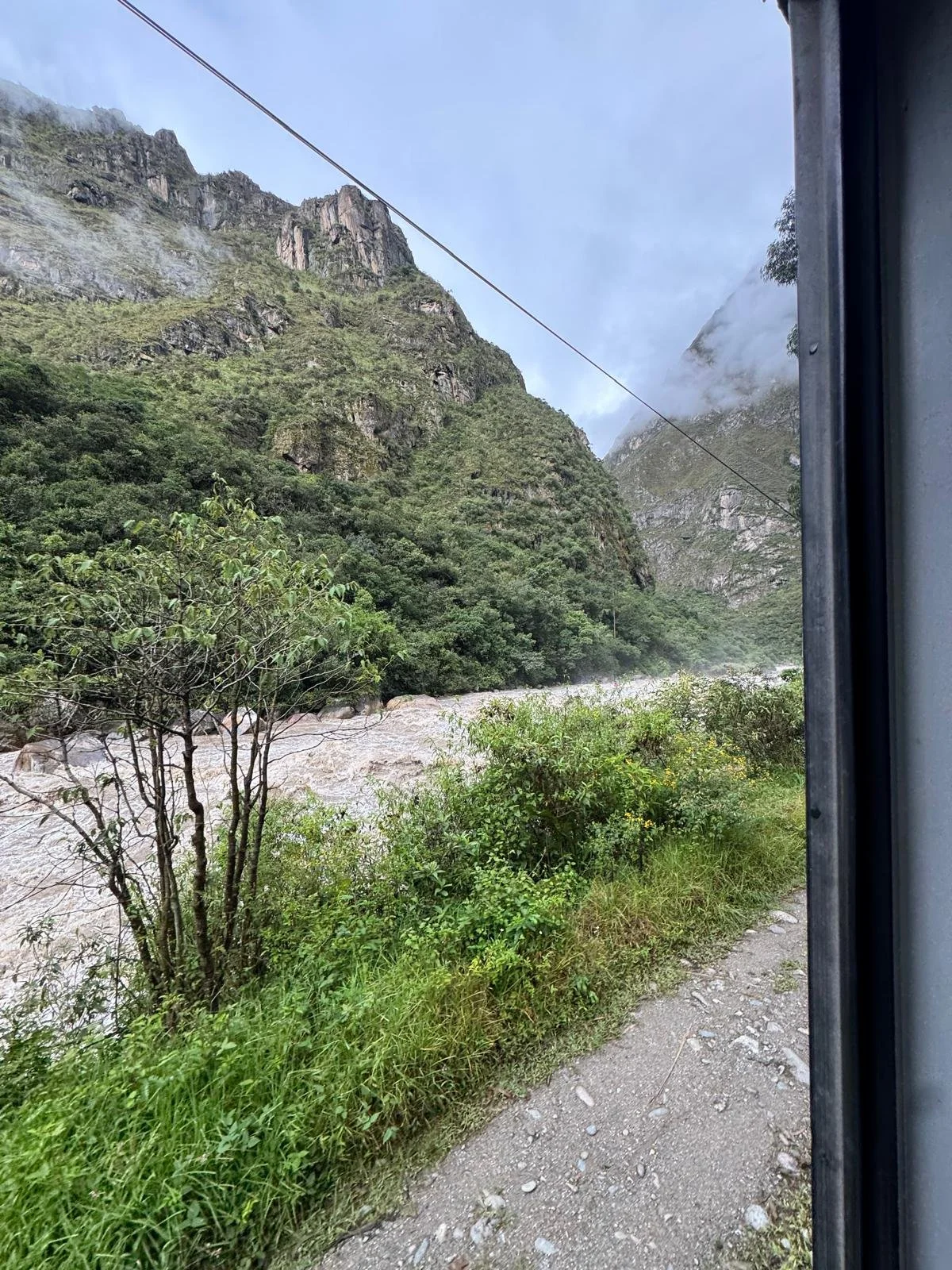
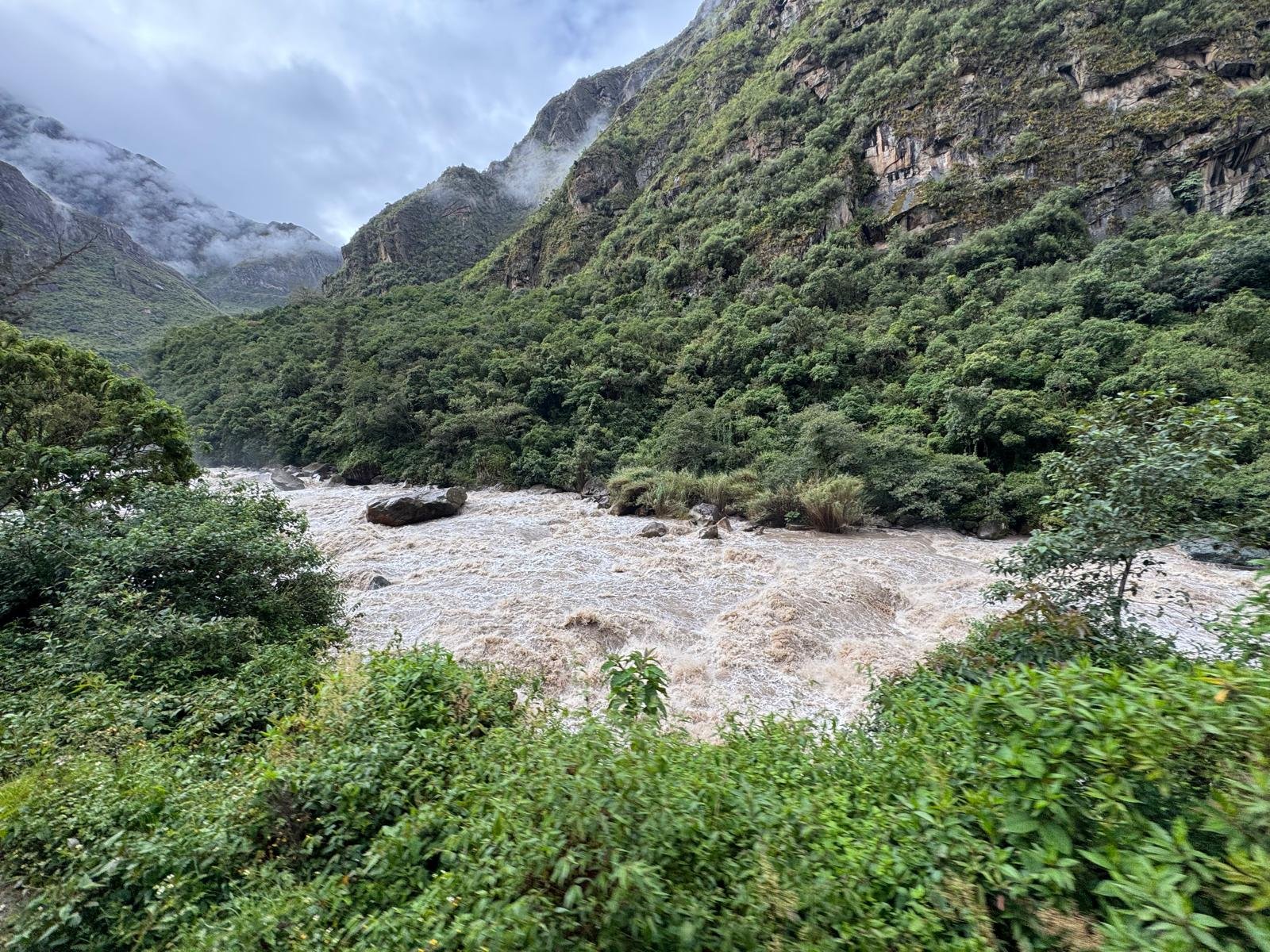
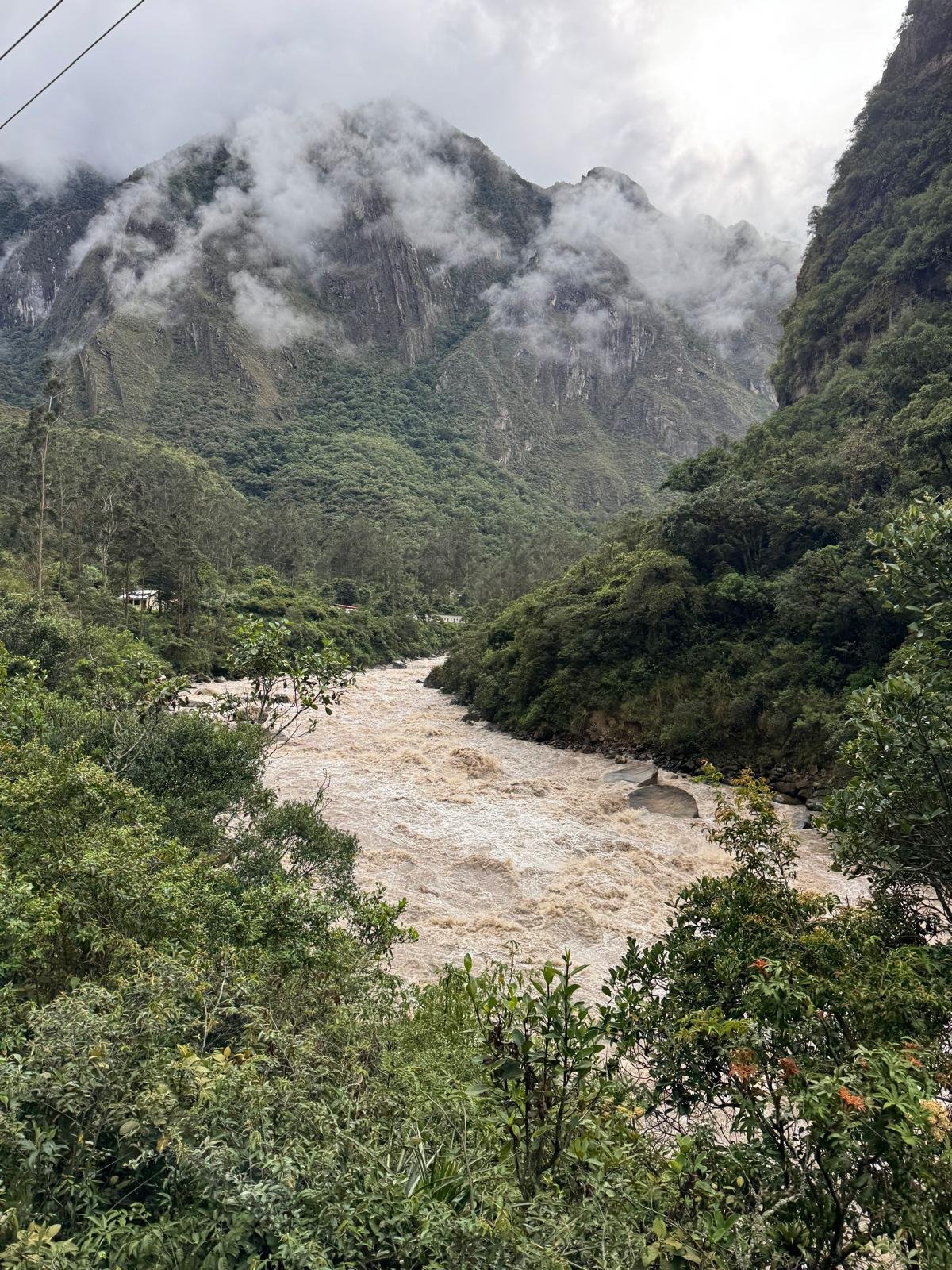
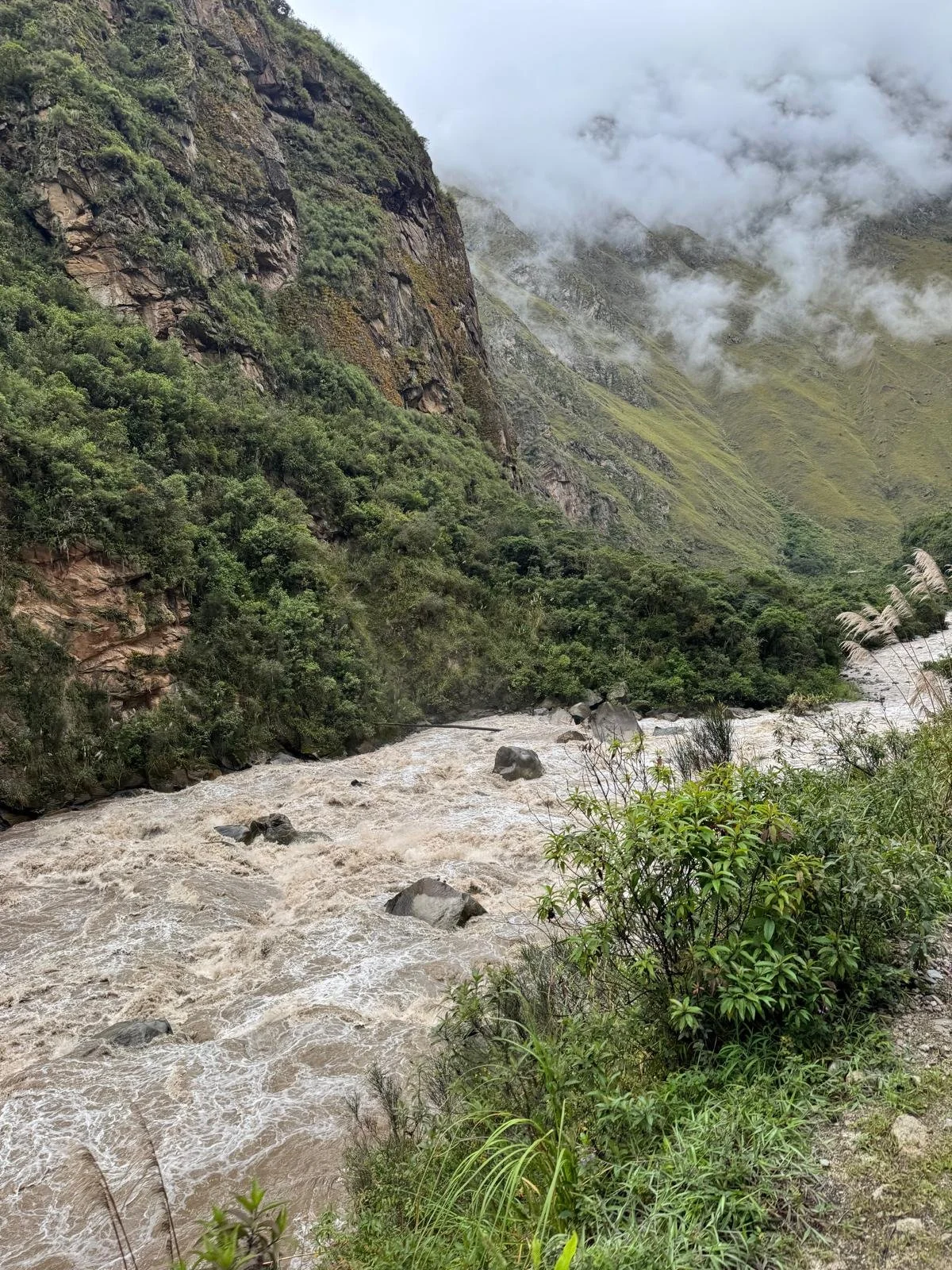
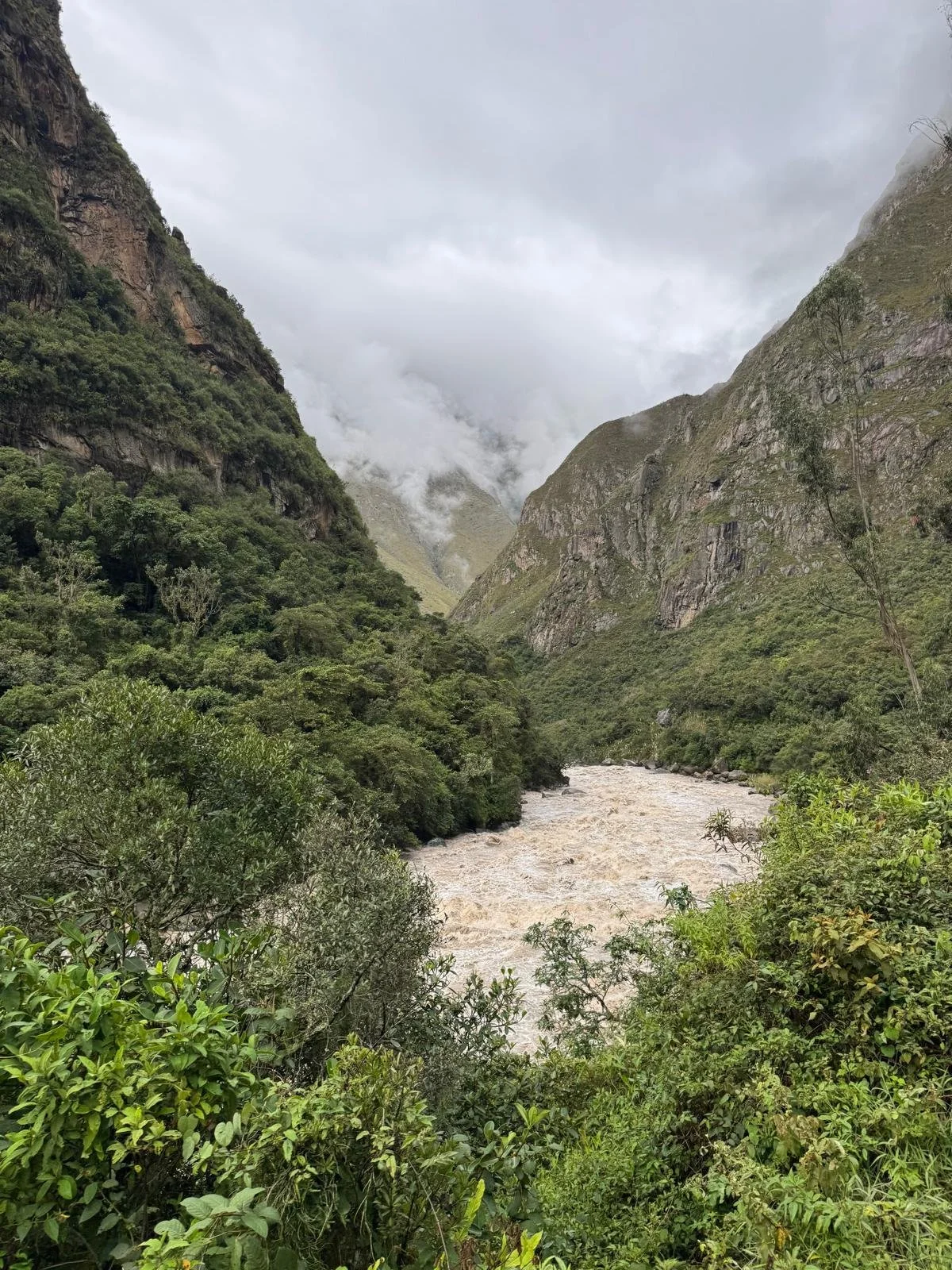
It was a very early start this morning, up at 5.00am, and our main luggage deposited at the hotel reception for someone to pick up and take to Cusco for our arrival there tomorrow night. - it’s minimal luggage for us for our trip to Machu Picchu. We were driven to Ollantaytambo railway station for our train to Aguas Calientes (Hot Waters). What a fabulous experience and all made so easy by the itinerary that was put together by Adventure World in Auckland. The station was so much fun, Peruvian singers and dancers in national costume along the platform as we were led to our carriage for our 1 ½ hour journey through the Sacred Valley. With breathtaking view of the rapids of the Urubamba River, lush landscapes and Andean peaks it was certainly quite something. We were served with chuta bread a sweet Peruvian, anise flavoured bread from Cusco and mate cocoa tea, and treated to a Kintu ceremony in our carriage. This is a sacred Andean ritual offering consisting of three carefully, perfect cocoa leaves stacked together and is a foundational practice in Andean spirituality representing a bridge between the human world and the sacred landscape. All this and a panoramic viewing carriage complete with a live band – what a great start to the day!
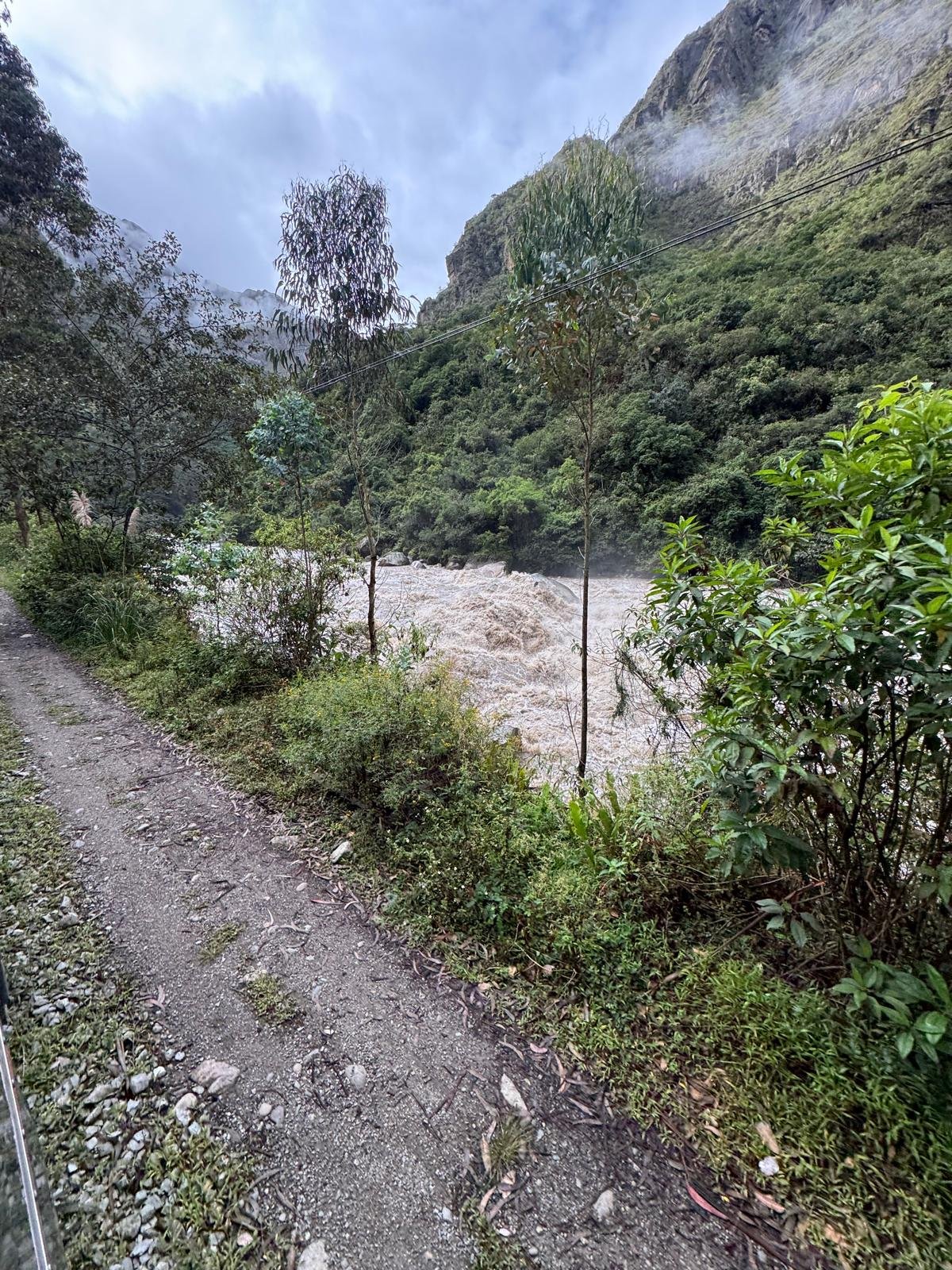
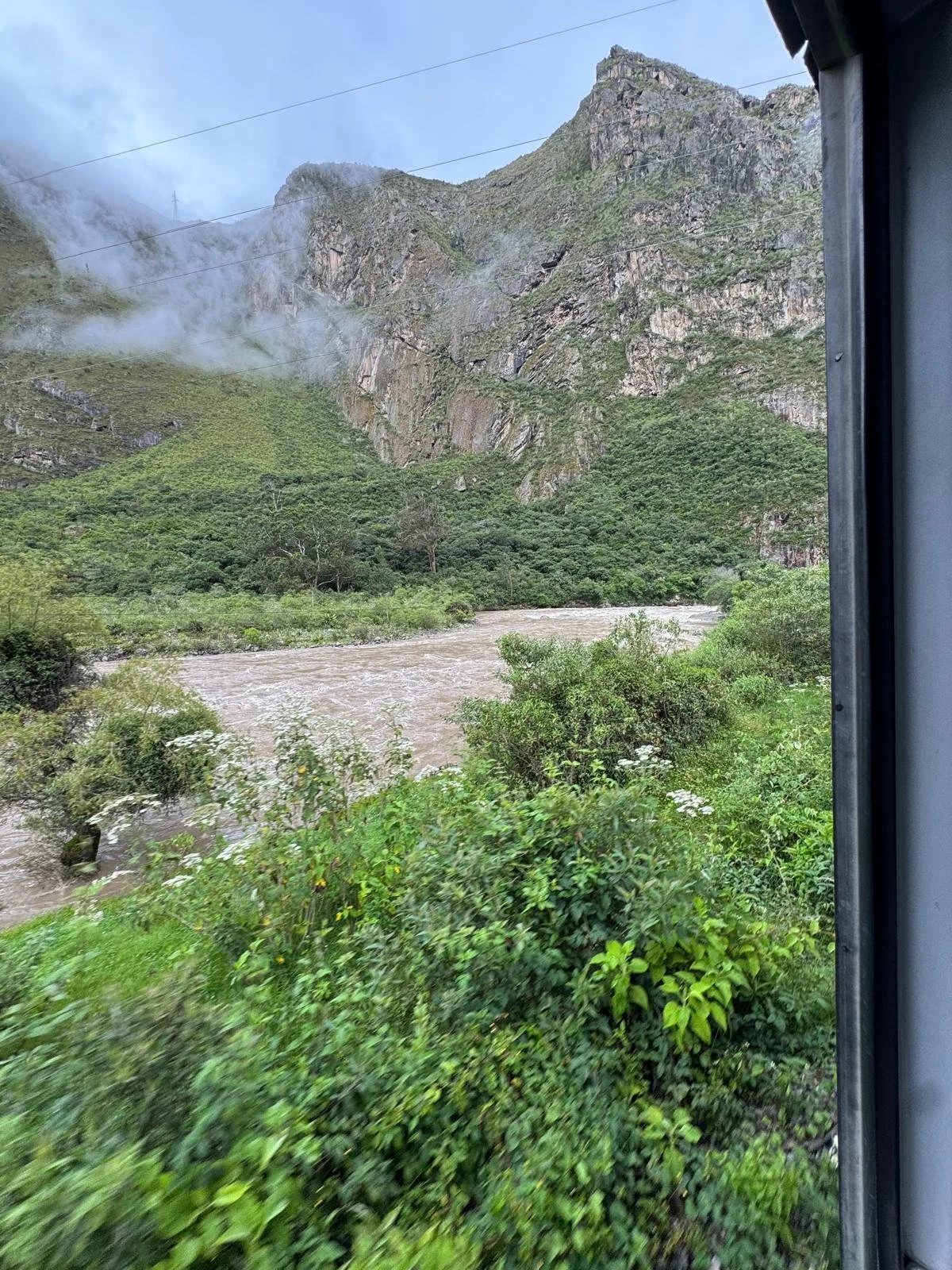
Off the train and onto the local buses which drive the passengers up to the star of the show – the Machu Picchu Palace and Temple. What a journey – 10 kms on a narrow road of hairpin bends zig-zagging up to the citadel entrance – and given its height at the top of 2,430 metres – you can imagine what the drops looked like right outside the window! And then we (thankfully) arrived (safely!).
A bit of a history lesson coming up, but it’s important to understand a little bit about the Incan Empire. The Inca were primarily ethnic Quechuas who rose quickly from a small, isolated people to the largest empire in pre-Columbian South America, at its height, the Incan empire covered a third of the land in South America and had a population of 16 million people. Two Spanish explorers, Atahualpa and Huascar, who were half-brothers and sons of the Inca Emperor Huayna Capac, engaged in a brutal civil war for control of the Inca empire after their father’s death. Atahualpa ultimately defeated Huascar, but this conflict severely weakened the empire shortly before the Spanish conquest.
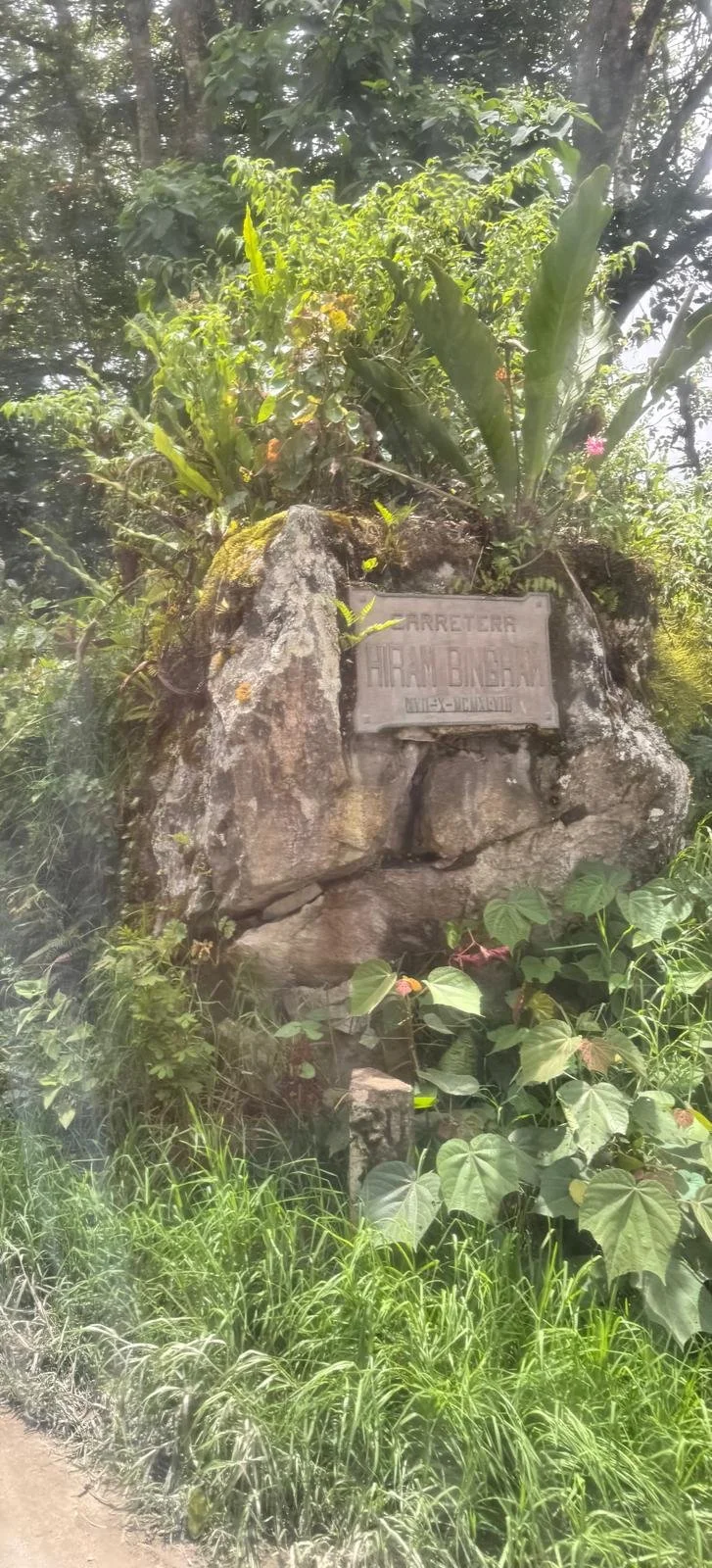
Machu Picchu was abandoned during the Spanish conquest in the 1530’s and this was likely due either to smallpox or to the collapse of the Empire. The Spanish Conquistadors would come to what would later be named Peru and they defeated the weakened Incan forces in the Battle of Cajamarca in1532 and had control of the entire empire, (then known as the Viceroyalty of Peru with Lima as its capital) after taking the stronghold of Vilcabamba in 1572. Most of the old capital of Cuzco, or Cusco, was destroyed and replaced with new European style buildings in an attempt to replace the older culture and religion entirely. Only due to the fact that Machu Picchu was already abandoned and quite hard to reach, spared it the same fate. However, in 1911, Yale historian Hiram Bingham was led to the site by local residents and introduced it to the outside world. It is now a designated UNESCO World Heritage Site and in 2007 was voted one of the New Seven Wonders of the world. Records suggests that the Spanish were unaware of the temple complex’s existence, although it was well known by the nearby villages – right up to its rediscovery by Mr Bingham in 1911.
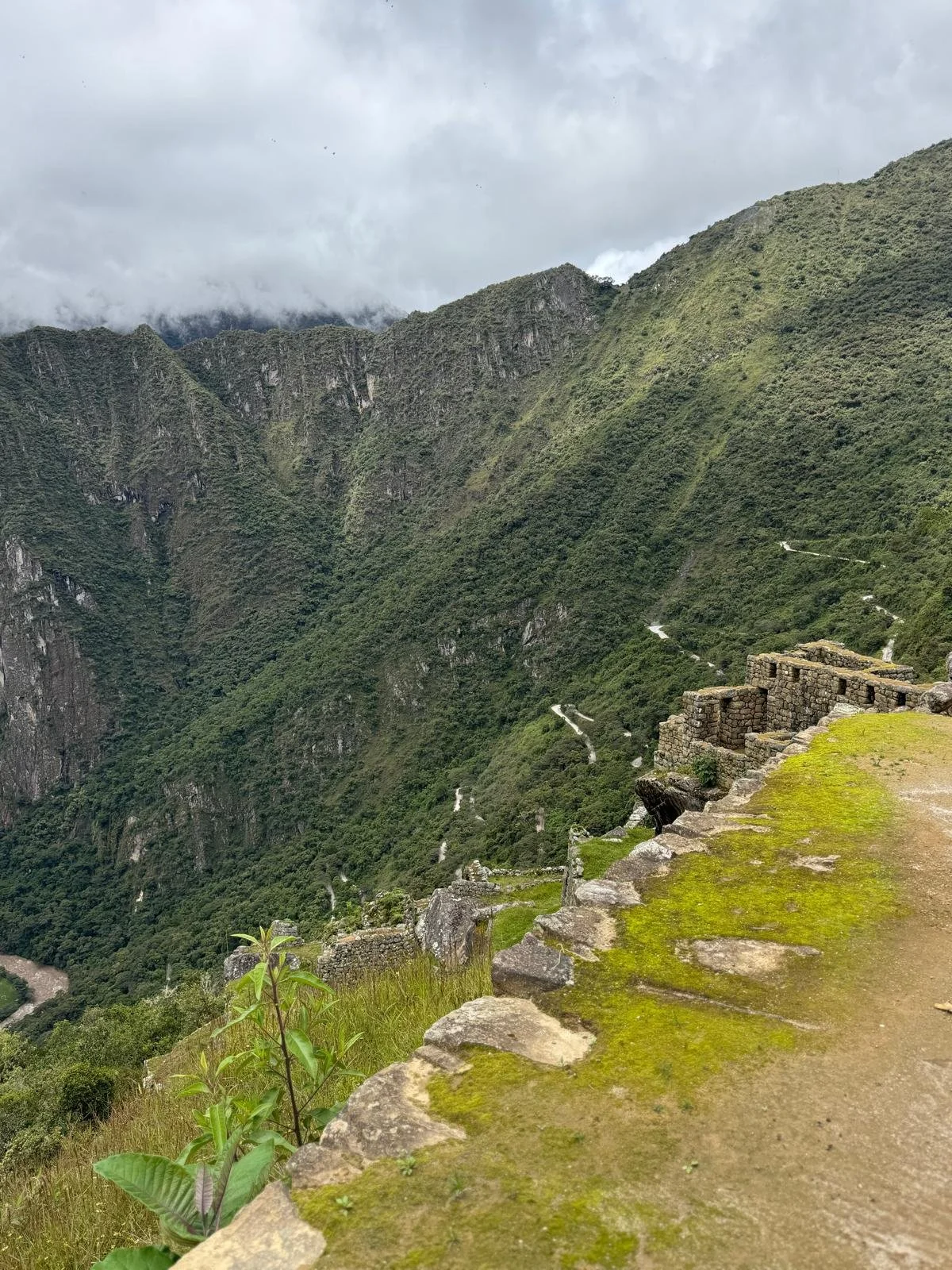
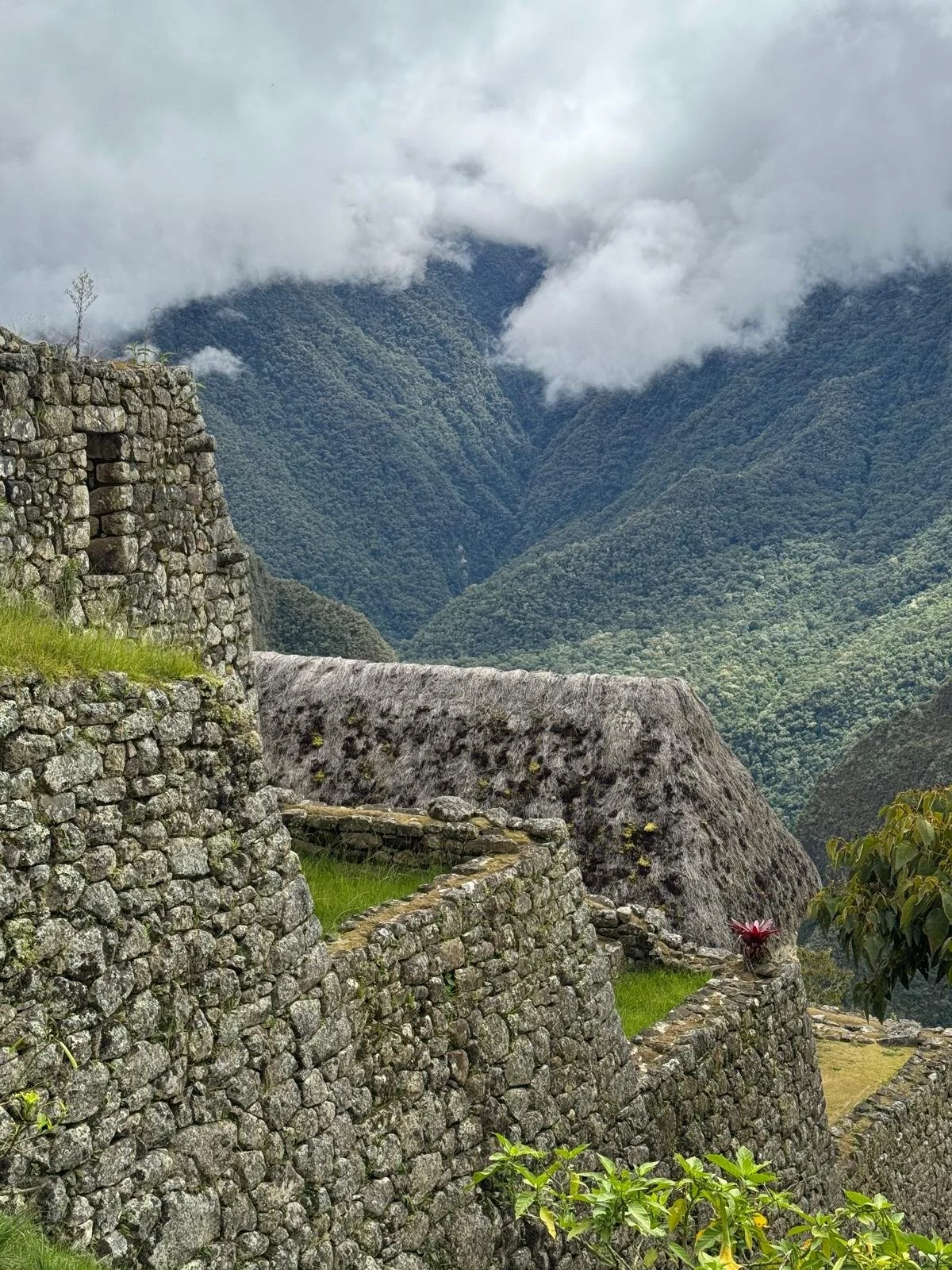
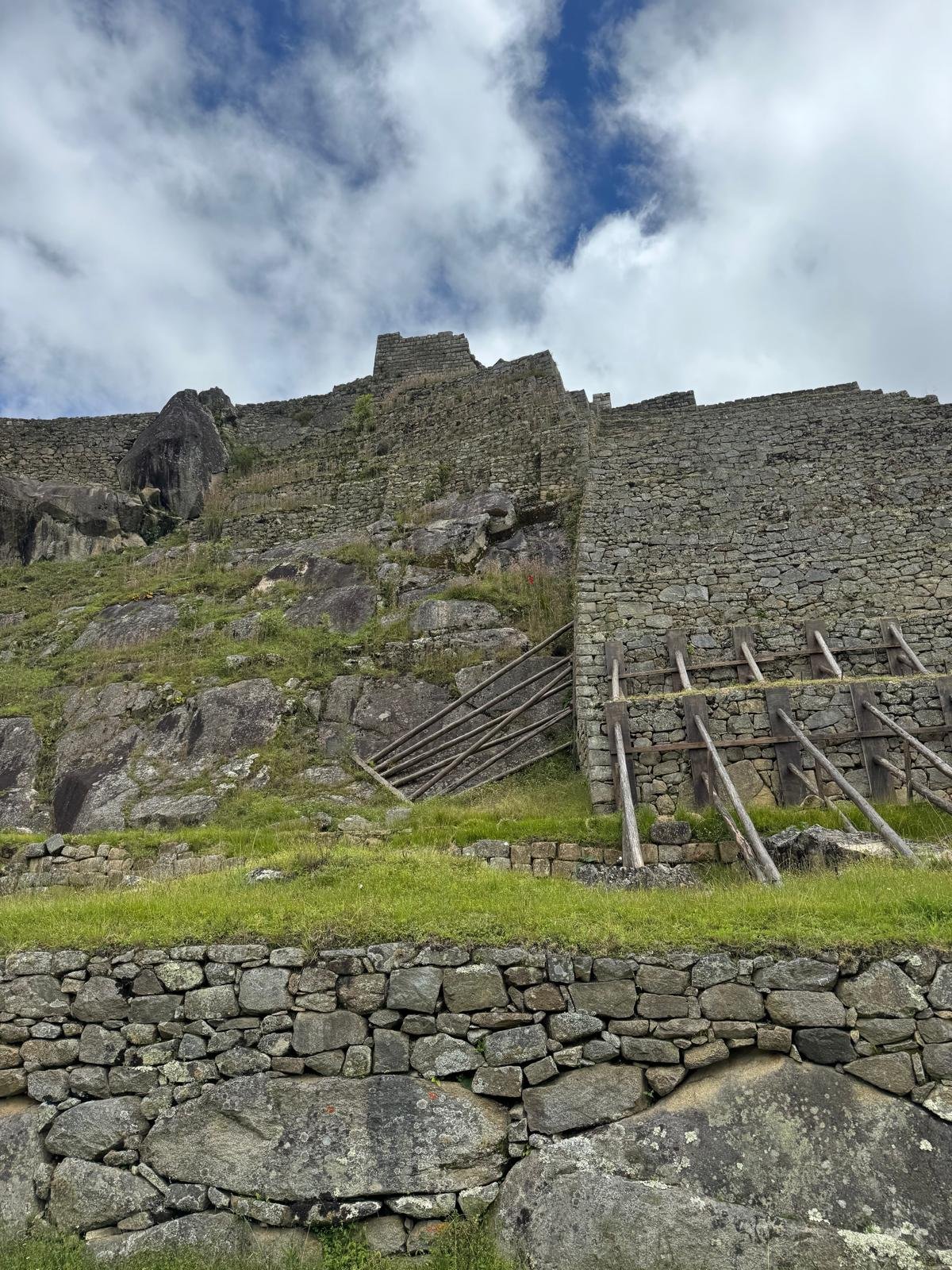
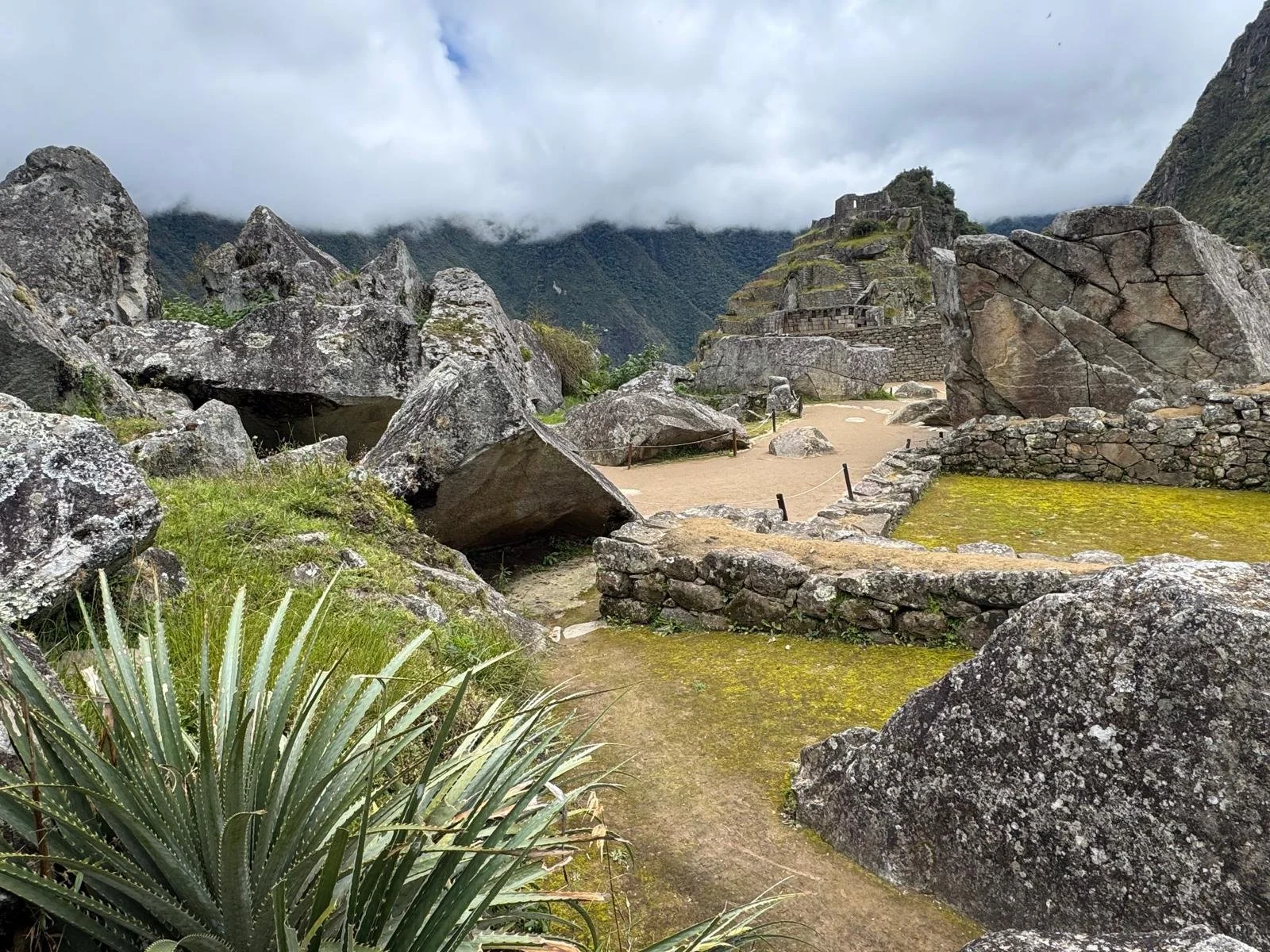
It is believed that Machu Picchu was constructed in the early 1400’s as a Palace and Temple complex for Emperor Pachacuti who lived between 1438 and 1472. The ruins are very well preserved and are an excellent example of the classic Incan style of architecture. Constructed of those huge stone blocks I mentioned in my blog yesterday, the site has two primary components, the agricultural sector and the urban sector. You can see this from the photos below – the town and square on the left and the agricultural terraces on the right with a watch tower at the top. And just take a look at the most awesome scenery of the Andes mountains surrounding it all, with the raging Urubamba river way down below.
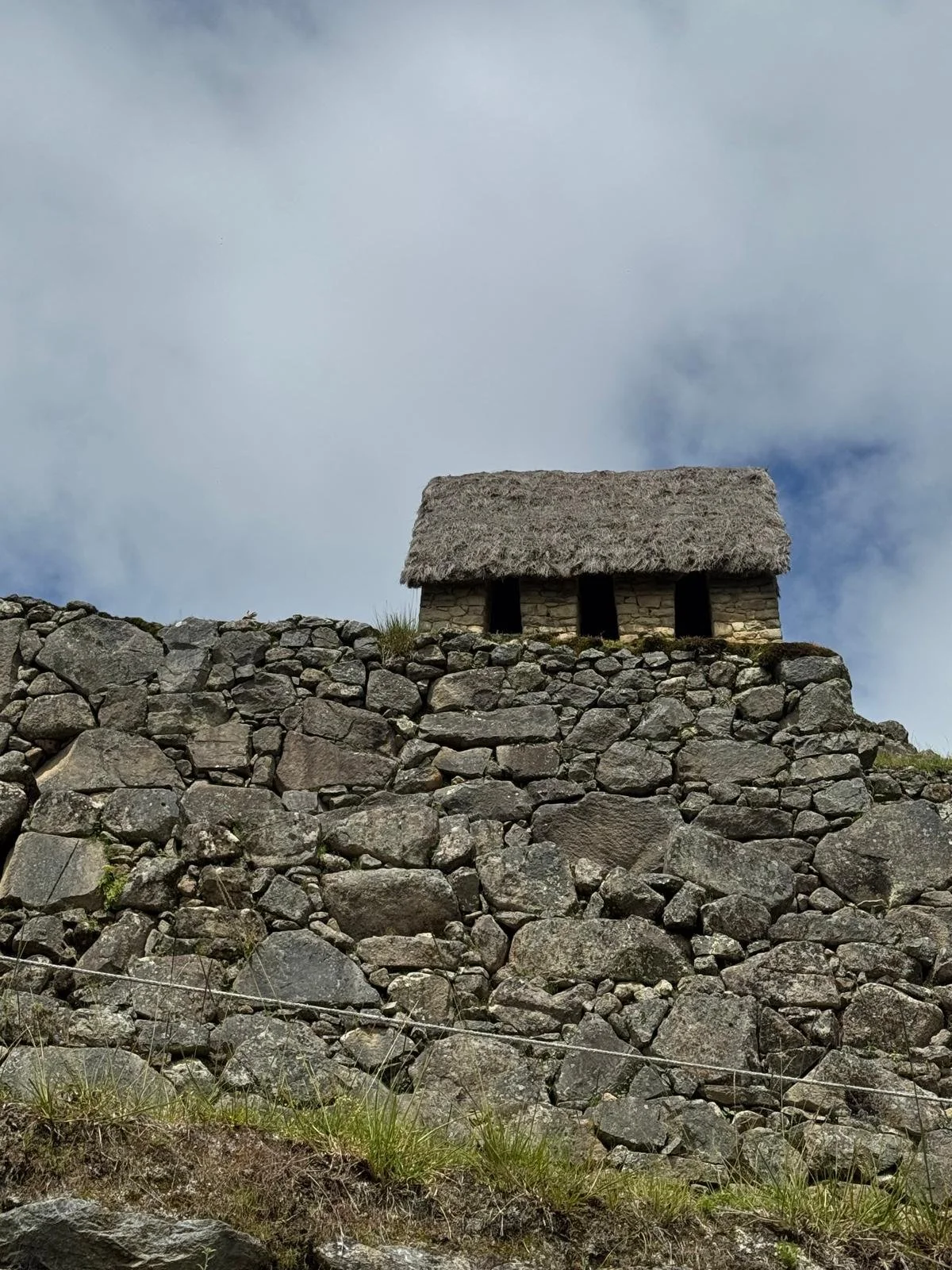
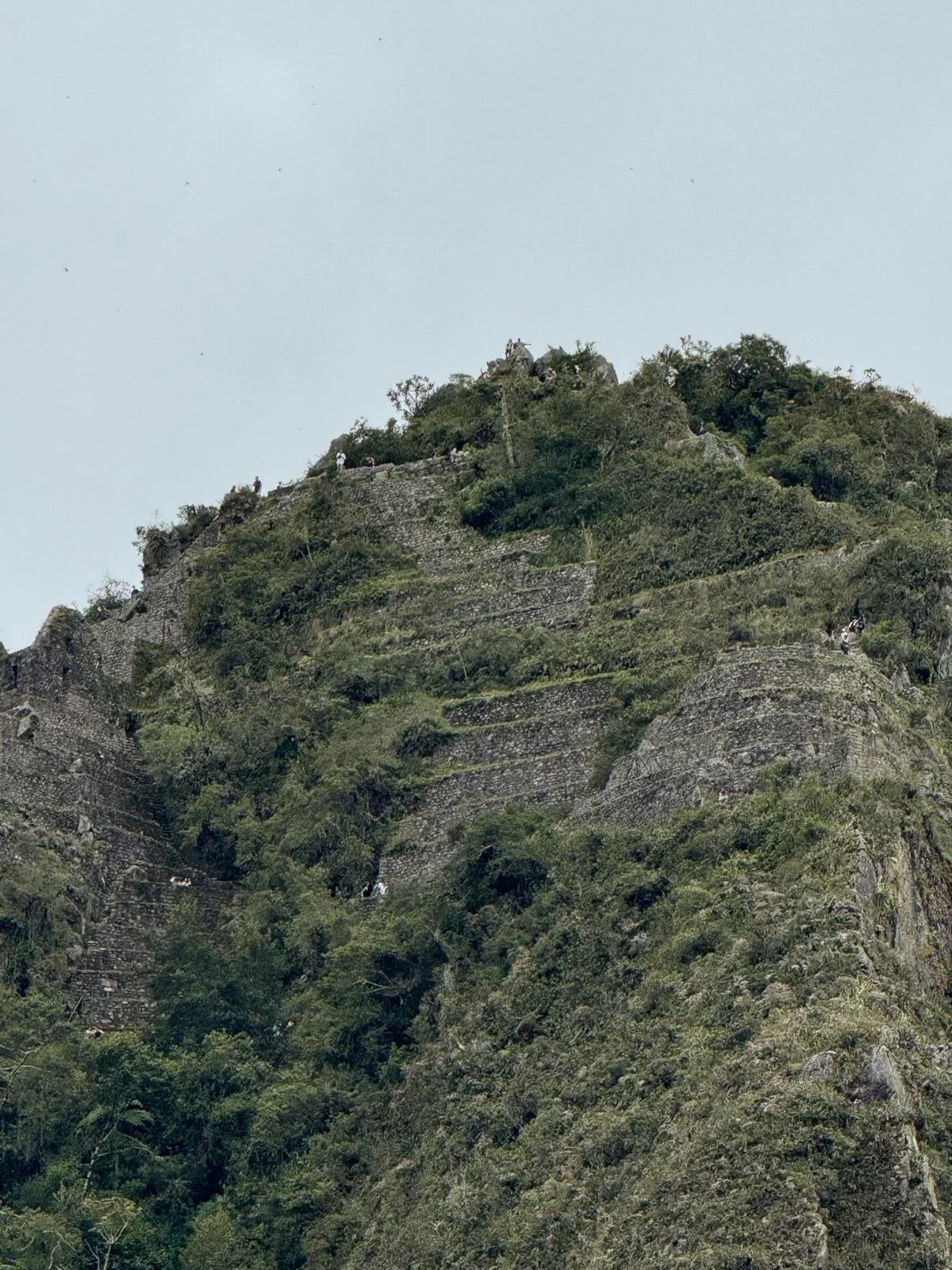
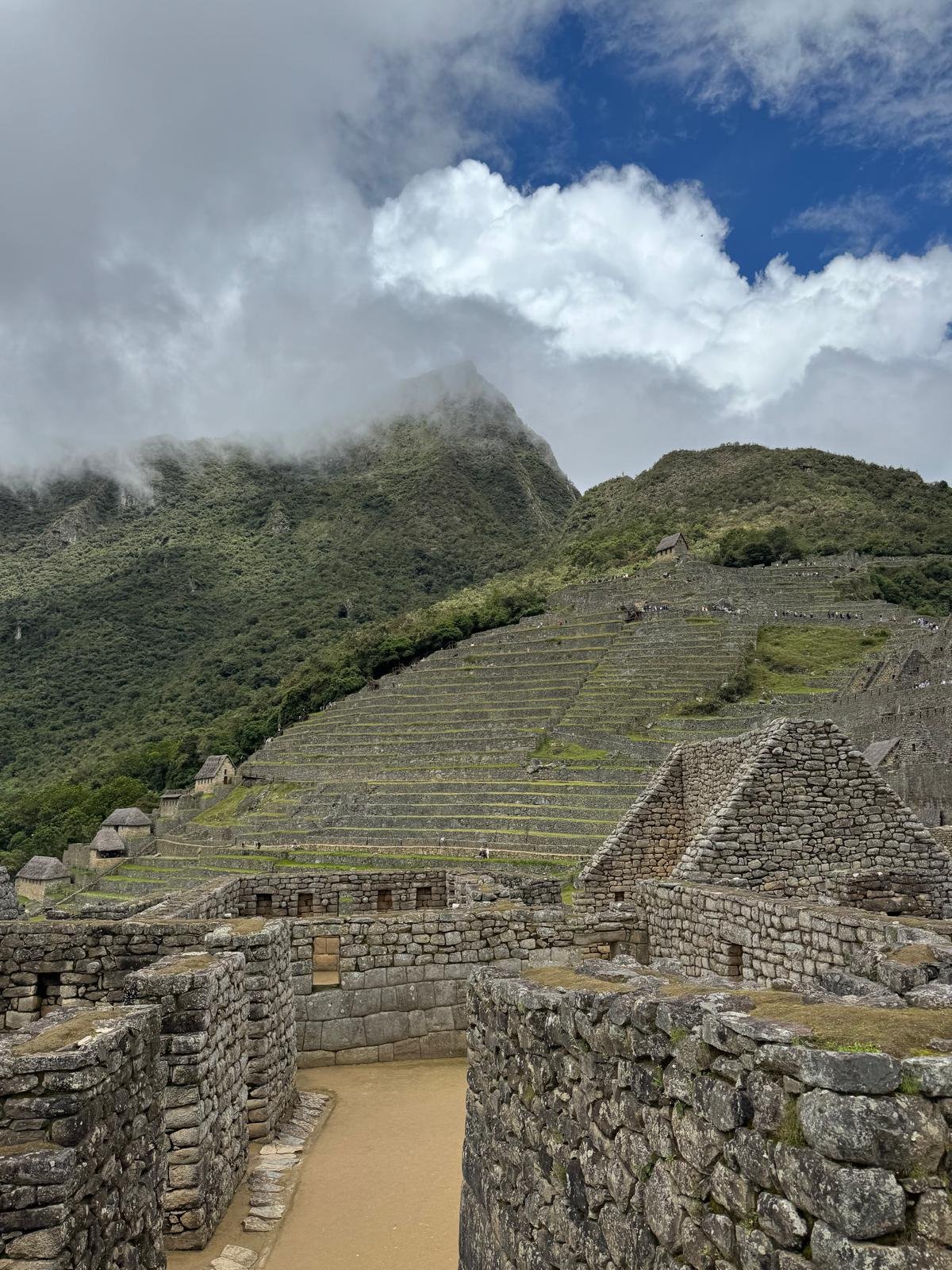
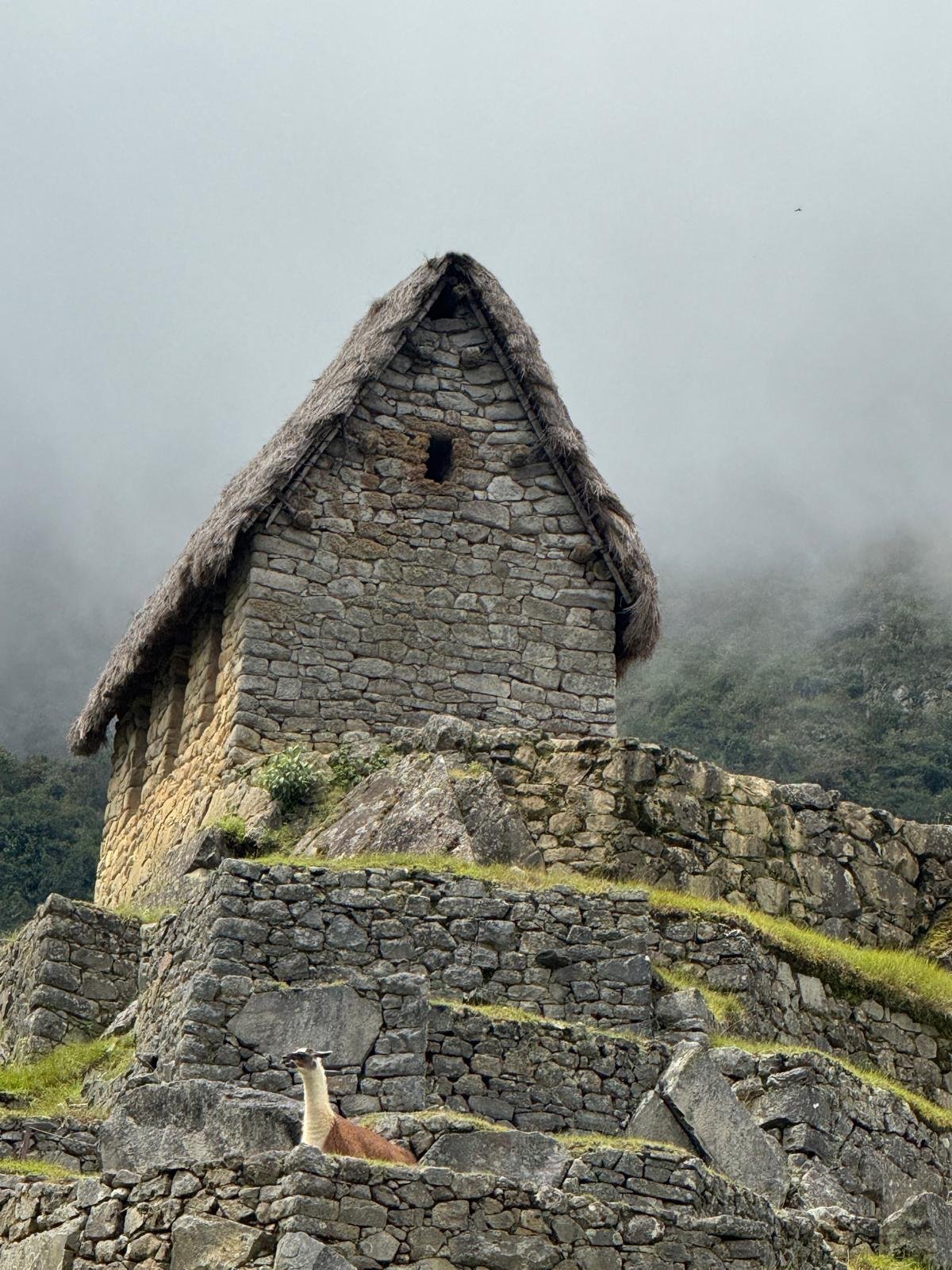
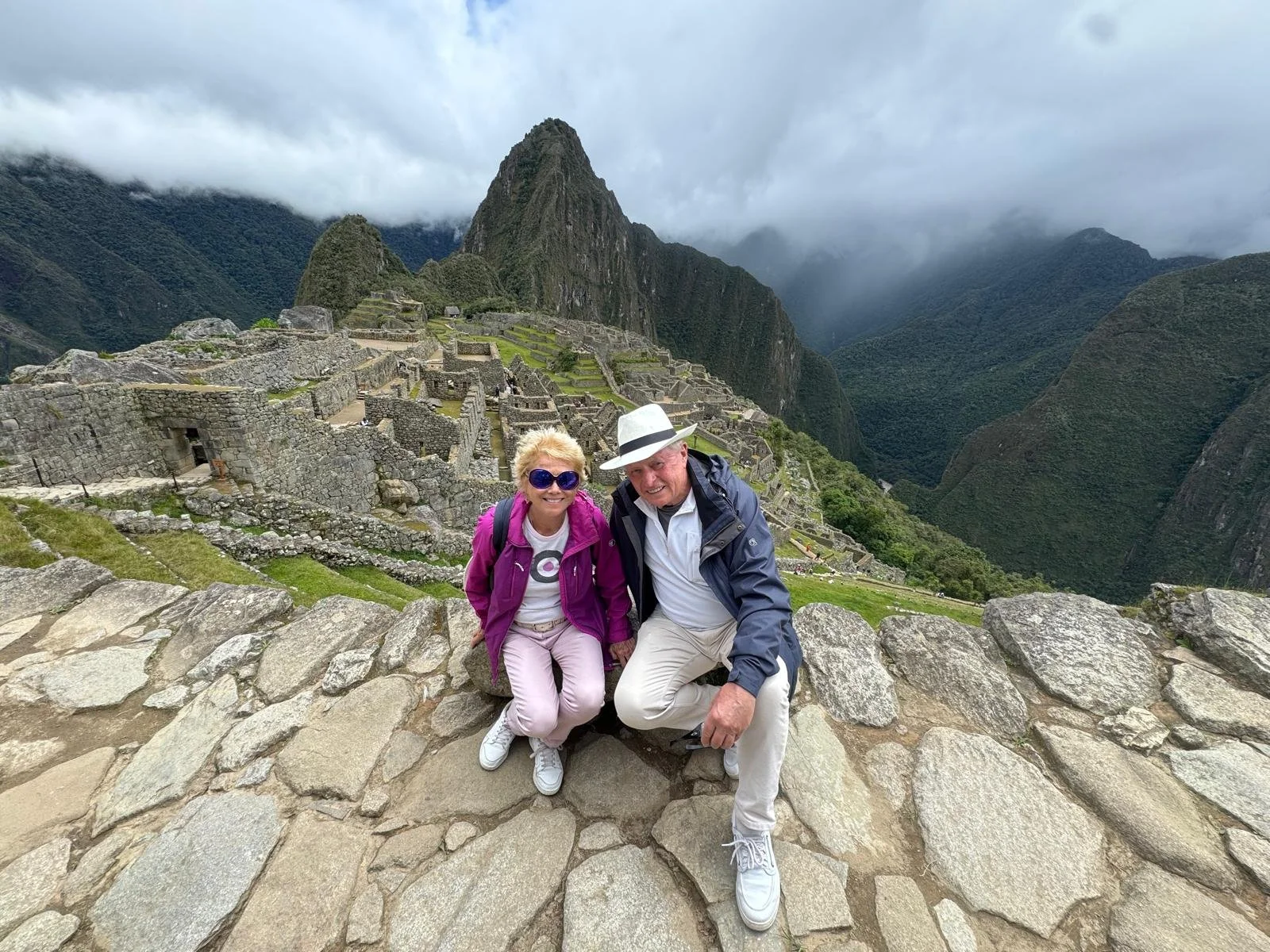
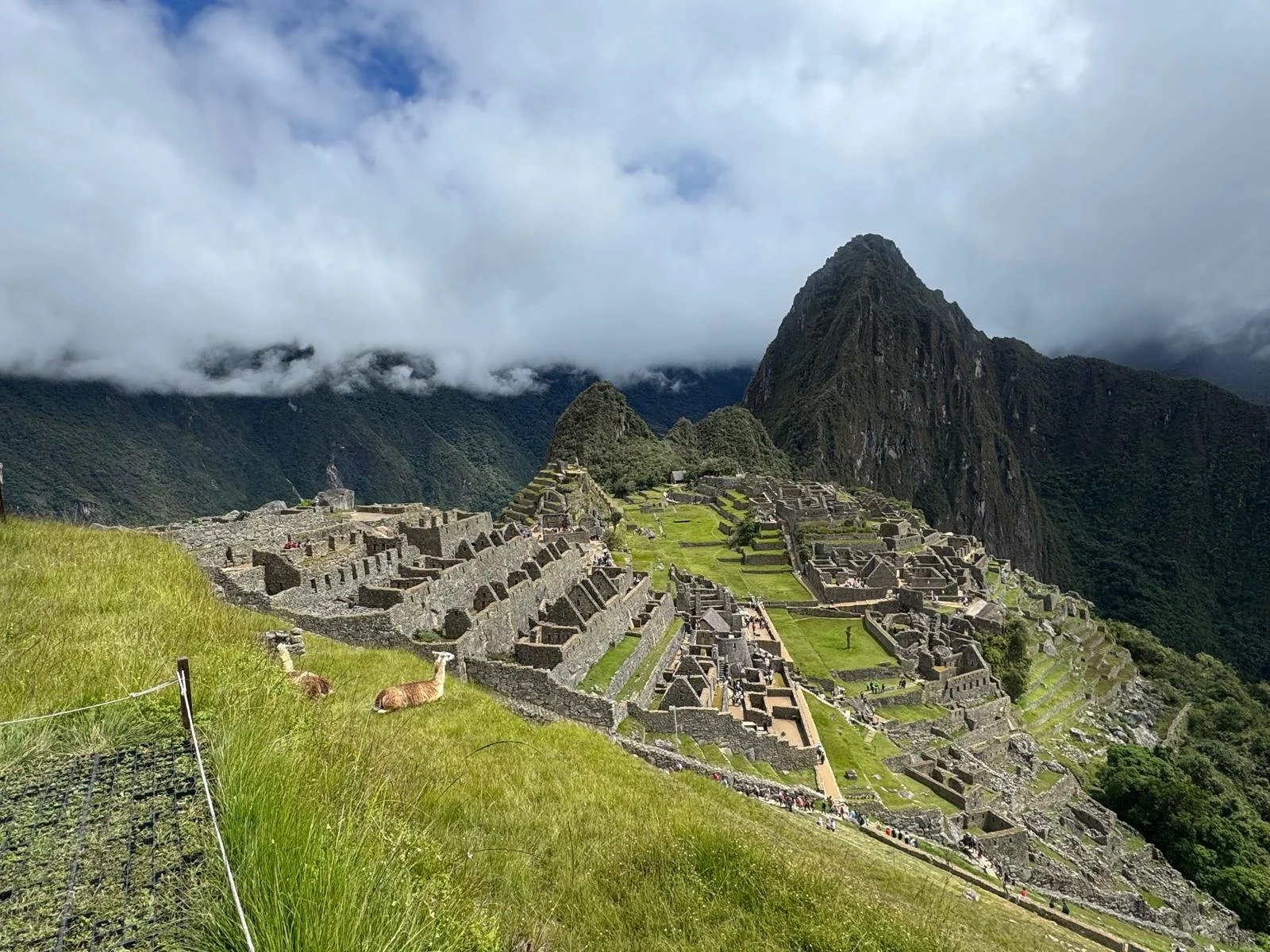
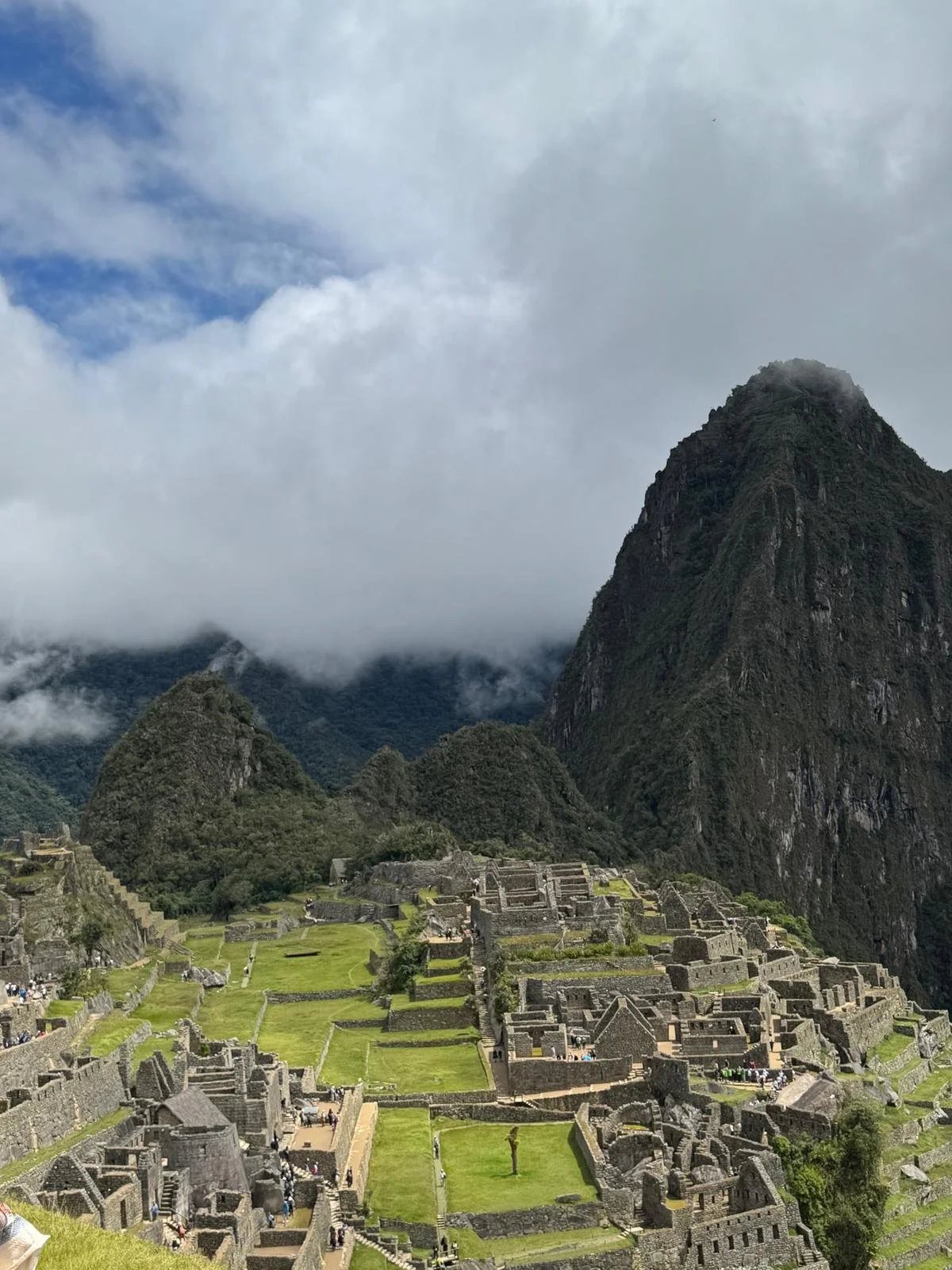
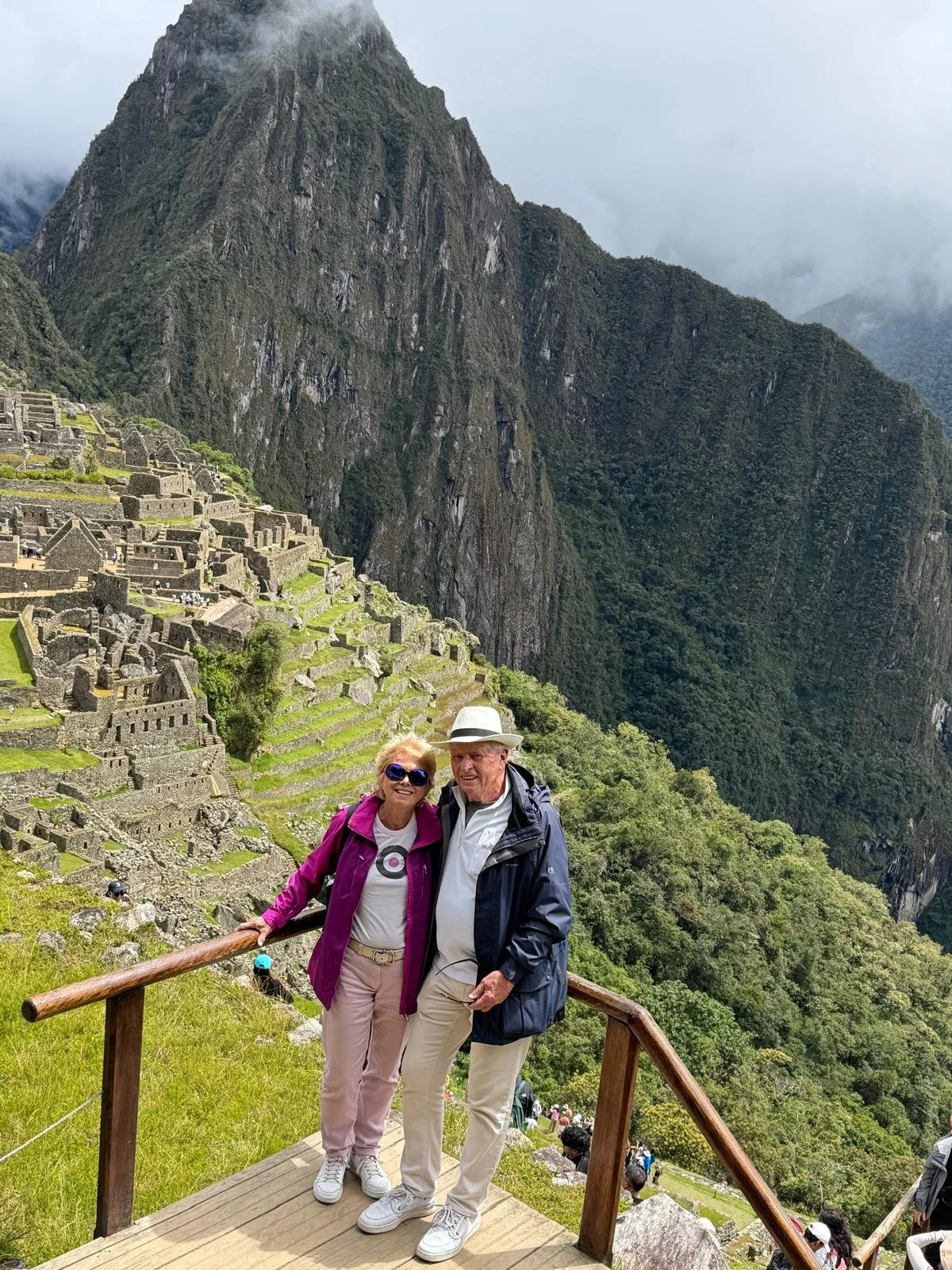
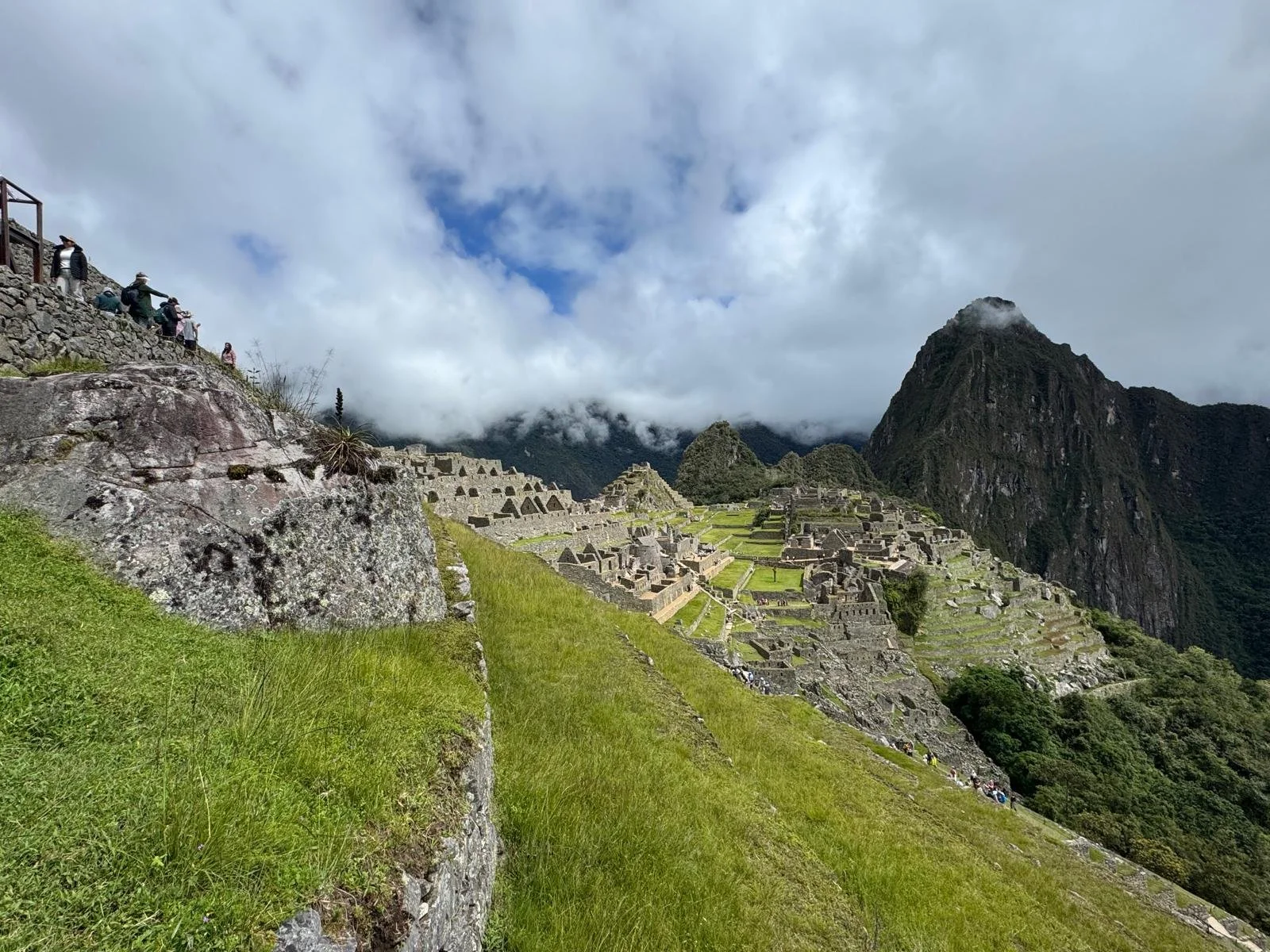
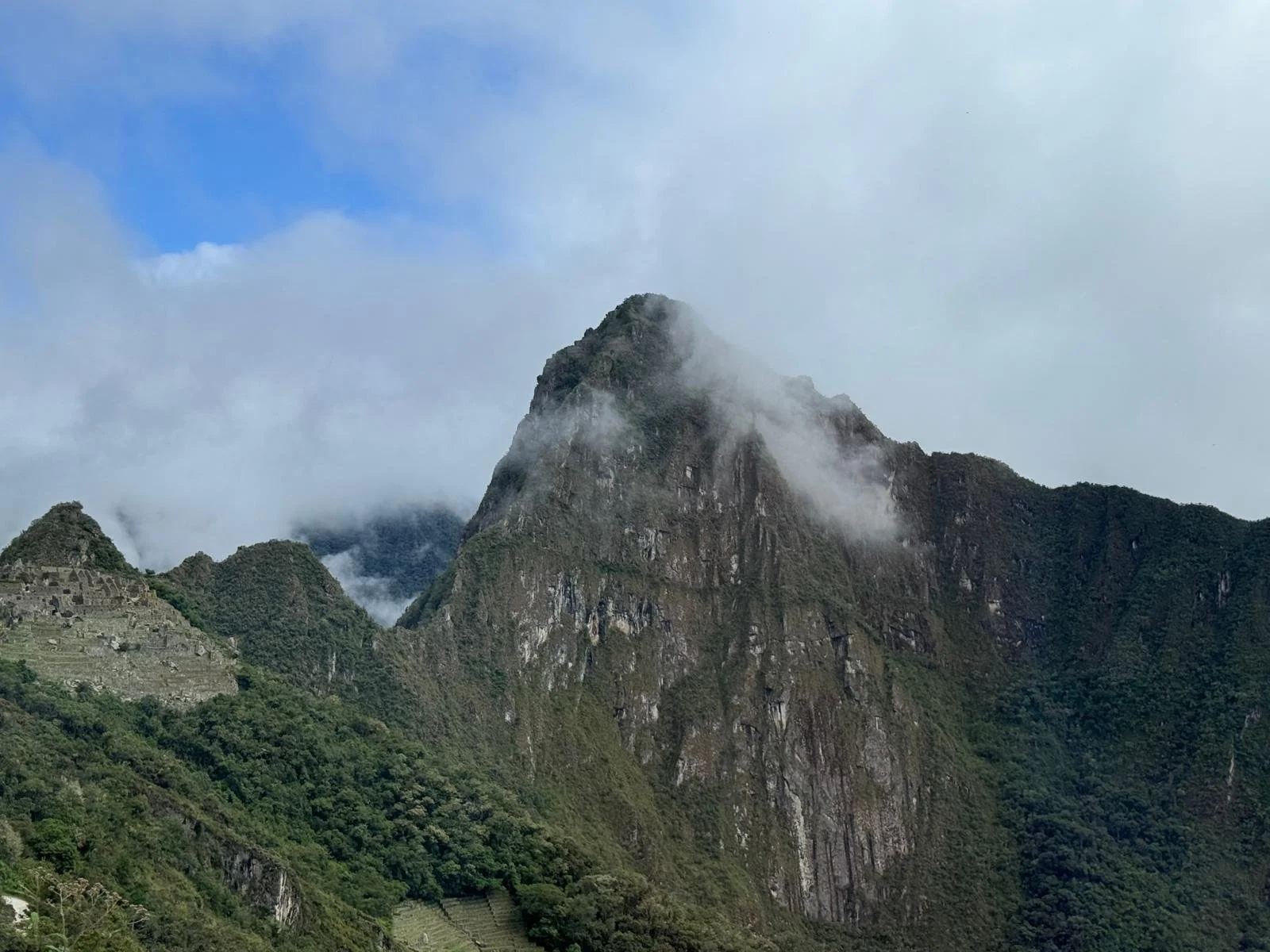
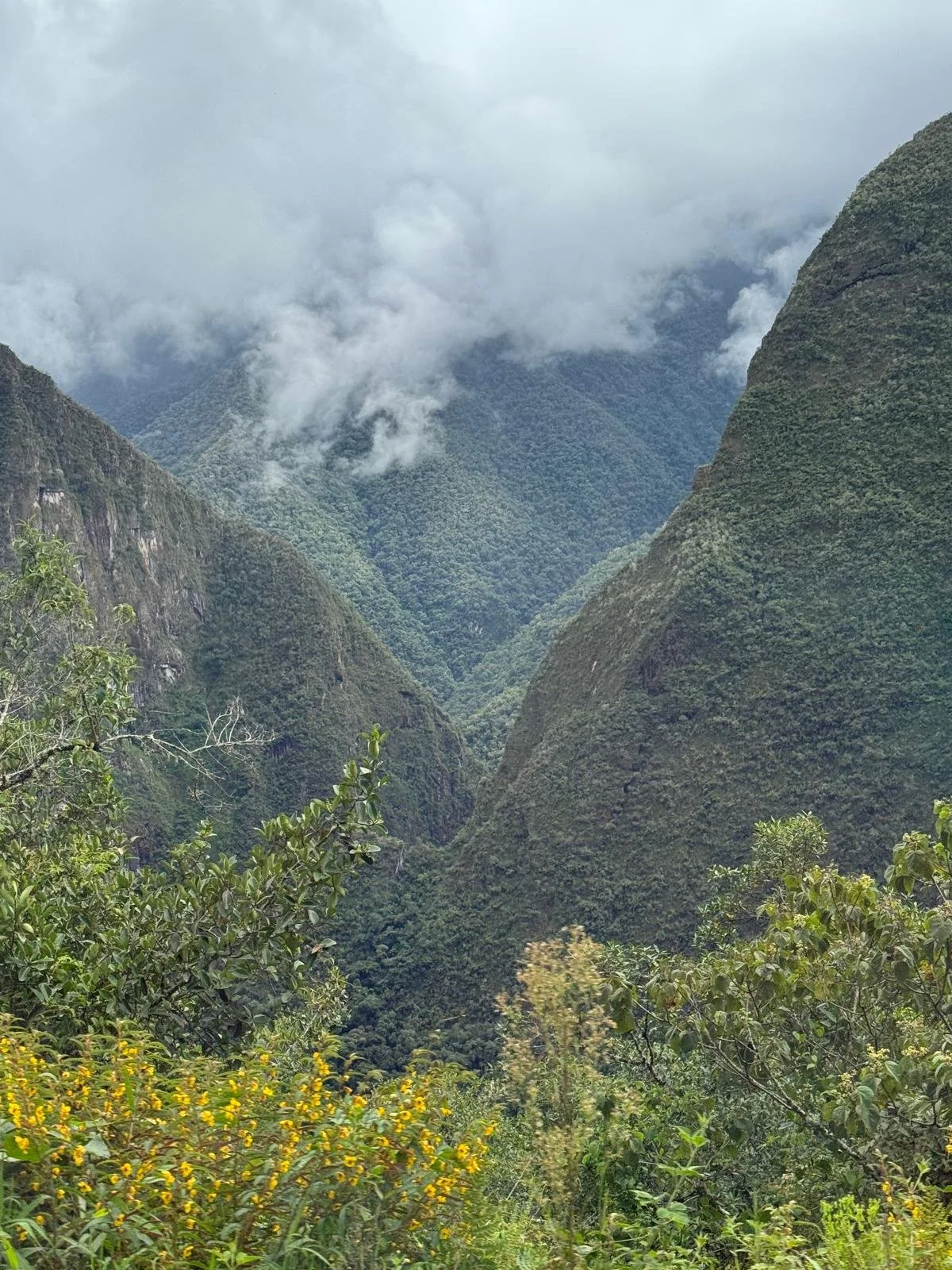
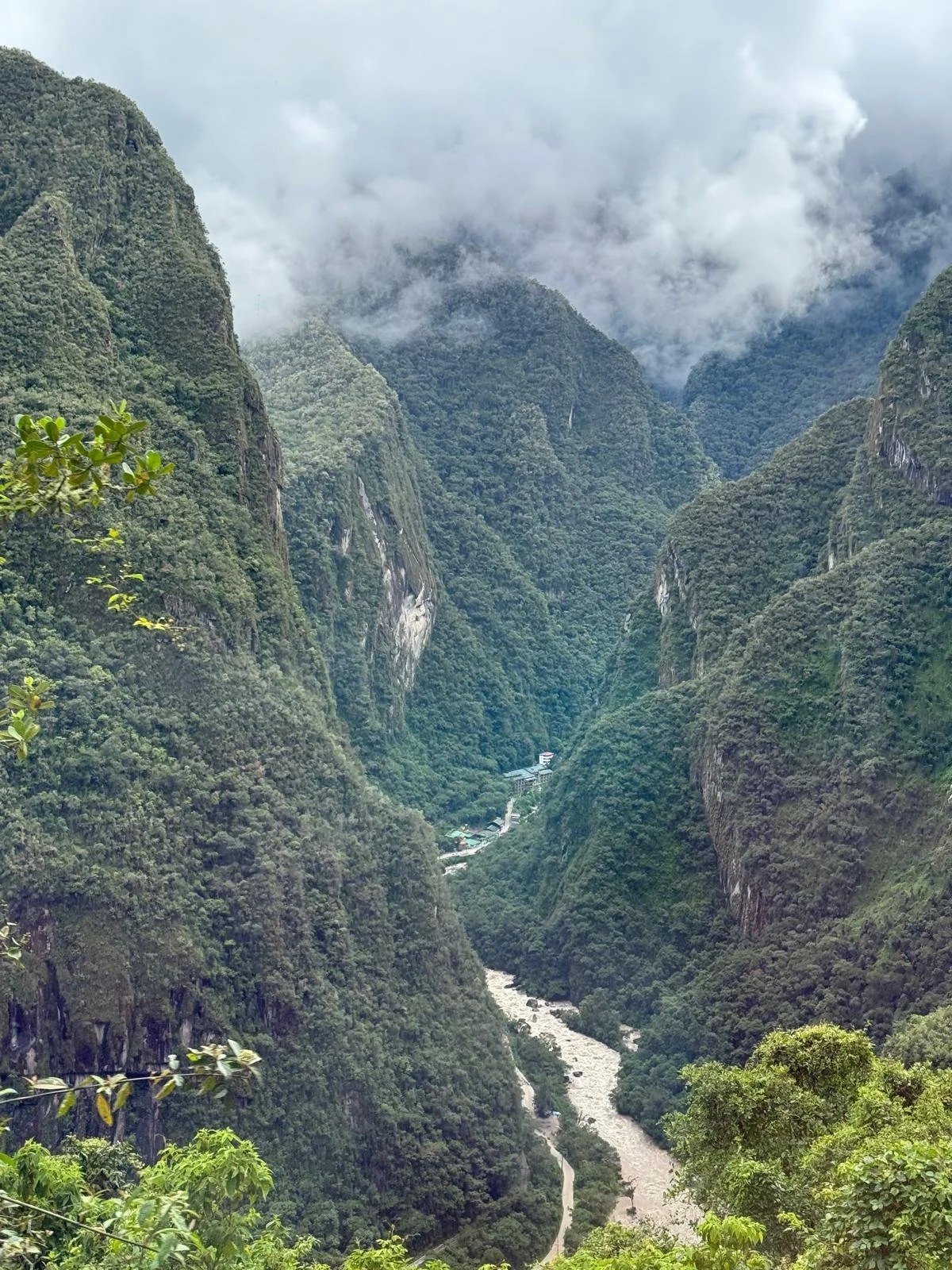
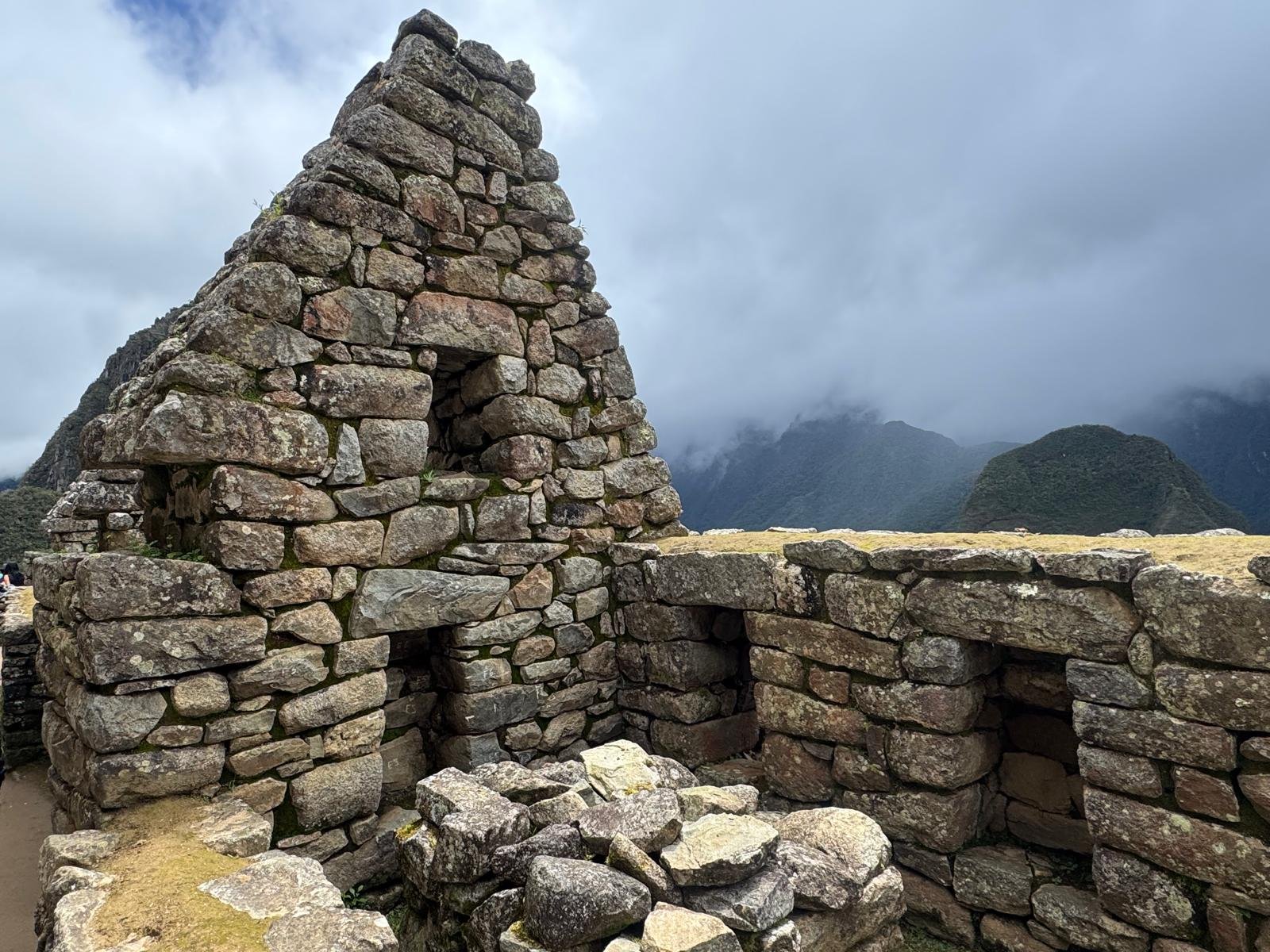
The urban areas are further divided into the upper town or temple district, and the warehouses are in the lower town. There are around 200 buildings constructed in wide terraces, centred on a large public square, where the King made his speeches from a tower at the top. The houses were really small – see the remains of the inside of one of them, given that most families consisted of around 15 children there wasn’t a lot of room, no furniture, they just sat and slept on the hides of the alpacas and llamas.
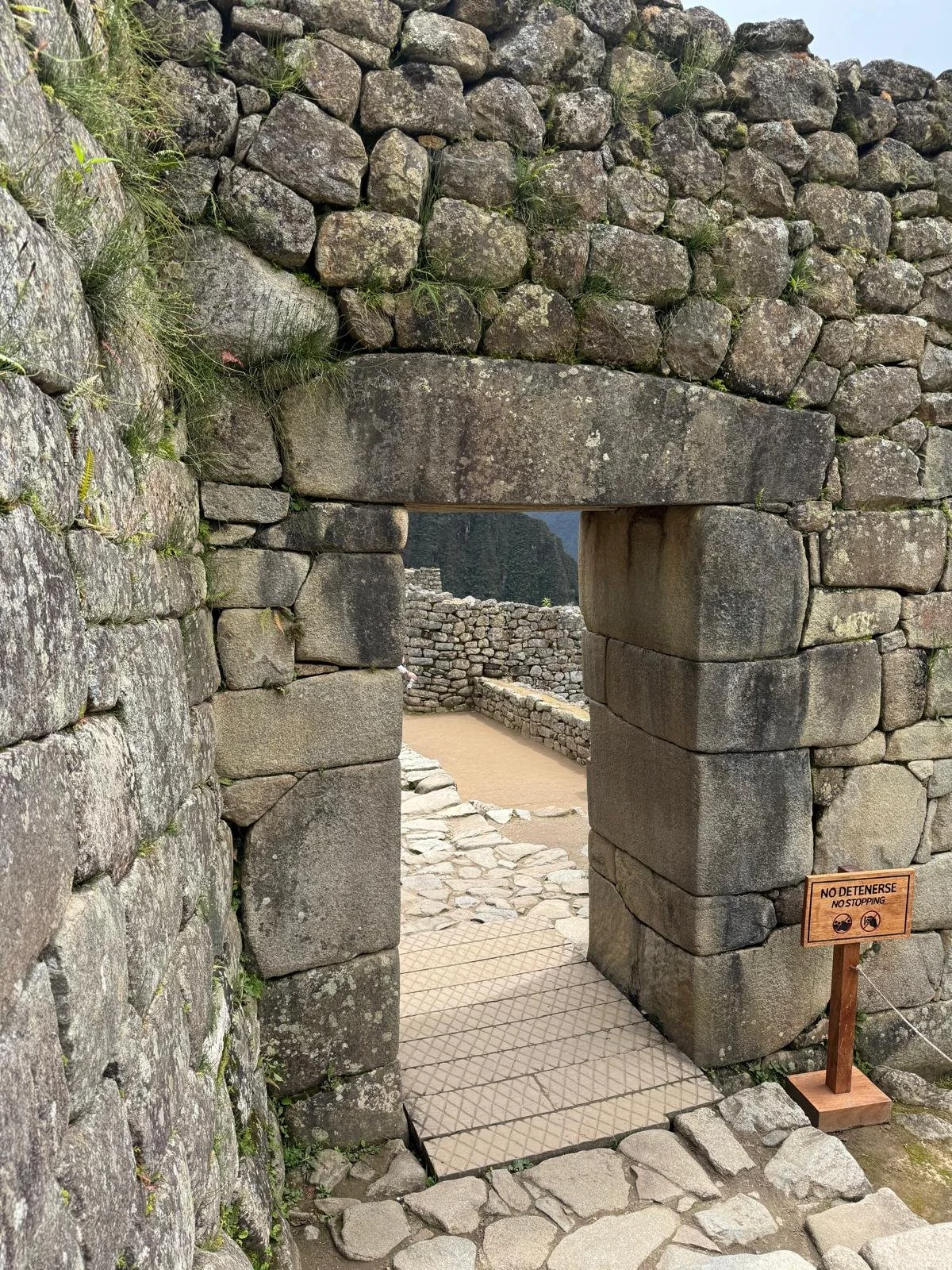
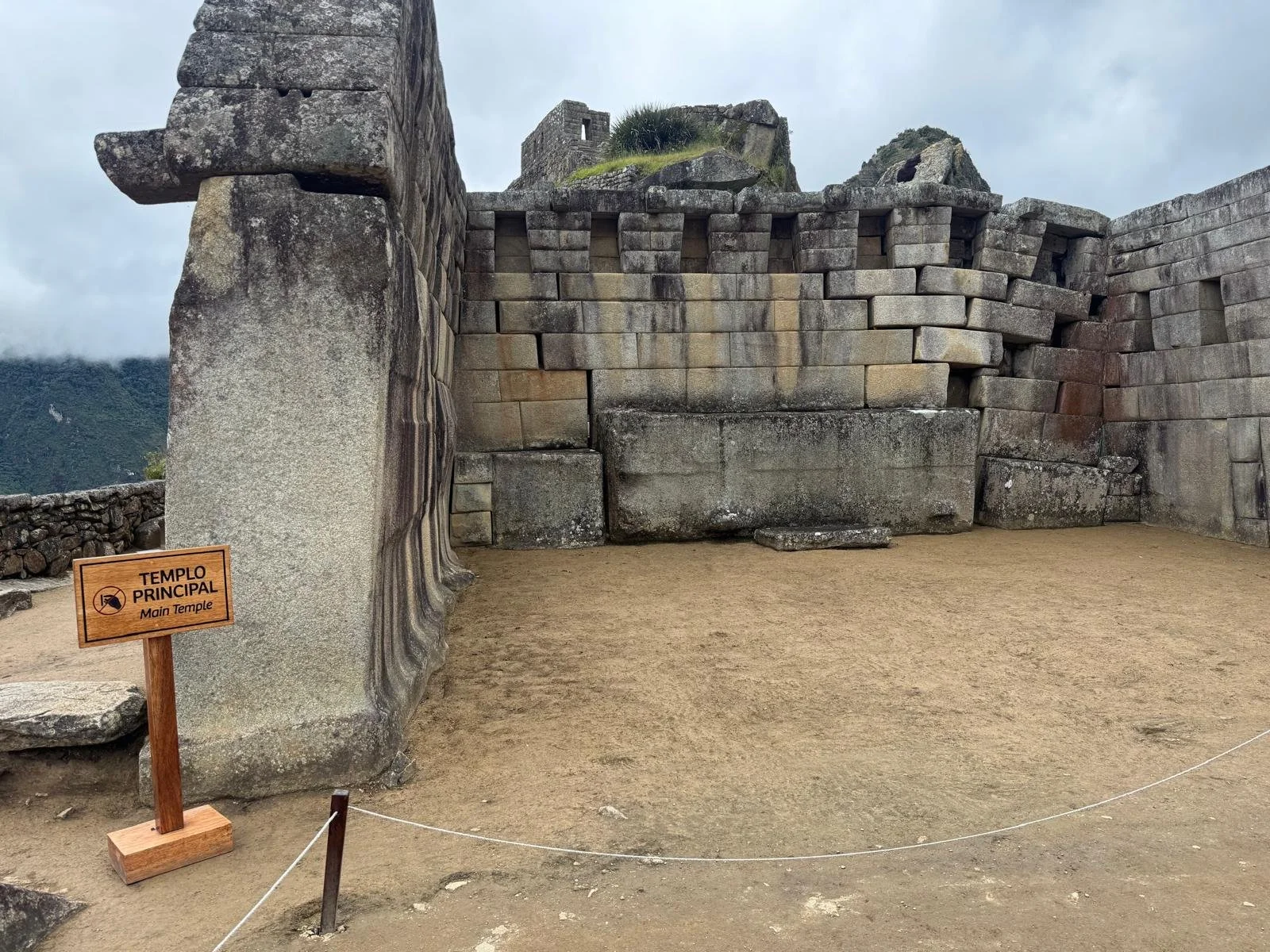
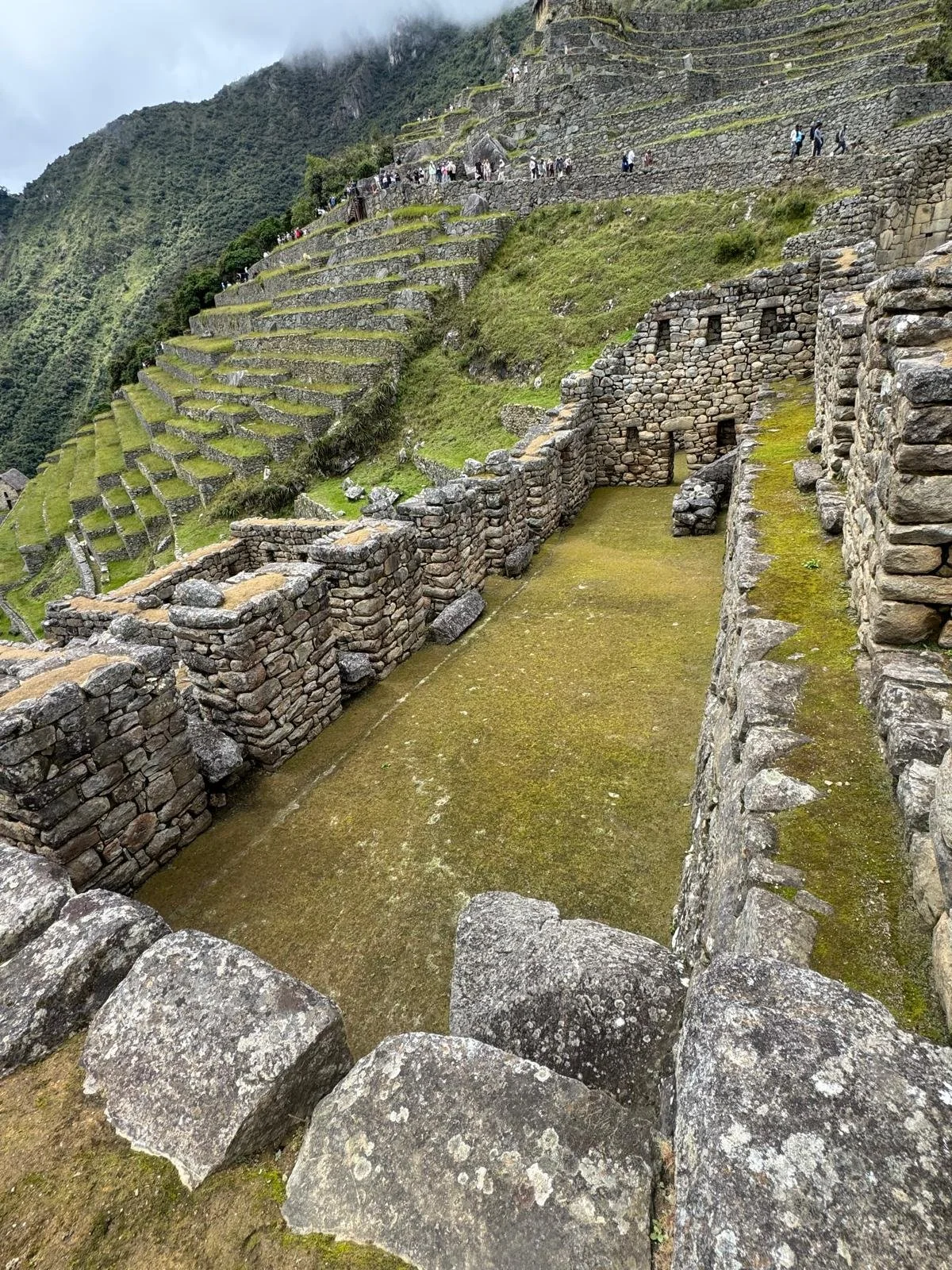
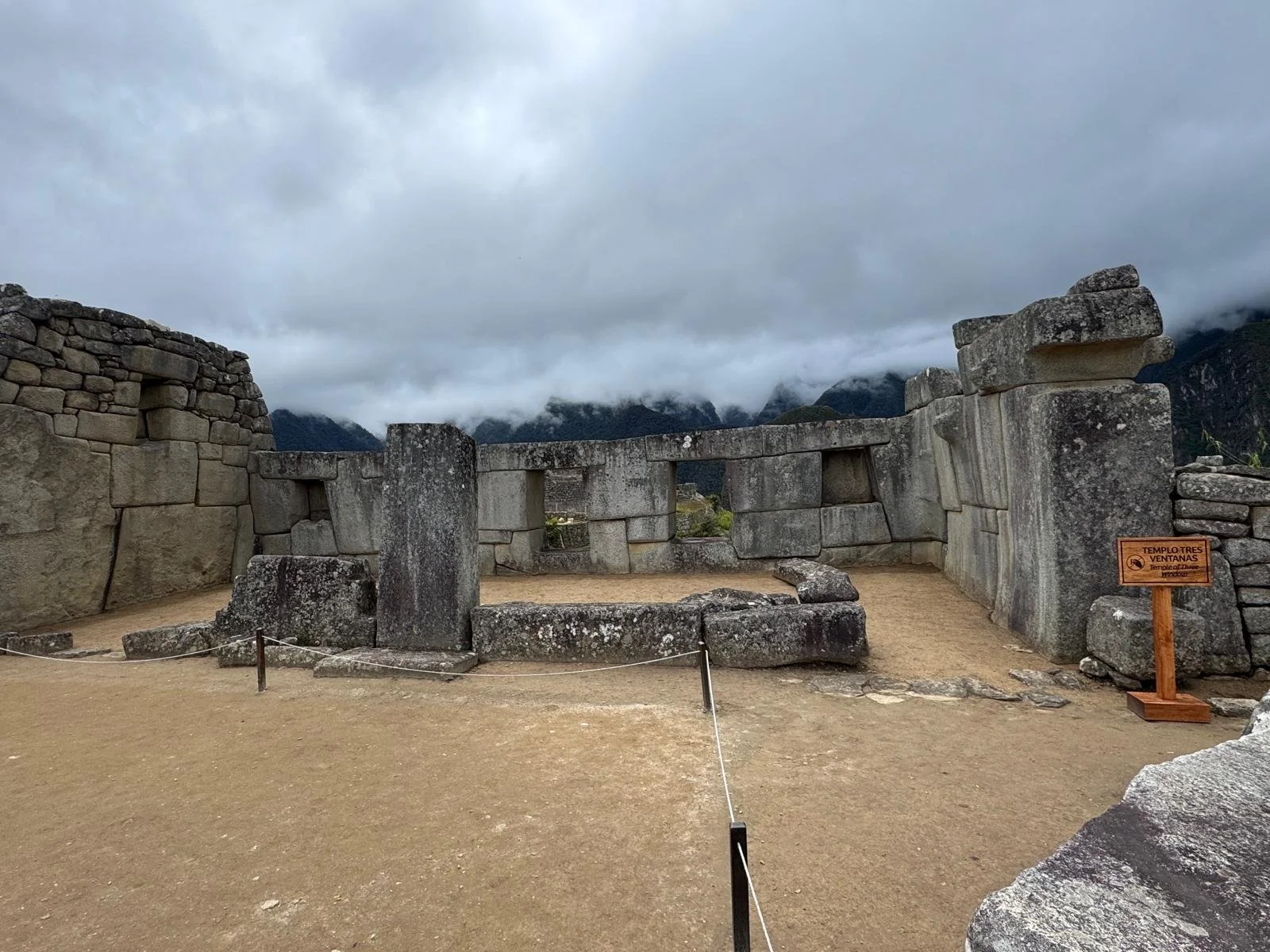
We saw The Room of the Three Windows representing the Condor, the Puma and the Snake which constitute the Inca Trilogy, representing their three levels of existence. The Condor (Hanan Pacha) represents the upper world, divinity and the gods and is considered a divine messenger carrying human prayers to the sky (the Sun God, Inti) and aiding souls to the afterlife. The Puma (Kay Pacha) represents the earthly realm, life on Earth and power. It symbolises strength, intelligence and wisdom, representing the connection between the sky and the underworld (interesting fact, the city of Cusco is designed in the shape of a puma). Finally, the Snake/Serpent (Ukhu Pacha) represents the underworld or innerworld, which is not synonymous with hell, but rather a place of wisdom, transformation and regeneration, connecting the spiritual realm of the dead with the world of the living.
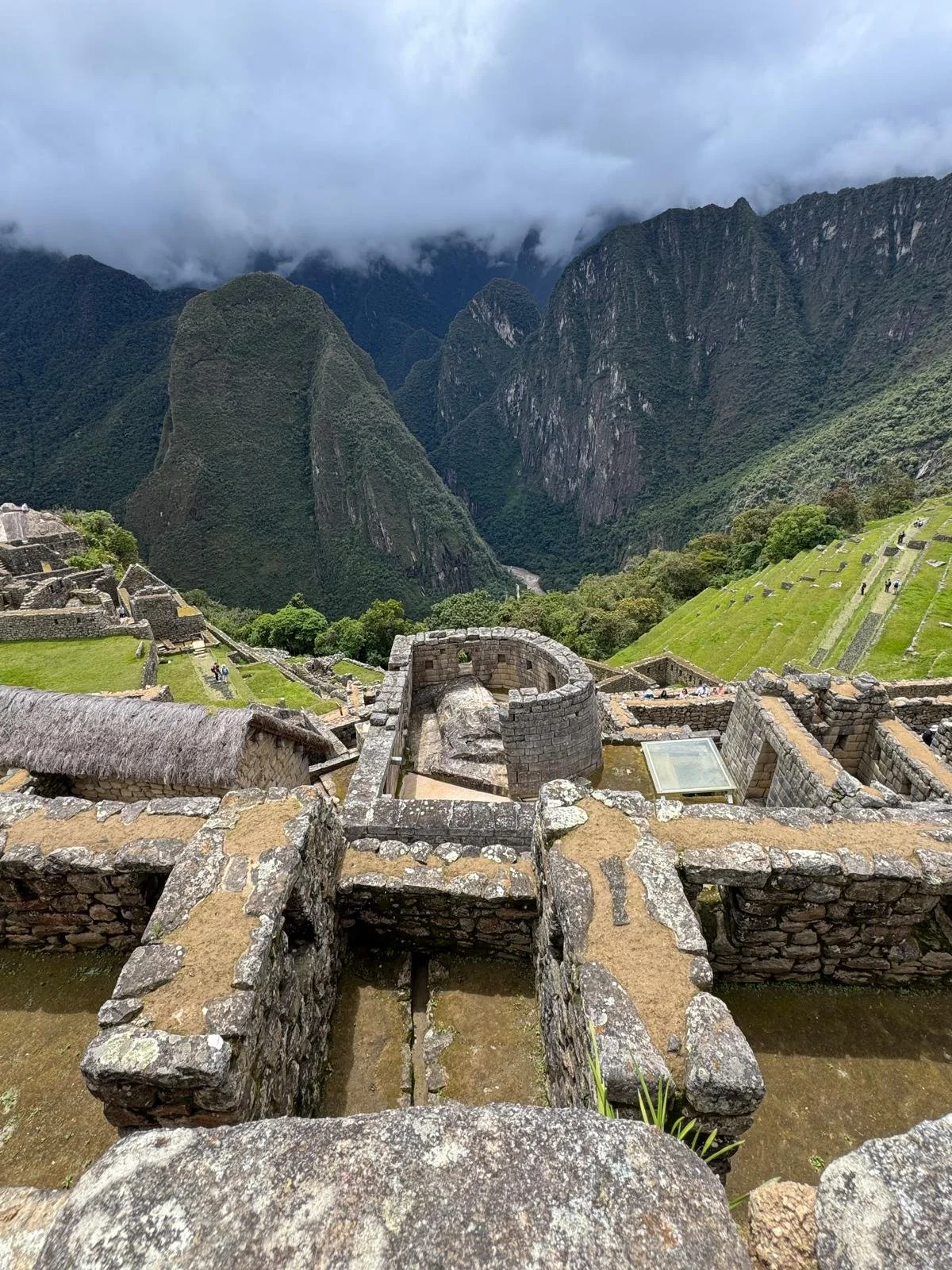
The Temple of the Sun (Torreon)– originally covered in gold, was a circular observatory used to track solstices via precise window alignments. It served as an astronomical observatory to determine seasonal changes and honour Inti, the Sun God. Strategically placed windows align with the sunrise during June and December solstices and there was a carved rock inside which served as an altar. This temple served as a sacred, restricted site for solar worship. The Temple of the Moon is a secluded cavern shrine on Huayna Picchu dedicated to Mama Quilla, the Moon Goddess, which is focused on lunar, feminine energy and fertility and featured carved rock altars. Sadly, we weren’t able to see this temple.
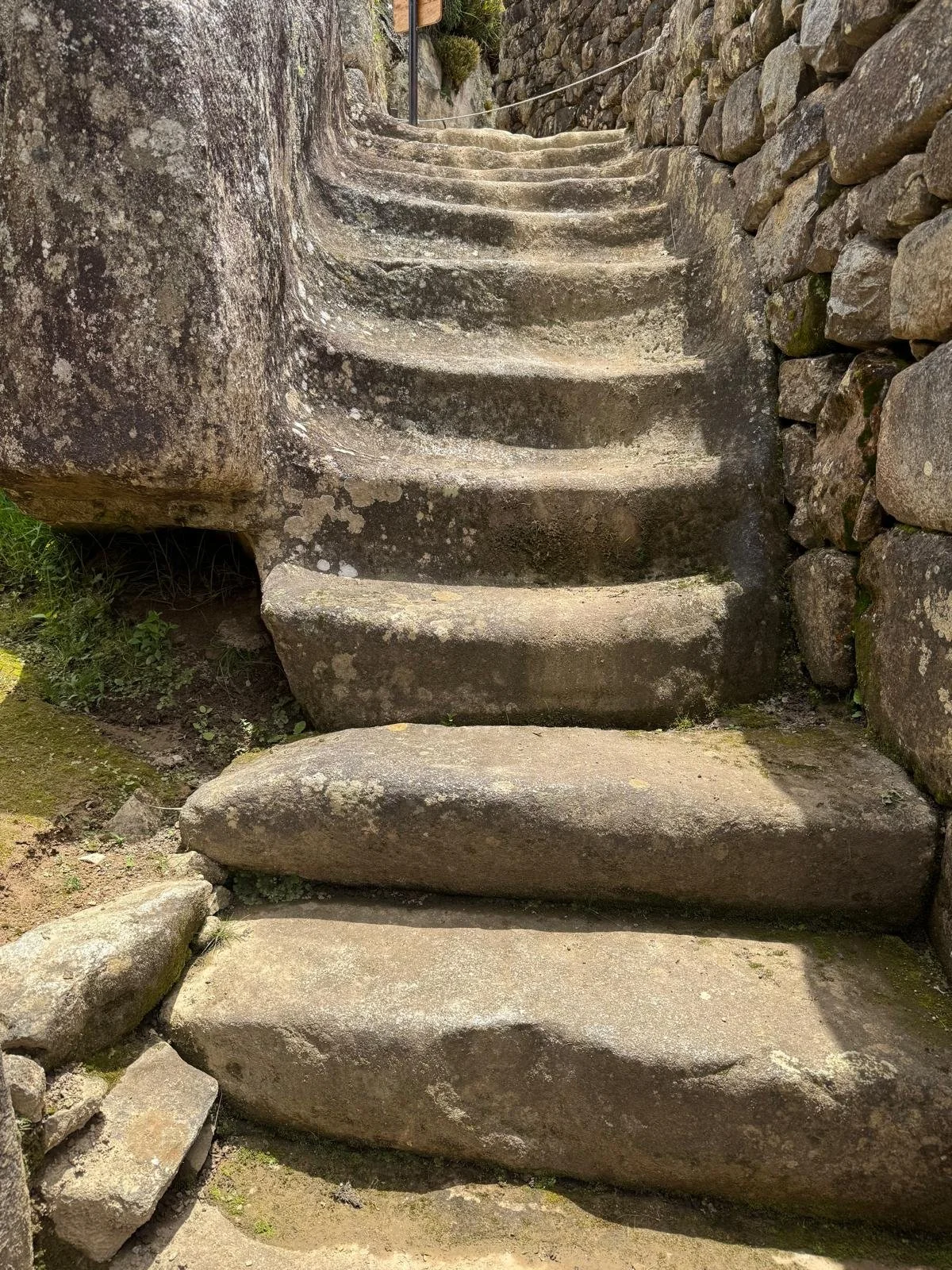
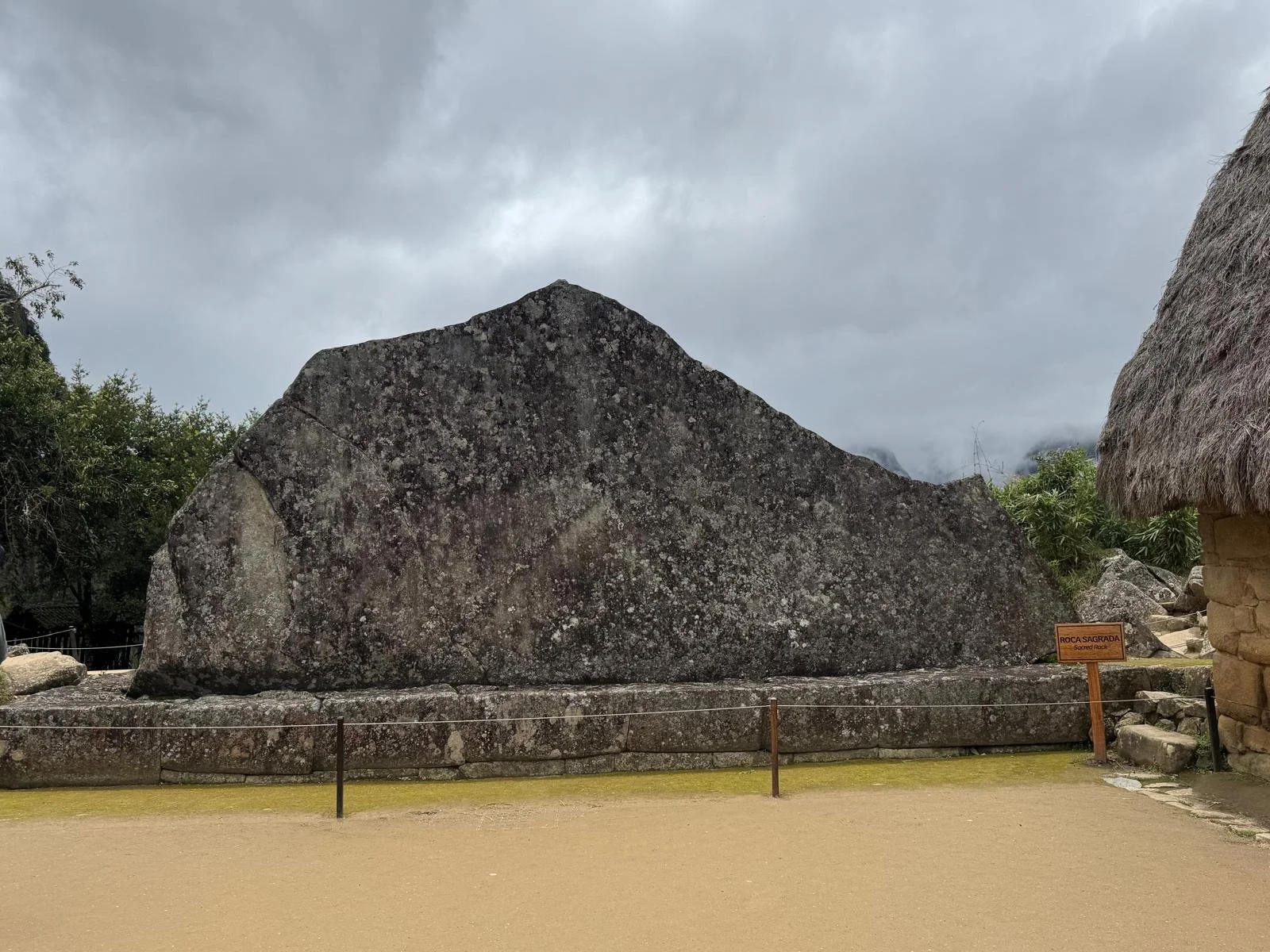
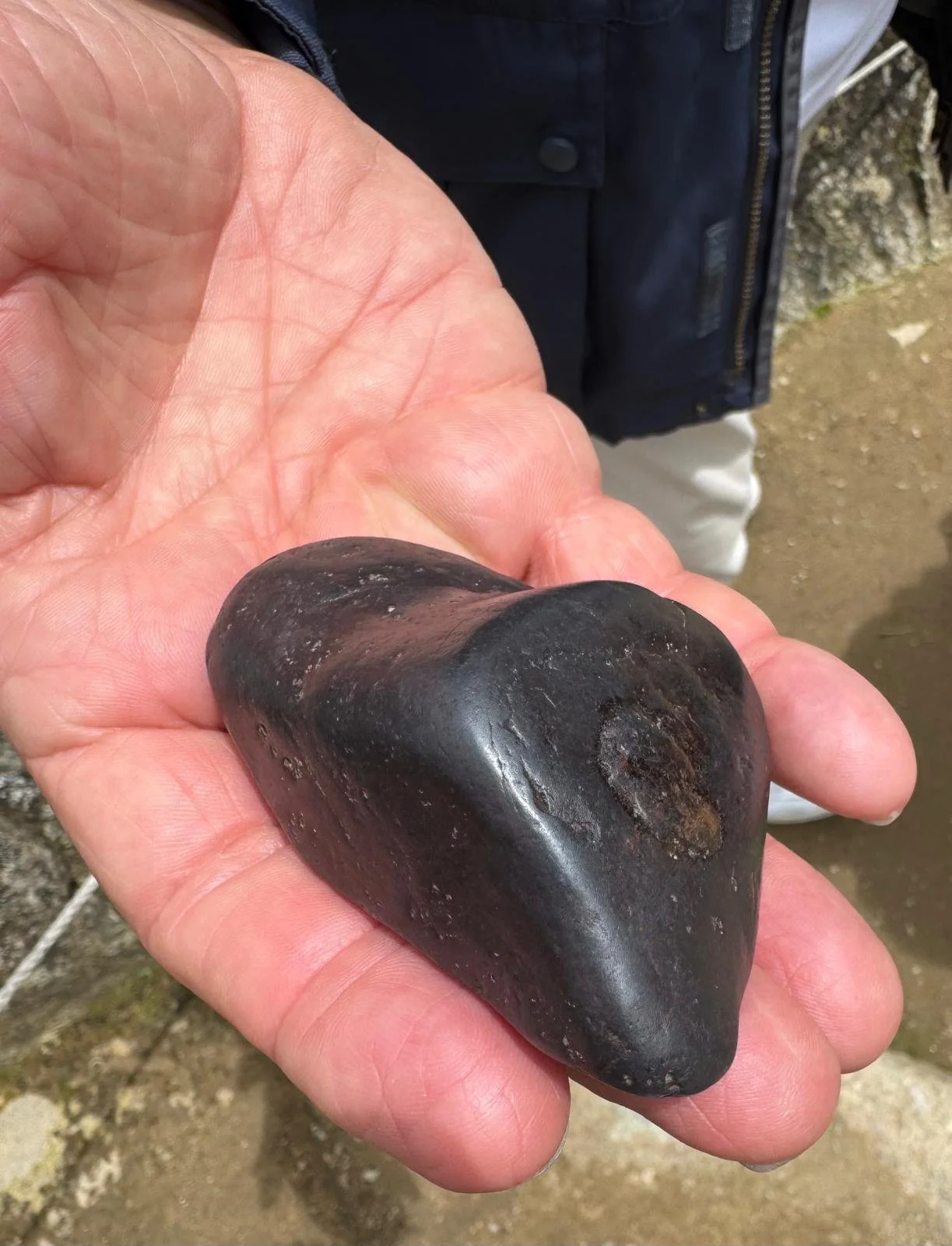
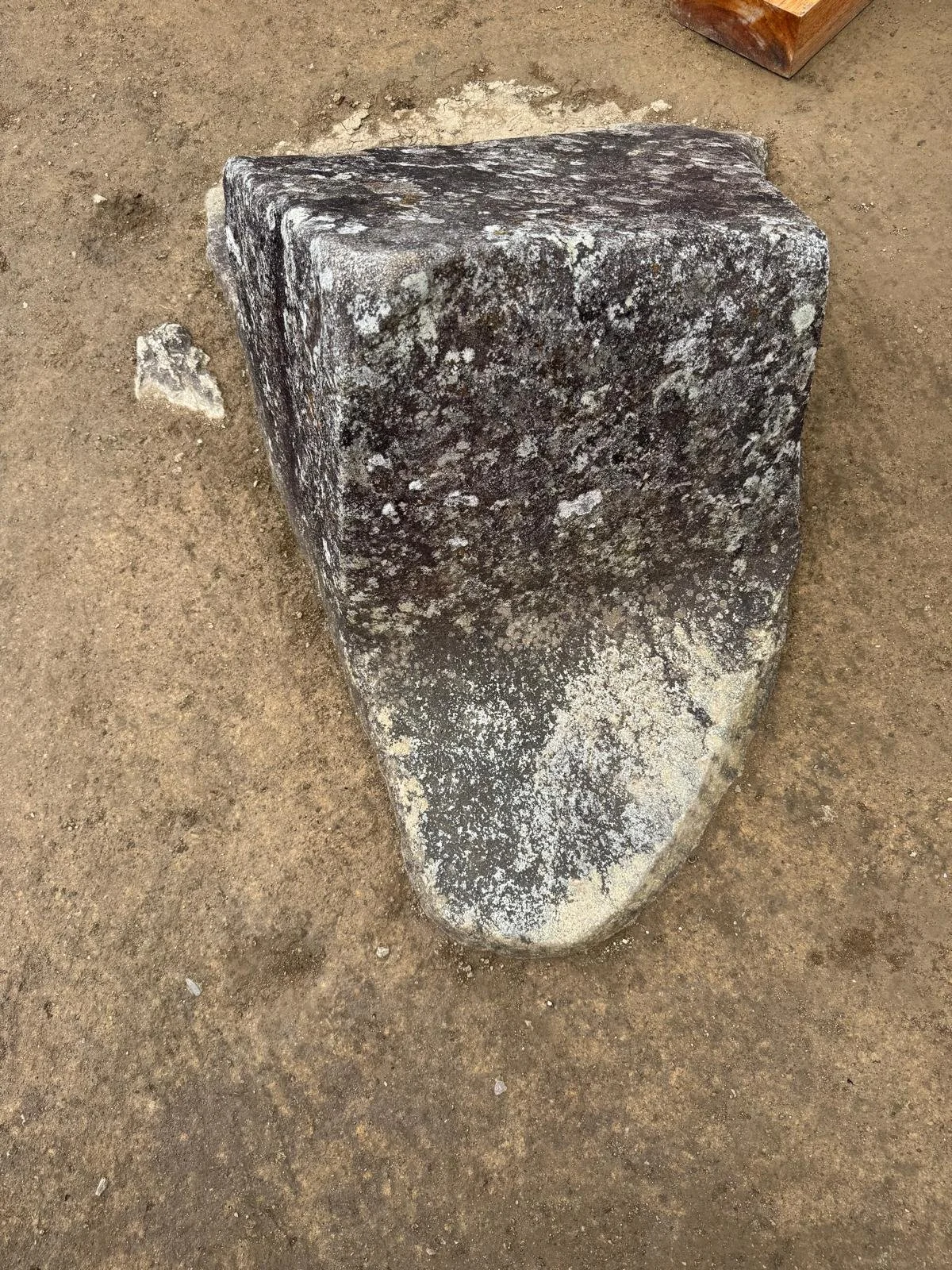
All around us we saw the incredible stonework of these buildings and the ingenuity of the Incan builders creating these indestructible structures that have survived for centuries. They even had a stone compass! How clever they were improvising their tools. They used hard stones to pound and pound down stones until they achieved the perfect fit, they had chisels made of bronze and copper which were used for carving detail on softer stone like limestone, they used wooden wedges which were inserted into drilled holes to split massive stones along natural lines, sand was used for polishing and grinding stones together to create the perfectly fitting mortarless joints, and ropes and levers were used to transport and lift heavy stone blocks into place.
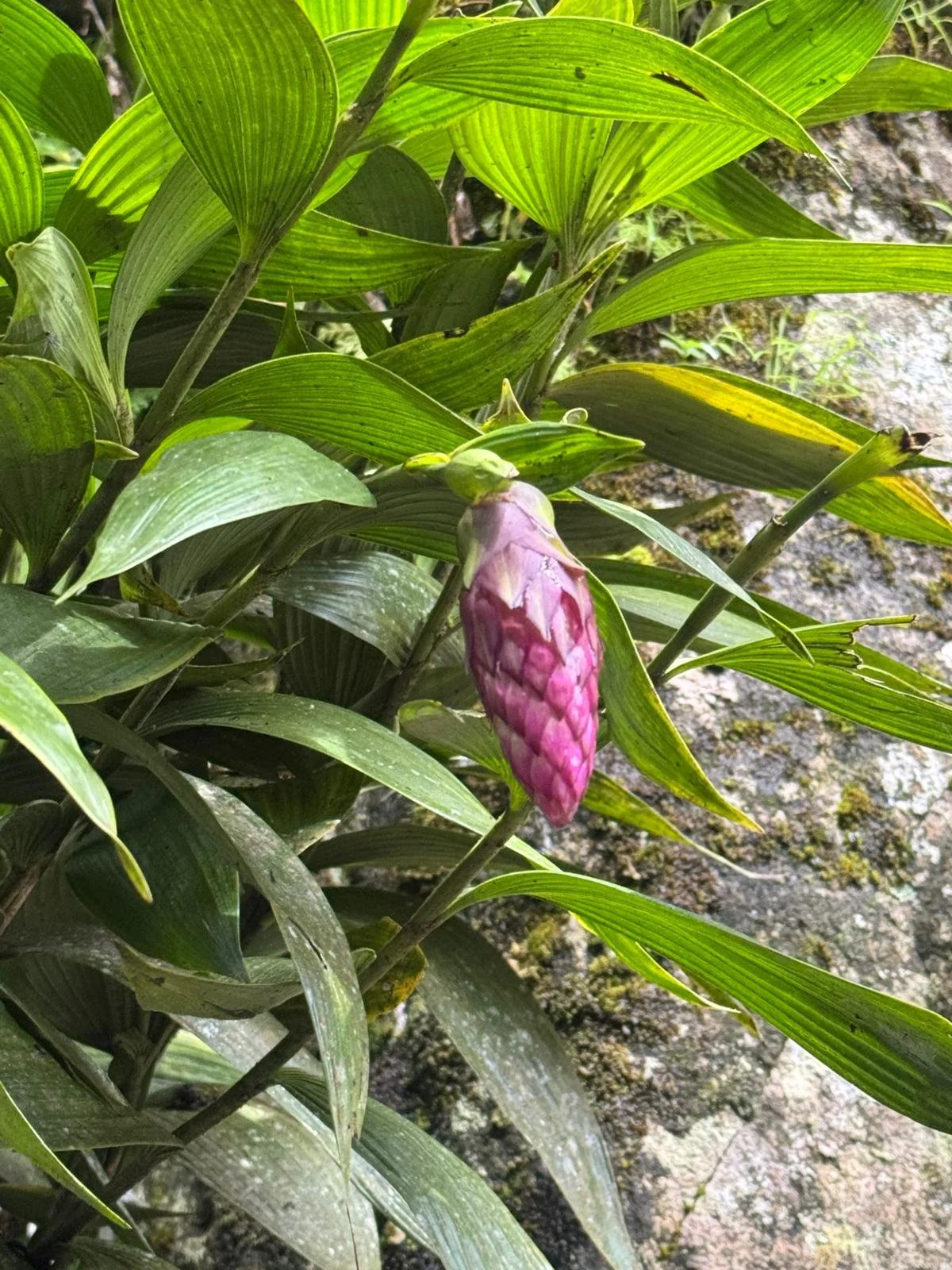
Loving my garden as I do, it was also really nice to see some beautiful flowers up there, orchids peculiar to this area, bromeliads and even begonias, plus a few avocado trees as well!
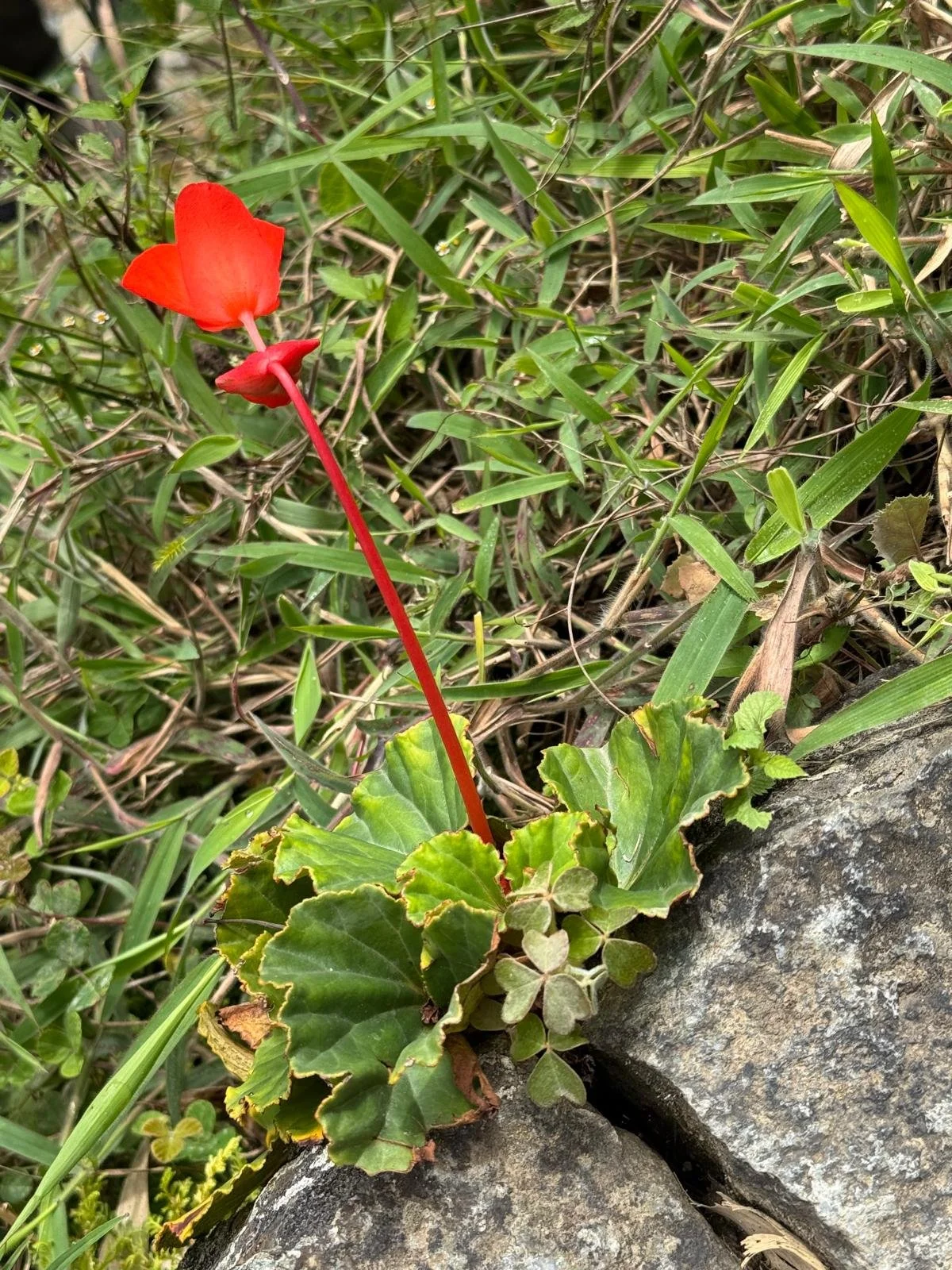
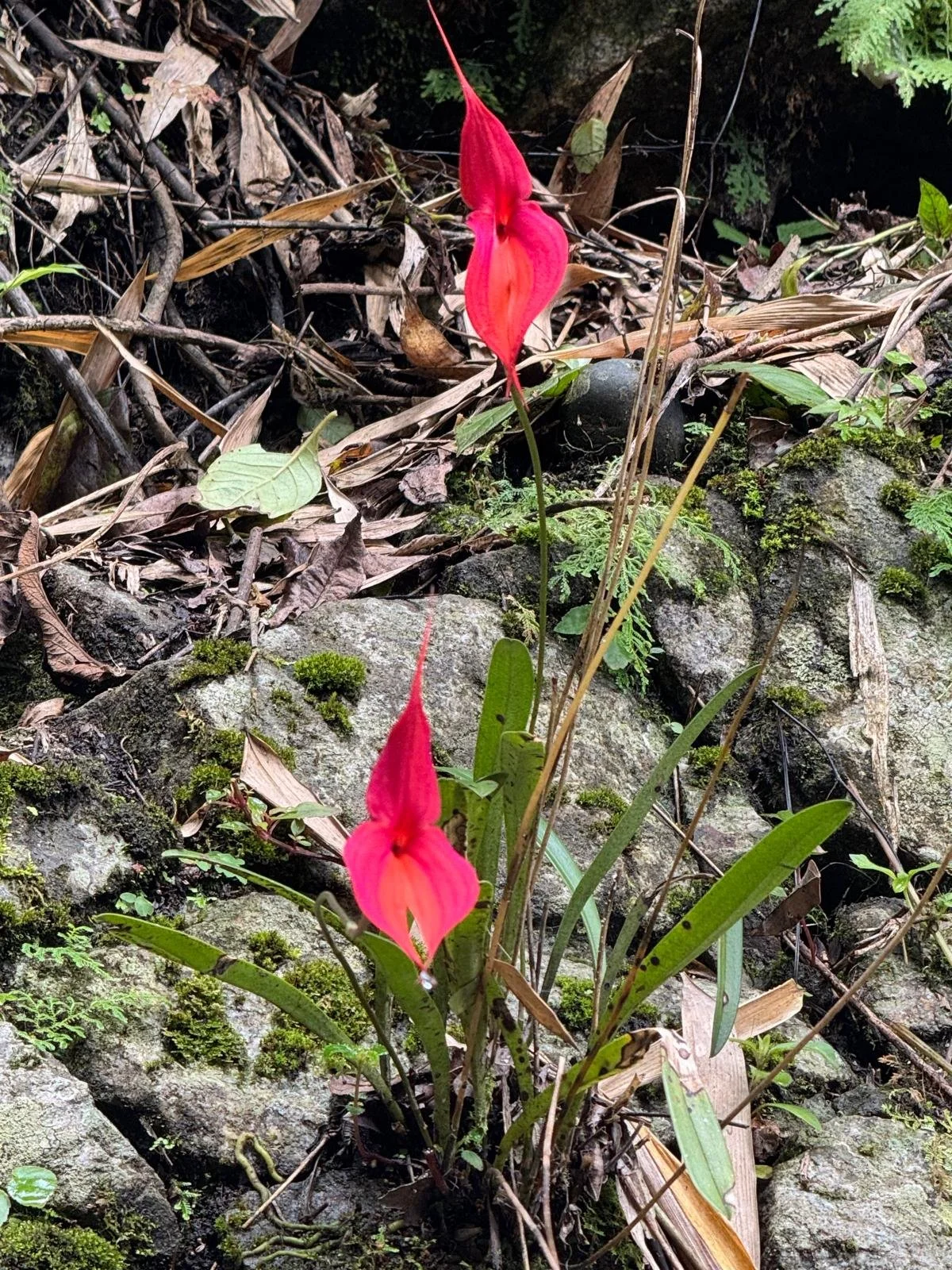
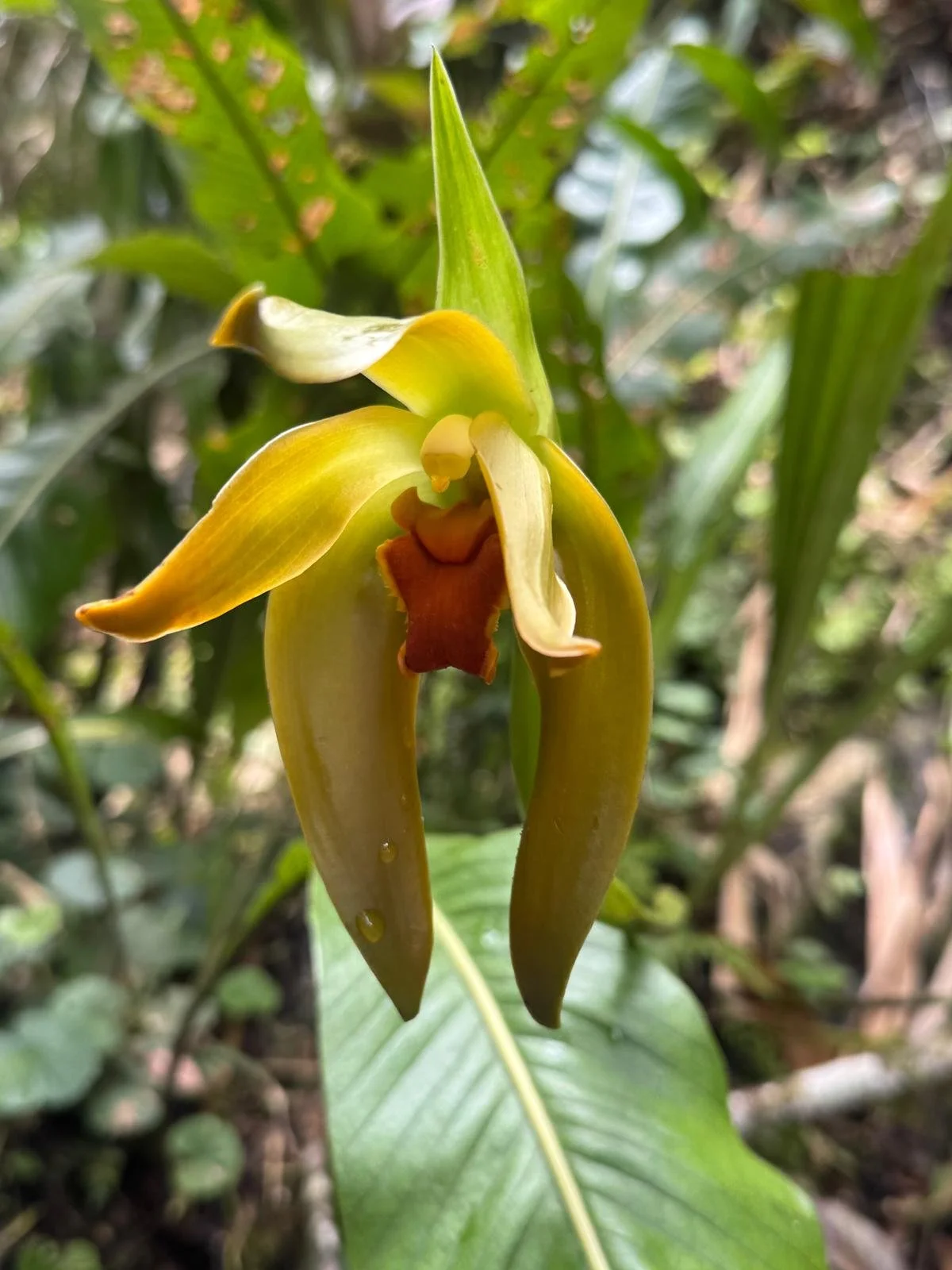
All this at 2,450 metres. What an incredible legacy they created with this Citadel with its cultural significance. They could never have imagined that hundreds of years later we would be marvelling at their dedication, ingenuity and skill.