Punta Arenas – the gateway to Chilean Patagonia and Antarctica
Saturday 28 February
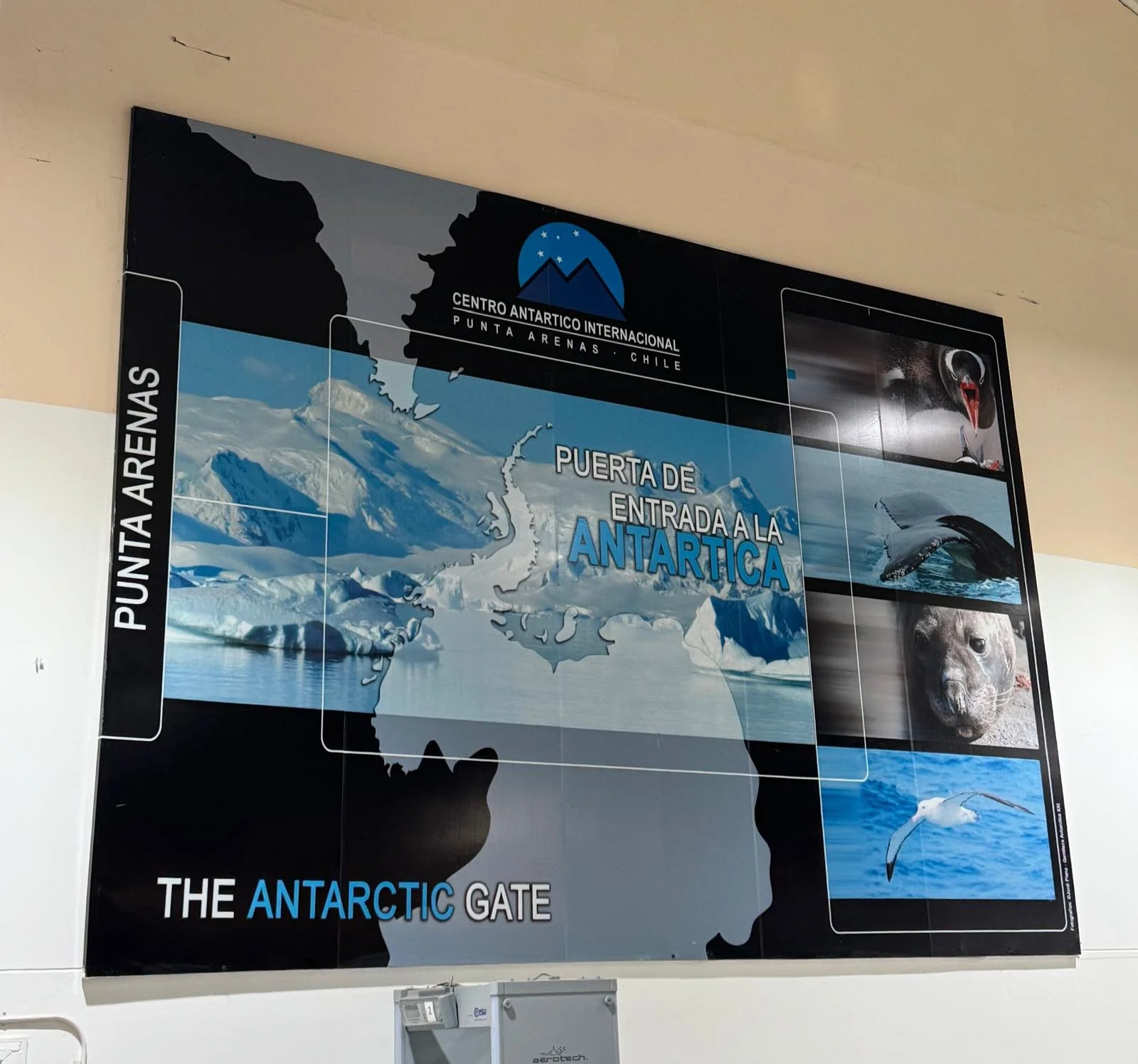
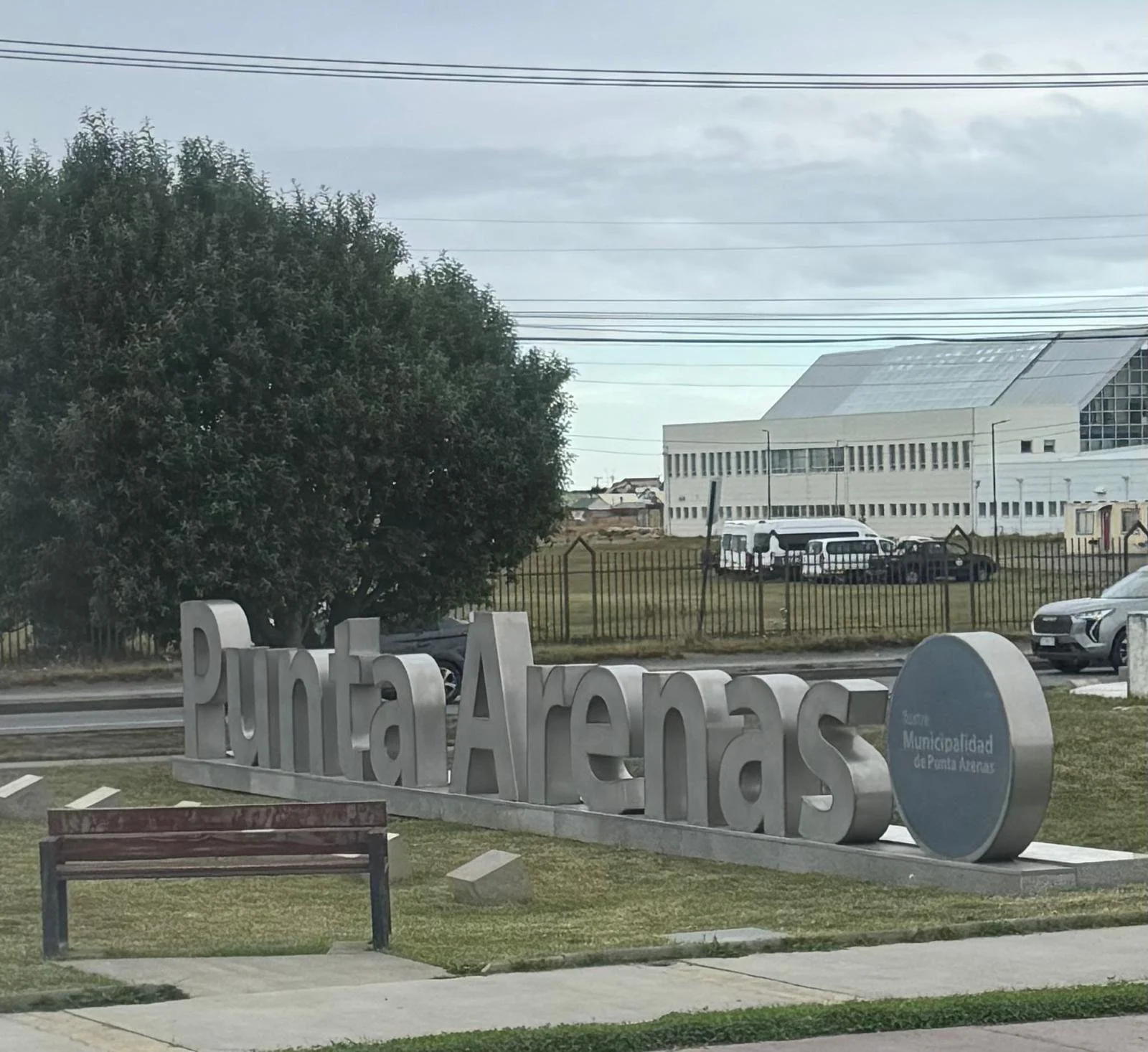
Nestled amid spectacular mountain vistas on the eastern shores of the Brunswick Peninsula, Punta Arenas played host to mariners crossing the continent by ship via the Strait of Magellan. It is the capital of the Magallanes Province and was founded by Chilean military personnel in December 1848 as a penal colony to secure sovereignty over the Strait of Magellan replacing the inefficient Fort Bulnes. Despite violent riots in 1851 and 1877, the colony prospered thanks to the maritime trade, the gold rush and livestock farming, transforming itself from a penal colony into a thriving port. Its current name derives from the area that British cartographer and Naval Commander, Sir John Narborough, named Sandy Point around 1640, as it was a place chosen for its easy access to fresh water and coal. It is a few kilometres from Cape Froward, the southernmost point of the entire continental mass of America and the city’s geographical location makes it a strategic point politically, historically, touristically, geopolitically, and economically. It is the global gateway to the Antarctic continent, and more than 15 countries use this city as a base port, and at least 25 countries request its Antarctic services. Before the opening of the Panama Canal in 1914, it was the main port for navigation between the Pacific and Atlantic Oceans due to its location on the Strait of Magellan, which explains its golden age and its major cosmopolitan centre at the southern tip of South America. The gold rush of the 1890’s was one of the main reasons for large-scale immigration of Europeans to the Magallanes region – Croatians, Spaniards and English especially, but also Italians, Germans, French and Swiss, whose immigrants were mostly farmers, and they received several hectares of uninhabited land from the Chilean government which they transformed into fields suitable for planting crops and vegetables and raising dairy cattle. Of its current population of around 125,000 – almost all are descended from immigrants.
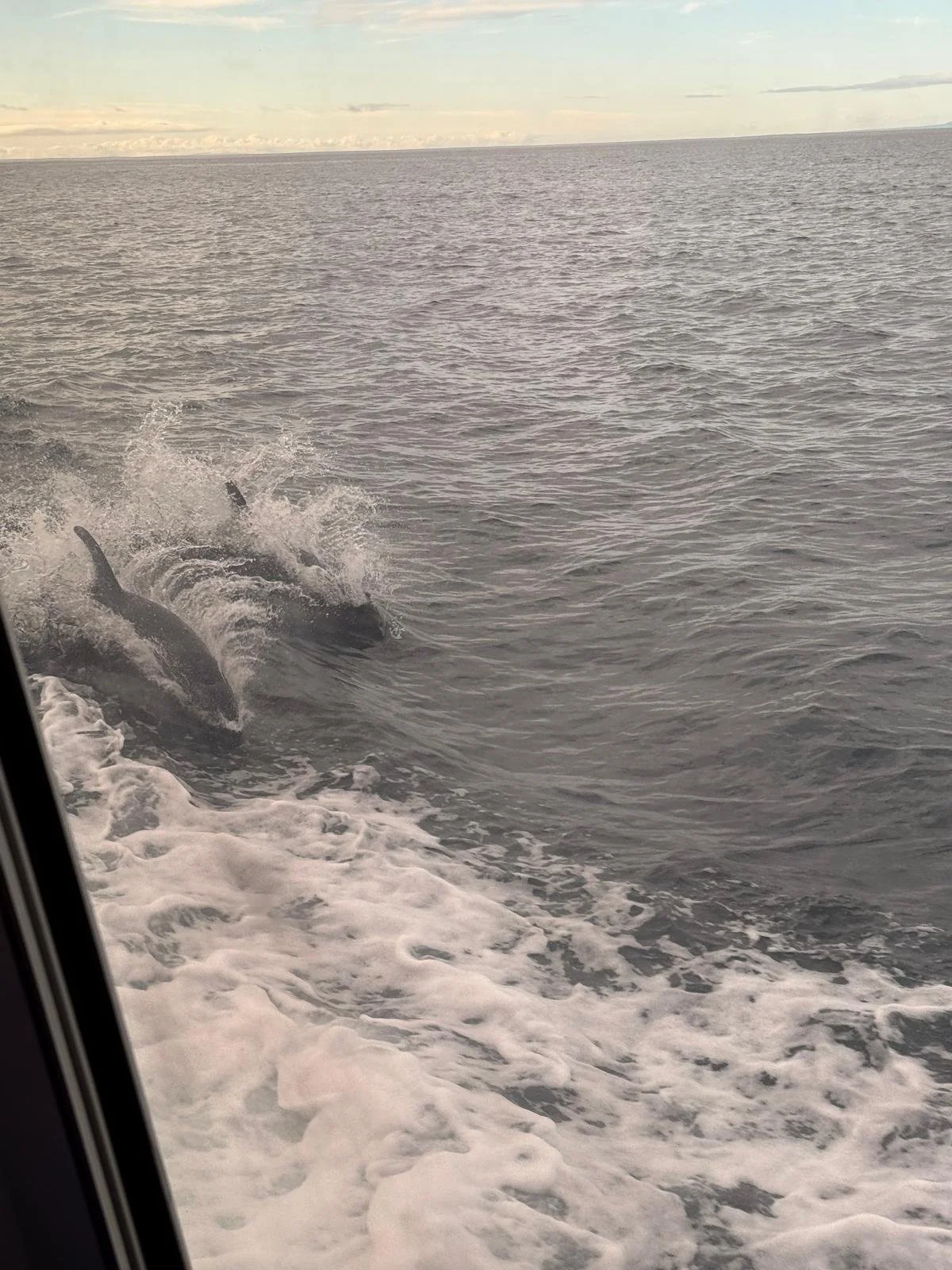
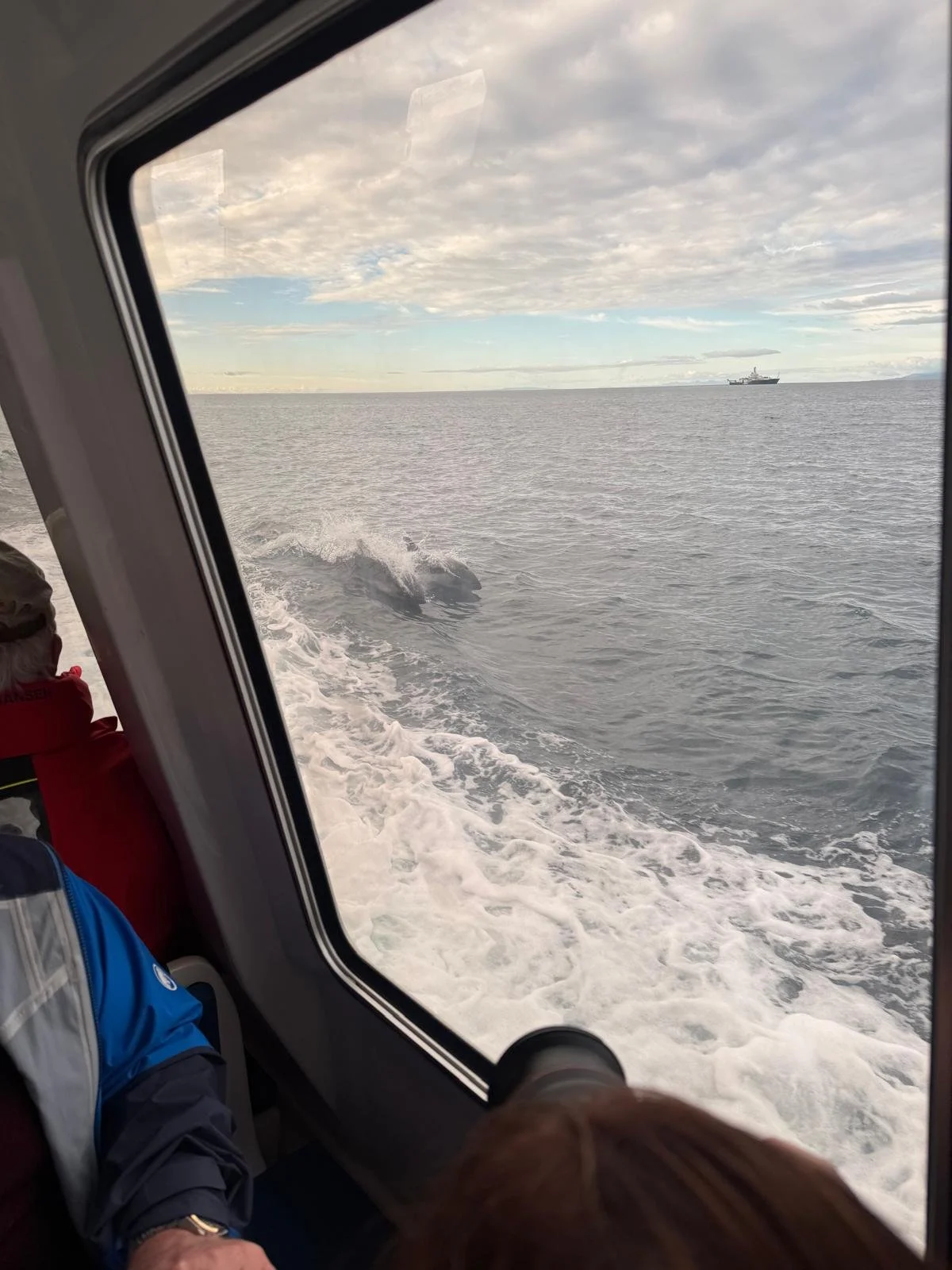
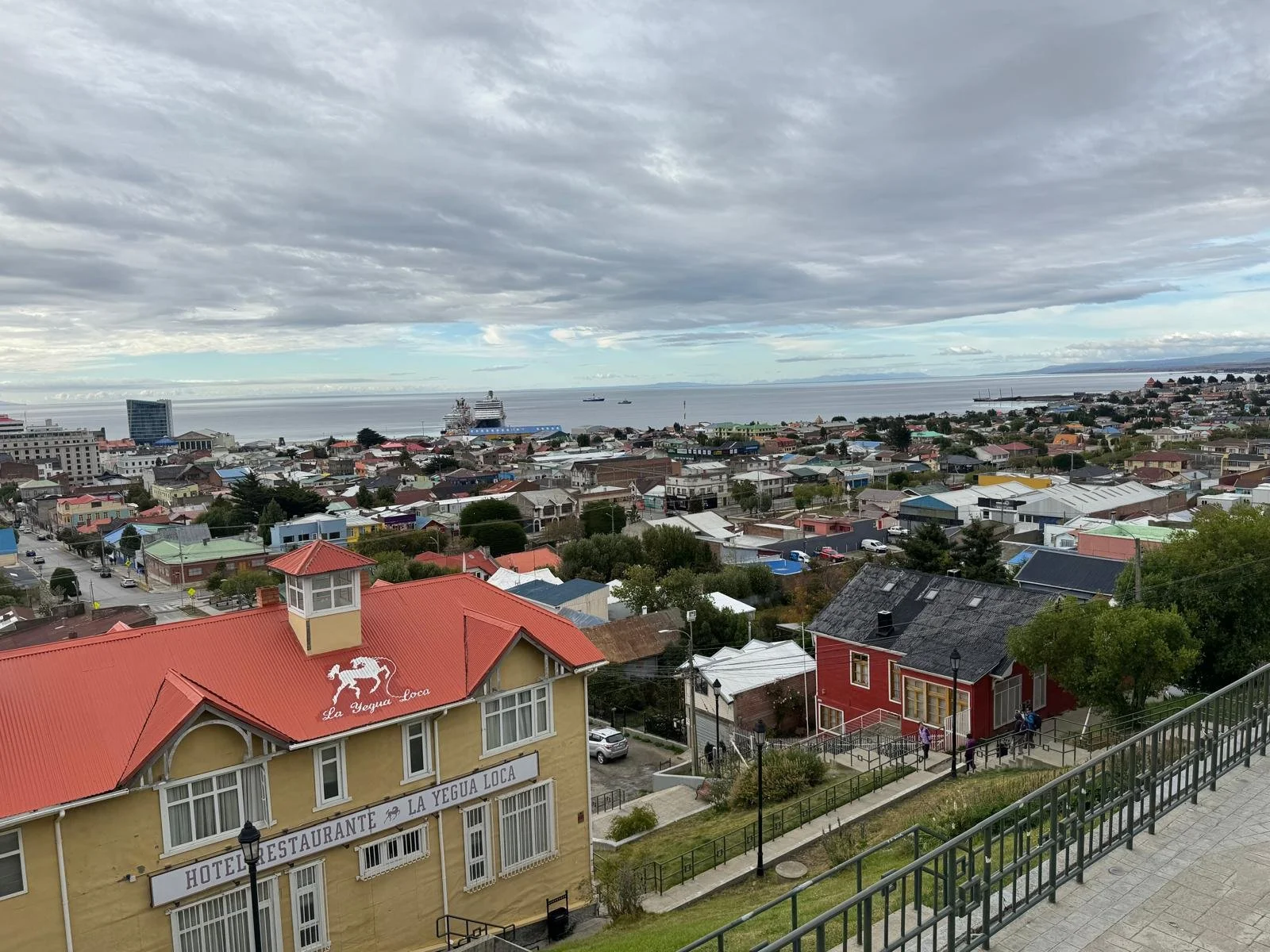
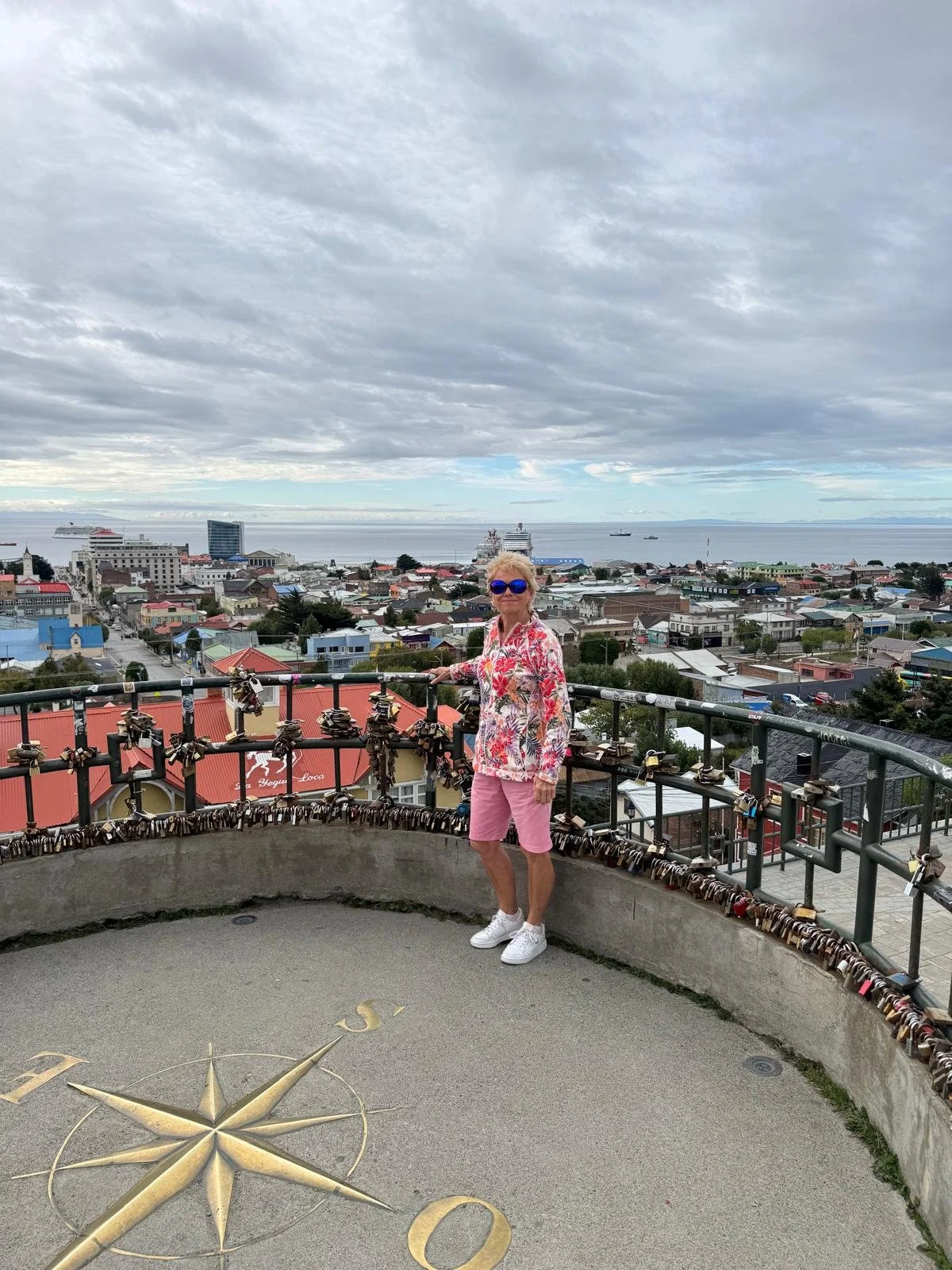
Once again, we were at anchor, in Brunswick Peninsula directly on the shores of the Strait of Magellan and facing the island of Tierra del Fuego, the largest island in South America - its tip is shared with Argentina. Into the tender, we cruised the short distance to Tender Port enhanced by a pod of dolphins playfully breaching beside us. We were taken up to Cerro de la Cruz which gave us a good panoramic view of the city, across to the Magellan Strait, but to be honest, we were pretty non-plussed by our first impression – it seems that its golden age has long passed it by.
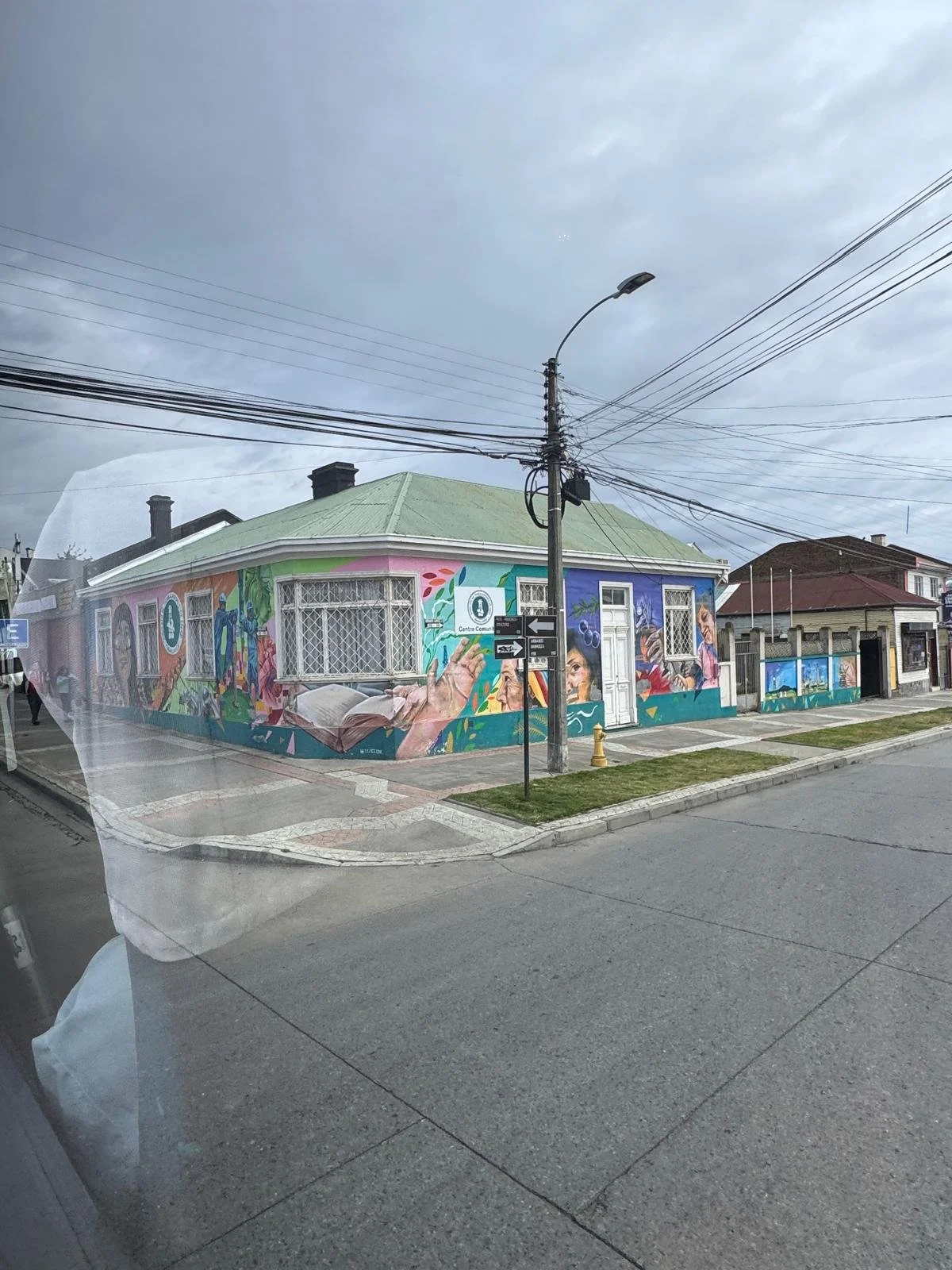
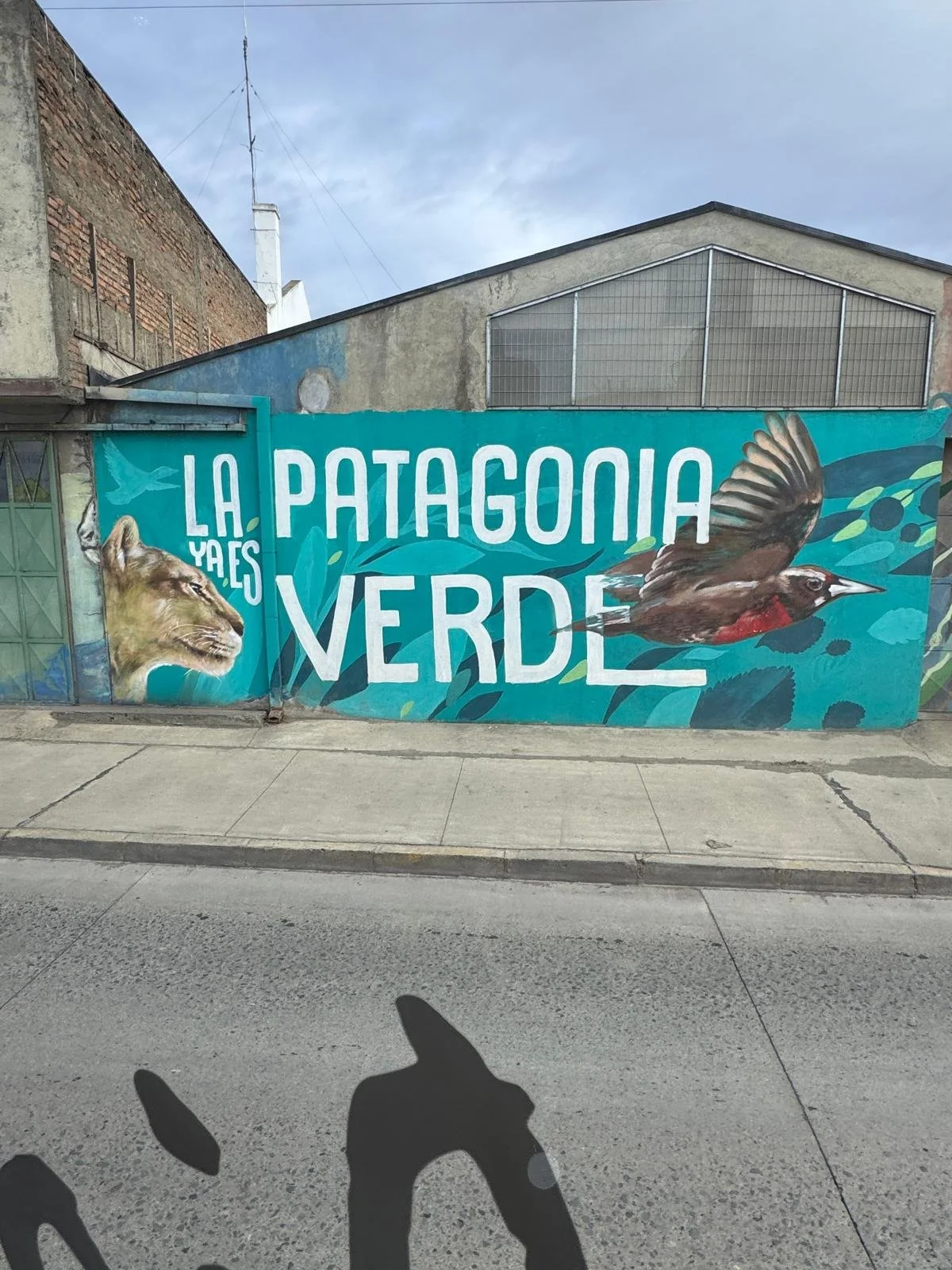
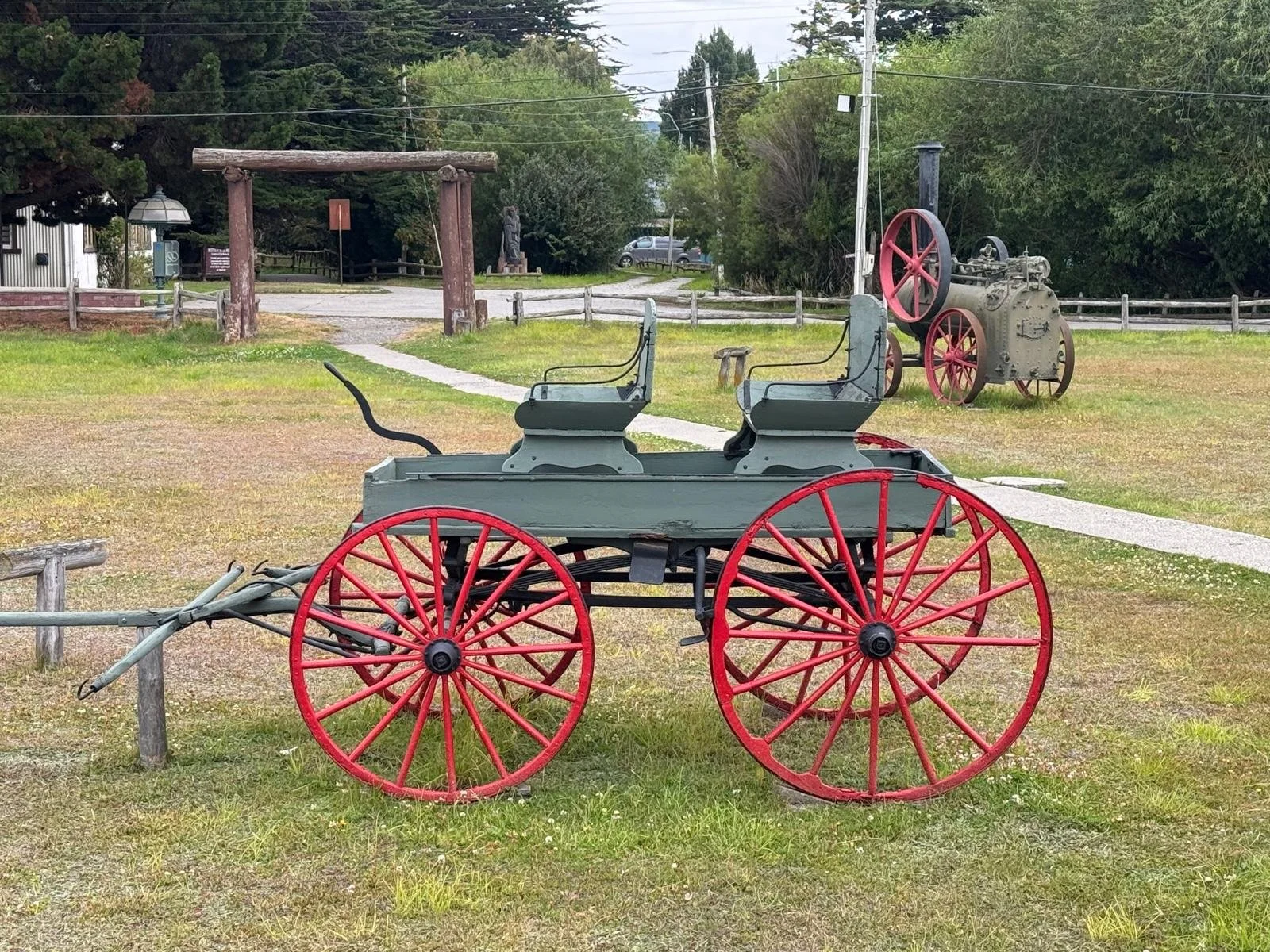
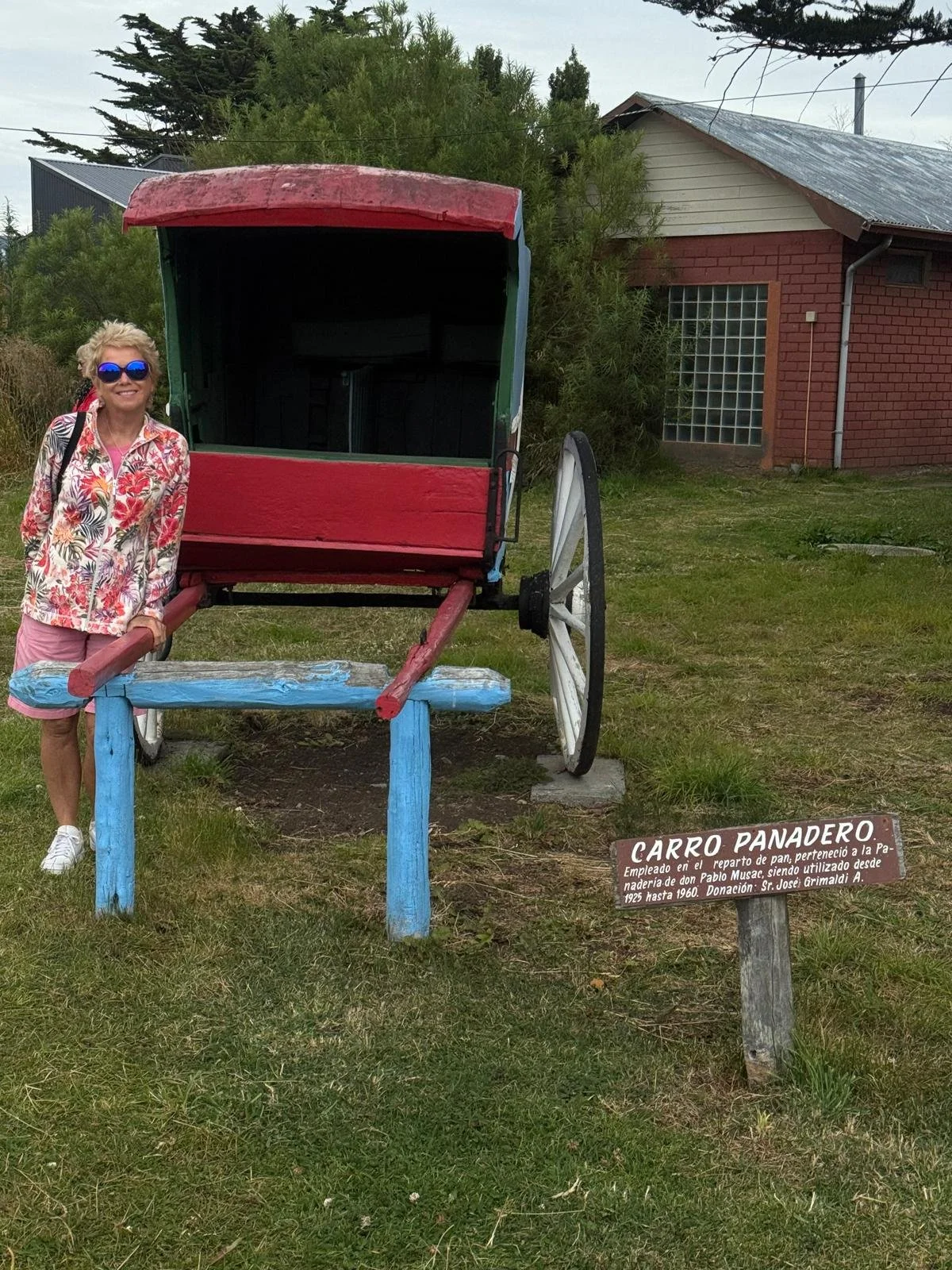
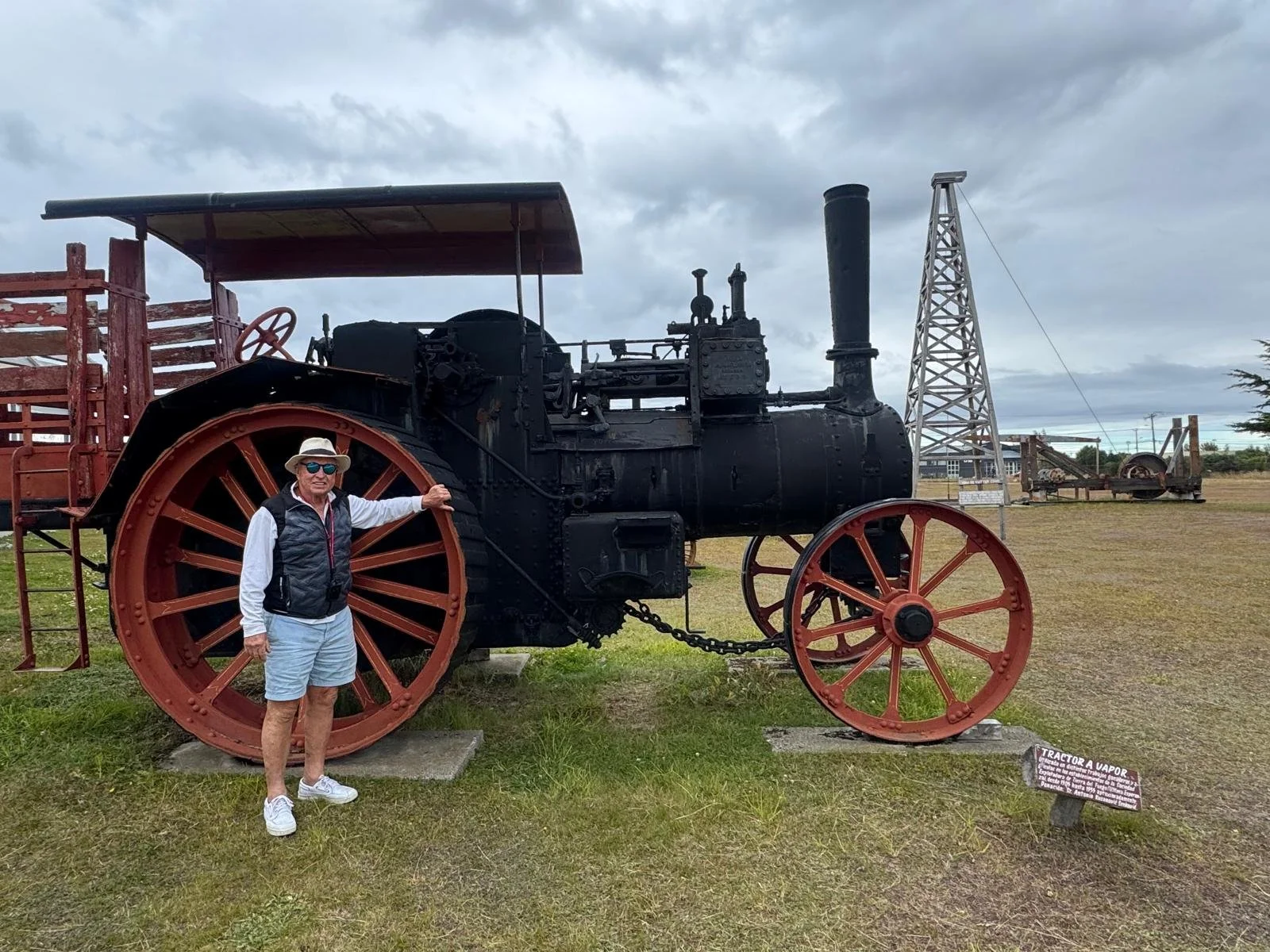
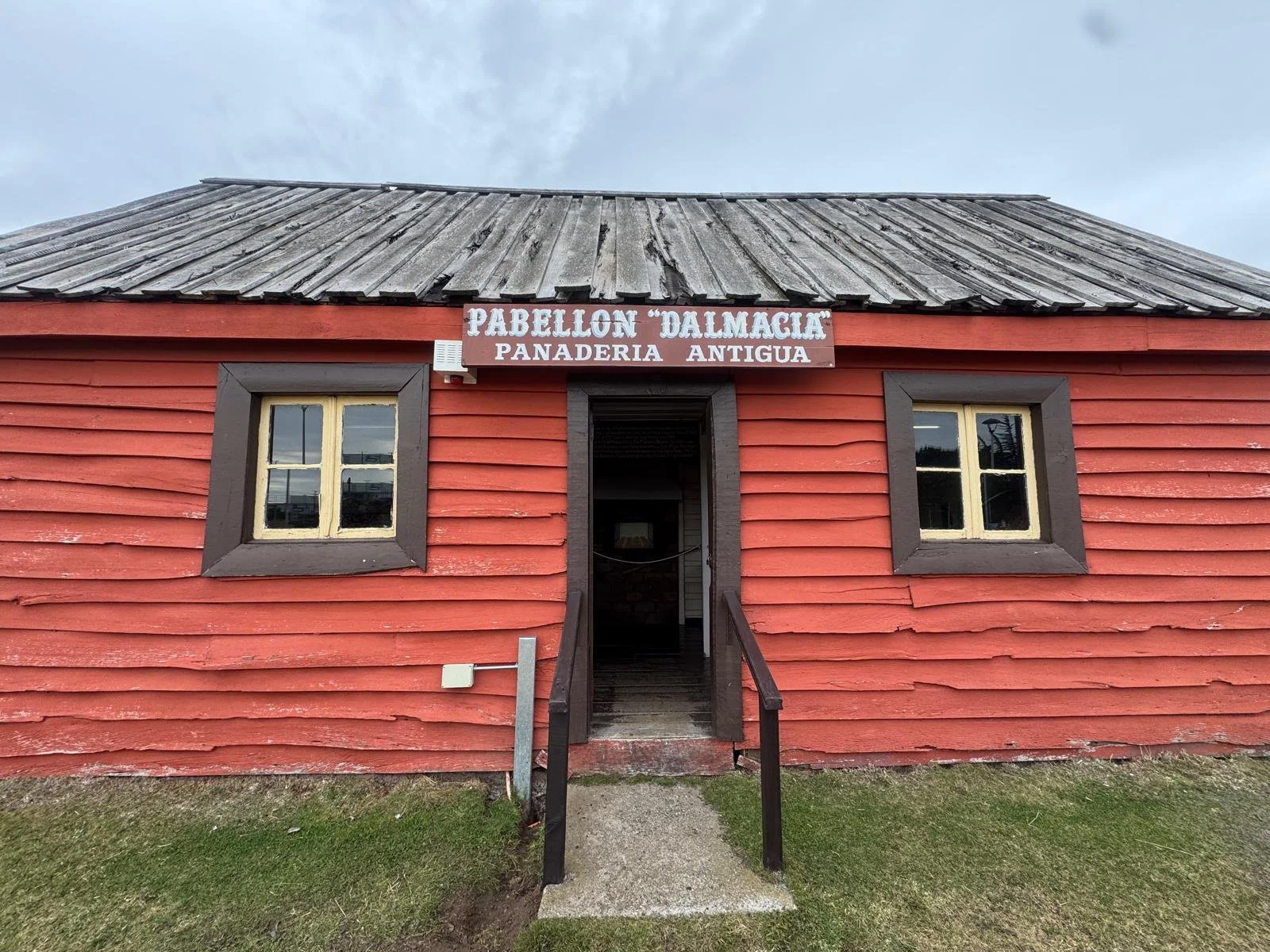
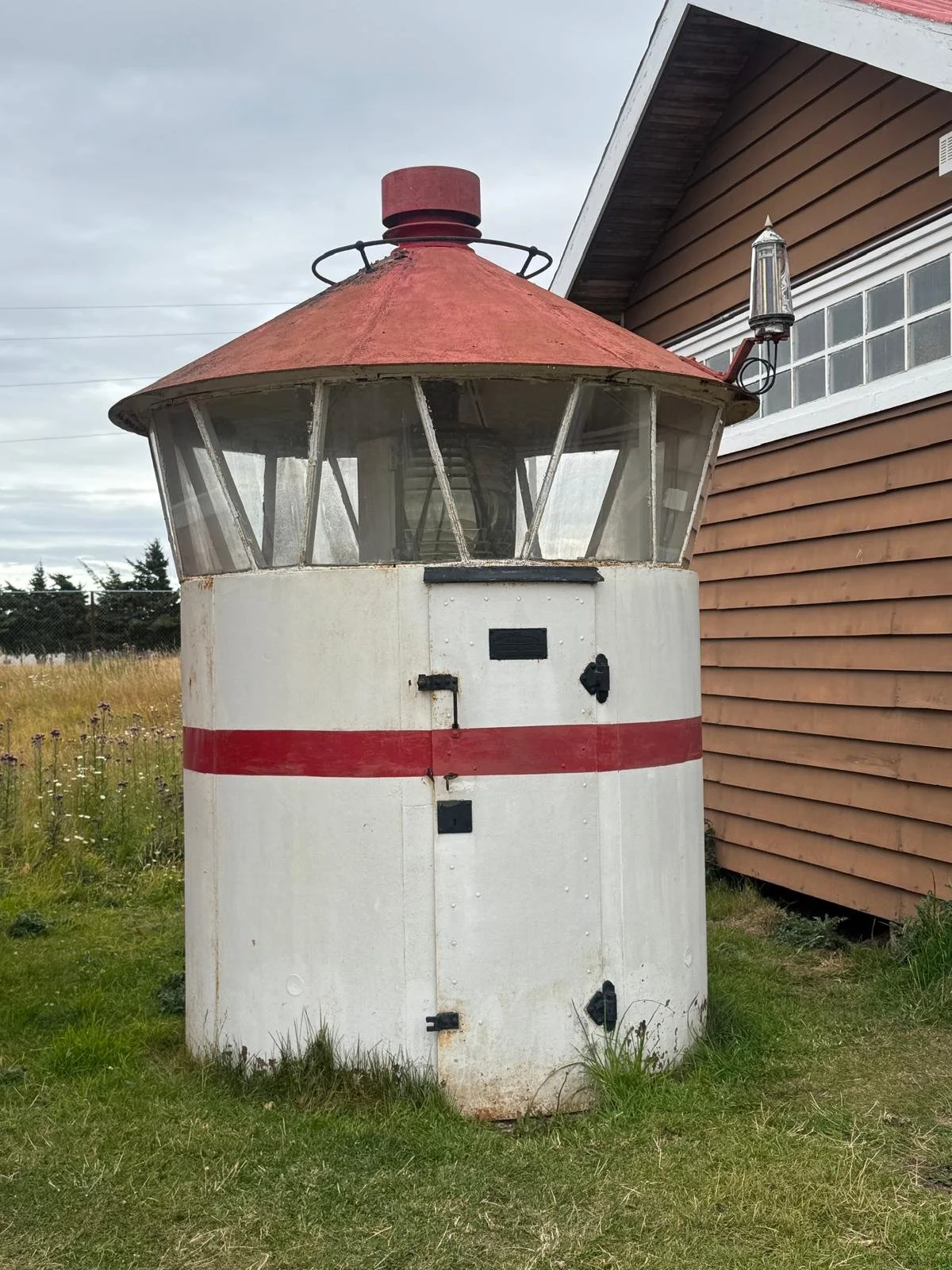
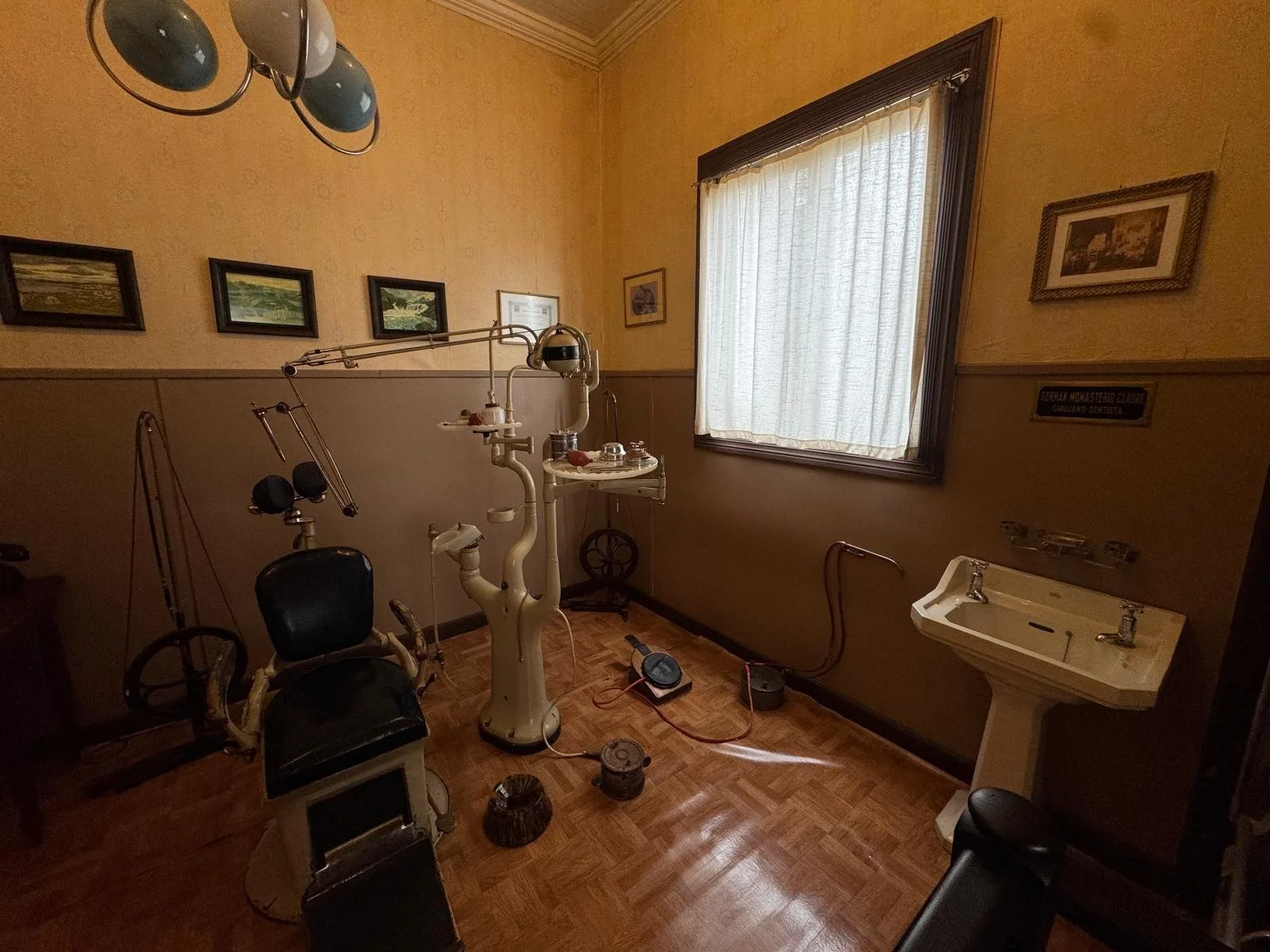
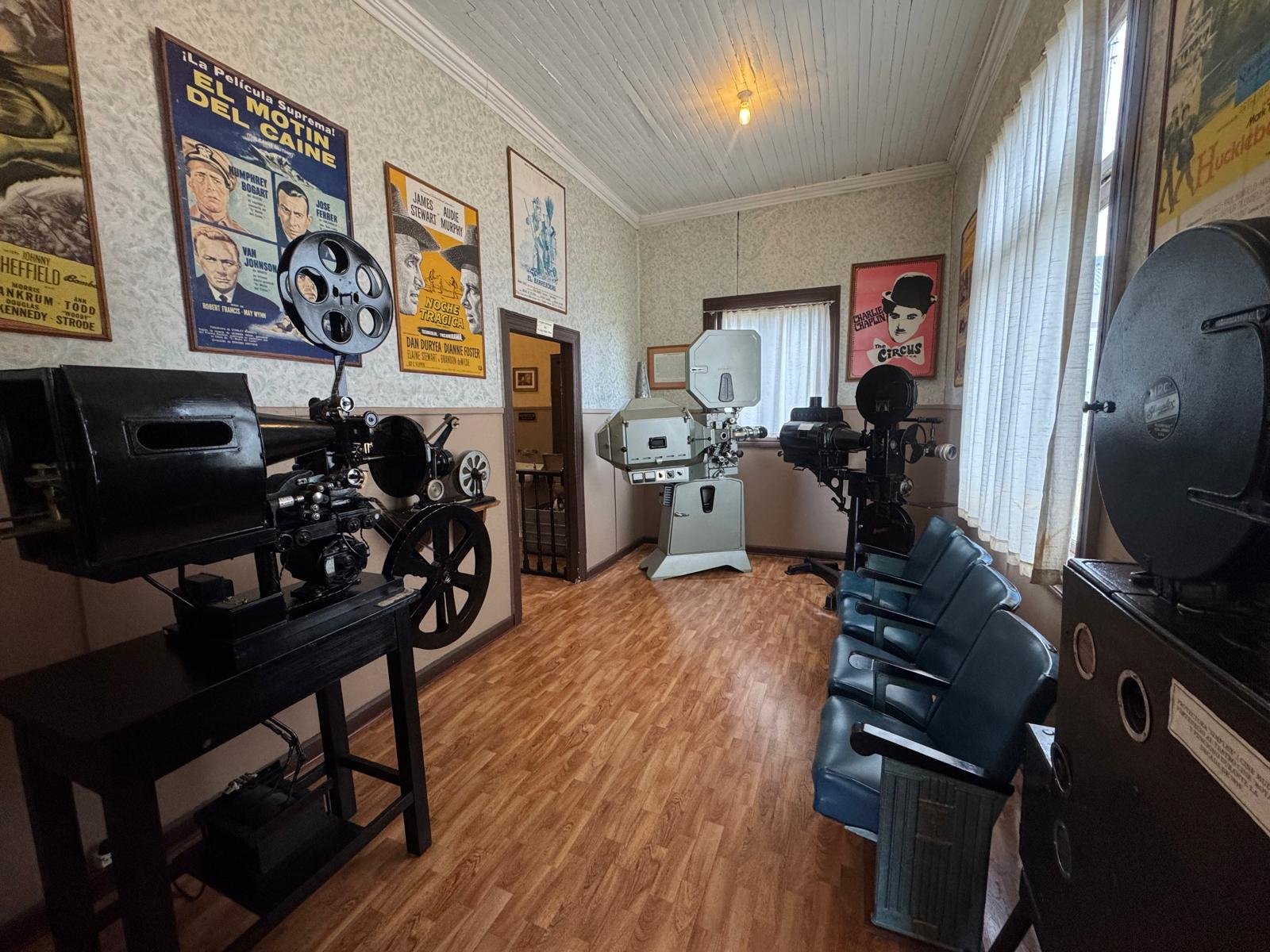
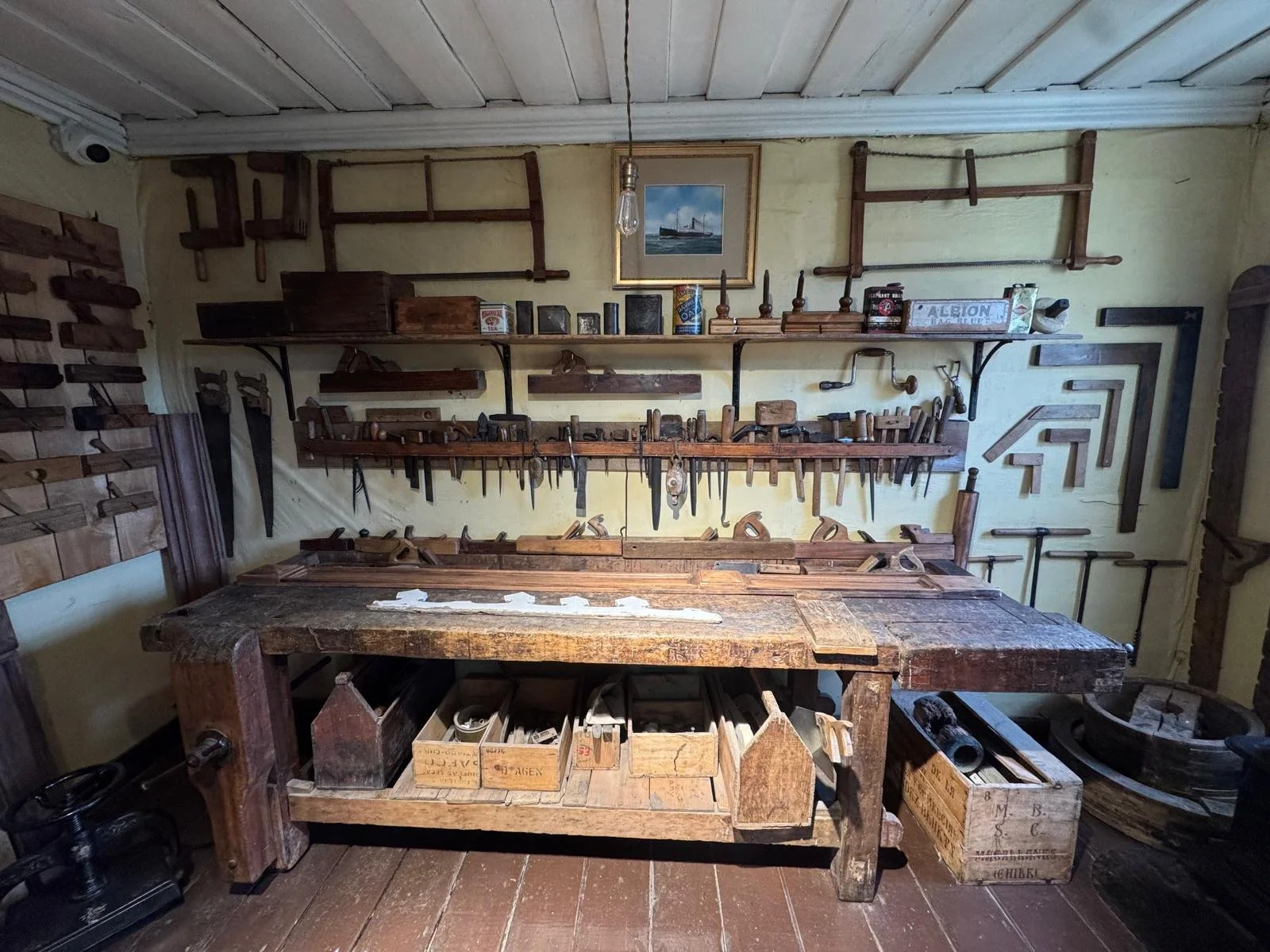
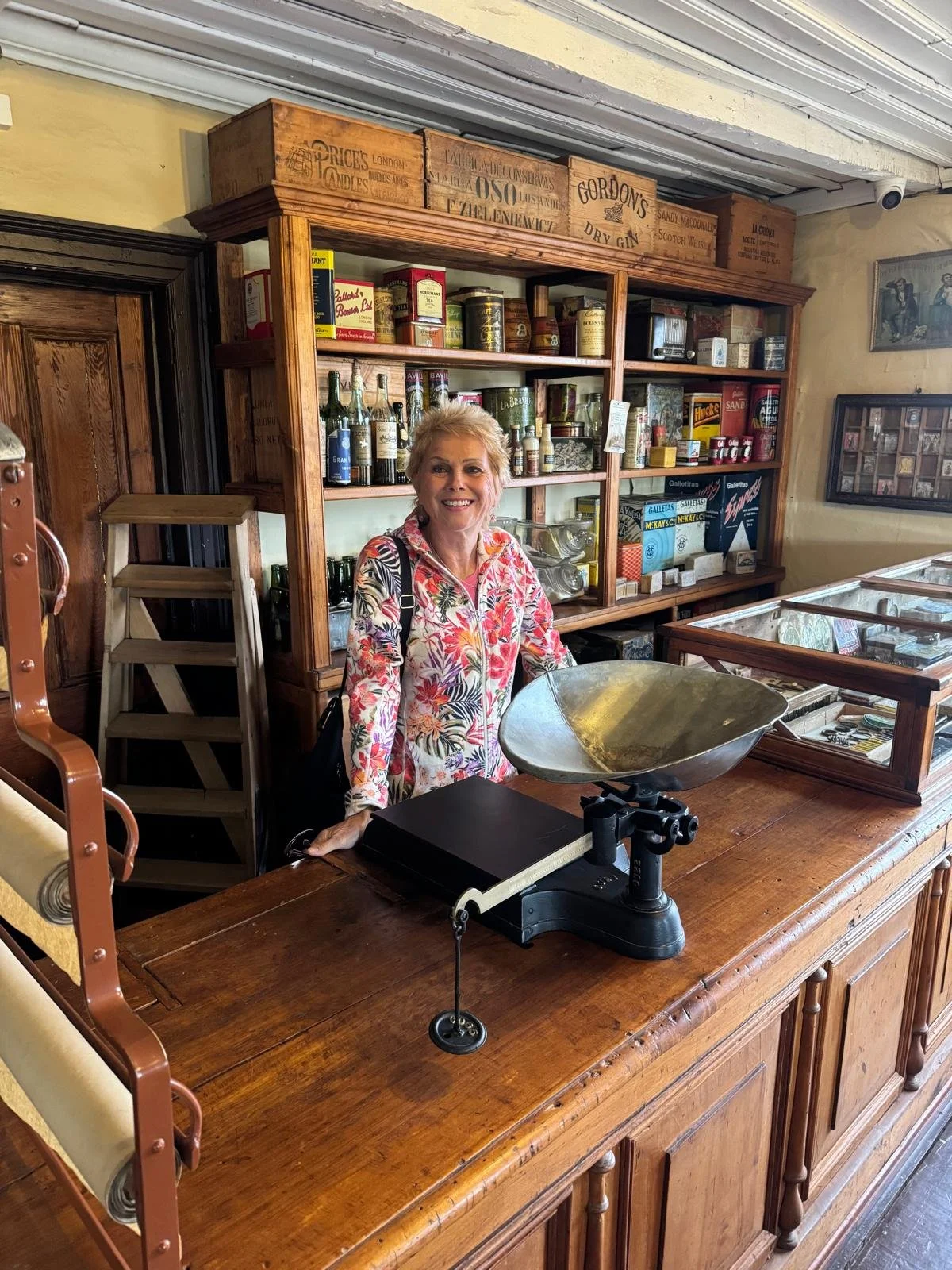
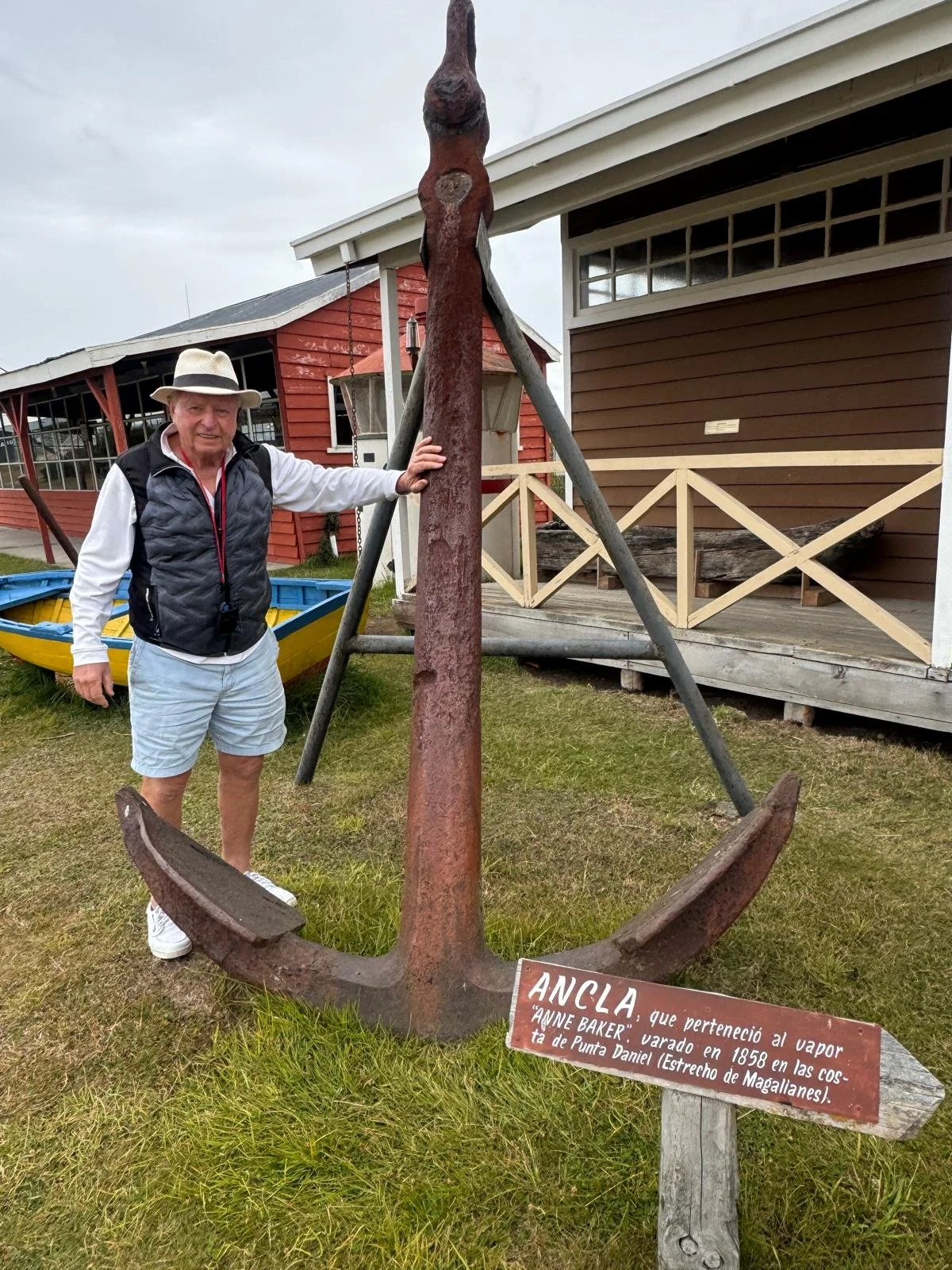
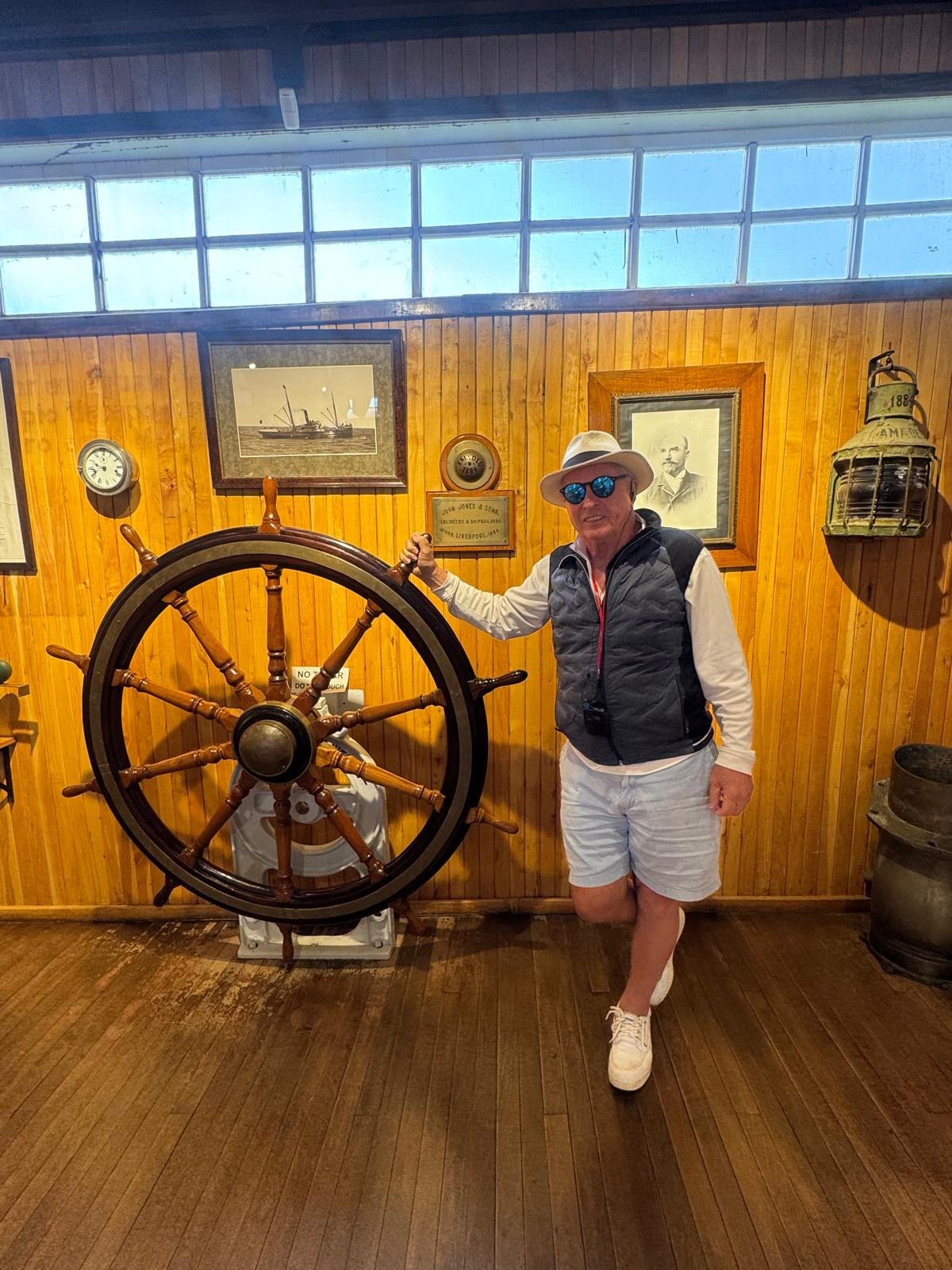
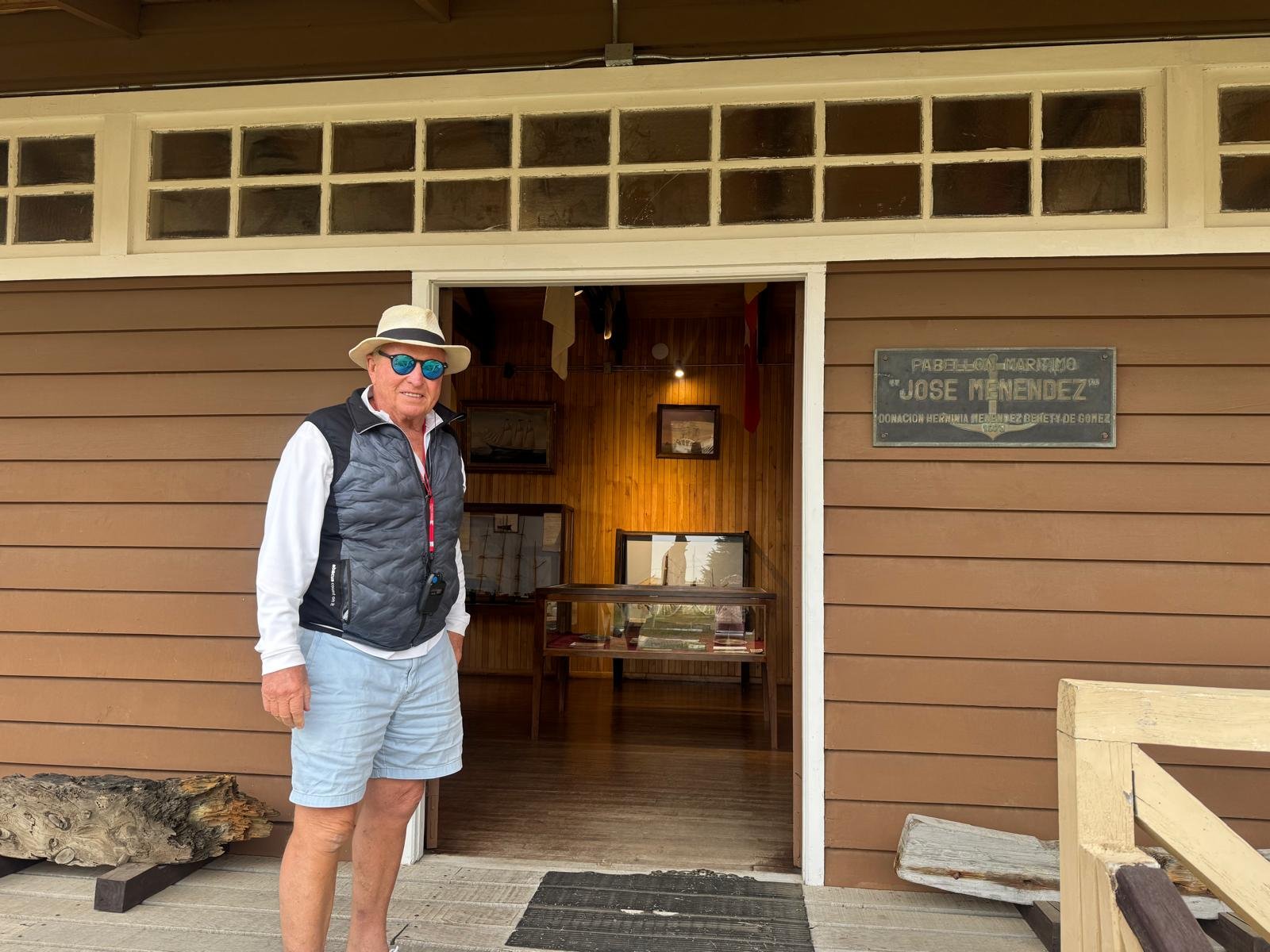
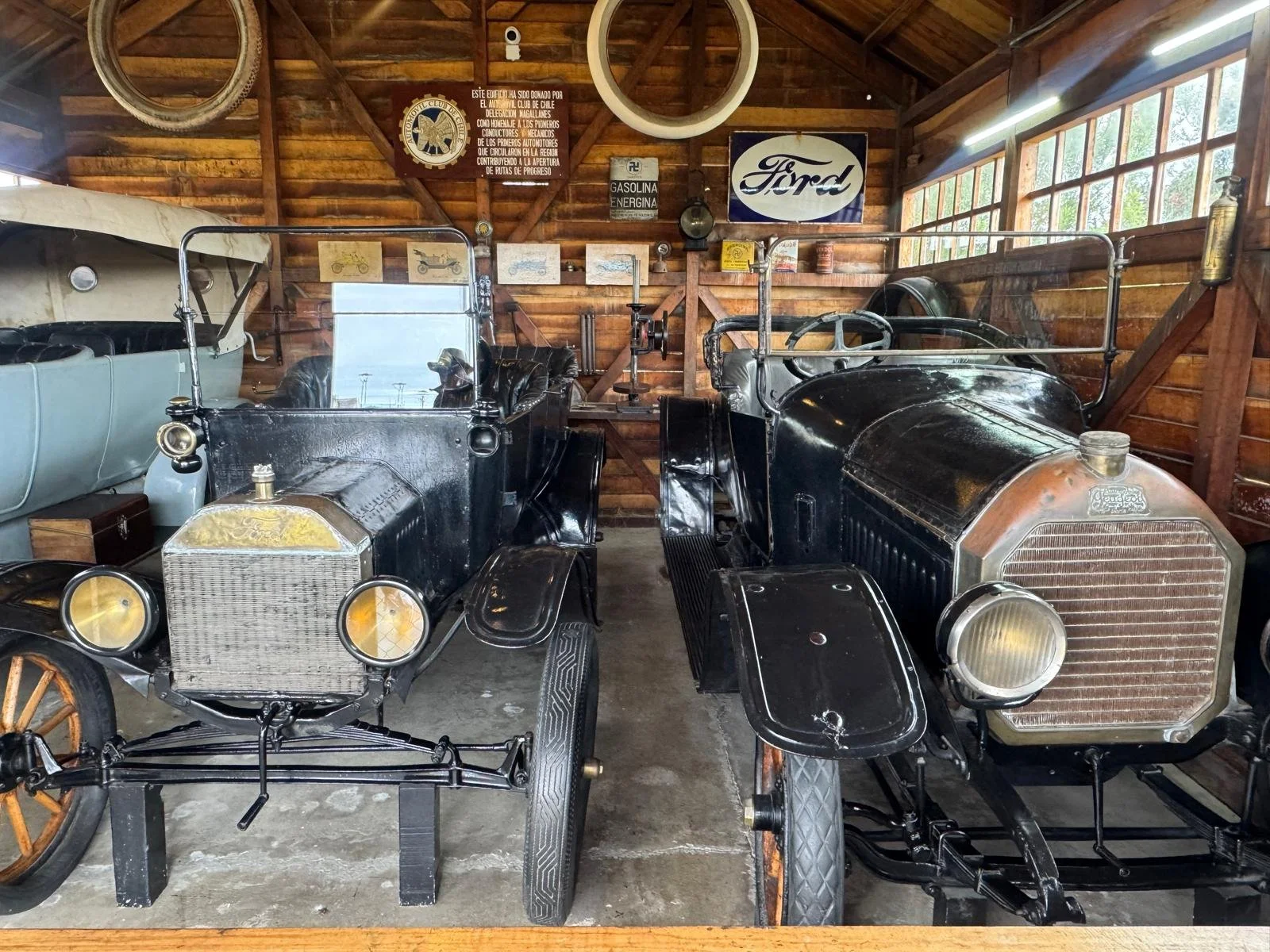
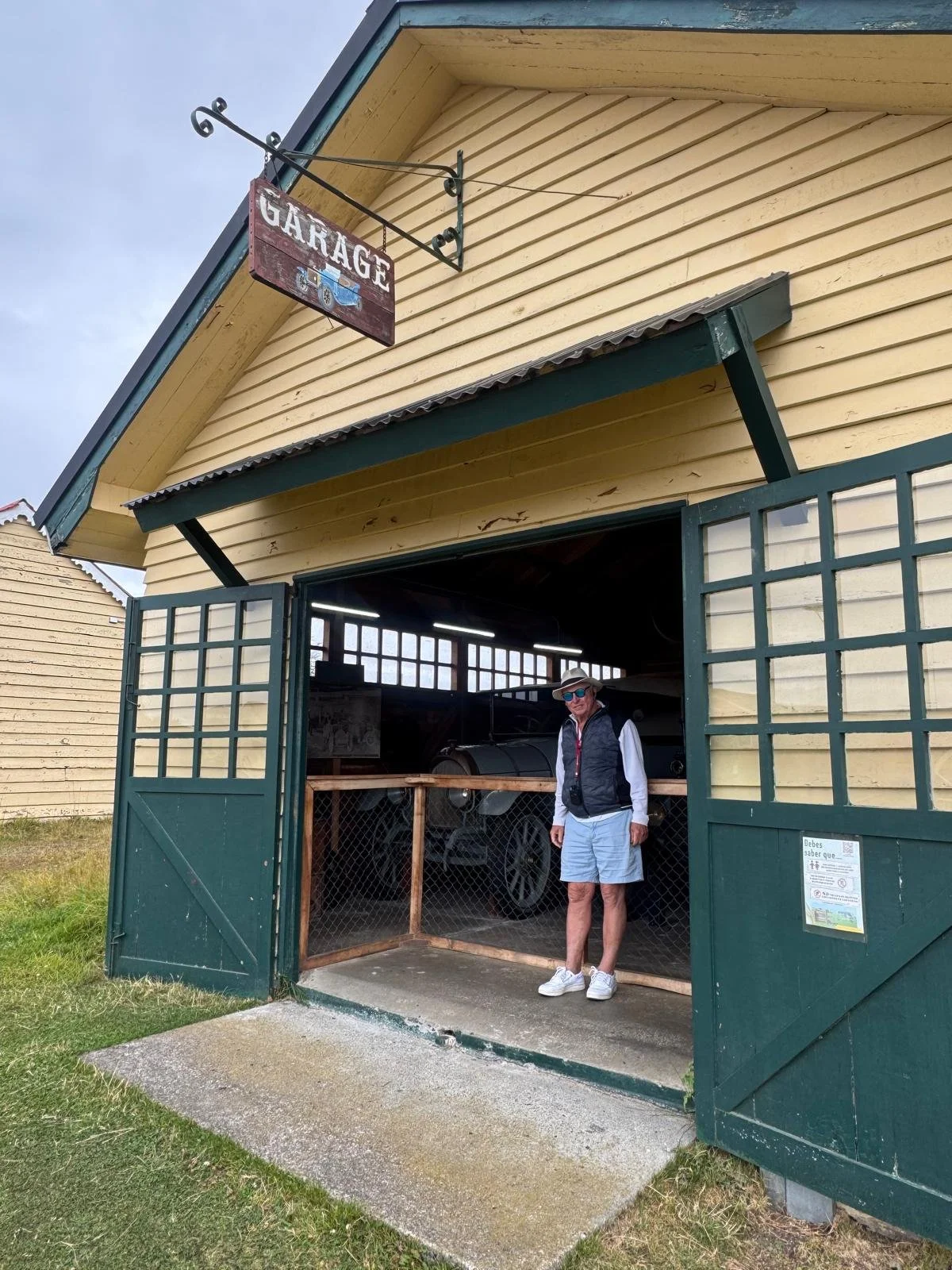
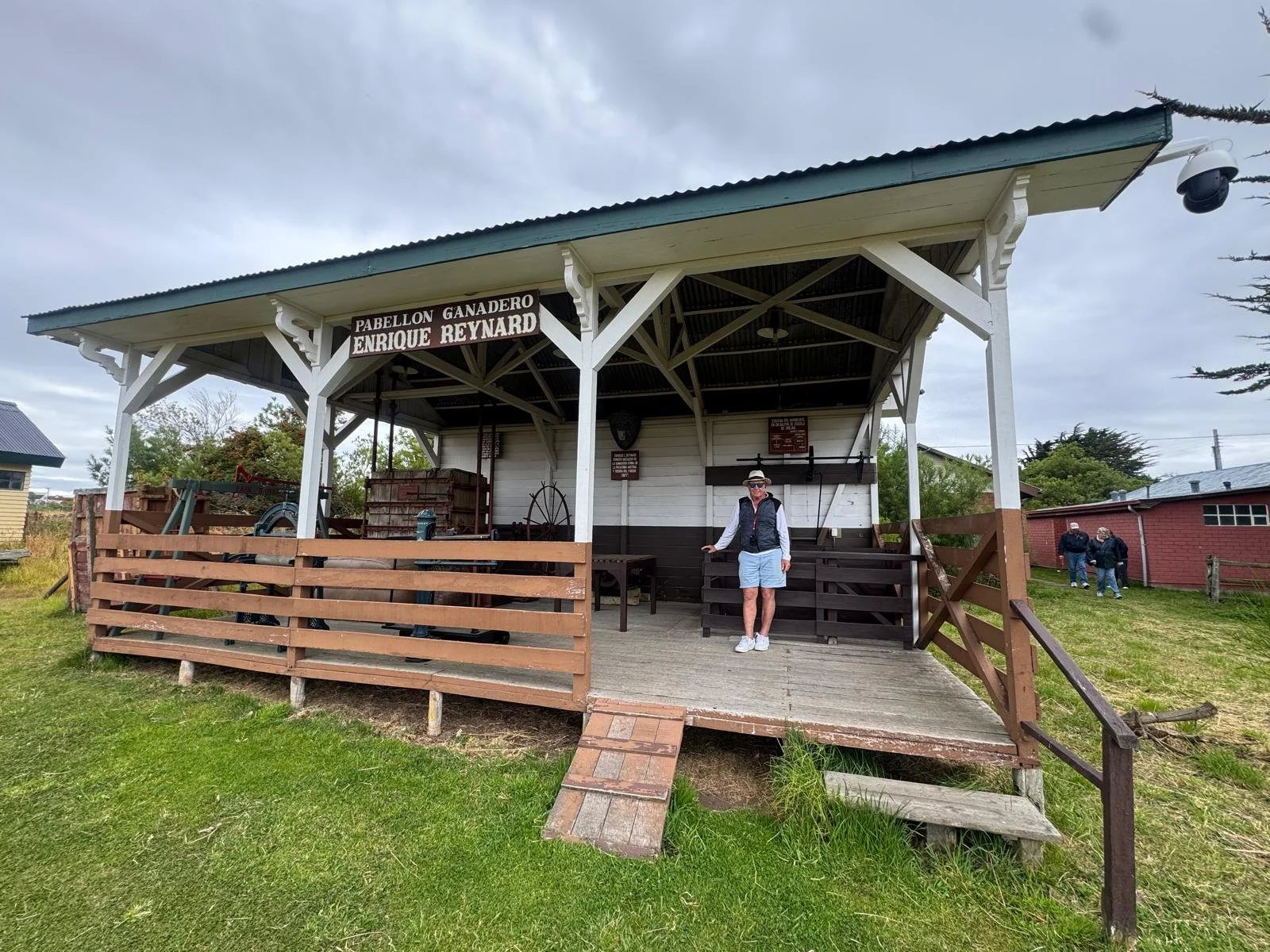
Next stop was to a visit to the Museum of Remembrance which is part of the Research Institute of Patagonia and houses (or not really, as a good part is outdoors!) a collection of eight heritage buildings, over eighty antique vehicles and pieces of transport equipment, and countless tools primarily associated with livestock farming and the oil industry (sort of like Auckland’s MOTAT but on a larger scale). It was really fascinating and very interesting to see inside the buildings, one an old home and the others showing what their shops were like, we especially liked the dentist set up – not too dissimilar to our own dentists back in the day - and the movie theatre. Geoff enjoyed the small maritime exhibition and because no-one was looking, I naughtily opened the gate and slipped behind the counter to do my impression of Florrie Lindley in the grocery store (showing my age here, she was in the first episodes of Coronation Street when it started in 1960)!
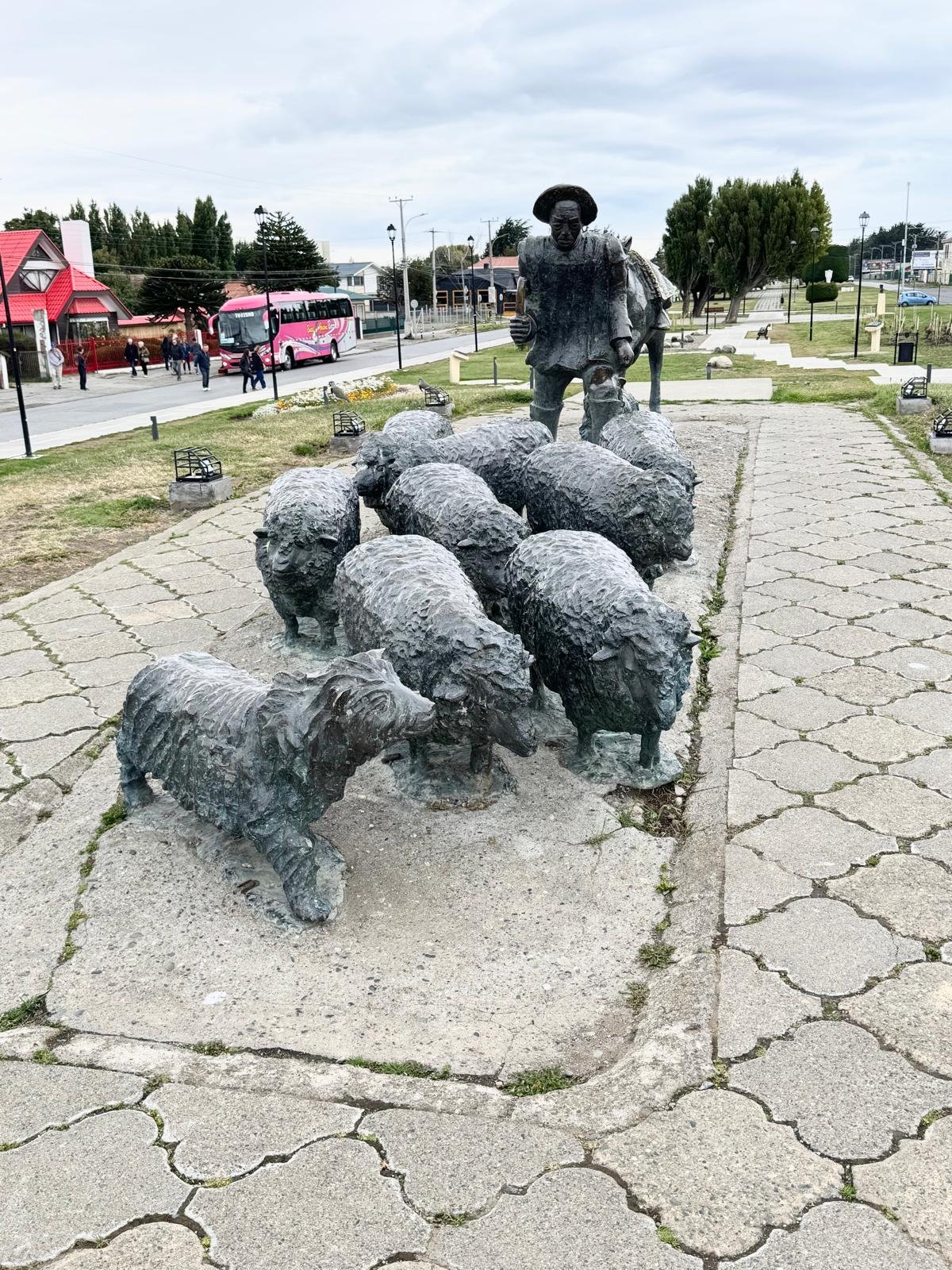
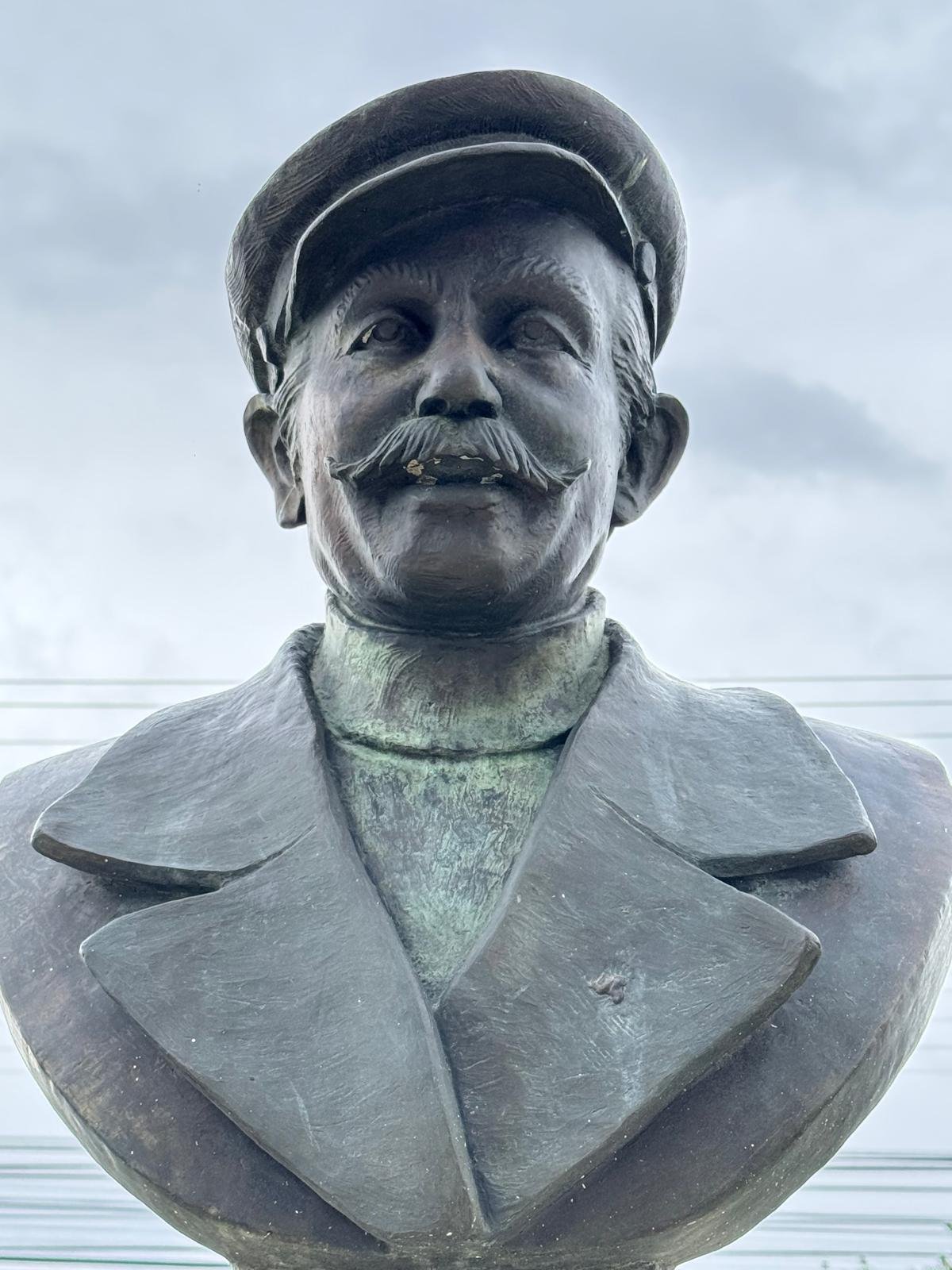
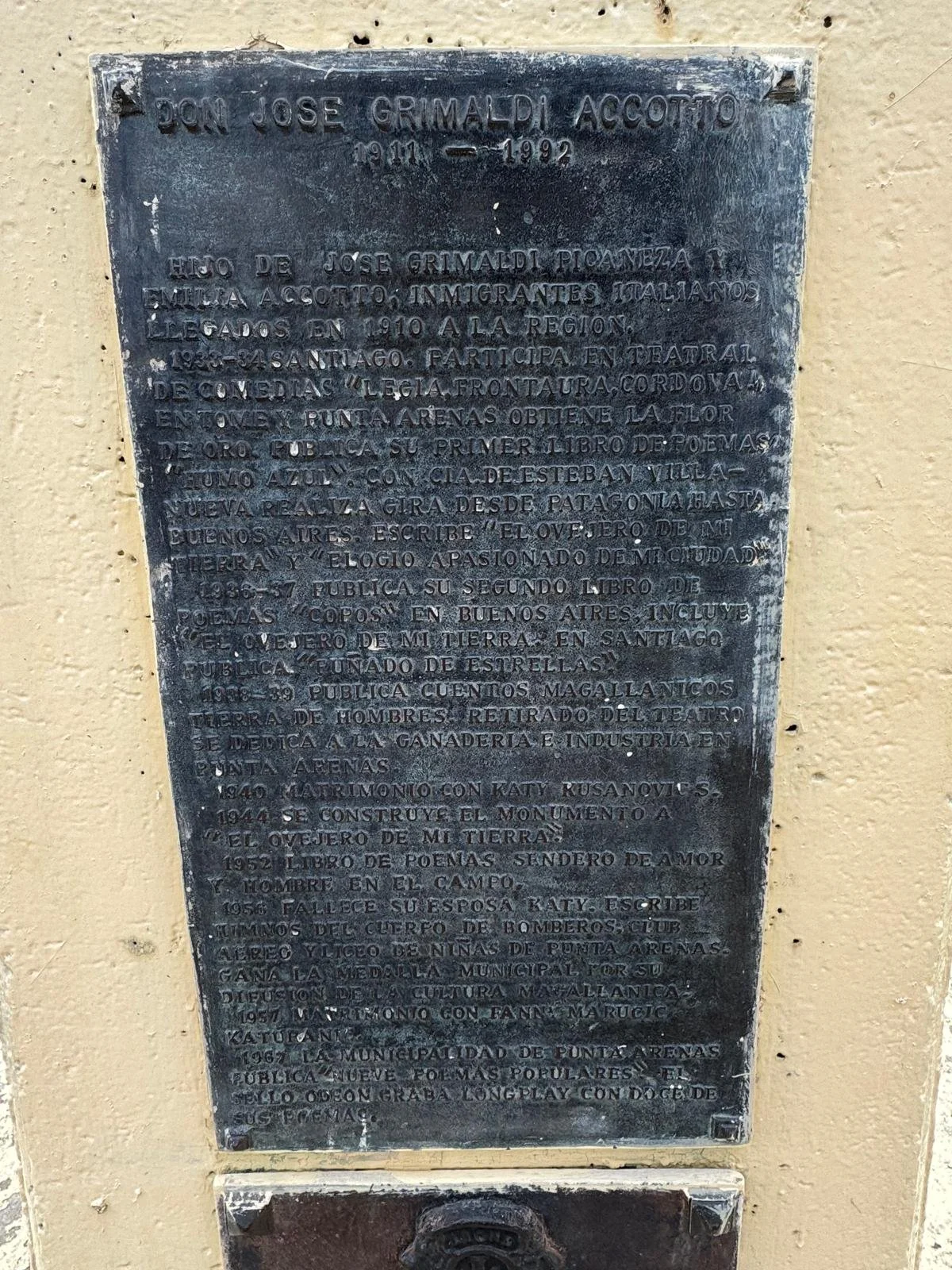
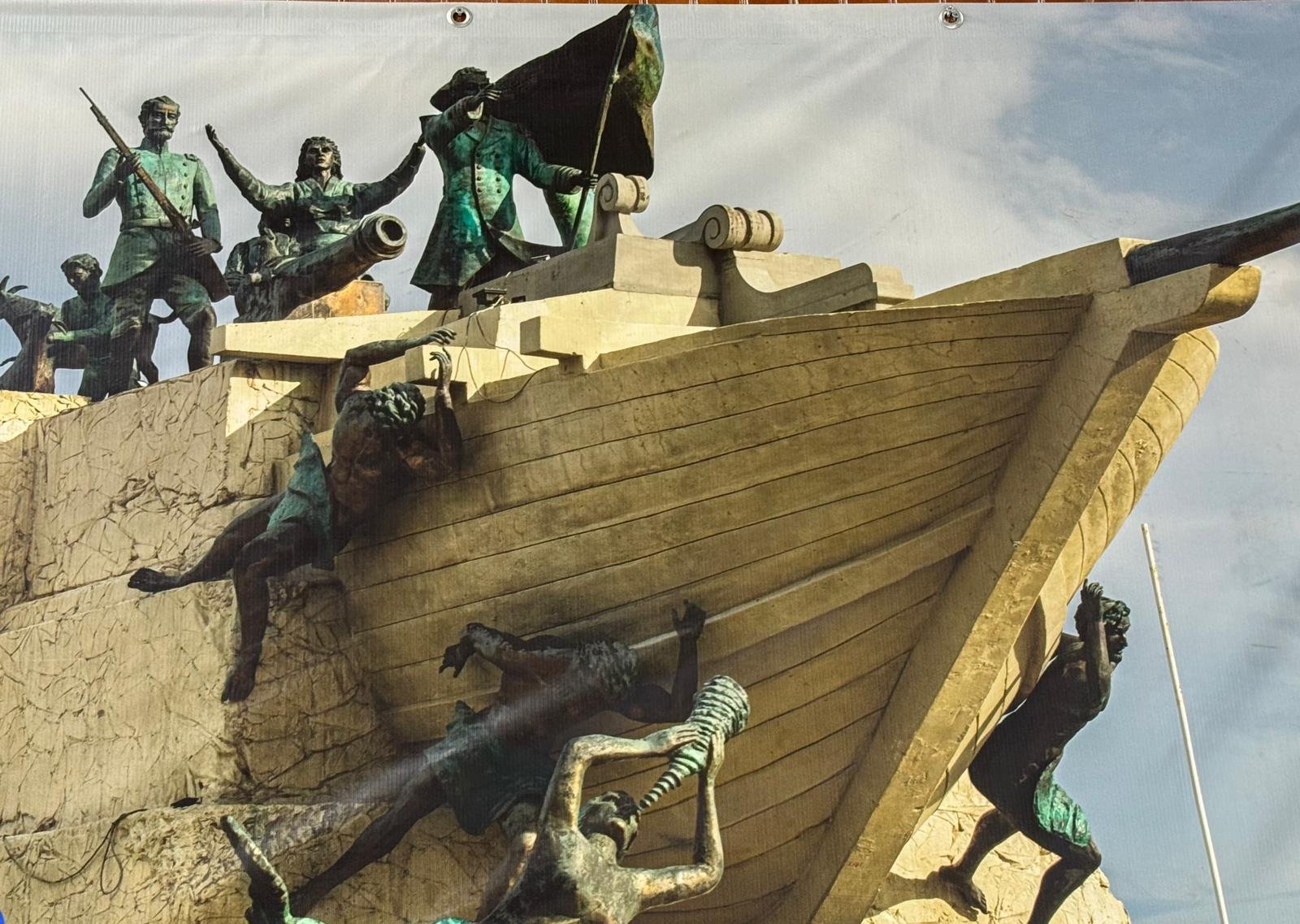
A visit to see the Monument to the Shepherd followed – it pays tribute to the livestock workers who were fundamental in the colonization of Patagonia. It stretches for about 30 metres and includes 12 life-size sculptures of a shepherd (his hat blowing backwards in the harsh winds) with his sheep, followed by his horse and faithful sheepdog. There was also a statue of Don Jose Grimaldi, a local Chilean Poet, considered the greatest poet of Patagonia, who was one of the first to sing in verses about the countryman, the shepherd, the fisherman, the otter hunter, and his city. Let’s talk about the weather here. Due to its geographic location, in Winter the temperatures rarely rise above 0º C it can be so windy, often with violent freezing gusts, that all the corners of the streets in the main city centre have ropes attached to them for people to use like bannisters. Interestingly, Geoff and I were the only two on our tour wearing shorts – everyone else was all rugged up in trousers and anoraks – we didn’t think it was that cold at all. Not sure what extra layers they have tucked away for when we really need them on our visit to the Falklands! And on that note, we ducked into what we thought was just a greengrocers to buy some of the juicy nectarines in the window and walked out with an Alpaca scarf each and gloves and hat for me for said visit to the Falklands!! Shades of purple of course and a steal at $30!
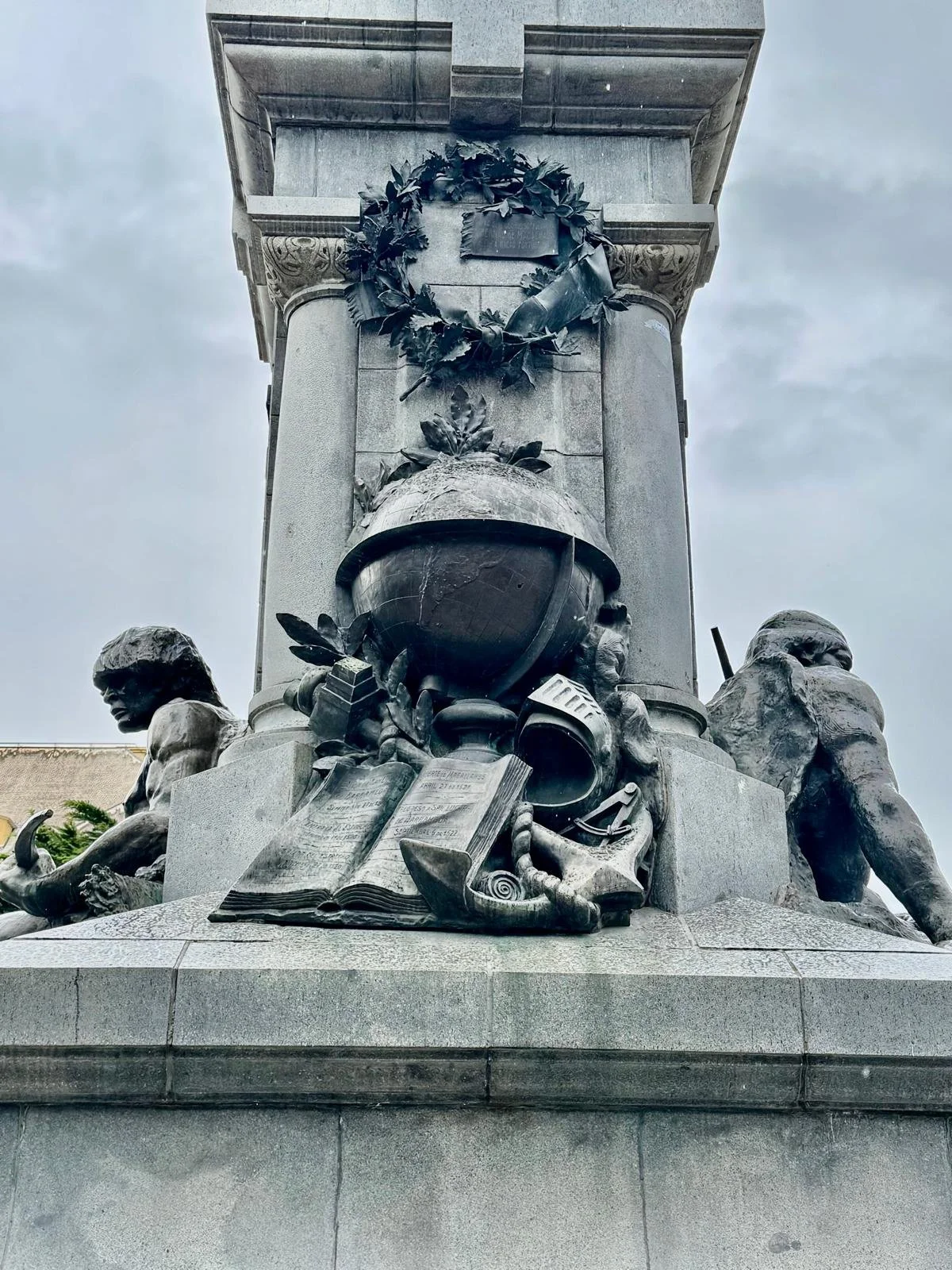
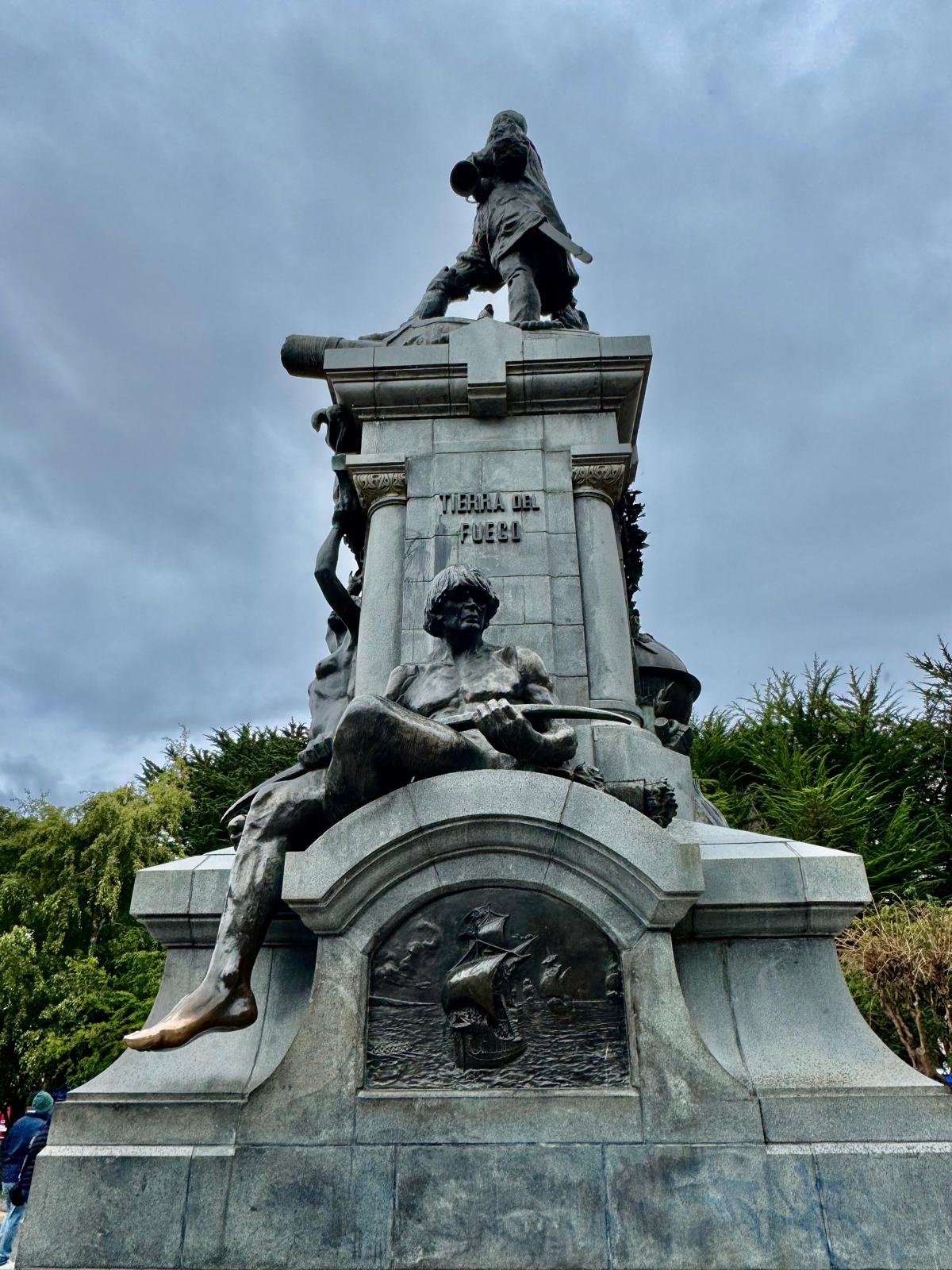
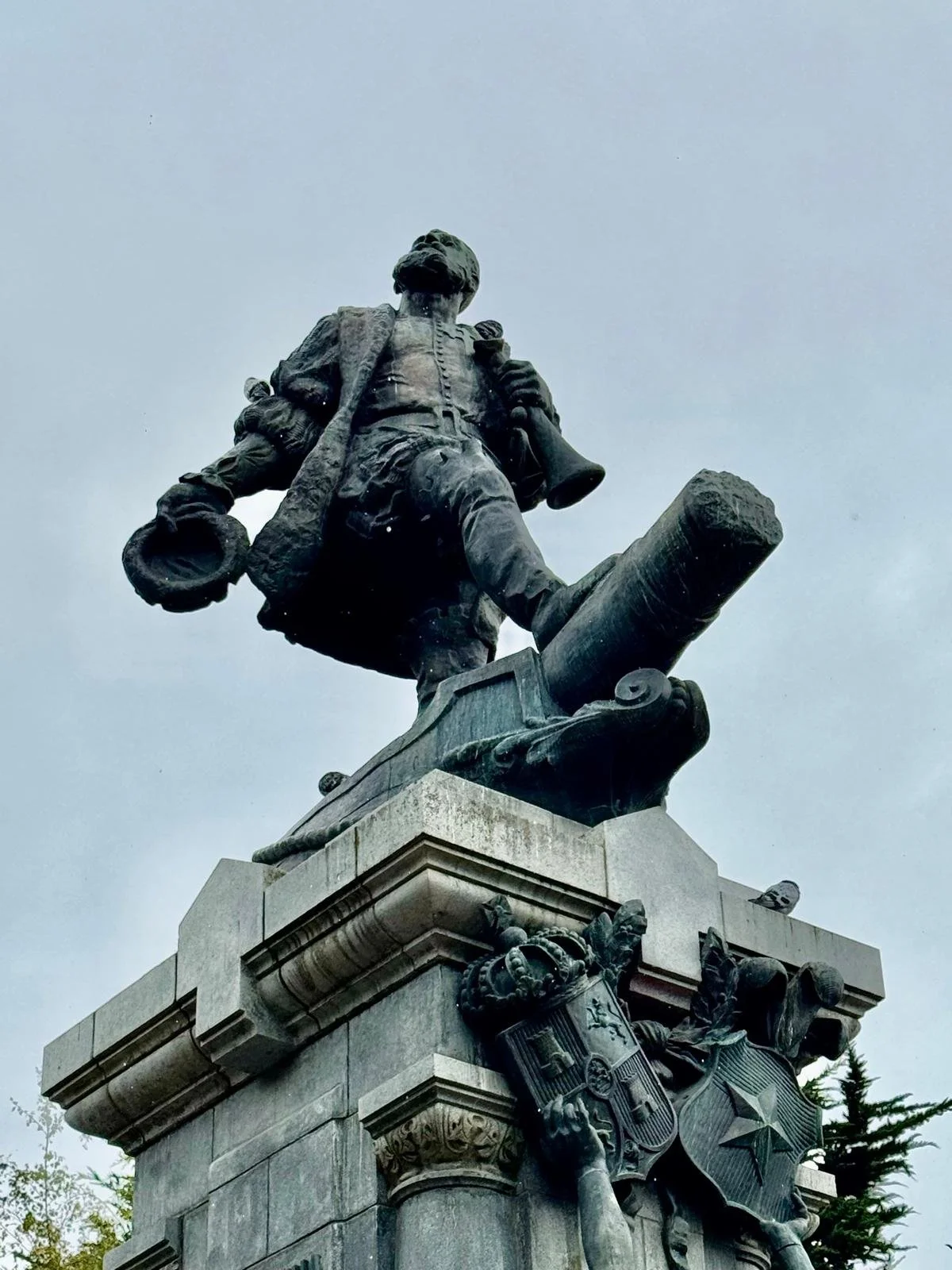
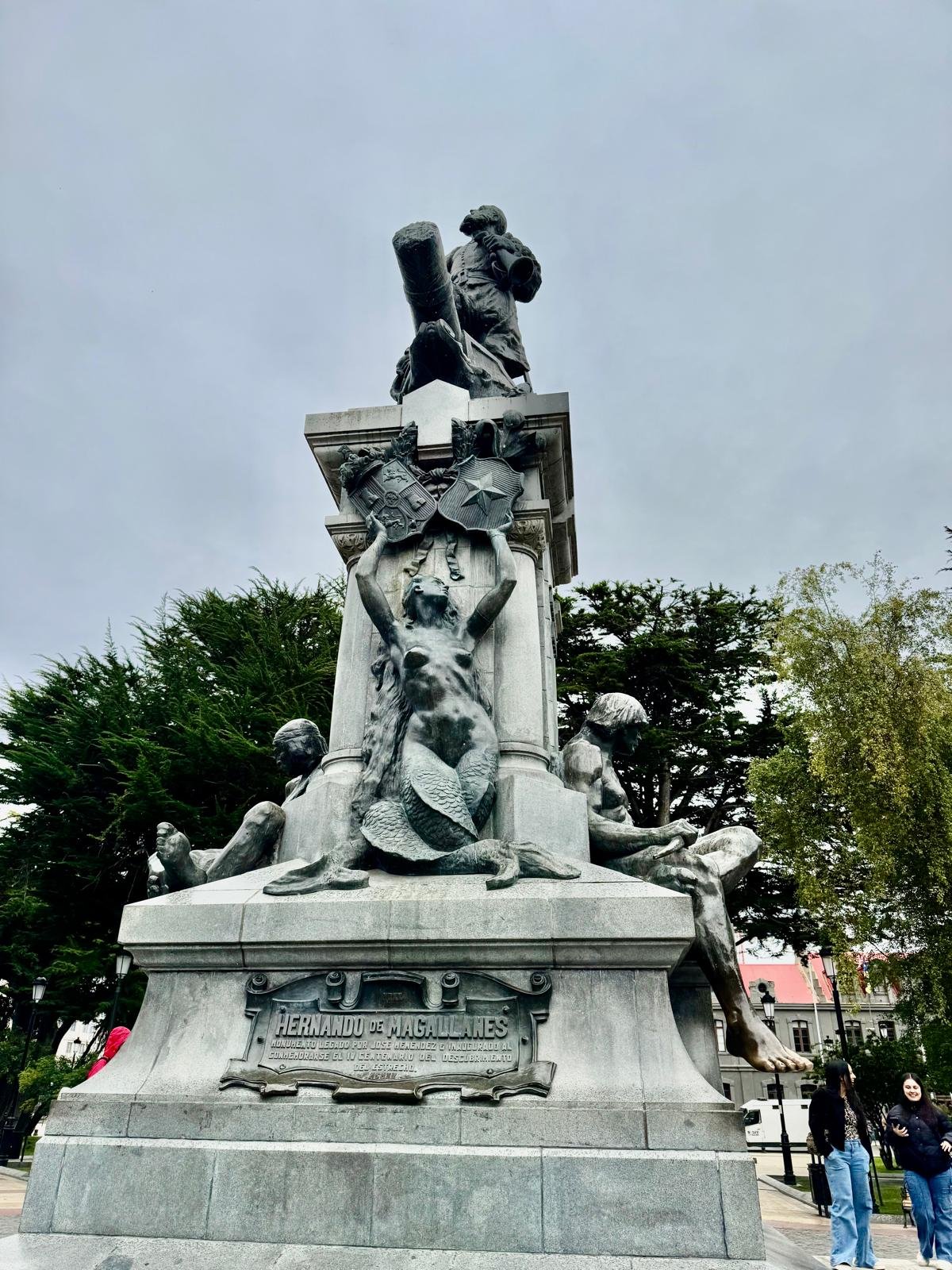
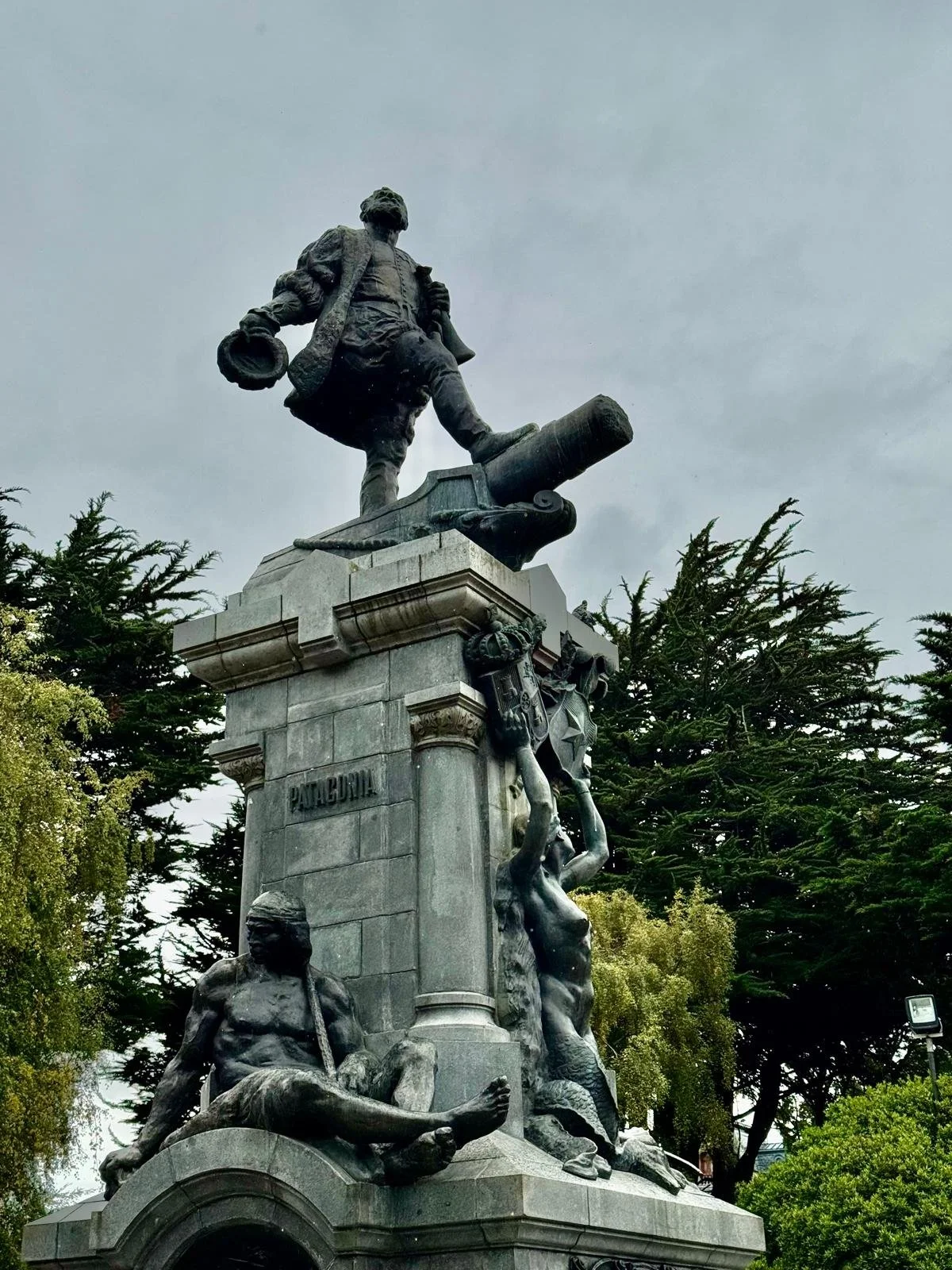
Off the bus again at Muñoz Gamero Square in the centre of the city, to see the statue of Fernando de Magallanes, also known as Hernando de Magallanes, which was inaugurated in 1920 and dedicated to commemorate the fourth centenary of the discovery of the Strait of Magellan by Western navigators. I think it is prudent here to have a bit of a history lesson on this renowned Explorer and Navigator. The bronze sculpture is 10 metres high and represents the Portuguese explorer who set sail from the port of Seville in Spain on 10 August 1519, commanding five ships – the Trinidad, Concepción, The San Antonio, the Victoria and the Santiago - that embarked on the circumnavigation of the globe from Sanlúcar de Barrameda in Southern Spain (Interesting fact, I visited there as a teenager in 1967!) The objective of his voyage was to find a navigational route through the waters of the far south to reach the Moluccas Islands (the Spice Islands in Indonesia) by sailing west around the American continent. Despite a series of storms and mutinies, the expedition successfully navigated the Strait of Magellan (named in his honour) to the South Sea which Magellan renamed the Pacific Ocean. In April 1521 Magellan was killed in the Battle of Mactan, in the Philippines, where a native chieftain of Mactan Island led his warriors to defeat the Spanish forces commanded by Ferdinand Magellan. Under the command of Captain Elcano, the expedition eventually reached the Spice Islands. The two remaining ships of the fleet separated, one attempted, unsuccessfully, to reach New Spain (this covered most of modern Mexico, California, Arizona, New Mexico, Texas, Nevada, Utah, parts of Colorado, Wyoming and Central America) by sailing east across the Pacific. The other commanded by Elcano, sailed west across the Indian Ocean and north along the Atlantic coast of Africa, finally returning to Spain in September 1522 and achieving the first complete circumnavigation of the globe and beating Magellan to it, although he had already reached the Malay Archipelago in Southeast Asia on previous eastward voyages between 1505 and 1511. But by visiting this region again, this time travelling westward, he achieved a nearly complete personal circumnavigation of the globe for the first time in history and his feat also proved that the earth is round. I think this calls for another shout out to Geoff for his own, amazing, circumnavigation of the globe in his 14m catamaran!
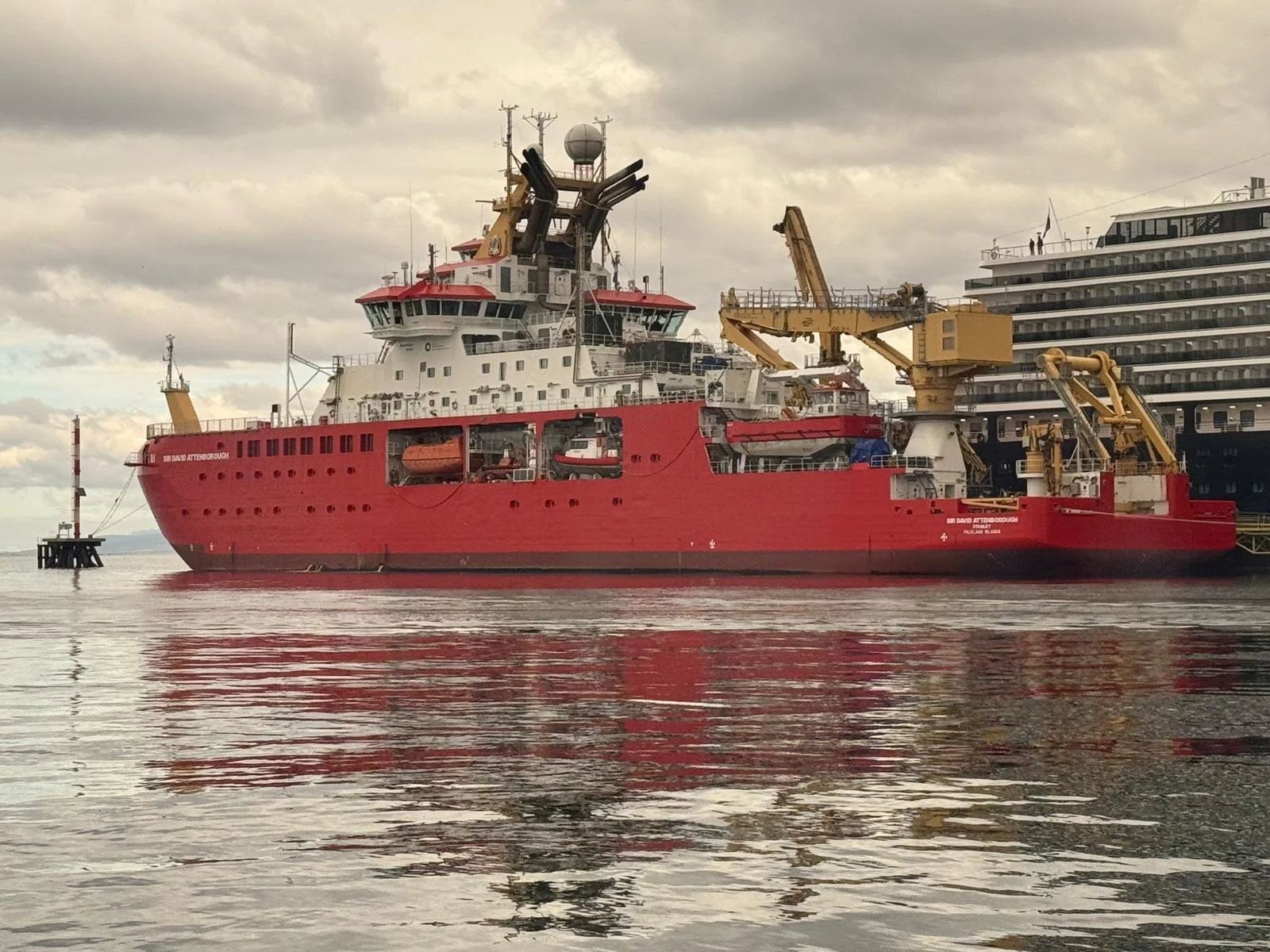
Back onto the tender for our return to the ship, we passed “The Sir David Attenborough” registered in Stanley, in the Falkland Islands being prepared for another intrepid adventure!