Cusco – the former Historic Capital of the Inca Empire
Monday 16 March
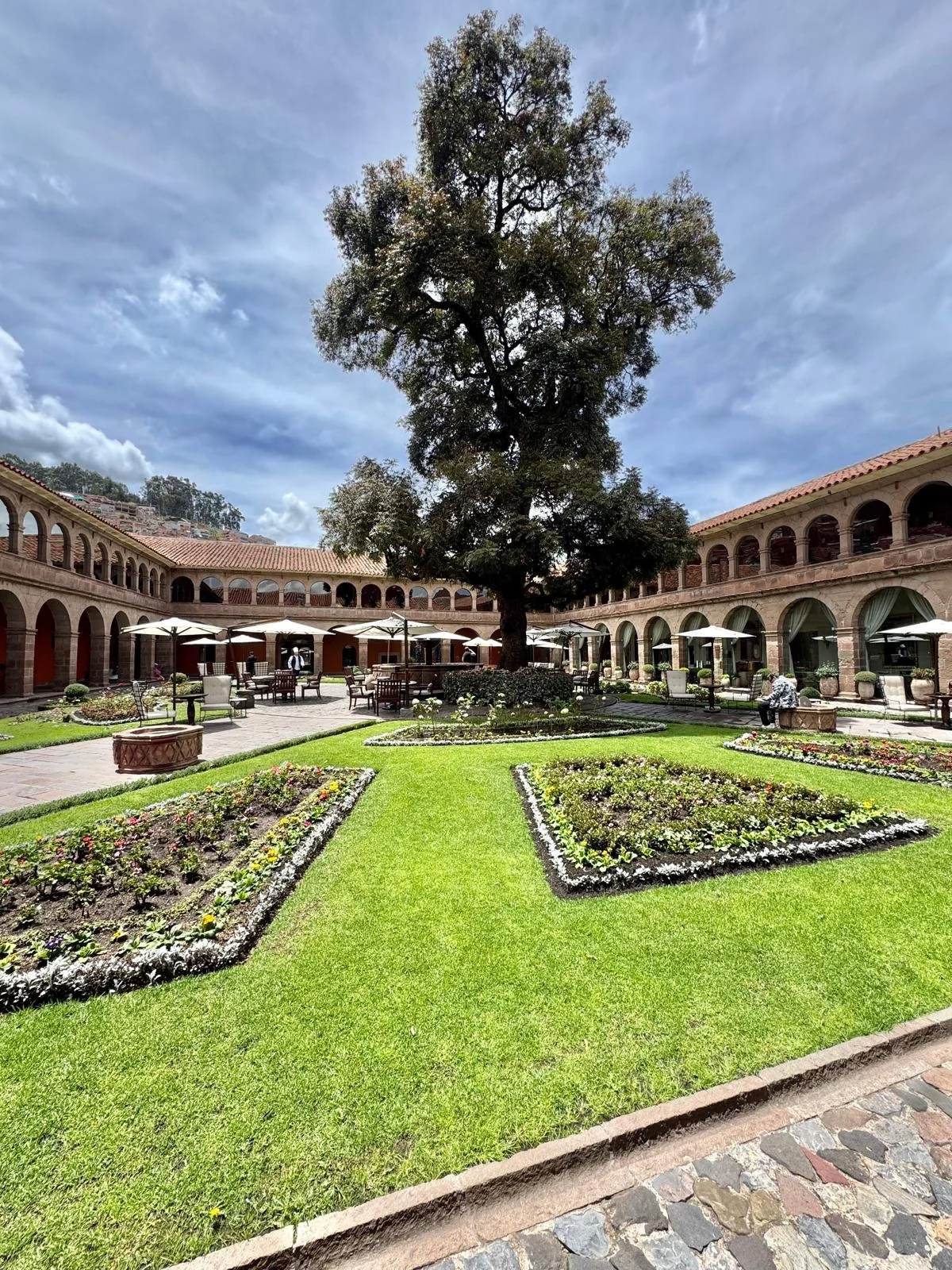
We arrived back from our awesome Machu Picchu trip, survived another drive on the dark Andean mountain roads, and checked into our delightfully authentic hotel, just off from the main square in Cusco.
Founded around the 12th century by Manco Cápac and Mama OCllo, it served as the capital of the Inca Empire and was redesigned in the 15th Century by Pachacuti to be a major administrative and religious centre. Following the Spanish conquest in 1533 the city was rebuilt with colonial structures on top of Inca foundations, and after Peru gained independence in 1821 it was developed as a cultural hub, and serves as the gateway to Machu Picchu. It is also another UNESCO World Heritage Site. It has a population of around 600,000 and sits at an elevation of around 3,400 metres. A Pisco sour, followed by yet another interesting and tasty Peruvian dinner – I must say, I have been very impressed by the quality and interesting food options here – I had another quinoa and vegetable dish and it was so delicious and also so healthy, then it was off to bed!
Tuesday 17 March
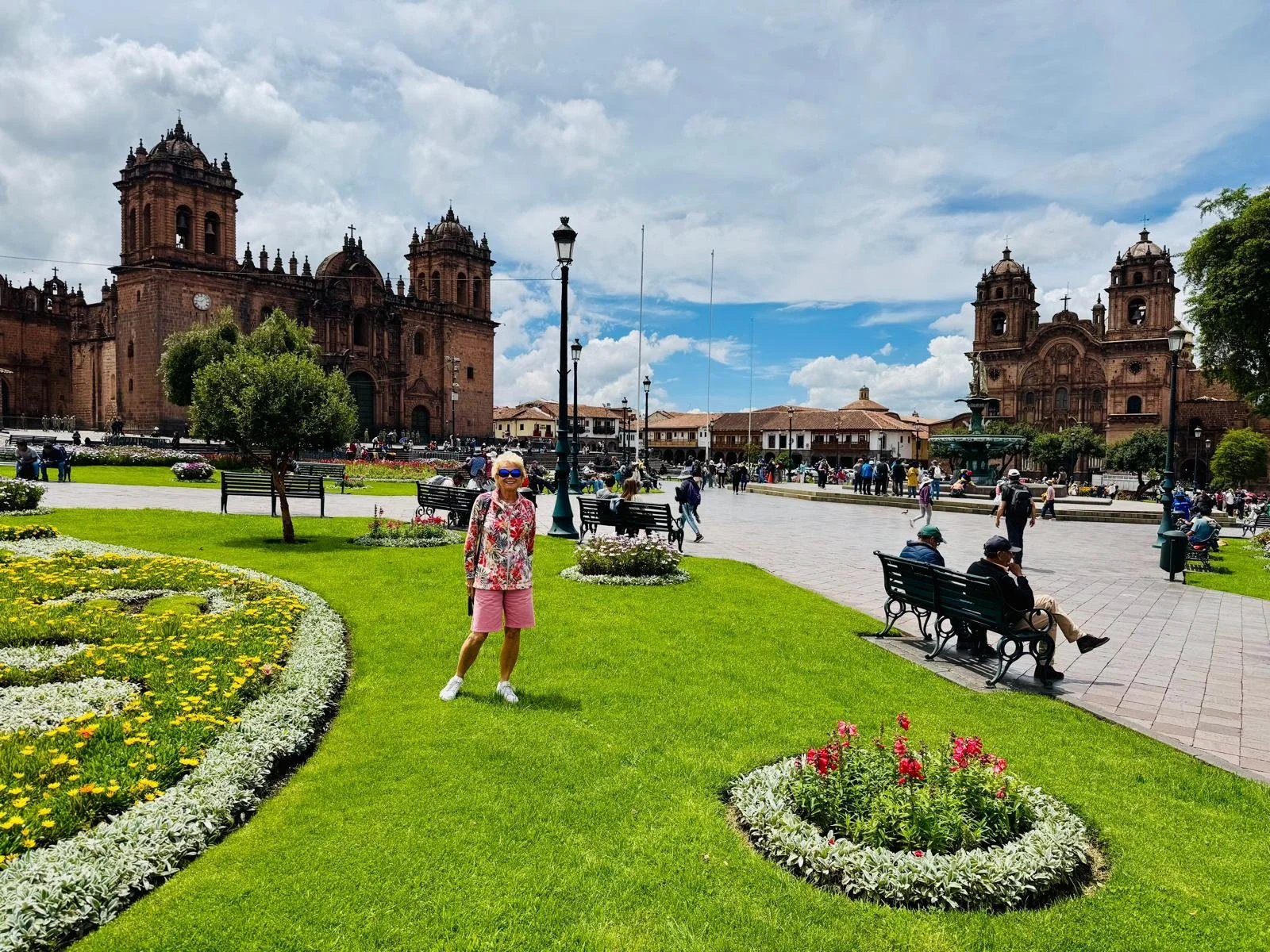
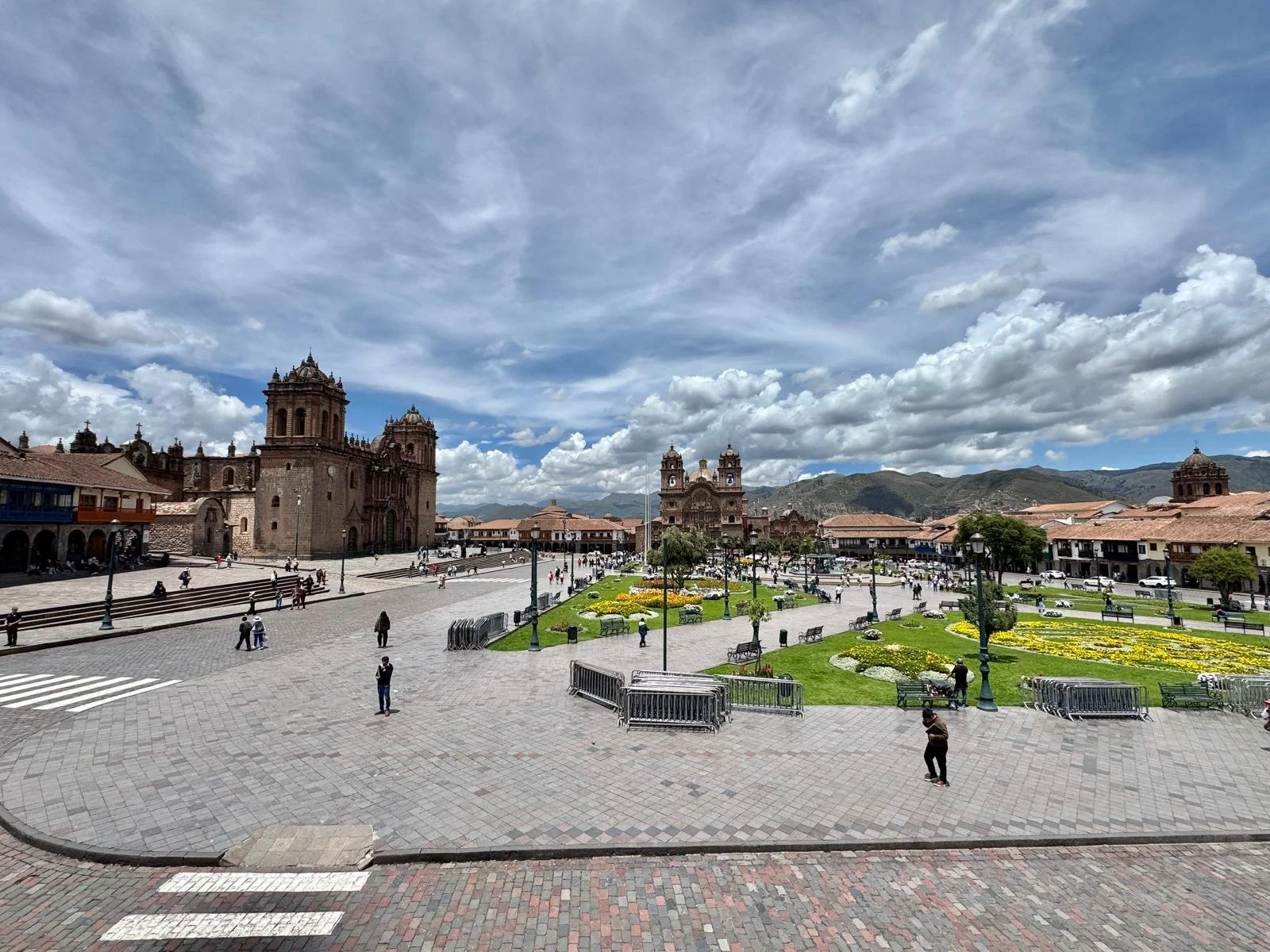
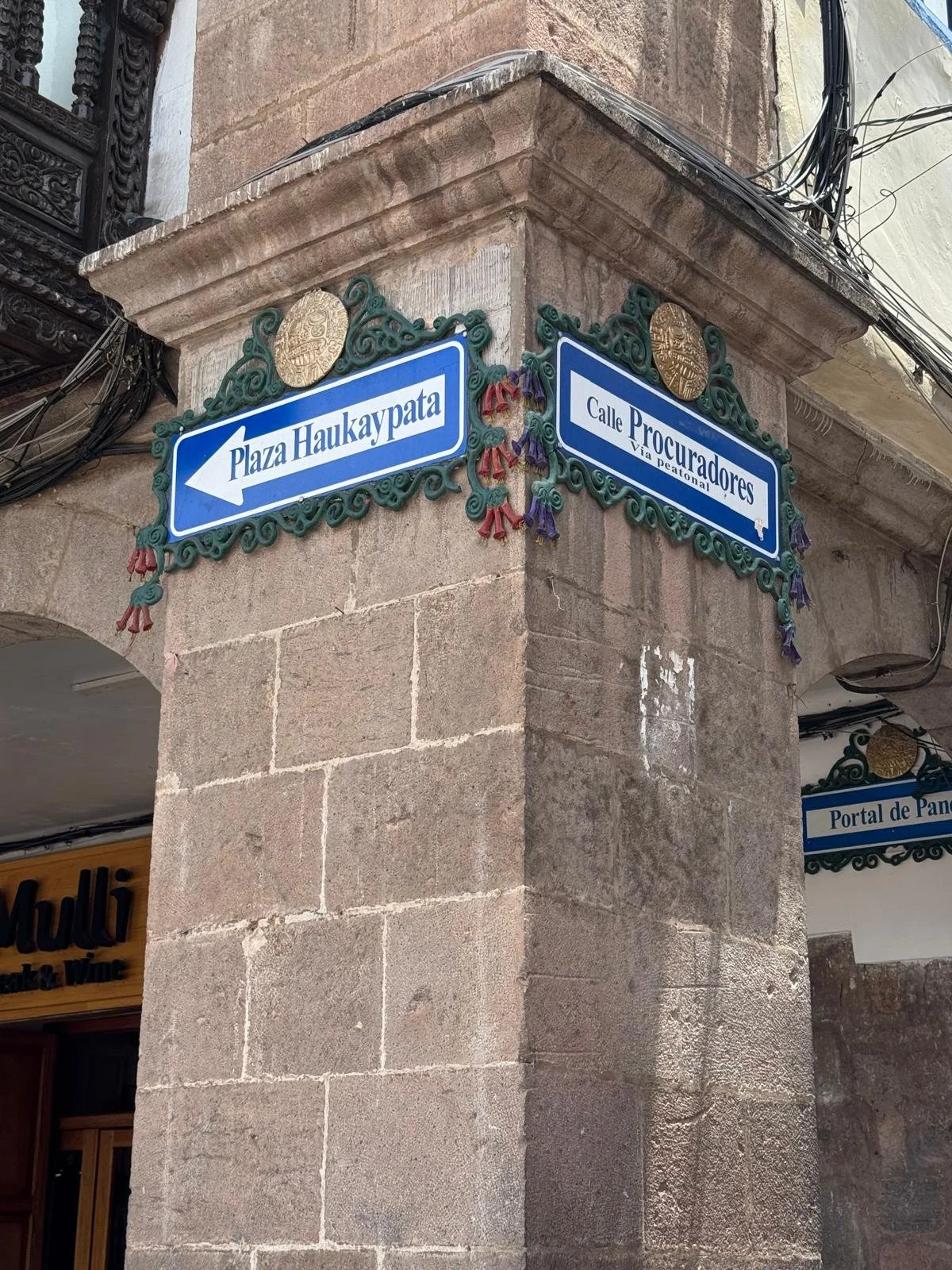
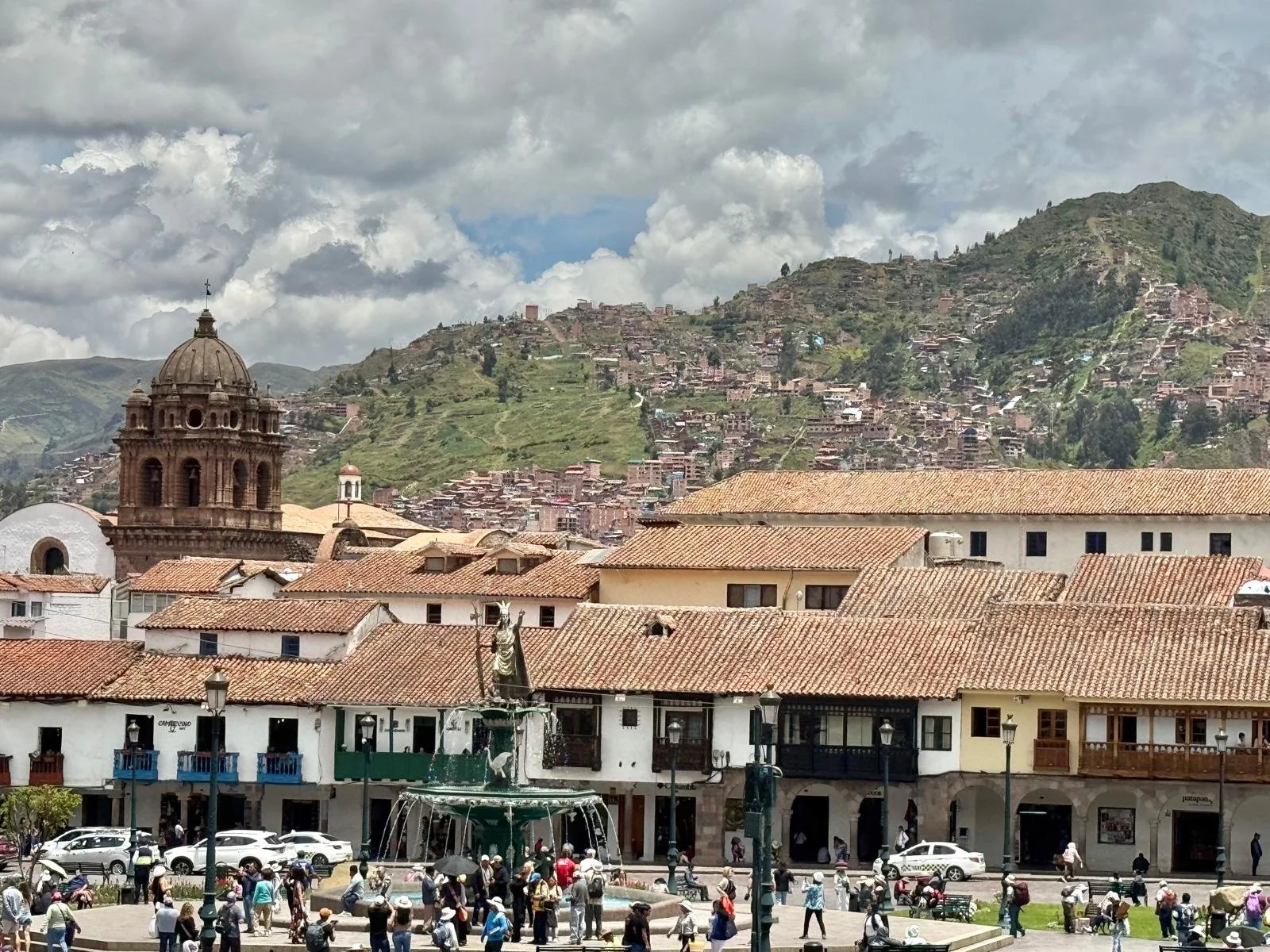
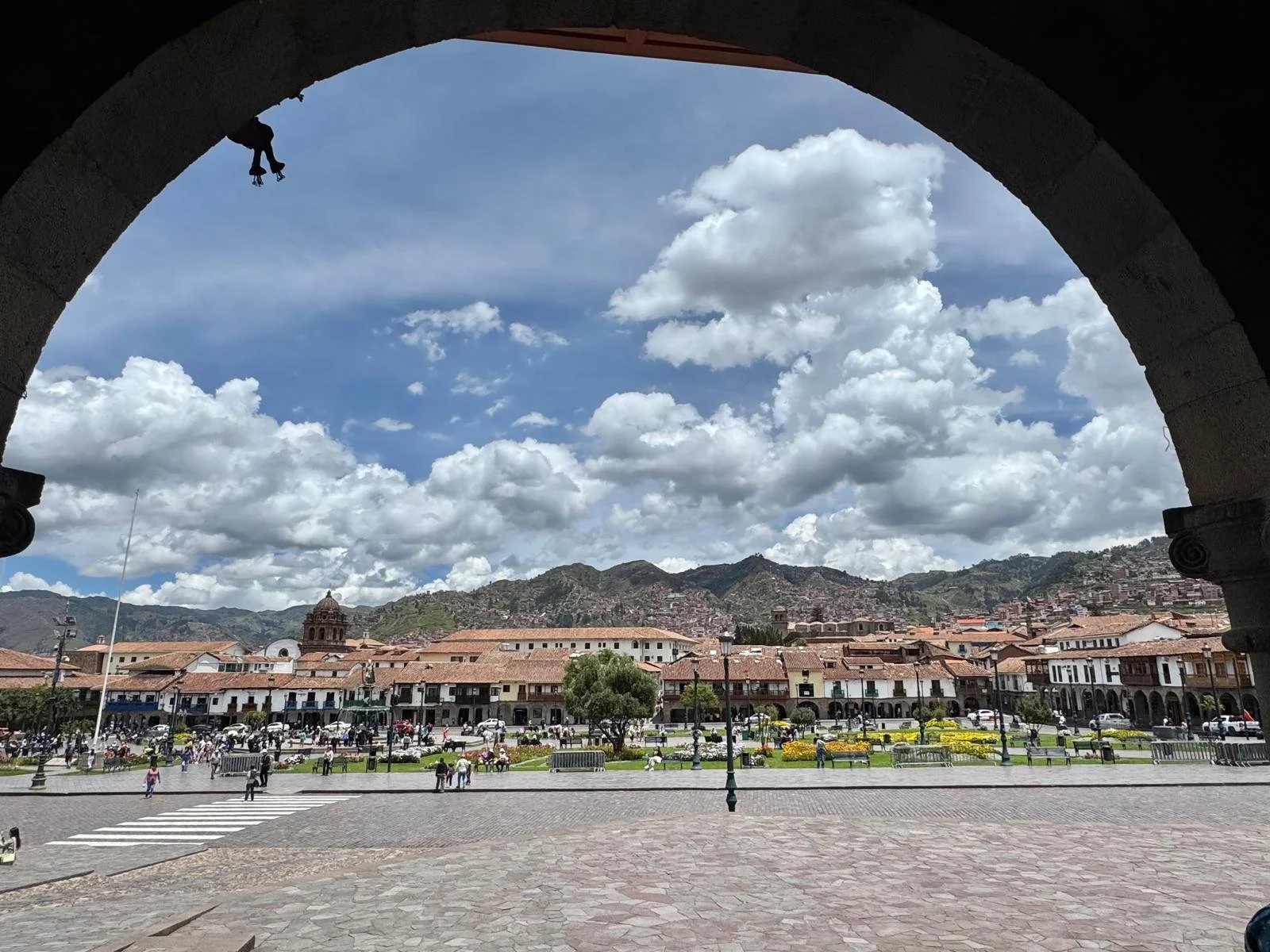
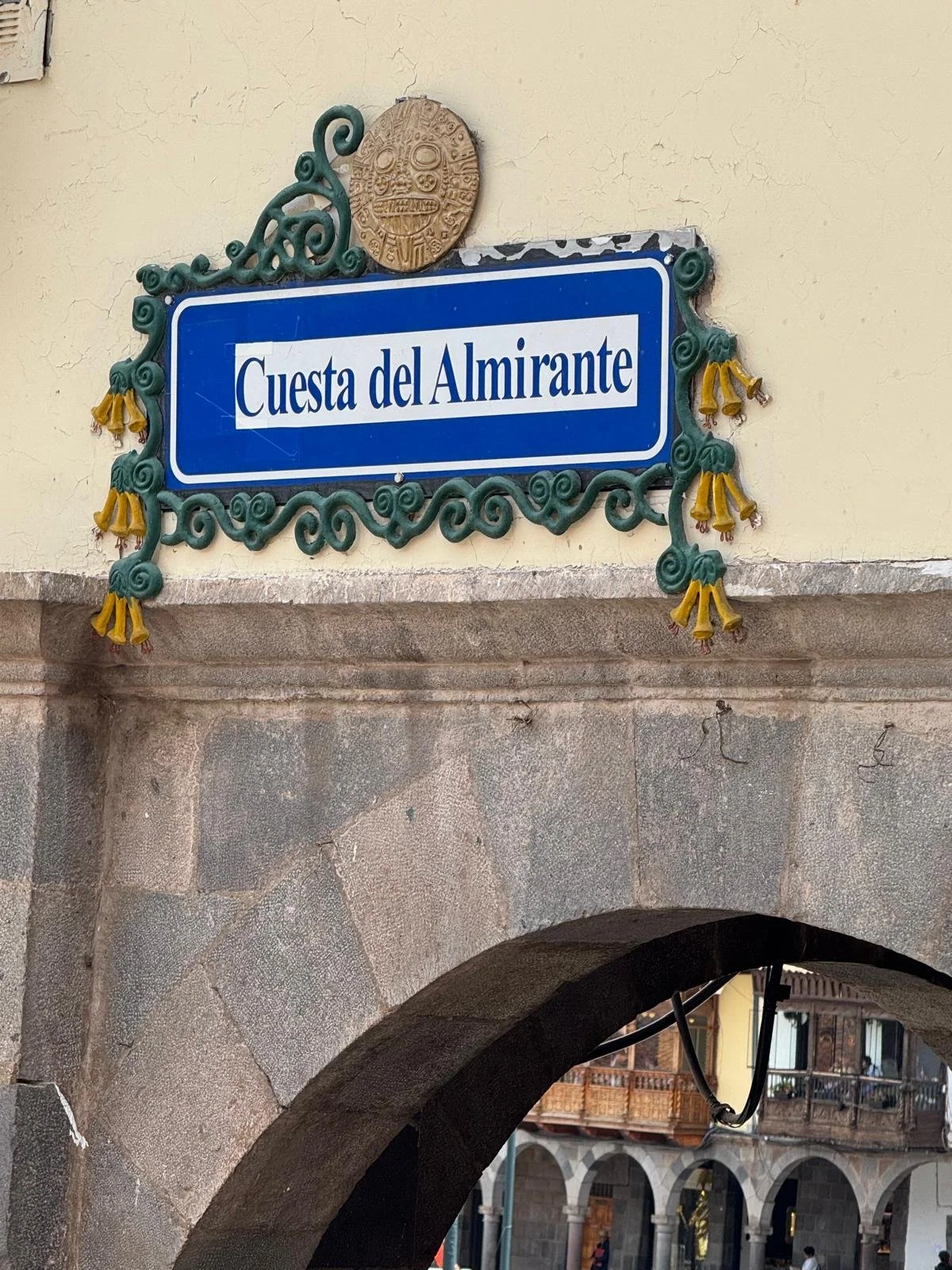
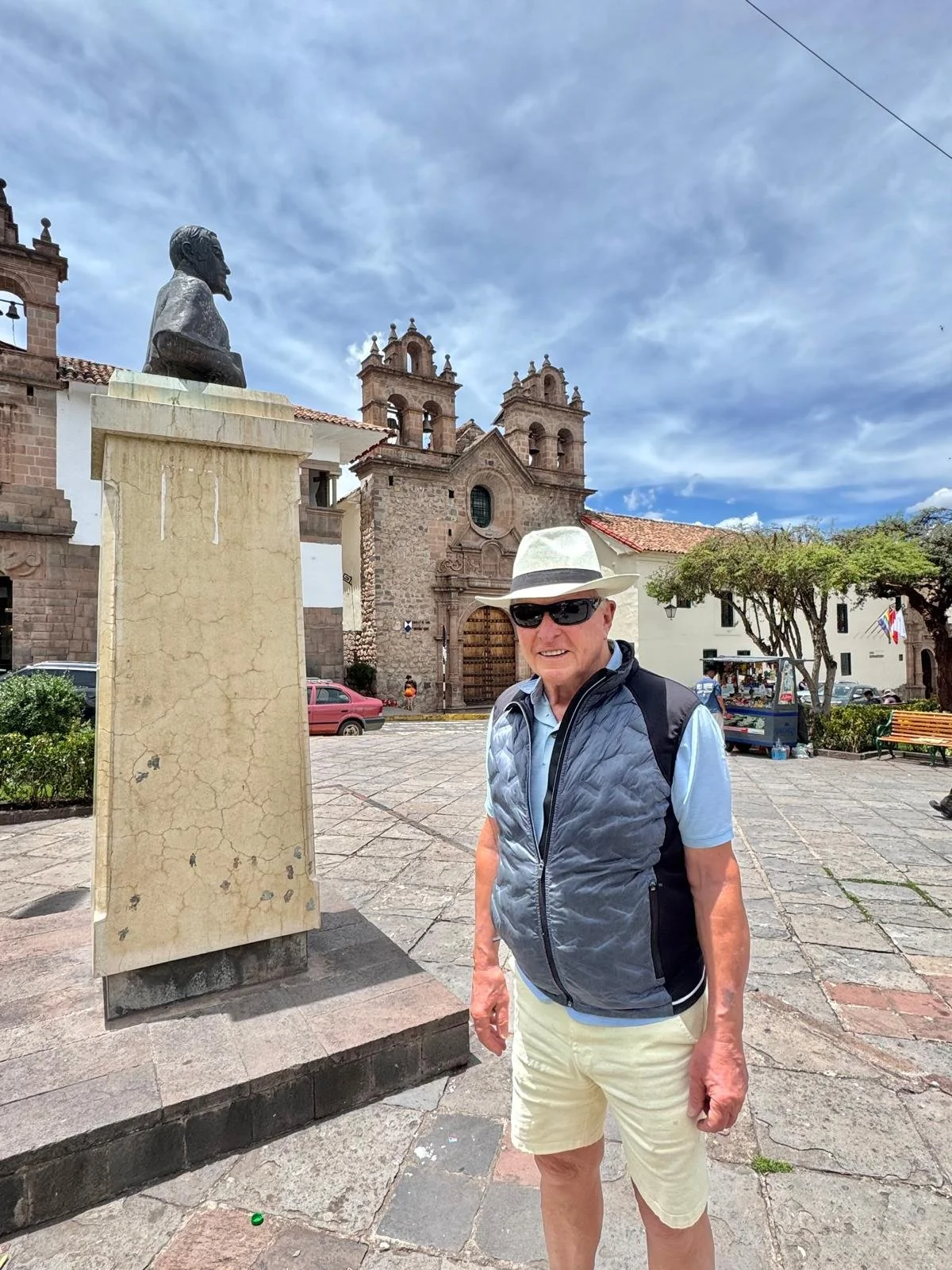
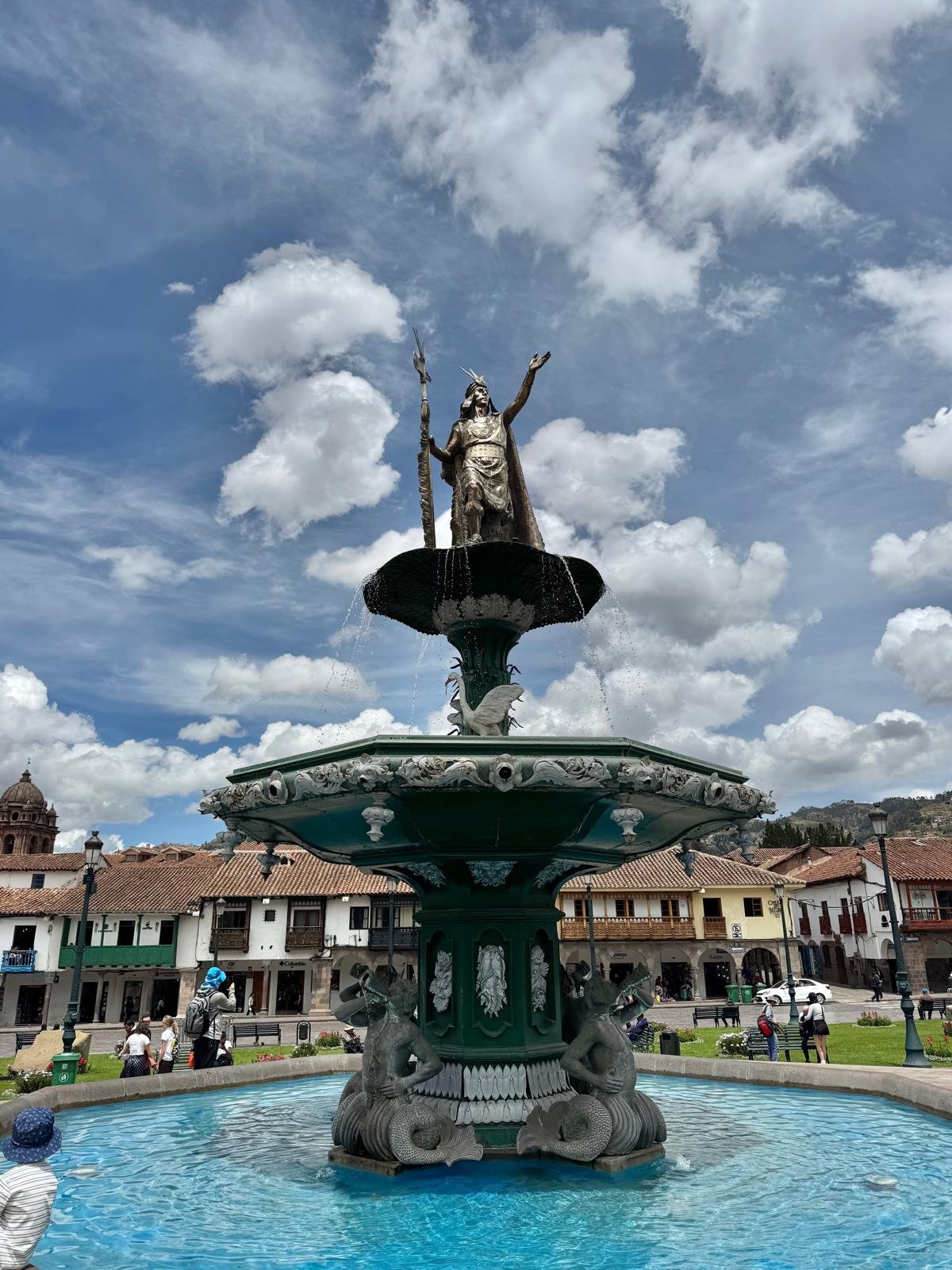
After breakfast we headed out to have a look at the area around our hotel. We are bang in the middle of all the action and footsteps from the Plaza de Armas, the historic, cultural, and social heart of the city, which blends Inca foundations with colonial architecture and some pretty impressive buildings. The central fountain and manicured gardens are absolutely delightful – I’ve noticed how much they value flowers, and colourful ones too, here in Peru, which of course I love! In the centre is a statue of the ninth Sapa Inca, Pachacútec above the fountain symbolising the power, grandeur and cultural identity of the Inca civilization, and all around are old arched walkways of shops, cafés and restaurants. It’s definitely the centre of the action. We had a lovely walk around the old, cobbled streets and stopped for a coffee overlooking the Plaza before heading back to the hotel to meet up with our guide for this afternoon’s tour.
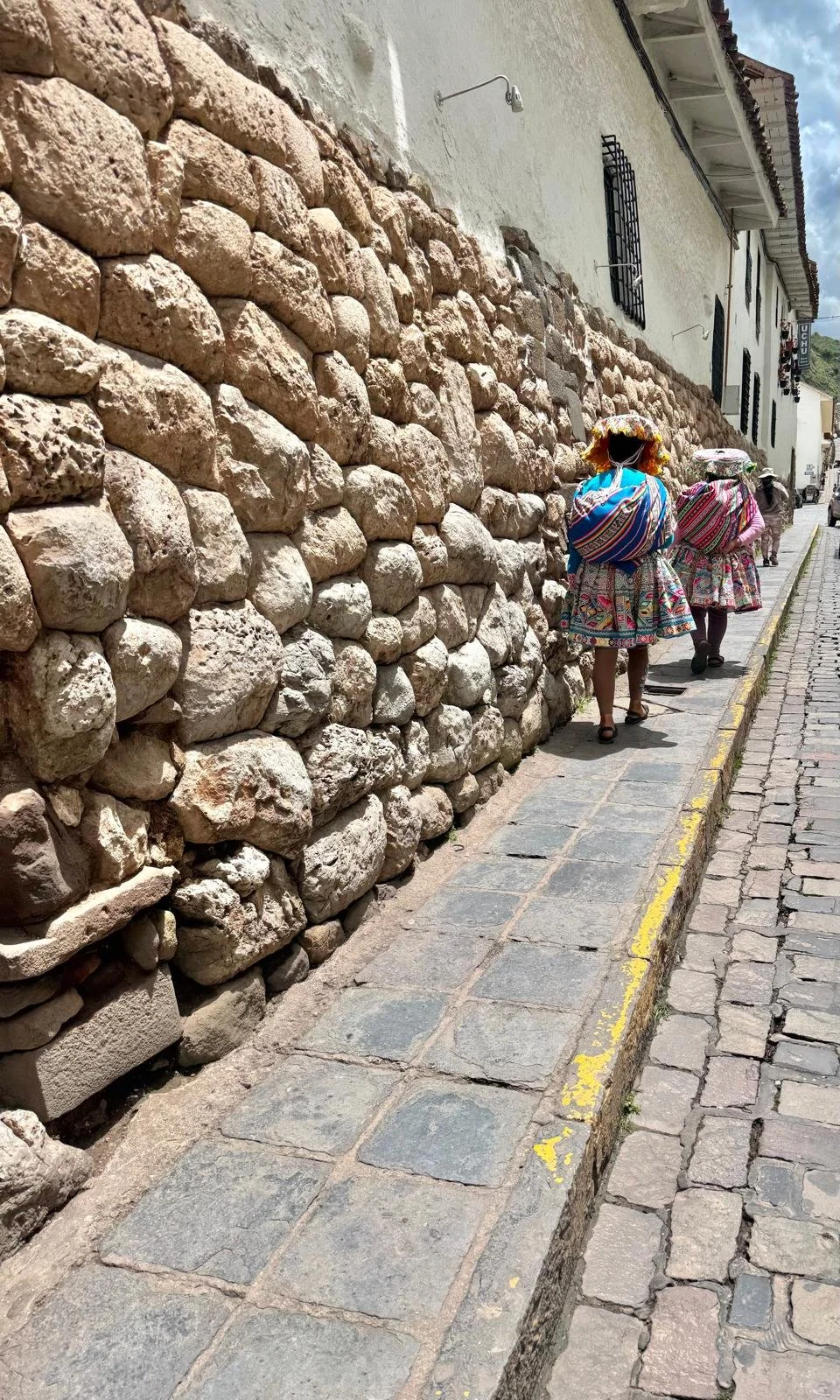
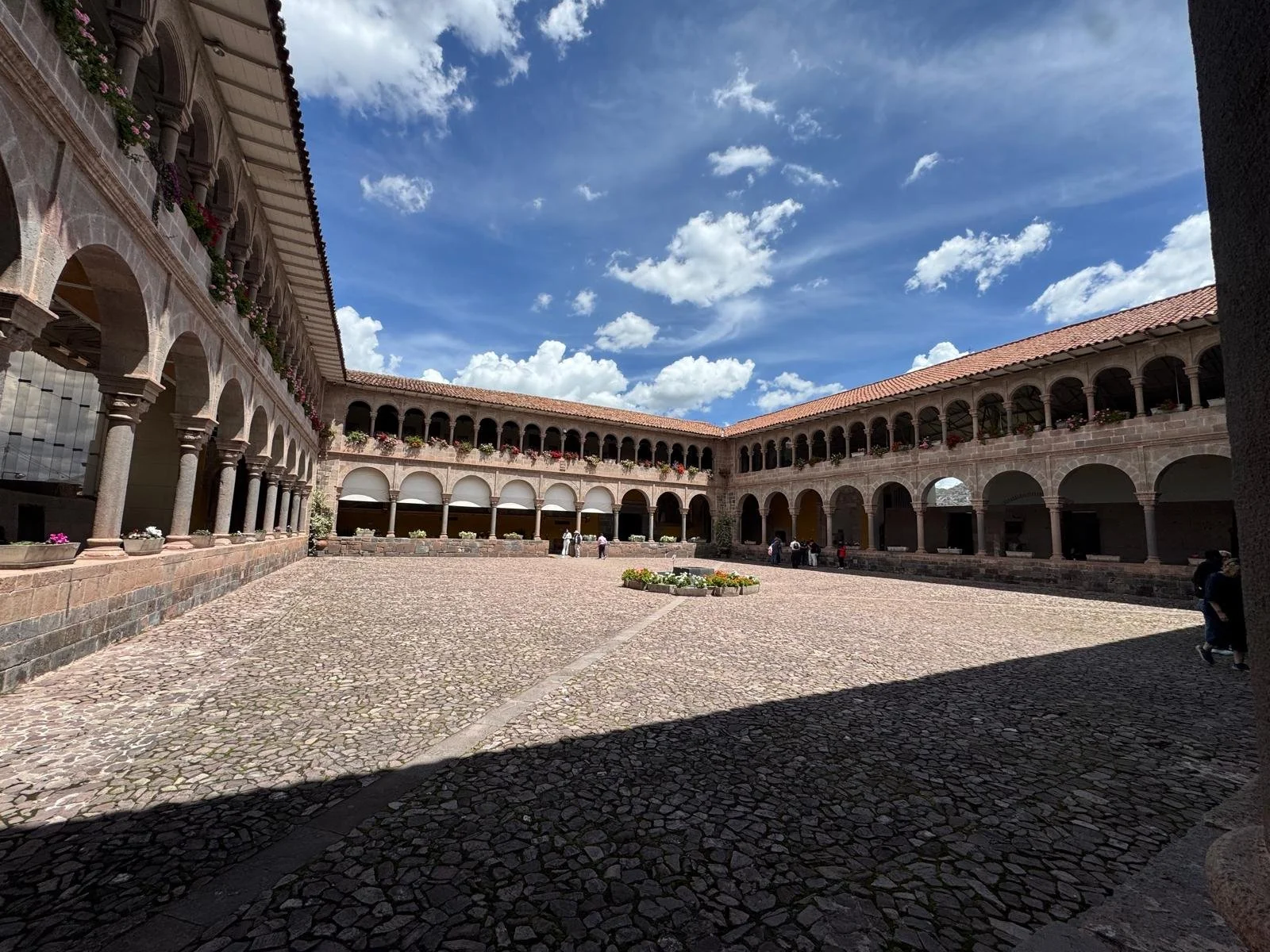
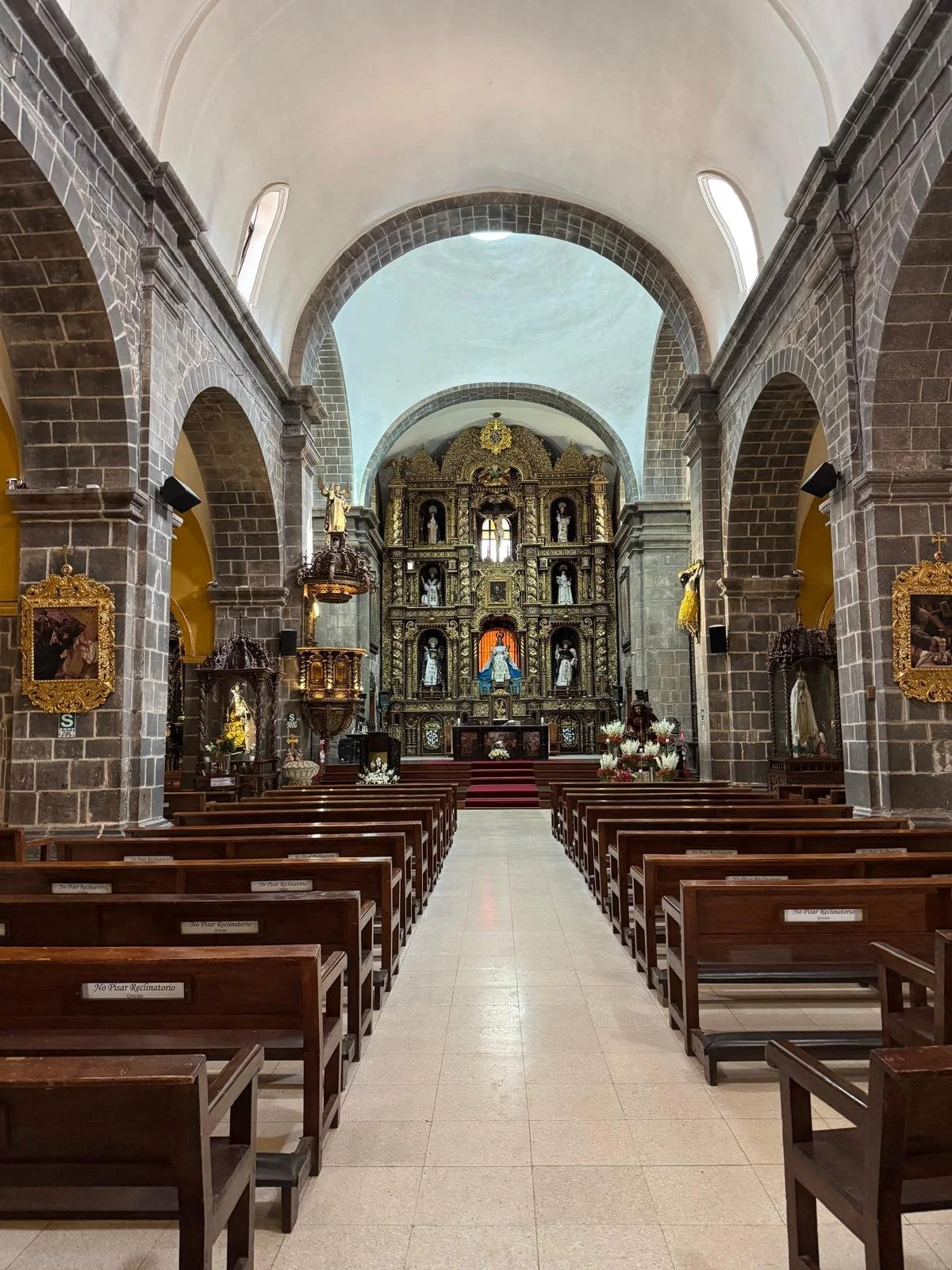
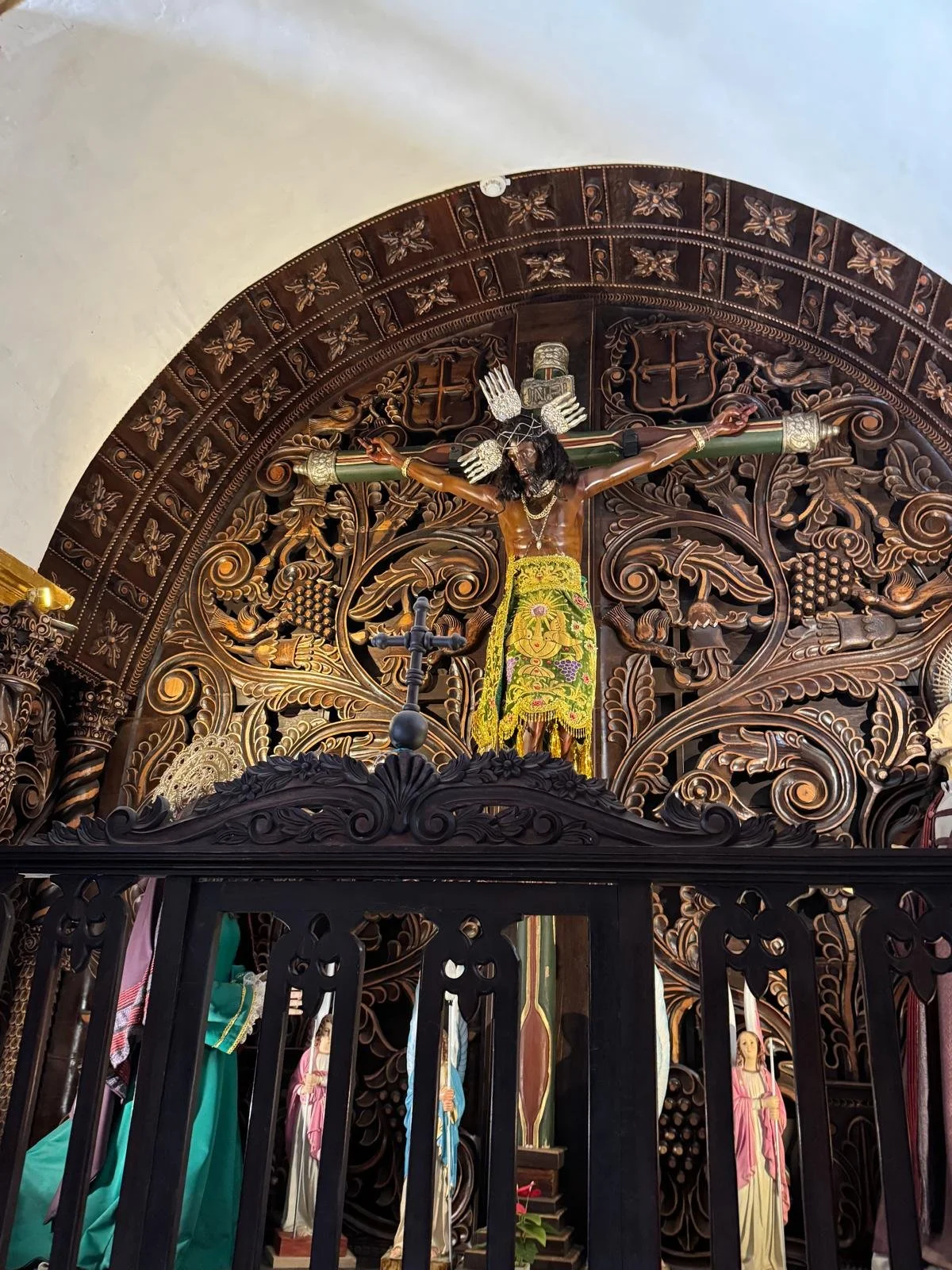
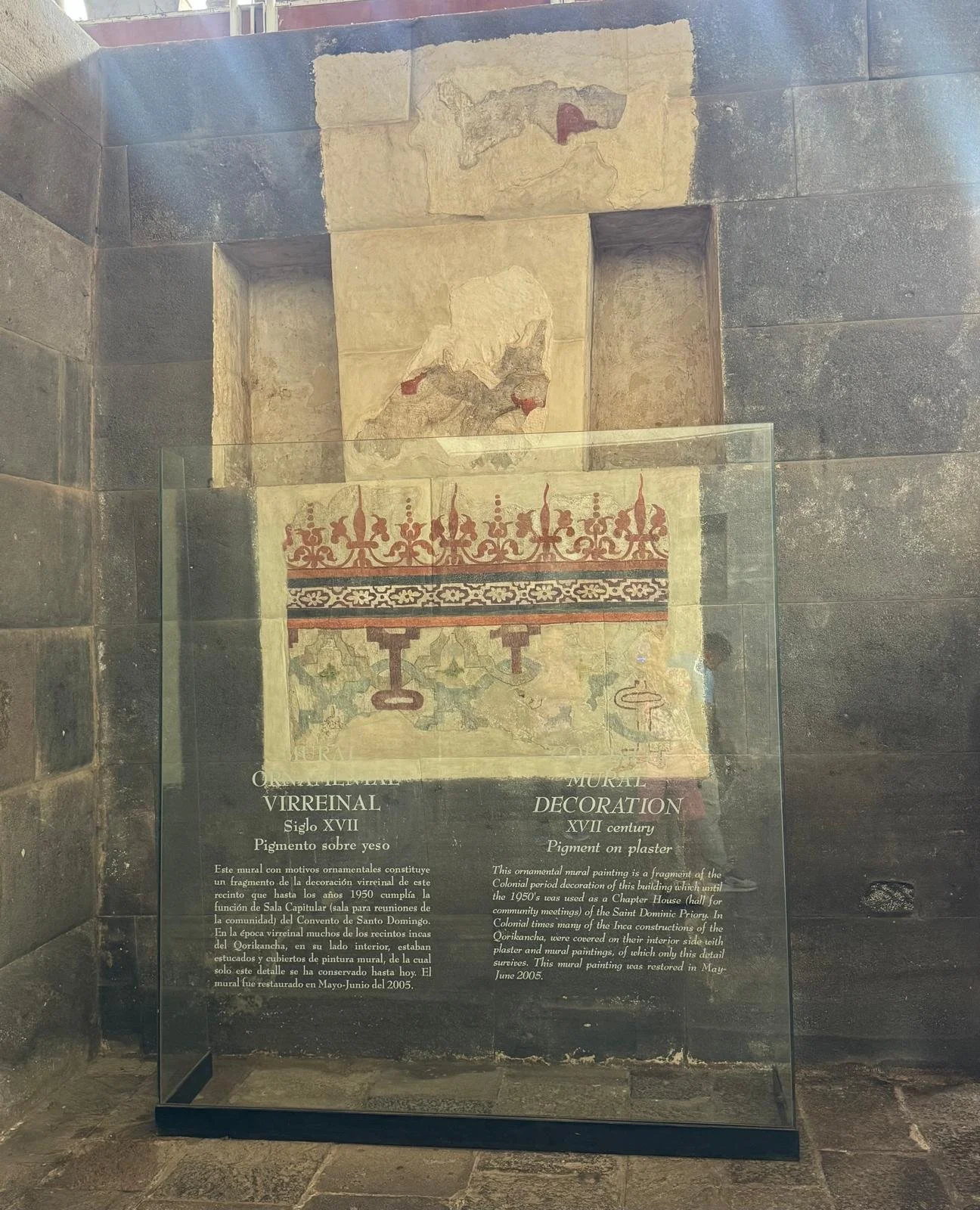
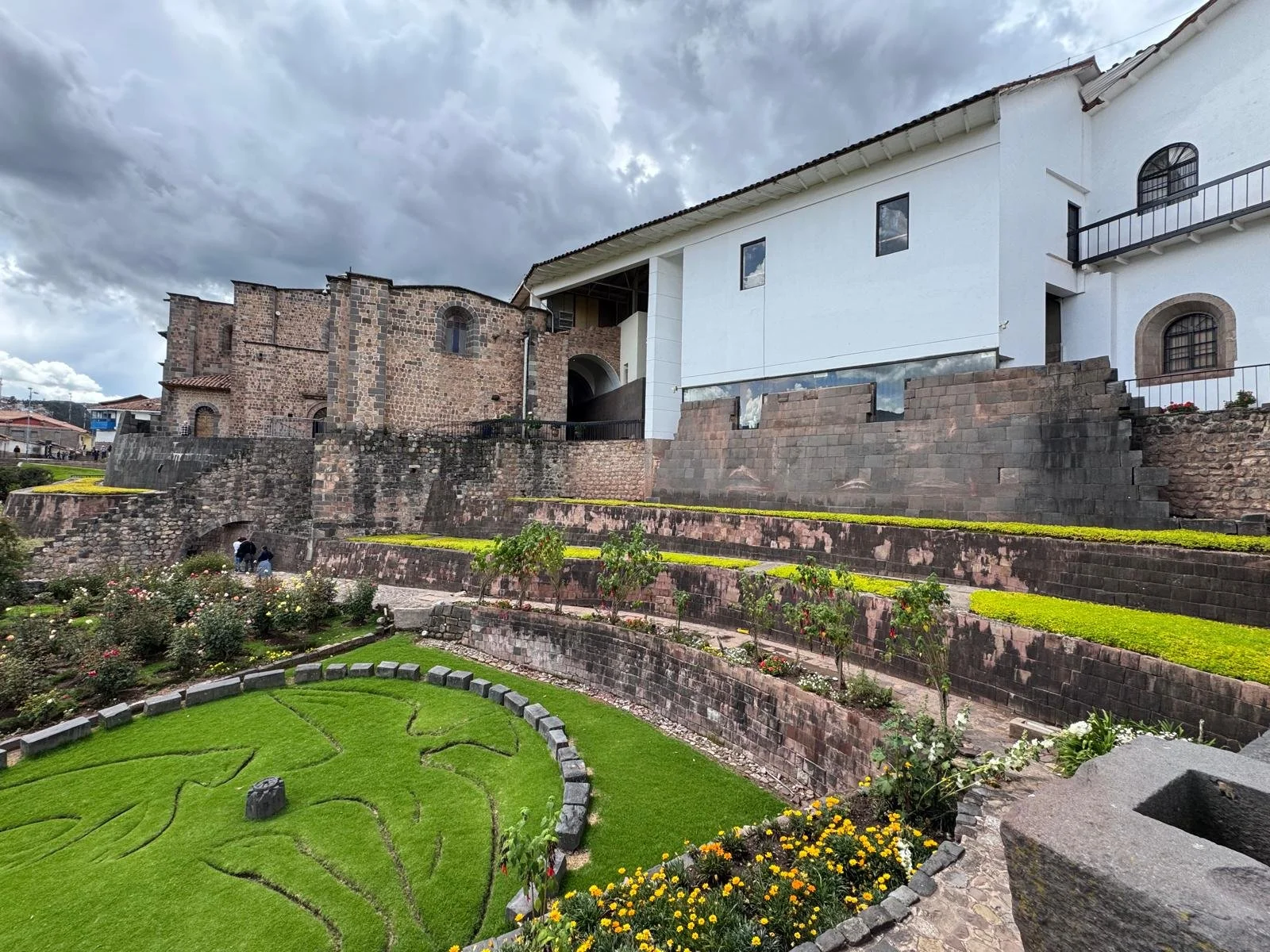
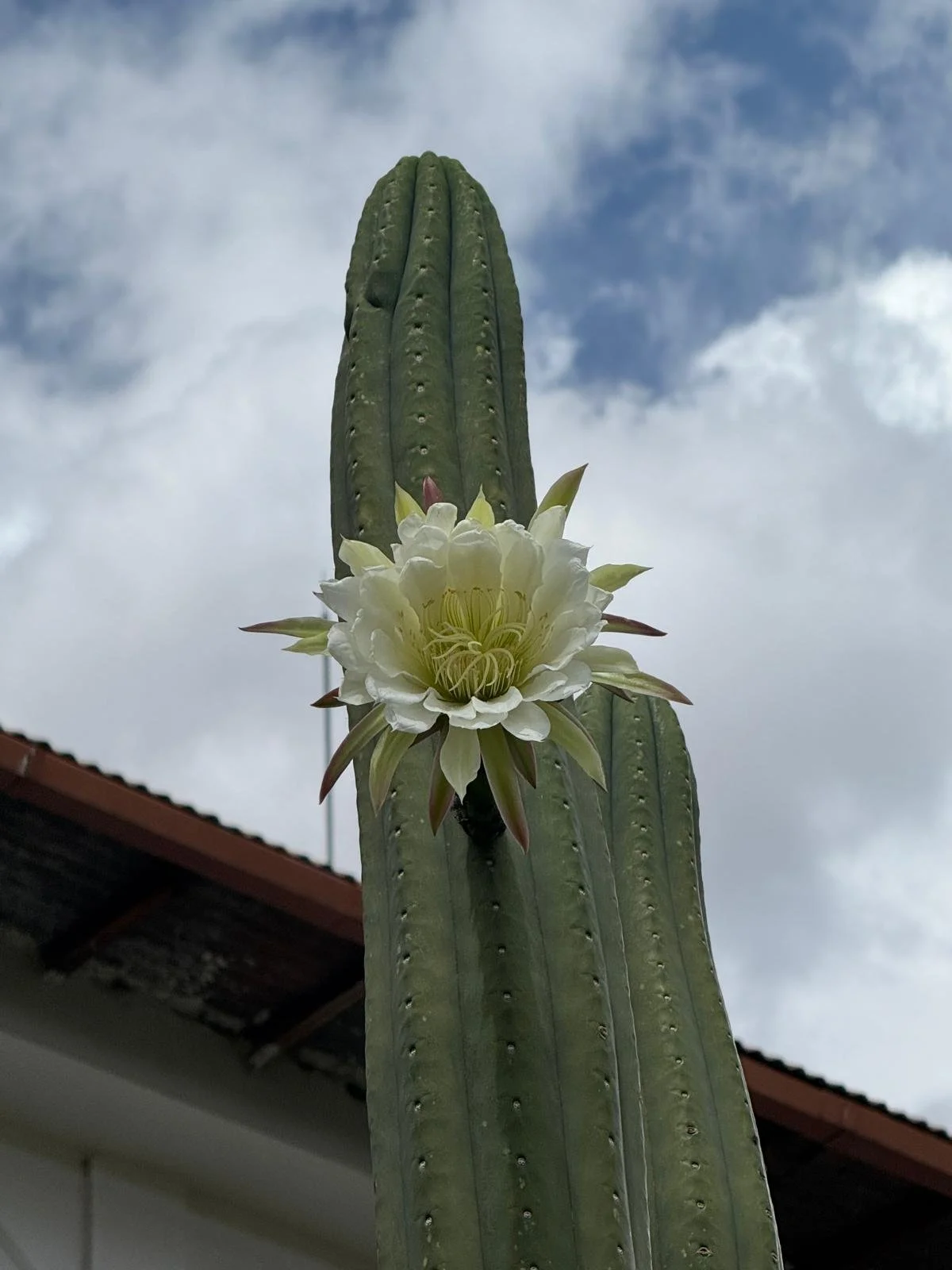
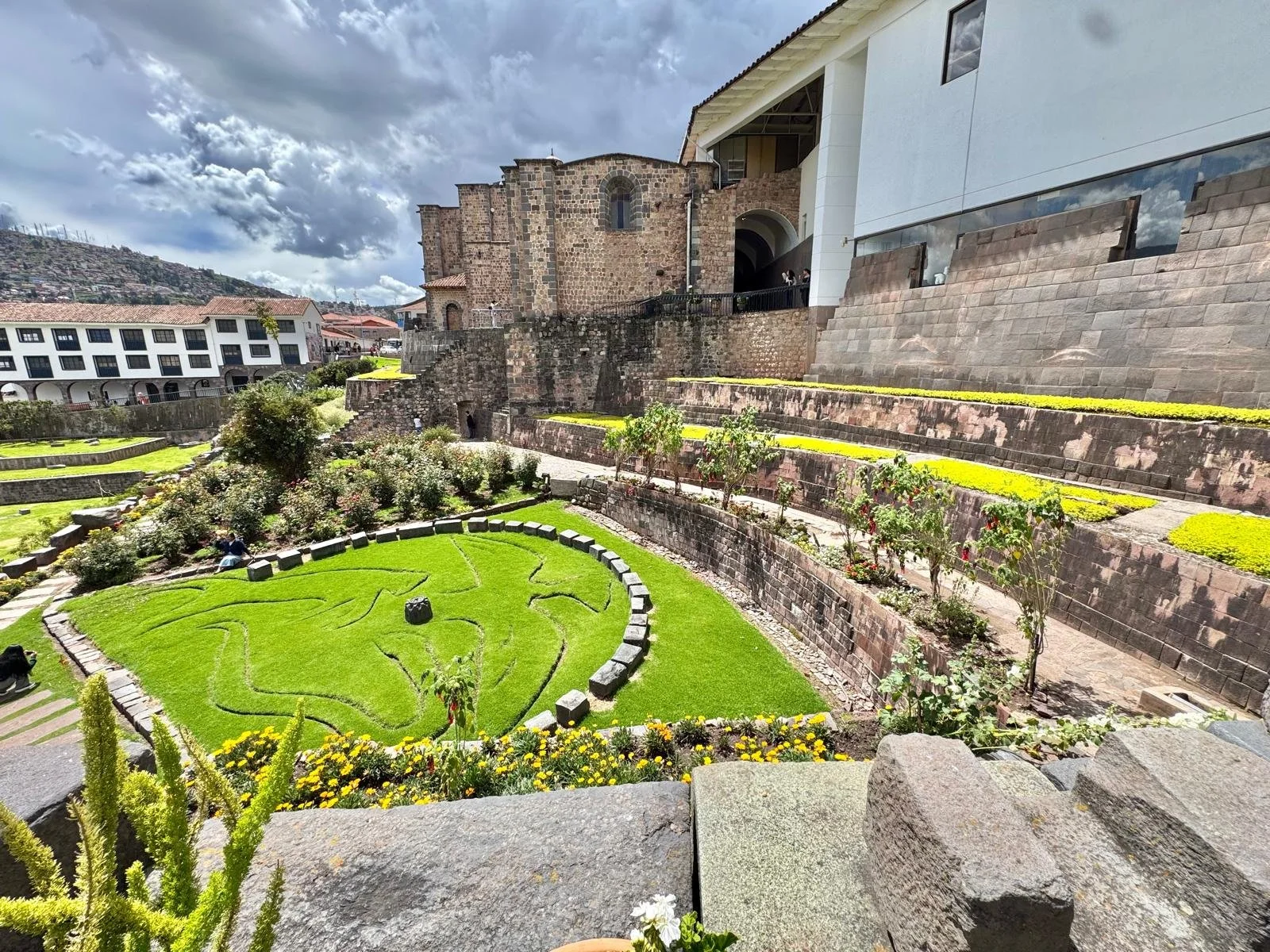
Our first stop was at the Convento San Domingo, a 16th-century Dominican convent built directly above the Qorikancha, (Golden Enclosure) the most important Inca Temple of the Sun with its Spanish colonial architecture replacing the Inca foundations and featuring baroque structures blending in with the finely cut Inca stone walls. The Spanish conquerors sought to impose the Catholic faith over the most venerated sacred space by the Incas, merging two traditions and marking the beginning of the cultural and religious mix in Cusco. It features a cloister, patios and a baroque church with a beautiful stone façade and tower. During the Inca period, dedicated mainly to the Sun God Inti, its walls were covered with gold sheets and housed statues, altars and offerings . I don’t want this blog to turn into a history book so will just put some photos underneath and you can google it if you want more information!
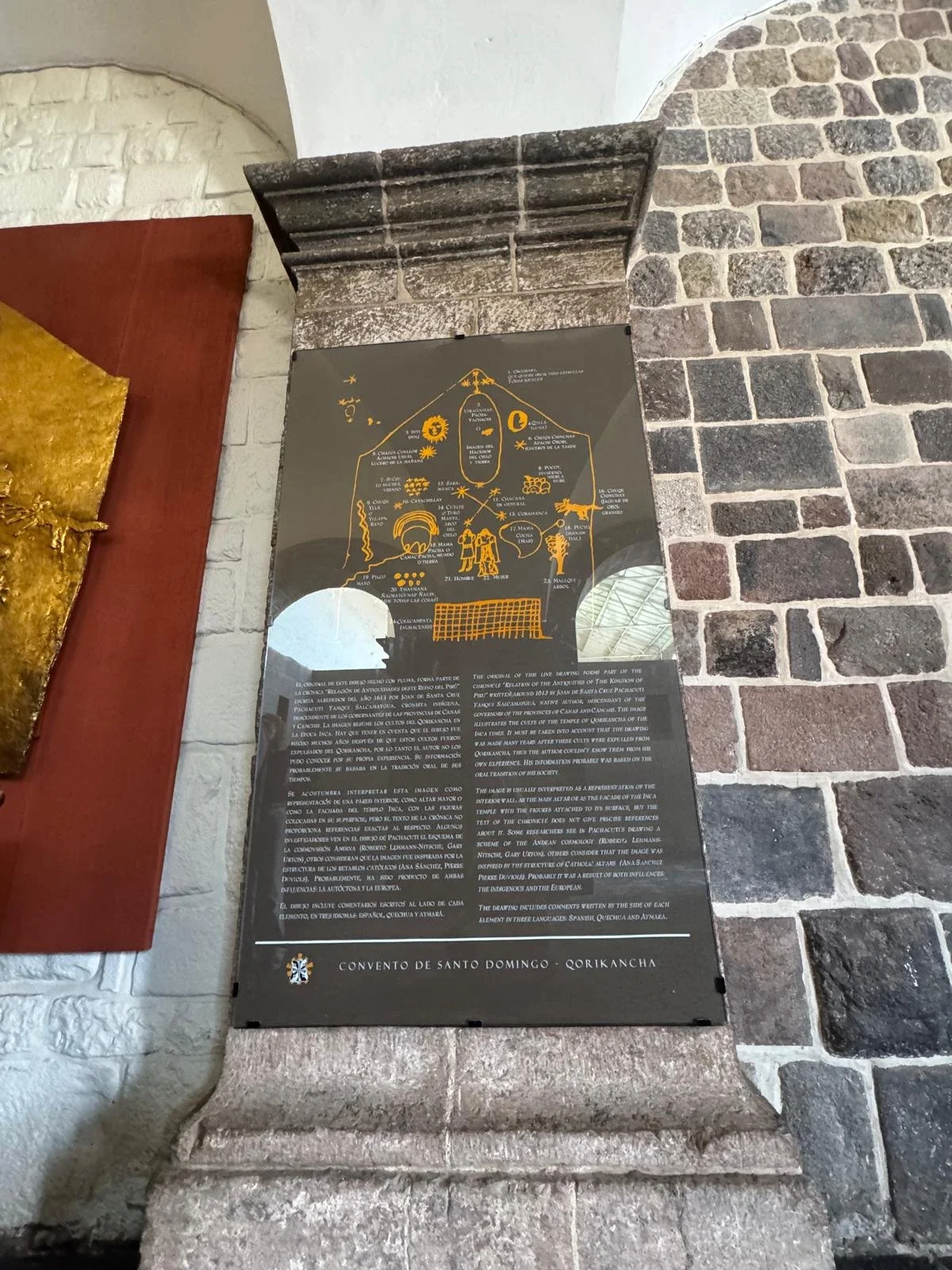
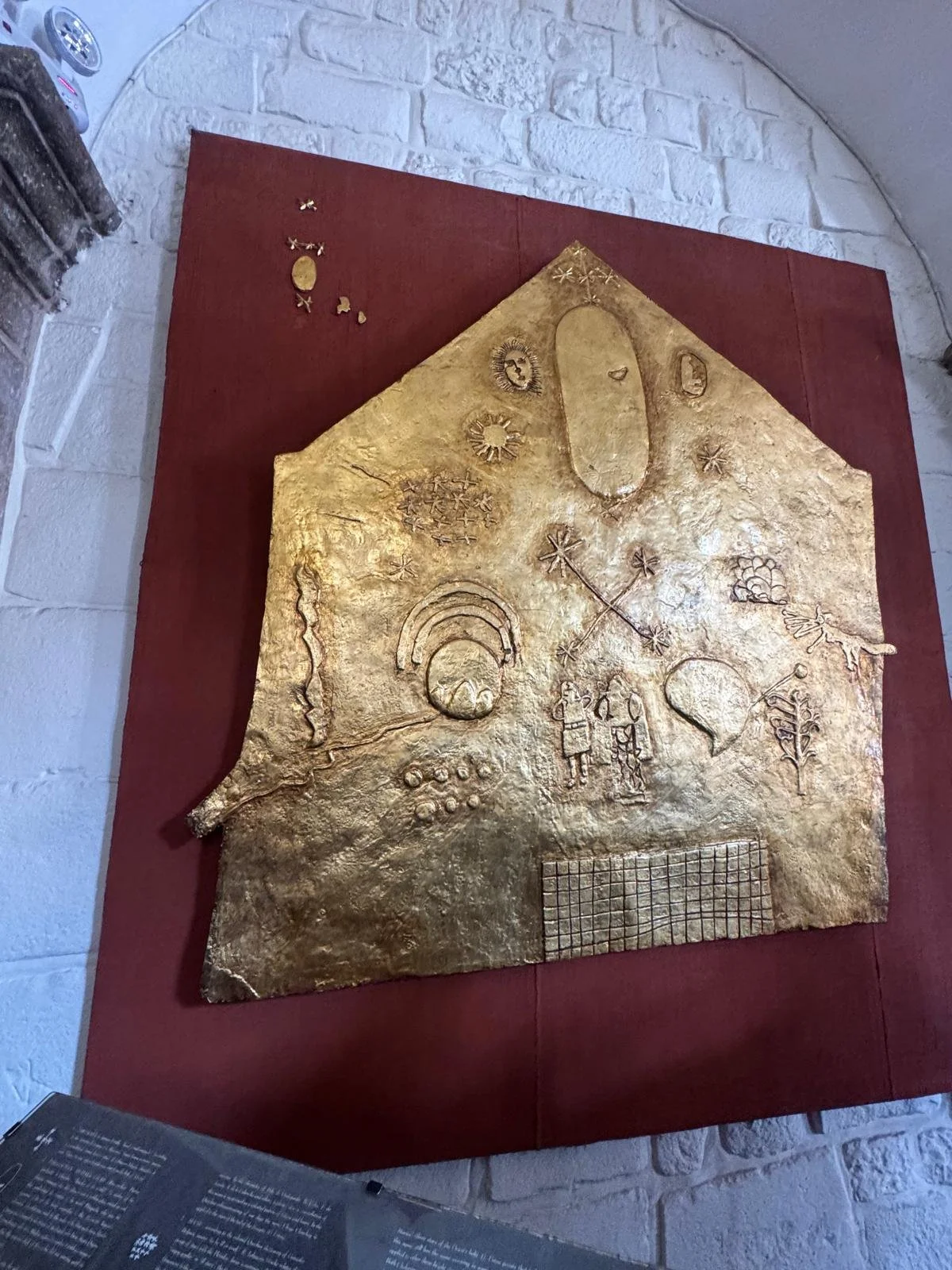
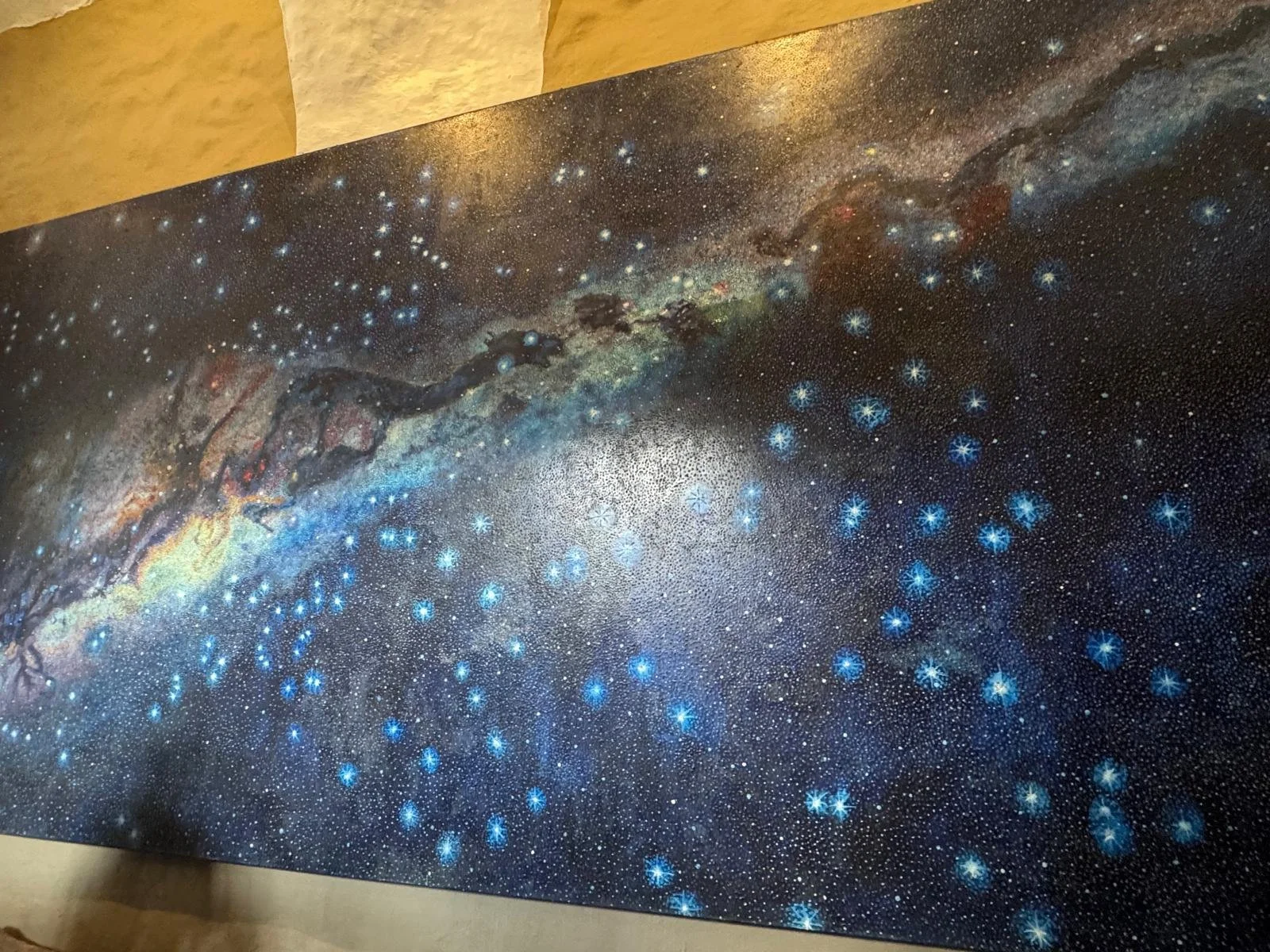
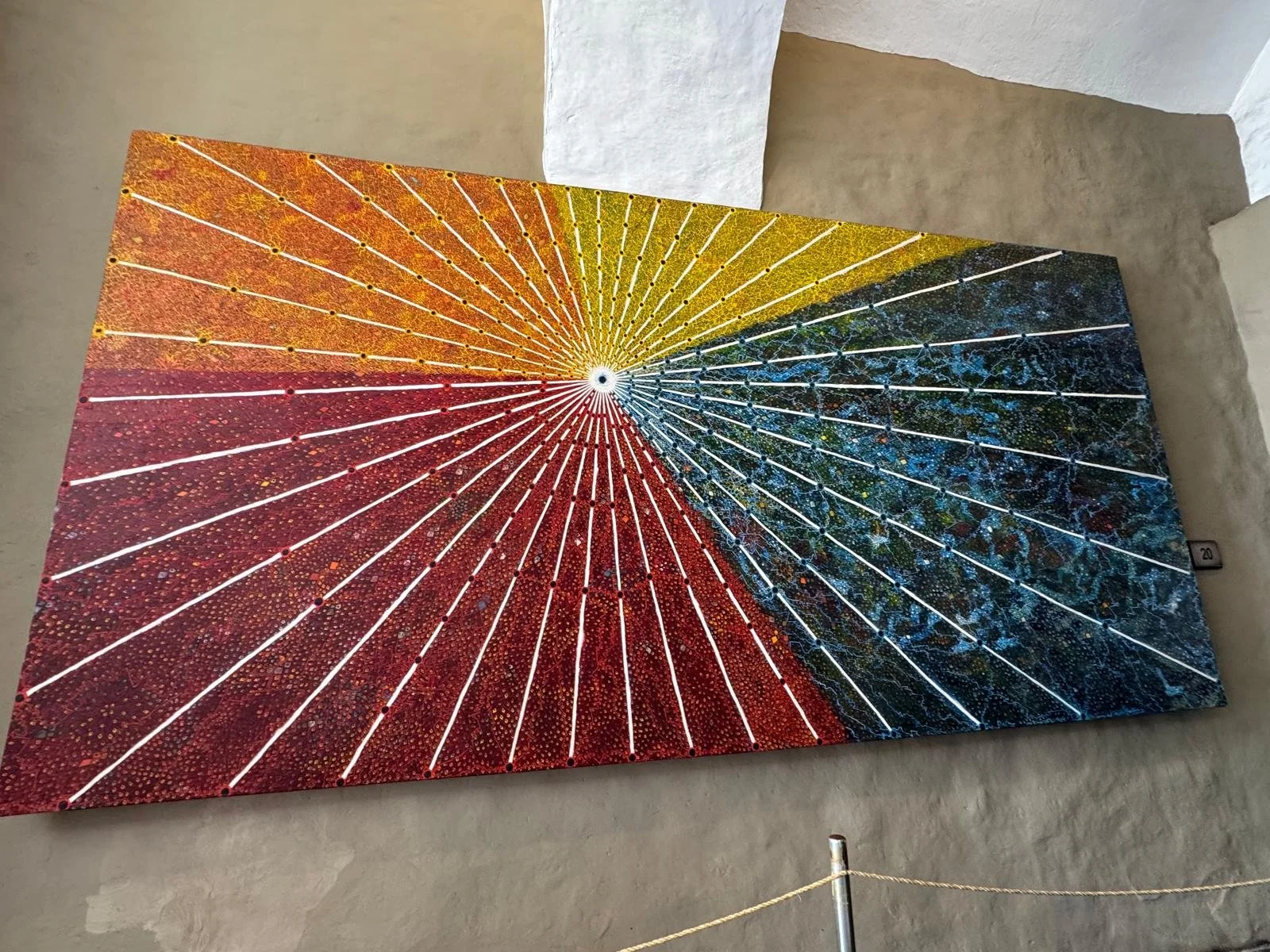
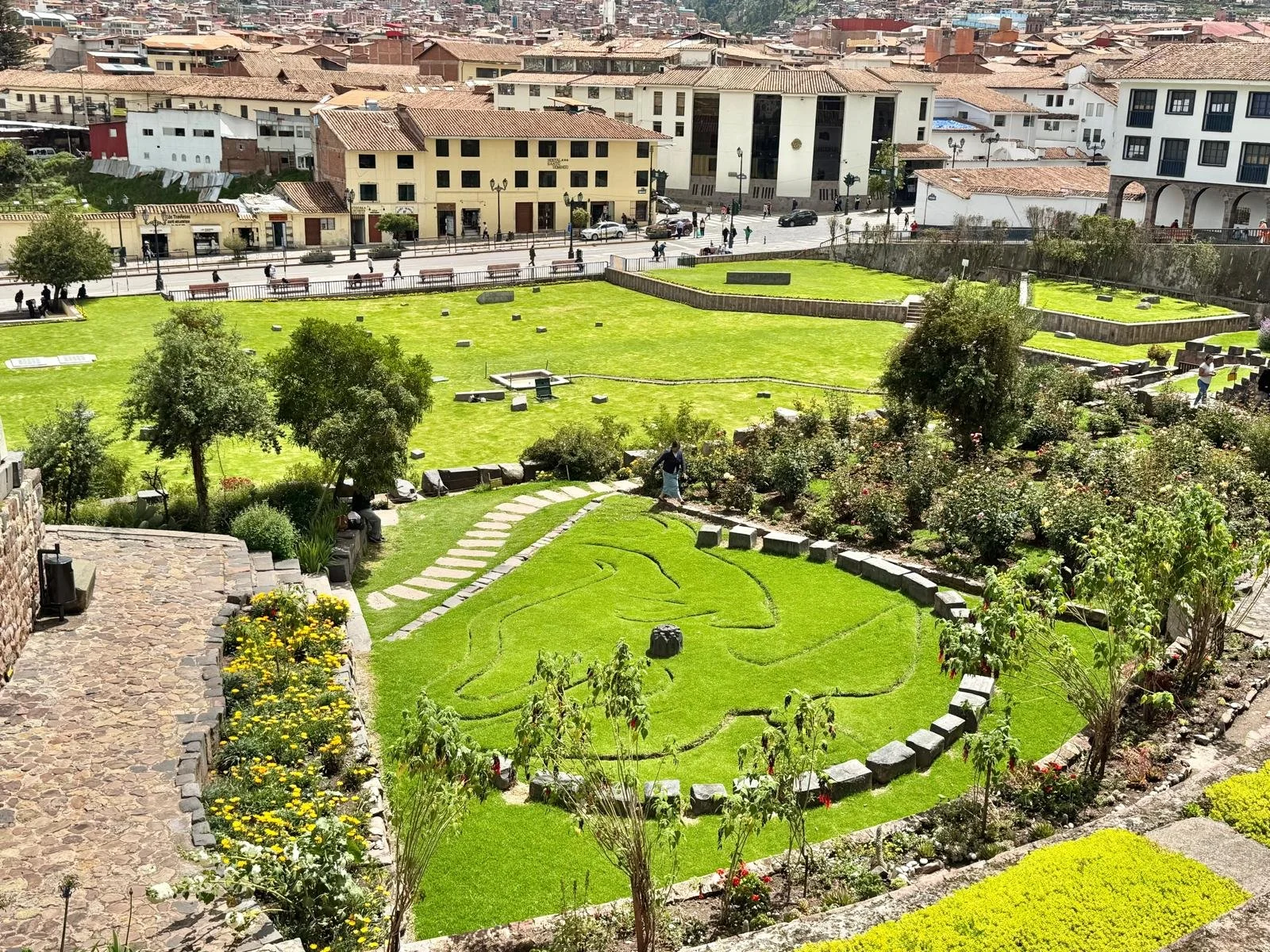
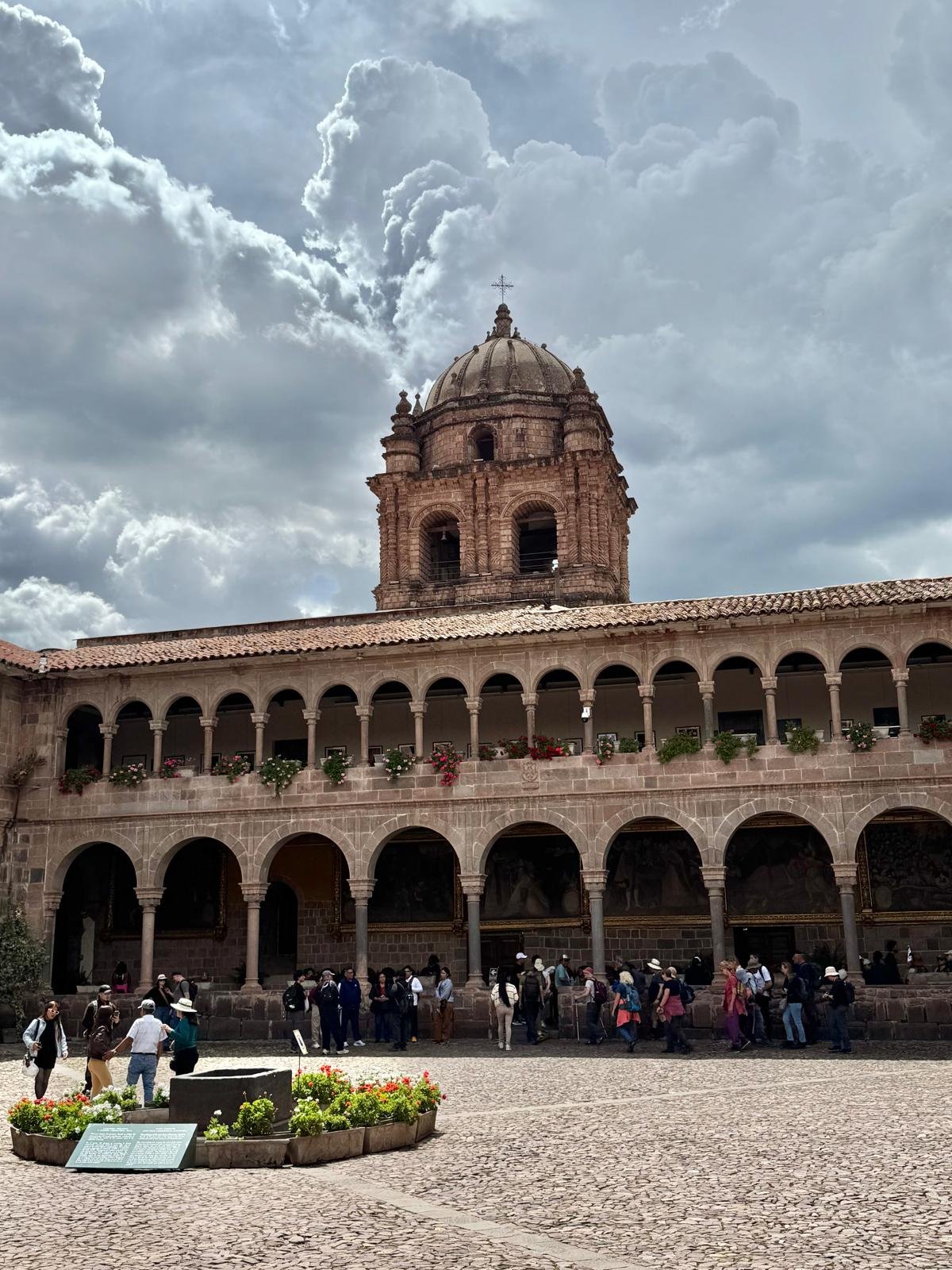
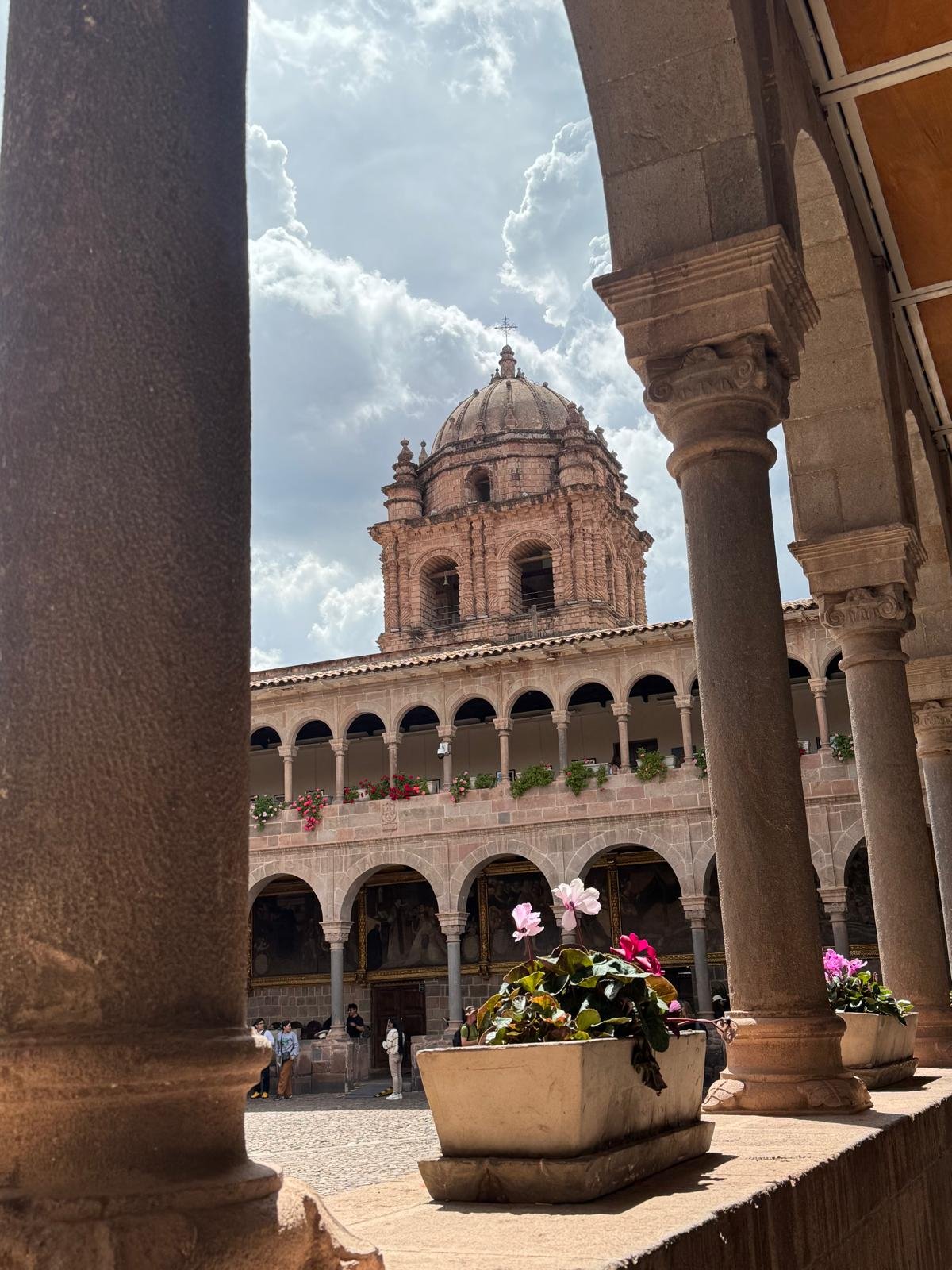
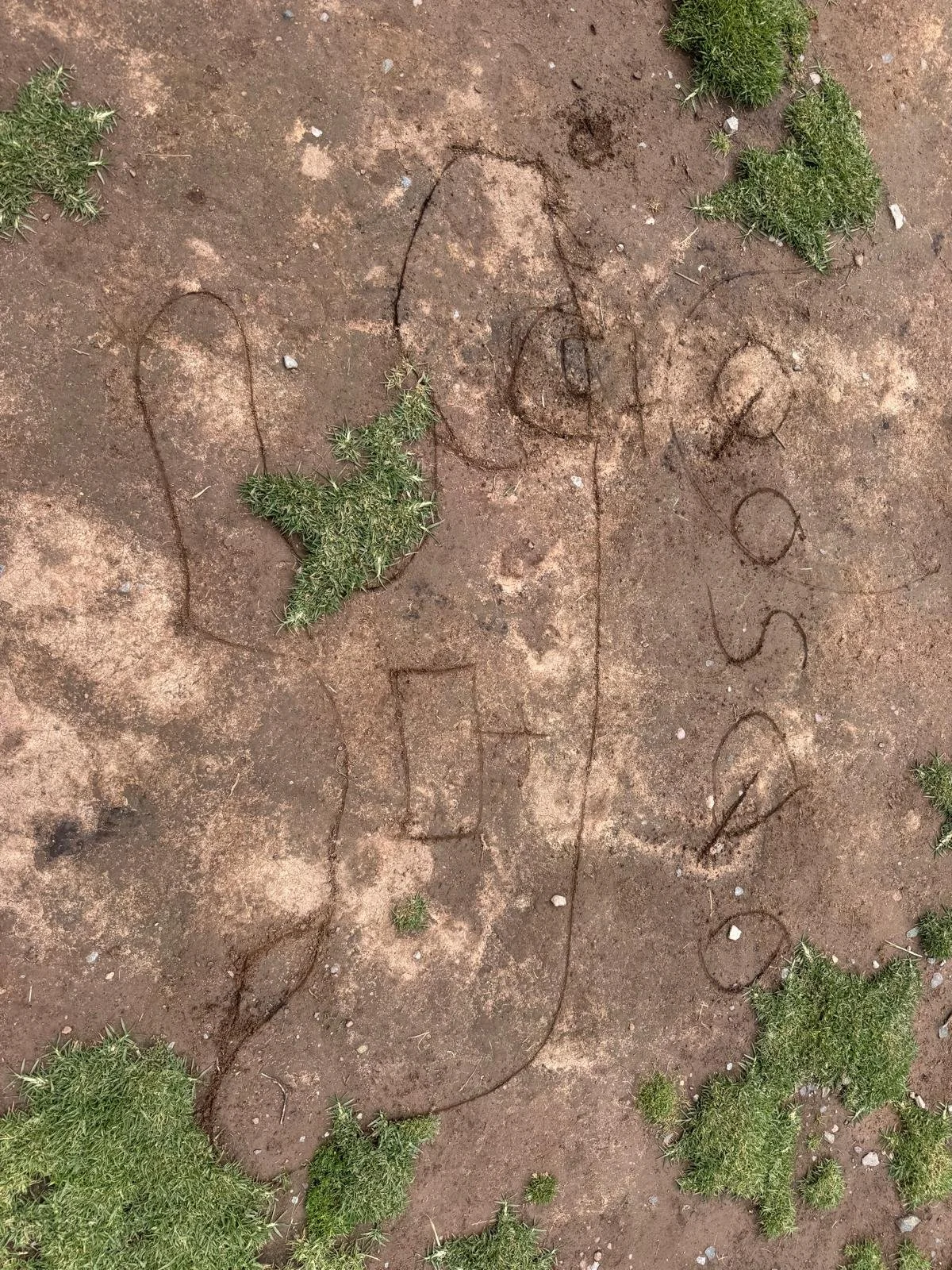
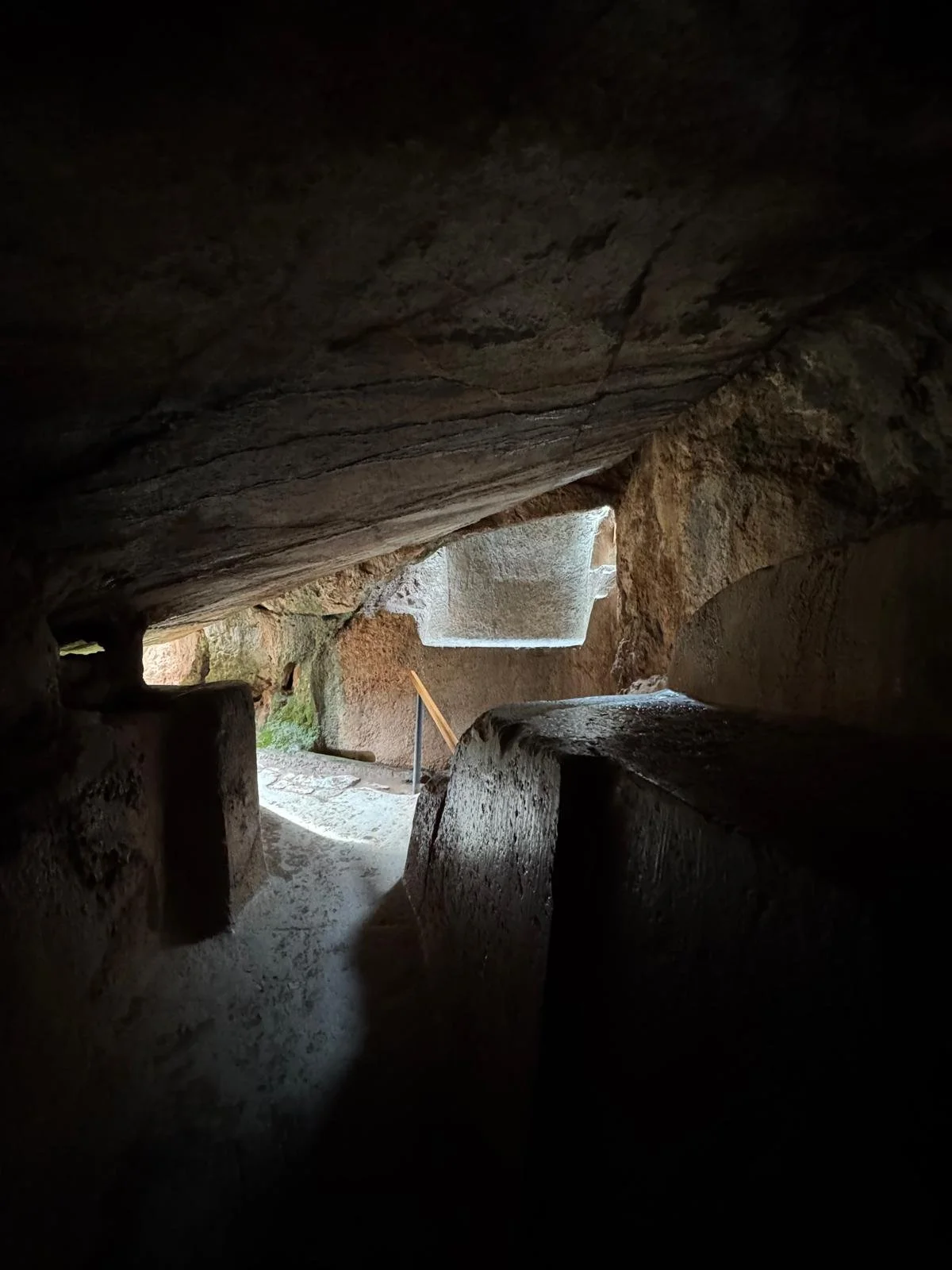
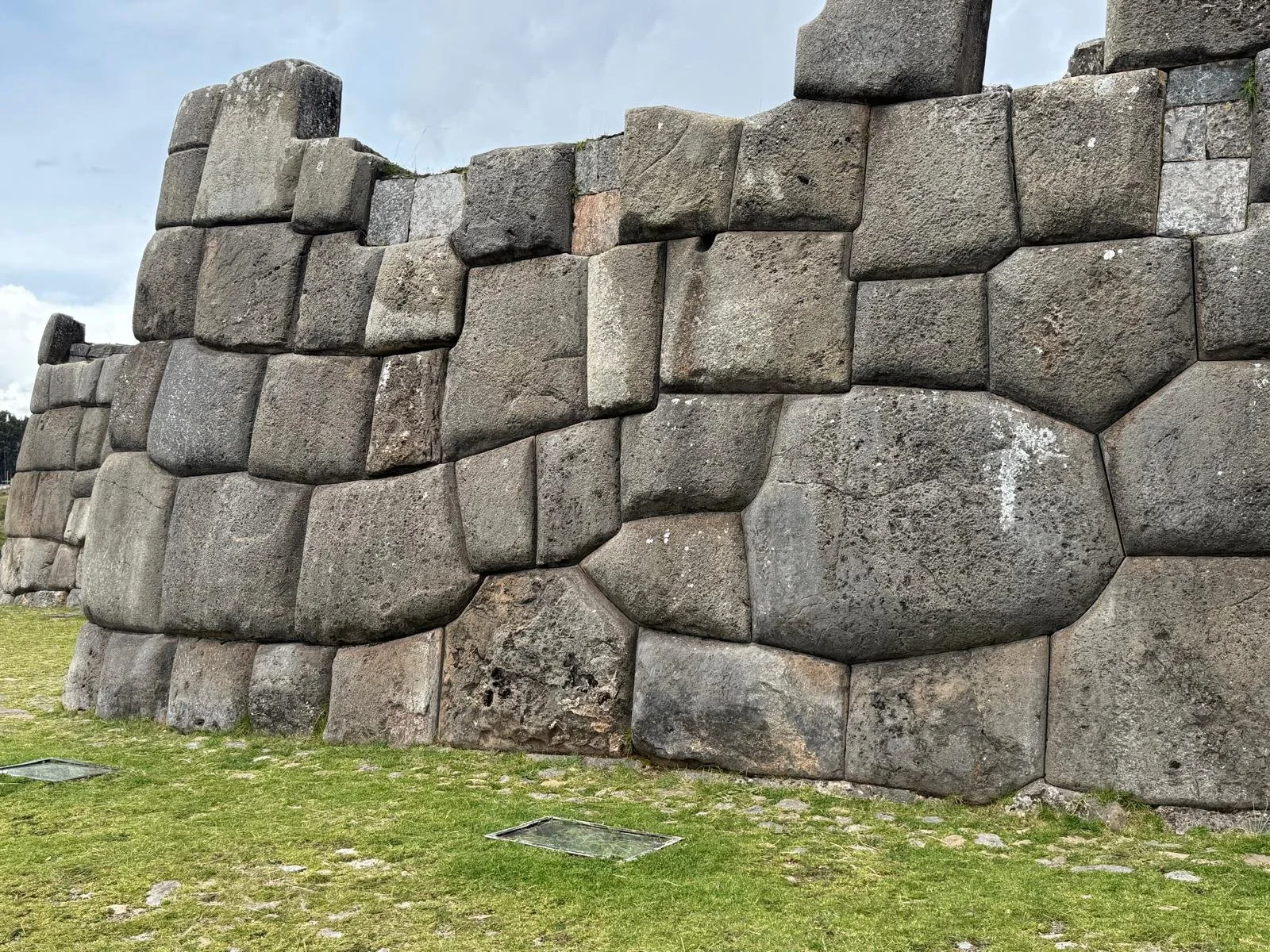
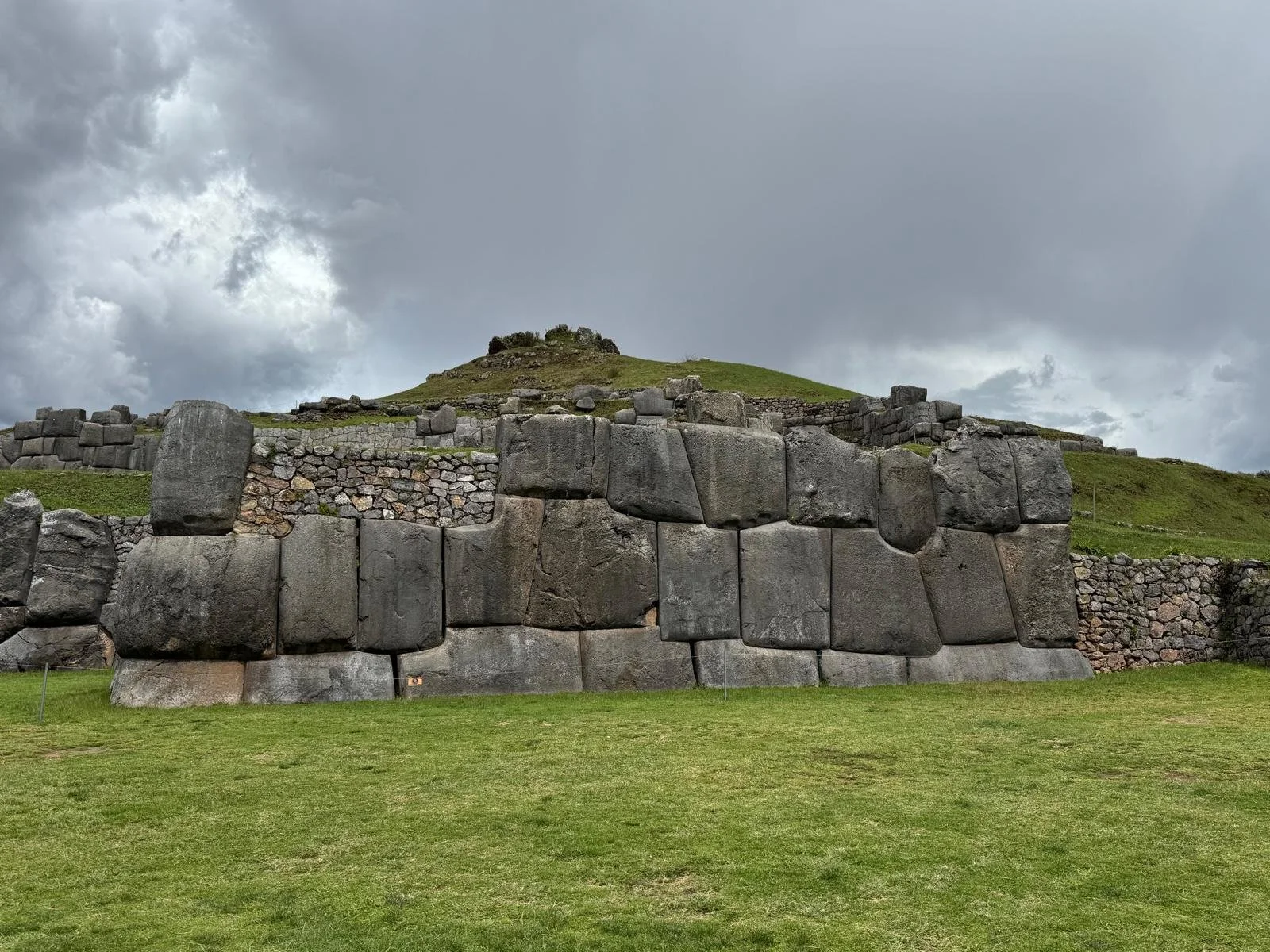
Next up was to see the Qenqo archaeological site – Qenqo comes from Quechua and means “labyrinth or zig-zag” and it refers to the galleries, crevices and carved channels found throughout this site. It was lovely to be walking outside; we were on Socorro Hill and looking at the intricate rock carvings and stonework. Yes, those stones again – the problem with a few of the tours is that we have had some overlapping information so I’m not going to go into too much detail here – I’ll just give you a few facts. Cusco is built in the shape of a puma and our guide marked out the shape of this on the ground, note his spelling of Cusco in Quechua, and many of the rocks we will see this morning are from the top of the puma’s head. This place served as the primary centre for religious ceremonies and astronomical observations, dedicated to honouring Pachamama (Mother Earth). There were plenty of rock carvings, and one large rock was carved into the shape of a puma. An underground chamber featured a sacrificial altar, and it was believed to be a place where mummification took place. Andean beliefs are associated with every element of nature – mountains, rivers and rocks with a spirit known as an apu. Qenqo stands high above Cusco and would have been a wonderful space to connect with these spiritual forces and honour them.
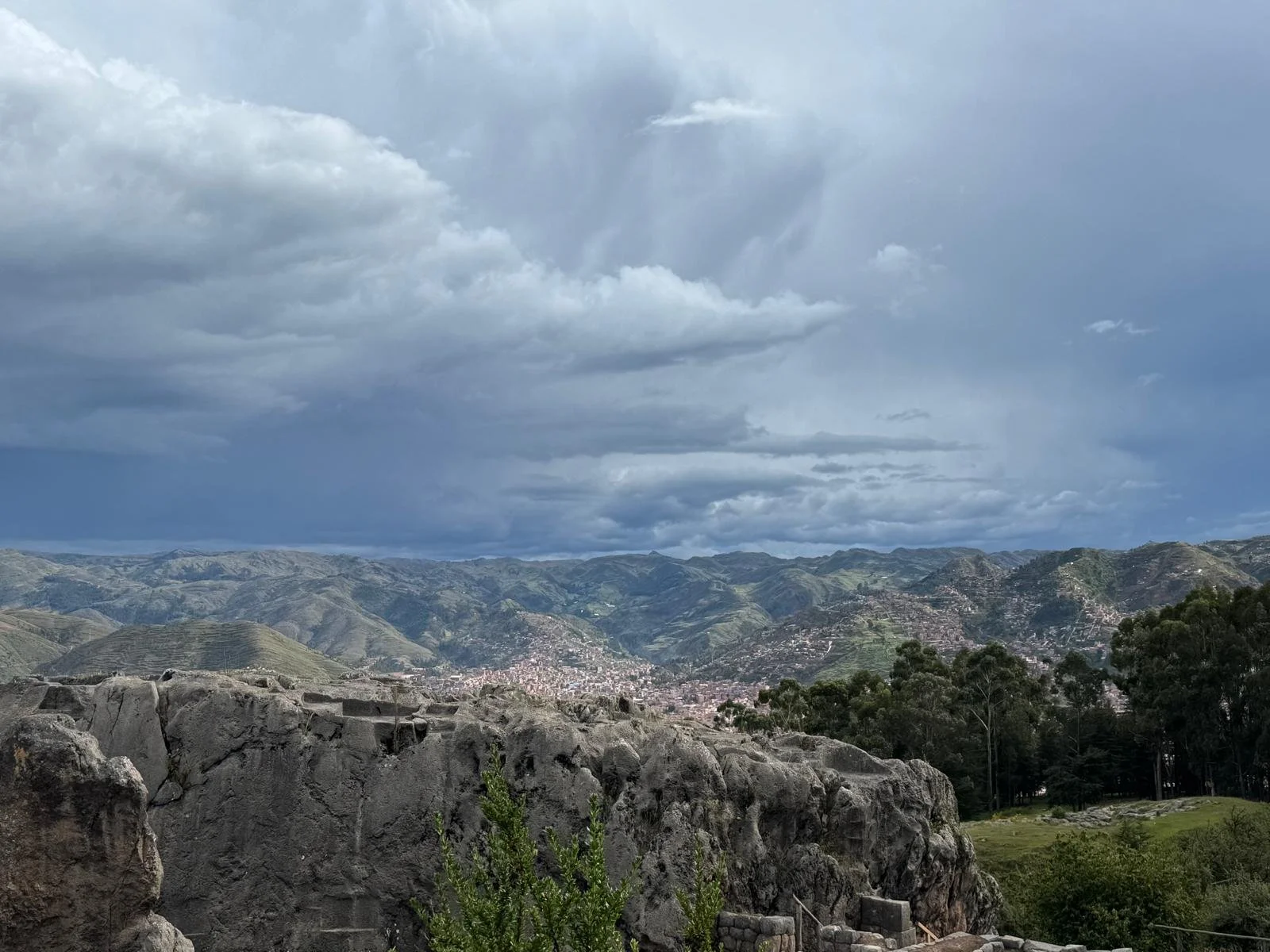
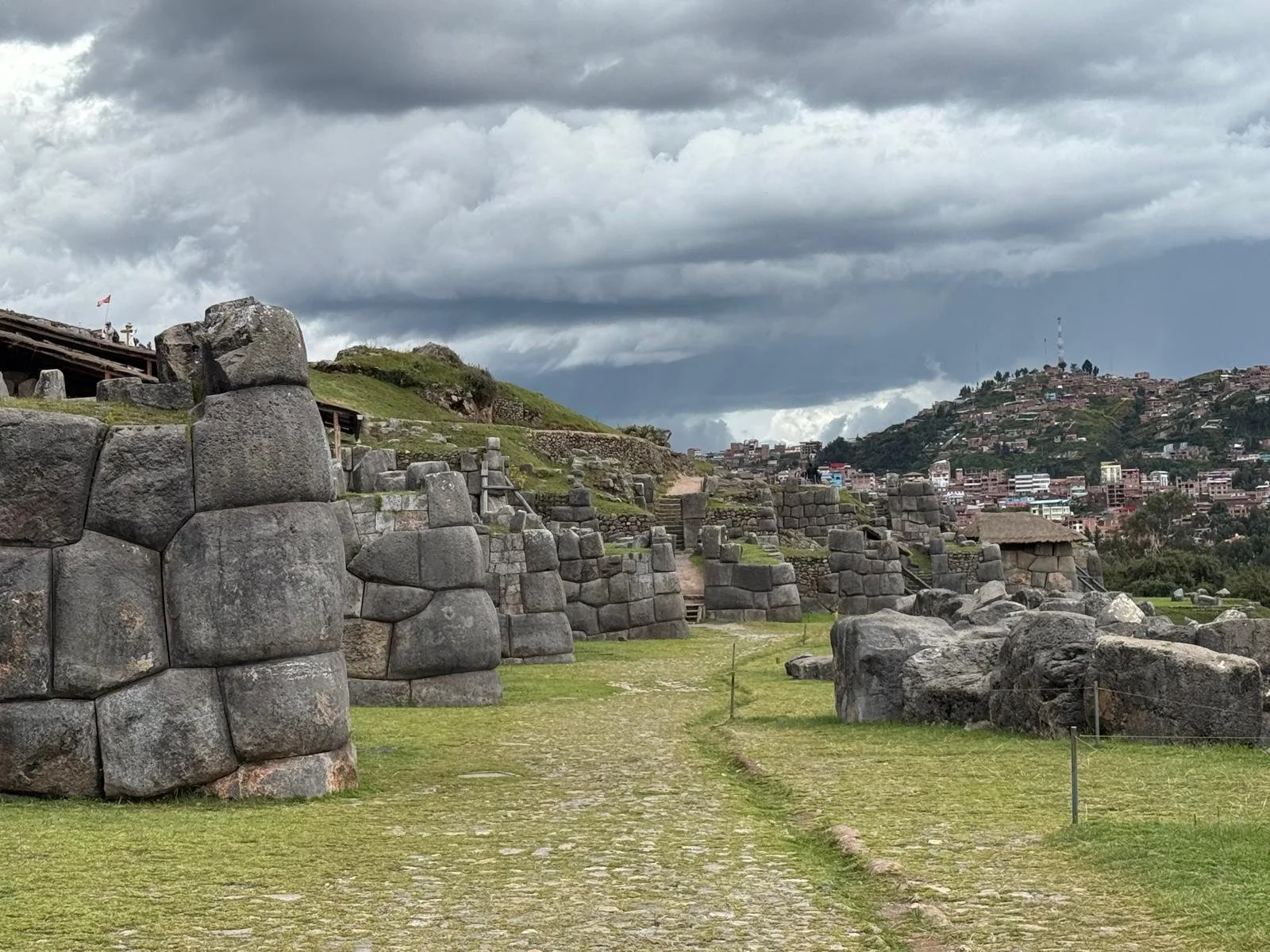
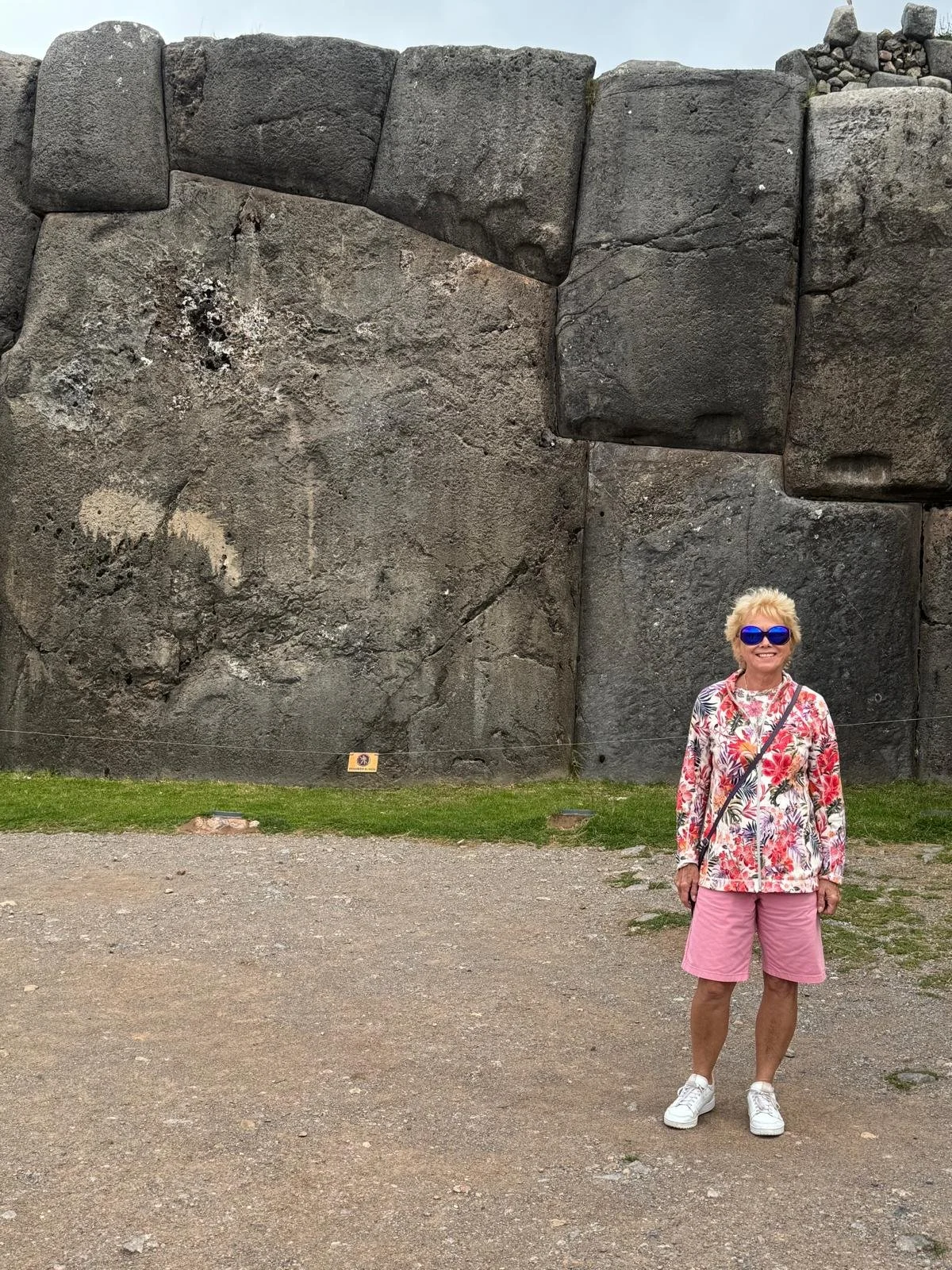
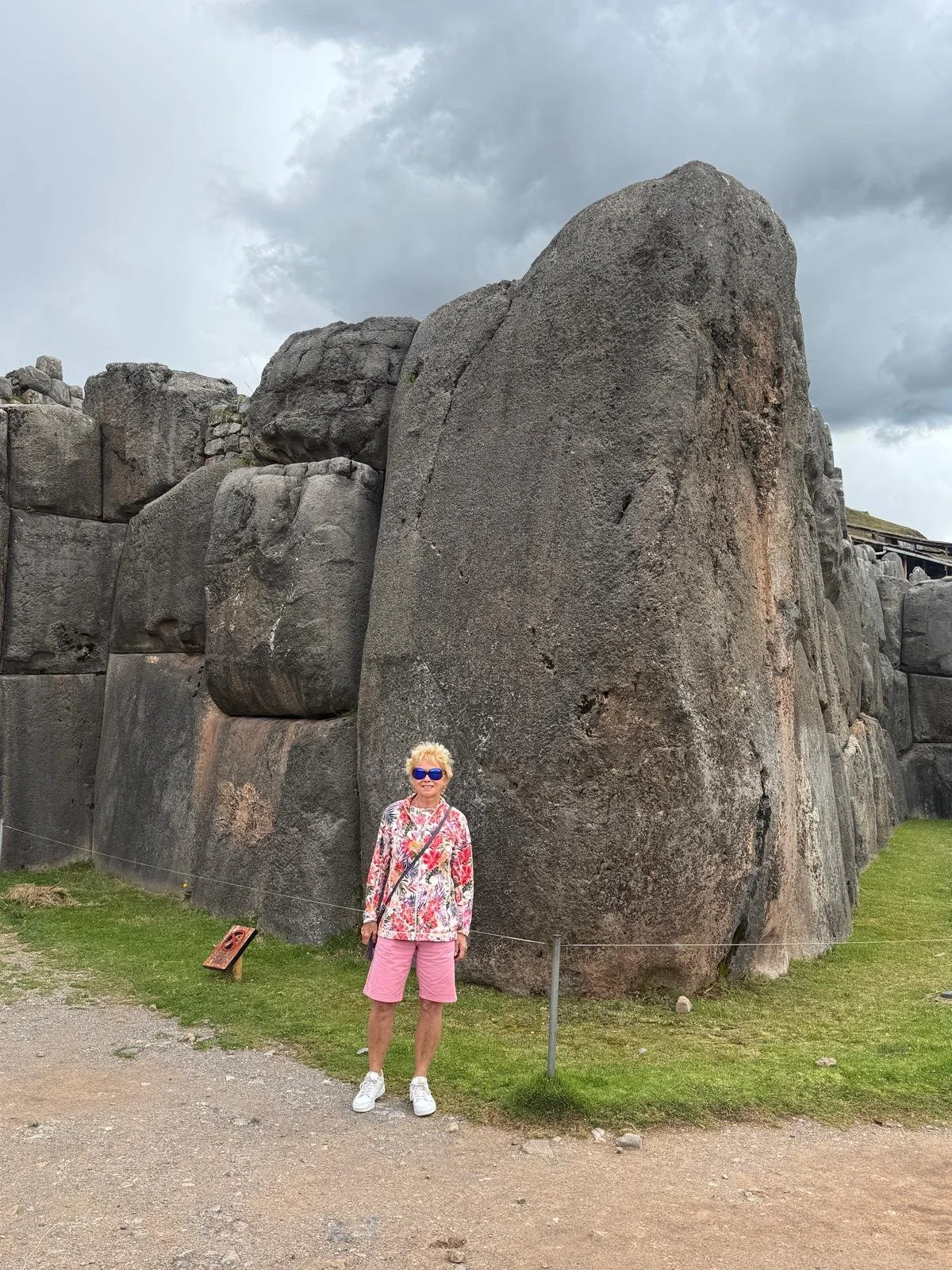
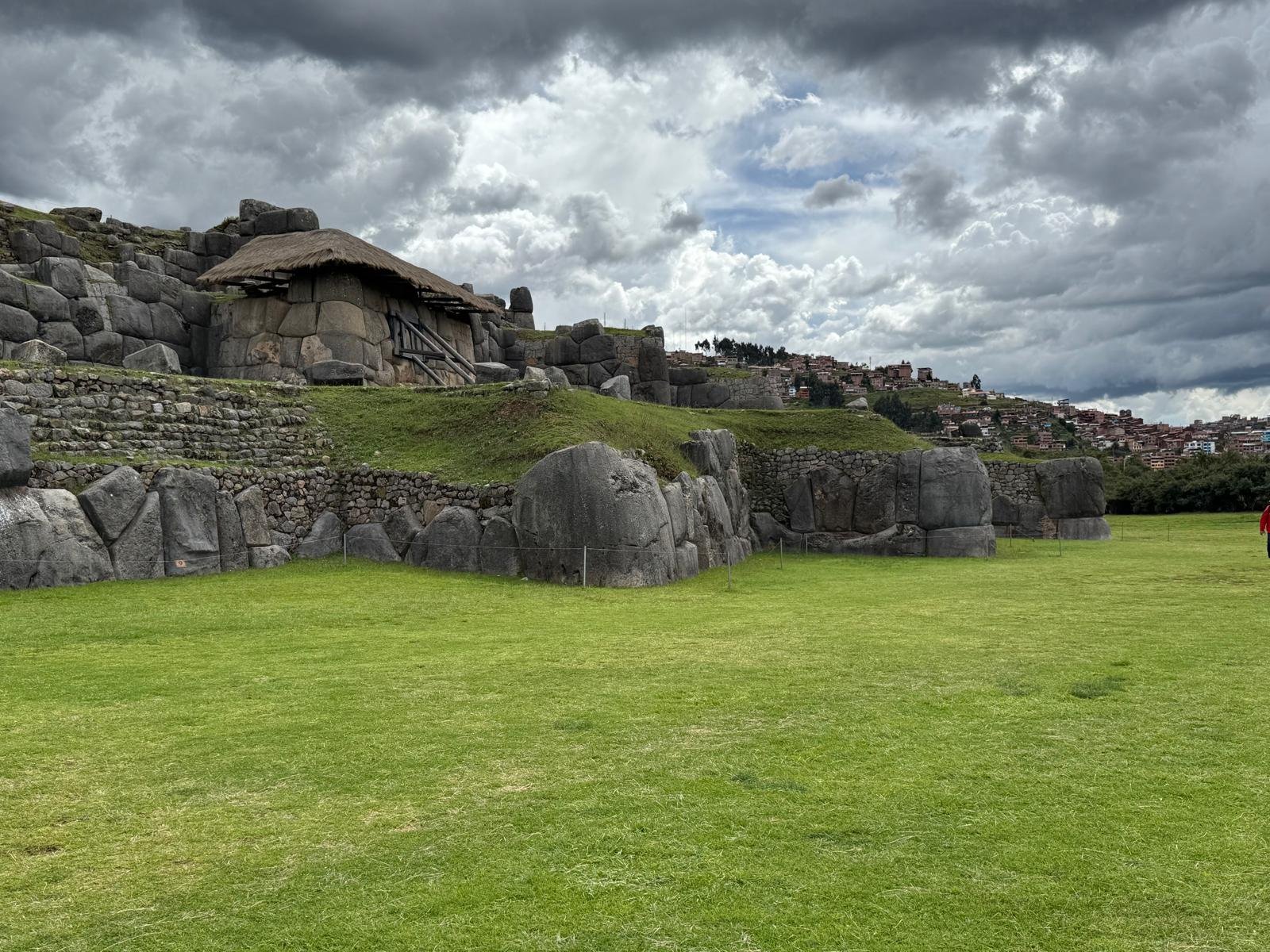
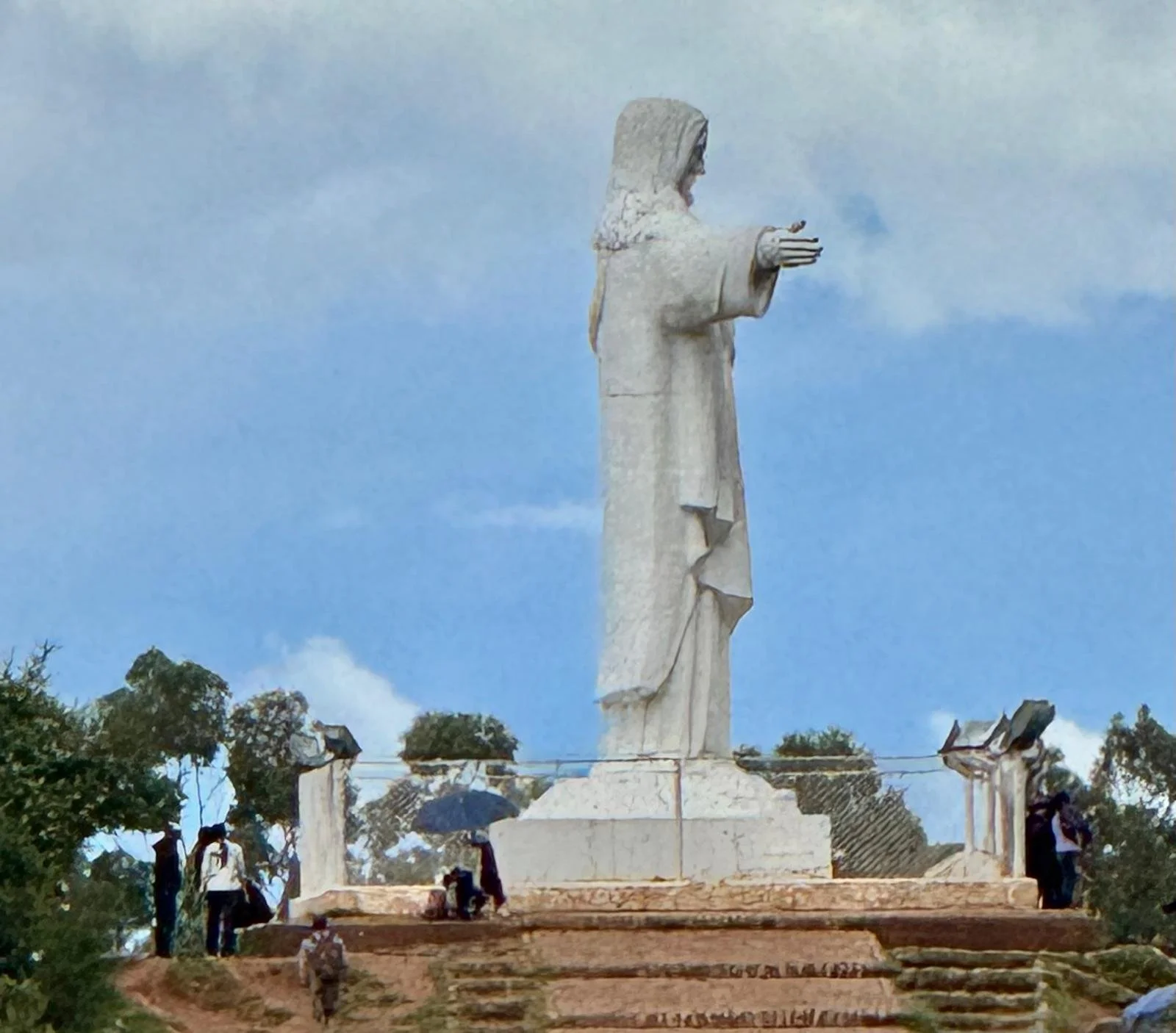
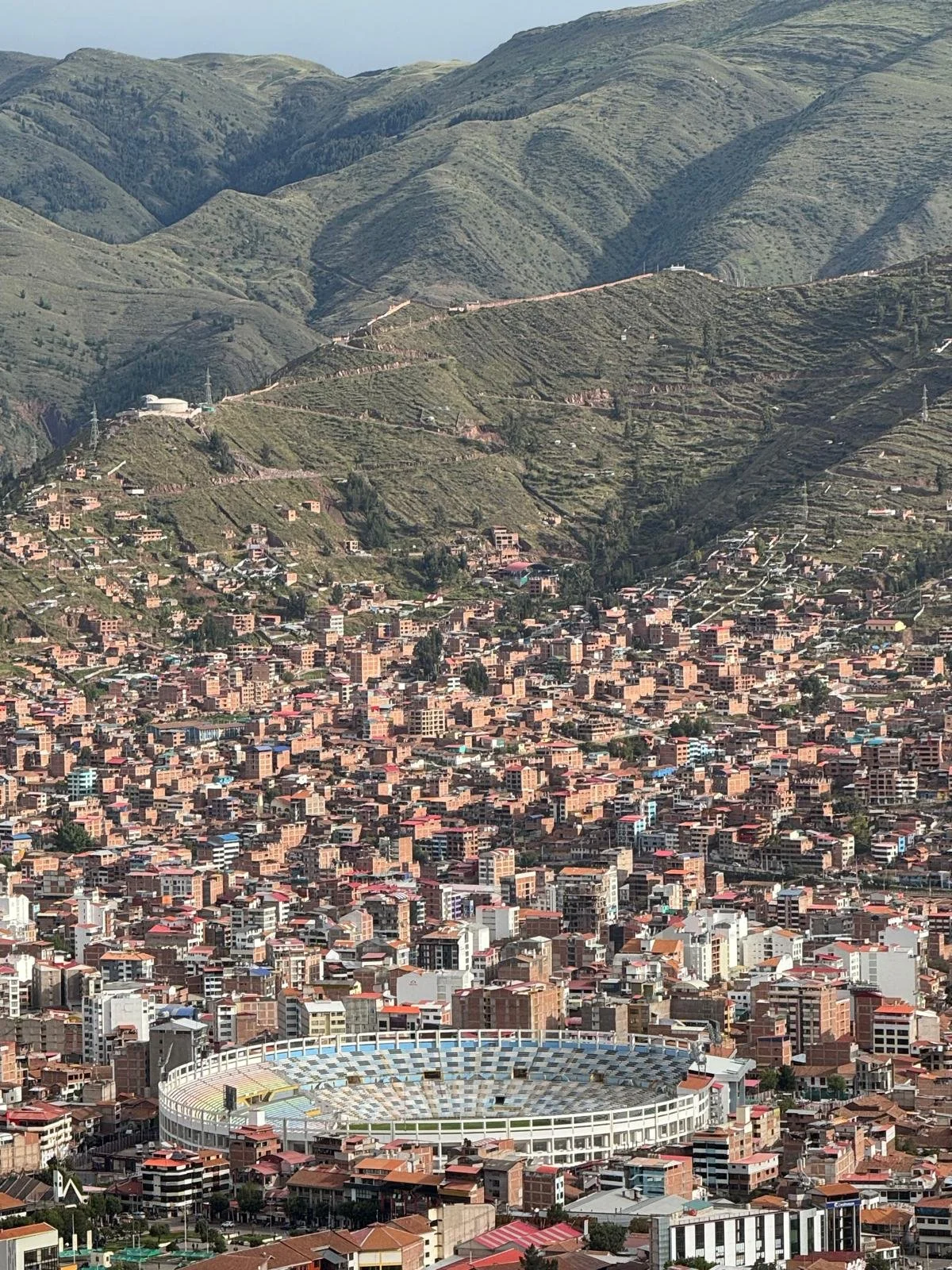
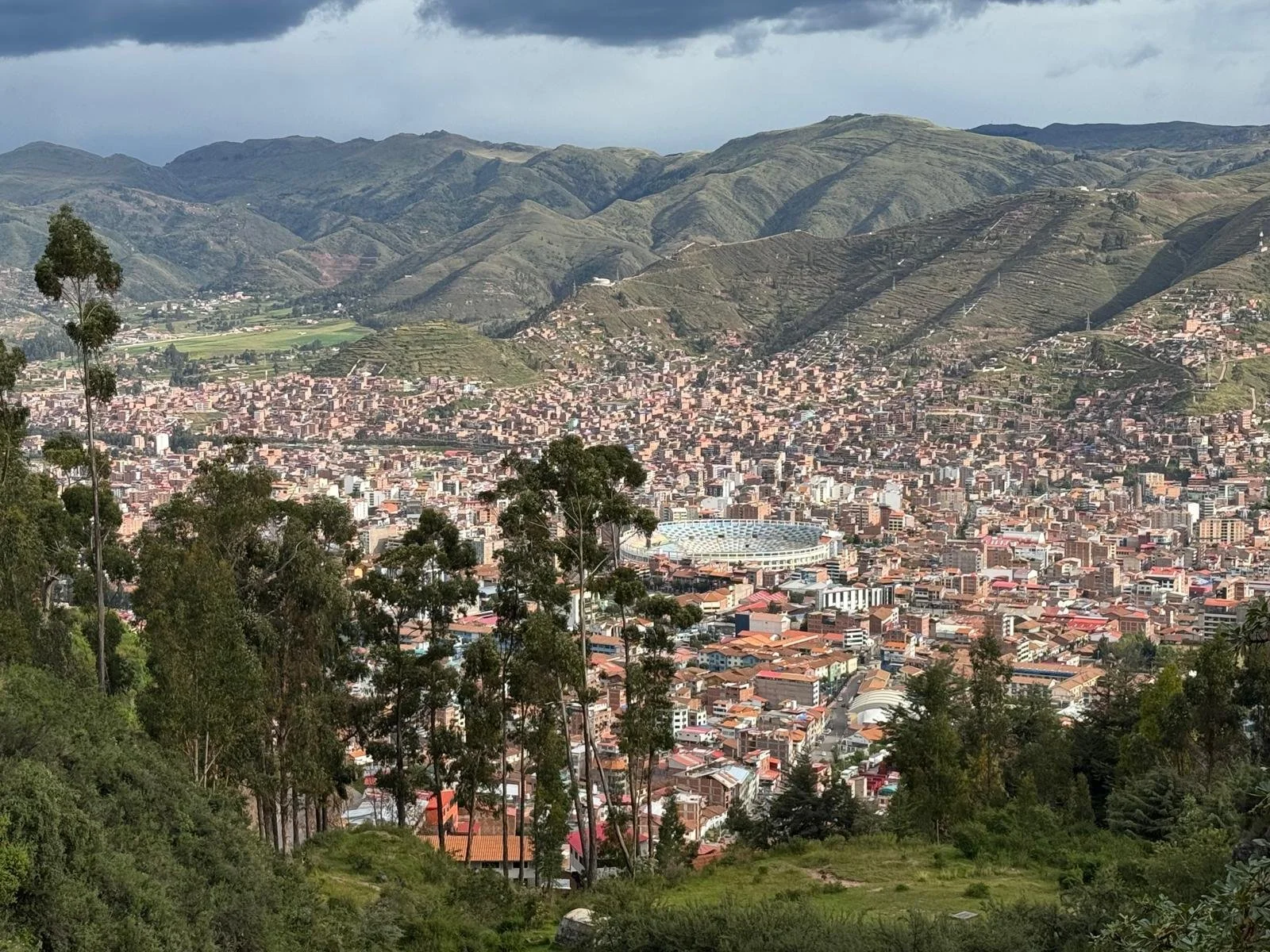
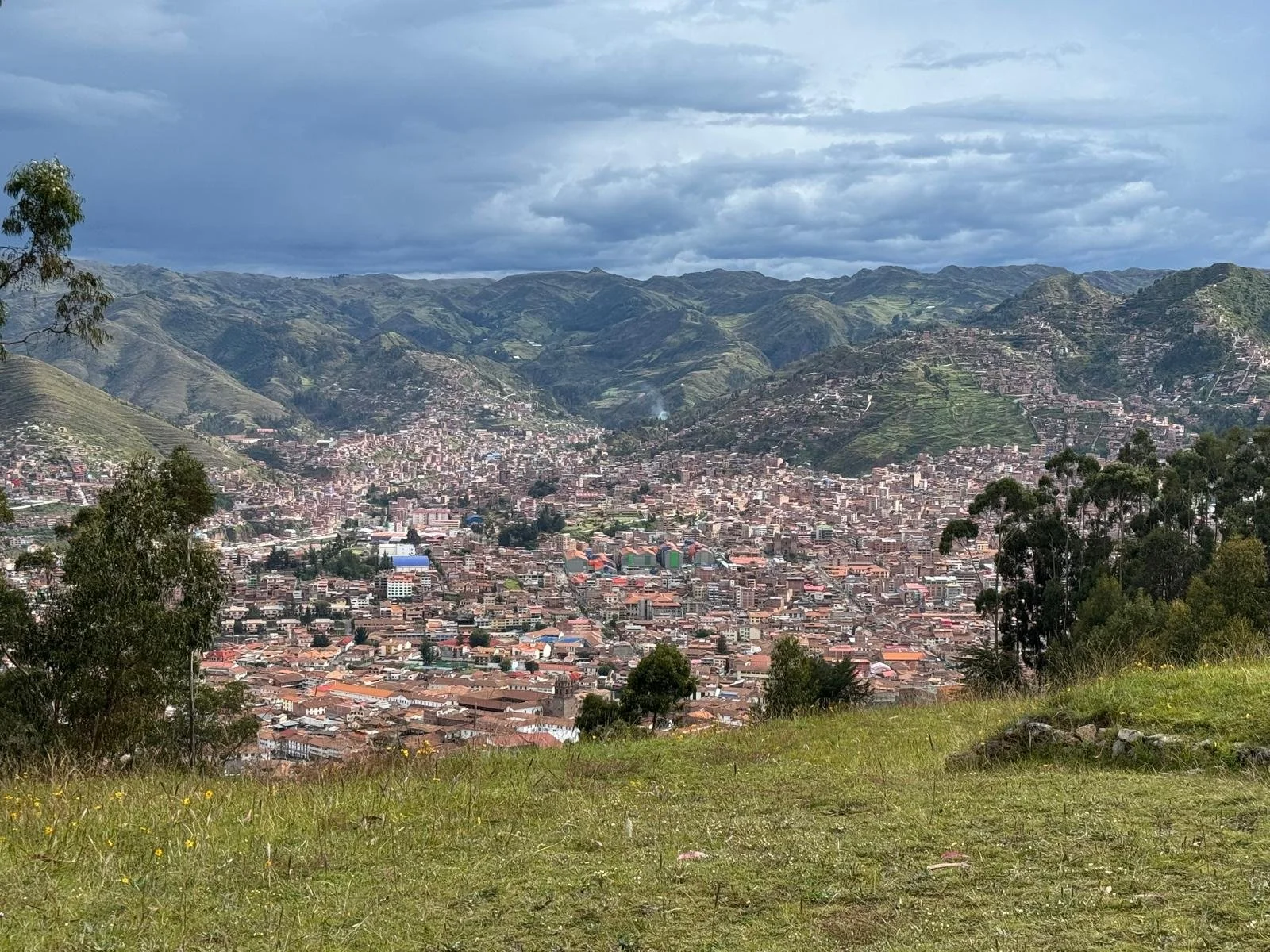
We walked along the route and you can see how high we were and what a wonderful view we had of Cusco below us. We also spotted a statue of the Cristo Blanco, the White Christ, it’s 8 metres high and overlooks Cusco from Pukamoqo Hill. Its open arms symbolise peace and protection over the city. I can’t help but mention about the football stadium, the Estadio Inca Garcilaso de la Vega, look at the size of it compared to all the houses around it – they look tiny. An interesting fact for you – the local team, Cusco FC wins most of its home games as all the other visiting teams struggle so much with the high altitude, they usually only manage a good first half and the second half is where the local team pounds them with all the goals!
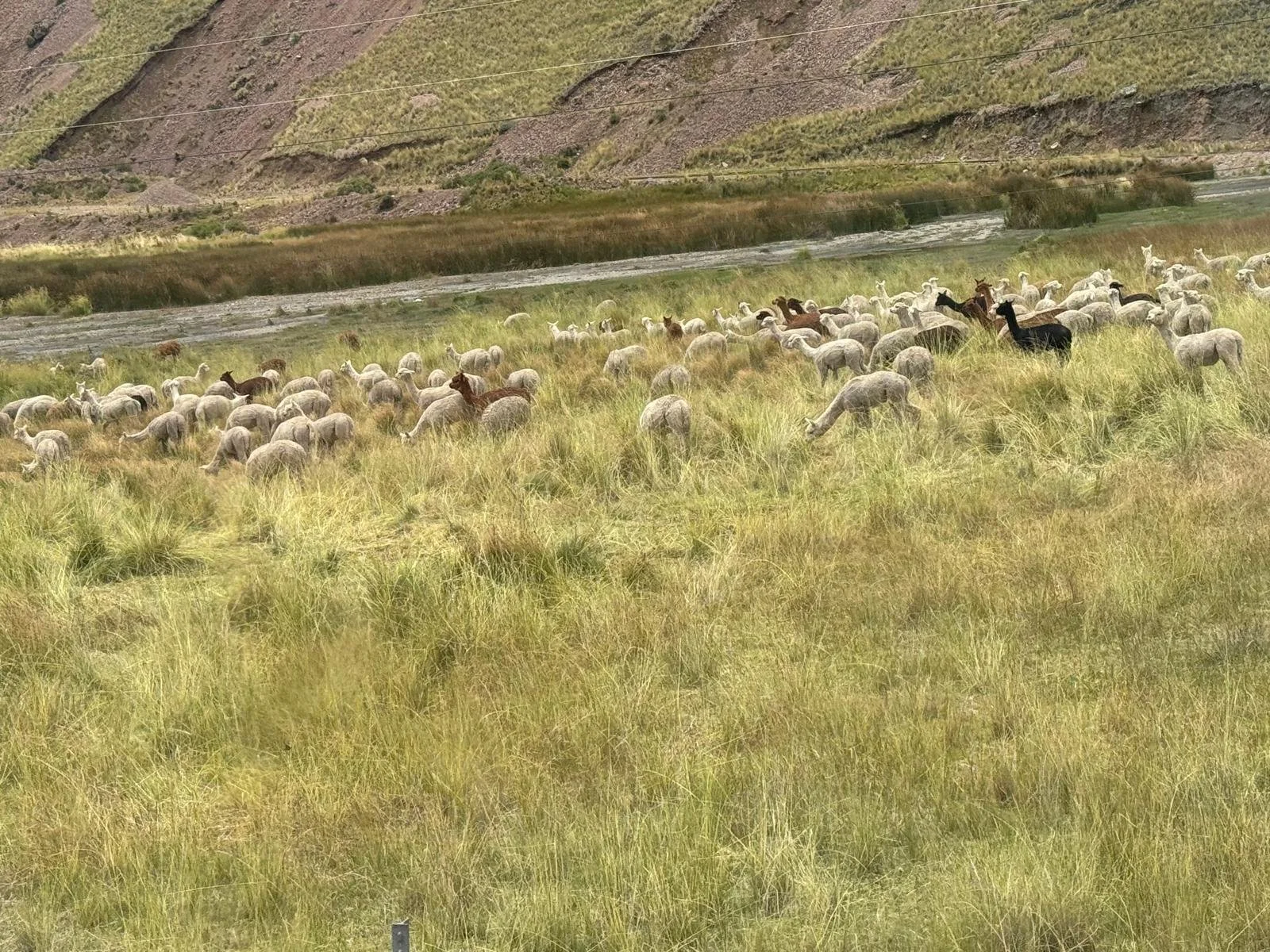
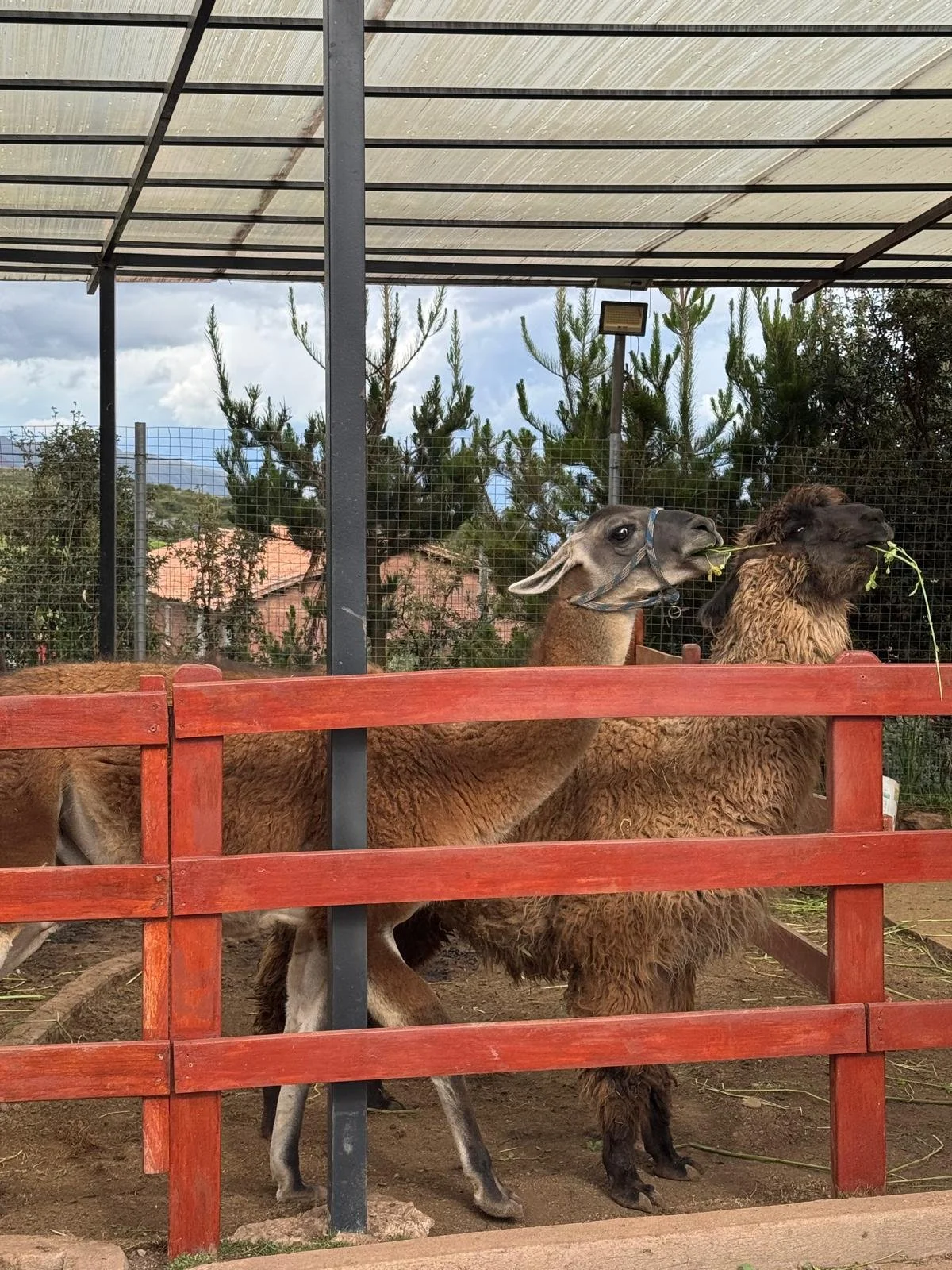
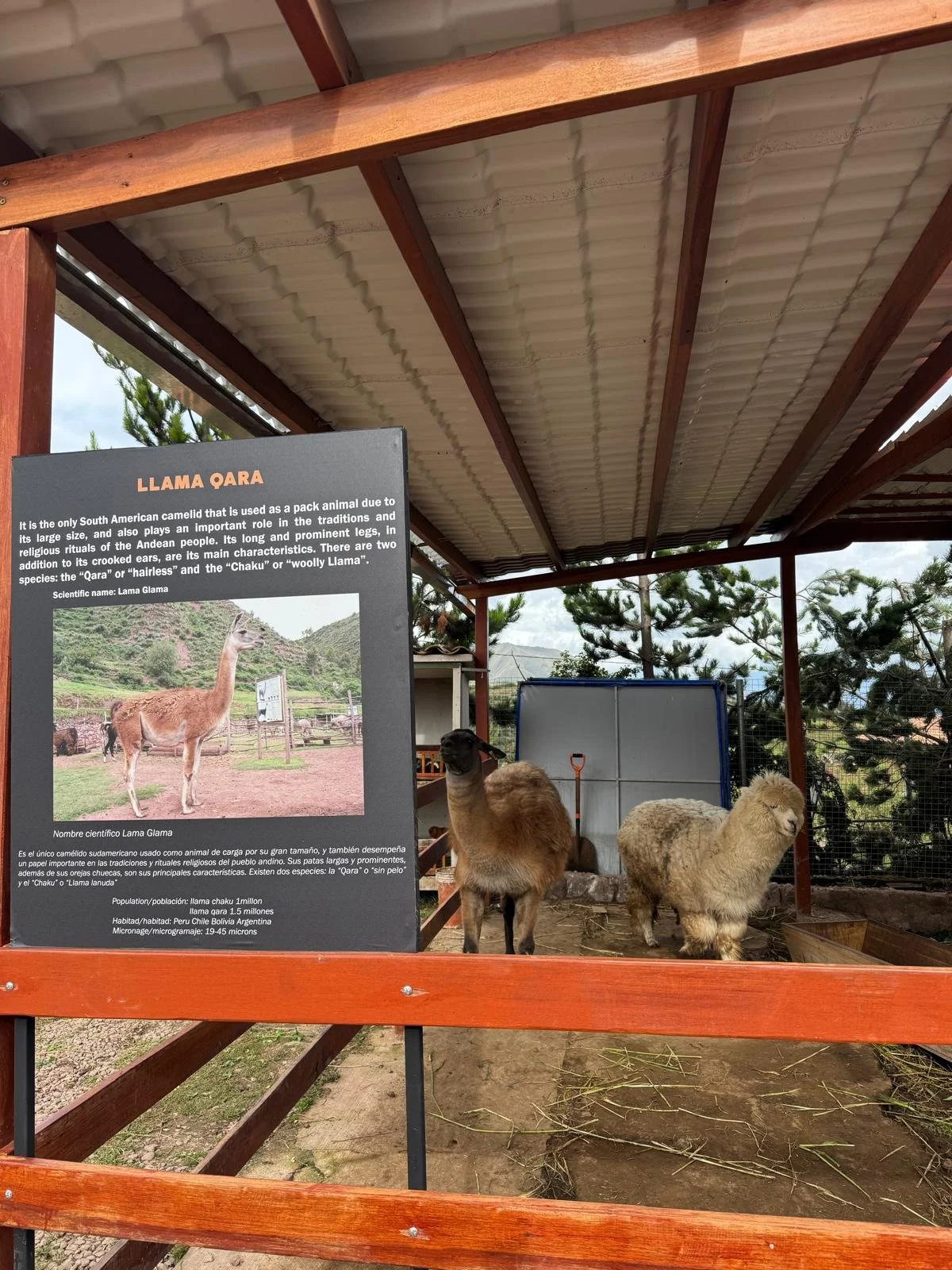
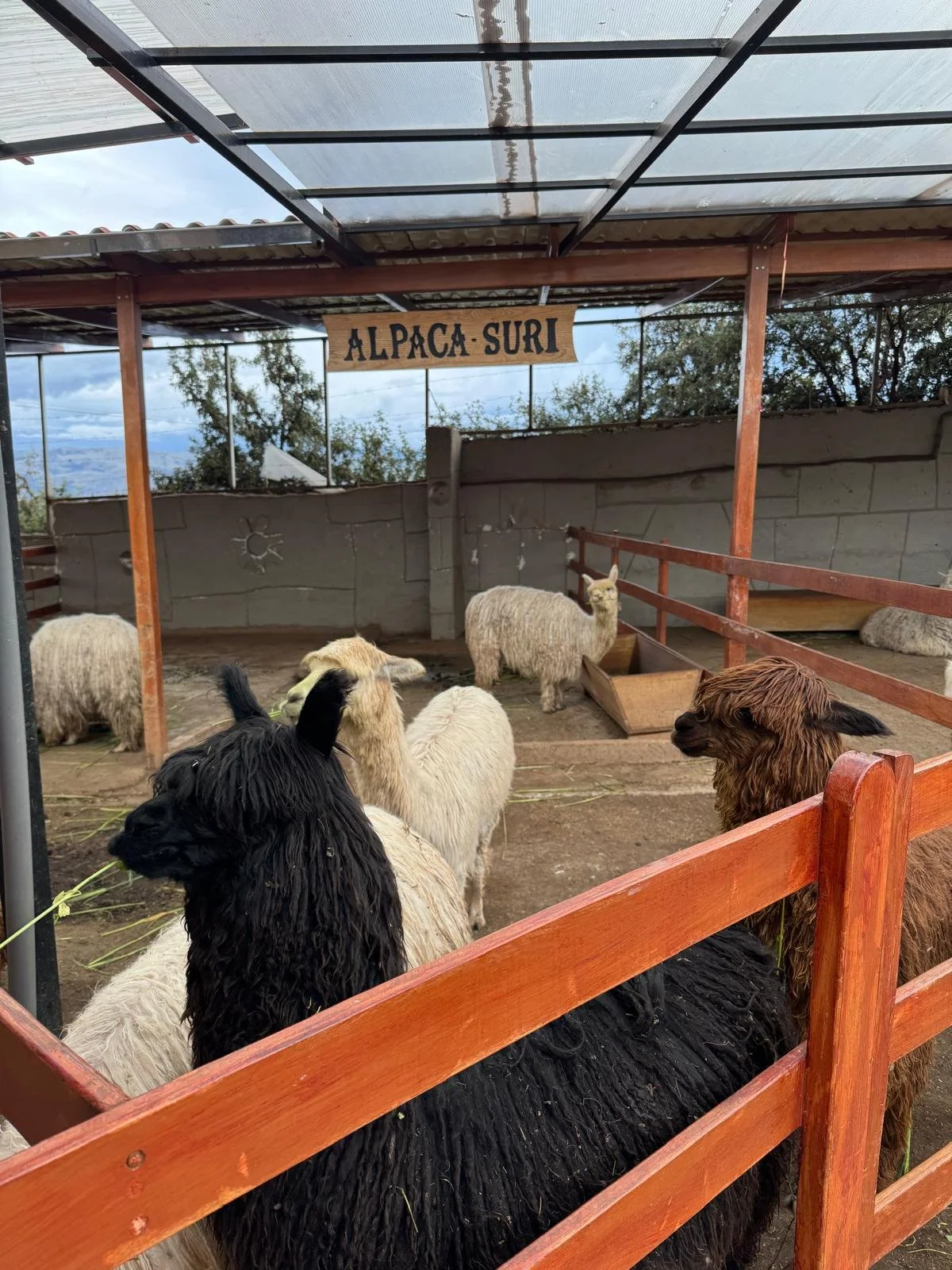
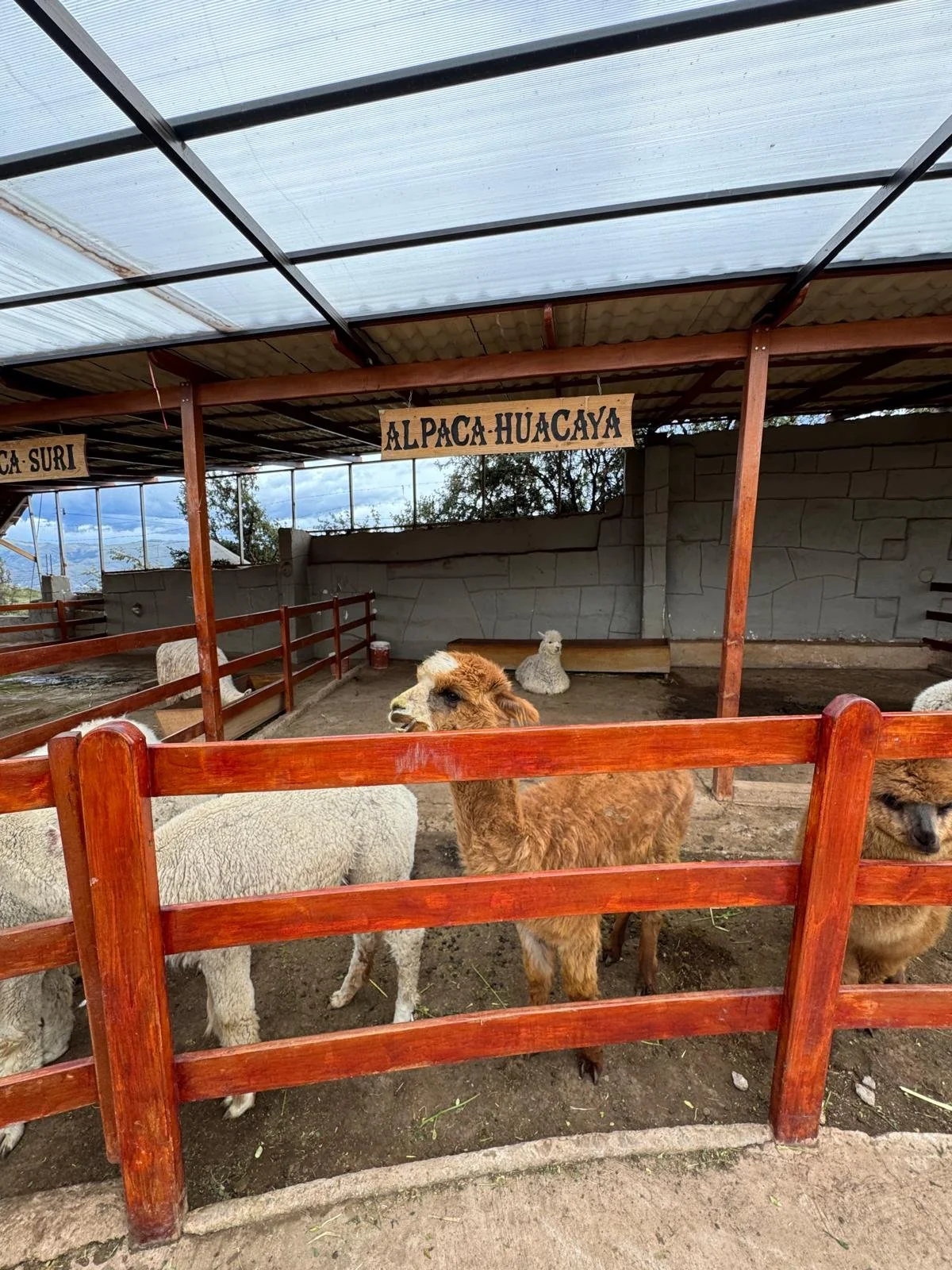
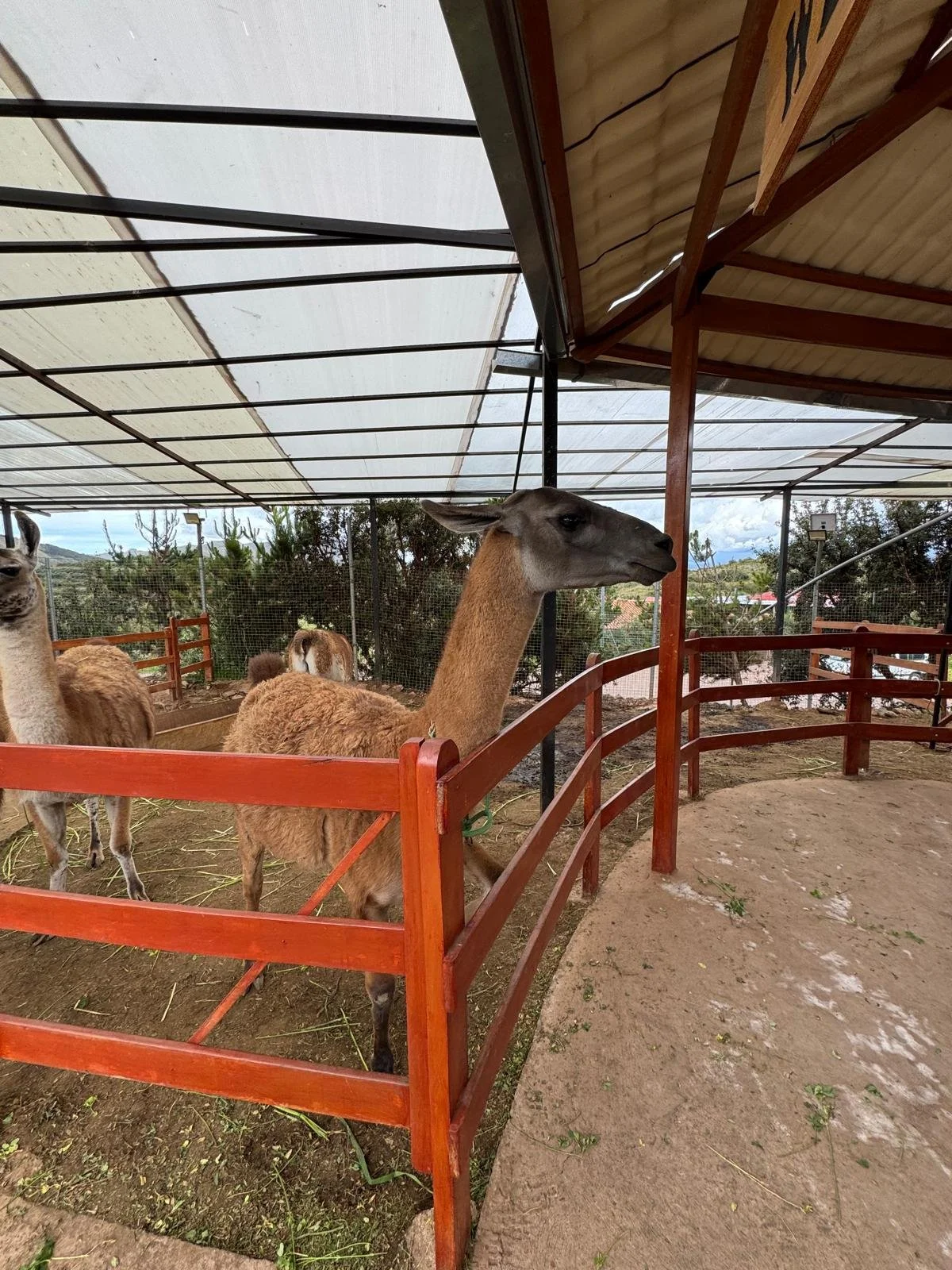
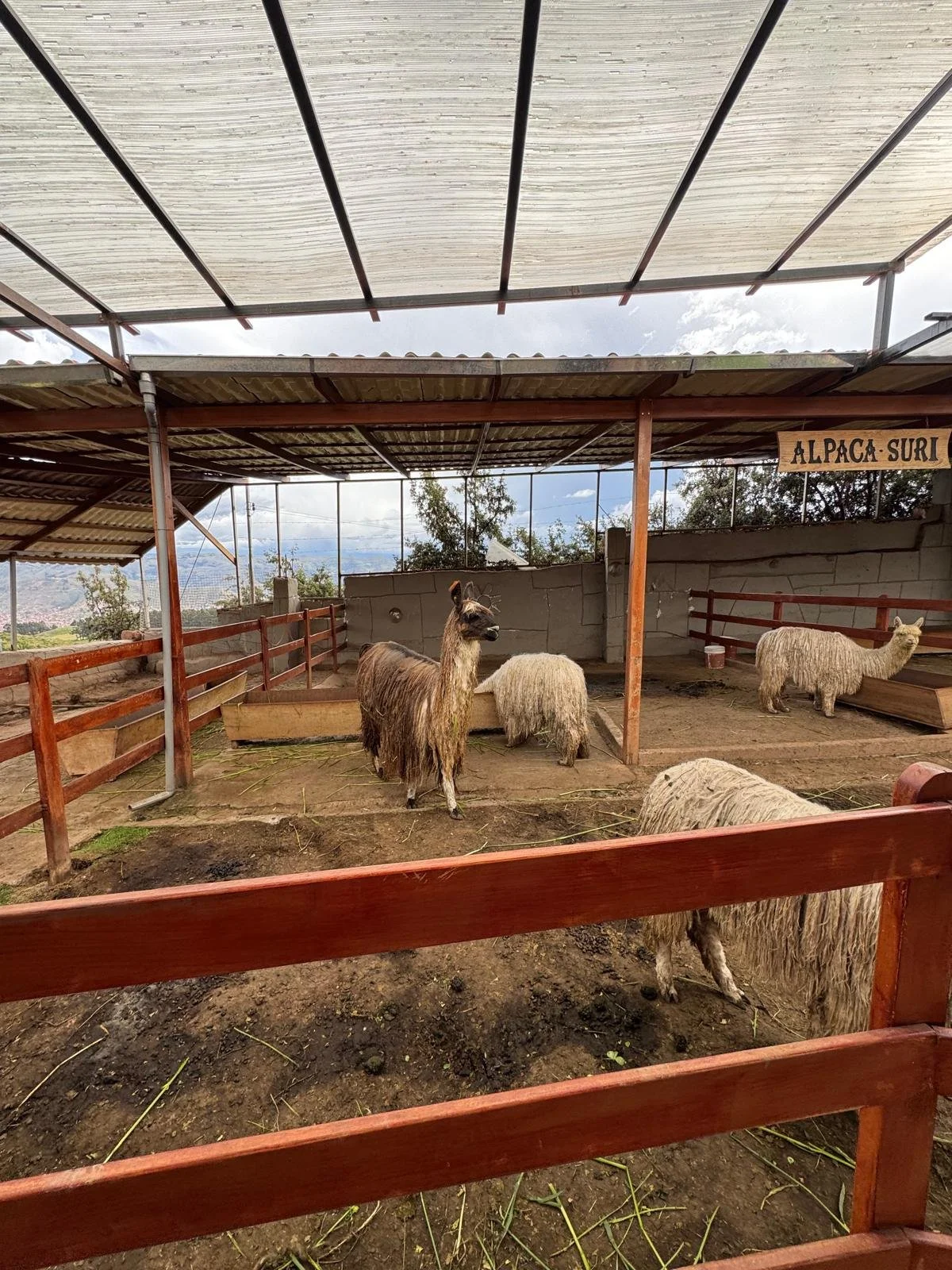
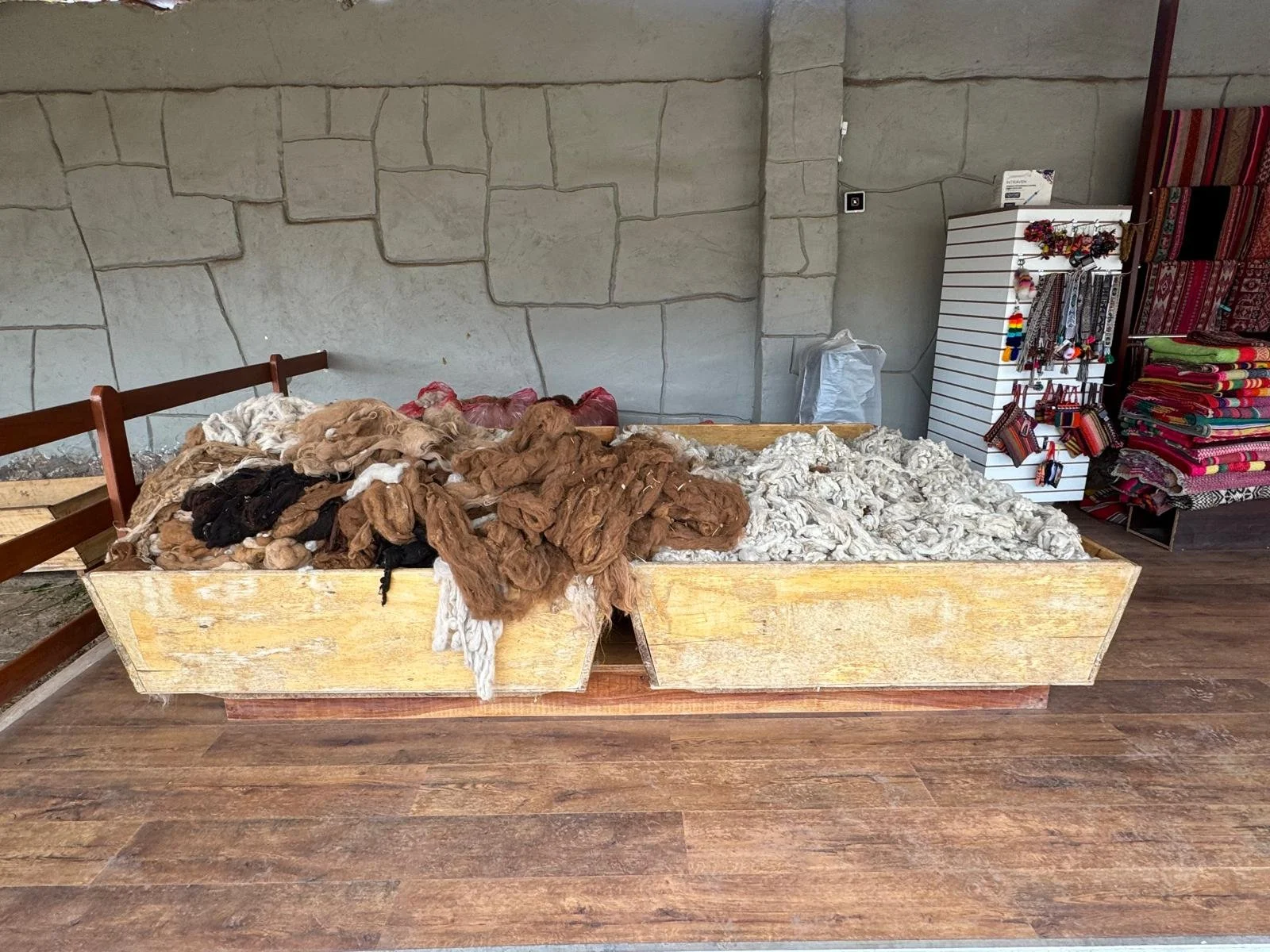
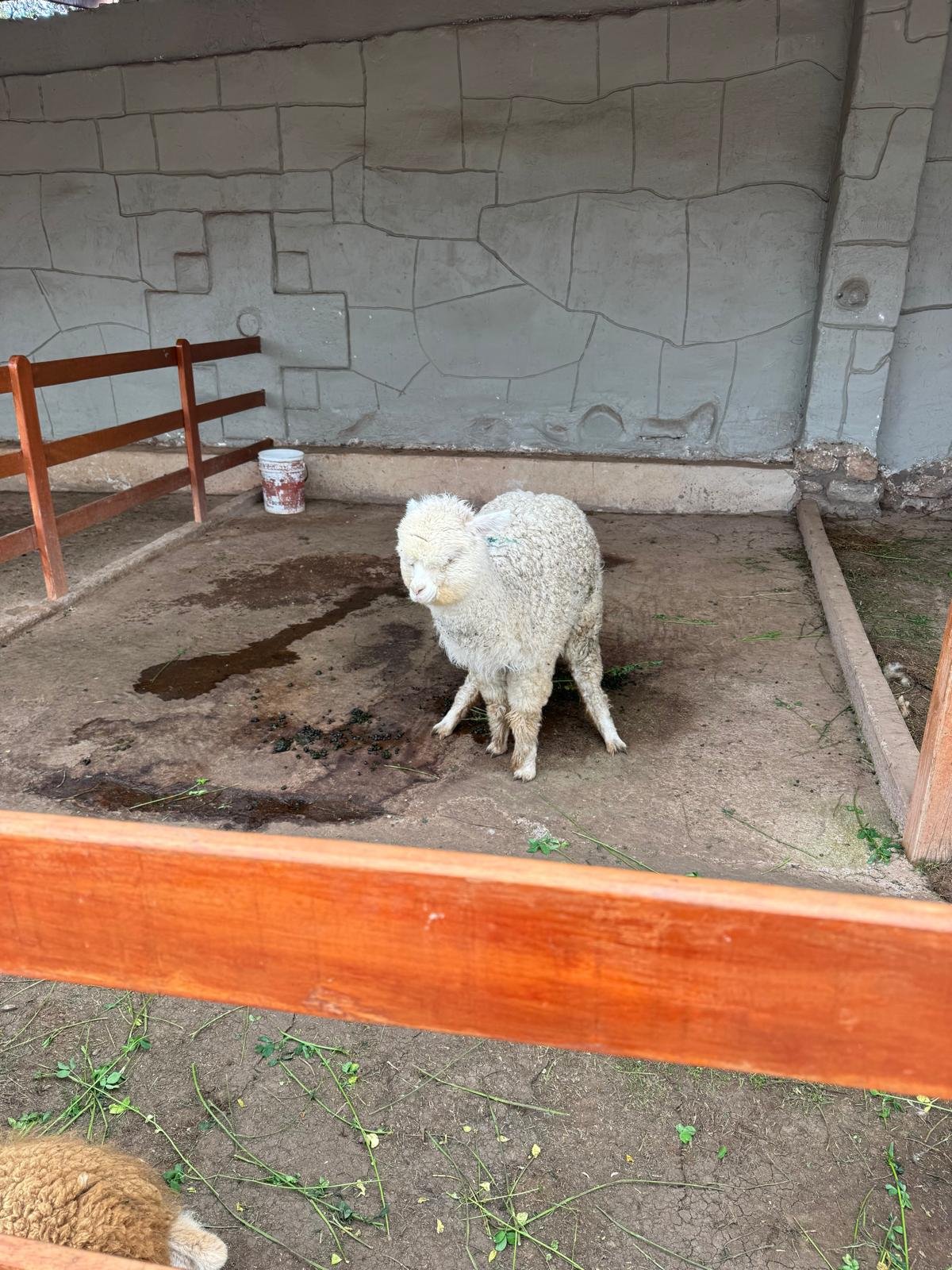
A visit to a camelid farm was next, not particularly high on my agenda as I’m not an animal lover! Guanacos, Alpacas, llamas and vicunas - here’s a few photos for you! I will say one thing though, Alpacas are very useful, they can carry great weights, their soft warm fleece is used to manufacture sweaters, scarves, blankets, rugs etc. Their manure is often called “green gold” because it is a rich organic fertiliser that can be applied directly to plants, alpaca meat is a traditional lean, high protein food source, and their hides are high-end material and used for soft luxury goods such as handbags, shoes, wallets and jackets. Even their bones have a use…they are used for weaving and are made into flutes used in traditional Peruvian music.
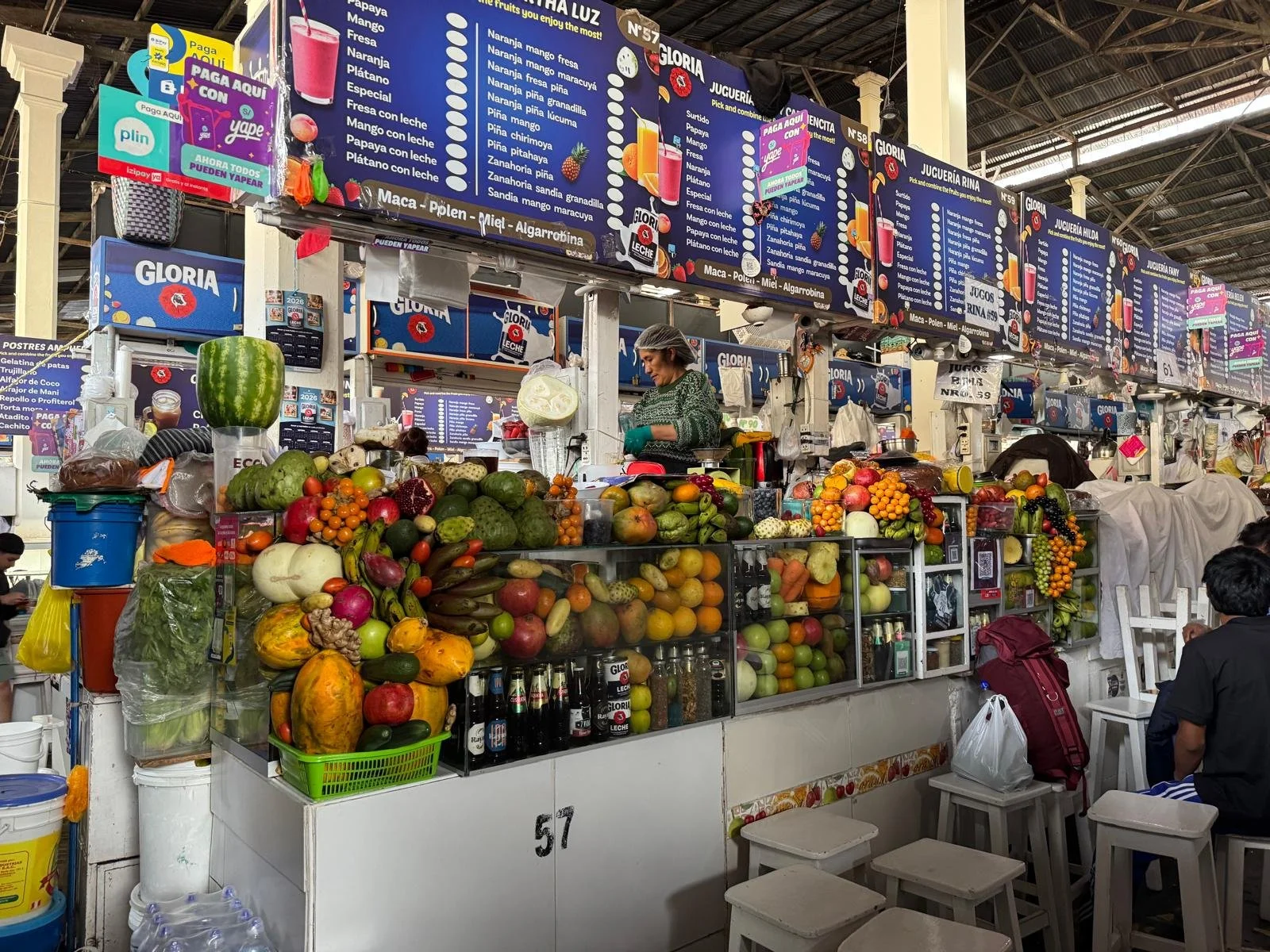
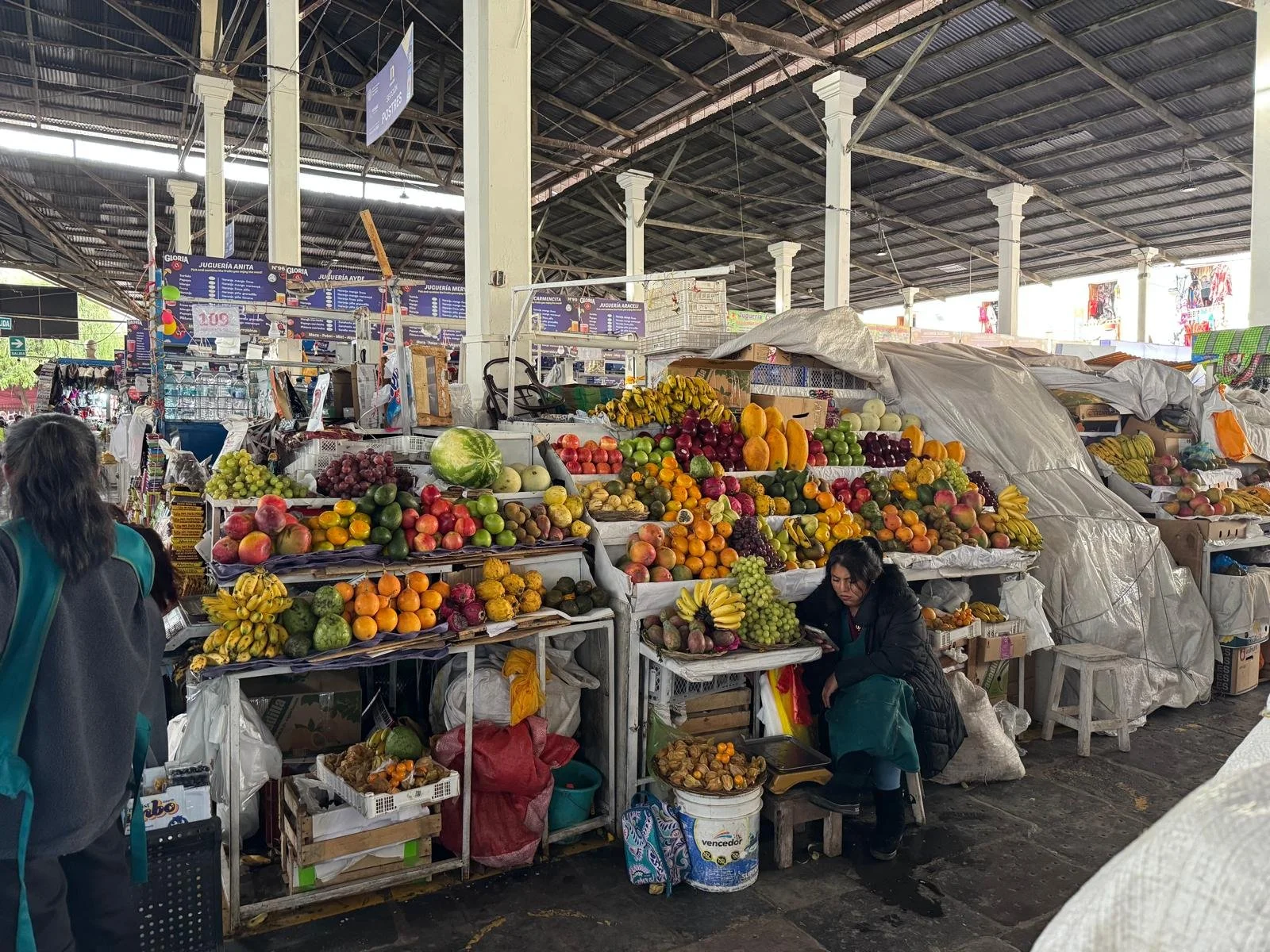
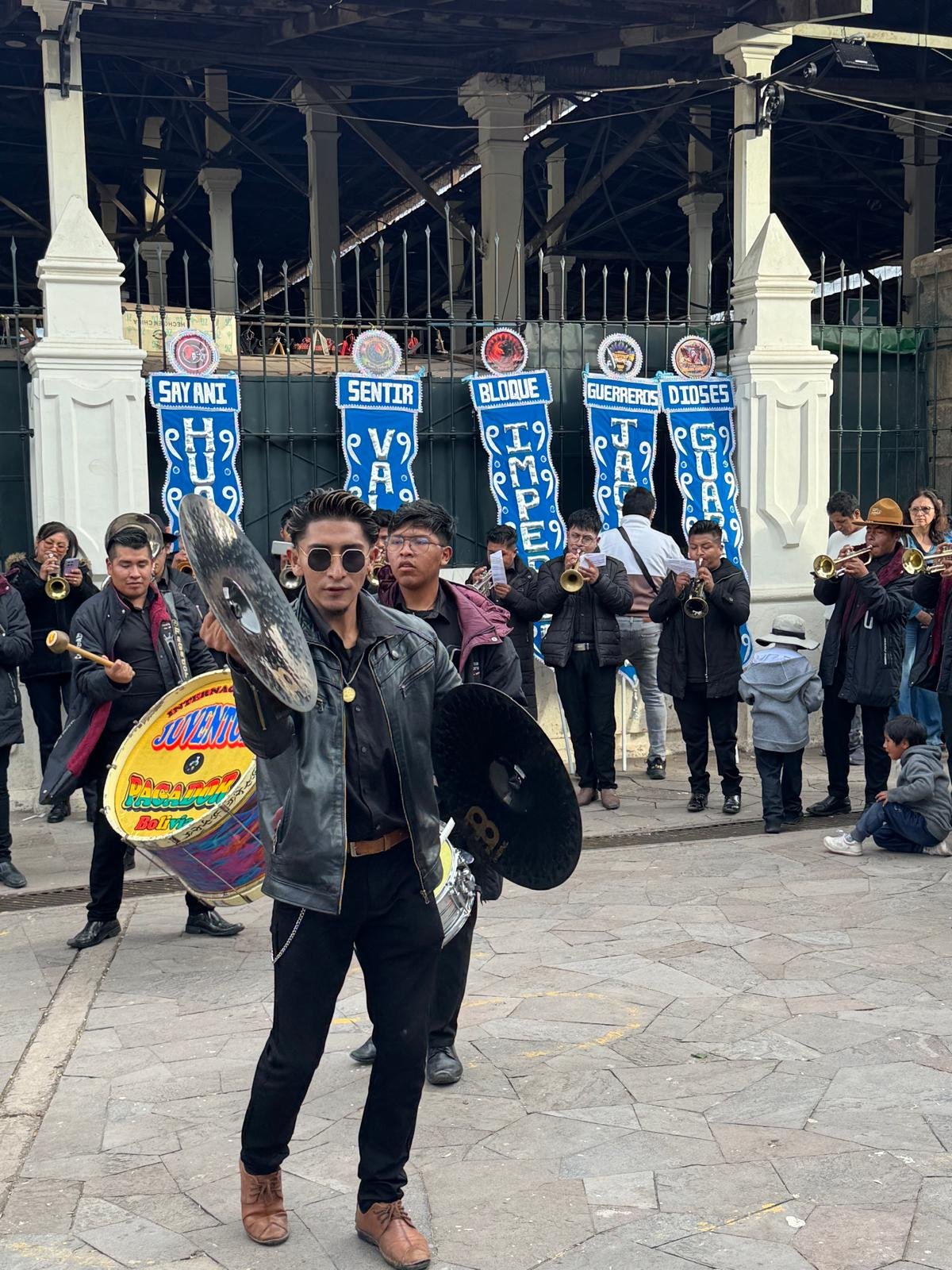
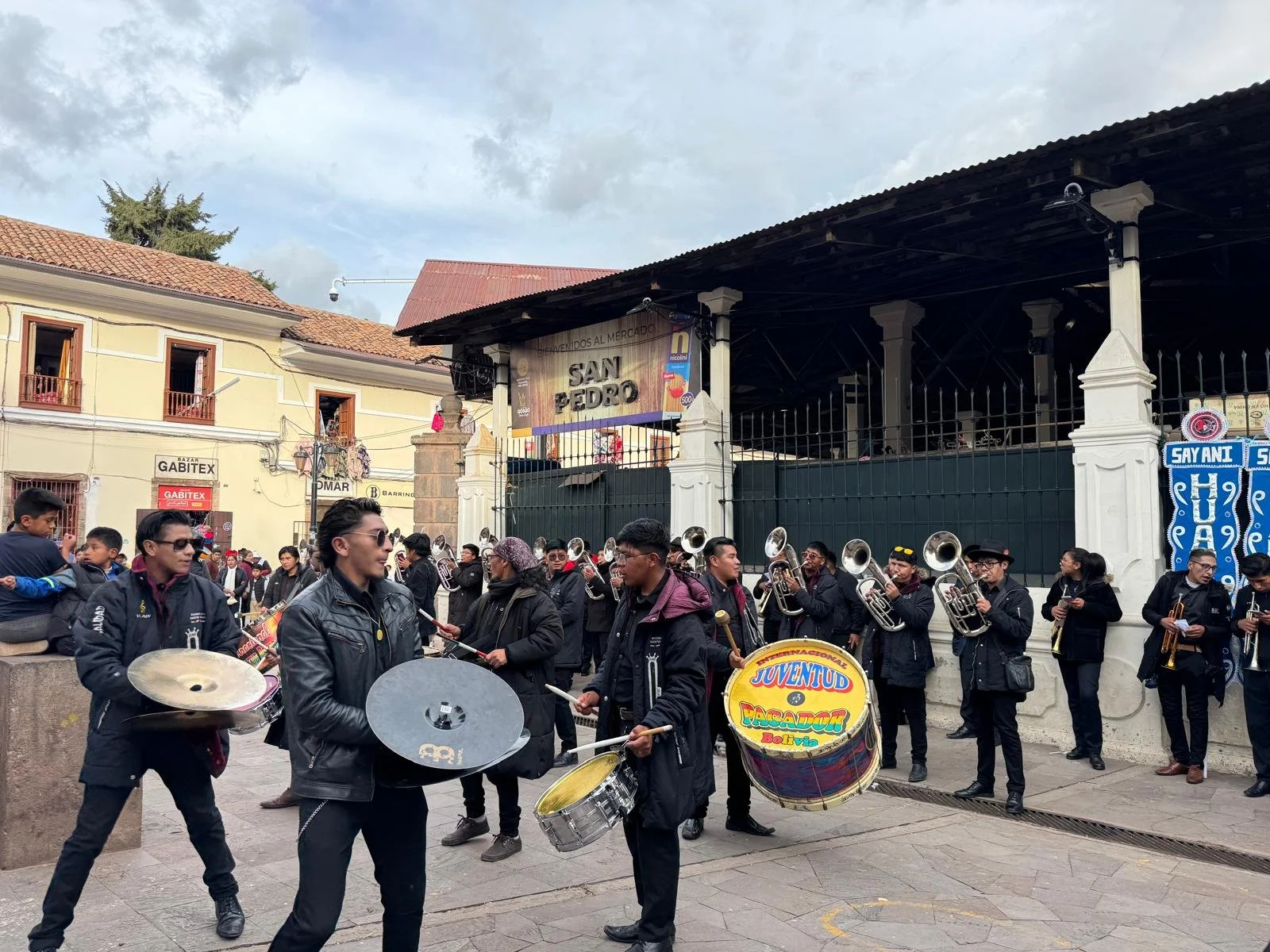
Next stop was definitely one for me – the bustling San Pedro market, Cusco’s oldest and partly designed by Gustave Eiffel in 1925 – bursting with colourful fruit, noise and stalls selling cheeses, bread, coffee and chocolate, we tasted some interesting fruit, cactus and lucuma, a nutritious subtropical fruit native to the Andean valleys and known as the “gold of the incas”. It has a greeny/yellow skin but the flesh is very dry, with a maple/caramel flavour you wouldn’t eat it on its own. It’s used here in powder form for smoothies and desserts. And then on our way out we were rewarded with a local band putting on a great show outside, plenty of actions, drumming, and colour – it was lively and upbeat, and so much fun.
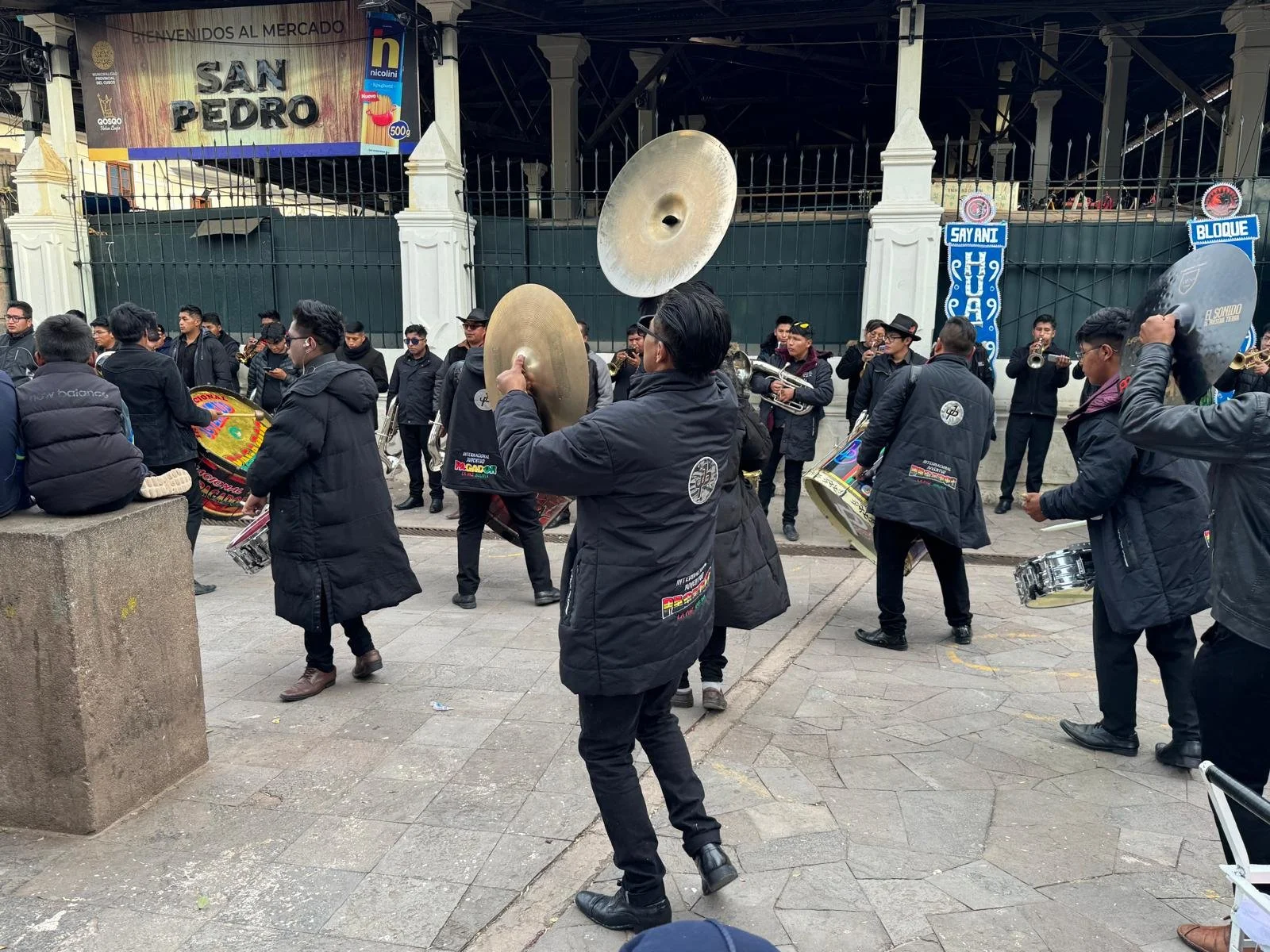
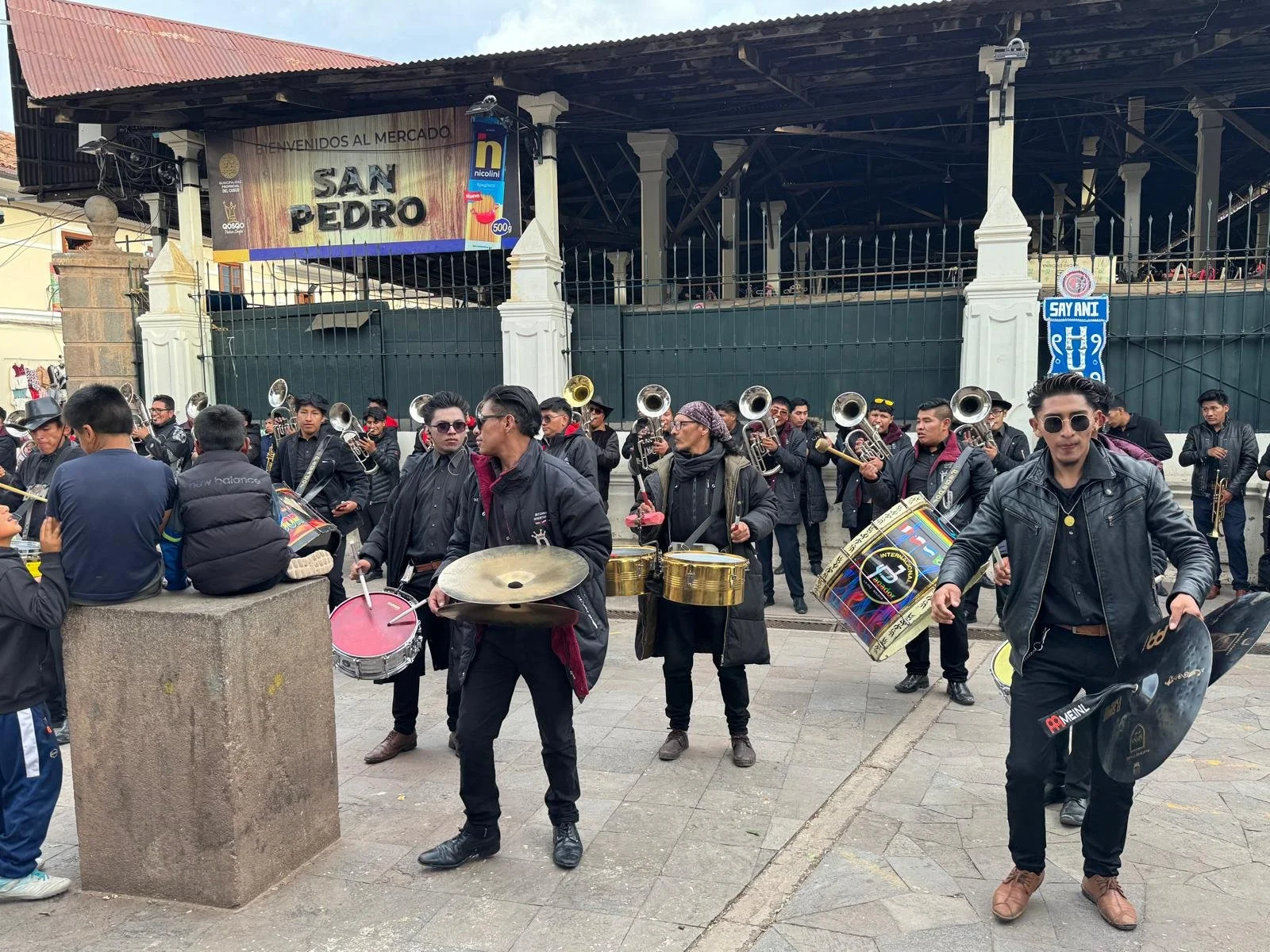
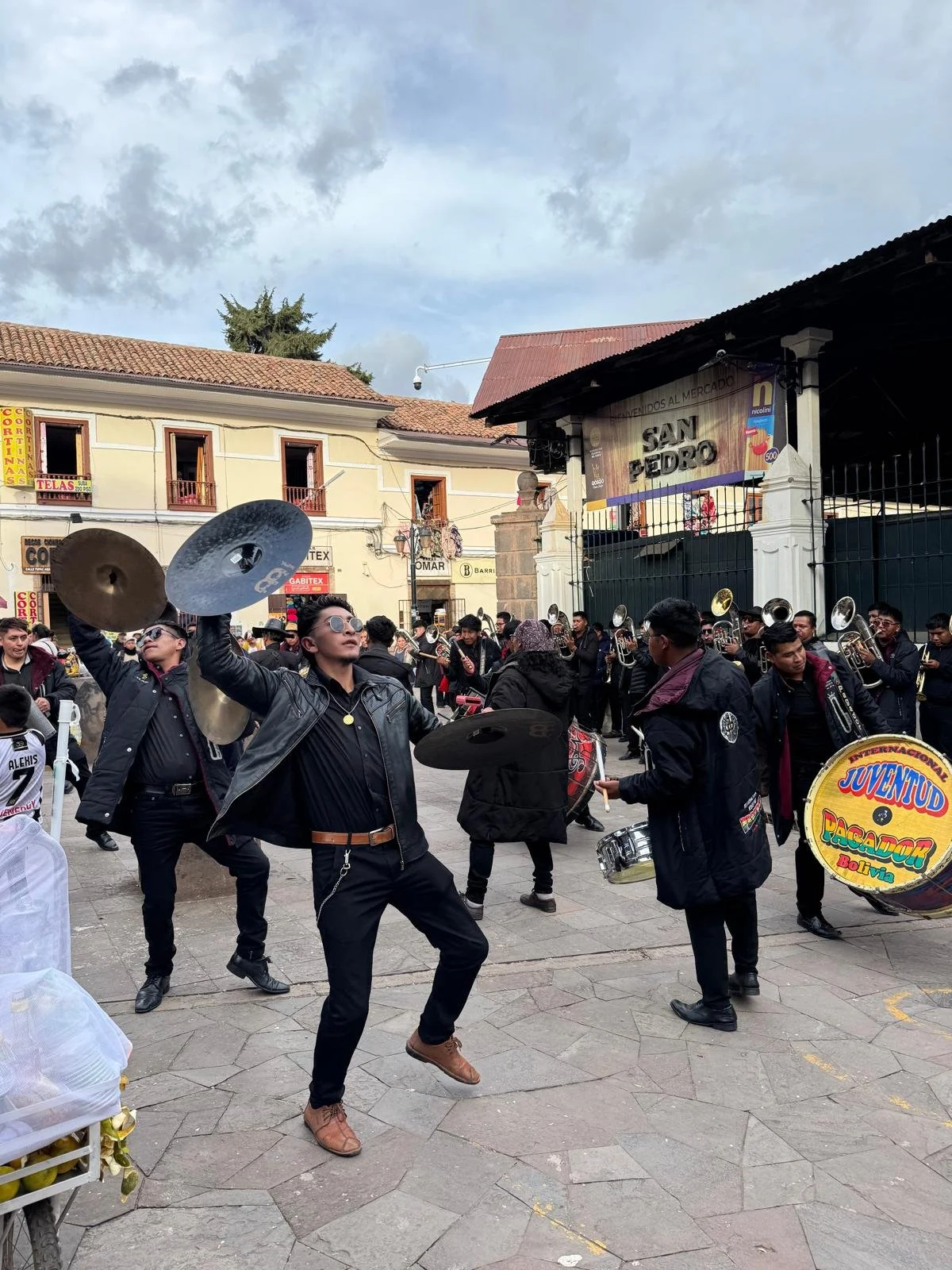
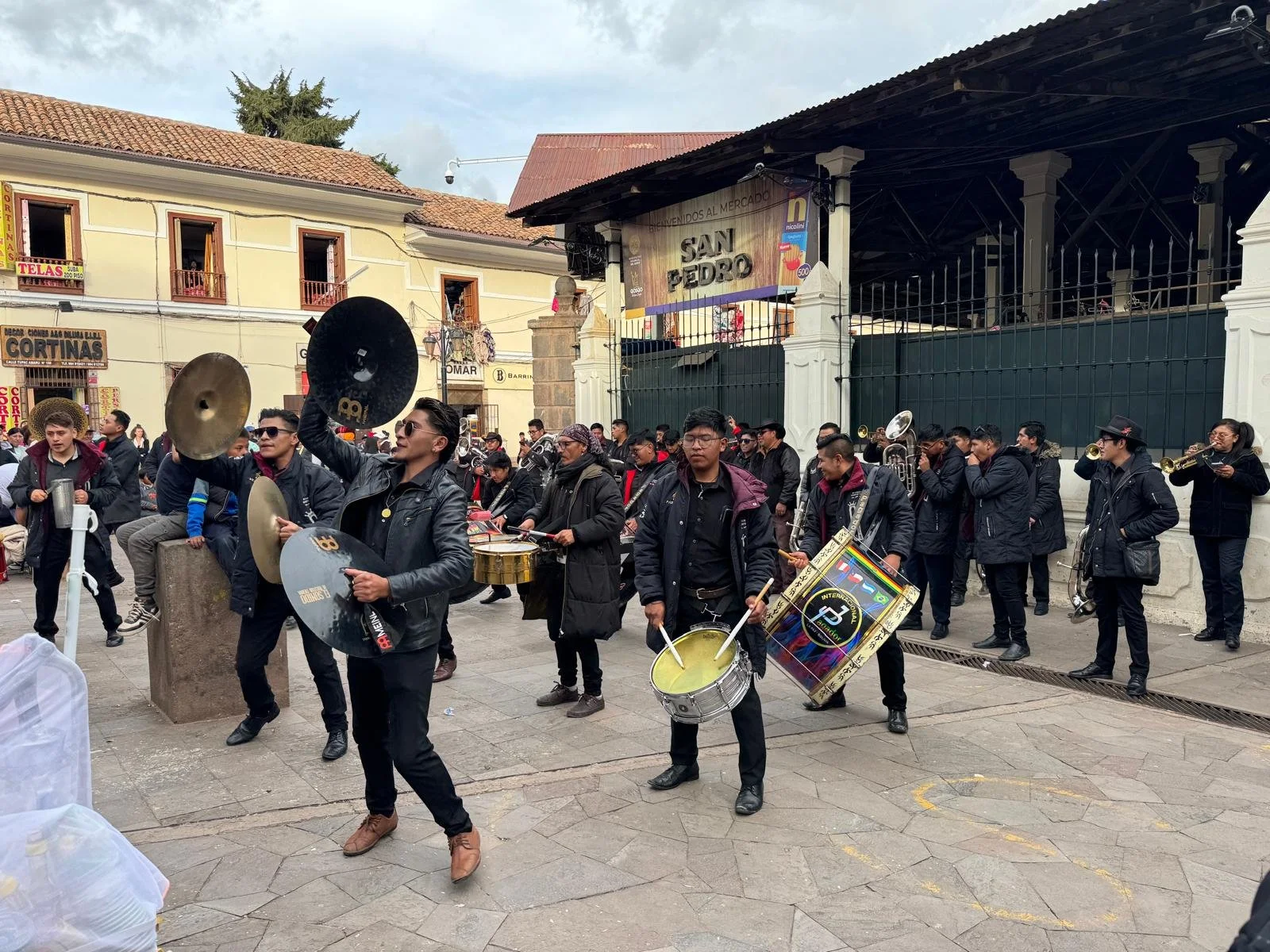
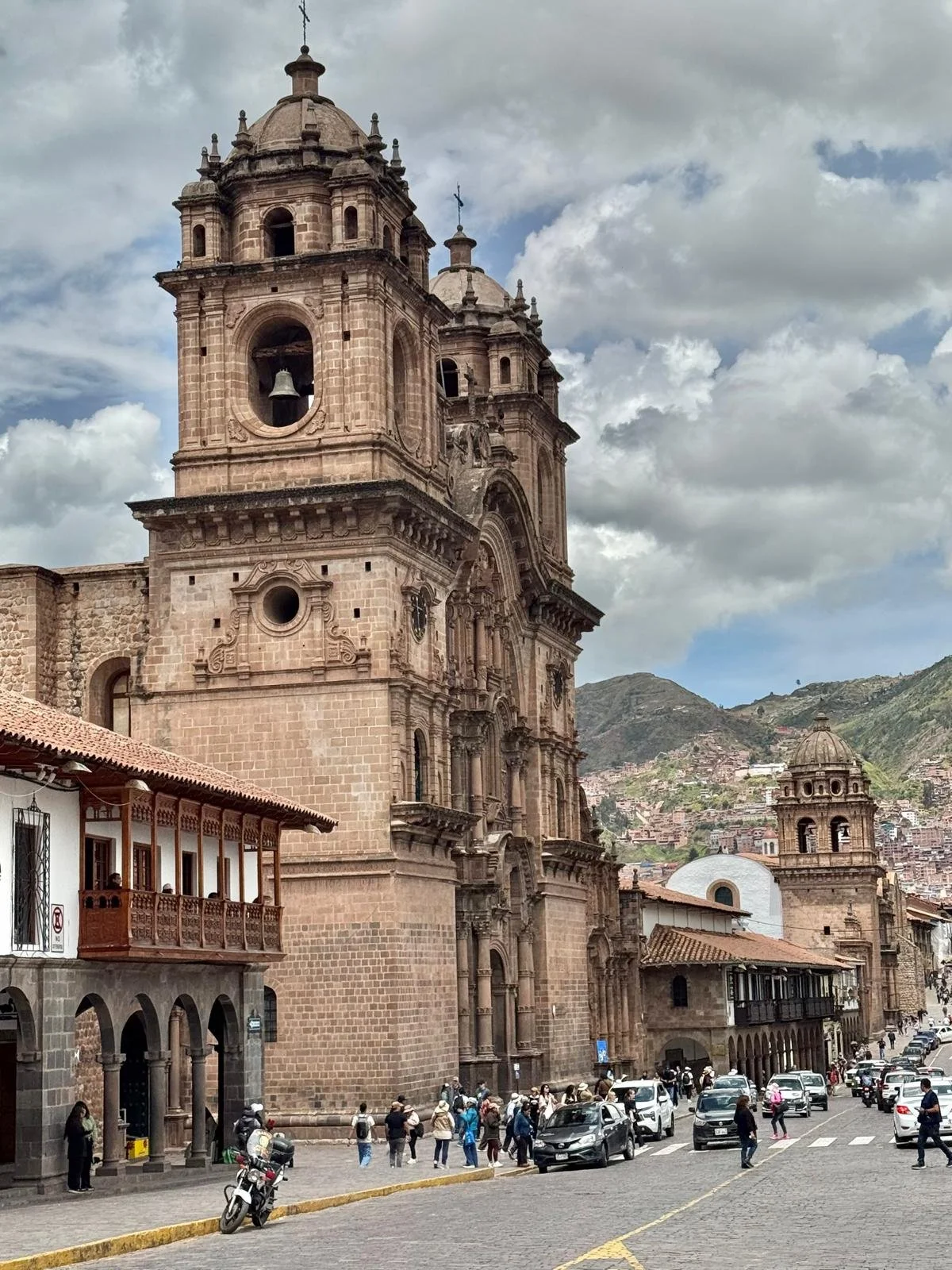
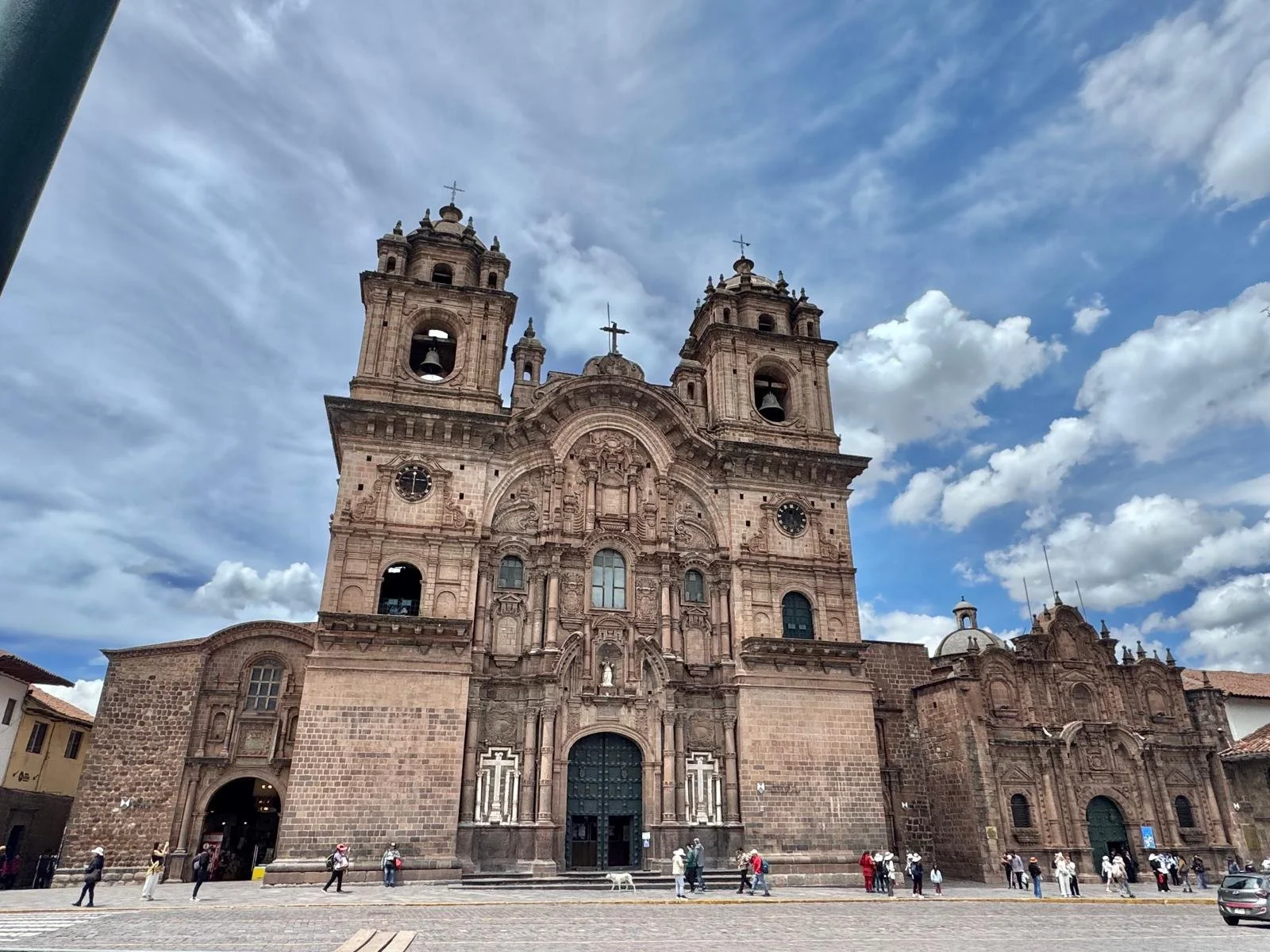
Back to the Plaza de Armas for our visit, the Cathedral Basilica of the Assumption of the Virgin
A World Heritage site and of Spanish colonial architecture. I have never seen a cathedral like it and I’ve seen a few, I thought it was even better than the Vatican. It was built between 1560 and 1664 on the foundations of the Palace of Inca Viracocha and features a blend of Gothic, Renaissance and Baroque styles. It contains over 300 paintings including an enormous one of the Last Supper painted by a local artist and featuring a guinea pig for the supper! The Main altar is plated entirely in silver and one of the other altars is in gold. It is unbelievable inside, so many different altars, all the statues are not painted but dressed in actual material clothes, like beautiful dolls. Honestly, it is something else. The sad news is that they don’t allow photography in there so I can only show you some outside photos. You definitely need to google this and take at look at the beauty inside.
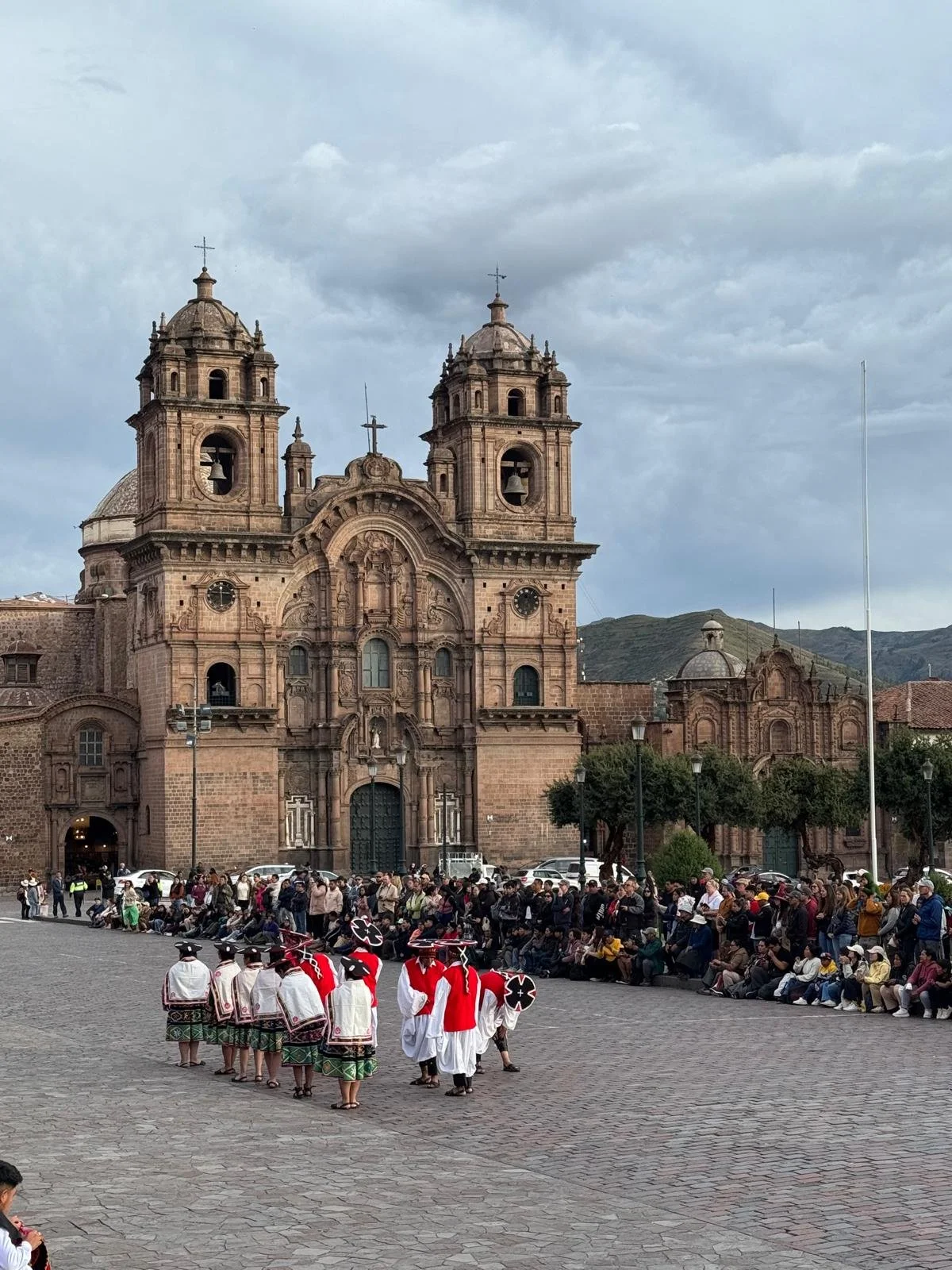
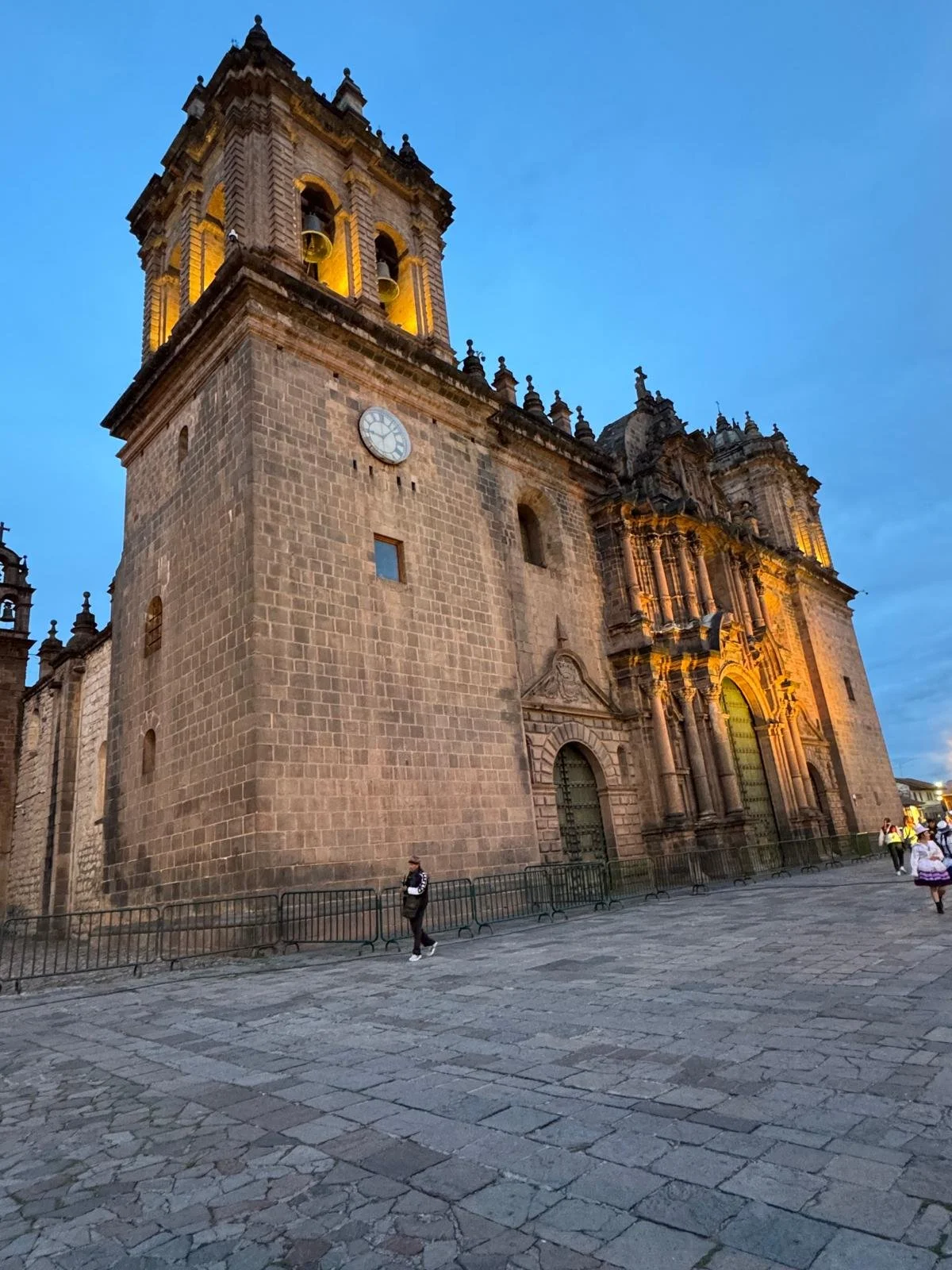
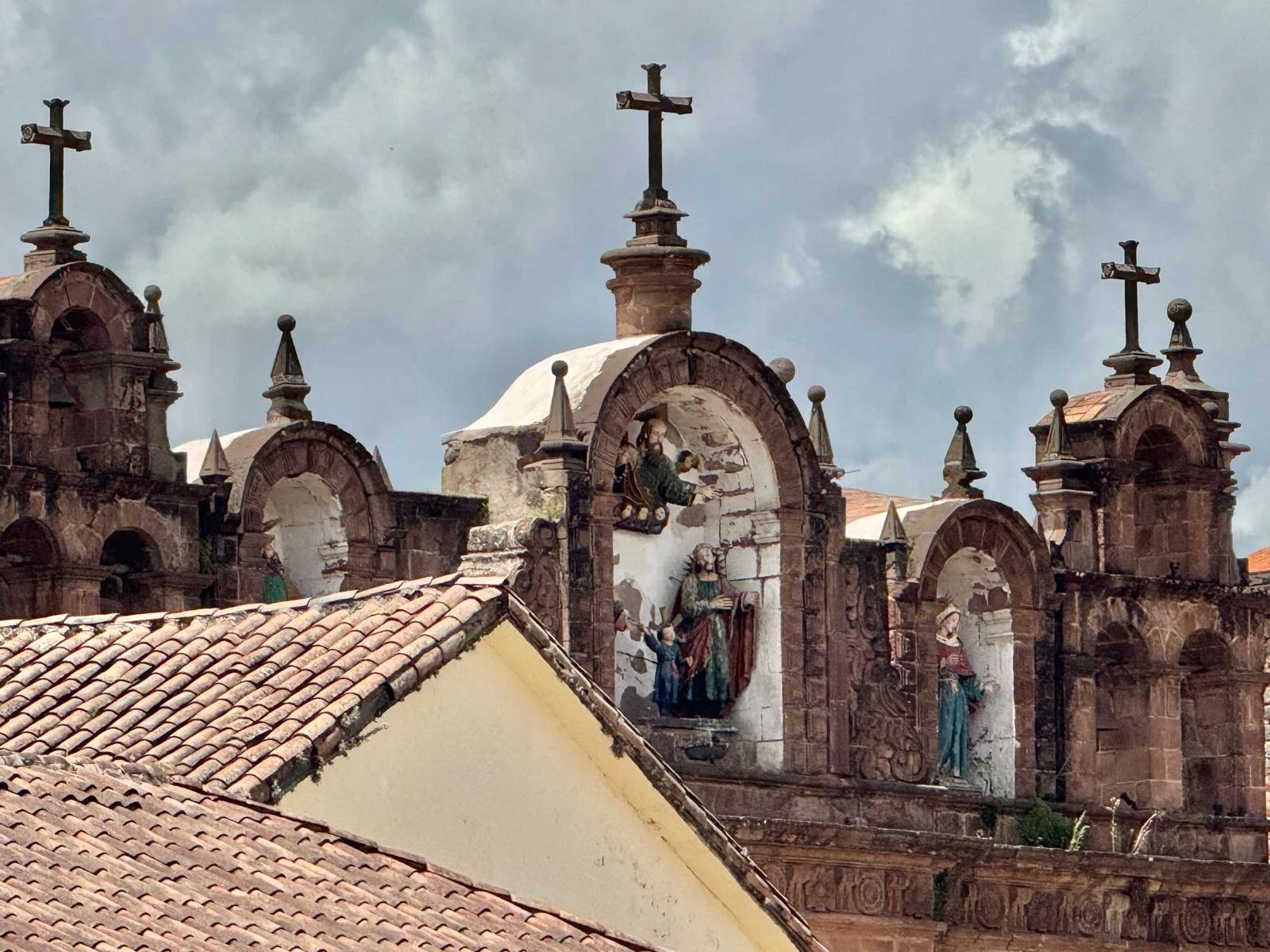
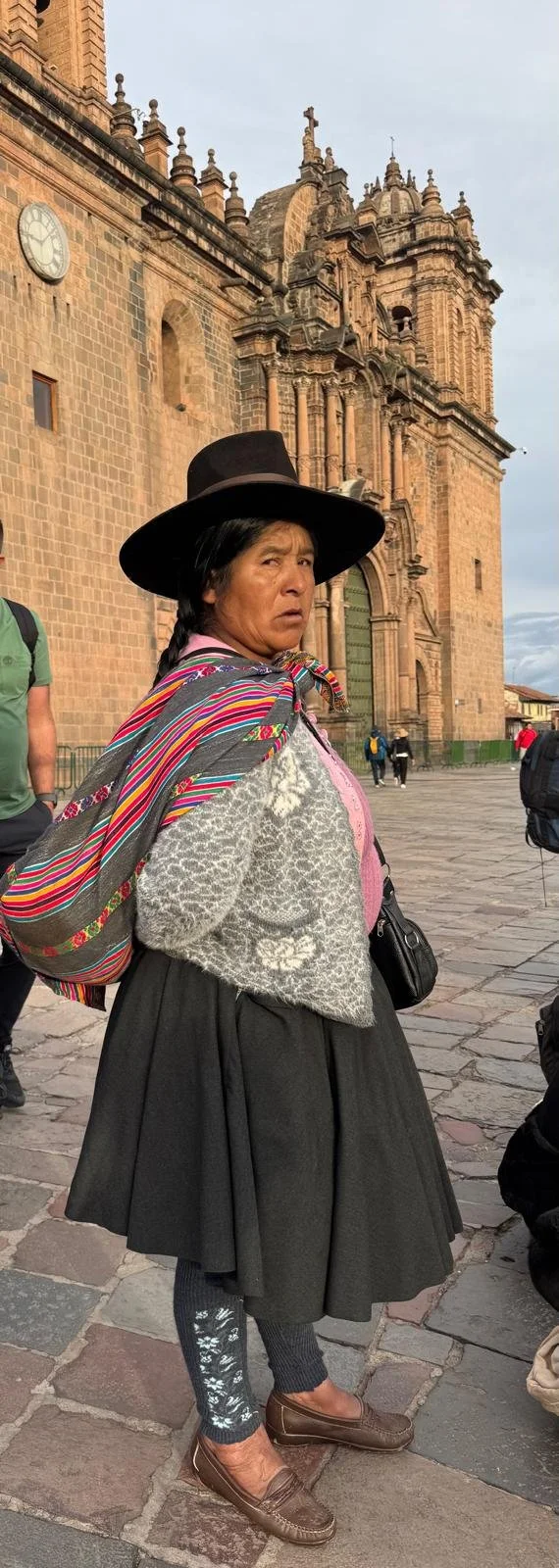
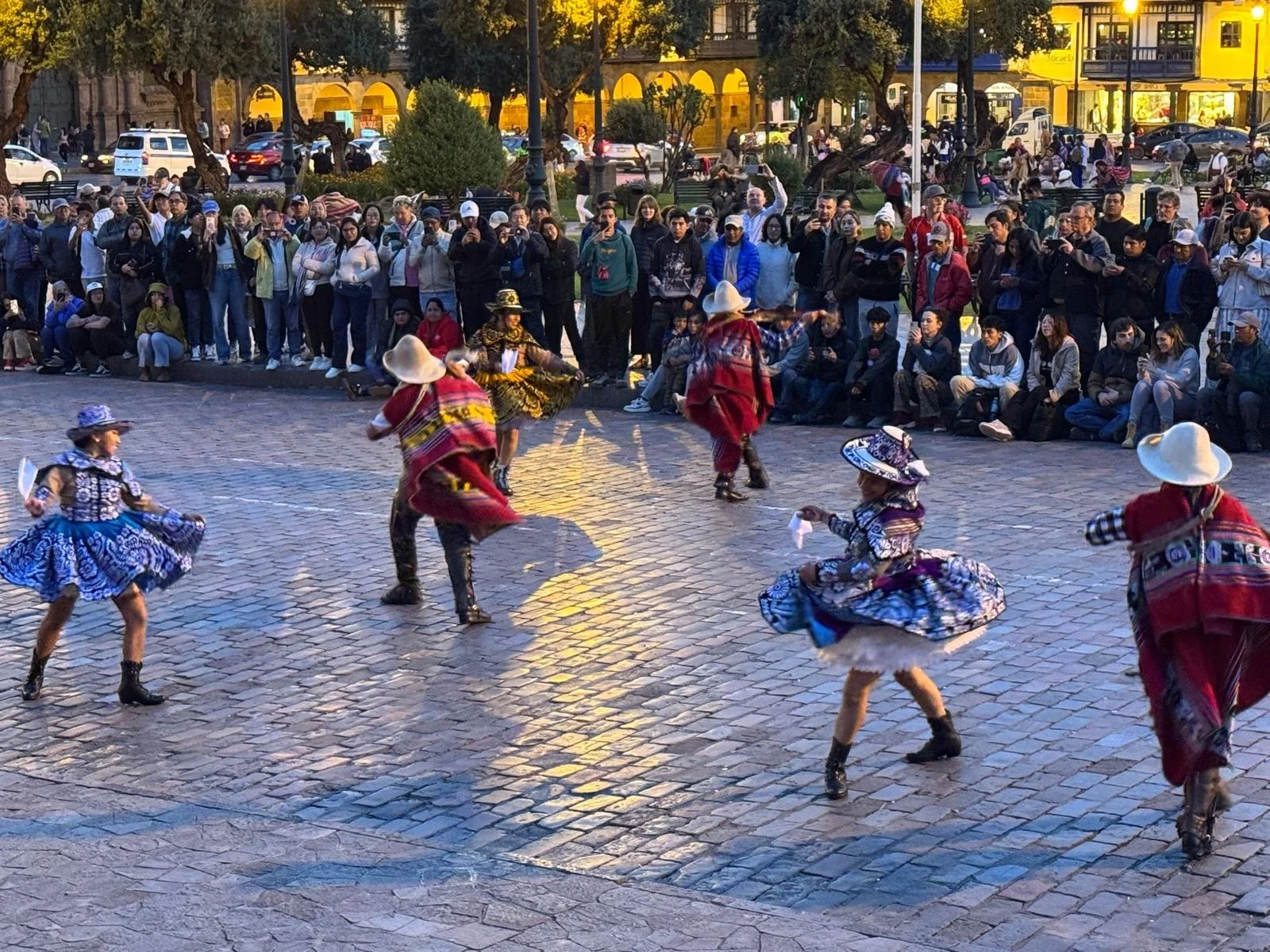
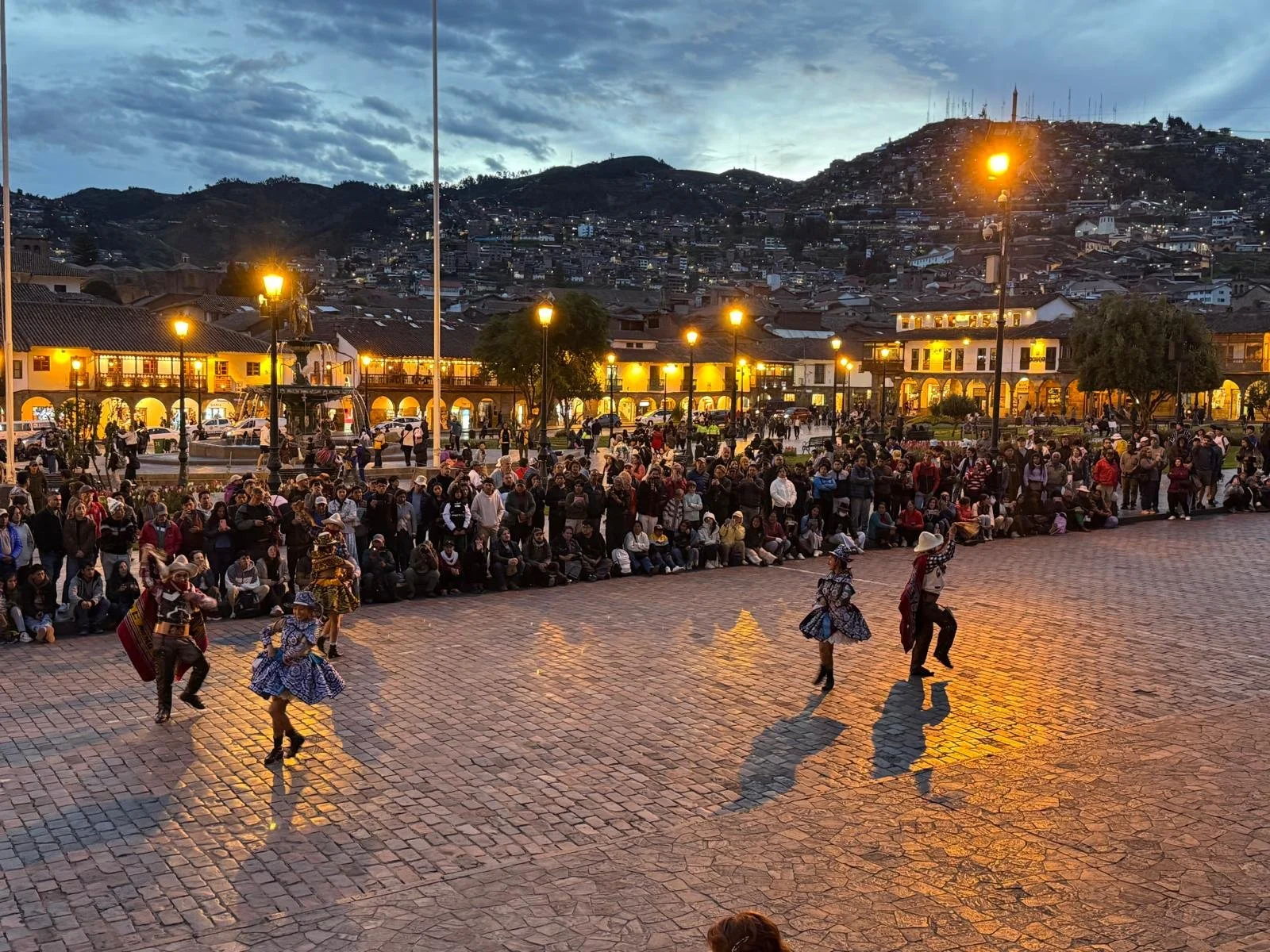
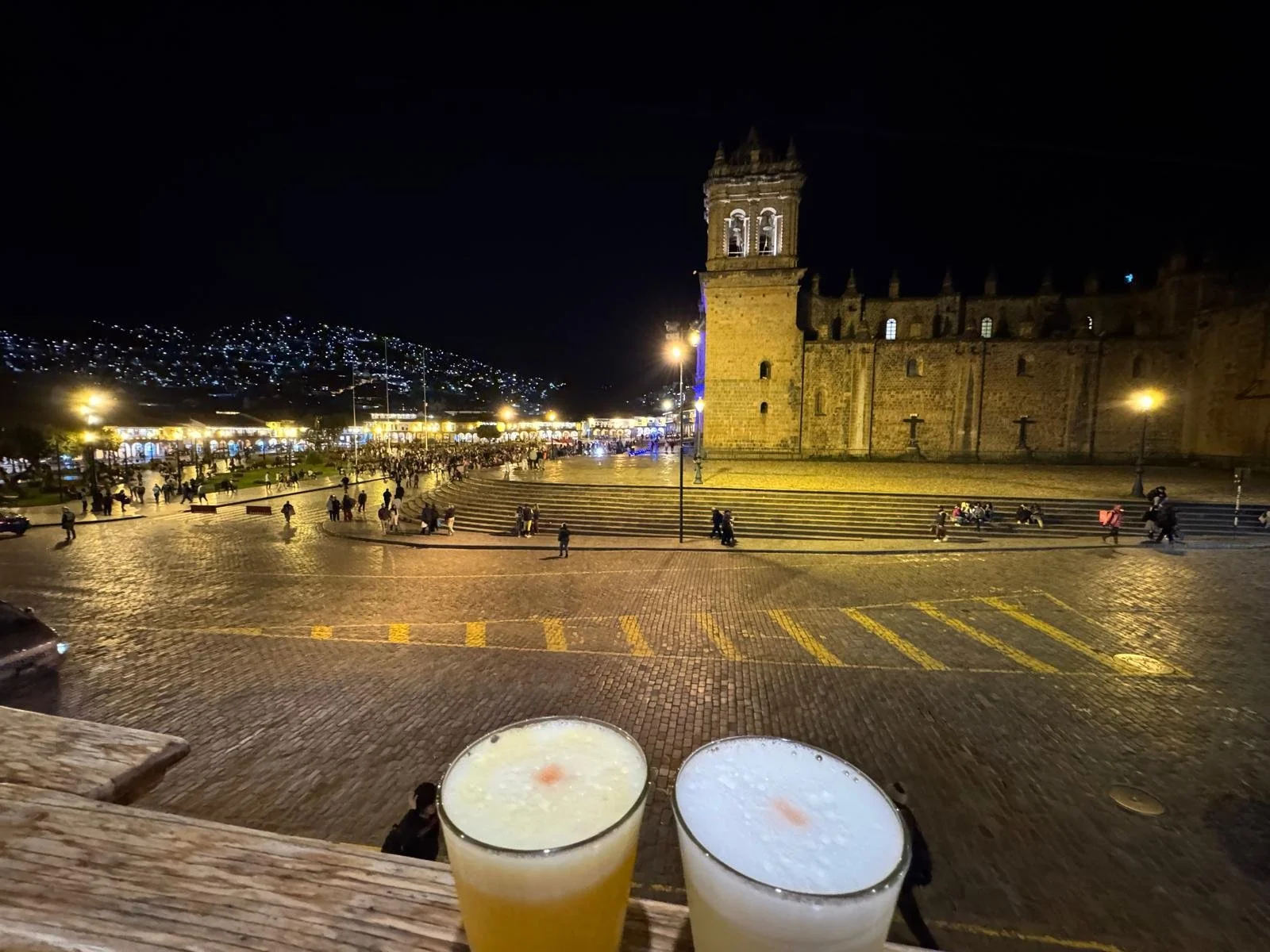
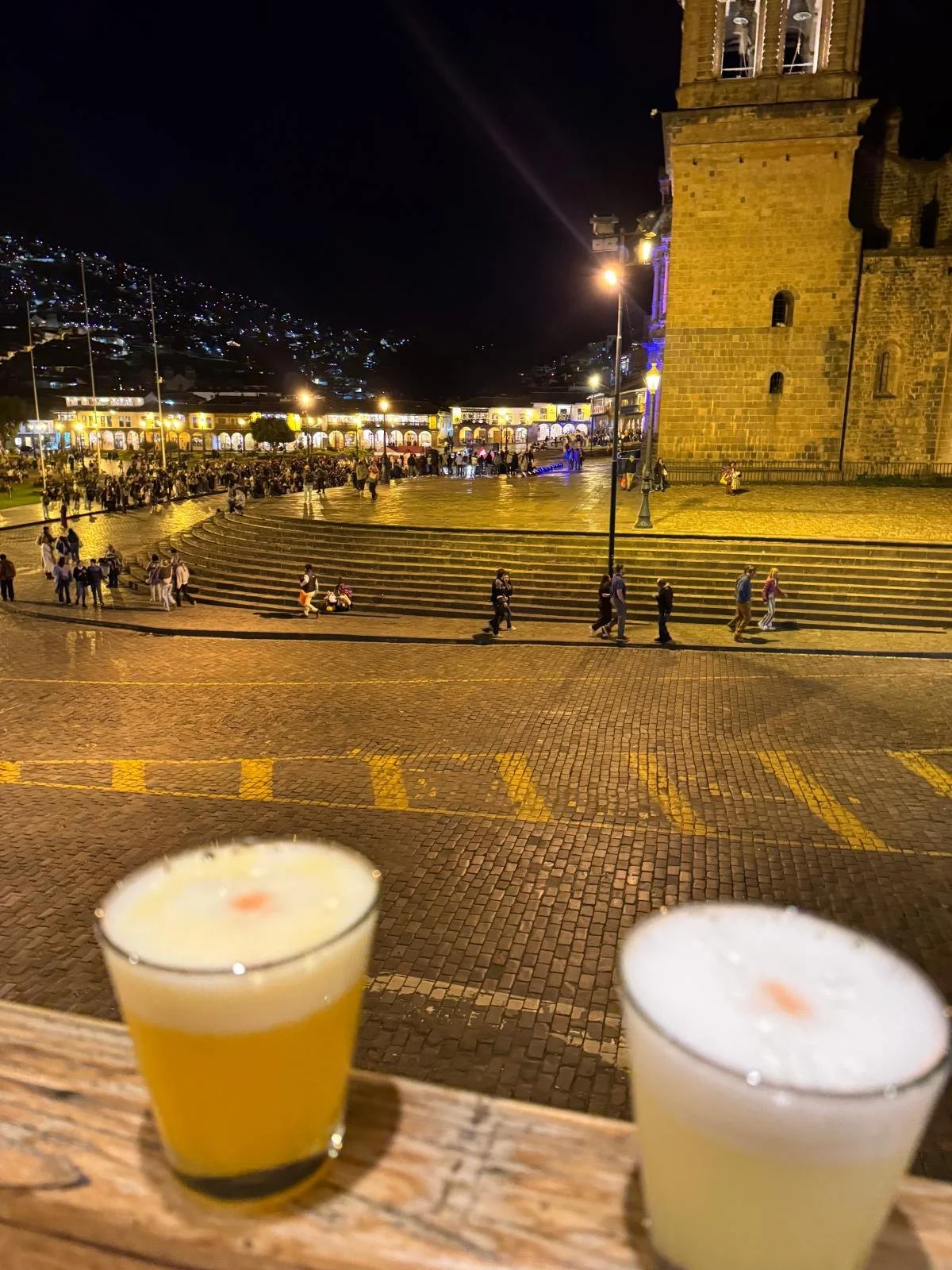
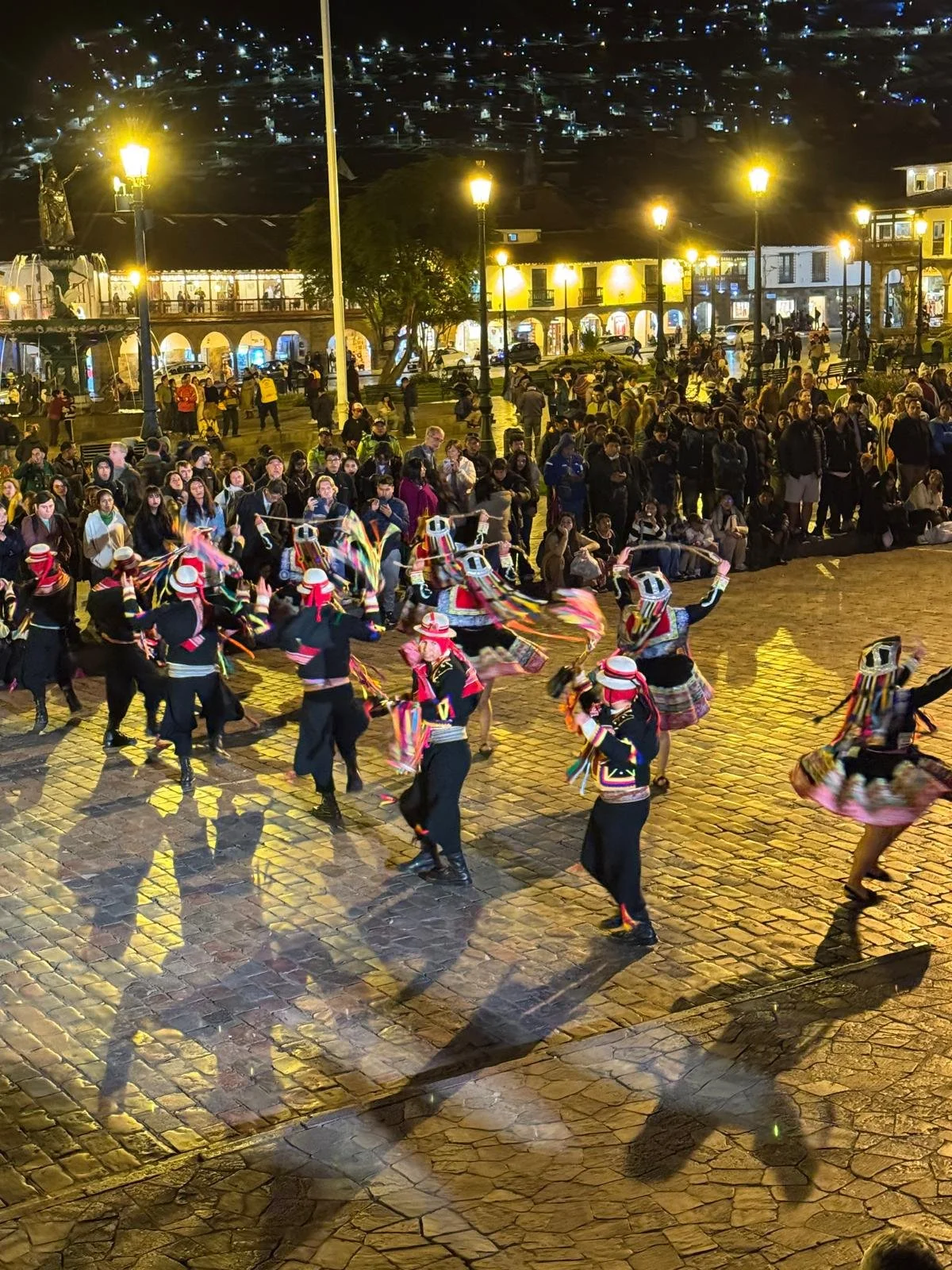
Tour finished, Geoff and I headed to a great bar with a balcony overlooking the square for a Pisco Sour (of course) and to watch the dancers performing. The Plaza was alive with music and dancing, with the lights on the hills twinkling behind.
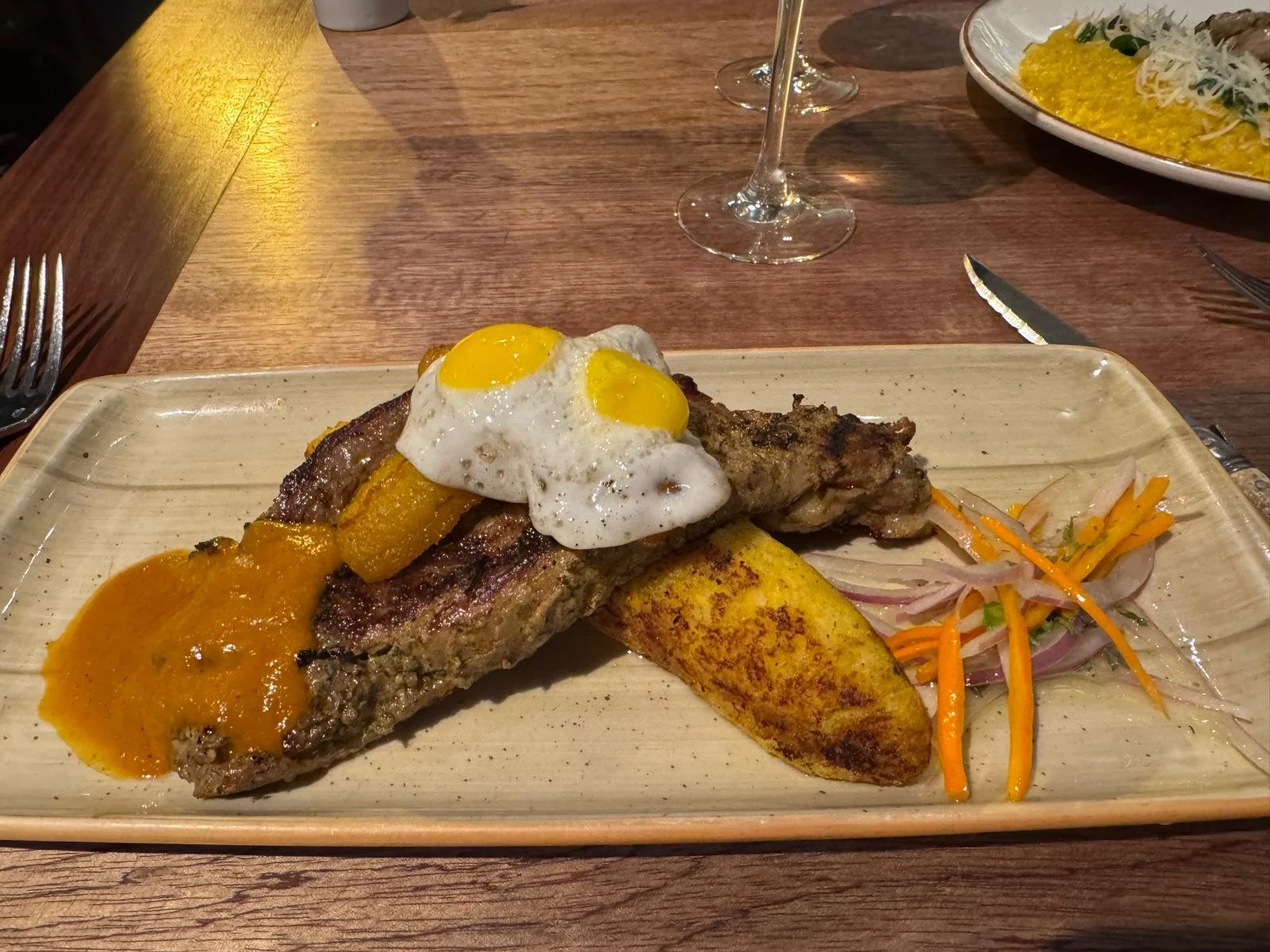
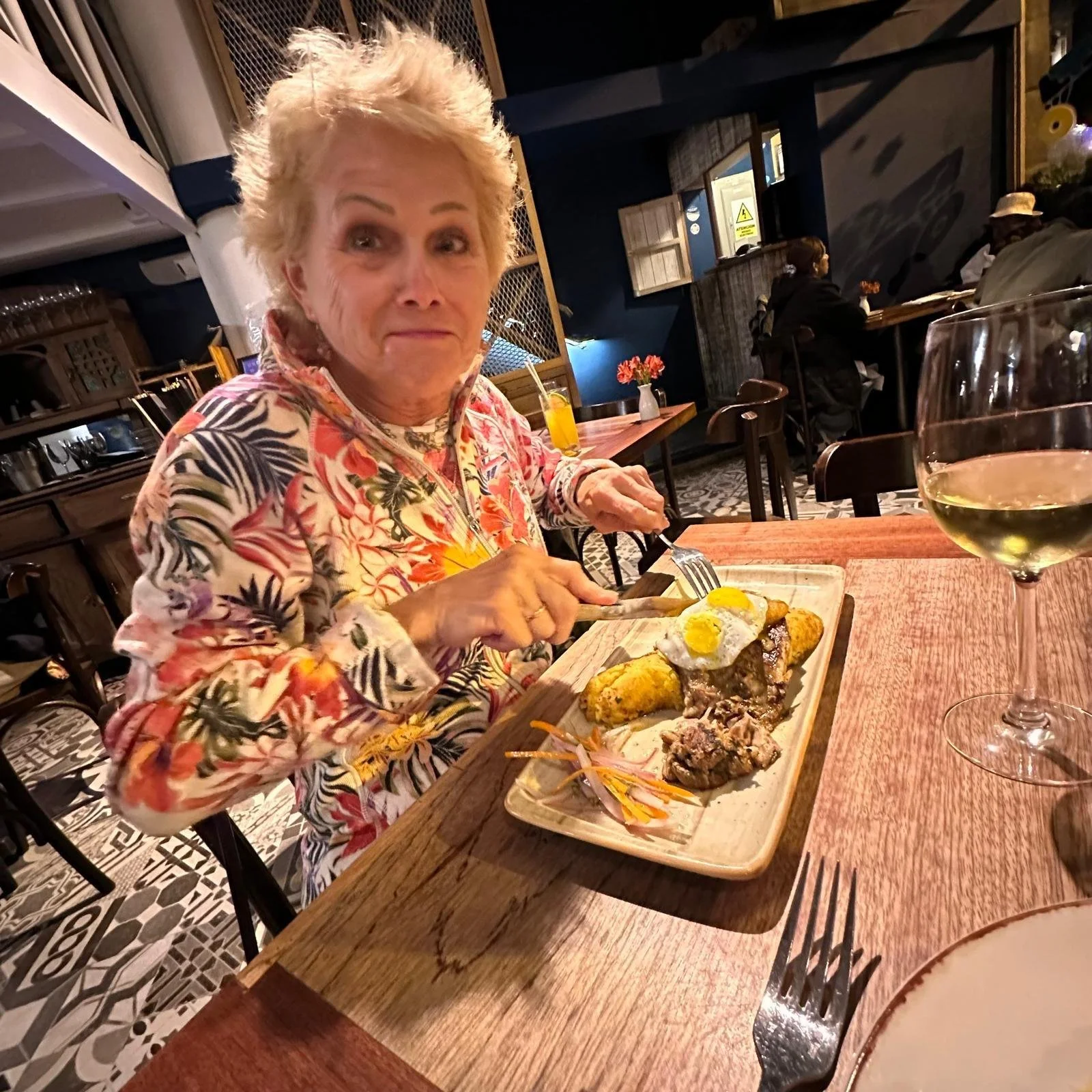
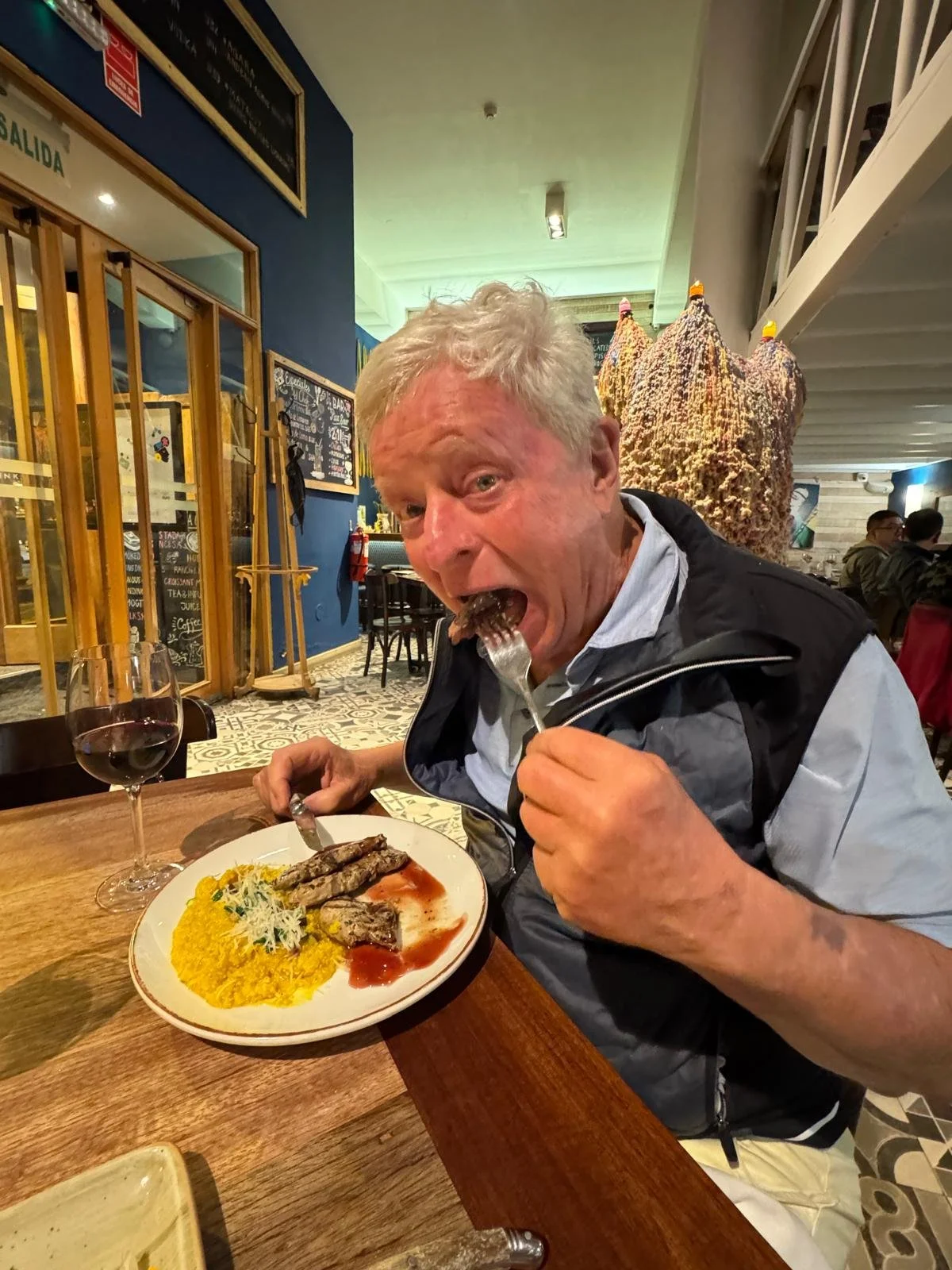
We succumbed! We went to the Inka Grill and ordered two dinners, one of guinea pig and the other of alpaca. Can’t say I was thrilled with the guinea pig, fortunately it was served without its head, which is common in a lot of restaurants. I found it a little gristly, but Geoff liked it. The alpaca was a bit like a steak, but milder. Neither will be on my list to order again!
Wednesday 18 March
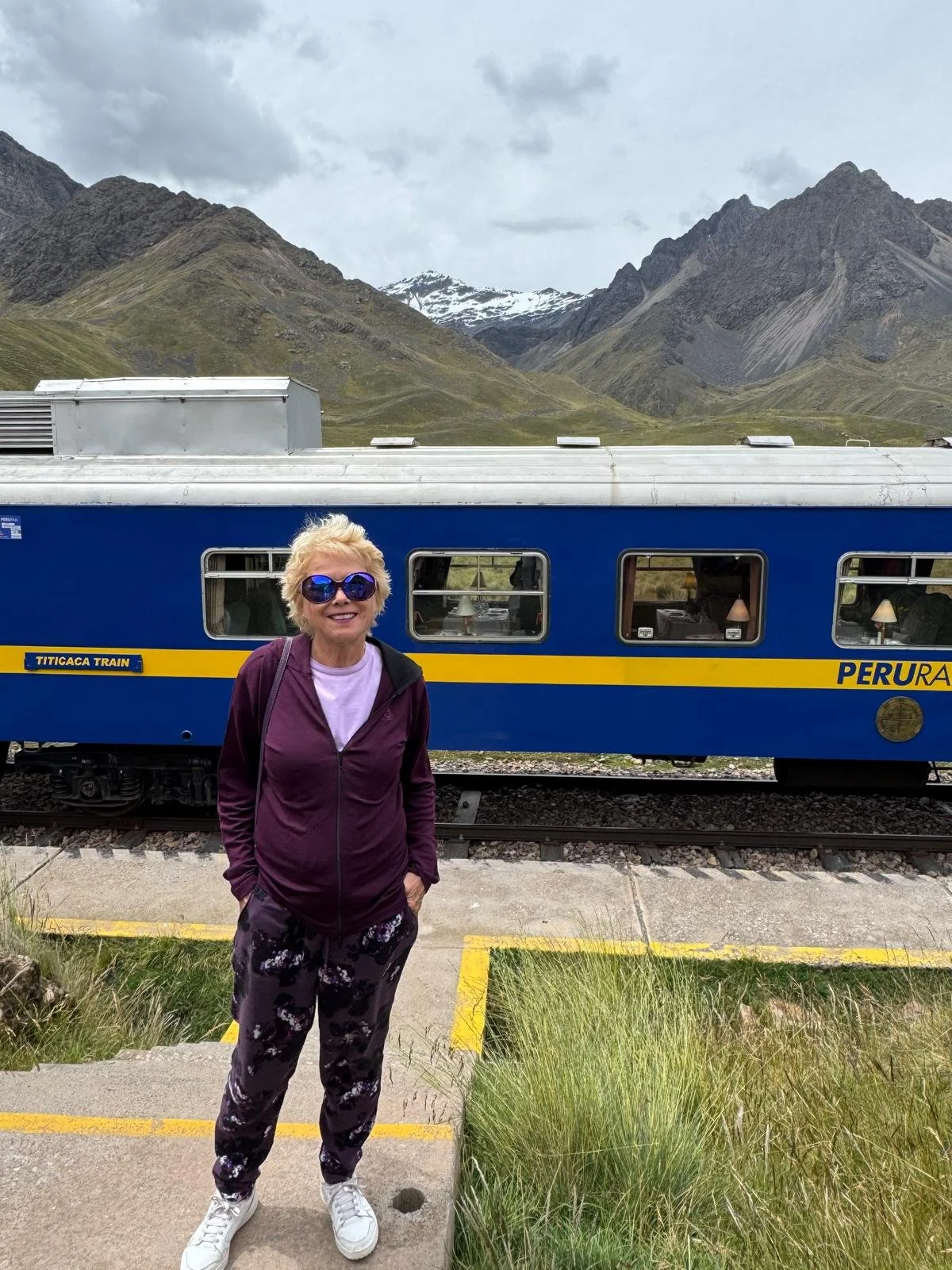
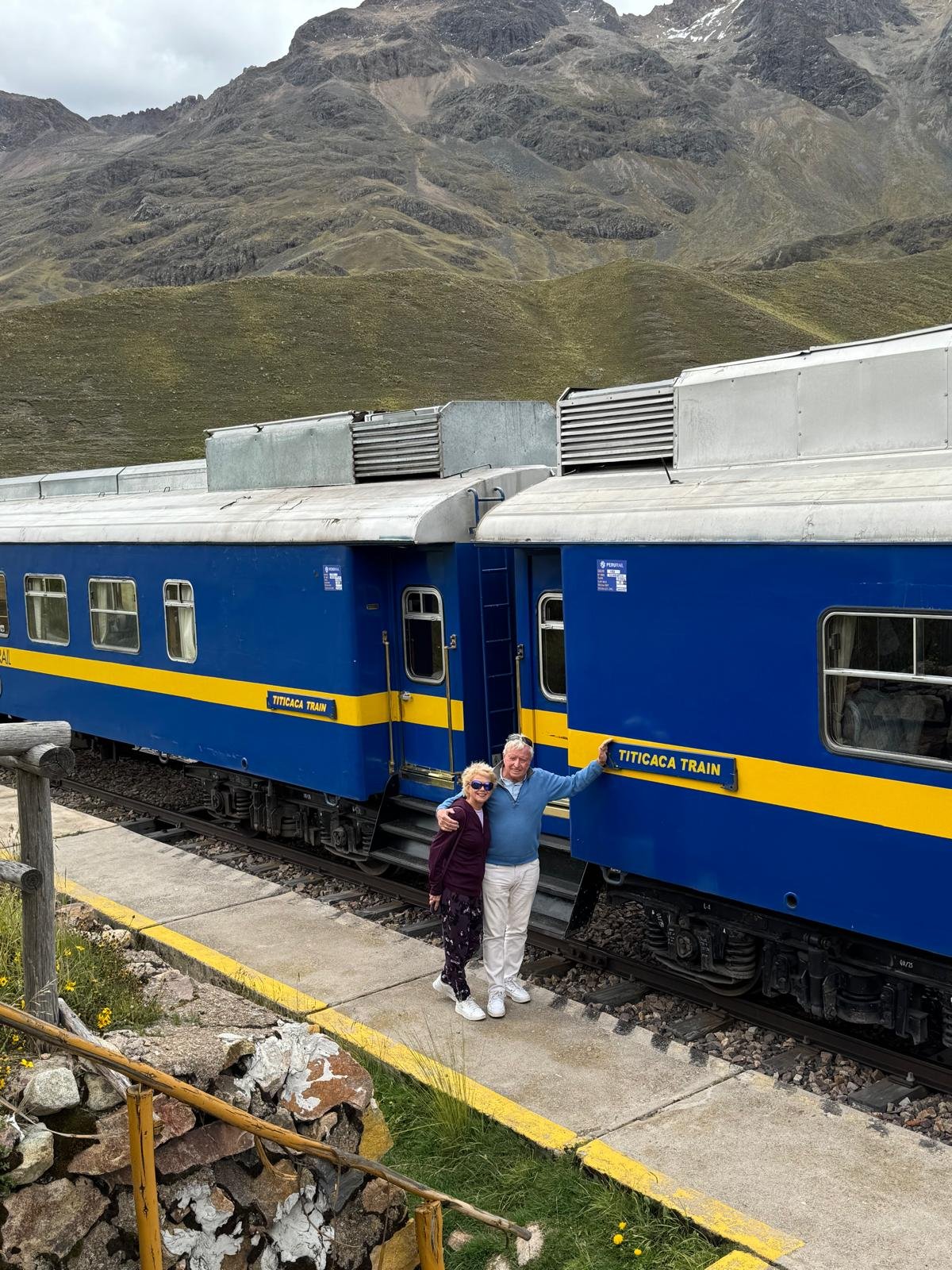
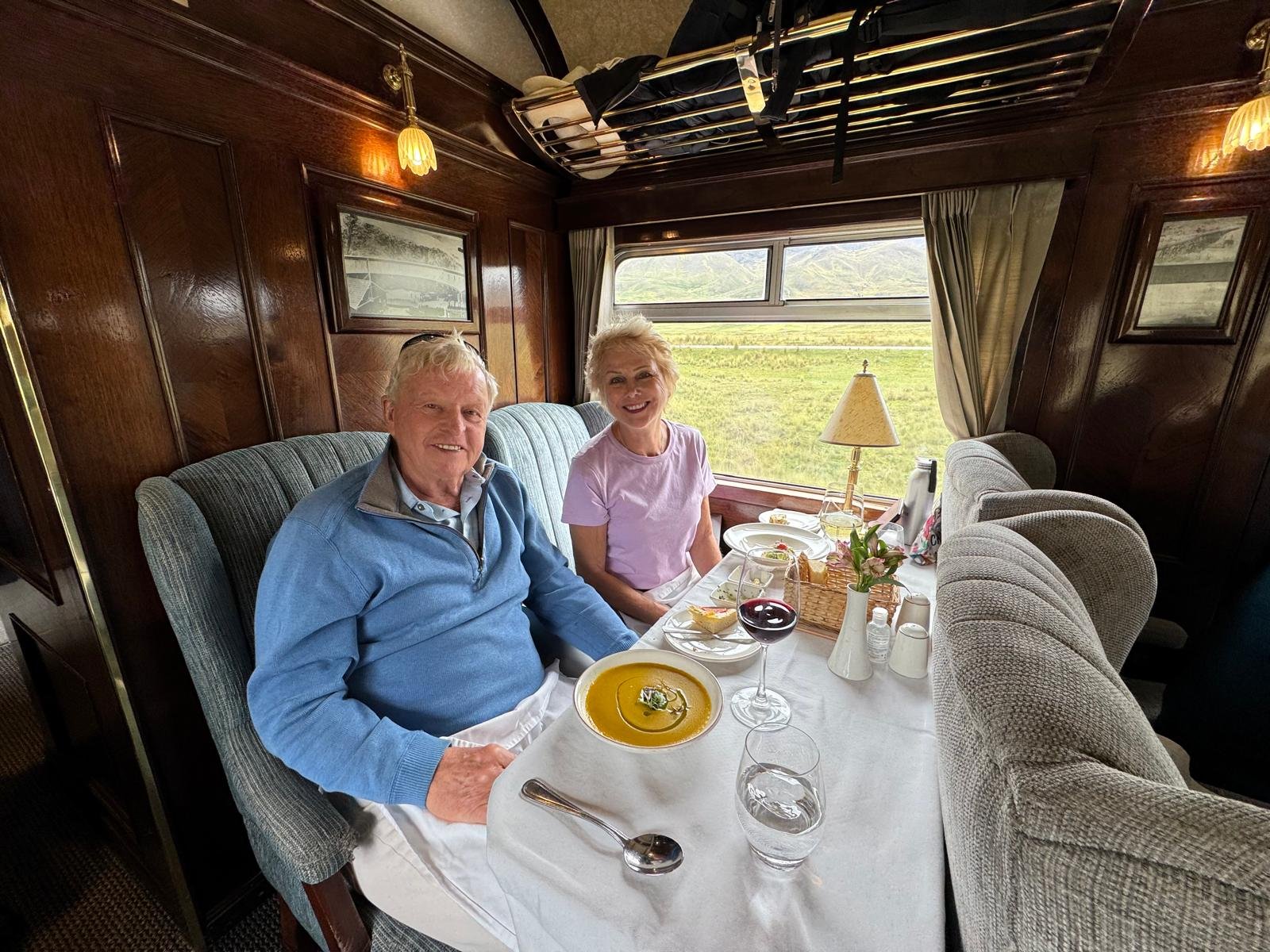
I’m writing blog this sitting on the Peru Rail train – we are on our way to Puno, a 10 ½ hour journey. Another early start we left at 6.45am this morning and are now sitting here in our first-class seats, with tablecloth, fresh flowers and waiter service, and feeling very fancy! 10.30am and we’re already being served Piscos! And then would you believe it, carriage by carriage, we were treated to a fashion show featuring some beautiful alpaca scarves, ponchos and jackets, and then a live band with Peruvian dancers!
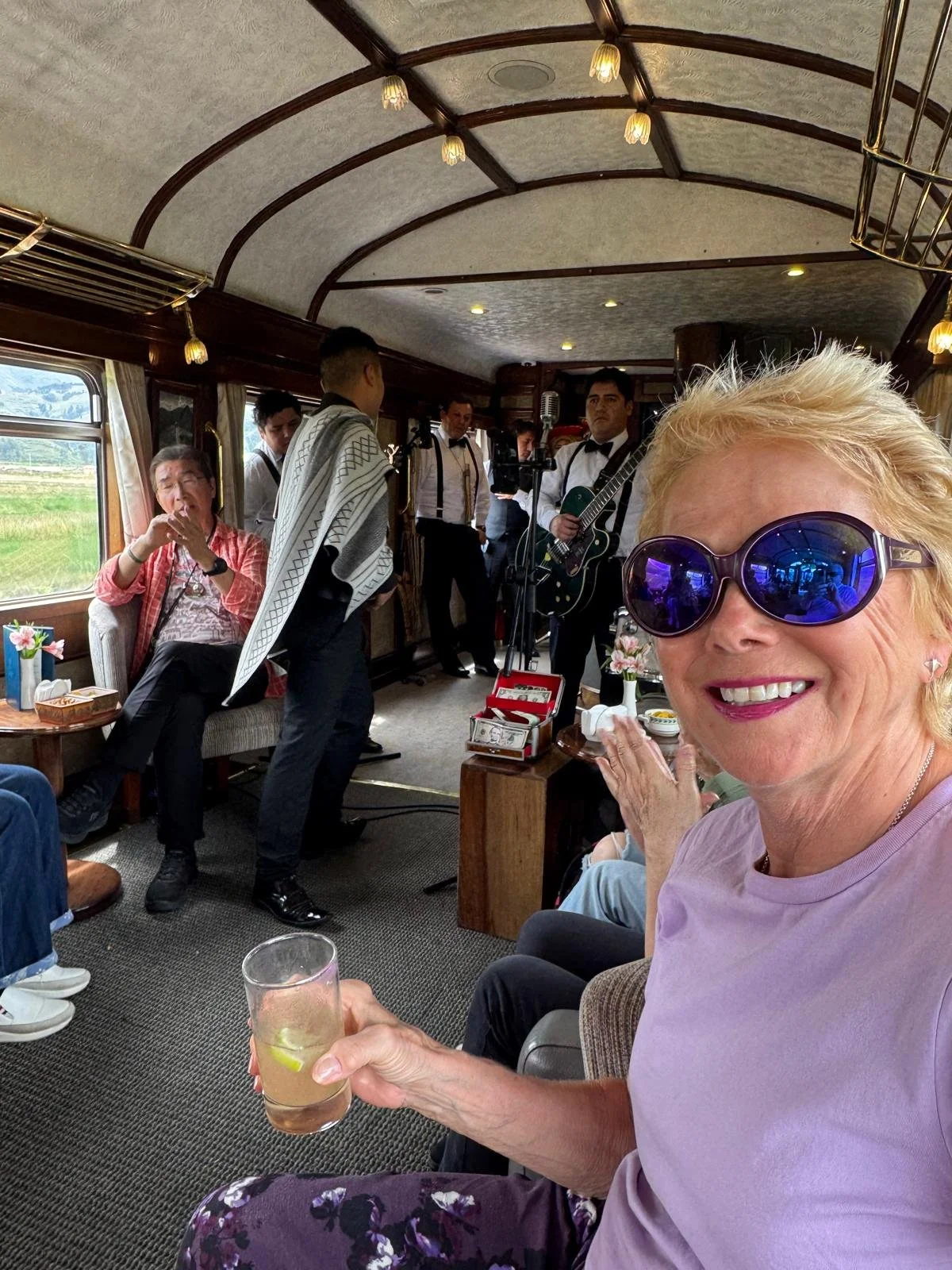
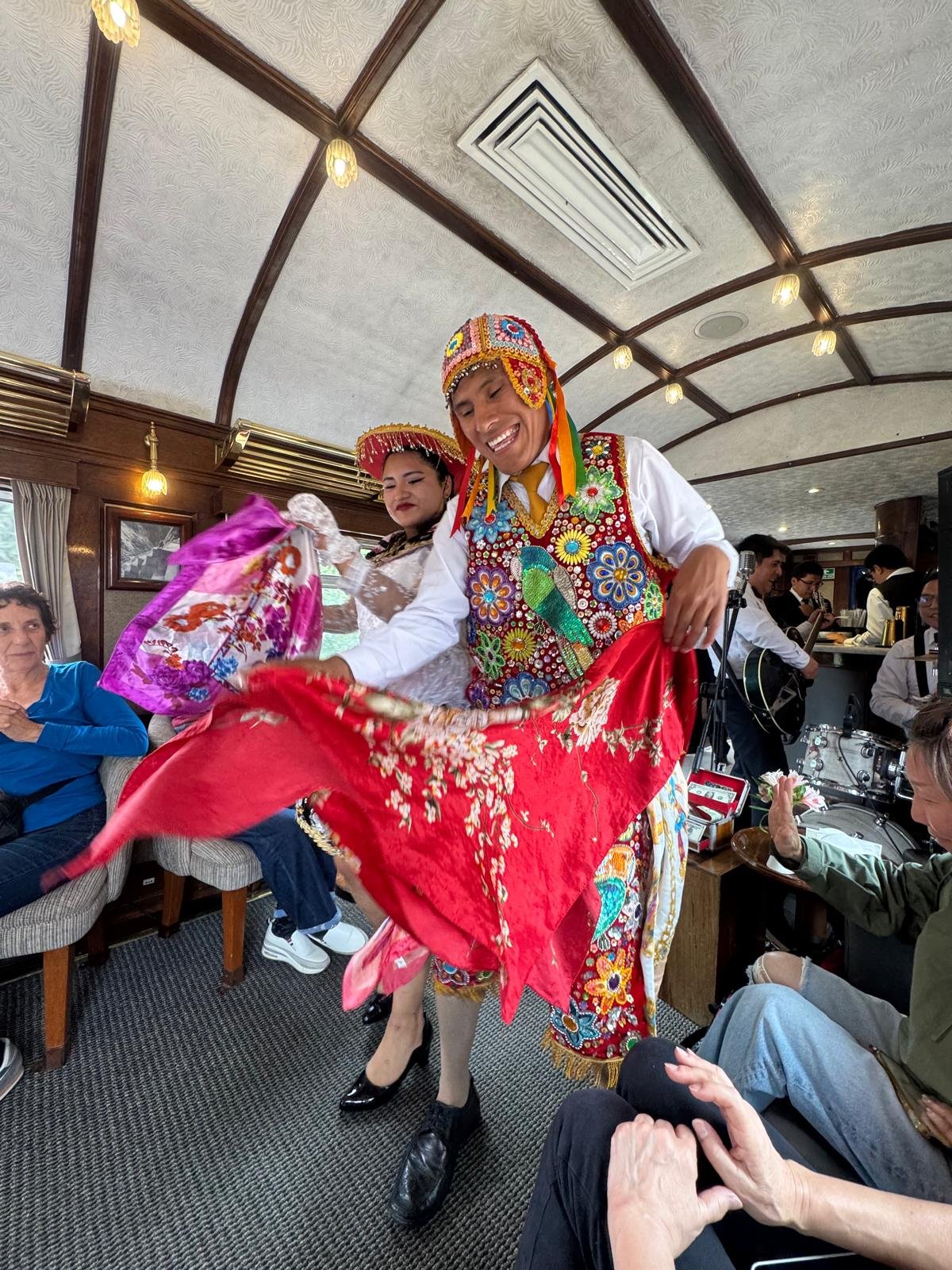
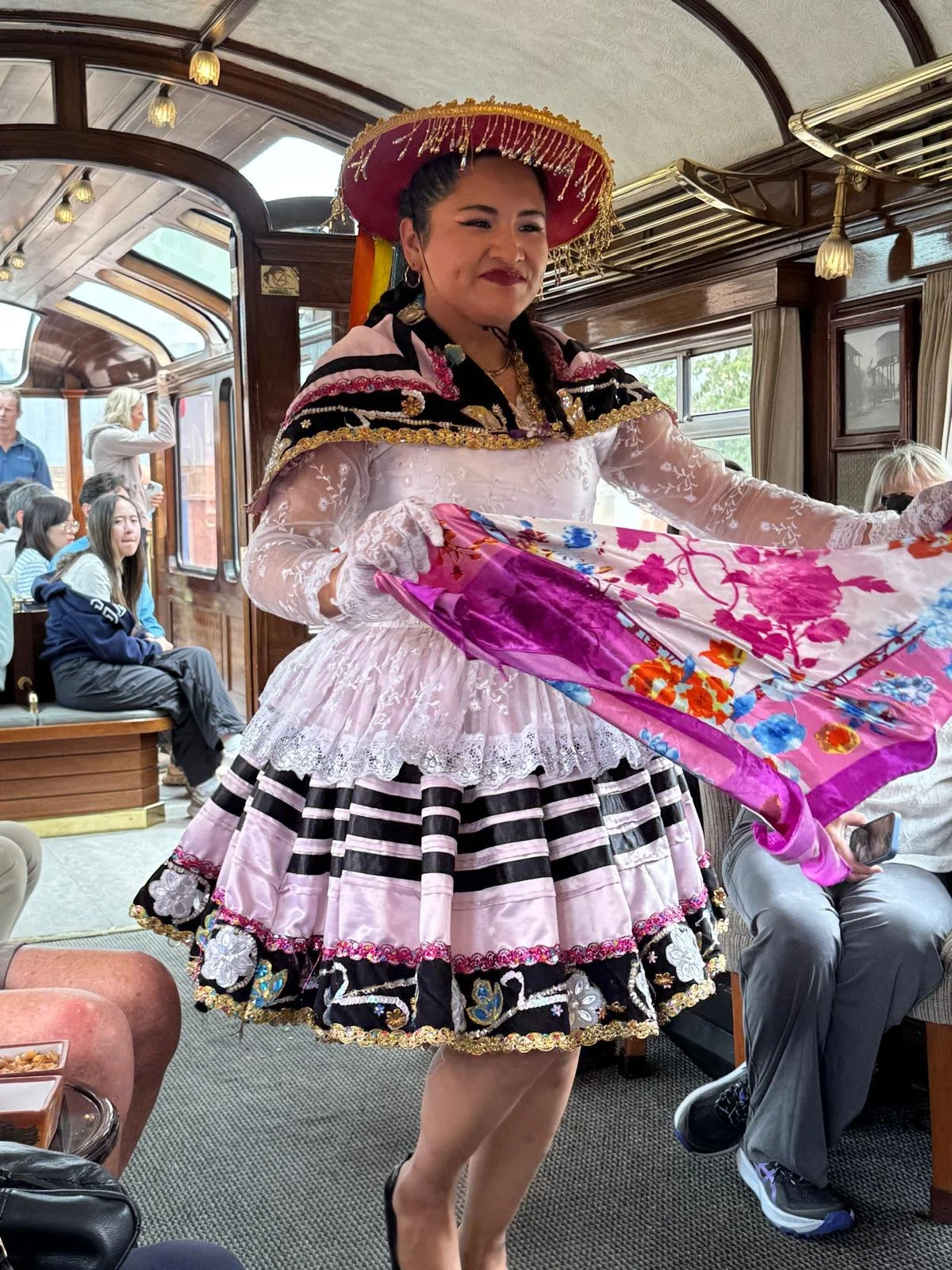
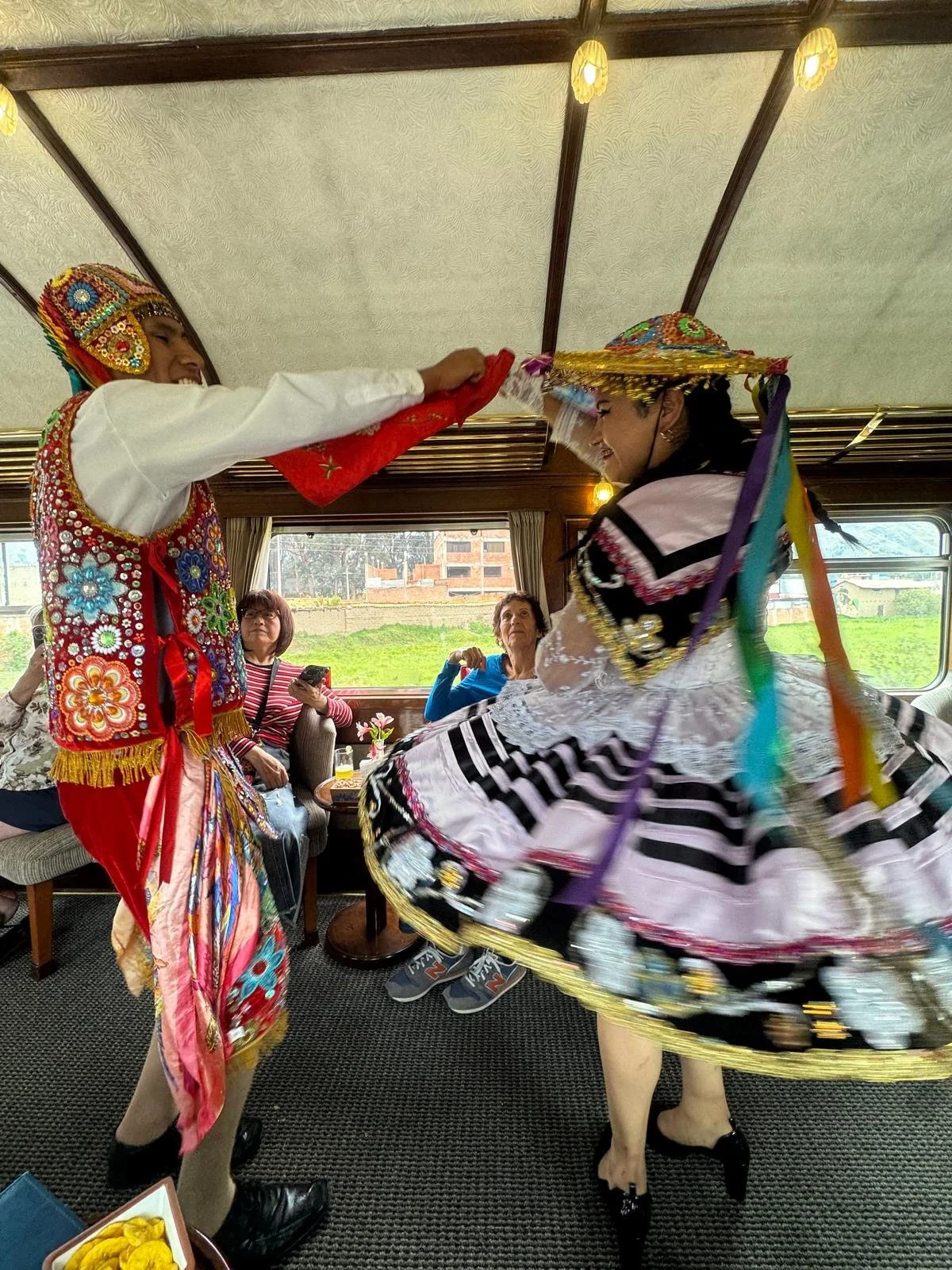
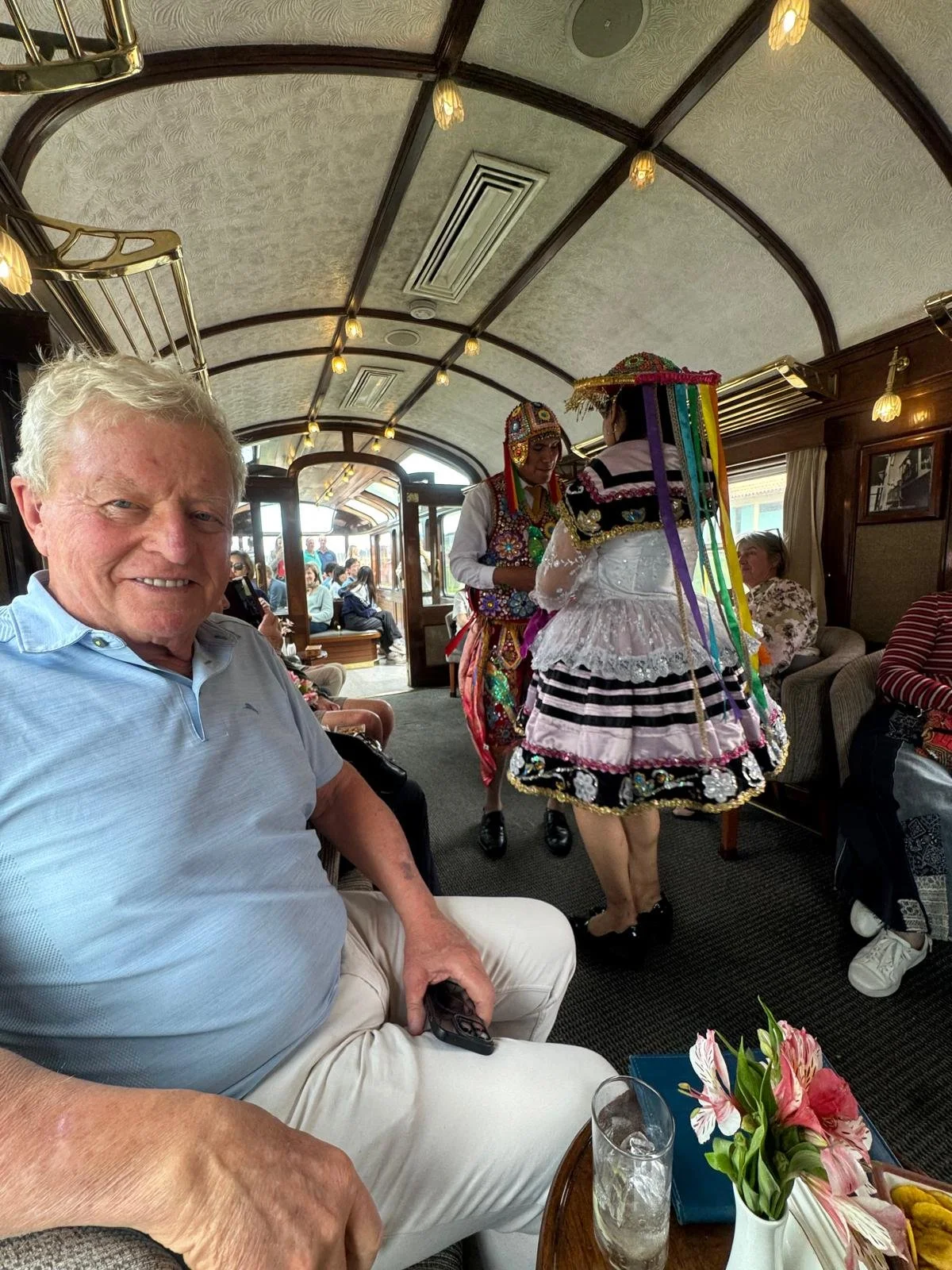
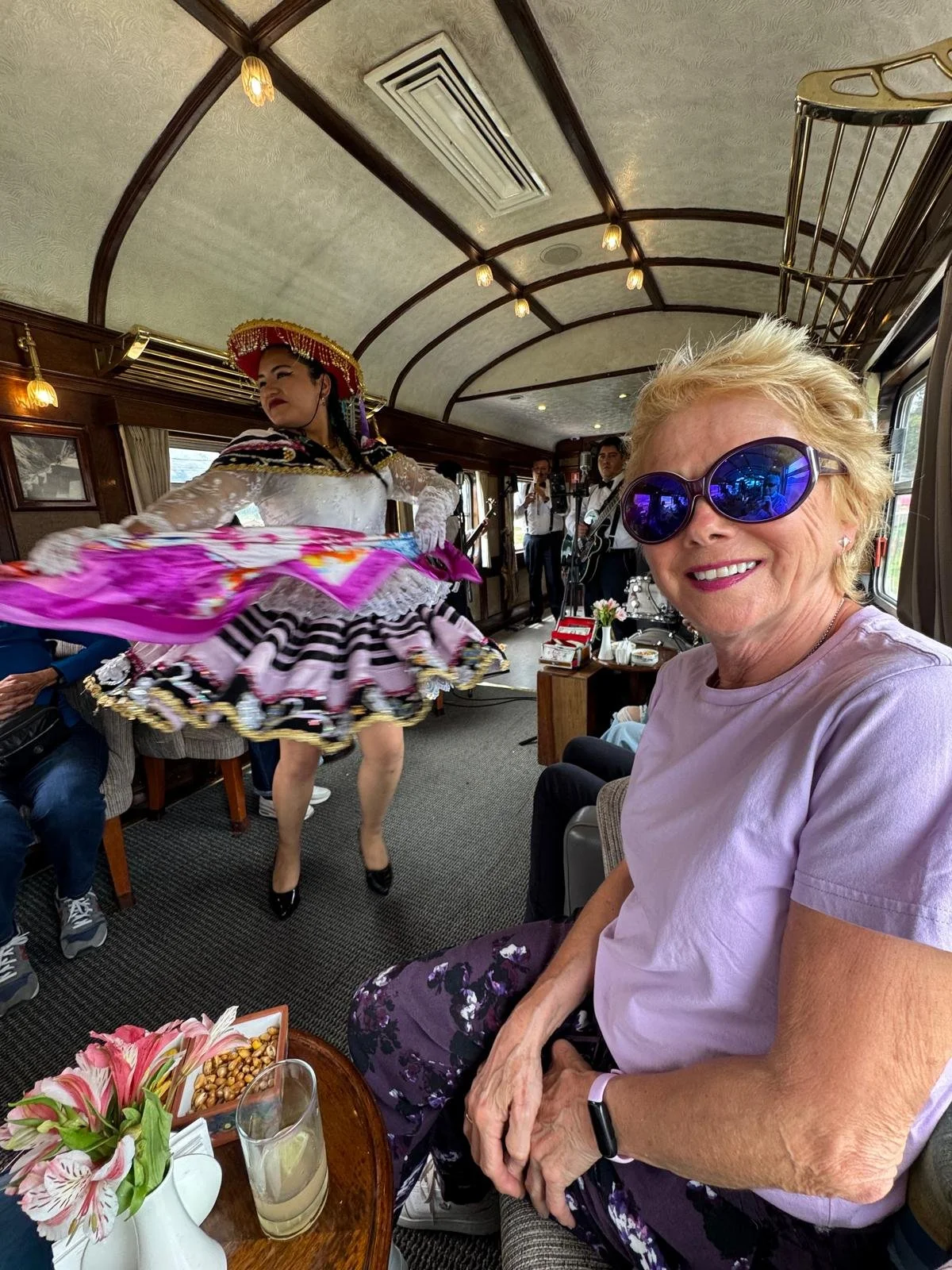
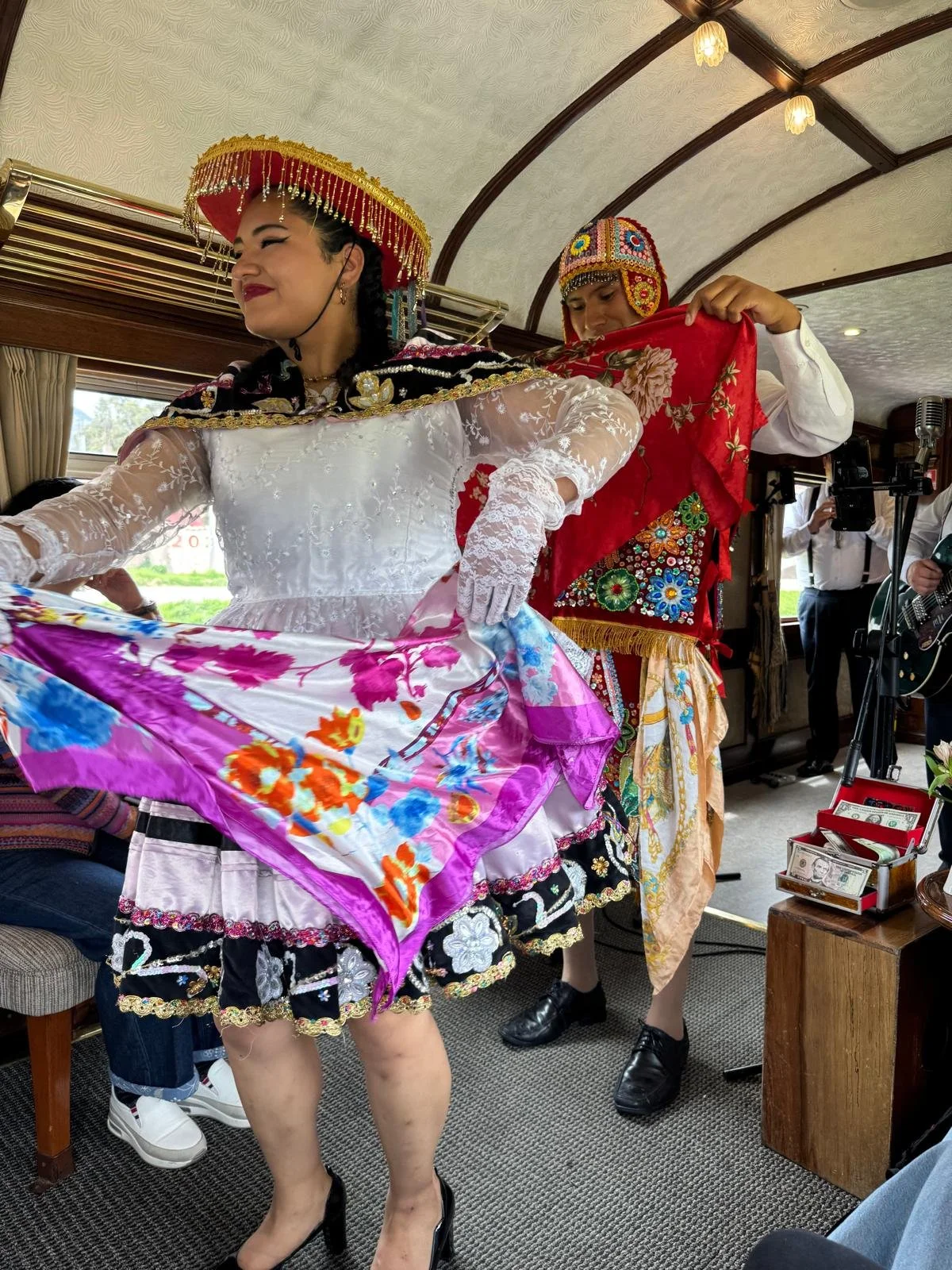
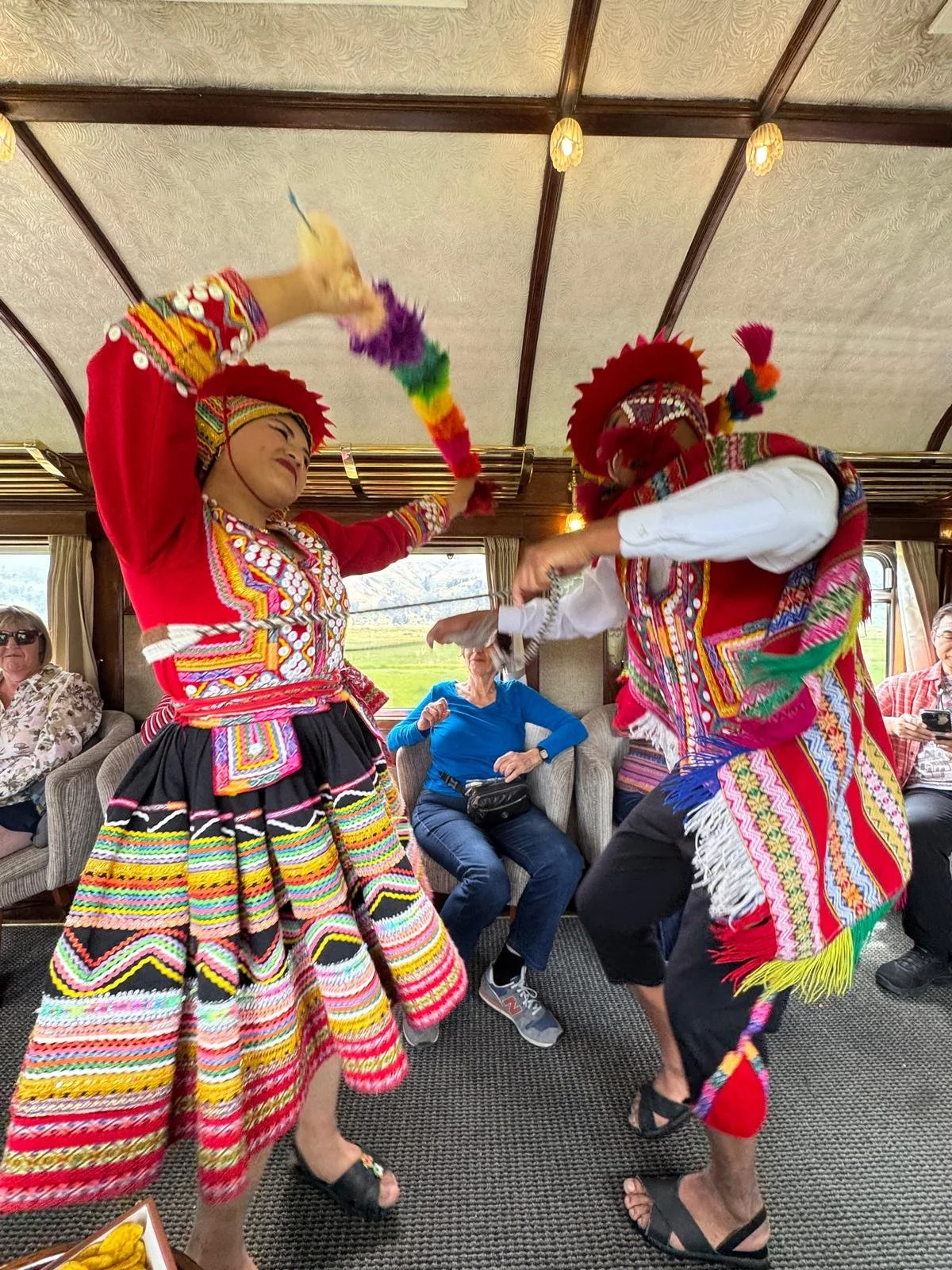
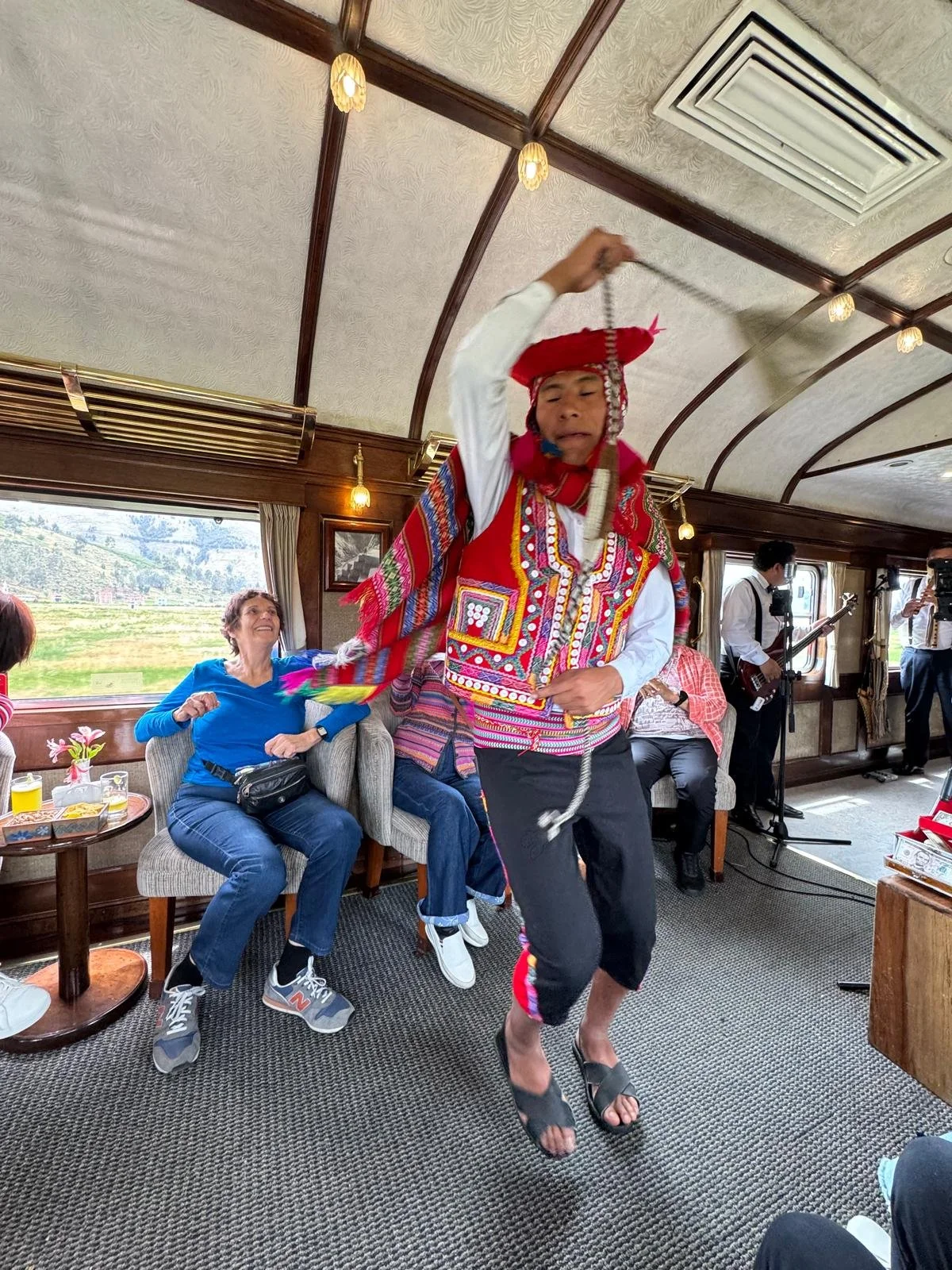
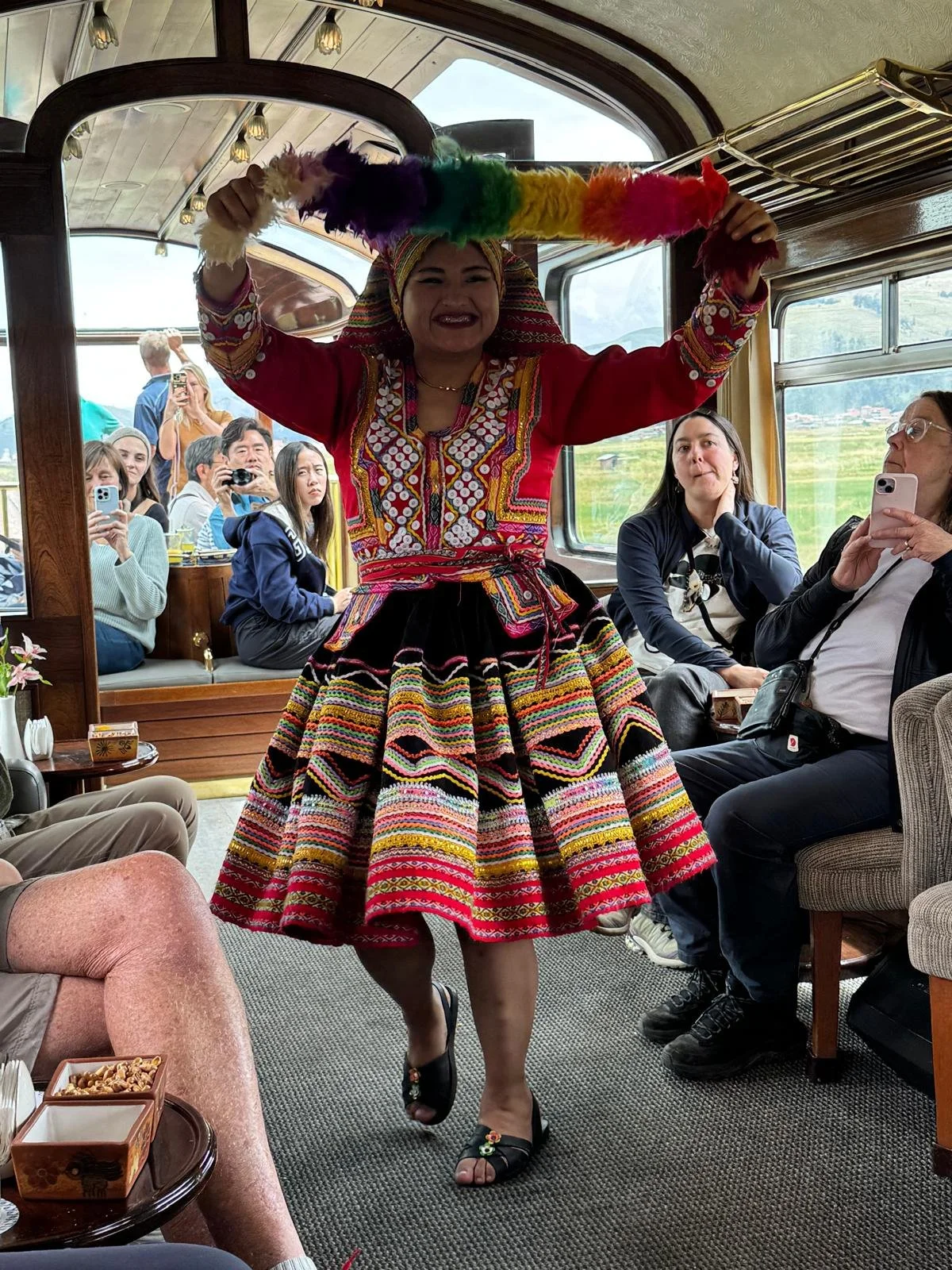
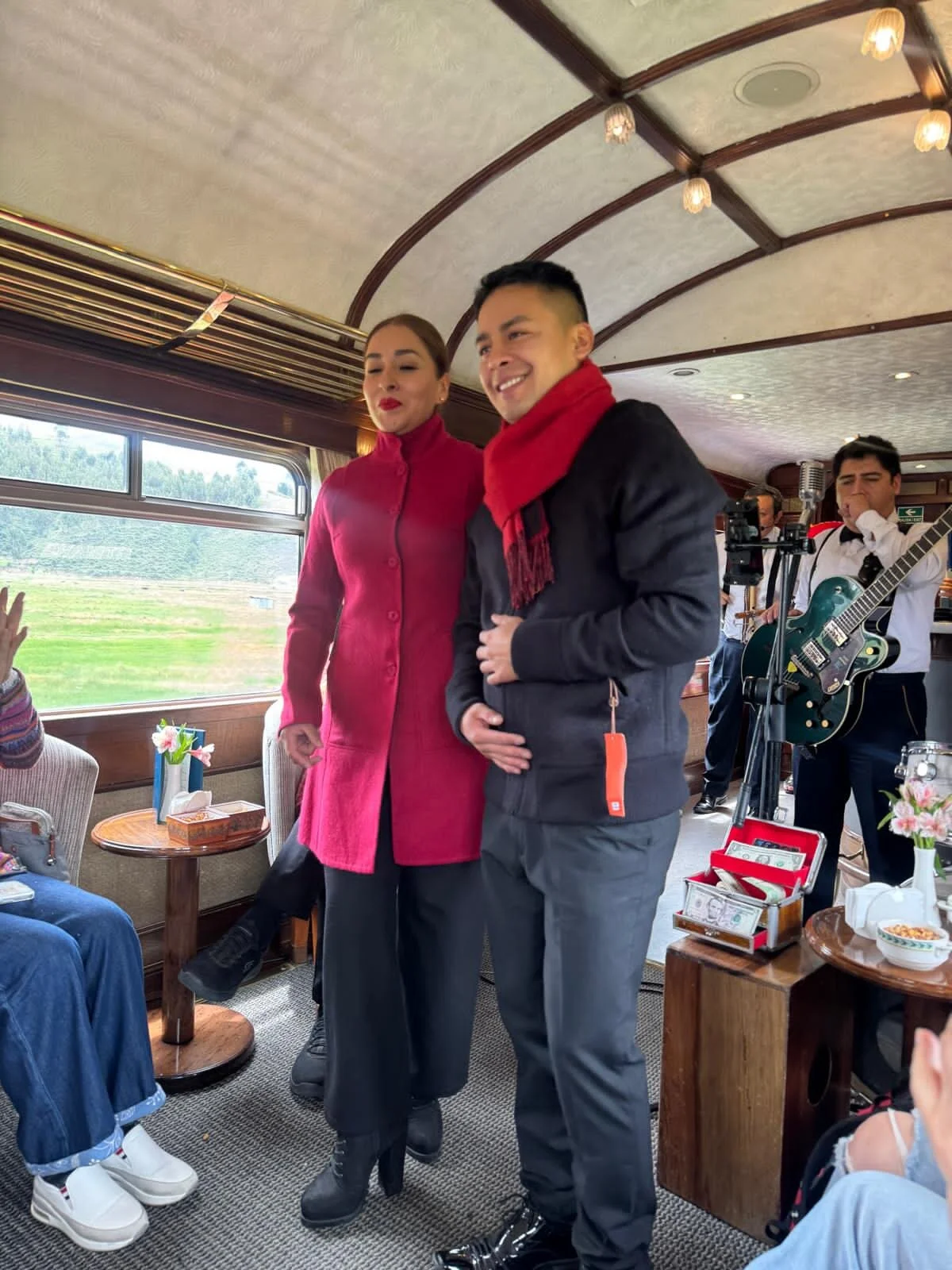
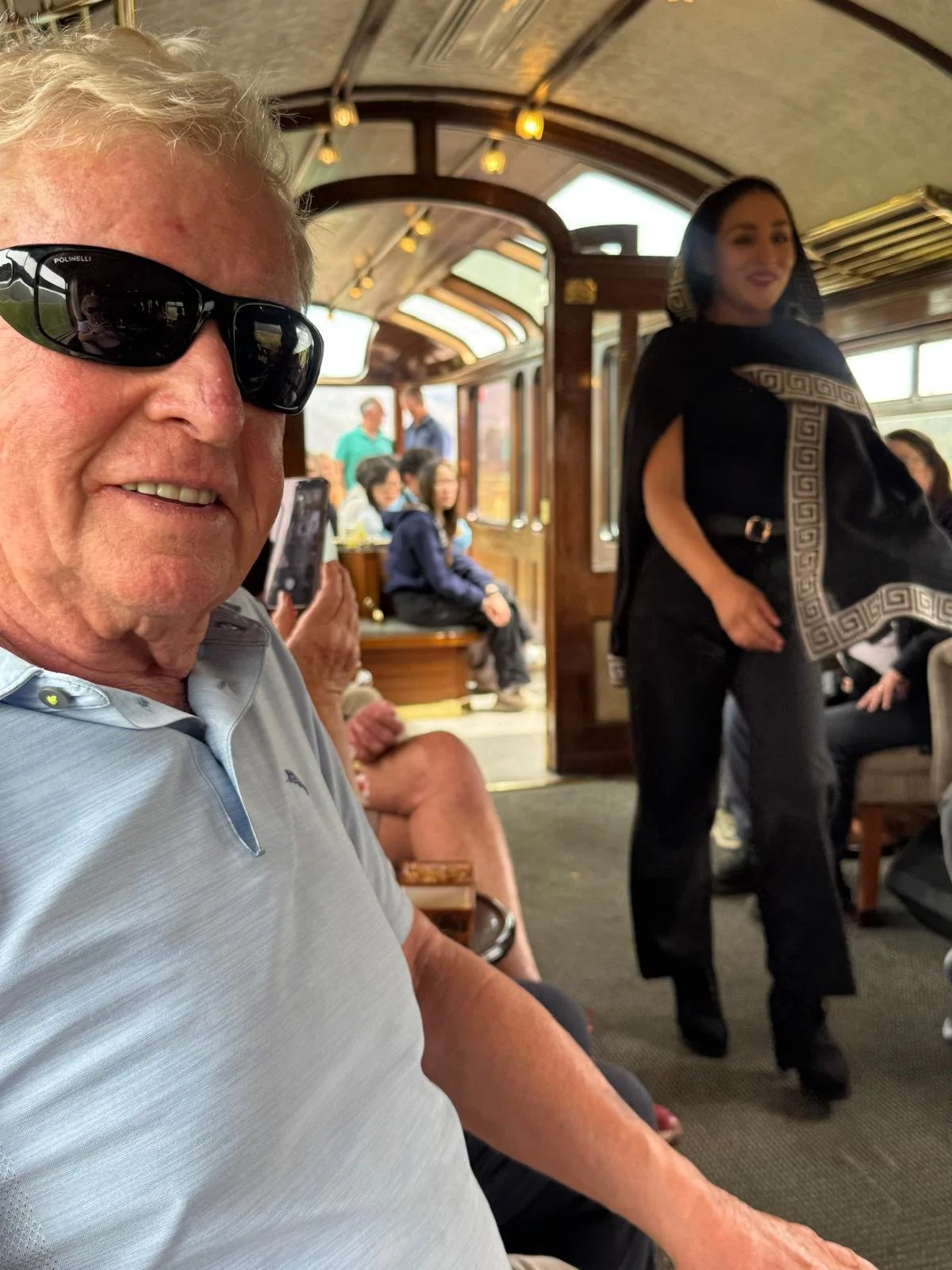
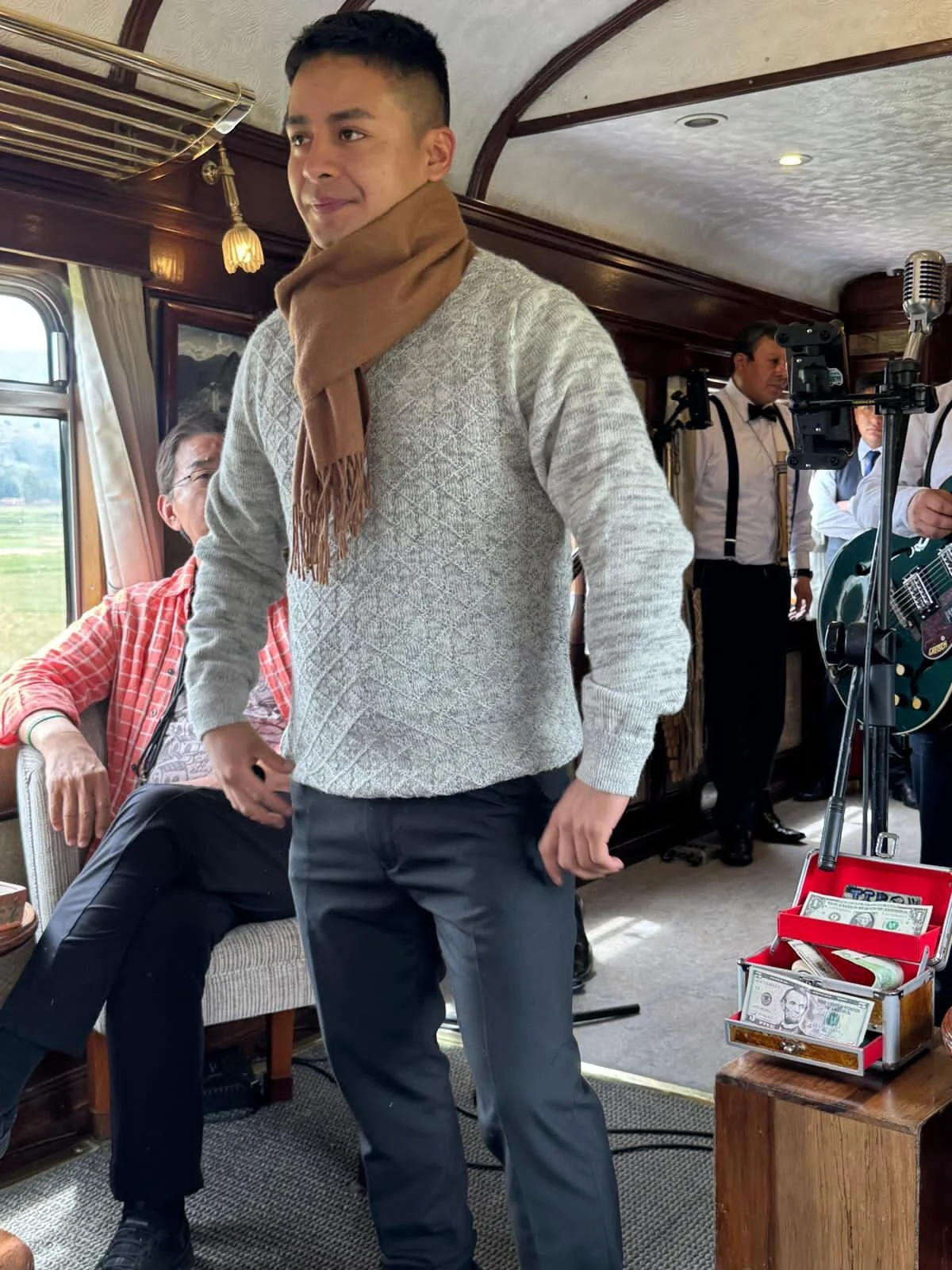
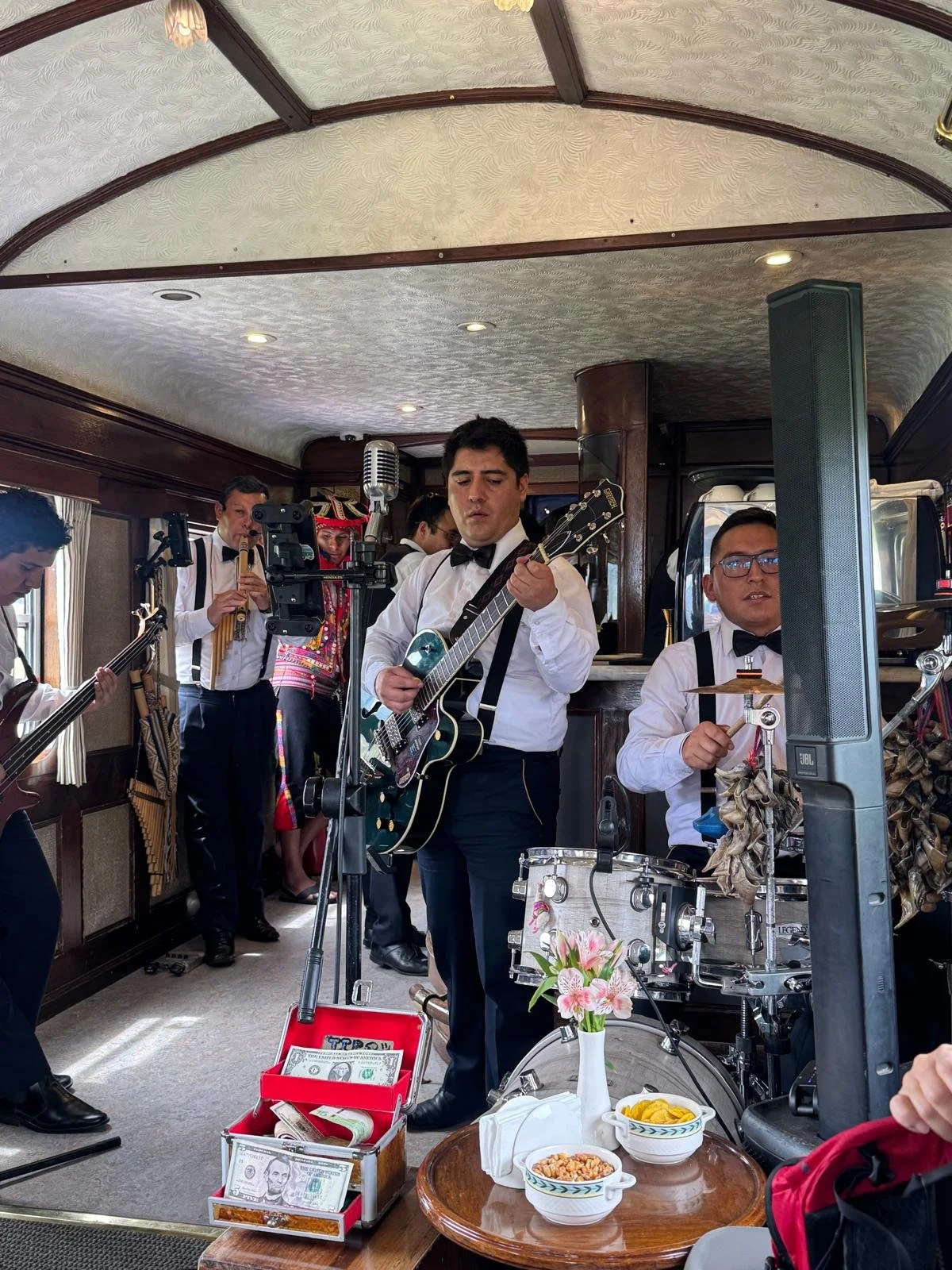
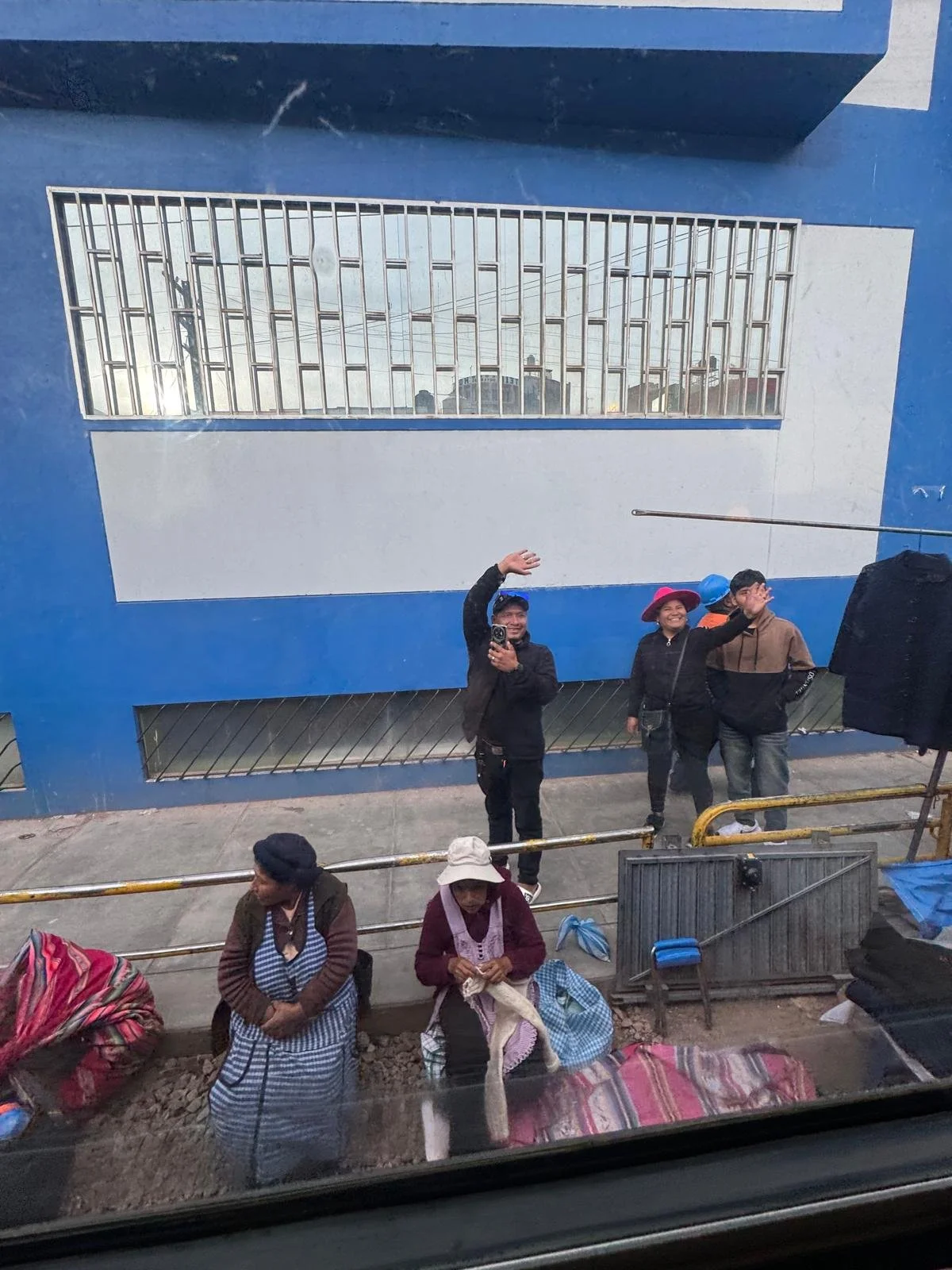
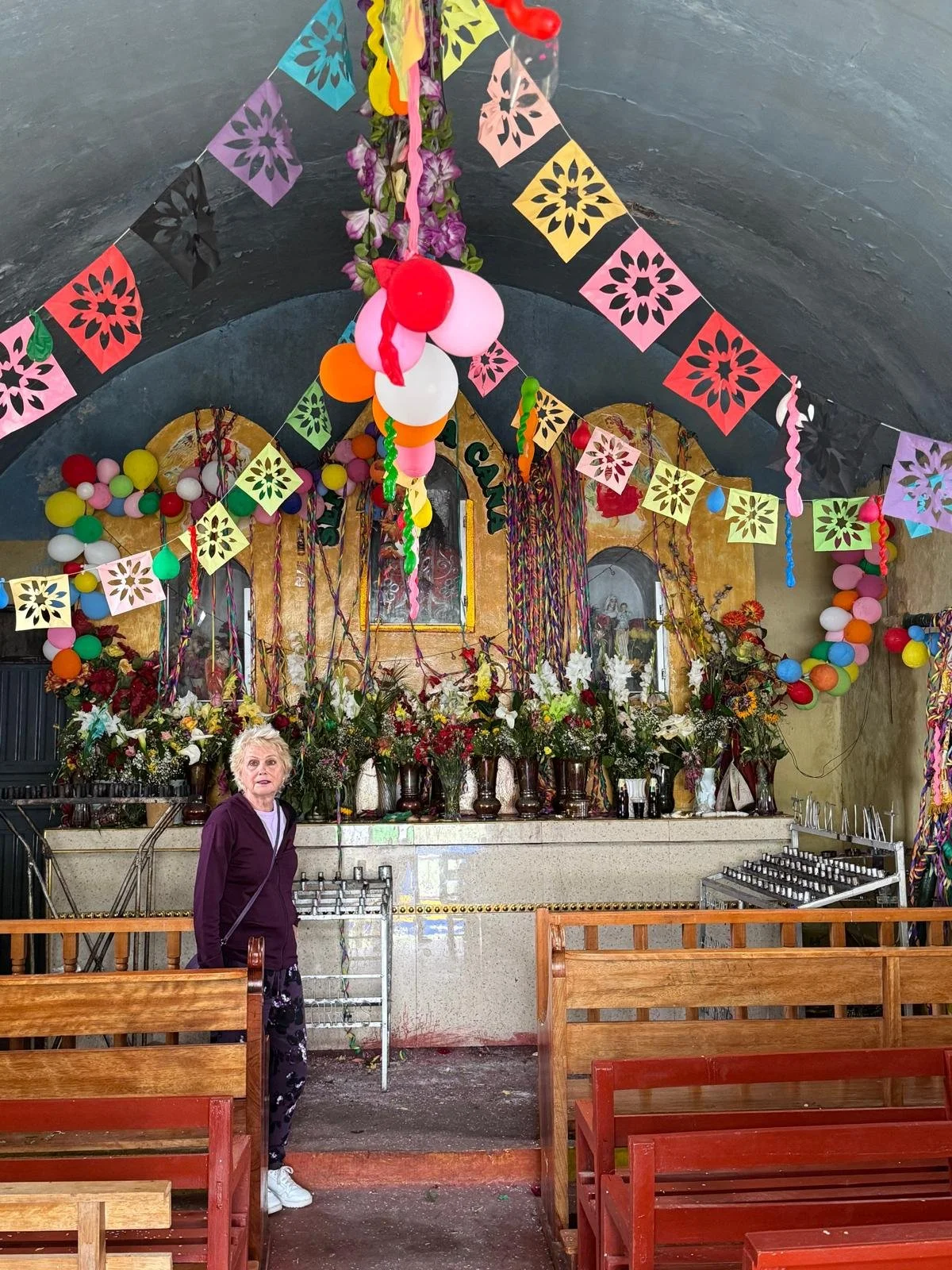
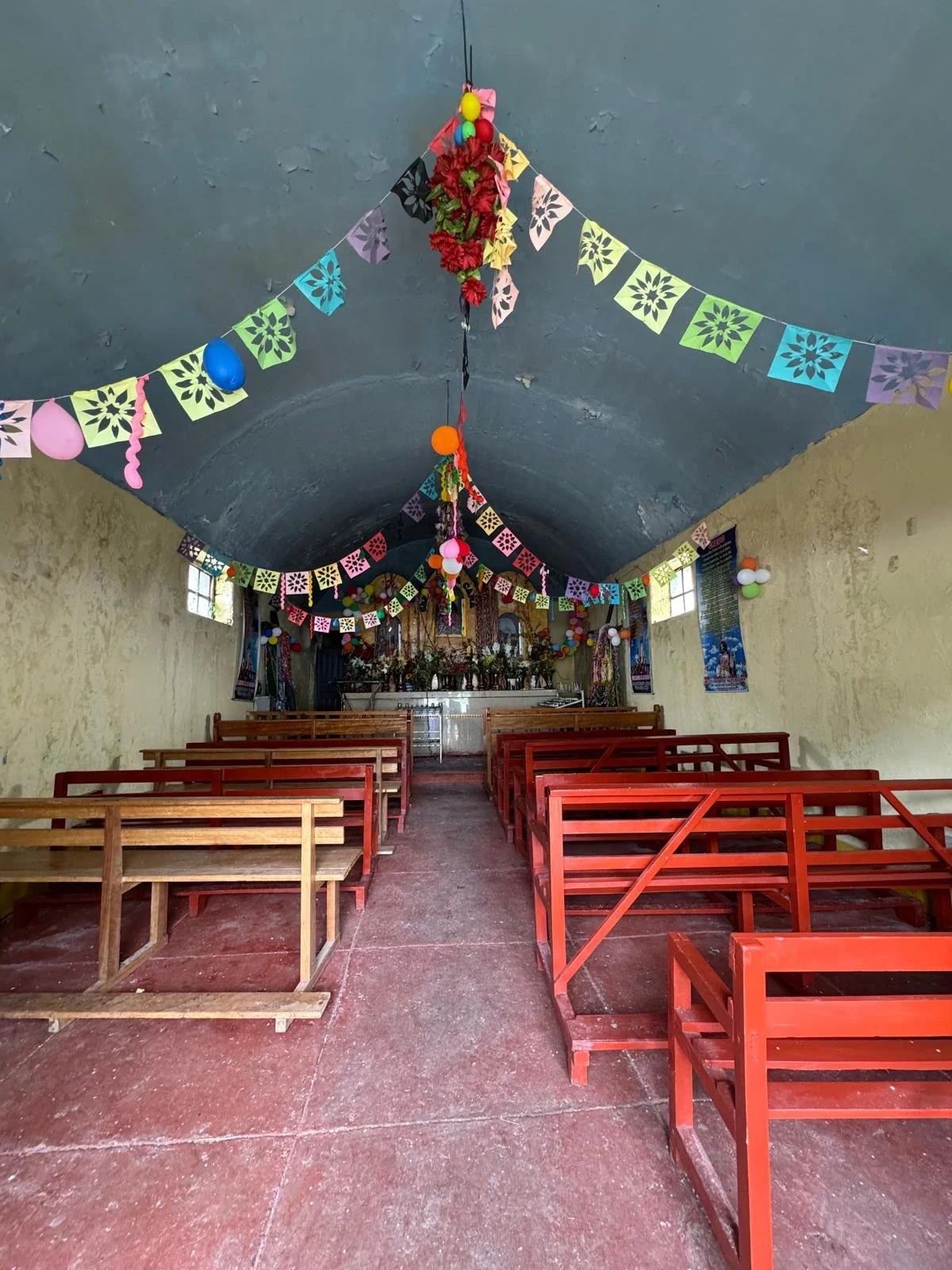
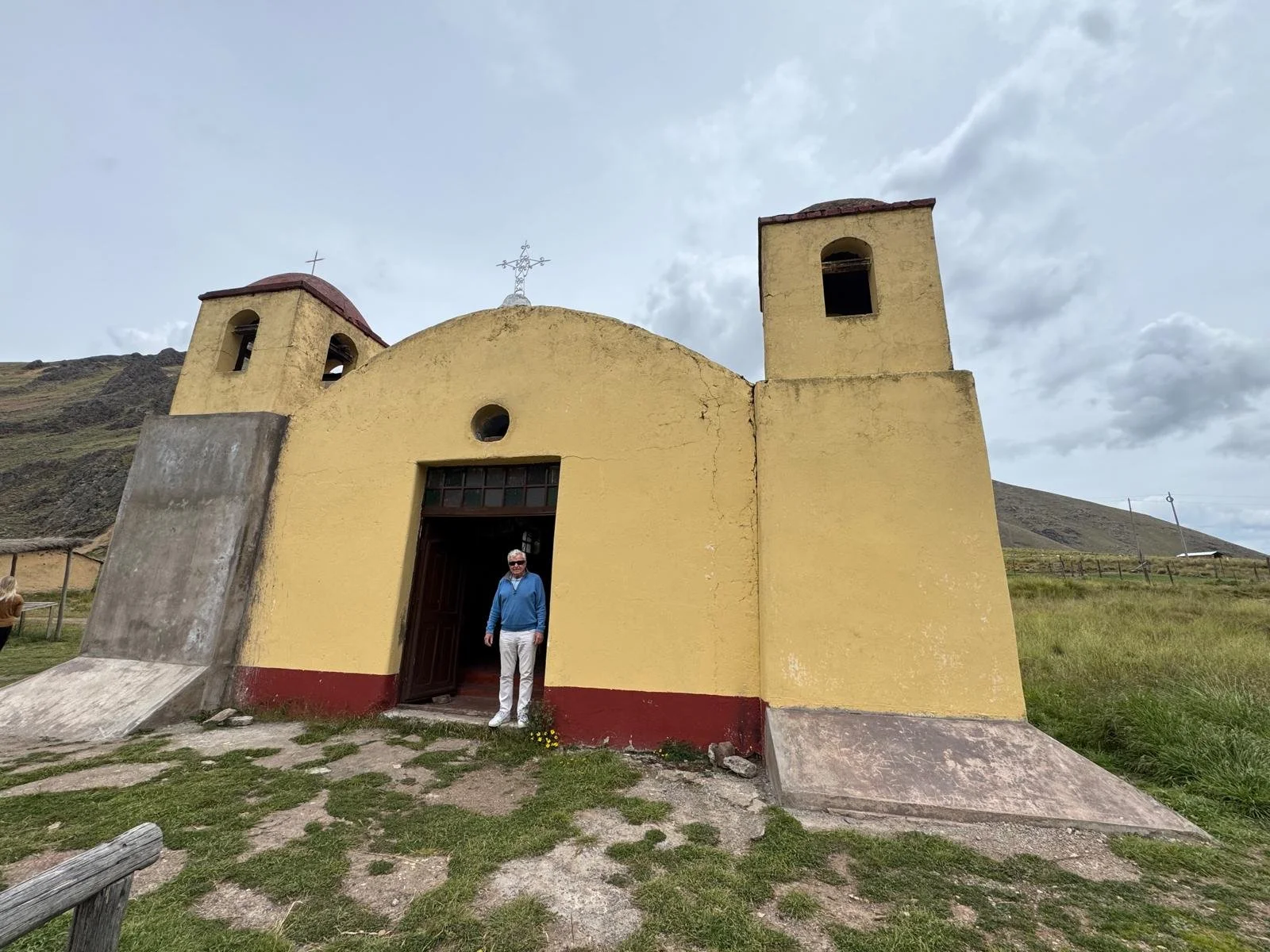
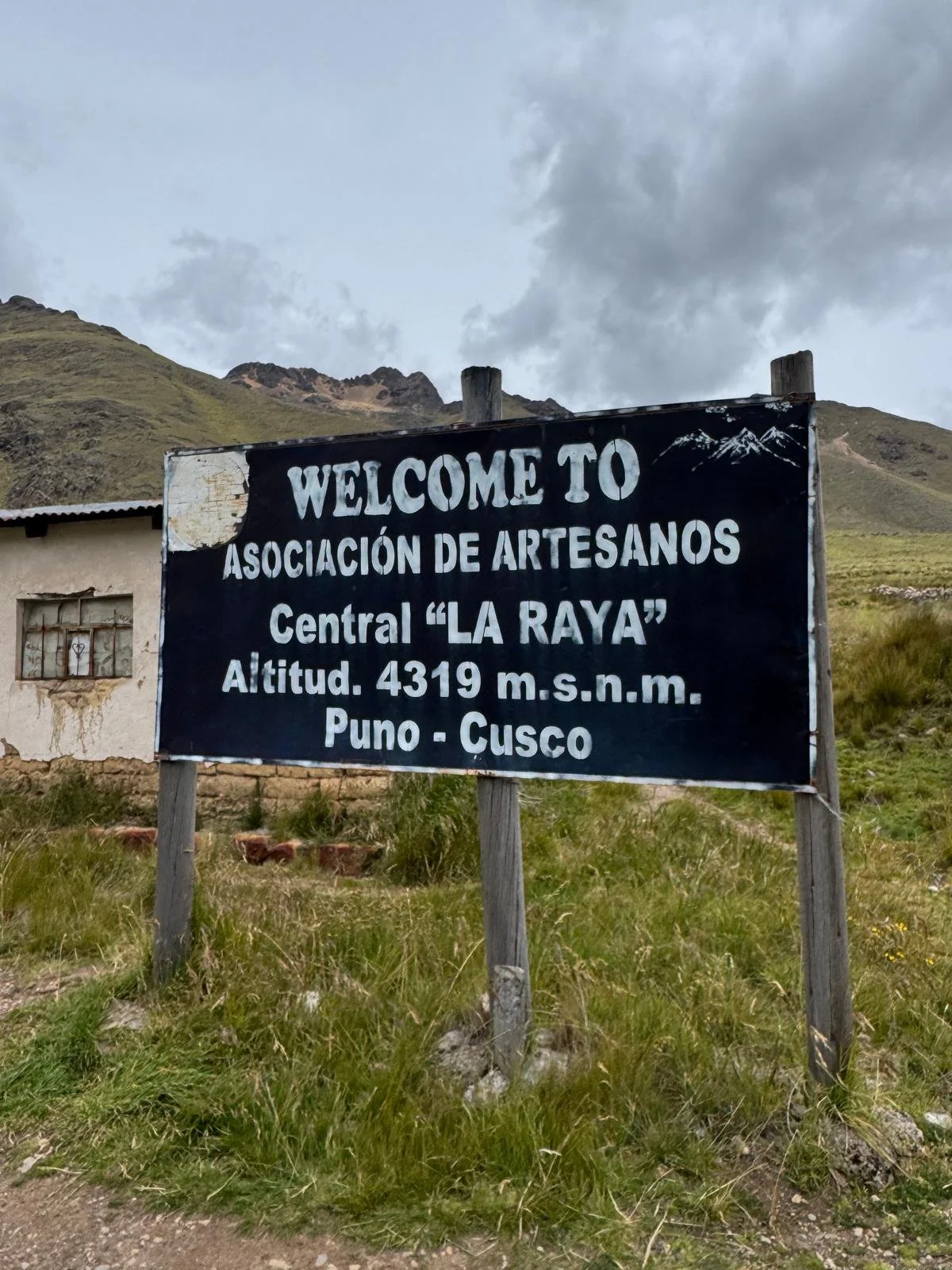
A stop at La Raya, the highest point of the journey at 4319 metres, to see the little church and take a few photos. We certainly noticed the altitude climbing back up only about 6 quite steep stairs! And then it was time for our five-star lunch – we certainly have been spoiled! A Pisco-making lesson followed by afternoon tea and we slowly coasted through Juliaca with lots of people in the town coming out to wave to us and then we finally arrived in Puno!